Express Drainage Solutions

A Solution for Sanitation, Wastewater Treatment & Renewable Energy

Njengi House

2nd Floor Suite 6, Tom Mboya St.

8:00AM - 5:00PM

Monday to Friday

+254742781455

info@expresswatersolutions.com

All Posts By

Antony Muya

How to Maintain Water Filter Media

What To Use Instead of an Activated Carbon Filter?

By | Water Filtration | No Comments

To remove harmful substances from water or air, an activated carbon filter (an active charcoal filter) adsorbs them onto its surface. Because of its high porosity and enormous surface area, activated carbon is ideal for chemical reactions and adsorption. In order to activate carbon, it is necessary to expose it to air, steam, or chemicals, which will cause the carbon atoms to release millions of tiny pores.

Activated carbon filters find widespread use in many different applications, such as:

Environmental cleanup

The filter can extract heavy metals, pesticides, hydrocarbons, and other contaminants from groundwater and soil. Environmental cleanup operations use them.

Industrial processes

Many industrial processes rely on these filters for their separation and purification needs. The wastewater treatment, food and beverage, pharmaceutical, and chemical manufacturing industries all make use of them.

Filter water

An activated carbon filter eliminates odor, taste, and VOCs, a common component of water purification systems. Herbicides, pesticides, and heavy metals are just a few toxins they can help diminish.

Respirators and gas masks

Respirators and gas masks utilize activated carbon filters to shield wearers from potentially dangerous airborne particles, vapors, and gases.

Purify air

Air purifiers use activated carbon filters to eliminate gases such as organic compounds, unpleasant smells, and other air contaminants. You can improve indoor air quality using their ability to trap and neutralize harmful contaminants.

The adsorption process is what makes an activated carbon filter effective. It’s how pollutants bind to the activated carbon’s surface. Activated carbon can efficiently capture various contaminants. This is due to its porous nature, which provides a vast surface area for adsorption. Note that these filters do have a capacity limitation. They will also require frequent regeneration or replacement to keep working properly.

Here are several alternatives to an activated carbon filter:

  • Alumina

Filtration systems often make use of alumina, a chemical derived from aluminum oxide, in place of activated carbon. Air and water can effectively absorb specific contaminants and chemicals when exposed to air and water.

  • Ion-exchange resins

A synthetic polymer known as an ion exchange resin can draw ions out of water by entrapping them in its ion pool. While they find widespread application in water softening systems, their filtration capabilities are versatile.

  • Biochar

Charcoal, in its biochar form, is made from organic resources such as coconut shells, agricultural waste, or wood chips. Biochar is an excellent material for air and water filtration. This is because, similar to activated carbon, it has a porous structure that may absorb odor and pollutants.

  • Activated alumina

Like activated carbon, activated alumina is porous and has a large surface area. This method can remove a number of pollutants from water, including arsenic and fluoride.

  • Silica gel

Sodium silicate, a porous substance, finds widespread application in desiccants. Additionally, it can absorb certain VOCs and moisture, making it useful in some filtration applications.

  • Carbonized materials

Aside from activated carbon, you can use other carbonized materials such as wood, bamboo, or coconut husk. They might not be able to soak up as much, but they can work wonders in some filtration scenarios.

  • Zeolite

Zeolite, an exceptionally effective absorbent, is a mineral that occurs naturally. When purifying water and air, you can use it instead of activated carbon in specific filtering systems.

What To Use Instead of an Activated Carbon Filter?Benefits of an Activated Carbon Filter in Water Filtration

Water filtration systems widely use activated carbon filters due to their efficiency in eliminating pollutants and improving water quality. Some of the most important advantages of activated carbon filters for water filtering are as follows:

Versatility

Multiple varieties of activated carbon filters are on the market. They have a wide range of potential applications in water filters, from small-scale individual units to massive municipal treatment facilities.

Better smell and taste

An activated carbon filter improves water’s smell and taste by eliminating pollutants like sulfur compounds and chlorine. This is particularly crucial in places where the tap water supply has a strong chlorine smell or taste.

Microbes reduction

An activated carbon filter doesn’t kill all microbes in water but does aid by fostering the growth of good bacteria that may otherwise outcompete bad ones. Also, certain carbon filters have antimicrobial qualities. They can limit the growth of bacteria and other pathogens. They achieve this by coating or impregnating them with chemicals such as silver.

Removal of disinfection byproducts

Water disinfectants like chlorine can react with organic substances to create disinfection byproducts, including haloacetic acids and trihalomethanes, which cause cancer. An activated carbon filter can successfully remove these disinfection byproducts. This lowers the health hazards linked to prolonged exposure.

Eco-friendly

One example of a naturally occurring material is activated carbon. You can find it in coal, wood, and coconut shells. It is a green water filtering option because it is both recyclable and renewable. Another way an activated carbon filter lessens its effect on the environment is by being reusable and regenerative.

Chemical removal

Activated carbon can efficiently remove many inorganic and organic compounds from water. This is due to its large surface area and many pores. A wide range of contaminants, such as VOCs, pesticides, chlorine, herbicides, chloramines, and many more, can compromise water quality, odor, and safety.

Removal of heavy metals

Filtering water using an activated carbon filter makes it safer to drink by removing heavy metals like chromium, mercury, lead, and cadmium. The type of carbon you use and the specific metal ions in the water are two factors that affect how well activated carbon removes heavy metals.

To improve the water’s quality, an activated carbon filter is an effective and economical way to remove many pollutants while increasing the water’s smell and taste. You need regular maintenance if you want your system to work at its best and keep the water clean. This includes regenerating or replacing the carbon medium.

Conclusion

It is important to assess the precise filtration needs, the kinds of pollutants to be eliminated, and the efficiency of the alternative material when contemplating alternatives to an activated carbon filter. The continuous effectiveness of any filter also depends on regular replacement and appropriate maintenance.
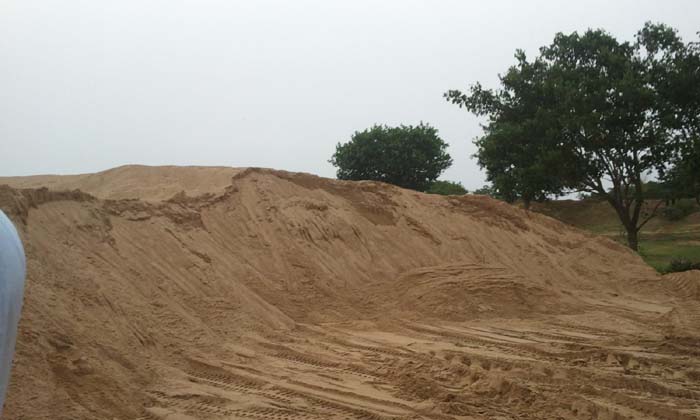
The Difference between River Sand and Filter Sand

The Difference between River Sand and Filter Sand

By | Water Filtration | No Comments

People harvest clean sand particles from river beds to use as river sand. Water that has been stagnant for a long time is the source of filter sand, which means that the sand particles include a lot of clay, silt, and other contaminants.

What is filter sand?

Silica sand, often known as filter sand, is a popular component of many filters, especially those dealing with water treatment and purification. Silica, a naturally occurring mineral famous for its chemical inertness and hardness, is the main component. It contains mainly granular particles.

Filter sand’s primary function is to filter out suspended particles and other contaminants from water as it flows through a filter. The filtration properties of this particular sand make it ideal for capturing and holding particles of all sizes, from microbes to fine sediment and large debris.

Many water treatment facilities use filter sand, including aquarium filters, municipal water filtration systems, and industrial settings. Reasons for its selection include its low price, durability, and effectiveness in filtering out impurities from water. We frequently wash and grade filter sand to enhance its filtration capabilities and ensure particle size equality.

What is river sand?

Finely fragmented rock and mineral particles make up river sand, a naturally occurring granular substance. It is formed by the gradual wear and tear of rocks over time and is most commonly seen in riverbeds, hence its name. A wide variety of landscaping and building tasks rely on river sand. This includes but is not limited to, levelling surfaces, filling gaps, and creating asphalt, mortar, and concrete. Particle texture, shape, and size are just characteristics that make it useful in many different building contexts. Concerns about environmental sustainability and the impact of sand mining on river ecosystems have prompted efforts and regulations to promote sustainable practices in extracting sand and alternative materials.

Here are the differences between river sand and filter sand:

Different sands, such as filter sand and river sand, serve different purposes because of their different uses, sizes, and compositions.

Let’s have a look at the key distinctions between them:

Source and origin:

  • Filter Sand

Conversely, filters typically use filter sand. Its processing guarantees shape and size equality. People often manufacture it from silica and quartz sand.

  • River Sand

Floodplains, bands, and riverbeds commonly contain naturally occurring sand, commonly referred to as river sand. The process begins with the gradual wear and tear of rocks, which rivers carry downstream and deposit along their banks.

How Well It Filters:

  • Filter Sand

Filter sand’s uniform particle shape and size make it ideal for filtering. This is because it effectively removes pollutants from the water. The longer filter runs and flow rates reduce maintenance and backwashing needs.

  • River Sand

Although filter sand is more effective than river sand in certain situations, there may be better choices than the former. This is due to the former’s smaller particle size and shape distribution. Filters may experience clogging and decreased flow rates as a result.

Use:

  • Filter Sand

Wastewater treatment facilities, water treatment plants, and pool filters are some of the most common places where filter sand is used in water treatment and purification. Because of its consistent shape and size, filter sand effectively removes particles and contaminants from water.

  • River Sand

Masonry, plastering work, and concrete production are just a few building applications for river sand. It is well-suited for various uses due to its inherent qualities.

The Difference between River Sand and Filter SandParticle shape and size:

  • Filter Sand

Filter sand meticulously grades its shape and size to be equal, typically with angular edges. Compared to river sand, its particle size distribution is typically more consistent within an ideal range for filtering.

  • River Sand

The natural erosion process causes the granules of river sand to be typically smoother and more spherical. Typically, they contain a combination of fine, medium, and coarse particles; however, their sizes might vary.

Does sand naturally filter water?

The answer is yes; sand filtration is a natural way for sand to filter water. For purifying water, sand filtration is a typical technique in engineering and naturally occurring systems. Chemical and physical processes remove some bacteria, organic matter, and suspended particles from water as they move through sand layers.

Here’s how it typically works:

  • Chemical Filtration

The sand bed is also a potential site for chemical reactions that can cause pollutants to change into less dangerous forms or cause dissolved chemicals to precipitate.

  • Biological Filtration 

Microbes that inhibit the sand bed can break down organic matter in the water. The biofilm these microbes create on the sand grains helps break down organic contaminants.

  • Adsorption

Certain water contaminants can cling to the surfaces of sand particles due to interactions or electrostatic forces. This method can more easily remove certain chemicals and dissolved organic compounds from water.

  • Mechanical Filtration

The pore spaces between grains physically trap bigger particles as water runs over the sand bed. Similar to sieving, this process traps particles too large to pass through the sand’s pores.

The effectiveness of sand filtration, which is generally a straightforward and efficient way to cleanse water, is dependent on a number of variables. This includes the water’s particular pollutants, the flow rate, and the quality and size of the sand grains. Water naturally undergoes filtration when it infiltrates sandy soils or riverbeds. This process is known as sand filtration.

How do you filter river sand?

Filtering river sand includes removing various contaminants and materials from the water. A simple way to filter river sand is this:

  • Choosing the correct sieve

Select a sieve with an adequate mesh size depending on the level of filtering you want to achieve. The size of particles a sieve can retain varies depending on the mesh size. However, finer mesh sizes are more prone to clogging, even though they absorb smaller particles.

  • Preparation

It is best to wash the river sand before filtering it. To remove any potential pollutants, give the sand a good rinsing with clean water.

  • Installing the filter

Set the sieve over some filtering device or container. Be sure the container can accommodate the sand while allowing water to flow through.

  • Pouring the sand

Carefully pour the river sand onto the sieve, evenly distributing it. Do not overload the sieve to keep the filtration process running smoothly.

  • Filtering the water

Pour the water with the particles suspended slowly over the sand. With its physical blockade properties, sand will capture bigger particles while letting water through.

  • Monitoring and cleaning

Monitor the filtering process to guarantee smooth water passage through the sand. A major drop in flow rate or water backing up could be signs of debris building up in the sand. When this happens, stop the filter and give the sand a good rinse or gently stir it to remove any debris.

  • Collecting the filtered water

To collect the water, set a clean container underneath the sieve. The collected water ought to be less cloudy, devoid of sediment and bigger particles.

  • Optional additional steps

You can get a higher degree of purification by repeating the process numerous times or using finer sieves, depending on the level of filtering necessary.

  • Trapped particle disposal

Be careful not to pollute the environment when disposing of the sieve’s trapped debris and particles.

Conclusion

Although filter sand and river sand have sand particles, their use, composition, origin, and particle size are distinct. Building sites typically find river sand, whereas water filtration systems specifically use filter sand. You can filter river sand and get cleaner water for various uses.

Importance of School Biogas Installation

By | Biogas | No Comments

The term “school biogas” usually describes creating biogas, a sustainable energy source, from the anaerobic digestion of organic waste produced on school grounds. In an oxygen-free environment, bacteria break down organic materials such as yard trimmings, paper waste, and food scraps to produce biogas, primarily composed of carbon dioxide and methane.

Through a process known as anaerobic digestion, various organic sources can help generate biogas. It is possible to produce biogas from a variety of organic waste streams in a school environment. 

Sources of school biogas

Human Waste

There are situations in which schools might be able to access human waste stored in toilet facilities. It is possible that this is not a prevalent supply in all environments. Nonetheless, there is technology that can properly handle human waste to produce school biogas.

Yard Waste

School grounds can be a source of organic materials for biogas production, such as grass clippings and leaves.

Biodegradable lab waste

Organic waste can also come from scientific labs as a result of various experiments and research projects. Biogas production can make use of this waste.

Paper Waste

Composted paper waste from various school facilities, including offices, classrooms, and others, can produce biogas.

Kitchen oils and grease

School biogas can come from processing used cooking greases and oils in school kitchens.

Food Waste

Leftovers, food waste, and spoiled or otherwise unusable food produce a mountain of food waste at school cafeterias. By collecting this organic waste, schools can use it as a raw material for biogas production.

Animal Waste

If the institution raises animals or offers agricultural programs for educational purposes. 

Several phases are usually included in implementing a school biogas project, including:

  • Monitoring and Assessment

Monitor the biogas system’s output, its impact on energy cost and use, and waste diversion rates to assess its performance. You can use this data to improve your operations and find areas for improvement.

  • Design and Building

Take into account the school’s requirements and budget when designing a school biogas system. Keep in mind aspects like use options, biogas storage, and waste input. Relevant stakeholders and expert builders may be required to build the system.

  • Integration into the Curriculum

Use the school biogas system in the classroom. This is possible by including lessons on renewable energy and sustainability in the curriculum.

  • Operation and Maintenance

 Educate students and the workforce on how to run the school biogas system safely. Additionally, they should be educated on how to feed organic waste into the system and monitor gas production.

  • Feasibility Valuation

Conduct a feasibility valuation to evaluate the school’s potential for a biogas system. This should consider regulatory requirements, available space, and waste generation.

How the private sector can help install school biogas

Several avenues exist via which the private sector may make a substantial contribution to the installation of school biogas systems:

Outreach and engagement with the community

Businesses can spread the word about the advantages of biogas technology by involving the communities in and around schools. Community meetings, demonstrations, and outreach programs are all viable options. They can help get people involved and support school biogas initiatives.

Developing technology and providing services

Thanks to private enterprises working in biogas or renewable energy technology, schools can benefit from efficient and affordable biogas systems. Subsequently, institutions of higher learning can purchase these systems from them, with the bonus of setting up and maintenance services.

Support and policy advocacy

Businesses may help introduce biogas technology into schools by lobbying for regulations and policies that promote its use. They can communicate with lawmakers and emphasize the merits of biogas systems. This includes their financial savings and positive impact on the environment.

Collaborative efforts and partnerships

Businesses in the private sector can collaborate with the government, nonprofits, or even public institutions to launch school biogas projects. By combining the public and private sectors, businesses can better use the resources, knowledge, and access to markets that private enterprises offer.

Assessment and monitoring services

Businesses in the private sector can help schools evaluate the effectiveness of biogas systems by providing assessment and monitoring services. This information can help illustrate to stakeholders how beneficial biogas technology is, enhance system performance, and pinpoint improvement areas.

Finance and Investment

Finance or funding options for schools to establish biogas systems might come from private sector institutions like energy companies, investment corporations, and banks. They can help with the upfront expenditures by providing grants, loans, or other forms of financing.

Training and capacity building

Private sector firms can provide biogas technology capacity-building activities and training programs to the school workforce and students. This can encompass teaching materials, seminars, and workshops to guarantee school biogas systems’ correct functioning and maintenance.

Schools can help promote environmental sustainability by partnering with businesses and expanding students’ educational options. They will acquire the funding, resources, and knowledge necessary to install school biogas systems.

Importance of School Biogas InstallationThe benefits of installing biogas in schools

Implementing school biogas systems has several potential economic, educational, and environmental advantages. The following are a few major benefits:

  • Self-reliance and Resilience

Schools can withstand power outages that affect more conventional power grids when they power themselves with renewable energy. School biogas systems can keep critical services running even when the power goes out or there’s an emergency by providing a steady supply of energy.

  • The Protection of the Environment

Installing school biogas systems indicates the community’s dedication to sustainability and environmental protection. Promoting circular economy principles, natural resource conservation, and greenhouse gas emissions is a way schools may set a good example for their students and other stakeholders regarding environmental protection.

  • Economical

Producing biogas may save schools a lot of money on energy costs for heating and cooking. By finding new uses for organic waste, schools can also cut spending on waste disposal and fertilizer.

  • Management of Waste and its Reduction

School animal husbandry programs, gardens, and cafeterias generate organic waste that a biogas system effectively handles. Schools can reduce their environmental impact and methane emissions by reusing organic waste in biogas digesters. Biogas digesters also produce nutrient-rich fertilizers.

  • Integration into the curriculum

The interdisciplinary opportunities presented by biogas systems can benefit many different courses of study. By integrating these disciplines into the classroom, students can explore the practical implications of theoretical ideas in economics, environmental science, biology, engineering, and chemistry.

  • Community Engagement

Schools that implement biogas initiatives have the potential to become hubs for community involvement and partnership. Fostering partnerships and community support for sustainable initiatives, schools can include NGOs, local businesses, parents, and government agencies in school biogas system planning, implementation, and maintenance.

  • Educational Opportunities

The installation of school biogas systems opens up significant educational opportunities for learners. Students can gain practical experience in anaerobic digestion, sustainability, and renewable energy by operating the biogas digester themselves. As a result, more people in the school community will be concerned about the environment and likely adopt sustainable habits.

  • Generation of Renewable Energy

Biogas systems produce methane gas from organic waste, including animal manure and food scraps, through anaerobic digestion. This technique can produce a sustainable energy source that can power schools’ electrical, heating, and cooking needs. The use of biogas has the dual benefit of reducing schools’ carbon impact and dependency on fossil fuels.

Installing school biogas systems, which provide economic, educational, and environmental advantages, can help ensure a more sustainable future for the school and the community.

Conclusion

Note that efficient and safe biogas production requires careful management and processing of organic waste. Administrators should also consider waste pickup, storage, and safety when planning school biogas projects.

Installing a school biogas system has multiple benefits, including mitigating environmental impacts, promoting a more sustainable future, and enhancing educational possibilities for students.

How to Filter River Water for Home Use

How to Filter River Water for Home Use

By | Water Filtration | No Comments

The availability of safe drinking water is an issue in many regions of the world, especially in more rural or distant places. Natural water sources, such as streams and rivers, may be plentiful, but they are frequently contaminated and contain impurities. These render them unfit for human consumption unless they undergo treatment. In order to guarantee access to safe drinking water in such situations, it is essential to learn how to filter river water for home use.

This article will discuss several different ways to filter river water so that it is safe to use around the house. We will discuss choices to meet various demands and budgets, including simple filtration methods that you can make with common materials and more complex filtration systems.

In places where clean water is scarce, the ability to filter river water for domestic consumption becomes more important.

If you want to filter river water for domestic use, follow these steps:

Collect all required materials:

  • Bring a kettle or pot to a boil, if desired.
  • A system that filters water on the go
  • Clean cloth
  • Large buckets or containers for water collection

How to Filter River Water for Home UseChoose a clean point of collection

  • Stay away from places where water is stagnant, near pollution sources, or where animals could be a threat to water quality.
  • Locate a location along the river where the water is pristine and appears to flow continuously.

Water collection

  • When collecting water from the river, use clean buckets or containers. Stir the sediment up carefully to avoid disturbing the riverbed.

Pre-Filtering

  • Put the cloth over the opening of the container to collect water, and then pour water into it. You can repeat the process.
  • Pre-filter the water with a clean cloth before using a more sophisticated filtration process. This method makes it easier to remove sediment and larger particles.

Boiling (Optional)

  • After coming to a boil, allow the water to cool, which should take at least one minute (and possibly longer at higher altitudes).
  • Boiling water kills the vast majority of pathogens and microbes. Boiling river water is an extra precaution if you are worried about its cleanliness.

Portable water filter system

  • These filters normally remove odors, bacteria, and pollutants from the water by using activated carbon and many other filtering materials.
  • Make sure to follow the manufacturer’s directions while using a filtration system or portable water filter that you intend to use for emergencies or outdoors.

Maintaining regularly

  • Cleaning and maintaining your filtration system or portable water filter according to the manufacturer’s instructions may prolong the life of the system.

Storage

  • To keep tabs on how fresh the water is, mark the containers with the collection and filtering dates.
  • To avoid infection, put the filtered water in clean containers with lids that fit snugly.

Testing (Optional):

  • If you have the means to do so, you should check the quality of the filtered water against established safety requirements on a regular basis.

Use:

  • Filtered river water has several potential uses, including but not limited to gardening, cooking, drinking, and cleaning.

Methods of filtering river water for home use

In order to make sure the water from rivers is safe to drink, there is a multi-step process to filter it at home. Some approaches you can take are as follows:

Boiling

Boiling water is a simple and effective way to disinfect. It eliminates most parasites, viruses, and bacteria. However, boiling cannot remove sediment or chemical pollutants.

Ion exchange:

Water can have impurities such as heavy metals, magnesium, and calcium ions removed using ion exchange filters. These filters function by transferring ions from the water to a resin or other material inside the filter.

Activated Carbon Filtration

When it comes to purifying water, activated carbon filters work wonders for some heavy metals, chemicals, and organic compounds. Through a process known as adsorption, they capture contaminants within the carbon pores. This enhances both the smell and taste of the water.

Distillation

This method involves boiling water and re-condensing the steam. This procedure successfully eliminates most microbes, salts, and heavy metals from the water supply.

RO Filtration 

One efficient way to purify water is by using RO. A semipermeable membrane filters water with larger particles, molecules, and ions. Heavy metals, bacteria, dissolved salts, and viruses are just some of the pollutants that RO systems can eliminate.

Chemical treatment

Chemical treatments like iodine or chlorine can disinfect water and kill dangerous microbes. Due to their efficiency at low concentrations, people frequently utilize these chemicals in times of crisis or when alternative filtering technologies are unavailable.

Ceramic filtration

Ceramic filtration systems can be a good investment in purifying water from harmful organisms like protozoa and bacteria. While water can still travel through, these filters can capture pollutants using their tiny holes.

Ultraviolet disinfection

UV sterilization effectively kills viruses, bacteria, and other microbes in water. This method destroys the DNA of these diseases, making them harmless. To make sure the water is safe from microbes, it is best to use ultraviolet sterilization in filtering systems.

Filtration of sediment

The procedure begins with sediment filtering, which removes sediment, debris, and large particles from the water. Several filters, including filter cartridges, sediment filters, and mesh screens, can accomplish this.

When dealing with untreated river water, which might include a wide variety of toxins, it’s crucial to remember that no one treatment may be enough. To make sure the water is safe to drink, it’s usually best to use a mix of filters. To make sure the filters work over time, it’s important to monitor and maintain them often.

The importance of filtering river water

There are a number of reasons why it is important to filter river water:

  • Emergency Readiness

Filtering river water may be necessary to ensure that people have access to clean water in the event of a water shortage or other emergency.

  • Remove Sediments

Rivers can carry sediments, including clay, silt, and sand. Sediments have the potential to muddy water, alter its taste, and transport contaminants like pesticides and heavy metals. Filtration, on the other hand, can remove sediments, improving water quality and clarity.

  • Protecting Against Water-Related Illnesses

Rivers contain helminths, protozoa, viruses, and bacteria. Schistosomiasis and Giardiasis are diseases caused by these organisms. Filtration helps lessen the likelihood of waterborne illnesses by removing harmful microorganisms.

  • Chemical Contaminant Reduction

A variety of pollutants can end up in rivers due to runoff from farms, cities, and factories. Pharmaceuticals, fertilizers, pesticides, and heavy metals are all examples of substances that fall within this category. You can reduce or remove these chemical pollutants, making the water safer to drink.

  • Improving Smell and Taste

Filtration can help enhance the smell and taste of river water by removing organic debris and other chemicals that contribute to an undesirable smell and taste.

  •  Protect your health

Waterborne diseases such as dysentery, typhoid fever, and cholera occur due to microorganisms such as parasites, viruses, and bacteria that you can commonly find in river water. The water becomes safer to drink after filtration, which helps remove these dangerous germs.

  • Environment Protection

Additionally, aquatic ecosystems can reap the benefits of filtered river water by eliminating contaminants that pose a threat to aquatic life. Clean water is crucial for keeping aquatic ecosystems and species-rich.

If we care about the populations, our ecosystems, and public health that live near or depend on rivers for their water supply, we must filter their water.

Dangers of not filtering river water for home use

Due to the presence of hazardous pollutants, there are various concerns associated with not purifying river water before using it at home. Major dangers include the following:

Ecological pollutants

The environmental impacts of untreated river water are multi-faceted. This includes threats to human health, disruption of ecosystems, and damage to aquatic life.

Chemical pollutants

Urban wastewater, agricultural practices, and industrial runoff are just a few of the contaminants that rivers might collect. Other examples include harmful chemicals, fertilizers, heavy metals (such as arsenic, mercury, and lead), pharmaceuticals, and pesticides. These toxins can pollute drinking water, leading to long-term health consequences such as hormonal disruptions, cancer, organ damage, and developmental delays.

Algal blooms

Specific environmental factors, such as excessive nutrients and warm water temperatures, cause algal blooms in rivers. Contaminants produced by certain types of algae are dangerous to humans if swallowed or even breathed in. These contaminants can harm the liver, disrupt digestion, or even affect the nervous system.

Suspended solids and sediment

Untreated river water may contain suspended solids and sediments that not only alter its appearance and taste but also act as a breeding ground for harmful pathogens and bacteria. When swallowed, these particles might aggravate existing gastrointestinal problems and trigger new ones.

Agricultural and industrial runoff

Runoff from surrounding farms and factories ends up in rivers. If not treated, contaminated water from this runoff can be harmful to human health because it may contain pathogens, heavy metals, and chemicals.

Bacterial contamination

Gastrointestinal infections, typhoid, cholera, and dysentery are only some of the illnesses that could occur due to the microorganisms like protozoa, viruses, and bacteria found in river water.

Parasitic infections

Parasites such as Cryptosporidium and Giardia, which can cause serious gastrointestinal problems, may be present in some rivers. Filtration is crucial to eliminating these parasites from the water. This is because they are resistant to many traditional disinfection procedures.

The only way to make river water safe to cook with, drink, and use around the house is to treat it beforehand. Filtration methods such as membrane filtration, activated carbon filtration, and sediment filtration can successfully remove a variety of toxins. To further eradicate dangerous microbes, disinfection treatments like ultraviolet treatment or chlorination can help ensure the water is safe to drink.

Conclusion

Keep in mind that even though these procedures can improve river water, it still might not be completely safe to drink. If you are unsure about the water’s safety, always use treated water or ask the authorities in your area for recommendations on safe water sources.

How to Build a Biogas Digester in Your Backyard

How to Build a Biogas Digester in Your Backyard

By | Biogas | No Comments

There is a severe shortage of wood, and millions of rural people worldwide need help avoiding using fossil fuels as cooking fuels. An eco-friendly option would be converting manure into natural gas-like methane using a biogas digester. You can connect this to the kitchen’s plumbing system for cooking. A biogas digester’s byproducts are ideal for fertilizer use while reducing air pollution.

Here’s how to build a biogas digester in your backyard.

Materials Required:

  • Container:

You will require a sizable, sealed container to store the organic waste and produce biogas. A big PVC pipe, a metal drum, a concrete or plastic tank, or any combination thereof can serve this purpose.

  • Gas Outlet:

You can collect the produced biogas with a hose or pipe. You should place the gas on the digester’s top to allow it to build up.

  • Outlet Pipe:

This is the discharge point for the digested material, often known as effluent. One more time, a PVC pipe will do the trick.

  • Inlet Pipe:

We will add organic waste to the digester. Choose a PVC pipe whose inside diameter is just right for your container’s inlet.

  • Storing the gas:

You can temporarily store biogas in a gas bag or other suitable container.

  • Organic Waste:

You can use any organic waste, including animal manure, garden waste, or discarded food.

  • Water Supply:

A water supply could be necessary to keep the digester at the ideal moisture level.

Steps to build a biogas digester:

  • Choosing the container

Get a container appropriate for the amount of waste you will process and the area available in your backyard. Make sure that it is well-built and airtight.

  • Install a gas outlet

The top of the container should have a gas outlet installed. Connect the biogas collector to the hose or pipe.

  • Install inlet and outlet pipes

The container needs holes drilled into it for the inlet and outlet pipes. By sealing these pipes properly, you can prevent gas leaks.

  • Preparing the organic waste

Make the organic waste into little pieces by chopping or shredding it. This improves digestion by increasing the surface area.

  • Filling the digester

Introduce the organic material into the digester through the inlet pipe. Fill the container to approximately two-thirds or three-quarters of its capacity to allow gas accumulation.

  • Add water (if necessary)

If you’re using materials high in carbon, such as paper or straw, or if the waste is dry, add water to prevent the mixture from being too dry. A moisture level of about 80% is considered optimum.

  • Seal the container

When the container is full, seal it tightly so no oxygen can enter. Anaerobic digestion, which results in biogas, relies on this.

  • Digestion time:

Give the microbes a chance to break down the organic matter. Depending on factors like waste type and temperature, this process may take several weeks to a few months.

  • Biogas collection

Biogas, a byproduct of organic matter decomposition, will rise to the digester’s top. You can connect a gas storage tank to the gas outlet.

  • Using biogas

Whatever your need, put the collected biogas in the kitchen or heating system.

  • Waste removal:

At regular intervals, empty the digester’s contents into the drain pipe. You can apply this stuff as fertilizer in your garden.

Tips: 

  • Stirring:

By periodically stirring the biogas digester mixture to distribute nutrients and microbes evenly, you can increase gas output.

  • Safety:

Because biogas might catch fire, it is important to keep the digester away from open fires and keep it in a well-ventilated area.

  • Starting small:

Beginning with a small-scale biogas digester is the best way to start with biogas digestion if you are new to the process.

  • Temperature:

Higher temperatures accelerate the digestive processes. To warm the biogas digester, place it somewhere sunny or cover it with insulation.

Constructing a biogas digester in your garden is an easy way to reduce your environmental impact and turn organic waste into usable energy.

How much does a biogas digester cost?

A biodigester can be very affordable or expensive, depending on additional features, materials, size, location, and technology. Smaller home-use models can cost from a few hundred to a few thousand. Bigger industrial digesters can cost anywhere from tens of thousands to millions.

How to Build a Biogas Digester in Your BackyardA general breakdown of the costs is as follows:

  • Small-Scale Home Digesters:

Usually, they are more basic setups made for small farms or single-family homes. Depending on the materials and size, its price might range from $250 to $5,500.

  • Medium-Scale Community Digesters:

They aim to offer services to numerous families or communities. Prices might range from $5,500 to $55,000 or even more, depending on the resource’s capability and the technology used.

  • Large-Scale Industrial Digesters:

Large-scale enterprises, such as wastewater treatment plants, farms, and other business establishments, frequently use these. Depending on the customization, technology, and capacity chosen, industrial biogas digesters can cost tens of thousands to millions of dollars.

Operating costs, maintenance, and possible revenue or savings from biogas production need careful consideration alongside the initial investment. Depending on where you live and what you want to do with the biogas digester, you might be eligible for financial aid in the form of subsidies or incentives from the government.

What is not put in a biodigester?

Anaerobic digestion occurs when a biogas digester converts organic waste into biogas and fertilizer. While biodigesters can process a diverse range of organic waste, it is advisable to separate certain materials due to potential damage or interference.

Things you shouldn’t put in a biogas digester include:

  • Synthetic or inorganic chemicals

Do not introduce ammonia, bleach, and other synthetic chemicals to a biogas digester. These can harm the environment and disturb the natural bacterial community.

  • Hazardous materials

The beneficial microbes that aid in digestion are at risk of compromising their health. This can occur if pesticides, solvents, chemicals, and other harmful compounds contaminate the biogas and fertilizer that result from the process.

  • Dairy products:

When added in excess, dairy products can emit unpleasant scents and disturb the biodigester’s delicate balance of microbes.

  • Too much grease, oils, and fats

Although a little grease, oil, or fat is usually fine, too much might prevent microbes from doing their jobs or clog pipes.

  • Hard materials and large bones

A biogas digester may need help breaking down large bones or other tough materials, such as woody branches or shells, which take a long time to break down.

  • Contaminated or diseased organic waste

It is important to avoid adding contaminated food or other materials to a biogas digester to keep the biogas and fertilizer free of pathogens and diseased animals’ waste.

  • Non-biodegradable materials

Never put anything that isn’t organic in a biogas digester. They can’t break down glass, metals, plastic, or non-biodegradable materials.

Maintaining a biogas digester

Maintenance is key if you want your biogas digester to last and work well. A few must-do maintenance tasks include these:

Removing slurry

Periodically draining the surplus slurry is necessary to keep the digester at the correct volume and avoid solid buildup.

Training

All individuals responsible for operating and maintaining the biogas digester must have sufficient training in the required preventive measures and maintenance procedures.

Inspecting regularly

Make sure to visually inspect the biodigester on a regular basis for cracks, leaks, or other indications of damage.

Routine maintenance:

Establish a regular maintenance schedule for things like lubricating moving parts, part replacement, and filter cleaning.

Mixing

Maintaining a well-mixed digester is crucial to prevent solid or scum accumulation and ensure the uniform distribution of nutrients and microbes.

Monitor the pH.

Regular measurements of the pH level within the biogas digester are necessary. The ideal pH levels for biogas production are usually between 6.5 and 7.5.

Addition of substrate

Maintain microbial activity in the biogas digester by continuously adding new substrate, which is organic waste.

Collection and storage of gas:

Keep an eye out for gas leaks and obstructions in the collection system. Gas storage containers must be airtight and well-sealed.

Safety measures:

Always wear protective gear when dealing with biogas systems. Handle biogas with caution as it poses a significant fire risk.

Record keeping:

Consistently document all aspects of gas production, including repairs and maintenance, temperature, feedstock input, and pH levels. This information will be useful for fixing problems and making the system better in the long run.

Controlling the temperature

The temperature within the digester needs monitoring and regulation. Thermophilic digestion works best at temperatures between 50 and 60 degrees Celsius, while mesophilic digestion is most effective at temperatures between 25 and 40 degrees Celsius.

Feedstock management

Make sure to distribute the organic materials evenly before feeding them into the biogas digester. This will prevent materials with a high fat or nitrogen content from overwhelming the digester.

Following these maintenance instructions will ensure that your biogas digester system runs smoothly and safely. Regular maintenance maximizes biogas production and extends the equipment’s lifespan.

Conclusion

If you want to know what materials work best with your biogas digester, you should refer to the manufacturer’s instructions. The biogas digester needs frequent monitoring and maintenance, including checking the input materials, to work at its best and keep everyone safe.

How to Turn Biogas into Electricity

How to Turn Biogas into Electricity

By | Biogas | No Comments

Biogas are gases produced by decomposing organic matter, such as plant remnants or manure. You can generate both electricity and fuel from these gases. Methane is the primary component of biogas. Biogas has chemical energy, which you can turn into mechanical energy and electricity through several processes. Transducers, including turbines and generators, help to turn biogas into electricity this way. Since it is possible to produce it on both a large and small scale, this power has dual uses: in households and commercially.

Here’s how to turn biogas into electricity:

There are a number of processes involved in converting biogas into electricity. The most important ones are gas purification and generator use. Here are the basic procedures to convert biogas into electricity:

Production

Anaerobic digestion of organic materials, including energy crops, sewage sludge, agricultural waste, food waste, or animal manure, produces biogas. Bacteria decompose the organic matter in a sealed container called a digester, yielding biogas as a byproduct.

Purification

The digester’s biogas contains contaminants such as hydrogen sulfide and moisture. To make it usable for power generation, it first needs cleaning. Purification is necessary to remove contaminants and excess moisture. Hydrogen sulfide (H2S) is an impurity that can harm equipment and reduce power generation efficiency.

Storage

Storage tanks or gas holders are familiar places to keep clean biogas. This way, the power generation system may continue to receive a nonstop and controlled supply of biogas, regardless of fluctuations in the biogas production rate.

Generating Electricity

There are multiple ways to convert biogas into electricity:

  • Internal combustion engines:

In the same way that regular cars run on gasoline, biogas may power internal combustion engines. The engine receives the biogas, which is then burned to produce electricity to power a generator.

  • Fuel cells:

An electrochemical process in fuel cells can help convert biogas into electricity. Although fuel cells are better for the environment and use less energy, they may need extra purification processes to eliminate contaminants.

  • Microturbines:

Decentralized power generation is possible with the help of microturbines, which are little gas turbines. The microturbine burns biogas to power a generator directly.

  •  Gas turbines:

Gas turbines can also run on biogas. This method generates power by burning biogas in a turbine that helps drive a generator.

Distributing electricity

One option is to use the biogas plant’s electricity to power nearby operations. Another is to connect it to the power grid and make it available to the entire community. The needs and objectives of the biogas project will dictate this.

It’s worth noting that variables like available resources, project size, and desired output could affect the precise system configuration and equipment required for biogas-based power generation. For further personalized advice, consult with industry professionals or contact biogas system providers.

Can you run a generator on biogas?

To generate electricity, combustion engines use biogas as fuel and transform it into mechanical energy. Electric motors and generators share many similarities in their designs.

Fuel that biogas generators use

Biogas primarily contains methane as its principal gas component. Anaerobic digestion of organic materials, including energy crops, food waste, agricultural waste, and sewage sludge, produces a combination of gases known as biogas.

Biogas can have a wide range of compositions depending on the feedstock and digestion method. However, methane is usually the most abundant component, making up 50 to 70 percent of the gas. Biogas typically contains between 25 and 45 percent carbon dioxide, making it the second-most abundant component. Biogas might also contain trace levels of other gases like hydrogen sulfide, nitrogen, and hydrogen, among others.

Because methane can be burned to create transportation fuel, electricity, and heat, it is extremely useful. Boilers and generators driven by biogas can provide thermal energy and electrical current. In addition to using methane as a fuel source, biomethane is a renewable natural gas with many of the same uses as natural gas.

Methane, the principal gas produced from biogas, greatly benefits the renewable energy sector due to its various uses.

How to Turn Biogas into ElectricityEngine that can be run on biogas

A “gas engine,” distinct from a gasoline engine, is necessary if you want one that can run on pure biogas. Gas engines are essentially diesel engines that use spark ignition as opposed to compression ignition to ignite the fuel/air mixture. Though they are more expensive and difficult to get than ordinary diesel engines, small gas engines are available. The ignition system makes gas engines more complicated.

Electricity generation using biogas

The chemical energy found in biogas is derived from methane. Biogas becomes usable power after transforming this chemical energy into mechanical energy and then into electricity. Two transducers can accomplish this:

  • A generator:

The generator uses mechanical energy that it extracts from the biogas engine to produce electricity.

A connection is made between the biogas engine and the generator so that the generator receives its power from its revolving shaft. Magnetism helps to create electricity by transferring motion to the generator. The generated energy has two potential destinations: the power grid or a rechargeable battery.

  • A biogas engine:

This engine converts energy from chemical to mechanical form. The gas engine is attached to the biogas source’s outlet. Its internal combustion engine is very similar to a car’s. The engine burns the biogas, which then turns a shaft. Mechanical energy has been generated from chemical energy so far.

Methods for turning biogas into electricity

A number of options exist for turning biogas into usable power.

  • You can power your generator with biogas if it runs on petrol or diesel, two fossil fuels. In this case, the generator can run on either fuel or a combination of both.
  • Biogas may power the Stirling engine instantly. This technology’s low efficiency is a drawback, but its advantage is that it eliminates the need for biogas purification. This is because the combustion process occurs outside the engine system, as with the Stirling engine.
  •  Biogas can heat and pressurize the water right away. This high-pressure steam will power the turbine generator, like in a typical conventional power plant, and produce electricity.

The third strategy is the most popular of the three. The basis behind this is that this approach allows for the most efficient hybridization with other fuels.

In order to use biogas for constant electricity generation, the biodigester needs to be big enough to accommodate the generator’s power input. This is essential for maintaining a steady flow of biogas, which is necessary for generator rotation.

Benefits of Biogas Electricity Generation

Several significant benefits exist from converting biogas into electricity:

  • Cutting Down on Emissions of Greenhouse Gases:

One way to generate power from biogas is by converting organic waste into fuel. This reduces emissions of greenhouse gases and aids in the fight against climate change.

  • Energy Independence:

Biogas electricity generation is a decentralized energy alternative that gives communities more control over their energy consumption and lessens their reliance on large power plants.

  • Waste Management:

Anaerobic digestion helps lessen the negative environmental effects of organic waste by producing energy and decreasing methane emissions during decomposition.

  • Renewable Energy:

Biogas, produced from organic waste, is one sustainable energy source that can help decrease the use of fossil fuels.

Conclusion

The conversion of biogas into electricity is an eco-friendly and long-term solution to power needs. Biogas power generation tackles waste management issues and reduces greenhouse gas emissions using organic waste products. It also generates clean energy. A more sustainable future may be within reach with the help of biogas. This is why it is attracting attention as a viable alternative energy source.

How to Harvest Biogas from Food Waste

How to Harvest Biogas from Food Waste

By | Biogas | No Comments

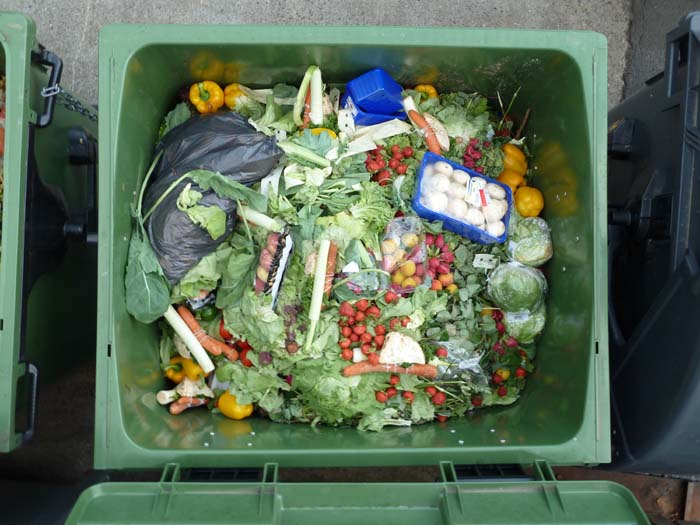
Creating biogas from food waste can be accomplished through the process of anaerobic digestion. This methods helps to recycle the organic material introduced into the vessel that emits biogas. Furthermore, the biogas generated during the processing of food waste is an excellent resource for living a sustainable lifestyle. This is done by separating the energy it contains (the biogas) from any other solid run-off (the “digestate”).

This anaerobic digestion process has no major environmental impact, although it can occur naturally in certain environments, landfills, and even factories that treat livestock waste. This can only be achieved by considering changes that will have a greater and more far-reaching effect.

One such possibility is producing biogas from food waste using anaerobic digestion. This method is well-controlled and optimized. It can significantly reduce waste, personal contribution to landfills, and energy expenditures!

How is biogas created from food waste?

Specially built reactors help produce biogas from food waste. Once the reactor is loaded with the waste, the bacteria within begin to decompose and break down in stages. This sets in motion a series of chemical processes that ultimately generate biogas and both liquid and solid digestate outflow.

Creating biogas from food waste is known as “co-digestion.” You can speed it up by storing different types of organic waste in the reactor. Among the many eco-friendly things that you can do with harvested biogas are:

  • It’s going via a natural gas pipeline to become biomethane.
  • Green technology includes turbines, engines, and other similar devices.
  • Cooking

What food produces the most biogas?

Food Waste 

Factors like ambient temperature and the kind of waste you feed determine how fast your food decomposes and turns into biogas.

Since the animal’s stomach has not yet digested food waste, it typically has a higher potential for generating energy. Grease (FOGs), fats, food waste, and oils are very useful for food scraps, but you should use them sparingly. However, biogas production is generally higher, with feedstock rich in sugar, fat, calories, and starch.

  • Low biogas yield: spinach, poultry, fish
  • High biogas yield: peas, corn, bread

There is a lot of interest in the acceptability and efficiency of adding yard trimmings to biodigesters, food waste, and animal manure. Their cellular structure makes them resistant to biodigesters and necessitates further pretreatment procedures for digestion.

Why divert food waste?

Refrain from throwing out perfectly good food; doing so would be wasteful for numerous reasons. Agricultural inputs, particularly those associated with industrialized farming, can significantly impact the environment in terms of labor, fertilizer, water, and land. We can salvage some of these inputs that would have ended up in landfills if we didn’t recycle and repurpose this food instead of throwing it away. Food waste will never be recovered when it ends up in a landfill.

Landfills use the same mechanism as anaerobic digesters to manufacture methane from organic waste. Methane is 25 times more potent as a greenhouse gas than CO2. However, only a fraction is used for energy; the other half goes into the atmosphere.

Anaerobic digestion is an excellent alternative to landfills for food waste since it produces two useful byproducts. Either onsite usage or sale to the grid are viable options for remediating energy costs from biogas. Whether it’s for onsite usage in landscaping or supplied to farms, biofertilizer has many potential applications. The idea of food waste is shifting from a waste product to a moneymaker.

How much biogas is produced from food waste?

One of the many uses for food waste is as feedstock. Biogas production from the waste is proportional to its moisture composition and content. A higher quantity of biogas may be produced from dry food waste than wet ones. Additionally, proteins and fats make a greater amount of biogas than carbs do.

Would a digester be able to handle meat, oils, and bones?

In contrast to home composting, anaerobic digesters thrive on organic matter, including bones, oils, and meat. The potential for methane production is far greater in oils and meats than in carbs and veggies. When ground correctly, bones can add calcium, a micronutrient essential to plants, to the waste while also balancing the digester’s pH.

How to Harvest Biogas from Food WasteIn order to facilitate digestion, is it necessary to pretreat food waste?

Although complete food waste can be digested anaerobically, physical preparation is necessary to decrease the material’s particle size. This speeds up the process by giving the microorganisms easier access to the food. An in-sink food disposal system currently present at many grocery shops, dining halls, and restaurants would be a suitable pretreatment option.

How long is the process?

The anaerobic digester’s design and operating parameters and the food waste’s composition determine the digesting time.

Who uses the biogas that food waste produces?

Biogas is viable for anyone seeking to source and adopt a green energy lifestyle.

  • Businesses that use energy that isn’t renewable.
  • Clean energy homesteaders and activists desire a more sustainable and renewable energy-focused lifestyle.
  • Federal and state governments are looking for alternatives to their current use of costly and inefficient energy.

Why is producing biogas from food waste a good idea?

Biogas production from food waste will affect your

  • Goals in agriculture. Fertilize your organic crop gardens with the digestate made from biogas from food waste. Another source of income you may not have thought of before is selling the all-natural fertilizer you make at a farmer’s market.
  • Converting any methane (a dangerous greenhouse gas) produced from landfills into biogas can significantly reduce your impact on the environment and your liability for emissions into the atmosphere.
  • Energy bills you receive. Your energy bill will decrease if you use biogas to power your home or cook. One cooktop may produce enough renewable energy to power a two-hour cooking session with as little as six liters of organic food scraps.
  •  Using less energy from non-renewable sources will affect the environment. In addition to reducing your impact on landfills, you will create energy from a renewable source.

You can easily accomplish the advantages above. All you need is the right reactor, and with just a few simple clicks, you may be producing biogas from food waste!

Conclusion

A potential solution to two big environmental problems—the generation of renewable energy and the reduction of organic waste that goes to landfills—is the biogas that can be produced from food waste. One way to help ensure a sustainable future is to convert this waste into biogas, which can lessen our load on fossil fuels. Not only could this process give communities energy, but it could also open up new possibilities for recycling and waste management. Biogas production from food waste is an innovative and encouraging development in the quest for a more sustainable global community.

Step by Step Guide on How to Make Biogas at Home

Step by Step Guide on How to Make Biogas at Home

By | Biogas | No Comments

Initially, you will require a biogas digester, also known as an anaerobic digester or a biodigester. In this oxygen-free environment, microbes can decompose organic materials. Anaerobic digestion is complete when the feedstock is converted into biogas and the output is digested as a nutrient-rich product. To assist you in choosing the appropriate system to make biogas at home, let’s examine the most popular biodigesters.

Plug-flow digester

  • For effective operation, it is important to combine properly, maintain the temperature, and monitor the gas production. Periodically, the lengthy digester chamber must be cleaned and any collected solids removed.
  • Appropriate for do-it-yourselfers; nonetheless, only for more extensive endeavors needing professional knowledge and experience.
  • There is constant feedstock flow via its long, narrow chamber.

Floating-drum digester

  • Gas pressure fluctuations could occur due to changes in gas pressure; hence, the productivity is moderate.
  • Maintaining it regularly to guarantee proper operation.
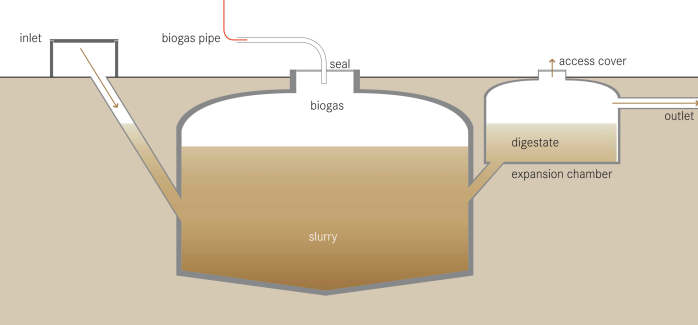
  • The digester chamber includes an adjustable floating gas holder. The gas holder moves up and down in response to changes in the biogas volume. It may store gas and function like a flexible lid.
  • A digester chamber and a gas holder that floats on top of the tank create a flexible lid that adjusts in height in response to changes in biogas volume.

Fixed-dome digester

  • This system is ideal for smaller-scale applications because of its moderate to high productivity, allowing for a steady biogas supply. Nevertheless, the gas pressure may be low, necessitating more actions to enhance gas flow.
  • Low maintenance is required after proper construction.
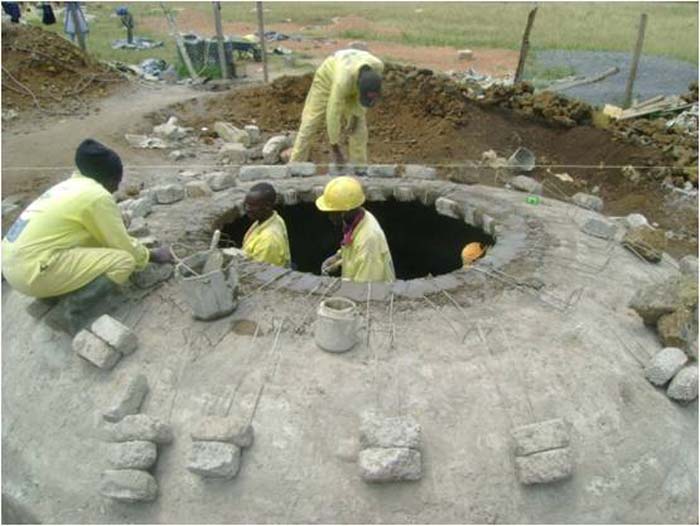
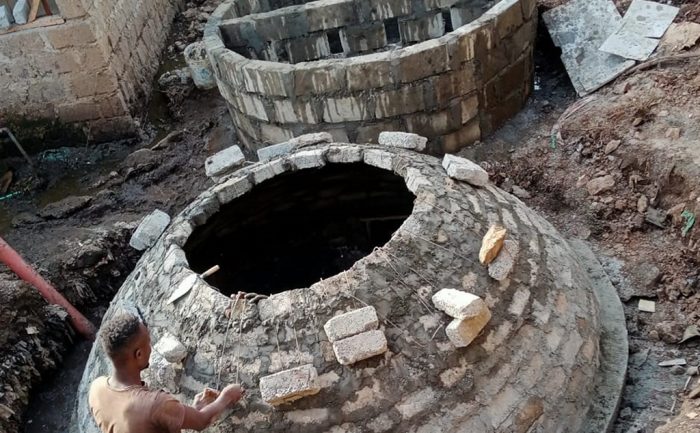
  • Their straightforward design and construction make them ideal for do-it-yourself projects, particularly smaller ones.
  •  Anaerobic digestion takes place in a dome-shaped chamber with a dedicated area for gas storage.

Purchasing a complete biogas kit or a biodigester can speed up the process. However, you can generate reliable green power by constructing your own biodigester.

Here’s how to make biogas at home

Step One.

Creating a biogas digester

The designs of various biodigesters will vary. Nevertheless, the majority of models require identical parts.

  • A digester tank

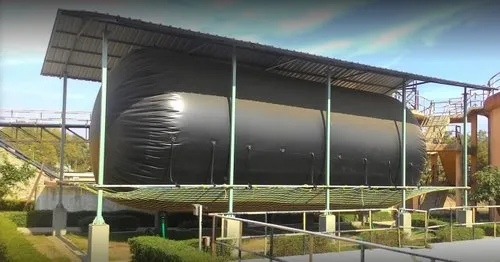
Anaerobic digestion occurs within a sealed container. Flexible membranes, steel, concrete, or plastic are some of the possible materials. Its ability to resist internal pressure and maintain an atmosphere devoid of oxygen is paramount. An ideal volume would be at least 700 liters.

  • A stirring system

A hydraulic or mechanical mixer or gas recirculation are your options. It speeds up fermentation and stops floating layers from forming.

  • A feeding system (inlet)

This is the opening or inlet to the digester, where you can deposit organic waste.

  • A gas collection system

A gas outlet pipe, usually attached to the digester, carries the biogas to either a storage facility or the end user’s equipment. Additionally, to guide the biogas flow effectively and create an airtight seal around the connections, you will need tire tubes, T-connectors, and gas valves.

  • Ventilation

An exhaust vent or pipe is necessary to ensure the digester does not build up dangerous gases, such as hydrogen sulfide.

  • Temperature control

To keep the digester at the ideal temperature for bacteria to thrive, you might require heating elements, although that depends on where you live.

  • Monitoring instruments

Consider gas composition analyzers, temperature sensors, flow meters, pH meters, and pressure gauges.

  • A digestate outlet system

Using a valve or pipe, the digestate can be easily extracted for fertilizer or as an additional treatment. You’ll need a PVC pipe with a diameter of 7.5 cm and a length of 60 cm.

Before you begin your DIY project, determine the type and size of biogas digester that will meet your demands. Consider where the feedstock comes from and what you plan to do with the digestate and biogas.

The next step is to put everything together according to a plan so that you get everything.

Step Two

  • Collecting and storing organic waste

Compile a comprehensive inventory of all organic waste materials that you can use to produce biogas. Plant materials, agricultural residue, food waste, animal manure, or kitchen leftovers are common sources. If you aren’t making enough organic matter, the next step is to seek other sources.

Ensure that the garbage you generate does not contain any non-biodegradable items, such as metals, packaging, or plastic bags. Keeping different kinds of garbage in designated bins is an excellent way to store organic waste for biogas production. Managing and collecting everything becomes much easier. Store in airtight containers to prevent nasty smells and keep bugs at bay. Also, keep these pots in a shaded spot.

Step Three 

Digester preparation

Before starting the digestion cycle:

  1. Make sure the biogas digester tank is free of any leftover debris or residue.
  2. Check all the parts, including the pipes and valves.
  3. Verify that all components are securely fastened and functioning properly.

Finally, make sure the digester is completely sealed. A good seal is essential for keeping the process in ideal conditions.

Step Four

Loading and mixing waste in the digester

To start the biodigester working, load it with organic waste. Nitrogen-rich materials such as animal manure can be mixed with carbon-rich materials such as agricultural residues and food waste.

Step by Step Guide on How to Make Biogas at HomeTo achieve a state of perfect equilibrium, you should adhere to a particular ratio of feedstock to water. This varies according to the type of digester and the feedstock you use. For instance, for every 10 kilograms of cow manure, you will want 10 liters of water. The optimal moisture range for efficient biogas production is usually between 70 and 80 percent. For this reason, modify the water amount depending on the feedstock compositions you’re experimenting with.

The exciting phase is about to begin: stirring! Mix the waste and water to form a uniform slurry. This will facilitate the efficient functioning of those diligent microbes. In order to ensure that anaerobic digestion takes place under the most favorable conditions, it is important to keep the moisture levels stable as you add more feedstock. If the waste is too dry, add water. If it’s too moist, add straw or sawdust, which are dry organic materials.

Step Five

Establishing the best operating conditions

Keep the temperature inside the digester between 30 and 40°C to keep things comfy. The bacteria are able to perform their magic more effectively and deliver a steady flow of biogas to meet your day-to-day requirements when the temperature is at this level.

Another statistic that needs monitoring regularly is the pH, which indicates how alkaline or acidic the digester’s environment is. The pH level should ideally remain between 6.5 and 8.0 at all times. If you see any deviations from this range, you should use additives or pH buffers to rectify the imbalance.

Keep in mind that the biodigester’s resident bacteria will require some time to adapt to their new surroundings. Depending on the feedstock and the type of digester, it could take a few days or weeks. As the microbes establish themselves, it is best to wait for nature to do its thing.

Step Six

Capture and storage of biogas

Connect a gas storage tank to your gas collection system. Make sure it can withstand the pressure of the biogas and is airtight. Use the right fittings and valves to let gas in and out as needed.

Your gas storage tank needs to be placed in an ideal area. It ought to be secure and have adequate air circulation. Maintain a safe distance between it and anything that could catch fire. Keeping a close eye on the inside pressure as you progress is crucial. This will guarantee that it remains within the ideal range.

Upgrade your system with gas filters. Removing any water particles from the biogas using a moisture filter is important to avoid damaging the biogas stove. This will ensure that the gas flows dry. A hydrogen sulfide filter could be useful to reduce the biogas’s hydrogen sulfide content further and eliminate any possible health risks.

Step Seven

Using the biogas

Once the gas storage tank is set up, connect it to your end-user devices. This method can be used with any appliance or machinery engineered to burn biogas.

Make sure there is excellent air circulation in the areas where you’ll use the biogas. Proper air circulation is important. This helps avoid problems arising from a lack of oxygen or excess gas. In order to maintain efficiency and safety, it is important to regularly inspect for leaks and fix them as soon as possible.

How do you get biogas?

Biogas is a sustainable energy source created when specific bacteria decompose organic materials in an anaerobic environment. Potential ingredients include sewage, animal, agricultural, manure, and food waste. Anaerobic digestion is another name for biogas production.

Can biogas replace natural gas?

After some minimal cleaning, biogas can be utilized to produce heat and electricity. It is primarily used in power plants to replace standard natural gas in these combined processes rather than in automotive applications. Biogas must be processed to a higher purity level for its use as a motor fuel.

Does biogas work in the winter?

Even though simple biogas digesters are underground, subtropical regions, particularly those with mountains, may experience cold winters that limit biogas output.

Because of this, biogas is not as reliable as other energy sources, which is why many farmers choose different options. Several factors can affect the temperature inside the digesters during the winter. Still, the most important ones are soil temperature, the amount of heat exchange between the digester and the air, air temperature, the washing water temperature, the inflowing sludge’s temperature, and so on. You need to know what drives digester temperature the most so you can figure out easy strategies to keep it higher in the winter.

Conclusion

Constructing a biogas digester from the ground up requires do-it-yourself expertise and knowledge of the hazards and how to mitigate them. After doing your homework, it is wise to use long-lasting materials that can handle biogas storage and transportation. A biogas kit from trusted companies like Express Drainage Solutions is another viable option for streamlining the procedure and guaranteeing consistent results.

Another critical consideration is the quality of the feedstock. To maintain a steady flow of biogas, you must continually feed the bacteria in the digester, so stock up on organic materials throughout the year. After the initial setup is complete, producing biogas at home is easy, and the payoff is substantial.

LPG or Biogas - Which is Better?

LPG or Biogas – Which is Better?

By | Biogas | No Comments

Many people think of gas as an extremely combustible substance, and with good reason. However, biogas is actually far safer than the propane or LPG gas tank you already have, and there are several reasons why.

Benefits of Biogas

An alternative to unhealthy cooking

Biogas generators alleviate the burden of gathering firewood. Most importantly, using a gas stove instead of a fire keeps smoke out of the house, which is a significant concern for families. It aids in the avoidance of fatal respiratory illnesses. The poor use of solid fuels in cooking is responsible for home air pollution, which sadly claims the lives of 4.3 million people annually.

Easy and affordable

Biogas production technology is relatively inexpensive. For household use, it is affordable and quick to install. Biodigesters made from animal and kitchen waste are easy to operate. In the long run, a home system will pay for itself, and the resources needed to generate it are costless. Direct use of the gas produced for cooking and power generation is possible. This is the key to the low production cost of biogas.

Daily livestock waste and biogas plants are two resources that farms can use. An entire day’s worth of energy can be generated from the byproducts of just one cow.

Compressing biogas in large plants gives it the same quality as natural gas, which can help power cars. The construction of such plants generates environmentally friendly employment opportunities with minimal capital expenditure.

Decreases pollution of water and soil

Liquid waste from overflowing landfills can contaminate groundwater supplies and release unpleasant odors into the air. The potential for biogas generation to enhance water quality is, thus, an additional benefit of biogas. In addition, since anaerobic digestion kills parasites and pathogens, it’s also great at lowering the prevalence of water-related illnesses. Similarly, places that have biogas facilities also have far better trash management and collection. Hygiene, sanitation, and environmental quality are all enhanced as a result.

Eco-friendly

Biogas is a sustainable energy source that is also environmentally friendly. Biodegradation is what produces the gas. Biodiesel gas actually lowers greenhouse gas emissions, which means it has no negative impact on the environment. Since the process does not involve combustion, it does not release any greenhouse gases into the atmosphere. Hence, converting waste gas into energy is an excellent strategy for fighting climate change.

Unsurprisingly, growing environmental consciousness is among the many factors contributing to biogas’s sudden rise in popularity. By reducing emissions of the greenhouse gas methane and reusing it as fuel, biogas plants greatly reduce the impact of the greenhouse effect. One goal of biogas production is to reduce the consumption of fossil fuels like coal and oil.

An additional benefit of biogas is that, in contrast to other renewable energy sources, the natural gas production process does not necessitate energy use. Because crops and trees will always be around, the raw resources utilized to make biogas are also sustainable. This approach is very sustainable because the basic materials used, such as crop residue, food scraps, and manure, will always be present.

LPG

Cost

There’s a need for a monthly payment. The cost increases due to the frequent revisions and price hikes. Biogas is an investment that will bring happiness for a lifetime.

Odorant

Ethyl Mercaptan is also included as an odorant to detect leaks further. When there is a leak in the biogas, the hydrogen sulfide that is already there helps to find it.

Emission

Burning produces a high amount of nitrogen oxide and carbon monoxide.

LPG or Biogas - Which is Better?Effects on health

Combustion releases carbon particles into the air. Repeated exposure can create major health issues, while biogas has zero risks to human health.

Availability

The availability could change depending on what people want to buy. The time it takes to receive an LPG cylinder after making a reservation can often exceed one month. Biogas allows us to produce our cooking gas from the comfort of our homes at any time, provided that we have access to organic waste.

Risk factor

If there’s a leak or it’s used incorrectly, the likelihood of an explosion increases. Because of its physical properties, such as its low density and pressure, biogas is far safer than LPG.

Environmental effect

The potential for global warming increases with the emissions of pollutants from fossil fuels, which include NO2, CO, CO2, and SO2. Biogas lessens the production of greenhouse gases, including NO2, CO2, CH4, SO2, and NO2.

Here are the key differences between LPG and biogas:

Energy Content:

LPG:

Due to its increased energy content, LPG produces more heat when burned. It has extensive industrial, domestic, and heating uses.

  • Biogas:

Biogas contains less energy than LPG. Compared to LPG’s butane and propane, biogas’s principal component, methane, has a lower calorific value. Consequently, burning biogas results in less heat energy.

Source:

  • LPG:

LPG is a fossil fuel, whether it’s pumped out of subterranean gas deposits or refined from crude oil.

  • Biogas:

Biogas is created when organic materials decompose, such as food waste, agricultural residues, or animal manure. Using organic waste products that would otherwise decay qualifies it as a renewable energy source.

Composition:

  • LPG:

LPG is a blend of butane and propane, two hydrocarbon gases. It is a byproduct of processing natural gas or crude oil for refining.

  • Biogas:

CO2 (25 to 50%) and (50 to 75%), comprised of methane, constitute the majority of biogas, with smaller quantities of other gases such as sulfur compounds, hydrogen, and nitrogen present. Anaerobic digestion converts organic waste into biogas.

It is not advisable to fill a regular LPG cylinder with biogas straight from the bottle when using biogas. The reason behind this is that LPG’s characteristics are distinct from those of biogas. LPG cylinders are specifically for storing and transporting LPG. One common method of storing biogas is gas, while another is to pressurize and store LPG as a liquid.

Nevertheless, biogas can be used as a fuel source with the proper adjustments and tools. Specialized biogas systems, like biogas digesters, can produce and store biogas for later use. Typical components of such systems include gas holders or bags made especially for storing biogas.

Conclusion: LPG or Biogas-Which is Better?

LPG and biogas differ in their use, source, composition, and energy content. LPG, a fossil fuel obtained from natural gas or crude oil, has a higher energy content than biogas. Biogas comes from organic waste, undergoes anaerobic digestion, and has lower energy content. You shouldn’t just pour biogas into regular LPG cylinders. You need special storage and equipment for each kind of gas. 

Thanks to Express Drainage Solutions, you can enjoy all the benefits of producing and using biogas from the comfort of your home. The installation process is simple, and the devices require little work. They generate clean, renewable energy and fertilizer. Find the product that suits your lifestyle the most if you want to produce renewable energy for daily usage while securely reducing your reliance on fossil fuels.

Biogas Collection, Storage, and Safety Considerations

How Does Biogas Upgrading Work?

By | Biogas | No Comments

The conversion of biogas into biomethane is known as biogas upgrading. Carbon dioxide, sulfide, hydrogen sulfide, water, and other pollutants are removed from biogas during its conversion to biomethane. Biomethane has multiple potential applications, including injecting it into the natural gas system or fueling vehicles.

What occurs during biogas upgrading?

While there are many ways to improve biogas, the four most common include amine gas treatment, pressure swing adsorption, selexol absorption, and water washing.

  • Pressure Swing Adsorption

This method uses an adsorbent material and pressure ranging from 4 to 10 bar to retain the carbon dioxide. A solid with a large surface area and pores work as an adsorbent. As a result of the carbon dioxide absorbed by the porous material, the result is biomethane. The adsorbent material can absorb a certain amount of carbon dioxide before it needs replacement. Therefore, there’s a need for regular monitoring and replacement. The pressure swing adsorption method uses materials like zeolite, alumina, activated carbon, resin, and silica gel to separate carbon dioxide from biogas

  • Amine Gas Treating

The term “amine gas treatment” describes using different amines to remove hydrogen sulfide and carbon dioxide from gas. The methane in the biogas is separated from the hydrogen sulfide and carbon dioxide by combining them with the amine gas. The lighter methane is collected at the top of the chamber, and the heavier mixture of hydrogen sulfide, CO2, and amine is collected in the bottom part.

 Water Washing

In order to purify biogas and produce biomethane, water washing absorbs carbon dioxide from fuel using high-pressure water. Pressurized water dissolves any hydrogen sulfide and CO2 in the gas. The methane goes straight through the system rather than being absorbed by water. One efficient method of converting biogas to biomethane is water washing. This can reach methane rates of up to 98 percent. 

  • Selexol Absorption

The Selexol absorption technique removes methane using polyethylene glycol while absorbing hydrogen sulfide and CO2. Using polyethylene glycol, this method is equivalent to water washing. Compared to water, Selexol is a better absorber of hydrogen sulfide and carbon dioxide. This results in less pumping required for biogas purification. Furthermore, Selexol eliminates other impurities, such as hydrocarbons and water.

What is the result of biogas upgrading?

Biogas is converted into biomethane through biogas upgrading. Biomethane is chemically equal to subsurface natural gas and has a methane content of 90% or higher. Because it is highly versatile and can be used in place of natural gas for a wide variety of purposes, such as fueling cars, water heating, cooking, and power generation, this gas has numerous potential uses.

What are the advantages of biogas upgrading technology?

The use of membranes for biogas upgrading has several advantages that affect operational and budgetary aspects:

  • Control and consistency 

Controlling the gas output quality is important; the membrane makes it easy. With this technology, chemical imbalances aren’t a concern.

  • Cost-effective 

Contact us today for more information about our high-quality, cost-effective biogas upgrading solution that offers many benefits.

  • Sizes

Biogas upgraders that use membranes have a minimal impact on the environment.

  • Simple and robust

There are only a few moving parts in membrane-based upgraders, so they’re dependable and easy to maintain. Because of this, servicing and maintenance expenses are kept low, and operating plant hassles are reduced. Also, more money is directly proportional to higher uptime. Again, operational expenses are reduced by extending the service life of the membranes through extensive pre-treatment.

Can we liquefy biogas?

The conversion of biogas into liquid form, known as liquid biogas, offers great promise as a transportation biofuel. Liquid biomethane’s advantages over fossil fuels include its carbon neutrality, widespread production, and renewable resources.

Time taken to produce biogas

Biogas production takes different amounts of time. Biogas plants can employ an anaerobic digestion project to accelerate decomposition artificially, making them more suitable for use as fuel. Under less regulated conditions, this procedure can take up to one month to finish. One example is the significantly longer time it can take to produce biogas from a landfill.

This is due to the fact that creating an oxygen-free atmosphere in a landfill is more challenging. Methane generation can only occur if aerobic bacteria consume all the oxygen in the waste. Once this process finishes, methane production can begin. It usually takes around 12 months. The surrounding environment impacts the deoxygenation rate and the time it takes to produce methane since landfills are usually outdoors. The process will be slowed down in dry and cold regions, while its acceleration will occur in humid and warm conditions.

Conclusion

By confirming the biogas upgrading process’s purity and optimizing the energy produced, biogas analyzers and monitoring systems increase the ROI of biogas upgrading. Additionally, they aid in reducing flaring and the leaking of greenhouse gases.