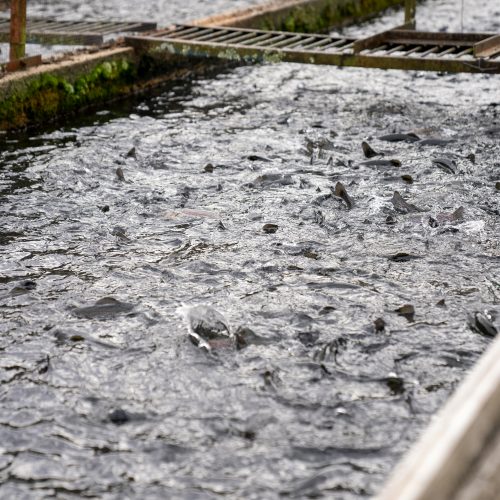
Fish and other aquatic animals rely heavily on the state of the water for their survival, growth, health, and reproduction,...

Fish and other aquatic animals rely heavily on the state of the water for their survival, growth, health, and reproduction,...
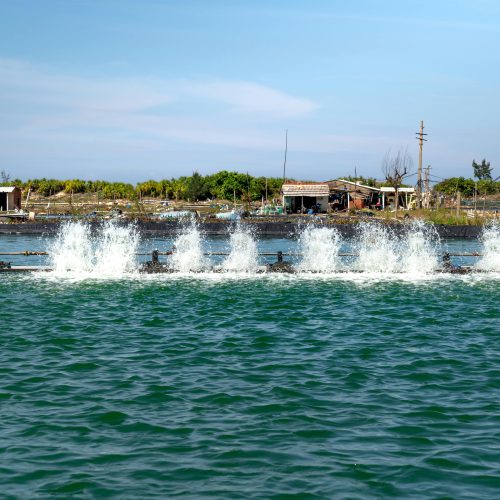
Coastal water treatment involves methods and processes taken to improve water quality in coastal areas, which include nearshore marine habitats,...
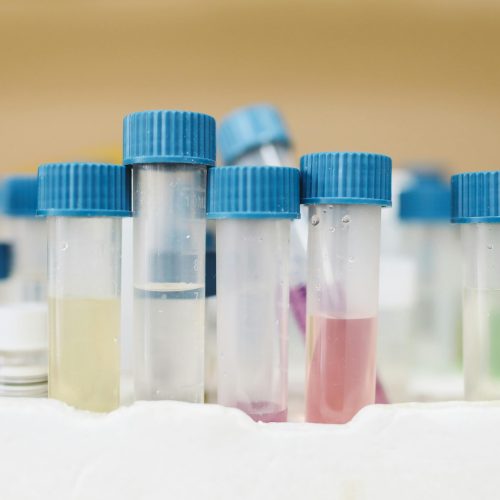
For the purpose of physical, chemical, and biological analysis, water sampling techniques are employed to collect water samples from various...

When conducting water testing, one crucial parameter is its electrical conductivity (EC), which indicates how well the water can conduct...
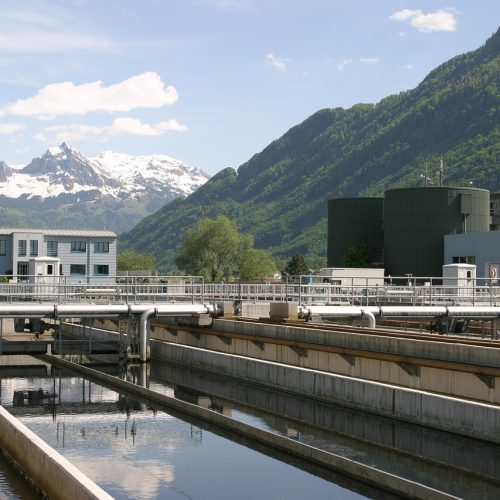
The collection, treatment, and safe disposal of water produced in rural areas is known as rural wastewater treatment. Without adequate...
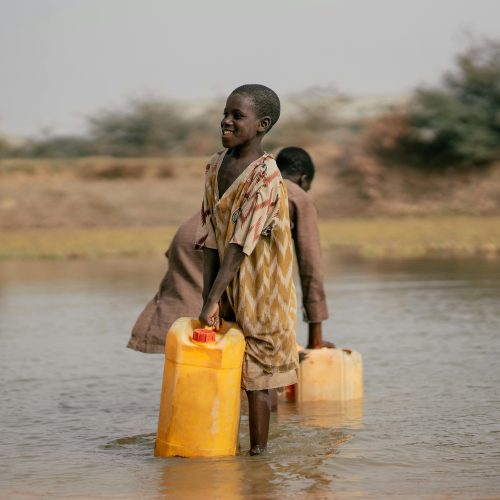
To make the water in rural areas fit for household use and human consumption, a variety of techniques and procedures...

Filtration is a crucial step in water treatment that improves the water’s quality and safety by removing organic matter, microbes,...

The primary goal of establishing drinking water standards is to guarantee that water that is meant for human consumption is...

The term “surface water treatment” refers to the steps used to ensure that water from water bodies such as streams,...
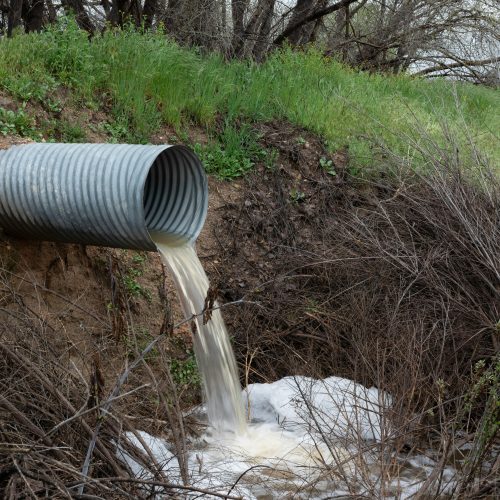
The term “blackwater treatment” refers to the steps used to collect, treat, and either reuse or dispose of wastewater that...
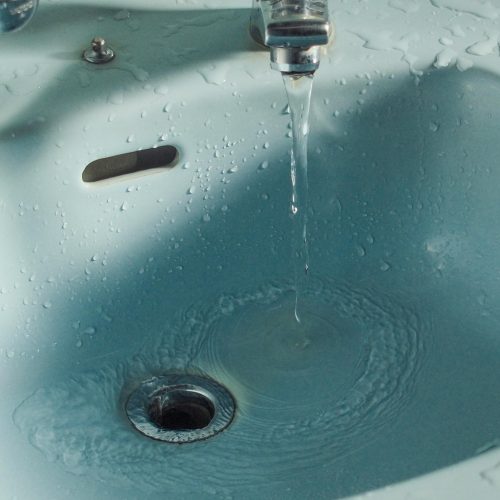
The term “greywater management” describes the processes involved in collecting, treating, reusing, and disposing of wastewater from non-potable sources, such...
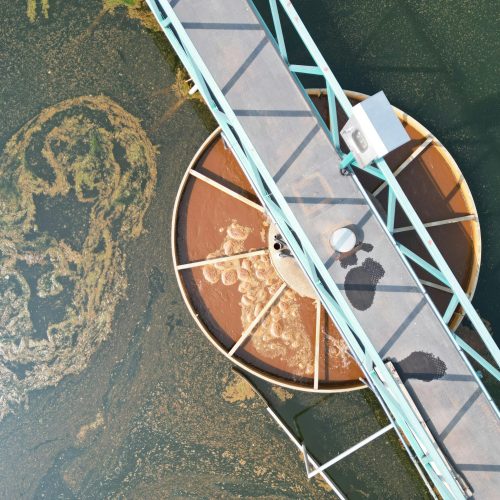
To prepare incoming wastewater for further treatment stages, screening is the initial and arguably most critical step in the process....
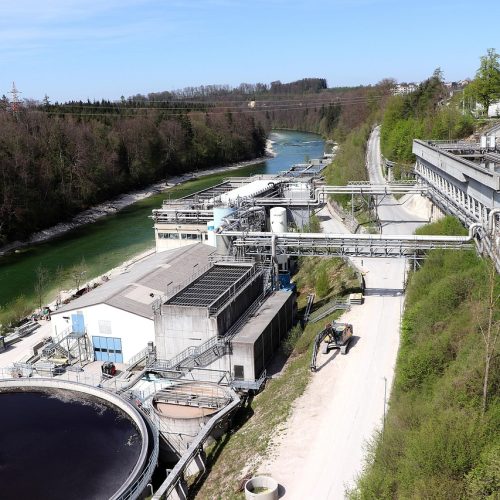
Prior to disposal or reuse, wastewater undergoes a crucial treatment process to eliminate biological, chemical, and physical pollutants. The toxic...
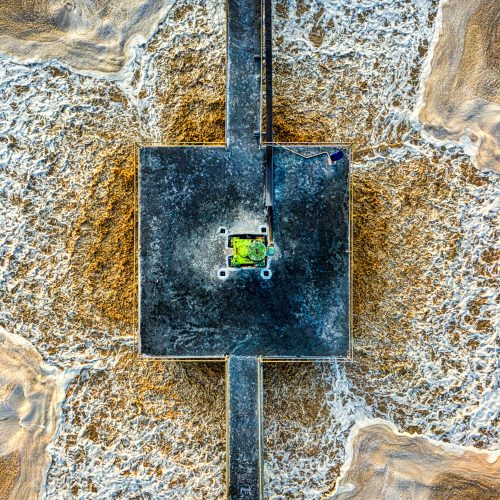
Bacteria are essential in wastewater treatment because they aid in the natural biological breakdown and removal of organic contaminants from...
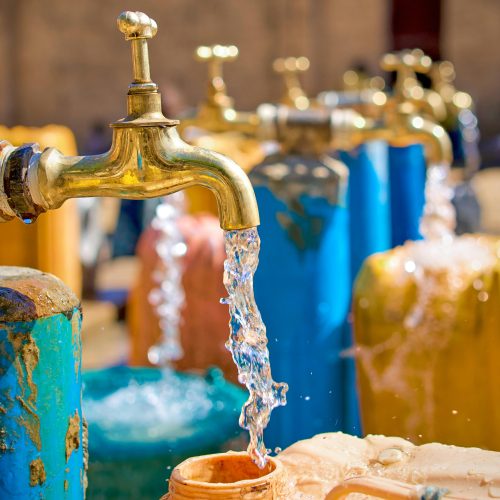
In water quality monitoring, “stakeholder involvement” means that various groups such as international agencies, NGOs, communities, research institutions, industries, and...