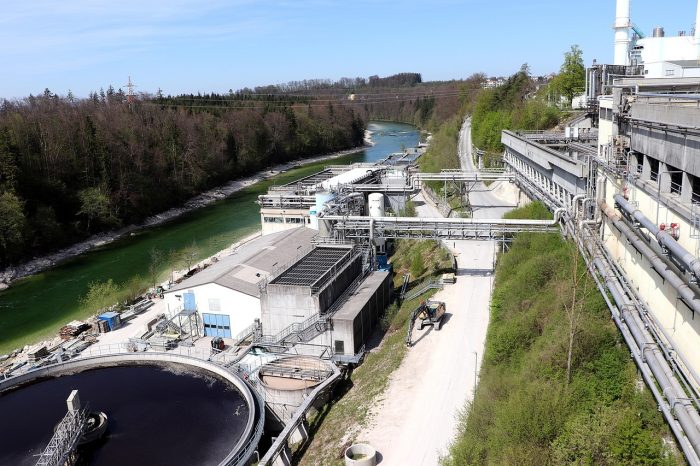
Prior to disposal or reuse, wastewater undergoes a crucial treatment process to eliminate biological, chemical, and physical pollutants. The toxic chemicals, organic matter, dangerous microbes, nutrients, and suspended solids found in agriculture, industries, homes, and other commercial activities pose a threat to aquatic ecosystems and human health if not cleaned. A multi-stage process addresses water quality and pollution, starting with preliminary treatment and progressing through primary, secondary, and tertiary treatment.
Main Stages of Wastewater Treatment
In order to prepare wastewater for reuse or discharge, it undergoes a series of treatments that aim to eliminate biological, chemical, and physical pollutants.
1. Preliminary Treatment
To treat wastewater, the first step is preliminary treatment. Prior to entering the primary treatment units, it filters out wastewater that contains heavy materials, debris, and large solids.
Processes include:
- Screening to remove large debris, sticks, and plastics
- Grit removal to get rid of small stones, gravel, and sand
Importance of Preliminary Treatment
Backs Efforts to Protect the Environment
- Lessens the likelihood of water contamination in water bodies
- Prior to release into the environment, it enhances the overall efficiency of wastewater treatment
Protection of Treatment Equipment
- Preventing debris, including stones, plastic, sticks, and sand
- Protects machinery, including pipes and pumps, from harm
Cuts Down on Maintenance Costs
- Reduced operational costs and less maintenance due to less equipment damage
Wear and Tear Reduction
- Prevents gravel and sand abrasion by removing grit
- Makes equipment last longer
Controls Smells
- Septic conditions can be avoided with pre-aeration
- Eliminating odor-causing substances like oil, grease, and biodegradable solids
Prevention of Blockage and Clogging
- Grinding and screening lessen the likelihood of treatment units and pipeline obstruction
- The plant’s wastewater flow is maintained smoothly
Improvement of Sludge Management
- Lessens the amount of foreign substances that make it into later stages of treatment
- Facilitates and improves the efficiency of sludge treatment
Makes Later Treatment Stages More Efficient
- Gets rid of anything that could get in the way of primary and secondary treatments
- Makes chemical and biological treatment procedures more effective
Prevention of Operational Issues
- Reducing the likelihood of poor plant performance, overflow, and malfunctions
2. Primary Treatment
This phase is the second stage that mostly uses processes including skimming and sedimentation to remove floating materials and suspended solids from wastewater.
Processes Include:
- Primary settling tank sedimentation
- Removing floating grease and oil
Objectives of Primary Treatment
- Make later stages of treatment more effective
- Filter out wastewater containing settleable solids
- Decrease the burden of biological oxygen demand prior to secondary treatment
- Decrease organic matter and suspended solids
Importance of Primary Treatment
Primary treatment is an important stage in wastewater treatment. This is because it removes a large amount of organic matter and suspended solids before secondary treatment.
Enhances the Overall Quality of Wastewater
- Prevents discharge or additional treatment by removing a large quantity of contaminants
Backs Efforts to Protect the Environment
- Less contamination of water sources (such as rivers and lakes)
- Assists in protecting aquatic habitats
Reducing Biochemical Oxygen Demand
- Depletes the water of some of the organic matter that contributes to high BOD levels
- Prior to biological treatment, it aids in improving water quality
Collecting and Managing Sludge
- Assists in managing the treatment plant’s solid waste
- Makes a distinct, treatable byproduct known as primary sludge
Enhances Secondary Treatment Efficiency
- Biological treatment systems are not overburdened
- Makes it easier for microbes to do their jobs in secondary treatments
Cuts Down on the Cost of Treatment
- Operational and energy requirements in later stages are reduced due to a lower pollution load
- Helps in keeping maintenance costs down
Removing Suspended Solids
- Decreases the concentration of suspended particles in effluent
- Debris-settling and oil-and-grease-removal capabilities
Protecting Treatment Equipment
- Minimizes damage to aeration systems and pumps
- Maintains later treatment units free of operational issues and blockage
3. Secondary Treatment
After primary treatment, the leftover organic matter in the wastewater is biologically broken down and removed during secondary treatment by means of microbes, primarily bacteria.
Objectives
- Improved the quality of water before further treatment or discharge
- Reducing suspended solids and biological oxygen demand
- Get rid of organic matter that can be broken down by nature
Common Processes in Secondary Treatment
Activated Sludge Process
- In aeration tanks, air and microbes are mixed with wastewater
- Organic stuff is broken down by bacteria
- Settlement tanks are the next locations for treated water to go once sludge has settled
Trickling filters
- Microorganism-covered plastic media or stones help to filter wastewater
- Bacteria decompose organic contaminants as wastewater slowly makes its way through
Rotating Biological Contactors
- As they spin, discs partially submerged in wastewater promote microbial growth.
Oxidation Ponds
- Big shallow lagoons that naturally filter wastewater using algae and bacteria
Importance of Secondary Treatment
The use of microbes, particularly bacteria, in secondary treatment is crucial in wastewater treatment. This process is because it eliminates biodegradable organic matter and dissolved solids that remain following primary treatment.
Improves the Effectiveness of Further Treatment
- Enhances the efficiency of tertiary treatment procedures
- The strain on modern filtration and disinfection systems is lessened
Improves Water Quality
- When compared to primary treatment, this method yields significantly cleaner wastewater
- Gets water ready for safe discharge or disinfection
Protecting the Public’s Health
- Lessens the amount of hazardous microbes and other contaminants in wastewater
- Assists in the prevention of water-related diseases like cholera and typhoid
Protect Water Environments
- Keeps water bodies free of harmful organic contaminants
- Ensures that aquatic bodies have adequate, healthy oxygen levels
Supports the Sustainability of the Environment
- Reduces water waste, which means more water for other uses
Significant Decrease in Organic Contamination
- The majority of organic matter that is biodegradable is removed from wastewater
- Decreases pollutant levels significantly
Biochemical Oxygen Demand Reduction
- A decrease in BOD levels occurs when microorganisms break down organic waste
- Reducing oxygen depletion and improving water quality are two benefits
4. Tertiary (Advanced) Treatment
Following secondary treatment, wastewater undergoes tertiary treatment, the last stage of treatment, which further purifies the water. Its purpose is to generate first-rate effluent by removing any lingering contaminants, including trace chemicals, fine particles, nutrients, and pathogens.
Objectives
- After secondary treatment, the water quality is improved even more
- Remove any residual harmful pathogens
- Remove phosphorus and nitrogen, among other nutrients
- Get water ready for reuse or safe discharge
Processes Involved
Filtration
- Gets rid of any lingering fine suspended particles from the secondary treatment process
- Two popular approaches are membrane and sand filtration
Removing Nutrients
- Removes surplus phosphorous and nitrogen
- Prevents issues like eutrophication in rivers and lakes
Disinfection
- Uses ozonation, ultraviolet radiation, and chlorination to kill dangerous microbes
- This aids in the eradication of pathogens that cause diseases like cholera and typhoid
Cutting-edge Chemical Treatment
- Removes toxic substances, heavy metals, and trace chemicals
- Enhances water safety in general
5. Adsorption (activated carbon)
- Removes dissolved organic compounds, color, and bad smells using activated carbon
Importance of Tertiary Treatment
This process is an important stage as it offers the last step of wastewater treatment, polishing the effluent to an acceptable level for disposal or reuse following secondary treatment.
Remove Toxic Substances
- Decreases levels of heavy metals, persistent pollutants, and trace chemicals
- The treated water is generally safer now
Backs Eco-Friendly Water Management
- Demand for freshwater sources decreases
- Advocates for water resources’ recycling and conversion
Remove Nutrients
- Removes surplus phosphorus and nitrogen
- Maintains water quality by preventing the process of eutrophication in aquatic environments
Allows for the Reuse of Water
- Produces water that is fit for non-drinking purposes, industrial activities, and irrigation
Removal of Pathogens
- Harmful microbes are killed by disinfection
- Assists in the prevention of water-related diseases like cholera and typhoid
Protect the Environment
- Prevents both surface and groundwater sources from contamination
- Keeps aquatic habitats and species rich and diverse
Further Improve Water Quality
- Gets rid of any lingering trace contaminants, dissolved substances, and fine particles
- Produces wastewater that is both clean and of high quality
Protect Public Health
- Ensures that reusing or discharging treated wastewater does not cause any harm to humans
- Lessens contact with potentially dangerous pollutants
5. Sludge Treatment and Disposal
An integral aspect of wastewater treatment, sludge treatment and disposal pertains to the solid byproduct (sludge) accumulated throughout primary and secondary treatments. Before it can be properly disposed of or reused, this sludge must be treated because it contains microbes, organic matter, and occasionally dangerous compounds. Processes include thickening, anaerobic digestion, dewatering, and safe disposal or use.
Importance
Management of Sustainable Waste
- Encourages the responsible reusing and recycling of materials
- Helps ensure the environment can continue to thrive in the future
Reduce polluting the environment
- Makes sure that treatment plant solid waste is disposed of safely
- Keeps surface water, groundwater, and soil from being polluted
Improve the Efficiency of Treatment
- Sludge does not build up in treatment systems when handled properly
- Facilitates the uninterrupted functioning of wastewater treatment facilities
Reducing Sludge Volume
- Sludge volume is drastically decreased through processes like digestion and dewatering
- Easy and efficient to transport and dispose of the sludge
Recovering Resources
- One potential energy source is biogas, which is primarily methane and is produced by anaerobic digestion
- You can use treated sludge as fertilizer again if it’s safe to do so
Reduces Cost
- Operating costs might be partially or fully compensated by energy recovery from biogas
- Less sludge means less money spent on transportation and disposal
Safety of the General Population
- Removal of dangerous pathogens existing in the sludge
- Decreases the likelihood of water-related diseases, including cholera and typhoid
Controls Odor
- Digestion and stabilization lessen gases with an unpleasant odor
- The area around treatment plants is made better for both workers and the environment
6. Disinfection Stage
In the last step of wastewater treatment, disinfection, any disease-causing microbes (pathogens) that survived secondary and tertiary treatment are killed or rendered inactive. Disinfection is another step in sludge treatment that lowers the pathogen level in biosolids before disposal or reusing. Methods used include chlorination, ozonation, and ultraviolet radiation.
Importance of Disinfection
- Minimize health risks from treated effluent and sludge
- Guarantee that treated wastewater is fit for either disposal or reus
- Kill or incapacitate pathogenic bacteria
Conclusion
Before being released into the environment or reused, wastewater must undergo the wastewater treatment process, which removes contaminants and improves its quality. The phases of treatment, including preliminary, primary, secondary, and tertiary processes, drastically diminish disease-causing microbes, suspended solids, organic matter, and toxic chemicals. Preventing diseases like typhoid fever and cholera through effective wastewater treatment also helps conserve water resources and aquatic habitats, which is beneficial for public health. Treatment in the right way also aids in sustainable growth and makes it easier for communities and industries to meet environmental regulations.