Express Drainage Solutions

A Solution for Sanitation, Wastewater Treatment & Renewable Energy

Njengi House

2nd Floor Suite 6, Tom Mboya St.

8:00AM - 5:00PM

Monday to Friday

+254742781455

info@expresswatersolutions.com

Category

Water Treatment

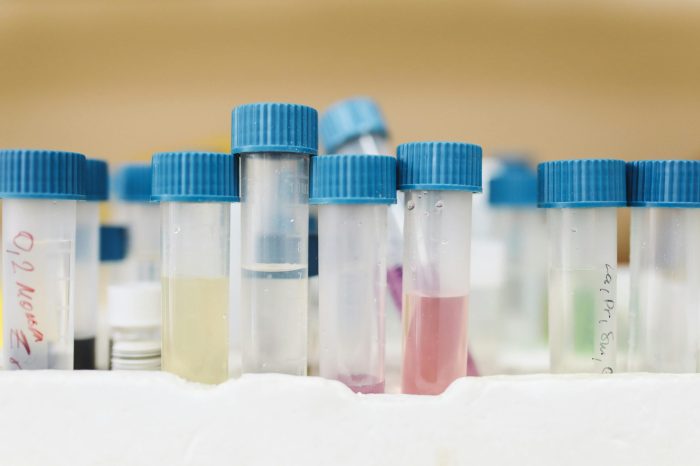
Color Assessment in Water Samples

Color Assessment in Water Samples

By | Water Quality, Water Treatment | No Comments

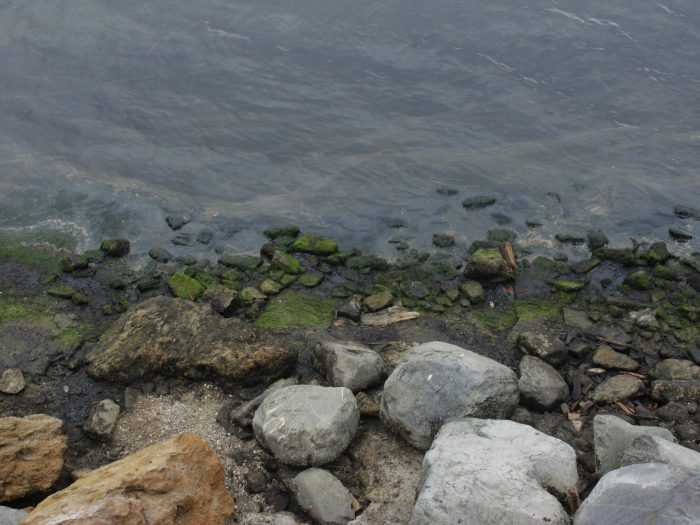
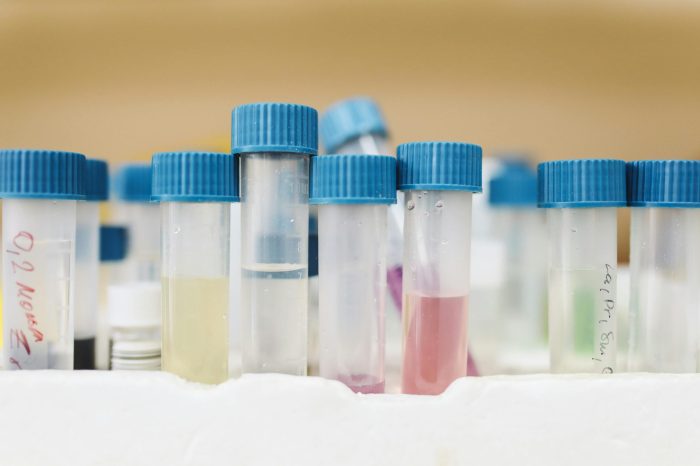
To identify dissolved compounds and potential contaminants, color assessment in water samples is a crucial part of water quality assessments. Both natural and man-made factors, such as the presence of rotting vegetation and industrial discharge and wastewater pollution, can affect the color of water. The color of water is a good indicator of its safety, purity, and environmental, industrial, and household use. Color assessment is a common indicator for routine water quality monitoring since it is easy and effective.

One important physical metric for water quality evaluation is color assessment in water samples. Its assistance can determine the presence of dissolved compounds, pollution, and the overall suitability of water for industrial, ecological, or drinking purposes.

How organic and inorganic compounds dissolve in water determines their color. The standard way to measure it is by comparing the color after particles are removed from suspension with the color when particles are still present.

Here are some things you should know about color assessment in water samples

Color sources:

Both naturally occurring and artificially added substances can cause water to change color:

  • Sites characterized by peat and marsh environment:

Tannins are commonly absorbed by water moving through wetlands, resulting in a dark tea-like hue.

  • Water plants and algae:

Water can take on a brownish or greenish hue when algae are present in excess, either as they grow or decompose.

  • Wastewater from homes:

Organic materials added by sewage and household waste can darken the color of water.

  • Sediments and soil:

Particles of organic and mineral substances can be carried into bodies of water by erosion, changing their color.

  • Effluents from manufacturing:

Industrial effluent from the chemical, dye, and textile industries, for example, can add strong artificial hues to waterways.

  • Runoff from farms:

Agricultural chemicals like pesticides, fertilizers, and organic waste can exacerbate discoloration.

  • Decaying organic matter:

Fulvic and humic substances are released into water as organic matter, such as plants and leaves, decompose. These substances give water a brownish or yellowish color.

  • Compounds containing manganese and iron:

Metals found in rocks and soil can change color when dissolved in water, going from reddish brown to black.

An essential indicator of water quality, water color is the product of both pollution sources and natural processes.

Color Assessment in Water Samples

Water color types:

Based on the colors used, there are primarily two categories of water color:

  • Apparent color:

Suspended particles and dissolved substances both contribute to its color. It is an actual depiction of the colors observed in algae, sediments, and other visible particles found in unfiltered water samples.

  • Real color:

Once the suspended particles are removed, the color of the water that remains is solely caused by dissolved substances. Usually, it’s because of dissolved metals like manganese and iron or organic matter like humic chemicals from dead plants.

The ability to differentiate between pollution from suspended materials and dissolved chemicals makes these two kinds crucial in water quality analysis.

Assessment techniques:

Several established procedures are used to assess the color of water samples in order to ascertain its quality and identify any potential contaminants:

  • Visual inspection:

One easy way to check for colors on the spot is to just look at a clear container of water set against a white background.

  • Method for diluting:

The water samples are diluted with distilled water until the color disappears, and the color concentration is estimated by measuring the degree of dilution.

  • A technique that uses spectroscopy:

A more precise technique that involves using a spectrophotometer to detect the water’s absorption of light at certain wavelengths. The color intensity is proportional to the absorption level.

  • The Pt-Co scale method measures the concentration of platinum and cobalt in the water

The color of the water is compared to reference solutions of produced platinum and cobalt, which is a commonly used standard procedure.

  • Visual comparisons:

A platinum-cobalt standard is typically used to compare the water sample with standard color solutions. You can use Pt-Co or Hazen units to measure the color intensity.

These techniques are useful for finding out if water is contaminated, safe, or needs treatment before consumption.

Importance to Water Quality:

  • Industrial use:

Pharmaceuticals, textiles, and food production are just a few of the many businesses that rely on color-free water.

  • Sign that treatment is necessary:

You can see how much and what kind of water treatment is needed by looking at the color level.

  • Aesthetic quality:

Clear, colorless water is preferred for household and consumption purposes. This preference is due to its aesthetic qualities, as colored water is typically viewed as unappealing and hazardous.

  • Tool to help monitor the environment:

When water color changes, it might be an indication of pollution or an ecological disturbance like the growth of algae.

  • Pollutant indicator:

The water’s color may indicate the presence of sewage pollution, industrial effluents, or organic waste.

  • Significance to public health:

Any substance with an unusual color could be a potential health hazard, whether it be decaying organic matter, dyes, or heavy metals.

One easy way to tell if water is safe to drink, whether it contains pollutants, and how to treat it effectively is by looking at its color.

The Effect of Unusual Colors:

  • Limitations within the industry:

Industries such as textiles, beverages, and food rely on water that is free of impurities and has a clear color to ensure high-quality products.

  • Higher expenses for water treatment:

It is necessary to employ additional procedures, including chemical, coagulation, and filtration treatment, in order to eliminate color.

  • Possible sign of environmental contamination:

Any discoloration could be an indication of the presence of decomposing organic matter, sewage, or industrial waste.

  • Water that is unsafe to drink:

The smell and taste of colored water can be off-putting, making it unfit for human consumption.

  • Environmental stress:

An imbalance in the ecosystem, like pollution of aquatic systems or algae blooms, could be the cause of an unusual color.

  • Decreased visual appeal:

Because of its unsanitary appearance, water with an unusual tint is not fit for household use and human consumption.

  • Potential dangers to human health:

Dyes, heavy metals, and other elements that impart color can pose serious health problems, including gastrointestinal issues, neurological damage, and long-term chronic conditions.

An essential indicator of contamination and low water quality, abnormal water color necessitates thorough investigation and remediation.

How Smell and Taste Affect Water Quality

Among the many aesthetic aspects of water, its taste and odor have a significant impact on whether or not people would drink it and utilize it around the house. If water has a bad taste or smell, people may think it’s unsafe, even if it meets safety standards. On a more critical note, these characteristics frequently point to contamination or treatment problems, which can lead to public health concerns and a lack of trust in water quality.

1: Social and Psychological Impacts

Even after treatment, people may still suspect water that has an unpleasant smell or taste is harmful to drink. There may be more complaints or mistrust as a result of the public’s diminished faith in water delivery systems.

2. Contamination Indicators

  • Pesticides or industrial contamination could be the cause of a chemical taste
  • Microbes and algae can cause a musty or earthy smell or taste
  • Anaerobic decay produces hydrogen sulfide gas, which is detected by rotten egg odor
  • A metallic aftertaste caused by copper, manganese, or iron
  • Disinfecting procedures that leave a chlorine smell or taste

Early detection of water quality issues can be aided by these signals.

3. Effect on the Efficient Treatment of Water

Chemicals that produce a distinct smell or taste:

  • Has the potential to produce disinfection by-products (DBPs) when combined with disinfectants.
  • Call for supplementary procedures like aeration or activated carbon adsorption
  • Make treatments more complicated and expensive

4. Possible Risks to Health

Smell and taste aren’t always dangerous on their own, but they may be associated with:

  • Toxins produced by algae
  • Heavy metals or compounds that are toxic
  • Bacteria that cause illness

Hence, unsavory smells and tastes might indicate potential health hazards that necessitate additional research.

5. Impact on Commercial and Residential Uses

  • Causes problems for commercial uses, particularly in the pharmaceutical and food industries.
  • Makes water unfit for human consumption
  • Influences the quality of food and beverage

6. Impact on Consumer Perception

Water is not ideal for cooking and drinking if it has an unpleasant odor or an unpleasant taste (salty, metallic, bitter, chemical, rotten-egg, or musty). This may cause people to use less water or to seek other, potentially riskier, sources.

From the user’s perspective, the most important factors in determining the water quality are its taste and smell. Although their primary function is cosmetic, they can frequently serve as early warning signs of contamination or issues with treatment, indicating that consumers may need to take action to ensure their water is safe for use. The public’s health and consumer trust depend on water that is free of odor and taste contaminants.

In summary

Analyzing the colors of water samples is a straightforward way to tell how clean or polluted the water is, as well as its general state of health. When the color of water changes, it’s usually because of naturally occurring chemicals like manganese and iron, industrial runoff, or dissolved organic matter.

The chemical and aesthetic qualities of water, as well as any health concerns, can be revealed by abnormal color, which might be a sign of pollution. Thus, to guarantee potable water, efficient treatment methods, and aquatic habitat protection, water color monitoring on a regular basis is essential. Contact us today.

Industrial Wastewater Treatment

Industrial Wastewater Treatment

By | Water Treatment, Waste Management | No Comments

Water that is produced by industrial processes, such as manufacturing and processing, must undergo industrial wastewater treatment. This is to help remove pollutants before they may be either reused or discharged into the environment. The complex variety of pollutants found in industrial effluent, as opposed to home sewage, can be extremely harmful to ecosystems and human health if not treated. These pollutants include toxic substances, oils, heavy metals, suspended solids, and chemicals.

To decrease contamination, conform to regulations, and encourage sustainable water usage, effective treatment systems integrate physical, chemical, and biological approaches, such as sedimentation, filtration, and biological degradation methods. Improper industrial wastewater treatment, which has become increasingly important as industries continue to grow, significantly affects environmental protection, resource conservation, and regulatory compliance.

Here are Some Industrial Wastewater Treatment Solutions

1. High Suspended Solids (Causes and How to Solve It)

Organic debris, fibers, silt, and metal particles that do not dissolve in water are collectively known as suspended solids (TSS). They contaminate and cloud water when present in large quantities.

Causes

a. The Process of Erosion and Runoff

  • Debris and soil that find their way into industrial drainage systems

b. Cleaning and Washing Operation

  • Washing off solid materials from equipment and surfaces
  • Enter streams that hold wastewater

c. Improper Proper Treatment and Filtration

  • Wastewater treatment that is not efficient
  • Ineffective systems for settling and screening

d. Incorrect Disposal of Industrial Waste

  • Mixing wastewater and solid waste
  • Discharging litter and other solid waste into sewers

e. Industrial Processes

  • Organic particles in food processing
  • Clay, silt, and sand for use in building and mining
  • The fiber and lint industries in textiles

3. Effects of High Suspended Solids

a. Problems with Sedimentation

  • Sludge building up in water bodies changes the way water naturally flows

b. Damage to Water Life

  • Blocks the gills of fish

c. Turbidity

  • Prevents access to direct sunlight
  • Has an effect on how aquatic plants do photosynthesis

d. A Surge in Pollutants

  • Contaminated substances and microbes can be carried by suspended solids

4. Solutions / Prevention Steps

Effective Management of Industrial waste

  • Keep liquid and solid waste separately
  • Dispose of solid waste separately from wastewater

Sedimentation

  • Let the solids sink to the bottom
  • Makes water clearer

Filtration

  • Fine matter can be filtered out by using sand or membrane filters.

Recycling and Reusing

  • Recycle and reuse solids whenever possible

Screening

  • Utilize screens to remove big particles
  • Maintains treatment systems free of clogs

Flocculation and Coagulation

  • Incorporate chemical binding agents to transform smaller particles into larger ones
  • It facilitates their removal

Industrial Wastewater Treatment

2. Toxic and Hazardous Substances: Causes and Solutions

Even at extremely low concentrations, these dangerous chemicals found in industrial effluent can have devastating effects on humans and the environment. They tend to be tenacious and tough to break down.

2. Dangerous and Toxic Substances Include

  • Petroleum-derived substances, including hydrocarbons and oils
  • The use of herbicides and pesticides
  • Formaldehyde, cyanides, and phenols are examples of industrial chemicals.
  • Benzene and toluene are examples of organic solvents
  • Chromium (Cr), lead (Pb), mercury (Hg), and cadmium (Cd) are heavy metals

Causes

a. Activities Related to Maintenance and Cleaning

  • Drainage water that contains harmful substances
  • Powerful detergents and solvents often used in industrial settings

b. Incorrect Disposal of Industrial Waste

  • Contaminating regular wastewater with hazardous waste
  • The release of untreated industrial effluents into the environment

c. Methods Used in Industrial Production

  • Usage of toxic raw materials
  • Processing of metals, mining, and chemical production

d. Accidental Spills and Leakages

  • Chemicals not being handled properly
  • Leaks in pipelines and storage tanks

4. Harmful Substances’ Impact

a. Degradation of Water Quality

  • Makes water unfit for human consumption and agricultural use
  • Treatment is challenging and costly

b. Harm to the Environment

  • Bioaccumulation in the food chain
  • Pollution of aquatic bodies over an extended period of time
  • Fish and aquatic animal deaths

c. Effects on people’s health

  • Skin burns and breathing issues are some of the acute impacts.
  • The dangers of cancer due to prolonged exposure
  • Potential harm to vital organs including the neurological system, kidneys, and liver

5. Solutions / Prevention Steps

Safe Handling and Storage

  • Leak-proof pipelines and tanks
  • Chemical storage solutions that are up to code

Sorting Waste Correctly

  • Separate harmful substances from other effluents
  • Hazardous waste should be kept apart from regular wastewater

Revolutionary Methods of Treatment

  • Cutting-edge oxidation processes
  • Membrane filtration (also known as nanofiltration or reverse osmosis)
  • Removing organic toxins using activated carbon

Physical Treatment

  • Removing solid toxic particles by filtration and sedimentation
  • Systems for separating oil and water

Biological Treatment

  • Toxin absorption by plants, a process known as phytoremediation
  • Microorganisms used in bioremediation to break down contaminants

Reducing the Source

  • Reduce the amount of chemicals used in processes
  • Cleaner production technology should be utilized
  • Replace harmful chemicals with less harmful ones

Chemical Treatment

  • Neutralization for hazardous trash containing acids or bases
  • Heavy metals are removed by precipitation
  • Toxic compounds are broken down through oxidation

3. Oil and Grease Content (Causes and How to Solve It)

Wastewater from industries sometimes contains hydrophobic (insoluble in water) substances such as lubricants, fats, and petroleum oils.

Causes

a. Improper Handling of Industrial Waste

  • Washing machines that don’t have solutions to separate oils
  • Poor used oil disposal

b. Industries Involved in Food Processing

  • The release of vegetable oils and animal fats
  • Frying, dairy, and meat processes

c. Petroleum and Refinery Operations

  • Extraction of oil, refining, and fuel processing
  • Leaks and spills involving petroleum

d. The Manufacturing and Mechanical Sectors

  • Industries related to automotive and metalworking
  • Lubricating oils are used in machinery

3. The Impact of Grease and Oil

a. Damage to the Aesthetic and Environment

  • An unpleasant look and odor
  • Causes water and land pollution

b. Treatment Systems Getting Clogged

  • Biochemical wastewater treatment is hindered
  • This can lead to clogs in equipment and pipes

c. Harming Water life

  • Decreases dissolved oxygen, which suffocates aquatic life, including fish

d. Surface Water Contamination

  • Prevents air and water from exchanging oxygen
  • It makes a thin layer on top of water

4. Solutions / Prevention Steps

Cutting-Edge Treatment Procedures

  • Activated carbon adsorption
  • Methods involving membranes such as reverse osmosis and ultrafiltration

System for Separating Oils

  • To remove oils that float in water, oil-water separators (API separators) are used
  • Oil can be skimmed off the surface in gravity separation tanks

The Right Kind of Management and Maintenance

  • Safely storing and disposing of oil
  • Keeping out spills and leaks
  • Maintaining clean equipment regularly

Physical Treatment Methods

  • Systems for filtering out very small oil particles
  • Equipment for removing surface oil through skimming

Biological Treatment

  • Bioremediation is the process by which microorganisms break down oil in wastewater.
  • Works well for oils that break down naturally

Reducing the Source

  • Look for ecologically friendly lubricants and substitutes
  • Decrease reliance on oil in manufacturing

Chemical Treatment

  • Chemical demulsifiers for use in oil-in-water separation
  • To separate oil emulsions, coagulation and flocculation are employed

4. Color and Odor (Cause and How to Solve It)

Discoloration that can be seen in water as a result of things either dissolved or suspended in it is what we call color. Industrial wastewater odors are the result of biological or chemical reactions and are generally unpleasant. Both point to the fact that the water is polluted and of low quality.

Causes

a. Industrial Waste and Metals

  • Metal compound-containing industrial effluent
  • A brownish-black color can be achieved by combining iron with manganese

b. Chemical and Organic Compounds

  • Organic matter decomposition
  • Chemicals such as tannins and phenols

c. Colorants and Industry-Grade Dyeing

  • The printing and paint industries provide strong colors
  • Dyeing and the textile industry release chemicals with a variety of colors

3. What Makes Industrial Wastewater Smell Bad

a. Anaerobic surroundings

  • Problems with wastewater oxygen levels
  • Produces odorous gases, such as ammonia and methane

b. Chemicals Used in Industry

  • Persistent and powerful chemical odors
  • Phenols, petroleum byproducts, and solvents

c. Organic Matter Decomposition

  • Decomposition of lipids, carbs, and proteins
  • Gases such as hydrogen sulfide (the odor of spoiled eggs) are produced

4. Odor and Color Impacts

a. Impact on Health

  • Hydrogen sulfide is one example of a poisonous gas that causes an odor
  • May irritate the respiratory tract

b. Impacts on the Environment

  • Has an effect on photosynthesis in aquatic plants
  • Light passes through water more slowly

5. Solutions / Prevention Steps

Cutting-Edge Treatment Technologies

  • Complex oxidation procedures for persistent colors
  • Membrane filtration, which includes ultrafiltration and reverse osmosis

Physical Treatment Methods

  • Reduce odor-causing gases via aeration
  • Colored particles can be removed by using filtration and sedimentation

Biological Treatment

  • Gases with a bad odor are eliminated through aerobic treatment
  • Odors produced by microbes that break down organic matter

Chemical Treatment Methods

  • Molecules of smell and color can be removed by activated carbon adsorption
  • Using coagulation and flocculation, colored matter in suspension can be removed
  • Chlorine and ozone are oxidants that break down chemicals that cause color

Addressing the Root Causes

  • Correctly managing and storing industrial waste
  • Make manufacturing processes more effective
  • Apply chemicals and dyes with a low toxicity level

Managing Wastewater Correctly

  • Keep wastewater tanks from becoming anaerobic
  • Keep treatment systems’ oxygen levels steady

Conclusion

Assuring sustainable industrial expansion, maintaining public health, and preserving the environment are all greatly aided by industrial wastewater treatment. Industries are able to meet environmental regulations and reduce their ecological impact using treatment methods. This effectively removes dangerous pollutants and reduce contamination.

Adopting industrial wastewater treatment technologies that are inventive, efficient, and environmentally friendly is becoming more and more necessary as water scarcity and environmental concerns mount, particularly in industries that rely heavily on water usage and face increasing regulatory pressures. In the end, sustainable wastewater management helps maintain both the economy and the environment in the long run by preserving our precious water supplies. Contact us today.

Characteristics of Industrial Wastewater Pollution

Characteristics of Industrial Wastewater Pollution

By | Waste Management, Water Treatment | No Comments

The characteristics of industrial wastewater set it apart from other types of water, including those found in homes and the environment. The specific traits of industrial wastewater pollution are dictated by the type of industry, whether it is textile, chemical, or food processing; however, in general, it has the following characteristics:

Here are some characteristics of industrial wastewater pollution and solutions

1. High Chemical Content (Causes and How to Solve It)

The usage of raw materials and the handling of wastes during production are the primary causes of chemical pollution in industrial wastewater.

Causes

a) High Water Use

  • More dissolved contaminants end up in effluent streams as a result of excessive water usage.

b) Production Procedures That Aren’t Efficient

  • Wasted raw materials are the result of ineffective production procedures
  • More chemicals are wasted due to low efficiency rather than being use

c) Using Non-Biodegradable and Harmful Materials

  • Heavy metals and pesticides are examples of persistent chemicals that do not decompose quickly.
  • Accumulation tends to occur in water bodies

d) Insufficient Facilities for Waste Treatment

  • Greater pollution occurs when effluent treatment plants (ETPs) are not present
  • Untreated wastewater is discharged by some industries

e) Washing and Cleaning Operations

  • Solvents and detergents are used for equipment.
  • These chemicals are discharged into drainage systems through the water supply

f) Inadequate Methods for Waste Management

  • Hazardous waste and wastewater mixing
  • The incorrect handling of waste from factories

g) Chemical Use in Excessive Amounts

  • Solvents, acids, alkalis, dyes, and reagents are essential in many industrial processes
  • Sewage contains chemicals that have either been over- or under-reacted

h) Spills and Equipment Leaks

  • Spills that occur unintentionally while in transit or handling
  • The release of chemicals into wastewater occurs due to leaking valves, tanks, and pipelines

Characteristics of Industrial Wastewater Pollution2. Ways to Address and Resolve the Problem

A. Optimization of Processes

  • Reduce chemical waste by improving efficiency
  • Use raw material recycling throughout the production process

B. Reliable Waste Disposal

  • Maintain a barrier between wastewater and hazardous waste
  • Proceed with chemical disposal in accordance with established regulations

C. Treating Wastewater Properly

  • Set up and keep running effluent treatment plants
  • Biological approaches include microbial treatment. Coagulation and neutralization, as well as chemical methods. Sedimentation and filtration use physical methods

D. Recycling and Reusing

  • Recycle treated wastewater for use in manufacturing
  • Whenever possible, retrieve valuable chemicals

E. Monitoring Things and Putting Rules in Place

  • Consistent monitoring of effluent quality

F: Prevention through Source Control

  • Use greener manufacturing methods
  • Reduce waste by modifying production processes
  • Minimize or switch to more environmentally friendly chemicals

G. Recommended Methods for Housekeeping

  • Educate employees on how to safely handle chemicals
  • Keep spills and leaks from escaping
  • Equipment maintenance and inspections on a regular basis

2. Presence of Heavy Metals (Causes and How to Solve It)

Industrial wastewater often contains heavy metals, which pose a significant threat. This is due to their toxicity, inability to break down in the environment, and tendency to accumulate in living things.

1.Potential Heavy Metal Sources

  • Industries dealing with chemicals, dye, and paint
  • Manufacturing of batteries
  • Activities related to smelting and mining
  • Industries engaged in metal finishing and electroplating

2. Popular Heavy Metals

  • Arsenic (As)
  • Mercury (Hg)
  • Chromium (Cr)
  • Lead (Pb)
  • Cadmium (Cd)

3. Harmful Impact of Metals

a. The Effect on Water Quality

  • Persistence leading to long-term pollution
  • Makes water unfit for human consumption and agricultural use

b. Impact on Human Health

  • Cancer due to certain metals
  • Child development issues
  • Problems with the brain, liver, and kidneys as well as poisoning

c. Impacts on the Environment

  • Build up in food chains and sediment
  • Cause havoc on ecosystems
  • Harmful to aquatic organisms and fish

Solutions / Prevention Steps

A. Chemical Treatment Methods

  • Metal removal efficiency is enhanced by adjusting the pH
  • Metals that are dissolved in water can be removed via precipitation, which solidifies them
  • The settling of metal particles is aided by coagulation and flocculation

B. Biological Methods

  • Metal absorption by microbes or plants (bioremediation)

C. Regulation and Appropriate Disposal

  • Metal-containing sludge disposal in a safe manner

D. Cutting-Edge Treatment Technologies

  • Metal ions are efficiently removed by ion exchange
  • Membrane filtration, which includes ultrafiltration and reverse osmosis
  • Activated carbon and other materials for adsorption

E. Recovering and Recycling

  • Utilize reclaimed water for manufacturing purposes
  • Recover precious metals from effluent

F. Reducing the Source

  • Decrease reliance on metals in operations
  • Cleaner production technology should be utilized
  • Switch out harmful metals for less dangerous ones

G. Physical Treatment Methods

  • Metals are able to settle thanks to sedimentation
  • Solid metal particles are removed via filtering

3. High Biological Oxygen Demand (Causes and How to Solve It)

There is a great deal of organic, biodegradable material in the effluent, which indicates a high biological oxygen demand. Microbes decompose the organic material, leading to diminished dissolved oxygen levels for aquatic species.

Causes

a. Inefficient Manufacturing Methods

  • Biosolids make up a larger percentage of wastewater
  • Raw material waste

b. Effluent Discharge Without Treatment

  • Water bodies are contaminated with a high amount of organic contaminants
  • Untreated wastewater discharged into the environment

c. The Industrial Sector’s Organic Waste

  • Industries dealing with paper and pulp (cellulose)
  • Dairy products and meat processing plants (blood, gluten)
  • Food processing (including fats, starch, and sugars)

d. Poor Waste Management

  • Garbage seepage into sewer systems
  • The incorrect handling of biological waste

3. Effects of High BOD

a. Damage to the ecosystem

  • May cause environmental imbalance and the extinction of aquatic species

b. Bad Smell

Gases with a strong odor are produced when oxygen levels are low

c. Depletion of Oxygen

  • The use of dissolved oxygen by microorganisms
  • Suffocates fish and other aquatic creatures

d. Pollution of Water

  • Difficulty in using the water for irrigation, drinking, or recreational purposes

4. Solution / Prevention Steps

a. Primary Treatment

  • Determining the size of solids by screening and sedimentation
  • Decreases the initial organic load

b. Reducing the Source

  • Cut down on production-related waste
  • Make better use of raw materials

c. Innovative Treatment

  • Methods involving oxidation that further decrease organic matter
  • If necessary, membrane filtration

d. Biological Treatment (Significant)

Anaerobic Treatment

  • Using oxygen-loving microbes
  • Produces biogas (energy recovery)
  • Suitable for very high BOD wastewater

e. Proper Management of Waste

  • Keep organic waste from leaking by frequent system maintenance

4. High Chemical Oxygen Demand (Causes and How to Solve It)

There are likely many oxidizable pollutants in the wastewater. These include both biodegradable and non-biodegradable ones, as indicated by the high chemical oxygen demand

Causes

a. Synthetic compounds are used extensively

  • Artificial chemicals that are resistant to biodegradation

b. Chemicals Used in Industry

  • Detergents, phenols, and pesticides
  • Not biodegradable most of the time

c. Organic Pollutants Being Present

  • Solvents, greases, oils, dyes
  • Used frequently in the food, petrochemical, and textile sectors

d. Poorly Treated or Untreated Wastewater

  • Systems that do not effectively address
  • Discharging industrial wastewater directly

3. Effects of High COD

a. Environmental Deterioration

b. Toxicity

  • Impacts aquatic life as well as humans

c. Depletion of Oxygen

  • Depletes aquatic environments of dissolved oxygen
  • Destroys marine life

d. Water that isn’t up to par

  • Bad taste, smell, and color
  • Not recommended for usage in homes or farms

4. Solutions / Prevention Steps

a. Recycle and Reuse

b. Biological Treatment

  • Suitable for use with COD biodegradable components

c. Physical Treatment

  • Solids are filtered and screened out
  • Removal of oils and grease using oil-water separation

d. Cutting-Edge Medical Procedures

  • Absorption of Activated Carbon
  • Reverse osmosis-mediated membrane filtration
  • Advanced Oxidation Processes (AOPs)

e. Reducing the Source

  • Eco-friendly substitutes should be used in place of non-biodegradable material
  • Keep the use of dangerous chemicals to a minimum

f. Chemical Treatment

  • Adjusting the pH through neutralization
  • Using flocculation and coagulation to filter out dissolved substances
  • By using oxidants (such as chlorine or ozone) to break down contaminants

5. Extreme pH Levels (Causes and How to Solve It)

Water with an extreme pH is toxic to all forms of life and has no practical use since it is either excessively acidic or too basic

Causes

a. Cleaning Operations

  • Cleaning using powerful cleaning detergents and agents

b. Processes in Industry

  • The soap and textile industries
  • Pickling and metal plating
  • Manufacturing chemicals

c. Using strong bases and acids

  • Bases: ammonia, sodium hydroxide
  • Acids: hydrochloric and sulfuric acid

d. Careless Disposal of Waste

  • Not properly neutralizing substances before disposal
  • The direct release of wastewater without treatment

3. Negative Impact of Very High or Low pH

a. Health Risks

  • Makes water unfit for human consumption and household usage
  • Skin irritation and burns can occur

b. Deterioration and Corrosion

  • Scaling can occur in water with an alkaline pH
  • Pipes and infrastructure are weakened by acidic water

c. Damage to Water Bodies

  • Hypochlorite environments are inhospitable to fish and microbes
  • Causes havoc on marine environments

d. Least Effective Treatment

  • For biological treatment operations, a pH close to neutral is ideal
  • Live microbes are killed off by extremely acidic or basic pH

4. Solutions / Prevention Steps

a. Proper Treatment of Wastewater

  • Include physical, chemical, and biological treatments in a unified approach
  • Before discharging, make sure the pH is appropriate

b. Management of Processes

  • If at all possible, use less harsh chemicals
  • Reduce the creation of excessive pH by optimizing industrial operations

c. Automatic pH Monitoring and Control

  • Make constant adjustments with the help of dosing systems and sensors
  • Keeps pH levels consistent

d. Neutralization (Significant)

  • Bases (such as sodium hydroxide or lime) should be added to acidic wastewater
  • Acids (such as CO₂ or sulfuric acid) should be added to alkaline wastewater
  • Create a pH level that is close to neutral, ideally between 6.5 and 8.5

e. Tanks for Equalization

  • To maintain a constant pH, mix the various wastewater streams
  • To avoid unexpected changes in pH

Conclusion

Without adequate treatment, industrial wastewater pollution poses risks to human and environmental health due to its chemical complexity, toxicity, and high pollutant content. For further details regarding industrial wastewater pollution and control, get in touch with us today.

Demineralization of Water

Demineralization of Water

By | Water Filtration, Water Treatment | No Comments

The process of removing salts and other inorganic ions dissolved in water is known as “demineralization”. Many scientific, medical, and industrial processes require purified water, so this is a common method to produce it. Membrane filtration and ion exchange resins are the usual tools for demineralization, which involves filtering out pollutants and unwanted minerals.

Key Concepts of Demineralization of Water

Emphasizing the removal of dissolved mineral ions to create water with a high level of purity is central to the demineralization process. When minerals are present, they can lead to problems like scale and corrosion; therefore, these processes are essential in many different sectors. The key concepts are as follows:

  1. Electrodeionization (EDI)

This is a continuous ion removal method that uses electrical currents in conjunction with ion exchange resins. The use of electrical currents to transport ions across membranes eliminates the need for chemical regeneration in this process. EDI is commonly employed in industries such as pharmaceuticals and electronics production. This is attributed to its ability to achieve exceptionally high levels of water purity.

  1. Water Quality Measurement

Electrical conductivity, or resistivity, is the standard way to determine the quality of demineralized water. A high resistance (or low conductivity) suggests that there are fewer dissolved ions since pure water does not transmit electricity very well. Water quality can also be evaluated by measuring Total Dissolved Solids (TDS).

  1. Mixed Bed Demineralization

A mixed bed unit is a vessel that combines anion and cation exchange resins. This enables much more comprehensive ion removal, leading to even more pure water. It typically serves as the final polishing step after a two-bed ion exchange system.

  1. Regeneration Process

Ion-exchange resins become ineffective after a certain amount of time because they become saturated with ions. A strong acid is required to restore cation resins, and a strong base is required to regenerate anion resins in order to restore their functionality. This procedure restores the resin’s ion exchange capacity by exchanging the undesirable ions for hydroxide and hydrogen ions.

  1. Reverse Osmosis (RO)

In reverse osmosis, pressure pushes water through a semi-permeable membrane. The membrane is permeable only to water molecules. This prevents the passage of any other contaminants, such as ions or dissolved salts. Combining reverse osmosis with ion exchange to increase water purity and decrease demineralizer load is common, although reverse osmosis is not usually considered demineralization on its own.

  1. Feed Water Pre-Treatment

In many cases, pre-treatment is required to safeguard the ion exchange system. Methods such as occasionally adjusting pH to maximize ion exchange efficiency, softening out hardness (calcium and magnesium), and filtering out suspended particles are all part of this process. When using EDI or RO, pre-treatment becomes even more crucial.

  1. Ion Exchange Process
  • Strong Base and Strong Acid Resins

Because of their versatility in ion exchange, these resins find widespread application in demineralization and are capable of generating water of exceptional purity.

  • Anion Exchange

An anion exchange resin is used to swap the following cations for hydroxide ions: bicarbonate (HCO₀⁻), sulfate (SO₄²⁻), chloride (Cl⁻), and nitrate (NO₀⁻). These are all negatively charged ions. Water (H2O) is formed when the resultant H⁺ and OH ions mix, thus eliminating salts from the water.

  • Cation Exchange

Here, hydrogen ions (H⁺) are swapped out for positively charged ions (cations) in the water, such as potassium (K⁺), magnesium (Mg²⁺), calcium (Ca²⁺), and sodium (Na⁺). A cation exchange resin is utilized for this purpose.

Demineralization of Water

By manipulating these critical parameters according to the requirements of the application, demineralization can produce water of different purity levels.

Benefits of Demineralization of Water

Demineralization, also known as deionization, is a method for purifying water by eliminating salts and minerals. The following are some of the many fields and uses for which this method is useful:

  1. Cosmetic Industry

Skincare and cosmetic goods frequently use demineralized water as a basis to prevent mineral pollutants from changing the product’s qualities or irritating the skin.

  1. Cleaning and Car Wash Industries

The fact that demineralized water dries without leaving behind residues or mineral stains makes it a popular choice for window cleaning and automobile washes.

  1. Medical Use and Pharmaceutical

Pharmaceutical production and medical settings use demineralized water to prevent ions and minerals from disrupting these environments.

Laboratory tests, autoclaves, and dialysis machines all use demineralized water to eliminate contaminants that could damage delicate machinery or compromise results.

  1. Electronics Manufacturing

Cleaning and manufacturing operations involving electronic components (such as semiconductors) require demineralized water. This is to ensure the components are free of flaws or short circuits due to minerals.

Electronic devices can also benefit from mineral-free water’s improved heat transmission and reduced likelihood of damage when utilized for cooling purposes.

  1. Power Generation

Demineralized water is essential for power plants, particularly those that use steam turbines. This is because it keeps mineral scales from accumulating and guarantees safe and efficient operation.

In the power generation sector, demineralization plays a significant role in controlling conductivity and preventing scaling in electricity production.

  1. Lab Use

If you want your results from a biological or chemical experiment to be accurate and repeatable, you need to use pure water to prevent reactions or interference from trace minerals.

  1. Industrial Applications

Cooling towers, boilers, and other machinery can endure less wear and tear and maintenance expenses thanks to demineralized water, which stops mineral deposits and scale from forming. For instance, turbines and steam boilers run more efficiently and with less power when there are no mineral deposits in the way.

Demineralized water protects pipelines and other metal surfaces from corrosion by removing ions that cause oxidation and rust.

  1. The Food and Beverage Industry

Demineralized water ensures the absence of minerals in processed foods, soft drinks, and bottled water. This makes them taste better and last longer.

The procedure ionizes the water to remove heavy metals like arsenic and lead, ensuring it is safe to drink.

Disadvantages of Not Demineralizing Water

Depending on the application, there are a number of drawbacks to not demineralizing water. Here are a few major drawbacks to consider:

  1. Health Concerns in Certain Uses

While it’s true that some water minerals are beneficial for you, it’s also true that minerals like copper, iron, and lead can be dangerous in high doses. This becomes particularly concerning when people use the water for cooking or drinking without adequate supervision.

  1. Spots and Stains

When used for rinsing or washing, the mineral deposits in untreated water might stain or leave spots on glassware, dishes, and surfaces.

  1. Decreased Effectiveness of Water Treatment Methods

Ion exchange resins, RO membranes, and water softeners may not work as well with hard water, which is water with a high mineral concentration. More regular cleaning or component replacement could be necessary as a result, which would increase operational costs.

  1. Taste and Aesthetic Problems

A metallic aftertaste or discoloration in drinking water might be due to a high mineral concentration. Customers find this unpleasant, but businesses that depend on clean water, such as those producing food and drinks, find it particularly problematic.

  1. Detergents and Soaps’ Ineffectiveness

Hard water’s mineral content makes detergent and soap less effective since they react with one another. Soap scum can form on skin, clothing, and surfaces, and detergent usage increases as a result.

  1. Equipment Scaling and Corrosion

Scaling can occur in sectors that utilize machinery, such as cooling towers and boilers. This is due to untreated water containing minerals such as iron, magnesium, and calcium. The buildup of scale in pipes and heat exchangers causes them to work less efficiently, leading to higher energy bills and more frequent maintenance requirements.

It’s possible for certain minerals to encourage corrosion in equipment and pipes, which can cause expensive breakdowns and repairs.

  1. Interference with Chemical Reactions

Minerals can hinder chemical reactions, leading to contamination or incorrect outcomes in processes where water purity is crucial, such as in laboratory settings and pharmaceutical industries.

Because of these problems, demineralization is crucial, especially for procedures or industries that demand very pure water.

Conclusion

Demineralized water is an indispensable resource for businesses that need a high level of consistency, accuracy, or cleanliness. It provides numerous advantages, including the improvement of safety, protection of machinery, and the enhancement of product quality.

Air Admittance Valves: An Alternative to Traditional Vents

Air Admittance Valves: An Alternative to Traditional Vents

By | Water Treatment | No Comments

Instead of letting air into the system through walls or roofs, which is the conventional method of venting, plumbing systems can make use of Air Admittance Valves (AAVs) to stop water from being sucked out of traps. Similar to traditional vents, AAVs let air into the system through a one-way valve; however, they accomplish it without the need for an external vent stack.

How Air Admittance Valves Work

An AAV’s sealing mechanism or diaphragm opens to allow air into the system when it generates negative pressure, such as when water flows down a drain. As a result, the system is able to equalize pressure, keeping water in the traps and preventing sewage gasses from entering the structure. When the pressure returns to its usual range, the valve shuts off gas flow.

Common Applications for Air Admittance Valves

To keep sewage gases from escaping into buildings, plumbing systems often use air admittance valves. These allow air to enter drainage pipes but prevent them from escaping altogether. Some common air admittance valve applications are as follows:

  1. Space restrictions in kitchens or bathrooms
  • Air Admittance Valves are useful in confined areas where a complete ventilation system would be difficult to install. Concealed in cabinets or under sinks allows for more design freedom.
  1. Retrofitting or remodeling older homes
  • Air Admittance Valves are a quick and effective way to add venting to homes without having to re-pipe or make structural changes. This is ideal for homes whose present venting systems may not be up to code.
  1. Temporary ventilation in modular or mobile homes
  • Because of their small size and portability, modular homes often use AAVs to provide ventilation in their bathrooms and kitchens, where constructing a conventional vent stack would be challenging.
  1. Vent stacks in multi-story buildings or apartments
  • They provide a more convenient alternative to vertical vent pipes in multi-story residential buildings. Air Admittance Valves provide venting for multiple fixtures without the need for new roof penetrations. This is particularly helpful in situations where vertical vent pipes are difficult to install.
  1. For kitchen islands
  • The absence of a nearby wall to run venting pipes is a common issue with kitchen islands. For these kinds of island sinks or dishwashers, you can install an air-admittance valve to ensure sufficient ventilation.
  1. Ventilation in Remote or Isolated Fixtures
  • When traditional roof venting is not an option or is too onerous, air-admittance valves are a common solution. Plumbing fixtures, such as toilets and sinks, are located far from the main plumbing stacks in a building.
  1. Preventing water seal loss in traps
  • Air Admittance Valves keep the pressure in the drainage system at a healthy level. This stops water from escaping the traps (the U-shaped section of a pipe) and causing sewage odors to infiltrate homes.

When it comes to common plumbing venting problems, these valves provide an efficient, practical, and space-saving answer. Before installing them, make sure to check the regulations in your area, as there may be restrictions on their use according to plumbing codes.

Air Admittance Valves: An Alternative to Traditional VentsBenefits of Air Admittance Valves

When installed in plumbing systems as an alternative to more traditional venting methods, air admittance valves provide a number of advantages. These are the main advantages:

  1. Versatility
  • From smaller home systems to larger commercial installations, they have a wide range of potential uses. Air Admittance Valves are compatible with a wide range of plumbing equipment.
  1. Ecological Benefit
  • Air admittance valve installation uses fewer materials than typical venting, resulting in less environmental impact. Using fewer pipes and fittings results in reduced resource consumption and waste.
  1. Cost-Effective
  • Air admission valve installations are more cost-effective than typical venting systems. This is because of the lower material prices (less piping) and labor expenses (simpler installations). Because of this, they are a wonderful option for both renovations and brand-new installs.
  1. Reduced Risk of Roof Leaks
  • There’s always the chance of roof leaks with typical venting systems. This occurs when pipes are installed through holes in the roof. By removing the requirement to penetrate the roof, air admittance valves reduce the risk of water infiltration and leaks.
  1. Improved Aesthetic Flexibility
  • Air-admittance valves improve the aesthetics of buildings by hiding the vent pipes that would otherwise stick out from above ground. Renovating a historical building is especially beneficial as it preserves the original architecture.
  1. Easy to Installation
  • They simplify installation by allowing placement inside walls or directly beneath sinks. This is especially useful in confined areas where installing standard venting could be difficult, if not impossible.
  1. Fast Response to Air Pressure
  • When air admittance valves detect a decrease in pressure, they open, allowing air into the system and restoring pressure equilibrium. The valve closes to stop the escape of toxic gases as soon as the pressure returns to normal. This rapid reaction aids in keeping the drainage system operating properly.
  1. Lower Maintenance
  • These units typically last for years without major wear and tear and require very little maintenance. They reduce the number of vent inspections and cleanings.
  1. Space-Saving Design
  • These systems provide more design flexibility for plumbing systems. This is particularly useful in locations where running standard vent pipes to the roof could be too dangerous or impracticable. Because they cut down on venting through ceilings and walls, they help conserve both space and material.
  1. Prevents Trap Siphoning
  • The purpose of air admittance valves is to prevent negative pressure from entering plumbing systems. That way, the water traps won’t lose their seal and let sewage gasses into homes—something that can happen if the water pressure drops too low.

Limitations of Air Admittance Valves

Airflow Limitations

Because of their limited gas-venting capability, AAVs cannot substitute venting in situations requiring positive pressure discharge.

Limited Use

It’s not always possible to use air-admitted Admittance valves instead of venting. Conventional venting may still be necessary for expansive systems with substantial drainage requirements.

Local Code Restrictions

Some authorities favor traditional venting for reliability, which is why they don’t allow AAVs. Prior to installation, it is crucial to verify the applicable building codes in your area.

Mechanical Failure

Due to their mechanical nature, AAVs are susceptible to normal wear and tear and even failure, necessitating replacement or repair.

Disadvantages of Traditional Vents

Traditional vents, commonly used in HVAC systems, have a few drawbacks compared to more traditional options like smart or energy-efficient ventilation systems. Here are a few important drawbacks:

Noise Issues

  • In normally peaceful areas, such as bedrooms or offices, the sound of conventional vents can be disruptive due to poorly constructed or maintained ducting.

Lack of customization

  • One major drawback is that you usually can’t adjust the airflow or temperature to certain zones or rooms. Smart vents are one modern solution that can adapt to different temperatures and occupancy levels, something that older systems couldn’t do.

Higher energy costs

  • The design of standard vents does not prioritize energy conservation. Because the HVAC system requires more effort to keep the interior at a constant temperature, it can increase energy consumption.
  • Energy loss occurs when conditioned air escapes before it reaches its intended locations due to the prevalence of ducting leaks.

Limited Automation

  • Traditional vents necessitate human intervention to regulate airflow, in contrast to smart systems, which can do so automatically in response to environmental factors such as temperature and user preferences.
  • They are less convenient and provide you less control because they don’t work with home automation systems.

Poor air quality control

  • While more and more modern ventilation alternatives have sophisticated purification or filtering systems, traditional vents do not. They don’t do anything to clean the air of allergens, dust, and other airborne contaminants.
  • Indoor air quality can be poor due to an absence of humidity management, which can cause health problems or discomfort.

Duct problems and maintenance

  • Extensive ductwork is a common component of traditional vent systems; keeping it clean and free of mildew and dust demands ongoing maintenance and cleaning.
  • Duct leaks, obstructions, or cracks can severely affect the system’s efficiency and performance.

Inefficiency

  • Air distribution via traditional vents is not always uniform. As a result, different parts of the room may be unevenly heated or cooled.
  • They cause energy waste and cost increases due to over- or under-ventilation in the absence of sophisticated control mechanisms.

Conclusion

To sum up, when traditional vent stacks aren’t an option, air admittance valves are a convenient and affordable way to vent plumbing systems. Nevertheless, make sure you follow all local building codes and think about the possible downsides.

Water Treatment for a Hemodialysis Facility

Water Treatment for a Hemodialysis Facility

By | Water Treatment | No Comments

One medical procedure that uses a lot of water is hemodialysis. The water’s quality has a direct effect on both the patient’s safety as well as the effectiveness of the hemodialysis treatment. A semi-permeable membrane in the dialyzer (an artificial kidney) helps eliminate waste products and excess fluid from the blood. Hemodialysis utilizes dialysate, a water-based substance. A dependable and strong water purification system is essential for a hemodialysis facility. This is because of the huge quantity of water needed for each treatment session.

What are the methods of water treatment for a hemodialysis facility?

Because dialysis exposes patients to huge amounts of treated water, water treatment at a hemodialysis facility is essential. The water must be pure for patient safety, dialysis equipment protection, and water purity. A hemodialysis facility typically treats its water using the following methods:

Pre-treatment:

  • Water Softening

The system prevents scale buildup in pipes and equipment by removing hardness (magnesium and calcium ions) from water through ion exchange.

  • Activated Carbon Filtration

This product reduces organic compounds, chloramines, and chlorine, all harming patients and dialysis machines.

  • Sediment Filtration

It effectively removes large materials such as rust, sand, or other sediments. This is often the initial phase of a more involved procedure.

Ozone Treatment:

  • Some hemodialysis facilities use ozone to disinfect the water. Ozone, because of its high oxidizing power, is effective against microorganisms. People commonly use it alongside other techniques like ultraviolet and reverse osmosis for optimal results.

Deionization (DI):

  • Diuretic (DI) systems typically serve as an additional or final step after RO in hemodialysis settings.
  •  This method uses ion exchange resins to get rid of ions from water, resulting in extremely pure water. Some hemodialysis facilities use it as an extra measure to guarantee very low concentrations of dissolved solids.

Ultrafiltration:

  • The pores in the membranes used for this process are bigger than in RO but smaller than in sediment filters. The membranes’ purpose is to eliminate endotoxins, bacteria, and even some viruses.

UV Disinfection:

  • UV light can render viruses and bacteria in water inactive or kill them. It has multiple applications, the most common of which is a last disinfection step before the dialysis machines use the treated water.

Constant Monitoring and Quality Control:

  • To keep water quality consistent, equipment needs calibration, cleaning, and maintenance on a regular basis.
  •  Total dissolved solids, bacteria, chlorine, endotoxins, and chloramines are some water contaminants a hemodialysis facility must continually check. This ensures that the treatment system is up-to-date and functioning properly.

Reverse Osmosis:

  • Reverse osmosis systems typically have extra pre- and post-filters to further purify the water and prevent damage to the membrane.
  • This is the main technique employed when preparing water for hemodialysis. Using a semi-permeable membrane, RO can remove salts, viruses, bacteria, and other dissolved materials, ensuring that the water is very pure.

The importance of water quality for a hemodialysis facility.

In a hemodialysis facility, the water is very important. Hemodialysis patients rely on high-quality water to flush out extra fluids and waste. These patients are particularly vulnerable to health complications due to low-quality water. The water quality of a hemodialysis facility is critical for several reasons.

Water Treatment for a Hemodialysis Facility

Prevention of contamination

Hemodialysis equipment uses large amounts of water to make dialysis fluid. If the water becomes contaminated with heavy metals, endotoxins, or bacteria, the patient risks infection, pyrogenic responses, and other side effects.

Regulatory Compliance

A hemodialysis facility must follow stringent water quality regulations. Guidelines from the relevant organizations define dialysis water pollutants. Adhering to these requirements is crucial to maintaining accreditation and ensuring patient safety.

Health Risks

There are several potential health problems associated with hemodialysis water contamination, such as:

  • Problems with Electrolyte Balance

When electrolytes are out of balance, they can have a negative impact on muscle and heart performance.

  • The Dangers of Heavy Metal Exposure

The buildup of metals in the body, such as copper, lead, or aluminum, can result in neurological or other systemic problems.

  • Pyrogenic Reaction

Endotoxins may cause symptoms such as radiation sickness and a high body temperature.

  • Infection

Bacteria can cause a bloodstream infection or sepsis.

Patient Outcomes

The quality of water used in hemodialysis. When patients have access to clean water, their treatments are more likely to be effective, improving their health and well-being.

Water Treatment Systems

Water treatment systems designed specifically for hemodialysis facilities guarantee that the water meets stringent purity standards. These might include carbon filtration, deionization, RO, and ultrafiltration. Routine maintenance and monitoring are necessary to ensure these systems produce water that meets or surpasses legal standards.

Equipment Longevity

When filled with high-quality water, hemodialysis machines last longer and work better. On the other hand, contaminants can cause corrosion, scale accumulation, and other forms of damage, increasing maintenance expenses and decreasing uptime.

Clean water is crucial for a hemodialysis facility’s success and safety for patients. Facilities must prioritize water quality maintenance and monitoring for hemodialysis patients for the best possible results.

Disadvantages of using contaminated water in a hemodialysis facility

Contaminated water poses significant health hazards and operational issues in a hemodialysis facility. Some important drawbacks are as follows:

  • Greater Resource Usage and Higher Costs

It may be expensive to fix contamination problems. They require more employee training, water treatment, testing, and replacement equipment. This may negatively impact patient care and the ability to schedule appointments within the hospital.

  • Septicemia and Infection

Bloodstream infections, which can be fatal, can be due to bacteria in the hemodialysis water. Because dialysis patients’ immune systems are already weak, and because these infections can enter the bloodstream so frequently through vascular access points, they can cause serious complications.

  • Stricter Regulation and Potential Legal Action

Using contaminated water might result in legal responsibilities and regulatory infractions. Regulatory authorities set water quality standards for hemodialysis facilities. If the facility fails to maintain compliance, it may close, lose accreditation, or face penalties.

  • Operational Damage

Infrastructure and dialysis equipment are vulnerable to contamination. Damage to dialysis machines and pipes from clogs, corrosion, and scaling caused by minerals and other impurities shortens their life and increases the frequency and severity of necessary maintenance.

  • The impact on employee morale and the facility’s image

If a hemodialysis facility has a history of using polluted water, it can jeopardize the reputation and well-being of its employees. This might cause patients to lose faith in the practice, raising personnel turnover and making it harder to bring in new business.

  • Dangers to Patients’ Health

Dialysate and the machinery used to rinse it requires enormous amounts of water, which means that hemodialyzed patients are exposed to these waters. Patients are at risk of infection from heavy metals, endotoxins, bacteria, and pesticides in contaminated water. Introducing these pollutants into the bloodstream during dialysis increases the risk of inflammatory reactions, infections, and endotoxemia, among other problems.

A hemodialysis facility can reduce its vulnerability to these threats by following stringent water quality regulations, conducting regular water quality tests, and calibrating all equipment. It is crucial to check the facility regularly and respond quickly to contamination issues to guarantee facility compliance and patient safety.

Conclusion

The water treatment system of a hemodialysis facility is a crucial and complex component that guarantees patients receive reliable, effective, and safe treatment. Providing high-quality care in these facilities relies on compliance with regulations, frequent monitoring, and proper maintenance.

Water Treatment for Healthcare and Hospital Establishments

Water Treatment for Healthcare and Hospital Establishments

By | Water Treatment | No Comments

Water treatment is an absolute must in healthcare and hospital establishments to keep patients safe, keep the facility clean, and ensure that all medical equipment and systems work properly. Contaminated water can pose serious threats such as regulatory non-compliance, equipment damage, and infection.

Here are important aspects and best practices in water treatment for health care and hospital establishments.

  1. Ensuring water quality

Healthcare and hospital establishments must maintain water quality for patient safety, infection control, and the smooth running of the facility as a whole. Healthcare providers, patients, and visitors are all in danger when the water is not clean enough to prevent the spread of disease. To ensure water quality in healthcare facilities, below is a complete guide:

Important Factors to Consider Concerning Healthcare Water Quality:

Standards and Regulations:

  • The World Health Organization’s (WHO) and ISO 30500 (water safety) recommendations for water quality are further applicable to international standards.
  • Learn the rules and regulations that apply to water quality on a local, regional, and national level.

Water Quality Risks in Healthcare:

  • Copper and lead are some examples of heavy metal pollution that can result from plumbing damage or corrosion.
  • Industry-produced contaminants or disinfectants can cause contamination.
  • There is a risk of bacterial contamination (such as E. coli, Pseudomonas, or Legionella).

Key steps to ensure water quality in health care and hospital establishments:

Monitoring and Testing of Water 

  • Set up devices that can constantly check important water characteristics. This includes chlorine levels, pH, and temperature.
  • Verify the water supply, distribution, and endpoints (such as medical equipment, showers, and faucets) on a regular basis.

Risk Assessment and Management

  • Establish monitoring, maintenance, and response procedures as part of a comprehensive risk management strategy.
  • Conduct a thorough risk assessment to determine what could go wrong with the water system.

Water Disinfection and Treatment

  • To avoid pathogen growth, ensure that disinfection levels throughout the facility are uniform.
  • To remove impurities, use water treatment procedures such as filtration, UV disinfection, or chlorination.

Infrastructure and Equipment Maintenance

  • To prevent contamination from outside sources, install backflow protection devices.
  • To avoid contamination, replace broken or old equipment and pipes.
  • Maintain and check water-related infrastructure and plumbing on a regular basis.

Equipment and infrastructure Maintenance

Infection Control Measures

  • Make sure there is access to clean water for handwashing.
  • Surgery, wound care, and dialysis are just a few examples of medical operations that require sterile water.
  •  Put measures in place to limit the spread of infection, such as those that deal with water-related illnesses.

Education and Training 

All employees need instruction on water safety procedures, including identifying and reporting pollution.

  • Ensure everyone in contact with the healthcare facility knows how to clean themselves properly.

Preparedness and Response to Emergencies 

Prepare for water pollution situations by developing emergency reaction strategies.

  • If there are water quality problems, setting up procedures for informing visitors, patients, and employees is important.

Healthcare and hospital establishments should address these important factors and take the actions mentioned. This will promote a healthy environment for everyone and reduce the risk of waterborne illnesses.

  1. Treatment Methods
  • Reverse Osmosis

Because of its high purity, RO is ideal for use in labs or as a dialysis fluid. It effectively removes organic chemicals and dissolved salts, among other pollutants.

  • Softening

Reduce the hardness of the water supply to prevent scale accumulation in medical equipment and pipes. This is crucial for sterilization tools and autoclaves.

  • Disinfection

Thorough disinfection is important to eliminate infectious microorganisms. Ozonation, UV light, and chlorination are common methods.

  • Filtration

This process entails removing sediments, some pathogens, and particles using membrane filters, sand, or activated carbon.

Water Distribution Systems

In healthcare and hospital establishments, water distribution systems are essential for preventing infections, maintaining a safe environment for employees and patients, and ensuring patient safety. These systems must meet rigorous criteria to maintain water quality and mitigate hazards. The following are some essential features of hospital and healthcare water distribution systems:

Water Treatment for Healthcare and Hospital Establishments

  1. Design and Layout

Hospitals need water distribution systems that prevent stagnation and have proper flow. To minimize risk, storage tanks, low-flow areas, and dead ends must be designed with microbial development in mind. Appropriate piping materials and design procedures are also part of this effort.

  1. Water quality management

In order to ensure that their patients’ water is safe to drink, hospitals should establish thorough water quality monitoring programs. This process includes temperature control, chemical disinfection, and frequent pollution testing. Some important factors are:

  • Temperature Management

Maintaining water at temperatures that prevent the formation of pathogens is important. For hot water systems, this is typically above 60 degrees Celsius.

  • Chlorination/Disinfection

This is a chemical process that inhibits the growth of microorganisms.

  • Filtration

Implementing suitable filtration methods to eliminate impurities.

  1. Contagious agents in water

In healthcare institutions, water distribution systems risk retaining infection-causing bacteria such as Pseudomonas and Legionella. Control is essential, as these bacteria can result in serious infections, especially in immunocompromised people.

  1. Efficiency and Sustainability

Today’s healthcare institutions also prioritize sustainable practices. The goal of designing water distribution systems should be to minimize energy use and water loss while simultaneously meeting all applicable regulatory and safety requirements.

  1. Emergency Preparedness

Healthcare facilities should have contingency plans for water-related crises, such as water supply contamination incidents or outages. These plans may involve contingency plans for communication, emergency disinfection protocols, and backup water sources to guarantee the safety of both patients and employees.

  1. Prevention of Infections

Healthcare facilities are particularly vulnerable to the spread of water-related illnesses. Standard procedures for preventing the spread of infection include the following:

  • Updates and Maintenance

The system undergoes constant updates and maintenance to guarantee compliance and reliability with rules.

  • Procedures for Isolation and Disinfection

Procedures are in place to handle contamination in the event that detection occurs.

  • Testing and Sampling of Water 

Testing is done regularly for pollutants and pathogens.

  • Flush Regularly 

Pipe flushing should occur regularly to prevent water from becoming stagnant.

  1. Training and Education

Employees should receive extensive training in water quality and hazard identification. Familiarity with the layout and functioning of the water distribution system is necessary to prepare for water-related emergencies.

Specialized Water Treatment Requirements for healthcare and hospital establishments

There are a number of reasons why healthcare and hospital establishments must have access to clean water. Access to clean, specialized water is critical for medical procedures, infection control, and patient safety. Healthcare and hospital establishments have specific water needs, including the following:

  1. Sterilized Water for Medical Equipment:
  • Laboratories

Laboratory tests and investigations require high-quality, ultrapure, or deionized water for precise, contamination-free findings.

  • Machines for Dialysis

To keep patients safe from infection and pollution, hemodialysis uses ultrapure water.

  • Autoclaves and sterilizers

You’ll need to use distilled or filtered water to ensure no impurities ruin the sterilizing procedure.

  1. Water for the Care of Patients: 
  • Irrigation and Wound Cleaning

Sterile solutions or another sterile fluid are utilized to keep wounds clean and infection-free.

  • Hydrotherapy for Baths and Pools

They must undergo appropriate disinfection and filtration to avoid spreading bacteria and guarantee patients’ safety.

  • Potable Water 

Visitors, employees, and hospital patients can drink water without harmful contaminants. The water quality should be up to par with or better than the law requires.

  1. Water for Sanitation and Cleaning
  • Certain sanitation and cleaning procedures, such as high-temperature cleaning, may call for water of a particular temperature or quality.
  • Properly treated water is needed to keep hospital medical instruments, surfaces, and other equipment clean and to prevent the spread of illness.
  1. Water for HVAC Systems:
  • Large-scale HVAC systems commonly help to control the air quality and climate in healthcare and hospital establishments. Water treatment is necessary for these systems. This is because they use water for humidification and cooling, which can lead to the growth of bacteria like legionella.
  1. Water for Food Services:
  • Clean water is essential for hospitals with food services or cafeterias to cook and prepare food safely. This will guarantee that both employees and patients eat only the best.
  1. Water for Fire Safety Systems:
  • Fire sprinkler systems need routine inspections and maintenance to ensure they work in case of a fire. Water testing is necessary to avoid clogs or corrosion.
  1. Infection Control and Prevention:
  • Hospital-based professional infection control teams are tasked with monitoring water quality and infection control procedures to reduce the risk of hospital-acquired infections. This includes maintaining water systems, conducting regular testing, and eliminating possible pollution sources.
  1. Adherence to Rules and Regulations:
  • Hospitals must follow strict rules and regulations regarding water quality established by the EPA, the CDC, and other pertinent organizations. This compliance aims to avoid legal trouble and ensure patient safety.

By attending to these unique water needs, healthcare and hospital establishments can uphold high standards of operational efficiency, infection control, and patient safety.

Monitoring and Compliance

  • Testing Routinely

Hospitals should routinely perform water quality testing, including tests for chemical pollutants, bacterial contamination, and other contaminants.

  • Regulatory Compliance

Adhere to all applicable hospital policies and local health and environmental regulations. This involves keeping meticulous records of all procedures that help test and treat water for quality.

Emergency Preparedness

  • Regular Simulations and Drills

Regular emergency drills help to determine areas for development and guarantee preparedness.

  • Emergency Communication Plan

In order to collaborate with public health officials, emergency responders, and employees during crises, it is important to establish transparent communication procedures.

  • Crisis Management

Filtering and treating polluted water, establishing alternative water sources, and notifying authorities should all be part of a hospital’s emergency response protocol in the event of water contamination.

  • Workforce Training

Employees should be ready to handle water equipment maintenance, water testing, and treatment operations in an emergency.

  •  Backup water supplies

Hospitals must have backup plans in the event of a water shortage or pollution problem. Backup water storage tanks or supplier agreements are examples of what could fit into this category.

Collaboration and Partnerships 

  • Contingency Plans

Prepare to deal with various potential issues, such as a breakdown in the treatment system, supply interruption, or water source pollution.

  • Community Outreach

Collaborate with locals to build emergency response partnerships and spread the word about the need to be ready for emergencies.

  • Mutual Aid Agreements

Get into pacts with other local medical centers to pool resources and help each other in times of crisis.

  • The Prioritization of Water Use 

Prioritize emergency water use by addressing important infrastructure, sanitation, and patient care.

  • Water utilities and Local Authorities 

Establish reliable connections with your area’s emergency management agencies and local water utilities. Work together on ideas for responding to and planning for emergencies.

Conclusion

An effective water treatment strategy in healthcare and hospital establishments has several moving parts. These include constant vigilance, having the right equipment, following all applicable regulations, and being ready for any eventuality. These factors greatly impact maintaining the integrity of medical procedures, ensuring patient safety, and running the institution smoothly.

Best Filtration Medium Material for Filtering Water

The Difference between Activated Carbon and Charcoal Filters

By | Water Filtration, Water Treatment | No Comments

Charcoal and activated carbon water filters are two options that everyone seeking a safe and efficient method to remove hard minerals from their home’s water supply has likely come across. But which one is superior? Which is better: an activated carbon filter or a charcoal filter for your house?

Before you begin your search, familiarize yourself with the definitions of activated carbon and charcoal and the reasons behind their widespread use as water filters.

What is activated carbon?

There are many similarities between charcoal and activated carbon, but there are also some important distinctions.

While wood is the most common ingredient in charcoal, activated carbon can be derived from a variety of sources. This includes petroleum pitch, coal, coconut husks, peat, coir, lignite, nutshells, or even wood. There are two processes for making it:

  • Two methods exist for physically activating. First, there’s pyrolization, the same method for making charcoal. Oxidation is employed, subjecting the carbon to steam or oxygen at high temperatures. This occurs in a range of typically 600 to 1200°F.
  • Carbon must be saturated with specific chemicals to activate it chemically. Zinc chloride, potassium hydroxide, sodium hydroxide, sodium chloride, and phosphoric acid are some common options.

Manufacturers often prefer chemical activation over physical activation due to its reduced temperature requirements and relative speed.


Though quite similar, activated carbon and charcoal differ in important ways. We have already established that organic materials, most commonly wood, are the traditional building blocks of charcoal. However, activated carbon can be made from a variety of materials, including:

  • Petroleum pitch and more
  • Coal
  • Ignite
  • Coconut husk
  • Peat
  •  Nutshells
  • ‘Coir

What is charcoal?

Organic materials, usually wood, are burned in an oxygen-free environment. This phenomenon is called pyrosis. The typical range for burning wood is 840 to 950°F. The byproduct of burning wood is then allowed to cool. The next step is to seal the kiln’s vents, removing oxygen and allowing the remnants to burn.

The end product is charcoal, a hard, porous substance. Its high carbon content makes it useful for various processes, including filtering, heating, and cooking.

Difference between Activated Carbon Filter and Charcoal Filter

Activated carbon filters and charcoal are often used interchangeably due to their similar properties. Both have porous media that may soak up various pollutants. Carbon filters appear superior, though, and there is evidence that they differ.

One difference between activated carbon and charcoal filters is that the former is often more pure. In most cases, these filters outperform charcoal filters for water filtration.

These filters are generally considered the best option because of their larger surface area. For instance, a gram of activated carbon covers about 500 square meters. The filters are made of a porous substance that lets water pass through while retaining contaminants and harsh chemicals such as chlorine, iron, and more.

They are an excellent method for removing pollutants and softening hard water. Softened water enhances flavor and eliminates unpleasant odors and discoloration. It has many uses, including reducing soap use and improving the condition of hair and skin.

Activated carbon filters guarantee that the water you drink every day is safe and of excellent quality, even though charcoal filters also remove contaminants.

Is an activated carbon filter effective?

To purify water or air, activated carbon filters work wonders at eliminating contaminants and unpleasant smells. The activated carbon’s high surface area is a result of its porosity. It works by adsorbing contaminants onto its surface. A number of factors, including the filter’s size, the carbon’s quality, and the air or water’s flow rate, determine the filter’s effectiveness. If you want high-quality filters, obtaining them from certified activated carbon filter makers is smart.

Is a charcoal filter effective?

One of the best ways to purify water and eliminate contaminants like pesticides, lead, and chlorine is to use a charcoal filter. Adsorption is when a charcoal water filter removes contaminants from water by binding them to the carbon cartridge’s pores.

What does charcoal do in water filtration?

Charcoal filters trap these pollutants in a charcoal cartridge’s enormous surface area of extremely porous carbon granules.

The adsorption process starts when pollutants attach themselves to its porous features.

Conclusion 

Among the many options, charcoal water filters undoubtedly rank highly in popularity. Activated charcoal has several positive effects on human health, the environment, and the economy, particularly when used with water softeners. After installing a charcoal water filter, you will instantly notice the difference.

How to Choose the Best CIP Chemicals

How to Choose the Best CIP Chemicals

By | Water Treatment | No Comments

Keeping the facility clean minimizes corrosion due to hard water minerals left behind from improper chemical treatment. This, in turn, increases efficiency and extends the life of equipment. CIP chemicals play an important role in cleaning, but choosing the right chemical for your operation is critical.

Chemically cleaning the interior of equipment, tubing, and pipelines is called cleaning in place (CIP). Picking the right Cleaning-in-place chemicals requires careful consideration. The CIP method applies to any pipe system, whether a run-around loop, a closed pipe loop, an open-ended pipe, or something else. The system’s high-velocity and high-pressure cleaning fluid flushes out the pipes and other internal surfaces of any buildup. When there is going to be a period of time when no fluid is flowing through your system, including during off-hours or shutdowns, you should apply cleaning-in-place.

When choosing CIP chemicals, it is essential to consider:

  • Usage:

Depending on the construction material (e.g., aluminum, stainless steel, carbon steel, or copper) or the number of tube passes, not all items will work with all piping systems or heat exchangers.

  • Heat Resistance:

Contrary to popular belief, not all chemicals are equally resistant to high temperatures. Fluids used in Clean in place typically have temperatures between 70 and 85 degrees Celsius. You’ll need to select CIP chemicals that effectively clean your surfaces at this higher temperature.

Make sure the CIP chemicals you choose won’t react negatively with any other metal in your system. This includes lots of alloys, stainless steel, and carbon steel and is used to make pipes and tubing for heat exchangers.

Make sure to flush with clean water or another chemical that won’t harm any polymer gaskets or rubber used during shutdown when it’s time to restore product flow through the system.

Chemicals commonly used in CIP operations

Nitric Acid

For CIP tasks, nitric acid is an effective solvent. The primary application is to eliminate external exchanger corrosion. Nitric acid can dissolve oils, fatty acids, grease, and other pollutants.

One of the most universal and versatile compounds is nitric acid. For instance, clean the heat exchanger’s inside tubes of various materials, such as carbon deposits and rust. When used properly, nitric acid is relatively safe. Furthermore, this chemical is non-toxic and may be safely rinsed off with water after use. For CIP tasks, it is among the most often used chemicals.

Hydrogen Peroxide

Chemical cleaning and inspection procedures for industrial heat exchangers might use hydrogen peroxide. Combining it with other chemicals, like bleach or citric acid, is common practice during these procedures. Hydrogen peroxide can shorten the time the cleaning agent comes into contact with the heat exchanger’s metal surface to lessen the likelihood of thermal shock and corrosion.

How to Choose the Best CIP ChemicalsWhen applied to metal surfaces, hydrogen peroxide can aid in the breakdown of organic deposits. This allows other CIP chemicals to access and dissolve them more easily. When compared to other CIP chemicals, hydrogen peroxide often needs less time in contact with the metal surface while still effectively penetrating deep deposits. During inactivity, it shields against corrosion and effectively stops the deposition of new sediments.

Because of its ability to oxidize metal surfaces and accelerate corrosion, hydrogen peroxide is not a good choice for chemical infiltration procedures (CIP) in situations where organic growths are not an issue. One way to avoid this is by controlling the pace of hydrogen peroxide’s oxidation using pH. The pH of the hydrogen peroxide solution must be less than 12.5 to prevent metal surface corrosion.

Hydrochloric acid (muriatic acid)

Muriatic acid can dissolve surface contaminants such as corrosion, scale, and rust that water leaves behind. Because it does not get too low or too high, hydrochloric acid is an ideal cleaning agent.

Proper use of hydrochloric acid can mitigate some of its negative effects. Surfaces containing copper alloys must first be protected from hydrochloric acid by applying a protective coating. Further corrosion of the heat exchanger surface can spread into the tubing downstream. Although the acid’s corrosivity will be lowered when a surfactant is added, corrosion will still occur.

Phosphoric Acid

Combining oxygen and phosphorus atoms produces phosphoric acid, a weak mineral acid. Its numerous applications include cleaning metal surfaces and the food and fertilizer industries.

It is perfect for CIP procedures since it can dissolve deposits on metal surfaces. Because of its somewhat acidic hydrogen ions, it is a powerful agent for mineral removal from clean-in-place systems. The acid dissolves mineral deposits and carbon, making them easier to wash away. Additionally, it does this by turning them into soluble compounds.

To clean industrial heat exchangers, a liquid solution of phosphoric acid is sprayed onto the surfaces of the heat exchangers. When part of the liquid evaporates due to the surface heat, it dissolves any mineral or carbon deposits that may have formed on the metal.

To minimize chemical interactions with other process chemicals that could lead to less effective cleaning, phosphoric acid cleaning is often done without using other CIP chemicals.

Sodium Hydroxide

The typical industrial preparation of sodium hydroxide involves dissolving sodium carbonate in water using caustic soda and adding calcium hydroxide as slaked lime. The end product is an effective alkaline cleaner that cleans heat exchangers of carbon and mineral deposits.

Since sodium hydroxide dissolves mineral deposits and carbon on metal surfaces by changing their chemical structures like acids, it begins dissolving these deposits as soon as it is applied as an aqueous solution.

When cleaning industrial heat exchangers, sodium hydroxide presents several issues despite being less corrosive than phosphoric acid. First, sodium hydroxide’s high pH makes it susceptible to chemical reactions that could diminish its effectiveness in clean, in-place operations. It is common to use sodium hydroxide with other cleaning agents rather than using it alone.

Still, another issue is that, due to their high pH, sodium hydroxide solutions can corrode equipment if allowed to sit for extended periods of time after application. This is particularly true in metal tubes and pipes with insufficient flow to flush the solution. This is why you must flush it away right after applying sodium hydroxide with hot, high-pressure water.

Sodium Hydroxide (Caustic Soda)

Caustic soda is increasingly used to remove scale accumulation from equipment surfaces that can handle it. However, people are aware of the three major downsides to using caustic soda for clean-in-place cleaning.

  • Caustic soda’s inherent corrosiveness means it threatens equipment when used alone.
  • It’s not easy to neutralize the chemical after the treatment time has passed. An acid rinse is necessary before using any further ingredients. A weak acid rinse is essential following treatment. This is because caustic soda is not a strong enough base.
  • Caustic soda can irritate the skin and eyes, making it difficult to rinse the chemical once treatment has passed. This is due to the extremely small amounts of water required. In addition, staying in contact for too long might cause fabric damage and skin burns.

After the recommended exposure time passes, a standard method for removing scale and any residual caustic soda is to apply an acid rinse with a 12 percent concentration of caustic soda.

Important factors to keep in mind when selecting CIP chemicals

  • Fluid/chemistry compatibility

Heat exchangers made of aluminum, stainless steel, carbon steel, or copper may not be suitable for some chemicals. This is because of the variety of materials used in their construction or the number of tube passes.

  • Dirty solution recycling:

Not all CIP chemicals need recycling since they change color or become cloudy when exposed to filthy solutions.

  • Resistant to Heat: 

While certain compounds are heat-resistant, others are not.

  • Rinsability:

Chemicals have to be easily washable with water or produce very little wastewater, if at all.

  • Erosion and corrosion: 

Metals can be more or less corroded by certain metals.

  • Rinse cycle time:

The quantity of equipment, labor, and time needed to rinse off various chemical cleansers varies.

Conclusion

Choosing the best CIP system for your facility could seem daunting and time-consuming. You should figure out which CIP system is ideal for your facility after considering its automation level, cleaning needs, size, expectations, and budget.

The Most Common Membrane-Based Wastewater Treatment Process

The Most Common Membrane-Based Wastewater Treatment Process

By | Water Treatment | No Comments

One method for cleaning wastewater of suspended particles is membrane filtration. Microfiltration (MF) and ultrafiltration (UF) form the basis of this type of membrane technology, which functions under vacuum and pressure. The membrane can be integrated or included in the wastewater treatment process.

Membrane materials

Synthetic organic polymers make up the majority of membranes. Though they share many common components, the membrane production processes used to make UF and MF membranes result in pore sizes that are vastly different from one another. Metals and ceramics are examples of inorganic materials that can be used to create membranes. Ceramic membranes have several uses, including MF. This is due to their microporous nature, chemical resistance, thermal stability, and durability.

Their mechanical fragility and expensive price tag are two drawbacks that have limited their use. Stainless steel is a common material for metallic membranes, which can have highly tiny pores. Although gas separations are their primary use, they have additional applications such as membrane support and high-temperature water filtration.

The importance of wastewater treatment:

To make better use of water, it is best to separate or purify it from contaminants such as dyes, cyanides, heavy metals, and chemicals. In order to raise the bar for water quality, this is a worldwide challenge that every nation must address.

The most effective method for reusing water for human conception and, with certain restrictions, agricultural activities is membrane technology.

Nanotechnology is an efficient and promising method of treatment to improve water efficacy in wastewater treatment plants. Utilizing safe and modern sources, the technology also enhances the water supply.

Different kinds of membrane processes:

These membrane processes are used in water treatment plants to treat wastewater.

  • Ultrafiltration
  • Reverse Osmosis
  • Nanofiltration
  • Microfiltration
  • Forward Osmosis

Ultrafiltration

This membrane purification method is comparable to reverse osmosis (RO). It involves applying hydrostatic pressure to a semipermeable membrane in order to drive water through the membrane. UF uses a pressure-driven barrier to remove endotoxins, bacteria, suspended particles, viruses, and other contaminants to create water with extremely low silt density and high purity. When subjecting a liquid to hydrostatic pressure, it presses against a semipermeable membrane, a process known as ultrafiltration. The membrane is permeable to water and solutes with low molecular weights. However, it retains suspended solutes and solids with high molecular weights. With the exception of the molecular scale, UF is identical to NF, MF, and RO.

Reverse osmosis

A partially permeable membrane, known as reverse osmosis, is utilized in the water purification process. This is to help isolate water molecules, bigger particles, and ions. The solvent’s chemical potential differences determine osmotic pressure, a thermodynamic property. In RO, the application of pressure helps to overcome this colligative property. The manufacture of drinking water and industrial processes use reverse osmosis. This may remove suspended and dissolved biological and chemical species from the water.

Nanofiltration

One approach to membrane filtration is NF. This makes use of through-pores that are nanometers in size. MF and UF employ membranes with pore diameters greater than 10 nanometers. RO uses membranes with pore sizes somewhat larger than 1–10 nanometers. Polymer thin films are the main material utilized to make the membranes. Materials like metals like aluminum and polyethylene terephthalate are frequently used. The reason nanofilters (NF) are called membrane softeners is that they are able to filter out hardness ions. These have two positive charges, but soft ions, such as potassium and sodium, which only have one positive charge, are able to pass through.

Microfiltration

Through this method, purification removes all impurities, including those as small as microbes. Microns can measure the pore size of filter cartridges. Particulate matter reduces in size when the micron rating decreases. The smallest particle in your water that needs filtration will determine the micron filter size you need. Microfilters can have stainless steel, textile fabric, or plastic surfaces. The choice of material is dependent on the intended use. Modern membranes can withstand feed water fluctuations thanks to their wide surface area format and sturdy construction. This allows them to offer great economy and consistently reliable performance.

The Most Common Membrane-Based Wastewater Treatment ProcessForward osmosis 

One method for separating water from dissolved solutes is forward osmosis. It employs a semipermeable membrane and the osmotic pressure’s natural energy. Water can pass across the membrane thanks to osmotic pressure. However, all the dissolved solutes remain on the opposite side.

Several industrial water treatment applications can benefit from forward osmosis technology. This includes water recycling, product concentration, and wastewater management. This is because of its very effective filtration process, which guarantees the extraction of only pure water from the feed solution. Using osmotic pressure as an energy source makes this wastewater treatment technology more efficient than others that rely on hydraulic pressure.

When discussing its application in the industrial water treatment sector, the term “forward osmosis” is typically used to differentiate it from another membrane-based water treatment technology called reverse osmosis. The latter is more often employed for treating industrial wastes using hydraulic pressure.

How does forward osmosis work?

An RO system has a water membrane on one side and a draw solution with a higher TDS on the other. The feed solution, which might be industrial waste, flows on the other side. Because of the osmotic pressure due to the difference in TDS between the two sides, water flows from the feed solution into the draw solution across the membrane. This keeps all of the pollutants in the feed stream.

Concentrated waste results from water diluting the draw solution and increasing the feed solution concentration as it passes through the membrane. Without the need for extra hydraulic pressure, it is impossible to complete the operation. A basic water and salt mixture or material developed for the task can make up the draw solution.

Advantages of wastewater treatment:

Several benefits come with wastewater treatment, an important part of running an industry. When treating wastewater correctly, it can have a positive impact on the health of various environments. Here are some instances in which wastewater quality and efficiency improvements are beneficial:

  • Enhances the likelihood of processing water that is both clean and safe.
  • The technique also improves byproduct recovery.
  • It protects people’s health and safety.
  • It contributes to reducing waste.
  • It makes water use more efficient.
  • It’s cost-effective.
  • The technology helps keep water clean and disease-free.
  • It keeps industrial machinery in good working order.

The Role of Membrane Filtration in the Wastewater Treatment

  • As a preliminary stage in the treatment of water.
  • Use the best pore-size membranes to filter ground or surface water that surface water is affecting.
  • The principal use of membrane filtration is still desalinating salt water to make drinkable water.

Manufacturing units and other industrial needs greatly benefit from wastewater treatment. Using effective techniques and efficient industrial operations, wastewater treatment increases production.

Wastewater contains hazardous and other poisonous substances. This technology is essential for protecting people and the environment from these dangers. Water purification is an inherent process that can be accelerated with membrane technology.

Also, to accommodate the growing population’s water needs, water consumption has risen significantly. Using technological processes, wastewater treatment enables human civilization to meet its water demands. Therefore, membrane technology is a top technology that helps the world by providing processed water that is safe, clean, and of high quality.

Conclusion

A semipermeable membrane is a very thin layer of material that, when subjected to a driving force, separates substances. There has been a recent increase in the use of membrane processes for water purification by removing organic matter, microorganisms, bacteria, and particles. These contaminants can change the water’s smell, taste, and color. Additionally, when combined with disinfectants, they can produce disinfection byproducts. One of the most exciting and rapidly expanding membrane applications in the water industry is wastewater reuse, which is only starting to gain traction.