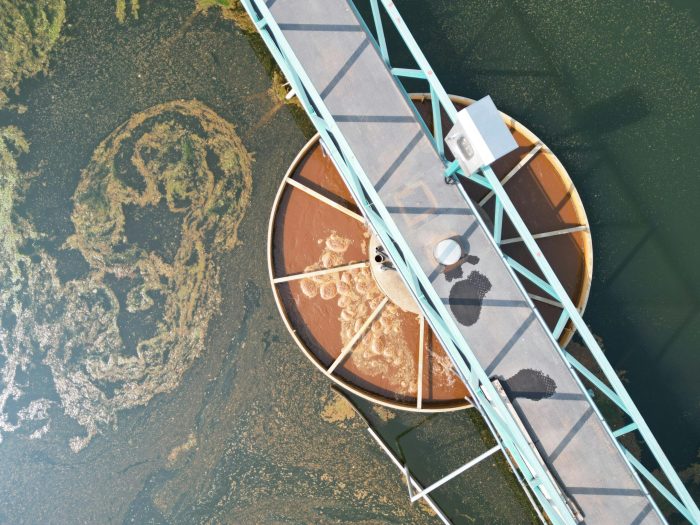
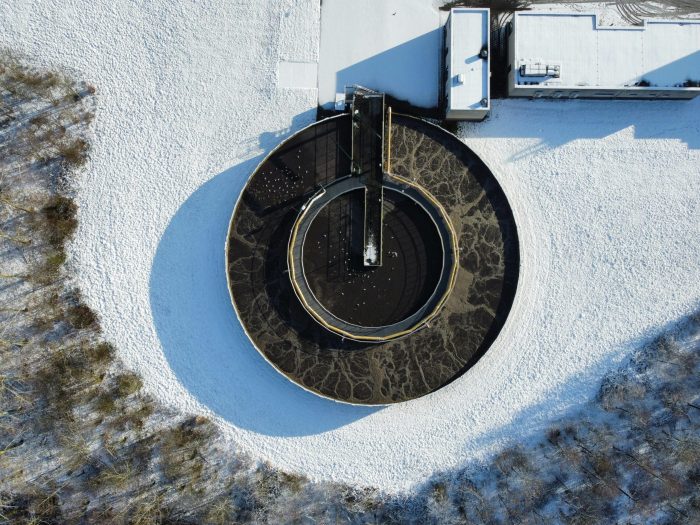
The characteristics of industrial wastewater set it apart from other types of water, including those found in homes and the environment. The specific traits of industrial wastewater pollution are dictated by the type of industry, whether it is textile, chemical, or food processing; however, in general, it has the following characteristics:
Here are some characteristics of industrial wastewater pollution and solutions
1. High Chemical Content (Causes and How to Solve It)
The usage of raw materials and the handling of wastes during production are the primary causes of chemical pollution in industrial wastewater.
Causes
a) High Water Use
- More dissolved contaminants end up in effluent streams as a result of excessive water usage.
b) Production Procedures That Aren’t Efficient
- Wasted raw materials are the result of ineffective production procedures
- More chemicals are wasted due to low efficiency rather than being use
c) Using Non-Biodegradable and Harmful Materials
- Heavy metals and pesticides are examples of persistent chemicals that do not decompose quickly.
- Accumulation tends to occur in water bodies
d) Insufficient Facilities for Waste Treatment
- Greater pollution occurs when effluent treatment plants (ETPs) are not present
- Untreated wastewater is discharged by some industries
e) Washing and Cleaning Operations
- Solvents and detergents are used for equipment.
- These chemicals are discharged into drainage systems through the water supply
f) Inadequate Methods for Waste Management
- Hazardous waste and wastewater mixing
- The incorrect handling of waste from factories
g) Chemical Use in Excessive Amounts
- Solvents, acids, alkalis, dyes, and reagents are essential in many industrial processes
- Sewage contains chemicals that have either been over- or under-reacted
h) Spills and Equipment Leaks
- Spills that occur unintentionally while in transit or handling
- The release of chemicals into wastewater occurs due to leaking valves, tanks, and pipelines
 2. Ways to Address and Resolve the Problem
A. Optimization of Processes
- Reduce chemical waste by improving efficiency
- Use raw material recycling throughout the production process
B. Reliable Waste Disposal
- Maintain a barrier between wastewater and hazardous waste
- Proceed with chemical disposal in accordance with established regulations
C. Treating Wastewater Properly
- Set up and keep running effluent treatment plants
- Biological approaches include microbial treatment. Coagulation and neutralization, as well as chemical methods. Sedimentation and filtration use physical methods
D. Recycling and Reusing
- Recycle treated wastewater for use in manufacturing
- Whenever possible, retrieve valuable chemicals
E. Monitoring Things and Putting Rules in Place
- Consistent monitoring of effluent quality
F: Prevention through Source Control
- Use greener manufacturing methods
- Reduce waste by modifying production processes
- Minimize or switch to more environmentally friendly chemicals
G. Recommended Methods for Housekeeping
- Educate employees on how to safely handle chemicals
- Keep spills and leaks from escaping
- Equipment maintenance and inspections on a regular basis
2. Presence of Heavy Metals (Causes and How to Solve It)
Industrial wastewater often contains heavy metals, which pose a significant threat. This is due to their toxicity, inability to break down in the environment, and tendency to accumulate in living things.
1.Potential Heavy Metal Sources
- Industries dealing with chemicals, dye, and paint
- Manufacturing of batteries
- Activities related to smelting and mining
- Industries engaged in metal finishing and electroplating
2. Popular Heavy Metals
- Arsenic (As)
- Mercury (Hg)
- Chromium (Cr)
- Lead (Pb)
- Cadmium (Cd)
3. Harmful Impact of Metals
a. The Effect on Water Quality
- Persistence leading to long-term pollution
- Makes water unfit for human consumption and agricultural use
b. Impact on Human Health
- Cancer due to certain metals
- Child development issues
- Problems with the brain, liver, and kidneys as well as poisoning
c. Impacts on the Environment
- Build up in food chains and sediment
- Cause havoc on ecosystems
- Harmful to aquatic organisms and fish
Solutions / Prevention Steps
A. Chemical Treatment Methods
- Metal removal efficiency is enhanced by adjusting the pH
- Metals that are dissolved in water can be removed via precipitation, which solidifies them
- The settling of metal particles is aided by coagulation and flocculation
B. Biological Methods
- Metal absorption by microbes or plants (bioremediation)
C. Regulation and Appropriate Disposal
- Metal-containing sludge disposal in a safe manner
D. Cutting-Edge Treatment Technologies
- Metal ions are efficiently removed by ion exchange
- Membrane filtration, which includes ultrafiltration and reverse osmosis
- Activated carbon and other materials for adsorption
E. Recovering and Recycling
- Utilize reclaimed water for manufacturing purposes
- Recover precious metals from effluent
F. Reducing the Source
- Decrease reliance on metals in operations
- Cleaner production technology should be utilized
- Switch out harmful metals for less dangerous ones
G. Physical Treatment Methods
- Metals are able to settle thanks to sedimentation
- Solid metal particles are removed via filtering
3. High Biological Oxygen Demand (Causes and How to Solve It)
There is a great deal of organic, biodegradable material in the effluent, which indicates a high biological oxygen demand. Microbes decompose the organic material, leading to diminished dissolved oxygen levels for aquatic species.
Causes
a. Inefficient Manufacturing Methods
- Biosolids make up a larger percentage of wastewater
- Raw material waste
b. Effluent Discharge Without Treatment
- Water bodies are contaminated with a high amount of organic contaminants
- Untreated wastewater discharged into the environment
c. The Industrial Sector’s Organic Waste
- Industries dealing with paper and pulp (cellulose)
- Dairy products and meat processing plants (blood, gluten)
- Food processing (including fats, starch, and sugars)
d. Poor Waste Management
- Garbage seepage into sewer systems
- The incorrect handling of biological waste
3. Effects of High BOD
a. Damage to the ecosystem
- May cause environmental imbalance and the extinction of aquatic species
b. Bad Smell
Gases with a strong odor are produced when oxygen levels are low
c. Depletion of Oxygen
- The use of dissolved oxygen by microorganisms
- Suffocates fish and other aquatic creatures
d. Pollution of Water
- Difficulty in using the water for irrigation, drinking, or recreational purposes
4. Solution / Prevention Steps
a. Primary Treatment
- Determining the size of solids by screening and sedimentation
- Decreases the initial organic load
b. Reducing the Source
- Cut down on production-related waste
- Make better use of raw materials
c. Innovative Treatment
- Methods involving oxidation that further decrease organic matter
- If necessary, membrane filtration
d. Biological Treatment (Significant)
Anaerobic Treatment
- Using oxygen-loving microbes
- Produces biogas (energy recovery)
- Suitable for very high BOD wastewater
e. Proper Management of Waste
- Keep organic waste from leaking by frequent system maintenance
4. High Chemical Oxygen Demand (Causes and How to Solve It)
There are likely many oxidizable pollutants in the wastewater. These include both biodegradable and non-biodegradable ones, as indicated by the high chemical oxygen demand
Causes
a. Synthetic compounds are used extensively
- Artificial chemicals that are resistant to biodegradation
b. Chemicals Used in Industry
- Detergents, phenols, and pesticides
- Not biodegradable most of the time
c. Organic Pollutants Being Present
- Solvents, greases, oils, dyes
- Used frequently in the food, petrochemical, and textile sectors
d. Poorly Treated or Untreated Wastewater
- Systems that do not effectively address
- Discharging industrial wastewater directly
3. Effects of High COD
a. Environmental Deterioration
- Persistent chemical pollution causes long-term problems
b. Toxicity
- Impacts aquatic life as well as humans
c. Depletion of Oxygen
- Depletes aquatic environments of dissolved oxygen
- Destroys marine life
d. Water that isn’t up to par
- Bad taste, smell, and color
- Not recommended for usage in homes or farms
4. Solutions / Prevention Steps
a. Recycle and Reuse
- Reuse treated wastewater in manufacturing processes
- Lessens the amount of pollutants and discharge
b. Biological Treatment
- Suitable for use with COD biodegradable components
c. Physical Treatment
- Solids are filtered and screened out
- Removal of oils and grease using oil-water separation
d. Cutting-Edge Medical Procedures
- Absorption of Activated Carbon
- Reverse osmosis-mediated membrane filtration
- Advanced Oxidation Processes (AOPs)
e. Reducing the Source
- Eco-friendly substitutes should be used in place of non-biodegradable material
- Keep the use of dangerous chemicals to a minimum
f. Chemical Treatment
- Adjusting the pH through neutralization
- Using flocculation and coagulation to filter out dissolved substances
- By using oxidants (such as chlorine or ozone) to break down contaminants
5. Extreme pH Levels (Causes and How to Solve It)
Water with an extreme pH is toxic to all forms of life and has no practical use since it is either excessively acidic or too basic
Causes
a. Cleaning Operations
- Cleaning using powerful cleaning detergents and agents
b. Processes in Industry
- The soap and textile industries
- Pickling and metal plating
- Manufacturing chemicals
c. Using strong bases and acids
- Bases: ammonia, sodium hydroxide
- Acids: hydrochloric and sulfuric acid
d. Careless Disposal of Waste
- Not properly neutralizing substances before disposal
- The direct release of wastewater without treatment
3. Negative Impact of Very High or Low pH
a. Health Risks
- Makes water unfit for human consumption and household usage
- Skin irritation and burns can occur
b. Deterioration and Corrosion
- Scaling can occur in water with an alkaline pH
- Pipes and infrastructure are weakened by acidic water
c. Damage to Water Bodies
- Hypochlorite environments are inhospitable to fish and microbes
- Causes havoc on marine environments
d. Least Effective Treatment
- For biological treatment operations, a pH close to neutral is ideal
- Live microbes are killed off by extremely acidic or basic pH
4. Solutions / Prevention Steps
a. Proper Treatment of Wastewater
- Include physical, chemical, and biological treatments in a unified approach
- Before discharging, make sure the pH is appropriate
b. Management of Processes
- If at all possible, use less harsh chemicals
- Reduce the creation of excessive pH by optimizing industrial operations
c. Automatic pH Monitoring and Control
- Make constant adjustments with the help of dosing systems and sensors
- Keeps pH levels consistent
d. Neutralization (Significant)
- Bases (such as sodium hydroxide or lime) should be added to acidic wastewater
- Acids (such as CO₂ or sulfuric acid) should be added to alkaline wastewater
- Create a pH level that is close to neutral, ideally between 6.5 and 8.5
e. Tanks for Equalization
- To maintain a constant pH, mix the various wastewater streams
- To avoid unexpected changes in pH
Conclusion
Without adequate treatment, industrial wastewater pollution poses risks to human and environmental health due to its chemical complexity, toxicity, and high pollutant content. For further details regarding industrial wastewater pollution and control, get in touch with us today.