
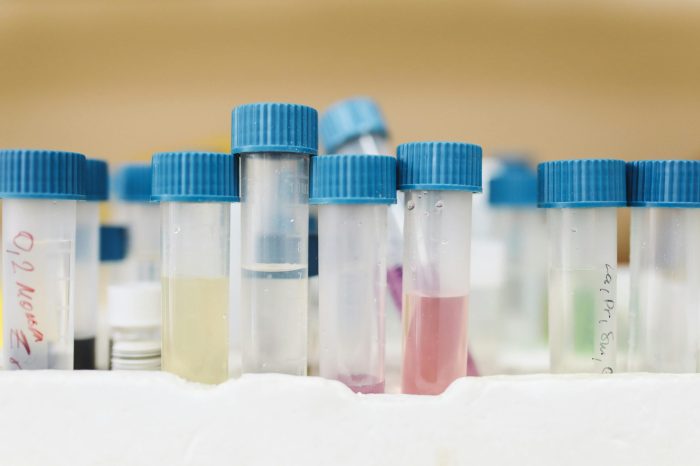
To identify dissolved compounds and potential contaminants, color assessment in water samples is a crucial part of water quality assessments. Both natural and man-made factors, such as the presence of rotting vegetation and industrial discharge and wastewater pollution, can affect the color of water. The color of water is a good indicator of its safety, purity, and environmental, industrial, and household use. Color assessment is a common indicator for routine water quality monitoring since it is easy and effective.
One important physical metric for water quality evaluation is color assessment in water samples. Its assistance can determine the presence of dissolved compounds, pollution, and the overall suitability of water for industrial, ecological, or drinking purposes.
How organic and inorganic compounds dissolve in water determines their color. The standard way to measure it is by comparing the color after particles are removed from suspension with the color when particles are still present.
Here are some things you should know about color assessment in water samples
Color sources:
Both naturally occurring and artificially added substances can cause water to change color:
- Sites characterized by peat and marsh environment:
Tannins are commonly absorbed by water moving through wetlands, resulting in a dark tea-like hue.
- Water plants and algae:
Water can take on a brownish or greenish hue when algae are present in excess, either as they grow or decompose.
- Wastewater from homes:
Organic materials added by sewage and household waste can darken the color of water.
- Sediments and soil:
Particles of organic and mineral substances can be carried into bodies of water by erosion, changing their color.
- Effluents from manufacturing:
Industrial effluent from the chemical, dye, and textile industries, for example, can add strong artificial hues to waterways.
- Runoff from farms:
Agricultural chemicals like pesticides, fertilizers, and organic waste can exacerbate discoloration.
- Decaying organic matter:
Fulvic and humic substances are released into water as organic matter, such as plants and leaves, decompose. These substances give water a brownish or yellowish color.
- Compounds containing manganese and iron:
Metals found in rocks and soil can change color when dissolved in water, going from reddish brown to black.
An essential indicator of water quality, water color is the product of both pollution sources and natural processes.
Water color types:
Based on the colors used, there are primarily two categories of water color:
- Apparent color:
Suspended particles and dissolved substances both contribute to its color. It is an actual depiction of the colors observed in algae, sediments, and other visible particles found in unfiltered water samples.
- Real color:
Once the suspended particles are removed, the color of the water that remains is solely caused by dissolved substances. Usually, it’s because of dissolved metals like manganese and iron or organic matter like humic chemicals from dead plants.
The ability to differentiate between pollution from suspended materials and dissolved chemicals makes these two kinds crucial in water quality analysis.
Assessment techniques:
Several established procedures are used to assess the color of water samples in order to ascertain its quality and identify any potential contaminants:
- Visual inspection:
One easy way to check for colors on the spot is to just look at a clear container of water set against a white background.
- Method for diluting:
The water samples are diluted with distilled water until the color disappears, and the color concentration is estimated by measuring the degree of dilution.
- A technique that uses spectroscopy:
A more precise technique that involves using a spectrophotometer to detect the water’s absorption of light at certain wavelengths. The color intensity is proportional to the absorption level.
- The Pt-Co scale method measures the concentration of platinum and cobalt in the water
The color of the water is compared to reference solutions of produced platinum and cobalt, which is a commonly used standard procedure.
- Visual comparisons:
A platinum-cobalt standard is typically used to compare the water sample with standard color solutions. You can use Pt-Co or Hazen units to measure the color intensity.
These techniques are useful for finding out if water is contaminated, safe, or needs treatment before consumption.
Importance to Water Quality:
- Industrial use:
Pharmaceuticals, textiles, and food production are just a few of the many businesses that rely on color-free water.
- Sign that treatment is necessary:
You can see how much and what kind of water treatment is needed by looking at the color level.
- Aesthetic quality:
Clear, colorless water is preferred for household and consumption purposes. This preference is due to its aesthetic qualities, as colored water is typically viewed as unappealing and hazardous.
- Tool to help monitor the environment:
When water color changes, it might be an indication of pollution or an ecological disturbance like the growth of algae.
- Pollutant indicator:
The water’s color may indicate the presence of sewage pollution, industrial effluents, or organic waste.
- Significance to public health:
Any substance with an unusual color could be a potential health hazard, whether it be decaying organic matter, dyes, or heavy metals.
One easy way to tell if water is safe to drink, whether it contains pollutants, and how to treat it effectively is by looking at its color.
The Effect of Unusual Colors:
- Limitations within the industry:
Industries such as textiles, beverages, and food rely on water that is free of impurities and has a clear color to ensure high-quality products.
- Higher expenses for water treatment:
It is necessary to employ additional procedures, including chemical, coagulation, and filtration treatment, in order to eliminate color.
- Possible sign of environmental contamination:
Any discoloration could be an indication of the presence of decomposing organic matter, sewage, or industrial waste.
- Water that is unsafe to drink:
The smell and taste of colored water can be off-putting, making it unfit for human consumption.
- Environmental stress:
An imbalance in the ecosystem, like pollution of aquatic systems or algae blooms, could be the cause of an unusual color.
- Decreased visual appeal:
Because of its unsanitary appearance, water with an unusual tint is not fit for household use and human consumption.
- Potential dangers to human health:
Dyes, heavy metals, and other elements that impart color can pose serious health problems, including gastrointestinal issues, neurological damage, and long-term chronic conditions.
An essential indicator of contamination and low water quality, abnormal water color necessitates thorough investigation and remediation.
How Smell and Taste Affect Water Quality
Among the many aesthetic aspects of water, its taste and odor have a significant impact on whether or not people would drink it and utilize it around the house. If water has a bad taste or smell, people may think it’s unsafe, even if it meets safety standards. On a more critical note, these characteristics frequently point to contamination or treatment problems, which can lead to public health concerns and a lack of trust in water quality.
1: Social and Psychological Impacts
Even after treatment, people may still suspect water that has an unpleasant smell or taste is harmful to drink. There may be more complaints or mistrust as a result of the public’s diminished faith in water delivery systems.
2. Contamination Indicators
- Pesticides or industrial contamination could be the cause of a chemical taste
- Microbes and algae can cause a musty or earthy smell or taste
- Anaerobic decay produces hydrogen sulfide gas, which is detected by rotten egg odor
- A metallic aftertaste caused by copper, manganese, or iron
- Disinfecting procedures that leave a chlorine smell or taste
Early detection of water quality issues can be aided by these signals.
3. Effect on the Efficient Treatment of Water
Chemicals that produce a distinct smell or taste:
- Has the potential to produce disinfection by-products (DBPs) when combined with disinfectants.
- Call for supplementary procedures like aeration or activated carbon adsorption
- Make treatments more complicated and expensive
4. Possible Risks to Health
Smell and taste aren’t always dangerous on their own, but they may be associated with:
- Toxins produced by algae
- Heavy metals or compounds that are toxic
- Bacteria that cause illness
Hence, unsavory smells and tastes might indicate potential health hazards that necessitate additional research.
5. Impact on Commercial and Residential Uses
- Causes problems for commercial uses, particularly in the pharmaceutical and food industries.
- Makes water unfit for human consumption
- Influences the quality of food and beverage
6. Impact on Consumer Perception
Water is not ideal for cooking and drinking if it has an unpleasant odor or an unpleasant taste (salty, metallic, bitter, chemical, rotten-egg, or musty). This may cause people to use less water or to seek other, potentially riskier, sources.
From the user’s perspective, the most important factors in determining the water quality are its taste and smell. Although their primary function is cosmetic, they can frequently serve as early warning signs of contamination or issues with treatment, indicating that consumers may need to take action to ensure their water is safe for use. The public’s health and consumer trust depend on water that is free of odor and taste contaminants.
In summary
Analyzing the colors of water samples is a straightforward way to tell how clean or polluted the water is, as well as its general state of health. When the color of water changes, it’s usually because of naturally occurring chemicals like manganese and iron, industrial runoff, or dissolved organic matter.
The chemical and aesthetic qualities of water, as well as any health concerns, can be revealed by abnormal color, which might be a sign of pollution. Thus, to guarantee potable water, efficient treatment methods, and aquatic habitat protection, water color monitoring on a regular basis is essential. Contact us today.