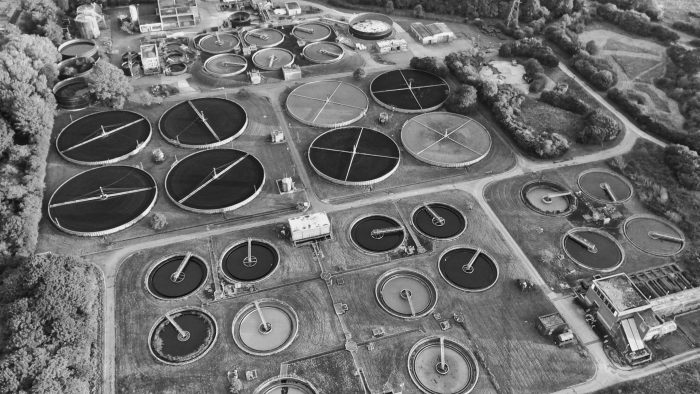
Water that is produced by industrial processes, such as manufacturing and processing, must undergo industrial wastewater treatment. This is to help remove pollutants before they may be either reused or discharged into the environment. The complex variety of pollutants found in industrial effluent, as opposed to home sewage, can be extremely harmful to ecosystems and human health if not treated. These pollutants include toxic substances, oils, heavy metals, suspended solids, and chemicals.
To decrease contamination, conform to regulations, and encourage sustainable water usage, effective treatment systems integrate physical, chemical, and biological approaches, such as sedimentation, filtration, and biological degradation methods. Improper industrial wastewater treatment, which has become increasingly important as industries continue to grow, significantly affects environmental protection, resource conservation, and regulatory compliance.
Here are Some Industrial Wastewater Treatment Solutions
1. High Suspended Solids (Causes and How to Solve It)
Organic debris, fibers, silt, and metal particles that do not dissolve in water are collectively known as suspended solids (TSS). They contaminate and cloud water when present in large quantities.
Causes
a. The Process of Erosion and Runoff
- Debris and soil that find their way into industrial drainage systems
b. Cleaning and Washing Operation
- Washing off solid materials from equipment and surfaces
- Enter streams that hold wastewater
c. Improper Proper Treatment and Filtration
- Wastewater treatment that is not efficient
- Ineffective systems for settling and screening
d. Incorrect Disposal of Industrial Waste
- Mixing wastewater and solid waste
- Discharging litter and other solid waste into sewers
e. Industrial Processes
- Organic particles in food processing
- Clay, silt, and sand for use in building and mining
- The fiber and lint industries in textiles
3. Effects of High Suspended Solids
a. Problems with Sedimentation
- Sludge building up in water bodies changes the way water naturally flows
b. Damage to Water Life
- Blocks the gills of fish
c. Turbidity
- Prevents access to direct sunlight
- Has an effect on how aquatic plants do photosynthesis
d. A Surge in Pollutants
- Contaminated substances and microbes can be carried by suspended solids
4. Solutions / Prevention Steps
Effective Management of Industrial waste
- Keep liquid and solid waste separately
- Dispose of solid waste separately from wastewater
Sedimentation
- Let the solids sink to the bottom
- Makes water clearer
Filtration
- Fine matter can be filtered out by using sand or membrane filters.
Recycling and Reusing
- Recycle and reuse solids whenever possible
Screening
- Utilize screens to remove big particles
- Maintains treatment systems free of clogs
Flocculation and Coagulation
- Incorporate chemical binding agents to transform smaller particles into larger ones
- It facilitates their removal
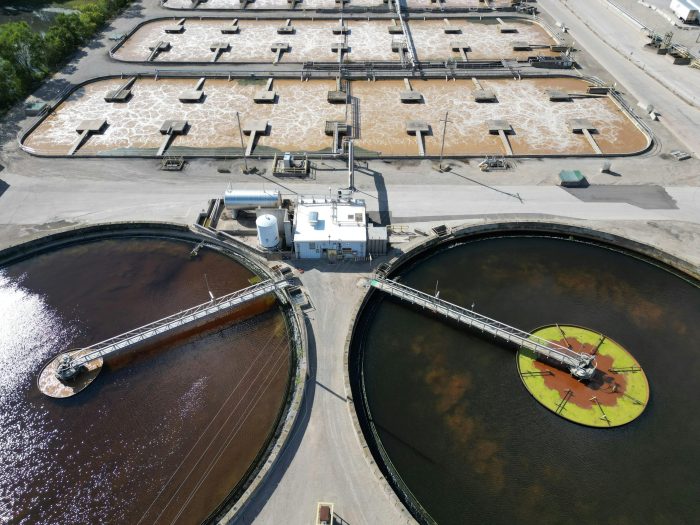
2. Toxic and Hazardous Substances: Causes and Solutions
Even at extremely low concentrations, these dangerous chemicals found in industrial effluent can have devastating effects on humans and the environment. They tend to be tenacious and tough to break down.
2. Dangerous and Toxic Substances Include
- Petroleum-derived substances, including hydrocarbons and oils
- The use of herbicides and pesticides
- Formaldehyde, cyanides, and phenols are examples of industrial chemicals.
- Benzene and toluene are examples of organic solvents
- Chromium (Cr), lead (Pb), mercury (Hg), and cadmium (Cd) are heavy metals
Causes
a. Activities Related to Maintenance and Cleaning
- Drainage water that contains harmful substances
- Powerful detergents and solvents often used in industrial settings
b. Incorrect Disposal of Industrial Waste
- Contaminating regular wastewater with hazardous waste
- The release of untreated industrial effluents into the environment
c. Methods Used in Industrial Production
- Usage of toxic raw materials
- Processing of metals, mining, and chemical production
d. Accidental Spills and Leakages
- Chemicals not being handled properly
- Leaks in pipelines and storage tanks
4. Harmful Substances’ Impact
a. Degradation of Water Quality
- Makes water unfit for human consumption and agricultural use
- Treatment is challenging and costly
b. Harm to the Environment
- Bioaccumulation in the food chain
- Pollution of aquatic bodies over an extended period of time
- Fish and aquatic animal deaths
c. Effects on people’s health
- Skin burns and breathing issues are some of the acute impacts.
- The dangers of cancer due to prolonged exposure
- Potential harm to vital organs including the neurological system, kidneys, and liver
5. Solutions / Prevention Steps
Safe Handling and Storage
- Leak-proof pipelines and tanks
- Chemical storage solutions that are up to code
Sorting Waste Correctly
- Separate harmful substances from other effluents
- Hazardous waste should be kept apart from regular wastewater
Revolutionary Methods of Treatment
- Cutting-edge oxidation processes
- Membrane filtration (also known as nanofiltration or reverse osmosis)
- Removing organic toxins using activated carbon
Physical Treatment
- Removing solid toxic particles by filtration and sedimentation
- Systems for separating oil and water
Biological Treatment
- Toxin absorption by plants, a process known as phytoremediation
- Microorganisms used in bioremediation to break down contaminants
Reducing the Source
- Reduce the amount of chemicals used in processes
- Cleaner production technology should be utilized
- Replace harmful chemicals with less harmful ones
Chemical Treatment
- Neutralization for hazardous trash containing acids or bases
- Heavy metals are removed by precipitation
- Toxic compounds are broken down through oxidation
3. Oil and Grease Content (Causes and How to Solve It)
Wastewater from industries sometimes contains hydrophobic (insoluble in water) substances such as lubricants, fats, and petroleum oils.
Causes
a. Improper Handling of Industrial Waste
- Washing machines that don’t have solutions to separate oils
- Poor used oil disposal
b. Industries Involved in Food Processing
- The release of vegetable oils and animal fats
- Frying, dairy, and meat processes
c. Petroleum and Refinery Operations
- Extraction of oil, refining, and fuel processing
- Leaks and spills involving petroleum
d. The Manufacturing and Mechanical Sectors
- Industries related to automotive and metalworking
- Lubricating oils are used in machinery
3. The Impact of Grease and Oil
a. Damage to the Aesthetic and Environment
- An unpleasant look and odor
- Causes water and land pollution
b. Treatment Systems Getting Clogged
- Biochemical wastewater treatment is hindered
- This can lead to clogs in equipment and pipes
c. Harming Water life
- Decreases dissolved oxygen, which suffocates aquatic life, including fish
d. Surface Water Contamination
- Prevents air and water from exchanging oxygen
- It makes a thin layer on top of water
4. Solutions / Prevention Steps
Cutting-Edge Treatment Procedures
- Activated carbon adsorption
- Methods involving membranes such as reverse osmosis and ultrafiltration
System for Separating Oils
- To remove oils that float in water, oil-water separators (API separators) are used
- Oil can be skimmed off the surface in gravity separation tanks
The Right Kind of Management and Maintenance
- Safely storing and disposing of oil
- Keeping out spills and leaks
- Maintaining clean equipment regularly
Physical Treatment Methods
- Systems for filtering out very small oil particles
- Equipment for removing surface oil through skimming
Biological Treatment
- Bioremediation is the process by which microorganisms break down oil in wastewater.
- Works well for oils that break down naturally
Reducing the Source
- Look for ecologically friendly lubricants and substitutes
- Decrease reliance on oil in manufacturing
Chemical Treatment
- Chemical demulsifiers for use in oil-in-water separation
- To separate oil emulsions, coagulation and flocculation are employed
4. Color and Odor (Cause and How to Solve It)
Discoloration that can be seen in water as a result of things either dissolved or suspended in it is what we call color. Industrial wastewater odors are the result of biological or chemical reactions and are generally unpleasant. Both point to the fact that the water is polluted and of low quality.
Causes
a. Industrial Waste and Metals
- Metal compound-containing industrial effluent
- A brownish-black color can be achieved by combining iron with manganese
b. Chemical and Organic Compounds
- Organic matter decomposition
- Chemicals such as tannins and phenols
c. Colorants and Industry-Grade Dyeing
- The printing and paint industries provide strong colors
- Dyeing and the textile industry release chemicals with a variety of colors
3. What Makes Industrial Wastewater Smell Bad
a. Anaerobic surroundings
- Problems with wastewater oxygen levels
- Produces odorous gases, such as ammonia and methane
b. Chemicals Used in Industry
- Persistent and powerful chemical odors
- Phenols, petroleum byproducts, and solvents
c. Organic Matter Decomposition
- Decomposition of lipids, carbs, and proteins
- Gases such as hydrogen sulfide (the odor of spoiled eggs) are produced
4. Odor and Color Impacts
a. Impact on Health
- Hydrogen sulfide is one example of a poisonous gas that causes an odor
- May irritate the respiratory tract
b. Impacts on the Environment
- Has an effect on photosynthesis in aquatic plants
- Light passes through water more slowly
5. Solutions / Prevention Steps
Cutting-Edge Treatment Technologies
- Complex oxidation procedures for persistent colors
- Membrane filtration, which includes ultrafiltration and reverse osmosis
Physical Treatment Methods
- Reduce odor-causing gases via aeration
- Colored particles can be removed by using filtration and sedimentation
Biological Treatment
- Gases with a bad odor are eliminated through aerobic treatment
- Odors produced by microbes that break down organic matter
Chemical Treatment Methods
- Molecules of smell and color can be removed by activated carbon adsorption
- Using coagulation and flocculation, colored matter in suspension can be removed
- Chlorine and ozone are oxidants that break down chemicals that cause color
Addressing the Root Causes
- Correctly managing and storing industrial waste
- Make manufacturing processes more effective
- Apply chemicals and dyes with a low toxicity level
Managing Wastewater Correctly
- Keep wastewater tanks from becoming anaerobic
- Keep treatment systems’ oxygen levels steady
Conclusion
Assuring sustainable industrial expansion, maintaining public health, and preserving the environment are all greatly aided by industrial wastewater treatment. Industries are able to meet environmental regulations and reduce their ecological impact using treatment methods. This effectively removes dangerous pollutants and reduce contamination.
Adopting industrial wastewater treatment technologies that are inventive, efficient, and environmentally friendly is becoming more and more necessary as water scarcity and environmental concerns mount, particularly in industries that rely heavily on water usage and face increasing regulatory pressures. In the end, sustainable wastewater management helps maintain both the economy and the environment in the long run by preserving our precious water supplies. Contact us today.