Express Drainage Solutions

A Solution for Sanitation, Wastewater Treatment & Renewable Energy

Njengi House

2nd Floor Suite 6, Tom Mboya St.

8:00AM - 5:00PM

Monday to Friday

+254742781455

info@expresswatersolutions.com

Category

Water Quality

Water Quality Monitoring in Developing Countries

Water Quality Monitoring in Developing Countries

By | Water Monitoring, Water Quality | No Comments

To ensure that water sources in developing countries are safe for human consumption and ecological sustainability, water quality monitoring is an important process. It includes routine evaluation of the physical, chemical, and biological state of water sources. Concerns about water contamination and waterborne diseases like cholera and typhoid fever are a common occurrence in many developing nations. This situation is due to factors such as limited clean water access, industrial pollution, fast urbanization, and insufficient sanitation systems. Water quality monitoring effectively aids in the early detection of pollution, bolsters public health protection, and guides decisions on water management.

1. Objectives of Water Quality Monitoring

The purpose of water quality monitoring in low-income regions is to guarantee that the water supply is fit for environmental and human use in a sustainable manner. Here are the primary objectives:

Promote Long-Term, Eco-Friendly Water Resource Management

  • Assist with controlling rising water consumption
  • Advise on how to save water and how to use it correctly

Encourage the growth of the economy and society

  • Productivity, industry, agriculture, and health all benefit from safe water
  • Decreases healthcare costs linked to water contamination

Protect the Well-being of the People

  • Keep an eye out for toxic substances and pathogenic microbes
  • Keep diseases like cholera and typhoid out of the water

Offer Data for Use in Making Plans and Decisions

  • Back initiatives to improve access to water and sanitation
  • Policy and investment guidance for the environment

Quickly Identify Pollution

  • Locate pollutant sources, including waste disposal, agriculture, industries, and sewage
  • Permit prompt restoration

Keep Aquatic Ecosystems Safe

  • Keep groundwater, rivers, and lakes from deteriorating
  • Back efforts to preserve biodiversity and aquatic ecosystems

Educate the Public

  • Promoting water safety and preventing pollution should be a community’s top priority
  • Inspire people to take part in preserving water sources

Make Water Safe to Drink

  • Detect dangerous pollutants and contaminants
  • Make sure the water is fit to drink

 Assess the Quality of Water

  • Determine if water is good for drinking, industrial, and irrigation use
  • Monitor parameters such as biological, chemical, and physical

2. Parameters That Are Frequently Monitored

In developing countries, physical, chemical, and biological parameters help assess water quality and ensure it is safe for protecting the environment and human use.

1. Physical Parameters

a. Total Suspended Solids

  • Measures suspended water particles

b. Temperature

  • Impacts the activity of microbes and chemical reactions in water

c. Color

  • Indicates contamination or the presence of dissolved substances

d. Turbidity

  • Assesses the cloudiness brought on by particles in suspension
  • Contamination could be indicated by a highly turbid sample

e. Taste and smell

  • Contamination could be the cause of an unpleasant taste or odor

2. Chemical Parameters

a. Nutrients

  • Phosphorus and nitrogen levels
  • Eugenication occurs when there are too many nutrients

b. Total Dissolved Solids

  • Measures minerals and dissolved salts

c. pH

  • Shows if the water is acidic or alkaline
  • For the purpose of aquatic life and water treatment

d. Biological Oxygen Demand

  • Shows how much organic contamination there is in the water

e. Heavy Metals

  • Chromium, lead, cadmium, and mercury
  • Harmful at even trace amounts

f. Dissolved Oxygen

  • Finds out how much oxygen is in the water
  • Indicators of contamination include low DO levels

g. Chemical Oxygen Demand

  • Checks the amount of oxygen needed to oxidize contaminants

3. Biological Parameters

a. Pathogens

  • Disease-causing microorganisms like cholera and typhoid fever are part of this category

b. The bacterium Escherichia coli

  • Suggests the presence of feces and potentially harmful water

c. Total Coliforms

  • Show likely pollution

Water Quality Monitoring in Developing Countries

3. Methods used

From basic field procedures to more sophisticated laboratory and technical approaches, developing nations employ a wide range of methods for monitoring water quality.

Information Collection and Reporting Systems

  • Computers, databases, and mobile apps help to store and evaluate monitoring data

Lab Analysis

  • Laboratory analyses are conducted on water samples
  • Chemicals, heavy metals, nitrates, and microbes (coliforms, E. coli) can be tested in great detail using this method

Real-Time Monitoring and Automated Sensors

  • Conductivity, turbidity, and pH are among the parameters that sensors constantly monitor
  • Make contamination detection quicker

Inspection through Sight and Feel

  • Assists in identifying clear indications of contamination
  • Taking note of the smell, color, and visibility of any floating materials

Chemical Testing

  • COD and BOD, dissolved oxygen, pH, nutritional levels, and heavy metals are all measured

Geographic information systems and remote sensing

  • Mapping and satellite imagery keep tabs on big bodies of water
  • Helpful in identifying patterns of pollution and the effects of land usage

Testing for Microorganisms

  • The ability to identify infectious microbes
  • Critical in warding off infectious diseases like cholera and typhoid

Inspecting and Surveying Sanitary Conditions

  • Checking water storage systems, boreholes, and wells
  • Locate potential hazards, such as landfills and nearby latrines

Methods for Conducting Field Testing

  • Affordable and well-suited to remote regions
  • Regularly check for things like residual chlorine, turbidity, temperature, and pH
  • Direct use of portable testing kits at water sources

Monitoring in the Community

  • Members of the community pitch in to gather samples and report issues
  • It promotes the conservation of water sources

4. Challenges of Water Quality Monitoring in Developing Nations

There are a lot of challenges that make it hard for developing countries to have dependable programs for monitoring water quality and to provide people with safe water.

Limited Availability of Monitoring Devices

  • Scarcity of sensors, testing kits, and other necessary laboratory equipment
  • Existing machinery can be poorly maintained or very old

Accessibility Challenges

  • It is challenging to reach remote rural locations for routine water quality
  • Depending on the season, access could be restricted

Missing Knowledge in Technical Areas

  • Problems with data analysis, testing, and sampling due to a lack of qualified workers
  • Limited understanding of cutting-edge water quality monitoring systems

Limited Public Knowledge

  • Minimum involvement of the community in monitoring efforts
  • People do not understand the need for preventing water contamination and safe water practices

Lack of Sufficient Infrastructure

  • Problems in getting to distant monitoring locations
  • Inadequate and unreliable power source in the lab

Irregular Monitoring Programs

  • Insufficient water testing
  • Pollution and contamination not being detected in a timely manner

Industrialization and Fast-Scale Urbanization

  • A rise in pollution due to human activities, sewage, and industrial sites
  • The increasing demand is causing water quality monitoring systems to suffer

Poor Data Management

  • Insufficient methods of data collection, storage, and analysis
  • Misinformation and the omission of crucial details

Weak Law Enforcement and Policy

  • Weakness in enforcing environmental regulations

Agriculture-Related and Waste-Related Pollution

  • Poor waste disposal, pesticides, and fertilizers all contribute to water contamination

Challenges in Politics and Institutions

  • Government agencies not working together effectively
  • Water quality issues are considered a low priority

Limited Funding Available

  • Problems in consistently implementing monitoring programs
  • Field operations, equipment, and labs do not receive enough financing

5. Why Water Quality Monitoring Is Crucial

In order to safeguard the environment, promote sustainable development, and guarantee that people in developing nations have access to safe drinking water, water quality monitoring is crucial.

Supports Long-Term Goal Achievement

  • Guarantees access to clean water for the foreseeable future
  • The environment and people’s quality of life are both boosted by this

Helps in responding to emergencies

  • Supports prompt action and protection measures
  • Detects pollution during disease outbreaks, droughts, or floods

Makes Water Potable

Enhances the Management of Water Resources

  • Gives data useful for water resource management and sustainable consumption
  • Facilitates well-informed decision-making by governments

Raises Conscience in the Community

  • Prompts locals to save and use water wisely
  • Encourages people to adopt good personal hygiene and sanitation

Early Pollution Detection

  • Identifies sewage, agricultural, and industrial pollutants
  • Permits prompt corrective action prior to the spread of pollutants

Promotes the Growth of the Economy

  • The agricultural sector, fisheries, and industry all benefit from water that is safe to drink
  • Decreases healthcare costs associated with water-related illnesses

Safety of the General Population

  • Identifies potentially dangerous water contaminants and microbes
  • Cholera and typhoid fever are two diseases that this aids in preventing

Backs efforts to protect the environment

  • Protects biodiversity and marine ecosystems
  • Assists in preventing the depletion of lake, river, and groundwater resources

6. Likely Solutions

To overcome challenges including a lack of technical knowledge, poor infrastructure, and scarce resources, developing countries must identify practical, inexpensive, and long-term solutions to improve water quality monitoring.

System Enhancements for Data Management

  • Establish reliable methods to help record, store, and analyze data.
  • For more convenient monitoring and reporting, utilize digital databases

Using Appropriate and Low-Cost Technologies

  • Collect and report data using mobile phones and other digital tools.
  • Introduce portable sensors and field testing kits at a reasonable price

Safeguarding Water Resources

  • Minimize contamination from human habitation, industries, and agriculture
  • Encourage effective sanitation and waste management

Capacity Building and Training

  • Train personnel in water sampling, testing, and data analysis
  • Develop local technical expertise in water quality management

Developing Skills and Offering Education

  • Train residents to be experts in water quality management
  • Educate staff on how to collect water samples, conduct tests, and analyze the results

Fortifying Research Establishments

  • Expand availability of trustworthy testing services
  • Set up and furnish labs in different areas

Stricter Environmental Regulations and Their Implementation

  • Waste disposal and industrial discharge regulations need strict enforcement

Use of up-to-date monitoring technologies

  • Enhance the effectiveness and extensiveness of monitoring programs
  • Maintain constant vigilance with the help of automated sensors, geographic information systems, and remote sensing

Business-Government Collaborations

  • Share the necessary resources, including technology, expertise, and money
  • Promote partnerships among non-governmental organizations, private companies, and governments

Working Together on a Global Scale

  • Seek aid from development partners and international organizations
  • Obtain resources such as technical support, training, and funds

Greater Financial Support from the Government

  • Increase financing for water monitoring initiatives
  • Make water quality monitoring more effective by improving systems, equipment, and labs

Involvement of the Community

  • Educate the public on the need for safe drinking water and proper sanitation
  • Encourage residents to monitor water sources to ensure their safety

In summary

Safe drinking water, public health, and environmental preservation all depend on developing nations regularly monitoring their water quality. Preventing the spread of waterborne diseases like cholera and typhoid fever requires routine monitoring of various parameters. This allows for the early detection of contamination. Strengthening water quality monitoring systems is possible through increased investment, community involvement, and the use of suitable technology, although many developing nations confront challenges such as a lack of trained personnel, insufficient infrastructure, and limited financing. Therefore, standards-based, efficient water quality monitoring is crucial for long-term water resource management and societal and economic progress. Contact us today.

Nanotechnology in Water Monitoring

Nanotechnology in Water Monitoring

By | Water Monitoring, Water Quality | No Comments

Nanotechnology has become an invaluable tool for water monitoring, enabling the fast and accurate detection of toxins at ultra-low concentrations. This technology improves the capacity to detect biological, chemical, and physical contaminants in water systems by making use of nanoscale devices and materials, such as sophisticated probes and sensors.

Real-time analysis, increased sensitivity, and portability are just a few of the many benefits that nanotechnology-based monitoring technologies provide over more traditional approaches. Integrating nanotechnology into water monitoring systems is essential for guaranteeing safe and sustainable water supplies, which is becoming more important as public health concerns about water pollution rise.

Exploring the Role of Nanotechnology in Water Monitoring

When it comes to monitoring water quality, nanotechnology is crucial since it allows the identification of contaminants to be done faster, more sensitively, and in real-time. It improves upon conventional monitoring techniques in terms of efficiency and precision by making use of nanoscale manufactured materials.

1. Nanosensors for Pollutant Detection

The usage of nanosensors is a crucial application. The nanomaterials used to make these little gadgets allow them to detect pollutants in water at extremely low concentrations.

  • Industrial chemicals and pesticides are organic contaminants that can be detected
  • Identify infectious diseases caused by viruses and bacteria
  • Detect mercury, arsenic, lead, and other heavy metals.

Nanosensors are ideal for early warning systems due to their extreme sensitivity, which allows them to detect contaminants at incredibly low concentrations.

2. Use of Nanomaterials

The use of nanomaterials has greatly enhanced water monitoring. These allow for the detection of contaminants to be exceedingly sensitive, quick, and precise. Nanomaterials are perfect for sensing applications. This advantage is due to their enormous surface area and unique chemical and physical properties, which allow them to interact effectively with contaminants.

Types of Nanomaterials Utilized

1. Titanium dioxide nanoparticles (TiO₂)

Photocatalytic sensing and monitoring make use of these.

  • Assist in the breakdown of pollutants
  • Be more detectable by reacting to light
  • Detect organic contaminants

2. Silver Nanoparticles

The antibacterial capabilities of these nanoparticles are well-known.

  • Boost the efficiency of biosensors
  • Inspect for the presence of microorganisms
  • Identifying and managing waterborne microorganisms

3. Quantum Dots

Quantum dots are utilized in monitoring systems that rely on fluorescence.

  • Beneficial for chemical and biological sensing
  • Make it possible to identify extremely minute amounts of contaminants
  • When exposed to harmful substances, emit light

4. Carbon Nanotubes

Because of their large surface area and high electrical conductivity, carbon nanotubes find extensive application in water monitoring.

  • Offer prompt responses
  • Detect organic contaminants and heavy metals.
  • Make electrochemical sensors more sensitive

5. Gold Nanoparticles

Optical sensing frequently employs gold nanoparticles.

  • It is dependable and very stable
  • Heavy metals and toxins can be detected using this method.
  • Allow for colorimetric detection, which involves a change in visible color

Nanotechnology in Water Monitoring

How Nanomaterials Improve Water Monitoring

Because they improve detection methods in terms of speed, sensitivity, and reliability, nanomaterials substantially improve water monitoring. To improve monitoring performance, they interact efficiently with pollutants thanks to their unique nanoscale features, which include a high surface area, robust reactivity, and enhanced optical and electrical behavior.

1. Improved Durability and Stability of Use

Sensors made of nanomaterials tend to be more reliable and durable.

  • Can withstand shifts in their natural habitat
  • Keep results consistent across time

2. Small Size and Portability

The development of compact, handheld devices is made possible by nanotechnology.

  • Field tests that don’t require elaborate laboratory apparatus
  • Practical in rural and remote locations
  • Assists with water quality monitoring at the site

3. Real-time monitoring allows for faster detection.

Sensors based on nanotechnology deliver fast results, enabling immediate responses to any detected changes in water quality.

  • Quickly identifying when water quality is changing
  • Well-suited for systems that require constant monitoring
  • The amount of time needed for laboratory analysis is decreased

4. Enhanced Electrical and Optical Signals

Sensor signals are amplified by nanomaterials.

  • Colorimetric and fluorescence responses that are more robust
  • Electrochemical sensors that provide better electrical signals
  • Pollutants can be more easily detected and measured

5: Detection of Multiple Contaminants

With nanomaterials, it is possible to detect several contaminants simultaneously.

  • A combination of physical, chemical, and biological characteristics being monitored at the same time
  • It helps save both time and money

6. Increased Sensitivity

Even at extremely low concentrations, nanomaterials can pick up contaminants that more conventional approaches would overlook.

  • Allows for earlier detection of water pollution
  • Allows for the detection of chemicals, heavy metals, and microorganisms at trace levels
  • Greater contact with pollutants is possible due to the large surface area

7. Highly Selective and Accurate

Certain pollutants can be targeted using custom-designed nanomaterials.

  • Identify specific microbes, molecules, or ions
  • Lower the rate of inaccurate findings
  • Make water quality data more trustworthy

Applications

Nanotechnology can rapidly and precisely detect pollutants at extremely low concentrations, leading to several real-world applications in water monitoring. Here are the main applications:

1. Monitoring of Industrial Wastewater

Industries are increasingly turning to nanotechnology as a means of tracking wastewater discharge.

  • Detects harmful substances before they’re released into the environment
  • Verifies adherence to environmental regulations

2. Monitoring Contamination by Microbes

Nanotechnology is a powerful tool for finding dangerous microbes in water.

  • Allows for quicker identification when compared to conventional culture techniques
  • Helpful for public health and water safety
  • Detect pathogens, viruses, and bacteria

3. Monitoring Groundwater Levels

Nanotechnology aids in the detection of pollutants in subterranean water sources.

  • Detects toxins, heavy metals, and nitrates
  • Facilitates the early detection of sources of contamination

4. Organic Pollutant Detection

When it comes to organic pollutants, nanotechnology is used to identify things like

  • Natural gas, petroleum, and coal
  • Chemicals used in industry
  • Pesticides

5. Applications in Optical Sensing

In optical sensors, which detect pollutants by changes in light, nanomaterials play a role by enhancing sensitivity and selectivity, allowing for more accurate detection of specific pollutants.

  • Sensing based on fluorescent light
  • Visual color change detection using colorimetry

6. Lap-on-a-Chip Devices

Compact gadgets include many testing capabilities.

  • Ideal for use in real-world experiments
  • Deliver precise results in a short amount of time
  • Minimal water samples are needed

7. Heavy Metals Detection

Arsenic, mercury, and lead are just a few of the harmful metals that can be detected in water by nanotechnology.

  • The outcomes are quick and dependable.
  • Assists in avoiding potential health hazards associated with water contamination
  • Trace amounts of metals can be detected by nanosensors

8. Monitoring Water Quality in Real Time

Systems for continuous monitoring are made possible by nanotechnology.

  • Great for water purification facilities, lakes, and rivers
  • Works with wired and wireless networks
  • It provides immediate information about the current state of the water

Advantages of Nanotechnology in Water Monitoring

The use of nanotechnology has numerous significant benefits that improve the efficiency, accuracy, and reliability of water quality monitoring:

1. Minimal Sample Needed

The volume of water required for testing is minimal.

  • Helpful in places with few resources or those that are far away
  • Streamlines the sampling process

2. Enhancement of Monitoring Effectiveness

Nanotechnology enables automated and continuous monitoring systems.

  • Improves ecological management
  • Permits gathering data and remote sensing

3. Efficient and Instantaneous Detection

You get quick results with sensors that are based on nanotechnology.

  • Lessens the time needed for laboratory testing
  • Permits constant checking of water quality

4. Improved Signal Detection

Sensors that use nanomaterials produce better electrical and optical signals, which enhances their ability to detect even the smallest changes in water quality parameters.

  • Results can be more easily understood
  • There is increased sensitivity and improved clarity in detecting contaminants

5. Highly Selective and Accurate

It is possible to create nanomaterials that can identify particular contaminants.

  • Enhances the credibility of information
  • Helps reduce the number of inaccurate findings

6. Detection of Multiple Threats

Multiple contaminants can be detected at once using nanotechnology.

  • Offers thorough analysis of water quality
  • Cuts expenses and saves time

7. The Affordability (In the Long Run)

While the initial setup could be pricey, using it in the long run actually saves money.

  • Operating and maintenance expenses are minimal
  • Prevents the necessity for additional laboratory testing

8. Convenience and On-site Testing

Nanotechnology enables the development of small and portable gadgets.

  • Cuts down on the requirement for elaborate laboratory apparatus
  • Facilitates water testing in the field

9. Extremely Sensitive

Thanks to nanotechnology, even very small amounts of pollutants can be detected.

  • Useful for identifying pollution levels at an early stage
  • Identifies small concentrations of pathogens, chemicals, and heavy metals

Challenges

Despite the numerous advantages of nanotechnology for water monitoring, several obstacles hinder its widespread and effective use:

1. Issues with Regulation and Ethics

  • Few guidelines for the safe disposal of nanomaterials in water treatment facilities
  • Problems with proper disposal and potential effects on the environment
  • The necessity for well-defined rules and regulations

2. Hazards to Human and Environmental Health

  • Release of nanoparticles carries the potential danger of secondary contamination
  • The long-term effects of nanoparticles on water systems remain unknown
  • Nanomaterials have the potential to be harmful to both humans and aquatic life

3. Level of Technical Intricacy

  • Proficiency in sensor technology and nanoscience is necessary
  • It could be difficult to operate and maintain
  • Effective use requires training

4. Constrained Application on a Large Scale

  • Numerous places with inadequate infrastructure
  • Problems with scaling up for use in actual water monitoring infrastructure
  • Most uses of nanotechnology are in their early phases, either as pilot stages or in the lab

5. Lack of Standardization

  • Data comparison between systems is challenging
  • Distinct equipment and procedures may provide different results
  • There is a lack of consensus on criteria for water monitoring systems that use nanotechnology

6. The Danger of Interference

  • The sensor’s accuracy could be compromised if there are several pollutants present
  • Signal detection can be affected by intricate water matrices
  • Unnecessary alarms or incorrect results could occur

7. Development Costs Are Exorbitant

  • Difficult to justify the high cost for widespread implementation in underdeveloped areas
  • Necessitates trained workers and specific machinery
  • The production of advanced sensors and nanomaterials can be somewhat costly

8. Problems of Longevity and Stability

  • It could be necessary to calibrate or replace it frequently
  • Environmental variables, such as pH and temperature, can impact performance
  • Nanomaterials might slowly degrade

High prices, environmental hazards, and technological constraints are some of the problems that nanotechnology in water monitoring encounters, despite its benefits. For it to be used safely and effectively, these concerns must be addressed through research, regulation, and technology advancements.

Conclusion

When it comes to water monitoring, nanotechnology has become a game-changer, greatly enhancing the ability to identify and analyze pollutants in water systems. Using advanced nanosensors and specially designed nanomaterials makes it possible to quickly and accurately find pollutants like organic chemicals, germs, and heavy metals. Public health and environmental protection can be better ensured with this kind of real-time monitoring.

High prices, significant environmental concerns, and limited large-scale application are still obstacles that must be overcome, despite the immense potential of this technology. To effectively harness the potential of nanotechnology for future water resource safety and sustainability, there must be ongoing study, appropriate legislation, and technological innovation. Contact us today.

Real-time Water Quality Monitoring

Real-time Water Quality Monitoring

By | Water Quality | No Comments

An innovative method for evaluating the state of water resources is real-time water quality monitoring, which involves collecting and analyzing data continuously. It enables the instantaneous measurement of critical parameters, including dissolved oxygen, temperature, pH, and turbidity through the use of modern sensor technologies and systems based on the Internet of Things. By doing so, pollution happenings, such as industrial discharge and fertilizer contamination, can be detected more quickly than with the old-fashioned periodic monitoring procedures.

To safeguard ecosystems, provide safe drinking water, and support educated environmental management decisions in the face of mounting demands from climate change, agriculture, and urbanization, real-time water quality monitoring has emerged as a crucial instrument.

Here is What You Should Know About Real-time Water Quality Monitoring

How it works

Continuous measurement of water conditions utilizing automated sensors and immediate data transmission for analysis and response constitute real-time water quality monitoring.

1. Control and decision-making

In certain instances, it’s linked to automated controls. It can perform things like shut off polluted supply sources or adjust water treatment processes to make sure nobody gets hurt.

2. Logging of data

In a data logger, the readings are recorded at systematic intervals (every few seconds or minutes) based on the signals sent by the sensors. This guarantees that you will always have access to the most recent data.

3. Analyzing and processing data

Software is used to process and evaluate the data after it is received. So, the system is able to:

  • Provide data shown on dashboards
  • Check values against acceptable ranges
  • Seek out out-of-the-ordinary patterns or abrupt shifts

Future trends in water quality can be predicted by advanced systems using algorithms that analyze historical data, environmental factors, and current measurements to provide accurate forecasts.

4. Transmission of data

The data is sent in real-time to cloud platforms or distant servers using communication systems such as satellite, radio, or cellular networks. The Internet of Things typically makes such communication possible by linking devices and enabling automatic data sharing.

5. Notifications and action

The system notifies users automatically through apps, email, or SMS if any parameter surpasses safe limits, such as excessive contamination levels or low oxygen. Because of these alerts, operators or authorities can act instantly.

6. Collecting data through sensing

Water sources such as treatment plants, lakes, rivers, and pipelines are monitored using specialized sensors that are submerged in the water. Vital parameters like nutrition levels, turbidity, pH, dissolved oxygen, and temperature are measured by these sensors.

The physical or chemical qualities are transformed into electrical signals by each sensor.
Faster, more accurate, and more effective water management is possible with real-time water quality monitoring. This is because it eliminates the need for delayed laboratory testing and provides continuous insights in real-time.

Sensors quantify variables such as the following:

  • Nitrates and phosphates, among other nutrients
  • Water clarity, or turbidity
  • Temperature
  • Electrical conductivity, which shows the presence of salts in solution
  • pH measures the acidity or alkalinity of a substance
  • Dissolved oxygen in solution is vital for marine life

Data loggers and communication networks, such as Internet of Things (IoT) devices, satellite systems, or cellular platforms, are linked to these sensors. Dashboards allow for the visualization and analysis of data in real time.

Real-time Water Quality Monitoring

Key technologies

Several critical technologies allow for the continuous measurement, transmission, and analysis of data, allowing for real-time water quality monitoring:

1. Power supply technologies

Particularly in off-grid or remote locations, water quality monitoring stations cannot function without dependable power sources like long-life batteries and solar panels.

2. Online storage and processing

With cloud computing, customers may access their data from any location and store massive amounts of incoming data. Additionally, they facilitate integration with other systems and real-time processing, which allows for more efficient data management and immediate insights that can enhance decision-making.

3. IoT, or the Internet of Things

The Internet of Things links sensors to networks, enabling them to autonomously gather and transmit data without any human involvement. This paves the way for remote monitoring across expansive or inaccessible bodies of water.

4. Geography-based information systems

Environmental planners, pollutant trackers, and pattern monitors can all benefit from GIS-aided data visualization of water quality on maps.

5. Analytics based on data and ML

Advanced analytics systems that process continuous data streams can anticipate trends, outliers, and possible water quality problems. Early warning systems and forecasts can

6. Systems that notify automatically

In the event that water quality parameters rise above acceptable levels, these systems will promptly alert users through various means such as apps, email, or SMS.

7. Technology-based sensors

State-of-the-art sensors form the backbone of these systems, measuring the water quality. They take readings of things like nutrient levels (such as phosphates and nitrates), turbidity, pH, temperature, and dissolved oxygen. The capacity to function constantly in challenging settings, along with improvements in accuracy and durability, has been brought about by advancements in optical and electrochemical sensors.

8. Systems for wireless communication

Even in remote areas, data can be transferred in real-time from field sensors to central systems through technologies like satellite communication, radio frequency (RF), and cellular networks (3G/4G/5G).

These technologies work in tandem to provide a unified system that provides real-time, accurate, and actionable data on water quality.

Why Water Quality Monitoring in Real Time Is Beneficial

By giving constant, current data regarding water conditions, real-time water quality monitoring offers numerous significant advantages:

1. Preserving the environment

By keeping track of changes in water conditions as they happen, real-time systems help maintain ecological balance and prevent issues like eutrophication that can harm aquatic life.

2. Improved adherence to regulations

By keeping precise, up-to-the-minute records of water quality and proving compliance, organizations can more readily meet environmental standards.

3. Enhanced ability to make decisions

Instead of waiting for test findings, water managers, industries, and governments can act swiftly and make well-informed decisions with access to real-time data.

4. Collecting data continuously

The data provided by real-time monitoring is continuous, in contrast to periodic testing. This continuous data collection allows for a better understanding of patterns, trends, and changes in water quality over time.

5. Long-term cost effectiveness

Continuous monitoring lowers operational expenses in the long run by reducing the need for regular manual sample and lab testing, which can be expensive during setup.

6. Automated processes and quick responses

Automated alert systems notify users when the water quality exceeds safe levels, enabling them to respond promptly. Some systems even have the capability to automatically activate corrective measures.

7. Pollution detection at an early stage

Constant data collection allows for instant detection of contamination incidents, such as fertilizer runoff or chemical spills. In doing so, we lessen the likelihood of catastrophic ecological and water contamination.

8. Ensuring the well-being of the general population

Ensuring that water is safe for human consumption involves monitoring important indicators such as pollutants, pH, and dissolved oxygen. This helps to reduce the likelihood of waterborne infections and exposure to dangerous substances.

Modern environmental management relies on real-time water quality monitoring. This is because it improves the safety, efficiency, and sustainability of water resource management.

Challenges

While there are many benefits to monitoring water quality in real-time, there are also a number of technical and practical hurdles that can reduce its efficiency:

1. Analyzing and managing data

Continuous monitoring produces massive amounts of data. The efficient management, storage, and analysis of such data necessitates state-of-the-art tools and infrastructure, frequently incorporating cloud-based systems and the Internet of Things.

2. Combination with pre-existing systems

When dealing with outdated regulatory frameworks or water management systems, it might be challenging to integrate new real-time water quality monitoring technologies, which can lead to delays in improving water quality and compliance with modern standards.

3. Accuracy and dependability of sensors

Deployed sensors in natural bodies of water face challenging environments such as corrosion, sediment accumulation, and biofouling (microbe and algae growth). Because of these issues, accuracy may suffer, and regular cleaning and recalibration may be necessary.

4. Making sure everything is in sync

Consistent and comparable data across several sensors and locations can be challenging. Incorrect measurements and untrustworthy findings could result from sloppy calibration, which can lead to significant errors in data analysis and decision-making processes in various applications.

5. Problems with data transmission

Communication networks must be stable for real-time systems to function. Weak satellite or cellular signals can cause data delays or loss in rural or distant places.

6. Level of technical knowledge needed

Skilled workers are needed to operate and maintain these systems. Monitoring programs may not be as effective or long-lasting if there is a shortage of trained workers, which can lead to inadequate system maintenance and increased downtime for remote monitoring stations.

7. Limitation on power sources

Power outages are a common problem for remote monitoring stations. Even with the usage of batteries and solar panels, power outages might still halt the constant data collecting.

8. Environmental factors and site-specific obstacles

Factors such as floods, vandalism, or extremely bad weather could complicate or even prevent the installation and maintenance of equipment.

9. Expensive up-front and ongoing expenses

It may be costly to install data platforms, communication systems, and sensors. Regular maintenance, calibration, and occasional sensor replacement further increase the long-term expenses.

To guarantee accurate, dependable, and long-term water quality management, it is crucial to tackle these obstacles, even though real-time monitoring is powerful.

Real-world application

To enhance resource management, safeguard ecosystems, and guarantee safe water, real-time water quality monitoring is extensively utilized across several sectors. Presented below are a few important practical uses:

1. Preserving ecosystems and wetlands

To keep biodiversity-supportive environments in place and to spot potentially disastrous changes in a timely manner, conservation groups utilize real-time data to track delicate ecosystems.

2. The control of urban runoff

Cities monitor the water quality of their drainage systems during rainstorms through real-time monitoring. Pollution loads can be better managed, and the contamination of adjacent lakes and rivers can be reduced in this way.

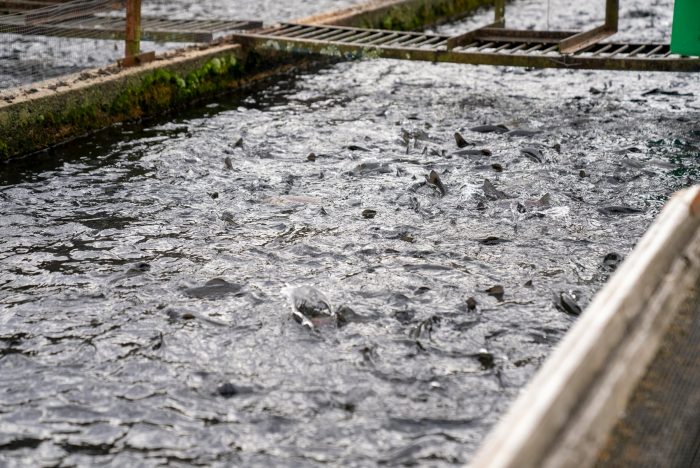
3. Farming fish/aquaculture

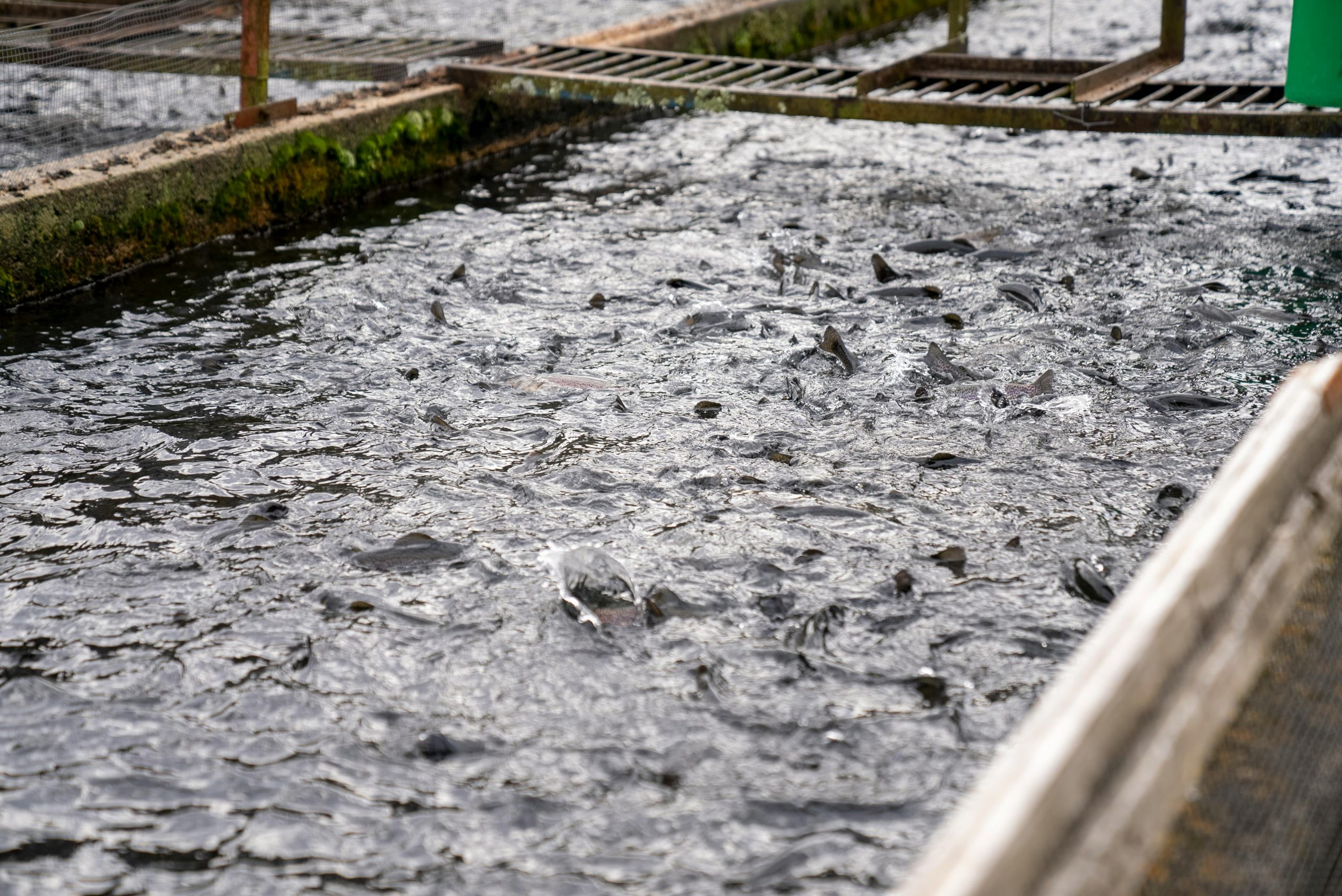
To keep aquatic life under optimal conditions, fish farms constantly monitor levels of ammonia, temperature, and dissolved oxygen. Early detection of sudden changes can prevent fish deaths and economic losses.

4. Monitoring lakes and rivers

To continuously monitor the water conditions, environmental organizations install sensors in water bodies like rivers and lakes. This aids in the detection of industrial, urban runoff, or agricultural discharge and the prevention of issues like eutrophication.

5. Systems for irrigation and agriculture

In regions where salt and fertilizer runoff are problems, farmers utilize monitoring equipment to determine how beneficial the irrigation water is. This aids in the betterment of soil management and crop health.

6. Response to disasters and pollution

Monitoring equipment provides immediate data on water conditions during catastrophes such as floods or chemical spills. This enables the necessary authorities to respond promptly to limit pollution and safeguard communities.

7. The purification and distribution of potable water

Utilities in the water industry monitor turbidity, chlorine, pH, and other characteristics in real-time as they go through the treatment and distribution processes. This permits quick action in the event of pollution and guarantees that the water is safe to drink.

8. Managing industrial effluent

Prior to discharging wastewater, industries utilize real-time technology for quality monitoring. This lessens the likelihood of damaging natural water sources and guarantees conformity with environmental requirements.

When it comes to protecting water resources in agriculture, industry, homes, and the environment, real-time water quality monitoring is crucial.

Conclusion

An important step forward in water resource management and protection is the ability to monitor water quality in real-time. It allows for the quick detection of pollution incidents and the ongoing monitoring of critical water parameters by utilizing technologies like the Internet of Things.

Quick access to reliable data enhances decision-making, safeguards public health, and preserves aquatic ecosystems. The long-term advantages of real-time water quality monitoring outweigh the short-term drawbacks. This makes it an indispensable tool for sustainable water resource management in a world where complexity and scarcity are ever-present. Contact us today.

Color Assessment in Water Samples

Color Assessment in Water Samples

By | Water Quality, Water Treatment | No Comments

To identify dissolved compounds and potential contaminants, color assessment in water samples is a crucial part of water quality assessments. Both natural and man-made factors, such as the presence of rotting vegetation and industrial discharge and wastewater pollution, can affect the color of water. The color of water is a good indicator of its safety, purity, and environmental, industrial, and household use. Color assessment is a common indicator for routine water quality monitoring since it is easy and effective.

One important physical metric for water quality evaluation is color assessment in water samples. Its assistance can determine the presence of dissolved compounds, pollution, and the overall suitability of water for industrial, ecological, or drinking purposes.

How organic and inorganic compounds dissolve in water determines their color. The standard way to measure it is by comparing the color after particles are removed from suspension with the color when particles are still present.

Here are some things you should know about color assessment in water samples

Color sources:

Both naturally occurring and artificially added substances can cause water to change color:

  • Sites characterized by peat and marsh environment:

Tannins are commonly absorbed by water moving through wetlands, resulting in a dark tea-like hue.

  • Water plants and algae:

Water can take on a brownish or greenish hue when algae are present in excess, either as they grow or decompose.

  • Wastewater from homes:

Organic materials added by sewage and household waste can darken the color of water.

  • Sediments and soil:

Particles of organic and mineral substances can be carried into bodies of water by erosion, changing their color.

  • Effluents from manufacturing:

Industrial effluent from the chemical, dye, and textile industries, for example, can add strong artificial hues to waterways.

  • Runoff from farms:

Agricultural chemicals like pesticides, fertilizers, and organic waste can exacerbate discoloration.

  • Decaying organic matter:

Fulvic and humic substances are released into water as organic matter, such as plants and leaves, decompose. These substances give water a brownish or yellowish color.

  • Compounds containing manganese and iron:

Metals found in rocks and soil can change color when dissolved in water, going from reddish brown to black.

An essential indicator of water quality, water color is the product of both pollution sources and natural processes.

Color Assessment in Water Samples

Water color types:

Based on the colors used, there are primarily two categories of water color:

  • Apparent color:

Suspended particles and dissolved substances both contribute to its color. It is an actual depiction of the colors observed in algae, sediments, and other visible particles found in unfiltered water samples.

  • Real color:

Once the suspended particles are removed, the color of the water that remains is solely caused by dissolved substances. Usually, it’s because of dissolved metals like manganese and iron or organic matter like humic chemicals from dead plants.

The ability to differentiate between pollution from suspended materials and dissolved chemicals makes these two kinds crucial in water quality analysis.

Assessment techniques:

Several established procedures are used to assess the color of water samples in order to ascertain its quality and identify any potential contaminants:

  • Visual inspection:

One easy way to check for colors on the spot is to just look at a clear container of water set against a white background.

  • Method for diluting:

The water samples are diluted with distilled water until the color disappears, and the color concentration is estimated by measuring the degree of dilution.

  • A technique that uses spectroscopy:

A more precise technique that involves using a spectrophotometer to detect the water’s absorption of light at certain wavelengths. The color intensity is proportional to the absorption level.

  • The Pt-Co scale method measures the concentration of platinum and cobalt in the water

The color of the water is compared to reference solutions of produced platinum and cobalt, which is a commonly used standard procedure.

  • Visual comparisons:

A platinum-cobalt standard is typically used to compare the water sample with standard color solutions. You can use Pt-Co or Hazen units to measure the color intensity.

These techniques are useful for finding out if water is contaminated, safe, or needs treatment before consumption.

Importance to Water Quality:

  • Industrial use:

Pharmaceuticals, textiles, and food production are just a few of the many businesses that rely on color-free water.

  • Sign that treatment is necessary:

You can see how much and what kind of water treatment is needed by looking at the color level.

  • Aesthetic quality:

Clear, colorless water is preferred for household and consumption purposes. This preference is due to its aesthetic qualities, as colored water is typically viewed as unappealing and hazardous.

  • Tool to help monitor the environment:

When water color changes, it might be an indication of pollution or an ecological disturbance like the growth of algae.

  • Pollutant indicator:

The water’s color may indicate the presence of sewage pollution, industrial effluents, or organic waste.

  • Significance to public health:

Any substance with an unusual color could be a potential health hazard, whether it be decaying organic matter, dyes, or heavy metals.

One easy way to tell if water is safe to drink, whether it contains pollutants, and how to treat it effectively is by looking at its color.

The Effect of Unusual Colors:

  • Limitations within the industry:

Industries such as textiles, beverages, and food rely on water that is free of impurities and has a clear color to ensure high-quality products.

  • Higher expenses for water treatment:

It is necessary to employ additional procedures, including chemical, coagulation, and filtration treatment, in order to eliminate color.

  • Possible sign of environmental contamination:

Any discoloration could be an indication of the presence of decomposing organic matter, sewage, or industrial waste.

  • Water that is unsafe to drink:

The smell and taste of colored water can be off-putting, making it unfit for human consumption.

  • Environmental stress:

An imbalance in the ecosystem, like pollution of aquatic systems or algae blooms, could be the cause of an unusual color.

  • Decreased visual appeal:

Because of its unsanitary appearance, water with an unusual tint is not fit for household use and human consumption.

  • Potential dangers to human health:

Dyes, heavy metals, and other elements that impart color can pose serious health problems, including gastrointestinal issues, neurological damage, and long-term chronic conditions.

An essential indicator of contamination and low water quality, abnormal water color necessitates thorough investigation and remediation.

How Smell and Taste Affect Water Quality

Among the many aesthetic aspects of water, its taste and odor have a significant impact on whether or not people would drink it and utilize it around the house. If water has a bad taste or smell, people may think it’s unsafe, even if it meets safety standards. On a more critical note, these characteristics frequently point to contamination or treatment problems, which can lead to public health concerns and a lack of trust in water quality.

1: Social and Psychological Impacts

Even after treatment, people may still suspect water that has an unpleasant smell or taste is harmful to drink. There may be more complaints or mistrust as a result of the public’s diminished faith in water delivery systems.

2. Contamination Indicators

  • Pesticides or industrial contamination could be the cause of a chemical taste
  • Microbes and algae can cause a musty or earthy smell or taste
  • Anaerobic decay produces hydrogen sulfide gas, which is detected by rotten egg odor
  • A metallic aftertaste caused by copper, manganese, or iron
  • Disinfecting procedures that leave a chlorine smell or taste

Early detection of water quality issues can be aided by these signals.

3. Effect on the Efficient Treatment of Water

Chemicals that produce a distinct smell or taste:

  • Has the potential to produce disinfection by-products (DBPs) when combined with disinfectants.
  • Call for supplementary procedures like aeration or activated carbon adsorption
  • Make treatments more complicated and expensive

4. Possible Risks to Health

Smell and taste aren’t always dangerous on their own, but they may be associated with:

  • Toxins produced by algae
  • Heavy metals or compounds that are toxic
  • Bacteria that cause illness

Hence, unsavory smells and tastes might indicate potential health hazards that necessitate additional research.

5. Impact on Commercial and Residential Uses

  • Causes problems for commercial uses, particularly in the pharmaceutical and food industries.
  • Makes water unfit for human consumption
  • Influences the quality of food and beverage

6. Impact on Consumer Perception

Water is not ideal for cooking and drinking if it has an unpleasant odor or an unpleasant taste (salty, metallic, bitter, chemical, rotten-egg, or musty). This may cause people to use less water or to seek other, potentially riskier, sources.

From the user’s perspective, the most important factors in determining the water quality are its taste and smell. Although their primary function is cosmetic, they can frequently serve as early warning signs of contamination or issues with treatment, indicating that consumers may need to take action to ensure their water is safe for use. The public’s health and consumer trust depend on water that is free of odor and taste contaminants.

In summary

Analyzing the colors of water samples is a straightforward way to tell how clean or polluted the water is, as well as its general state of health. When the color of water changes, it’s usually because of naturally occurring chemicals like manganese and iron, industrial runoff, or dissolved organic matter.

The chemical and aesthetic qualities of water, as well as any health concerns, can be revealed by abnormal color, which might be a sign of pollution. Thus, to guarantee potable water, efficient treatment methods, and aquatic habitat protection, water color monitoring on a regular basis is essential. Contact us today.

Impact of Erosion in Water Quality

Impact of Erosion in Water Quality

By | Water Quality | No Comments

Accelerated erosion, which takes place naturally as soil and rock are eroded away and carried by water, wind, or human activity, can have a major impact on water quality. The pollutants, nutrients, and sediments introduced to water by eroding materials change its physical, chemical, and biological properties. This happens as they make their way into water bodies, including reservoirs, lakes, and rivers.

When sediment loads increase, turbidity rises, light penetration drops, and aquatic organisms experience impediments to photosynthesis. Soil changes the water’s physical and chemical properties when it is washed or blown into streams.

Straightforward things to keep in mind regarding how erosion affects water quality:

1. More cloudiness, or turbidity

The degree to which water is turbid, or foggy or muddy, affects its quality in numerous significant ways:
Raise the cost of treatment:

  • More chemicals and filtration is needed to cleanse water with high turbidity so that it is fit for human consumption.

Pulls dissolved oxygen levels down:

  • Oxygen levels fall, putting stress on fish and other aquatic creatures, as photosynthesis decreases and organic particles decompose at a faster rate.

Endangers aquatic life:

  • Fine particles can clog fish gills, reduce feeding effectiveness, and smother eggs and other organisms living on the bottom.

Carries contaminants:

  • Turbid water deteriorates the general water quality. This is because it frequently has contaminants, including pesticides, nutrients, bacteria, and heavy metals, clinging to it.

Cuts down on light penetration:

  • Particles in suspension reduce the amount of light that algae and aquatic plants can use for photosynthesis. Because of this, the water’s oxygen production drops.

Raises the temperature of water:

  • Lower levels of light entering the water can change the way heat is distributed. This can lead to higher surface temperatures and more stress for aquatic organisms.

Signs of contamination:

  • Release of waste materials, runoff, or erosion into the water can cause turbidity levels to rise.

2. Less light getting through

Since sunlight is necessary for numerous biological processes in aquatic systems, decreased light penetration has various significant impacts on water quality:

Impacts the distribution of water temperatures:

  • Low light levels affect the absorption and distribution of heat in aquatic creatures.

Reduces levels of dissolved oxygen:

  • Invertebrates and fish living in water may feel threatened or perhaps killed if oxygen production drops too low.

Shortens the life of plants:

  • A loss of habitat for numerous aquatic species could result from submerged flora dying off from a lack of sunshine.

Endangers aquatic food chain:

  • Reduced plant and algae development impacts higher trophic levels because herbivores have less food.

Alters the delicate balance of the ecology:

  • The composition of species that can survive in low-light environments can change as a result of changes in light availability.

Cuts down on photosynthesis:

  • Algae and water plants are unable to produce as much oxygen when there is insufficient light for photosynthesis.

Accelerates decomposition of organic matter:

  • As plants rot away, the biological oxygen demand (BOD) rises and oxygen levels fall even further.

Impact of Erosion in Water Quality

3. Sedimentation

Sedimentation negatively impacts aquatic ecosystems and water quality; it is the process by which suspended soil and particles settle in water.

Causes a decrease in oxygen levels:

  • When organic sediments break down, the levels of dissolved oxygen decrease and the biological oxygen demand (BOD) rises.

Makes water less clear:

  • Particles do settle with time, but continuous sedimentation frequently maintains water turbidity, which limits photosynthesis by lowering light penetration.

Kills off natural species:

  • Reduced biodiversity is a direct result of the fact that many aquatic species are unable to thrive in environments where silt accumulates.

Carries contaminants:

  • Sediments can attach to heavy metals, pesticides, and nutrients, negatively impacting water quality.

Destroys aquatic ecosystems:

  • Lake bottoms and riverbeds are covered by settling silt, which can bury species that live on the bottom, including fish eggs.

4. Nutrient and pollutant transport

Runoff and erosion are two common pathways for pollutants and nutrients to enter water bodies. These processes can have far-reaching negative effects on water quality:

Treatment costs have gone up:

  • The safe use of polluted water necessitates a more involved and costly process, including advanced filtration and treatment methods to remove harmful contaminants and ensure it is safe for consumption and agricultural use.

Green algae blooms

  • Algae blooms obstruct light, which hurts aquatic plants and decreases photosynthesis in deeper water.

Dangerous pollution:

  • Pollutants, including pesticides and heavy metals, pose health risks to humans and aquatic life alike.

Low oxygen levels:

  • Fish kills can occur when dissolved oxygen levels drop due to an increase in biological oxygen demand (BOD) caused by dead algae.

Disease transmission:

  • Runoff can introduce bacteria and other microbes, increasing the risk of waterborne infections.

Optimal nutrition:

  • Rapid algal growth, caused by an excess of nitrogen and phosphate, causes eutrophication.

Water chemistry changes:

  • The natural balance of an ecosystem can be upset when pollutants introduce dangerous compounds and change the pH, leading to harmful effects on aquatic life and disrupting food chains.

Buildup of biological materials:

  • Toxic compounds have the potential to accumulate in aquatic organisms. This can then impact larger animals and eventually people as they progress up the food chain.

5. Emergence of algae blooms and eutrophication

Algal blooms and eutrophication significantly degrade water quality by upsetting the delicate ecological balance of water bodies.

Rising expenses for water treatment:

  • More intricate and costly treatment procedures are needed to remove organic matter, toxins, and algae, which can significantly increase the overall expenses for water treatment facilities and impact the affordability of clean water for communities.

Less light getting through:

  • Sunlight cannot reach deeper water because of thick layers of algae, which limits photosynthesis in plants that are submerged.

Flavor and aroma issues:

  • Water becomes unfit for consumption and recreational use when algal blooms cause unpleasant tastes and odors.

Toxin production:

  • Toxins released by certain types of algal blooms can be toxic to humans, livestock, and aquatic life.

Low oxygen levels:

  • Hypoxic or anoxic conditions result from the consumption of dissolved oxygen by the decomposition of dead algae. This causes low oxygen levels or no oxygen at all.

Overgrowth of algae:

  • Quick algal growth, brought about by eutrophication, results in dense blooms on the water’s surface.

6. Less oxygen in the water

Dissolved oxygen (DO) decline is a major sign of water pollution since oxygen is necessary for the survival of aquatic organisms and numerous water treatment processes.

Toxicity has side effects.

  • Low oxygen levels can negatively impact water quality. This occurs because sediments release hazardous compounds like ammonia and some metals more readily.

Lack of effective water purification:

  • The decomposition of organic waste requires oxygen. Due to the slowed decomposition process caused by low dissolved oxygen (DO) levels, pollution can accumulate.

Dead zone formation:

  • The vast majority of aquatic life is wiped out in “dead zones” caused by incredibly low oxygen levels.

Improving decomposition issues:

  • Decomposition of organic matter is inefficient, leading to an increase in unpleasant smells, the creation of sludge, and a general decline in water quality.

Heightened levels of oxygen deprivation:

  • The presence of anaerobic bacteria, which decompose organic matter in the absence of oxygen and release toxic gases like hydrogen sulfide, causes a foul odor when oxygen levels are low.

7. Heavy metals and pesticides

Due to the toxicity, persistence, and harm caused by even small concentrations, heavy metals and pesticides significantly degrade water quality when introduced to bodies of water.

Perseverance over time:

  • Because they are slow to decompose, heavy metals have a lasting impact on water quality because they accumulate in sediments and lakes.

Pollutants that harm aquatic organisms:

  • These contaminants are toxic to invertebrates, algae, and fish and can cause death, stunted growth, abnormalities, and disease.

The devastation of aquatic habitats:

  • When sensitive species disappear, biodiversity drops and tolerant creatures take over the ecosystem.

Interference with development and reproduction:

  • Reproduction rates decrease, weakening populations. This phenomenon is because several metals and pesticides disrupt biological and hormonal functions.

Dangers to human health:

  • Contaminated water can cause significant illnesses such as kidney damage, neurological issues, and chronic diseases like cancer.

Pollution of water sources:

  • Heavy metals and pesticides, if applied, can dissolve or stay suspended in water. Such contamination renders it unsafe for irrigation, consumption, and various other purposes.

Disruption of water treatment processes:

  • It is more difficult and costly to purify water to safe standards when chemicals and heavy metals are present, which can lead to increased health risks for the population relying on that water supply.

Biomagnification and bioaccumulation:

  • As they progress up the food chain, they build up in the tissues of creatures and become more concentrated, eventually impacting people and bigger animals.

8. Increased BOD (biological oxygen demand)

When the BOD rises, it means that microbes are consuming more oxygen to break down the organic matter in the water. The impact on water quality is detrimental in multiple ways:

Adds to the impacts of eutrophication:

  • An excess of organic matter can further deteriorate water quality, exacerbating eutrophication conditions.

Resulting in water that is dirty:

  • Aquatic ecosystems are unable to thrive when water quality declines.

Has a negative impact on marine life:

  • Less biodiversity results from the extinction of sensitive species, which forces the remaining creatures to be more tolerant.

Marks the presence of organic contaminants:

  • Contamination from industrial waste, agricultural runoff, or sewage is a common cause of a high BOD.

Works to create anaerobic environments:

  • Anaerobic bacteria, which thrive in an oxygen-poor environment, release sulfur fumes and other unpleasant odors when oxygen levels drop.

Brings down the quantity of dissolved oxygen:

  • A high BOD indicates that microorganisms are consuming more oxygen than is available for aquatic life.

9. Changes to the chemical make-up and pH of water

Water quality is greatly affected by changes in pH and chemical composition, as stable conditions are essential for aquatic life and chemical balance.

Water that is unsafe to drink:

  • Unsafe conditions for human ingestion, as well as changes in smell and taste, can result from changes in chemical composition, such as increased levels of contaminants or alterations in mineral content that affect water safety and palatability.

Biodiversity decline:

  • Ecosystem diversity is reduced as sensitive species go and only tolerant creatures remain when pH changes.

Decreased chances of surviving and reproducing:

  • In aquatic creatures, changes in pH can disrupt biological processes like metabolism, growth, and reproduction.

Elevated toxicity of contaminants:

  • Water becomes increasingly hazardous for life as the pH fluctuates. This phenomenon is because of the toxicity of some heavy metals and chemicals.

Deterioration of infrastructure and corrosion:

  • Corrosion of tanks, pipes, and other water systems can occur with acidic water. This in turn affects the safety and purity of drinking water.

Chemical balance upset:

  • Nutrients and minerals behave differently in water when the pH is changed. Such changes disrupt the natural processes of ecosystems.

Endangering marine organisms:

  • All living things have a very specific pH range in which they thrive. Water can kill or harm microbes, plants, and fish if its pH level rises too high or falls too low.

Conclusion

The introduction of dangerous contaminants, nutrients, and sediments into water bodies through erosion has a profoundly detrimental effect on water quality. Aquatic ecosystems are impacted by these inputs because they raise turbidity, decrease light penetration, and interfere with vital activities like photosynthesis. Destroying habitats, reducing biodiversity, and contaminating water supplies are all consequences of erosion. This process also causes oxygen depletion, sedimentation, and the spread of harmful substances.

Water treatment costs go up, and water resources aren’t as useful as they could be because of it. Proper conservation practices and land management are crucial for minimizing erosion and safeguarding and sustaining high water quality.

Principles of Water Quality Monitoring

By | Water Quality | No Comments

The goal of water quality monitoring is to consistently assess the state of water to guarantee it is fit for human consumption, ecological support, and other uses. The following principles guide the planning, execution, and interpretation of water quality monitoring:

Here is What You Should Know About Water Quality Monitoring

1. Clear Intentions

The purpose of the water quality monitoring must be specified before sampling can commence.

Examples:

  • The preservation of natural habitats
  • Detecting contamination
  • Water safety for consumption

Objectives dictate the parameters to be measured and the frequency of their measurement.

2. Representative Sampling

The samples taken ought to precisely reflect the body of water. Meaning:

  • Proper site selection (close to pollutant sources, downstream, upstream)
  • Timed and depth-appropriate sampling
  • Making sure there is no contamination when collecting

3. Choosing the Right Parameters

The three primary methods for determining water quality are the following:

  • Physical: color, turbidity, and temperature
  • Chemical: heavy metals, dissolved oxygen, pH, and nitrates
  • For the biological category, we have bacteria (such as coliforms), algae

Goals for monitoring will determine the option

4. Quality assurance and control

A focus on precision:

  • Maintain rigorous laboratory standards
  • Make use of both blanks and copies.
  • Maintain consistent instrument calibration

Therefore this reduces mistakes

5. Timing and Frequency

Carry out monitoring:

  • Monitor when significant events, such as rainfall or industrial waste discharges, occur
  • On a consistent basis (daily, weekly, seasonal)

Time is of the essence because water quality can fluctuate fast, often changing significantly within hours due to factors such as rainfall or industrial waste discharge.

6. Analyzing and Managing Data

What you should do with the collected data:

  • Use statistical techniques to analyze
  • Kept in an accurate and safe place
  • Compared against guidelines and standards

7. Compliance with Standards

  • Compare the results to national or international guidelines, such as requirements for drinking water, to see how they stack up.
  • By doing so, you learn whether the water is clean or polluted

8. Interpret and Report

Meaningful conclusions should be drawn from data:

  • “Is it safe to drink this water?”
  • Is there a rise in pollution levels?

Making decisions is aided by transparent reporting.

9. Long-Term Viability and Constant Monitoring

Ensuring the water’s quality is an ongoing process:

  • Programs need to adapt depending on findings
  • It should be continuous

10. Safety and Ethics

  • Ecosystems should not be harmed
  • Maintain open and truthful reporting
  • Make sure that workers use protective gear when sampling

Objectives of Water Quality Monitoring Programs

Beyond simple sample testing, the overarching purpose of water quality monitoring is to track trends over time. Among their primary goals are the following:

1. Promoting Public Awareness

  • Notify locals about the current water quality situation
  • Inspire others to join environmental initiatives

2. Identify Trends and Changes

  • Keep track of changes in water quality over time
  • Determine whether there are seasonal changes or if there has been ongoing decline or improvement

3. Locate the Sources of Pollution

  • Locate sources that are not points of origin, such as agricultural runoff.
  • Identify specific sources (such as sewage discharge or manufacturing facilities)

4. Provide Prior Notice of Emergencies

  • Find changes, pollutants, or unintentional spills
  • Permit prompt remedial measures

5. Evaluate Compliance with Standards

  • Know and follow all applicable environmental and legal regulations
  • Verify findings against standards set by organizations like the WHO

6. Assess the Efficiency of Control Mechanisms

  • Make sure that the measures in place to prevent or treat pollutants are functioning properly
  • Find out how things have changed following interventions

7. Guide Water Resource Management

  • Help with water allocation decisions (using it for industrial, irrigation, or drinking purposes)
  • Encourage the responsible management of water resources

8. Ensuring the Safety of the Public’s Health

  • Keep diseases such as typhoid and cholera from spreading
  • Make sure the water can be safely consumed and used around the house

9. Assist with Policy and Research

  • Supply credible information for research
  • Assist governments in formulating rules and policies pertaining to the environment

10. Establishing Baseline Conditions

  • Ascertain the original or natural condition of a body of water
  • It gives people something to compare in the future

11. Back efforts to safeguard the environment

  • Keep ecosystems healthy and diverse
  • Preserve habitats and aquatic life

Methods of Water Quality Monitoring

Depending on the goal, resources, and level of precision needed, there are a variety of approaches to water quality monitoring. In general, these methods can be categorized into four main areas: Technological, lab-based, field-based, and biological:

1. Physical Monitoring Methods

These center on aspects of water that are visible with the naked eye.

  • Simplified visual and sensory assessments based on color and smell
  • The use of Secchi disks or turbidity meters for determining turbidity
  • Taking readings from probes or thermometers to determine temperatures

For many people, these are the initial signs of pollution.

2. Biological Methods

In water, they evaluate living organisms.

  • To rate the quality of water, biotic indices look at the species that live there
  • Insects, fish, and algae are examples of bioindicators.
  • Bacterial analysis using microbiological tests, including coliforms

3. Chemical Monitoring Methods

They help find out how much of a chemical dissolve in water.

  • Heavy metals—assessed with state-of-the-art laboratory equipment
  • pH indicators or meters for measuring pH
  • The presence of phosphates and nitrates is crucial for the detection of eutrophication.
  • Using titration or DO meters to measure dissolved oxygen

For instance, the presence of sensitive species typically indicates clean water.

4. Field Measurements

Measurements performed on-site using mobile measuring devices:

  • Portable test kits
  • Probes that measure more than one parameter (e.g., conductivity, temperature, pH, and DO)

Benefit: Instant results and continuous tracking.

5. Community Monitoring / Citizens Science

Communities at large take part in the monitoring process:

  • Observation basic kits
  • Documenting instances of pollution

Boosts coverage and awareness.

6. Sampling Methods

The method of sample collection impacts precision:

  • Machines that automatically gather samples at predetermined periods
  • Composite sampling, which involves collecting samples from different places or times
  • One sample taken at a certain moment—grab sampling

7. Lab Analysis

 For in-depth analysis, water samples are sent to a laboratory.

  • For metals, there is atomic absorption spectroscopy.
  • Chromatography (to detect contaminants such as insecticides)
  • The use of spectroscopy to determine concentrations of chemicals

While this approach yields better results, it is labor- and material-intensive, which can limit its practicality for routine analysis in large-scale environmental monitoring.

8. Systems that monitor in real-time

Systems programmed to operate in bodies of water:

  • Continual parameter tracking is performed by sensors.
  • Data is sent instantly

Rivers and water treatment facilities often use it.

9. GIS and Remote Sensing

Thanks to today’s technology, extensive monitoring may be done:

  • Pollution mapping using Geographic Information Systems
  • Images captured by satellites to identify levels of sediment or algal blooms

Great for coastal areas, river systems, and lakes.

10. Rapid Test Kits

Test kits that are simple:

  • Nitrate, chlorine, and pH color-change strips
  • Affordable and simple to use

Works well for rapid evaluations but lacks precision, making it less suitable for detailed scientific analysis or regulatory compliance.

Principles of Water Quality Monitoring

Importance of Water Quality in Public Health

Water quality is an important factor in community health due to its many uses in human health, including sanitation, cooking, drinking, and hygiene. A rapid spread of disease and other health complications might result from water of low quality.

1. Controlling of Vector-Borne Diseases

The likelihood of diseases like malaria can increase when water is not properly managed. This is because improper water management creates ideal conditions for mosquitoes and other disease vectors to thrive.

2. Preventing Chemical Exposure

There could be dangerous chemicals in water with poor quality, such as:

  • Nitrates or fluoride in excess
  • Mercury and lead, two heavy metals

These can lead to long-term health problems like organ damage, poisoning, or diseases such as fluorosis.

3. Support for Healthy Eating and Safe Food Production

You can’t do without clean water for the following:

  • Rinsing produce items
  • Properly preparing food

The risk of food poisoning increases when water is contaminated.

4. Better Sanitation and Hygiene

High-quality water supports:

  • Clean living environment
  • Food preparation
  • Handwashing

This decreases the transmission of diseases in households and neighborhoods.

5. Safeguarding Vulnerable Populations

The elderly, pregnant women, and children are particularly vulnerable to the effects of water contamination. Ensuring access to clean water safeguards these vulnerable communities.

6. lowering the infant mortality rate

Major causes of child mortality, particularly diarrheal illnesses, include poor sanitation and unclean water. Improved child survival rates are a direct result of access to clean water.

7. Social and Economic Advantages

Water of high quality:

  • Reduces absenteeism and boosts output.
  • Saves money on medical treatment
  • Improves people’s lives generally

8. Ensuring Health Standard Compliance

Communities can be assured that water quality is being maintained in accordance with standards.

9. Eliminating the Risk of Waterborne Diseases

Safe water can prevent infections caused by parasites, viruses, and microbes.

  • Dysentery
  • Typhoid fever
  • Cholera

A major vector for the spread of many diseases is contaminated water.

10. Controlling the Spread of Diseases

The early identification of pollution through water quality monitoring helps to avert widespread public health disasters, such as outbreaks of waterborne diseases like cholera and dysentery, which can have devastating effects on communities.

Conclusion

Improving public health and well-being, safeguarding vulnerable groups, promoting hygiene, and preventing disease all depend on water quality. To ensure reliable results, water quality monitoring relies on precise sampling, uniform procedures, appropriate analysis, and well-defined goals.

Visual inspections are one kind of water quality monitoring, while more sophisticated approaches, including laboratories and satellites, are another. Accurate and reliable outcomes are often the consequence of combining various procedures, such as visual inspections, laboratory analyses, and satellite monitoring techniques. To safeguard health, identify contamination, monitor changes, guarantee compliance, and promote sustainable water management, water quality monitoring systems are implemented. Contact us today to obtain more information.

Mineralization of Reverse Osmosis Water

Mineralization of Reverse Osmosis Water

By | Water Quality, Water Filtration | No Comments

Reverse osmosis technology filters water and then reintroduces vital minerals. The process of reverse osmosis involves forcing water through a semipermeable membrane in order to remove dissolved particles, impurities, and pollutants. Although the water is now clean and pure, it has lost some of its important minerals, such as potassium, magnesium, and calcium, throughout the process. The process of mineralization is used to restore the minerals that are lost in RO water.

This process can cause the water to become unhealthy, taste bad, and lack alkalinity. This not only makes the water safe to drink, but it also helps keep you hydrated, improves its taste, and supplies your body with minerals it needs to function properly.

Why Mineralization of Mineralization of Reverse Osmosis WaterWater Is Important

Because reverse osmosis filters out both hazardous and useful minerals—including potassium, magnesium, and calcium—it is common practice to mineralize RO water. Minerals like these are crucial to water’s taste and nutritional value. The following factors contribute to the remineralization of reverse osmosis water:

  1. Balancing pH
  • Reverse osmosis water may taste somewhat acidic due to the removal of minerals, which helps to neutralize its pH. Remineralizing can lower the pH to a more neutral range. This makes it safer to drink and makes it more durable for use in certain kitchen appliances (like coffee makers).
  1. Support Overall Wellness.
  • If you’re lacking in minerals like potassium, calcium, or magnesium in your diet, drinking mineral water can help make up the difference.
  1. Improving Taste of Water
  • Since it does not contain any minerals, pure reverse osmosis water may have a flat or somewhat acidic taste. Reintroducing minerals can enhance its taste, making it a more pleasurable drink to consume.
  1. Prevents Corrosion
  • Reverse osmosis Water’s low mineral concentration makes it more aggressive when it comes to corrosion in appliances or water systems. Adding minerals reduces the corrosive potential of water, thereby extending the lifespan of appliances and plumbing systems.
  1. Restore Vital Minerals
  • Minerals, such as magnesium and calcium, aid in electrolyte balance, muscle function, and bone health. Due to the absence of these minerals, RO water may not contain all of the nutrients found in spring or regular tap water.
  • Water helps the body’s electrolyte balance and hydration levels. Remineralization restores these to the water.

To bring back these desirable qualities, people frequently supplement reverse osmosis water with mineral drops or employ remineralization filters.


Methods of mineralization of reverse osmosis water:

Here are some common techniques for mineralizing reverse osmosis water:

  1. Ceramic Filters or Mineral Beads
  • Porous ceramic materials or mineral-infused beads make up these filters; as water flows through them, they release vital minerals.
  • The product is efficient in regulating the release of minerals and has a lengthy lifespan.
  • You may need to install it in the water pitcher or filtration system.
  1. Remineralization of Alkaline Filters
  • In addition to remineralizing water with minerals like magnesium and calcium, these filters also raise the pH, turning the water into an alkaline state. Some people also feel that drinking alkaline water can help them balance their body’s acidity levels.
  • The pH level and the mineral content have both improved.
  • They cost more than standard mineral cartridges.
  1. Use of Calcium and Magnesium Tablets
  • It is possible to increase the mineral content of drinking water by directly adding calcium or magnesium tablets. In addition to their use as water additives, they are also available as food supplements.
  • Simplified and simple to transport.
  • The variety of minerals provided is not as balanced.
  1. Adding Powders or Mineral Drops
  • Remineralization of reverse osmosis water is as simple as adding powder supplements or mineral drops to your drinking water. These products contain a variety of trace elements, such as magnesium, calcium, and potassium.
  • It is lightweight and portable, making it ideal for personal use or managing small amounts of water.
  • Accurate measurement and manual addition are necessary to ensure uniformity.
  1. Mineral Balls or Stones
  • Water pitchers or storage tanks commonly incorporate these stones. The water becomes more enriched as the stones gradually release vital minerals.
  • Durable and requires little maintenance.
  • Remineralization can occur at varying rates, and the process is sluggish overall.
  1. RO Systems with Incorporated Mineralization
  • Some high-tech reverse osmosis systems integrate remineralization stages, ensuring instant remineralization of the filtered water.
  • There is no need for supplementary equipment; it is automatic and continuous.
  • Costlier up front, and spare parts can be pricey as well.
  1. Mineral filter cartridges
  • It is common practice to install mineral filter cartridges in the filtration system subsequent to the reverse osmosis membrane. These cartridges contain natural mineral stones like magnesium beads or calcite, which gradually dissolve into the water to add vital minerals.
  • Both installation and maintenance are effortless.
  • Periodic replacement may be necessary.
  1. Blending with Mineral-rich Water
  • You could also combine reverse osmosis water with mineral water from a natural source, which would keep some of the minerals. This procedure can naturally restore lost minerals.
  • Minerals found in nature.
  • The mineral composition varies; therefore, it’s not practical for daily use.

Considerations including price, ease of use, and target mineral concentration should guide your decision on the optimal approach. While alkaline filters and mineral filter cartridges are ideal for continuous operation and convenience of use, mineral drops or mixing with genuine mineral water are excellent for more personal, small-scale solutions.

Common minerals added:

Bicarbonates

It enhances the flavor and helps maintain the equilibrium of pH levels in both the body and water.

Magnesium

It helps the immune system, regulates blood pressure, and is necessary for the proper functioning of muscles and nerves. In addition, it helps make the water taste more pleasant.

Potassium

It aids in maintaining fluid balance, stimulating muscle contraction, and enhancing cardiac output. Like sodium, people typically add it in tiny amounts.

Sodium

It helps in keeping the body’s fluid levels stable and its nerve impulses well-transmitted. Despite its often small additions, it also enhances the taste profile.

Silica (Silicon Dioxide)

It is renowned for promoting strong hair, nails, skin, and bone health. It also makes the water silkier after being added.

Calcium

This has a positive impact on your heart, muscles, and bones. It also enhances the taste of water.

These minerals not only improve the alkalinity and taste of reverse osmosis water, but also contribute beneficial minerals that the reverse osmosis process might otherwise eliminate. Depending on the system or product, the quantity of each mineral can vary.

Considerations:

Monitoring

To make sure the water isn’t over- or under-mineralized, use trustworthy and consistent mineralization processes.

Amount of Minerals

When adding minerals, be careful not to add too much. Hard water may not always be beneficial for appliance maintenance or taste, and excessive usage can lead to these issues.

Conclusion

Mineralization of reverse osmosis water helps achieve a balance between drinking pure water and getting enough of the minerals your body needs, all while keeping the reverse osmosis process’s refined quality.

3 Main Properties of Water

3 Main Properties of Water

By | Water Quality | No Comments

Water’s peculiar qualities are vital to maintaining life as we know it. This makes it one of the most important substances for all life on Earth. These characteristics result from the unique interactions and arrangements of its molecules. Two hydrogen atoms covalently bond to one oxygen atom to form a bent shape.

Here are 3 main properties of water

Surface Tension of Water

Insects’ ability to hop from one surface to another has long baffled scientists. This is caused by surface tension. As they strive to occupy as little space as possible, molecules on a liquid’s surface experience surface tension, similar to an elastic sheet.

Surface particles strongly attract their internal counterparts in the liquid. As these outside particles are drawn into the liquid, the liquid takes on the shape of the smallest possible surface area. Because of this attraction, the liquid’s surface can resist outside forces, like an insect’s weight. The hydrogen bonds between water molecules give it a very high surface tension. The cohesive properties of water are on display once again.

Cohesive Properties

A substance’s cohesiveness is its capacity for its constituent particles to cling to one another. Droplets appear when a small amount of water splashes across a surface. This is where cohesion occurs. Water molecules cluster together rather than disperse evenly. This is due to the fact that nearby water molecules form hydrogen bonds.

Adhesive Properties

Adhesion is the capacity of one material’s particles to adhere to another. When you pour it in, it looks like the water is climbing the sides of the test tube. A meniscus is the final result of this process. To be absolutely precise, you must measure the water volume from the base of the meniscus. You can see an example of adhesion here. Through hydrogen bonding, water binds with another substance—in this case, the test tube walls.

How does pH affect water quality?

The pH value is one way to determine how acidic or basic a solution is, like water, by looking at its pH value. Because it influences so many different biological and chemical processes in water, it is a crucial parameter for assessing water quality. The following is how pH affects water quality:

  • Water Treatment

pH levels are used in water treatment. For instance, altering the pH of treated drinking water is a common practice to maximize the efficiency of disinfection methods like chlorination. pH can also impact the effectiveness of the flocculation and coagulation procedures for purifying water during treatment.

  • Buffering Capacity

The term “buffering capacity” refers to water’s resistance to pH changes caused by the introduction of acids or bases, and pH also influences this resistance. Aquatic habitats are more stable in bodies of water with a high buffering capacity. This is because they are less susceptible to fast fluctuations in pH.

  • Chemical Reactions

pH affects how substances react in water. It can impact the toxicity, availability, and solubility of many chemicals. Aluminum, copper, and lead are just a few metals that can become more soluble and perhaps more poisonous in acidic environments. Conversely, plants may have an easier time absorbing nutrients such as nitrogen and phosphorus in slightly acidic to neutral pH ranges.

  • Biological Processes

In algae and aquatic plants, pH influences biological activities such as respiration and photosynthesis. Because these activities are pH-dependent, large pH variations can have a domino effect on aquatic plant growth and productivity. This, in turn, can influence the whole aquatic environment.

  • Aquatic Life

pH can have a significant impact on aquatic life. Various aquatic creatures, including plants, insects, and fish, have preferred pH ranges for optimal growth and survival. These creatures are vulnerable to stress or death from pH fluctuations outside these ranges. For instance, fish can suffer gill damage in acidic environments, and aquatic plants might have their essential minerals and nutrients impacted in alkaline (high pH) ones.

Water quality and the health of aquatic ecosystems depend on keeping pH levels within a reasonable range. To keep water resources healthy and sustainable, it is essential to monitor pH levels on a regular basis and respond appropriately to any changes.

What is ppm in water?

A common unit of measurement for expressing a substance’s concentration in water or other liquids is “parts per million” (PPM). This expression indicates the number of units of the substance present in one million units of the liquid or water.

For instance, in the case of calcium ions, a concentration of 100 parts per million in water indicates that there are 100 parts per million ions in every million parts of water.

Chemicals, contaminants, soluble minerals, and pollutants are only a few of the many things whose concentrations in water you can measure in parts per million. It has extensive applications in environmental monitoring and water quality testing, as well as in manufacturing and the food and beverage industry.

3 Main Properties of WaterWhat brings about poor water quality?

Numerous natural and man-made factors can contribute to poor-quality water. Several major factors can lead to water not being up to par.

  • Poor Infrastructure

Waterborne illnesses and pollution can result from inadequate or outdated water treatment and distribution infrastructure, compromising water quality.

  • Sedimentation

Sedimentation in water bodies reduces water quality and clarity. Additionally, incorrect land use practices, building activities, and deforestation cause soil erosion, leading to sedimentation.

  • Changes in climate

Climate change-related changes in rainfall and temperature patterns can affect water quality through nutrient cycling, habitat changes, and the severity of extreme weather events like droughts and floods.

  • Nutrient Pollution

Eutrophication can cause algal blooms and oxygen depletion in water bodies. This is due to excess nutrients like phosphorous and nitrogen from sources like fertilizers, sewage discharge, and agricultural runoff.

  • Habitat destruction

Alteration or destruction of rivers, wetlands, and other aquatic habitats can lead to water quality degradation. This can reduce biodiversity and interfere with natural filtration mechanisms.

  • Pathogens

Water contamination by pathogenic microbes such as protozoa, viruses, and bacteria can result from sewage leakage, inappropriate waste disposal, and insufficient sanitation.

  • Invasive species:

Introducing invasive species to aquatic ecosystems can alter water quality and ecosystem function, upsetting the ecological balance.

  • Pollution

Runoff from agriculture, industry, and urban areas can contaminate water sources with sewage, chemicals, fertilizers, pesticides, and heavy metals.

  • Acidification

Surface water ecosystems and the organisms that inhabit them are vulnerable to acid rain, which is a byproduct of air pollution.

It is common for a combination of public education and awareness campaigns, sustainable land management practices, regulatory actions, investments in water infrastructure, and pollution control techniques to address water quality issues.

Conclusion

Maintaining ecosystem balance, protecting human health, and supporting aquatic life all depend on water that is of high quality. Management practices and regular monitoring are necessary to keep water resources clean and sustainable.

FAQs on Water Quality

FAQs on Water Quality

By | Water Quality | No Comments

We can apply the term “quality” to water’s radiological, physical, chemical, and biological properties when discussing it. It’s vital to the well-being of ecosystems, humans, and the environment. Water quality affects its appropriateness for industrial uses, irrigation, drinking, and recreation.

Here are some FAQs on water quality:

1. Why is water quality important?

Among the many reasons why water quality matters is the direct effect it has on the economy, ecosystems, and people’s well-being. Water quality is important for the following reasons:

  • Ecological Justice

Water contamination is frequently more severe in minority and low-income neighborhoods. Certain areas may be more vulnerable to pollution because of the proximity of factories or the lack of proper wastewater treatment systems. Efforts to enhance water quality in these places are necessary. This ensures fair access to clean water and combats ecological injustice.

  • Impact on the economy

Numerous commercial endeavors rely on water, such as power generation, manufacturing, agriculture, and tourism. Polluted water can affect the economy in a variety of ways, including decreasing tourist income, harming fisheries, lowering agricultural output, and increasing healthcare expenditures due to waterborne infections. Maintaining potable water is critical to fostering economic growth and success.

  • Ecosystem health

A wide variety of animal and plant life depends on fresh water in aquatic habitats, which include oceans, lakes, and rivers. Sewage, pesticides used in agriculture, and industrial runoff are just a few examples of the pollutants that can devastate ecosystems and cause harm to animals. Maintaining water quality is critical for balancing ecosystems and preserving biodiversity.

  • Sanitation and drinking water

Accessing clean drinking water and adequate sanitary facilities is a fundamental human right. In places hit hard by natural disasters or pollution or in underdeveloped nations, access to clean water for drinking might be severely limited due to water quality issues. To guarantee that everybody can access safe potable water and sanitation, improving water quality is crucial.

  • Human health

Having access to water that is both safe and clean to drink is essential for the general population’s well-being. Illness and death can result from waterborne infections like typhoid, dysentery, and cholera. Neurological disorders and cancer are among the long-term health impacts that result from drinking polluted water with heavy metals or chemicals.

2. What are the challenges in measuring water quality?

Water is suitable for numerous uses, including recreational activities, irrigation, drinking, and supporting aquatic life. However, the results of measuring biological, chemical, and physical factors determine the quality of the water. Accurately evaluating water quality can be challenging for several reasons:

  • Limited resources

Sufficient resources, such as lab facilities, qualified staff, and funding, are required to carry out thorough water quality monitoring programs. Unfortunately, not all areas have access to the tools needed to monitor and control water quality properly. This is especially true in developing nations.

  • Spatial and temporal variability

Natural processes, seasonal changes, weather, and human interference are just a few factors that can cause water quality to fluctuate greatly, both across and within locations. It can be resource-intensive to conduct widespread and regular sampling to monitor these variations.

  • Analyzing the data

One way to make sense of water quality data is to compare the readings to predetermined reference points or legal requirements. The ever-changing state of knowledge in the scientific community, the wide variety of regulatory frameworks, and the fact that water quality goals vary from region to region make it difficult to establish reliable standards.

  • Methods of sampling

Accurate evaluation relies on collecting representative water samples. This can be difficult because of sedimentation, stratification, and the uneven distribution of contaminants, among other things. Results can be biased due to flawed sampling procedures.

  • Matrix effects and interference

Several potential contaminants in the water samples could compromise the validity of the analytical results. Analytical methods are susceptible to matrix effects. This includes variations in turbidity, salinity, pH, and so on, which might provide inaccurate results.

  • Detection limits

Water may contain trace amounts of specific contaminants that are undetectable by current analysis techniques. Analytical methods that are both sensitive and advanced are necessary for the correct detection and quantification of these trace pollutants.

  • Emerging pollutants

There is a constant influx of new contaminants into water sources. This includes industrial chemicals, personal care products, and pharmaceuticals. Research into these new toxins must continue. To detect them in low concentrations, we must develop analytical procedures. Only then can we monitor and assess their implications.

  • The water composition’s complexity

In addition to organic matter and minerals, microbes, and dissolved gases are also components of water. Because of this complexity, accurately identifying and quantifying specific constituents or contaminants becomes difficult.

To overcome these obstacles, stakeholders, engineers, scientists, and politicians must work together to create new ways of monitoring, refine analytical methods, and establish efficient systems for managing water quality.

3. What are the 5 core parameters of ambient water quality?

Typically, we use the following five parameters to evaluate the environmental water quality:

  • Conductivity

The conductivity of water depends on the number of dissolved ions and how well it can carry an electrical current. It shows how salty the water is and whether or not dissolved components like nutrients and salts are present, impacting water quality and aquatic life.

  • Dissolved oxygen (DO):

In order for aquatic species to breathe, dissolved oxygen is an absolute necessity. Fish deaths and other aquatic life problems can occur when dissolved oxygen levels are low.

  • Turbidity

This refers to the degree to which organic and inorganic substances, such as algae and sediment, alter the optical properties of water. Excessive turbidity can damage aquatic ecosystems by blocking fish gills and reducing light penetration.

  • pH:

The pH value expresses the alkalinity, or acidity, of water. In order to live and flourish, aquatic organisms need a precise range of pH levels. Changes in pH can influence the solubility of nutrients and heavy metals, affecting overall water quality.

  • Temperature

The temperature of the water influences the nature of chemical reactions, oxygen solubility, and the rate of metabolic processes. Marine organisms are vulnerable to sudden shifts in temperature.

Environmental groups and authorities frequently check these parameters to see how aquatic ecosystems perform and where pollution or other stresses may come from.

4. What is the relationship between good, clean-quality freshwater and clean seas?

To keep ecosystems healthy and life-sustaining on Earth, there is an interconnected relationship between clean seas and good, clean, quality freshwater.

  • Transport of contaminants

It is also possible for contaminants to enter freshwater systems and end up in the ocean. Pollutants include plastics, heavy metals, chemicals, and other substances. Marine ecosystems are vulnerable to water quality degradation due to contaminated freshwater supplies. This, in turn, endangers both human health and aquatic life.

  • FAQs on Water QualityHuman dependence

Marine and freshwater resources are essential to human survival for many reasons. This includes leisure, food, drinking water, recreation, and even commerce via industries like tourism and fishing. To support human needs and maintain livelihoods, it is necessary to ensure clean freshwater sources and healthy marine habitats.

  • Seas get their water from freshwater sources

All bodies of freshwater—from lakes, streams, and rivers—end up in the oceans and seas. Freshwater quality has a direct impact on marine ecosystems’ health.

  • Habitat connectivity

Numerous birds, fish, and mammal species rely on healthy freshwater ecosystems as their home. Many of these animals’ life cycles include interactions with saltwater and freshwater habitats. Hence, protecting freshwater ecosystems and their biodiversity is of utmost importance.

  • Nutrient Input

Transporting nutrients from land to the sea and freshwater is an essential process. Some nutrients are essential for marine life, but too much, especially from contamination sources like wastewater discharge or agricultural runoff, can cause algal blooms. This, in turn, depletes oxygen levels and harms marine life. This process is called eutrophication.

  • Regulating the climate

Lakes, rivers, and other sources of freshwater help control weather patterns on a regional and even local scale. Changing the quantity and quality of freshwater can have an impact on these regulatory mechanisms. They can have repercussions for weather patterns and marine ecosystems.

Each ecosystem relies on the well-being of others, especially regarding high-quality fresh water and oceans. To maintain ecological balance and safeguard the well-being of natural ecosystems and human communities, efforts must be made to protect and conserve marine and freshwater environments.

5. What is acceptable water quality?

When water meets the standards established by organizations or regulatory agencies, it is acceptable quality for a variety of purposes. This includes environmental health, recreational activities, and drinking. The standards for acceptable water quality can differ depending on the water’s intended use and any applicable municipal legislation. Nevertheless, the following are a few commonly used measures to evaluate water quality:

  • Radiological Characteristics

This entails measuring water for radioactive materials like uranium and radon. The water’s intended use determines the permissible levels of these factors. For example, water regulations for human consumption are often stricter than those for farming or manufacturing.

  • Biological Characteristics

Pathogens that can cause waterborne illnesses, such as E. coli and coliform bacteria, are examples of microbiological pollutants.

  • Chemical Characteristics

There are several chemical parameters that you can measure, such as pesticides, nutrients (like phosphorous and nitrogen), pH (alkalinity or acidity), heavy metals (such as arsenic, mercury, and lead), levels of dissolved oxygen, and so on.

  • Physical Characteristics

This includes smell, color, temperature, and turbidity (clarity).

Water that meets generally accepted standards is fit for human consumption, helps keep aquatic ecosystems healthy, and permits a range of human activities without endangering people’s well-being.

Conclusion

Water quality significantly impacts promoting environmental justice, sustaining economic activities, protecting human health, ensuring access to clean drinking water, and supporting ecosystems. Protecting environmental and human health requires constant attention to water quality monitoring and improvement efforts.


How to Measure Water Quality

How to Measure Water Quality

By | Water Quality | No Comments

Because it is necessary for the maintenance of all ecosystems and the continuation of life itself, water ranks among Earth’s most precious resources. However, many factors, including pollution, natural minerals, and environmental circumstances, can drastically affect water quality. Water quality measurements are essential to guarantee that water is fit for human consumption, marine life, farming, and industry.

Many biological, chemical, and physical factors contribute to the overall water quality analysis. You can evaluate water’s physical, chemical, and biological properties to determine its acceptability for various purposes. Water quality measurement includes drinking, recreation, and ecosystem health.

The most frequent methods and criteria for determining water quality are as follows:

Physical Characteristics:

  • Turbidity

Finds out how hazy the water is, which means particles are floating around it. Nephelometers, or turbidity meters, take the measurements.

  • Temperature

As measured using a thermometer. Temperature affects the rate of gas solubility, chemical reactions, and biological activities.

Chemical Characteristics:

  • Heavy Metals

Lead, mercury, and arsenic are all part of it. Atomic absorption spectroscopy and inductively coupled plasma mass spectrometry are two analytical procedures utilized.

  • Nutrient Levels

The presence of nitrates, phosphates, and ammonia indicates clean water. To measure them, you can use one of many chemical assays.

  • Dissolved oxygen (DO)

Determines the concentration of oxygen in a solution. These are chemical tests (like Winkler titration) or DO meters.

  • pH

Finds out how acidic or basic the water is. They use either the pH scale or a pH testing kit.

Biological Characteristics:

  • Algal Blooms:

Keep an eye out for hazardous algal blooms using microscopes or specific sensors.

  • Macroinvertebrates

The variety and abundance of aquatic organisms, such as worms, snails, insects, etc., reflect the state of the water and the ecosystem.

  • Bacterial Contamination:

Coliforms, E. coli, and fecal streptococci are bacteria that can be found in contaminated water, suggesting that human waste is a concern. The IDEXX Colilert and membrane filtration tests are two examples of the most prevalent microbiological tests.

Additional Parameters:

  • Conductivity

Indicates the concentration of dissolved ions by measuring the water’s electrical conductivity. Conductivity meters are employed.

  • Total dissolved solids (TDS)

Determines how many inorganic salts, metals, and other compounds are dissolved in a given volume of water. Here, you can use Gravimetric methods or TDS meters.

  • Sampling and Monitoring:
  • Continuous monitoring using automated sensors and data loggers provides real-time data on water quality parameters.
  • Following sampling protocols will ensure that water samples are representative. Specific goals and regulatory constraints dictate the sampling frequency.

Data Interpretation and Assessment:

  • When interpreting results, it is important to consider the ecosystem background, possible sources of contamination, and the intended use of water.
  • Check the values of the parameters you’ve measured against the water quality guidelines, regulatory limits, or standards established by regional or global bodies.

Best tools used to measure water quality

Water quality measurements are essential to ensure that water is safe to consume, use for enjoyment, and maintain ecological balance. Here are some of the most reliable instruments for gauging water purity:

  • Total dissolved solids meters

Total dissolving solids (TDS) meters can measure a variety of substances, including minerals, salts, and organic compounds. Elevated TDS levels can compromise water’s purity, taste, and utility.

  • Field test kits

Field test kits usually contain portable devices or test strips for quick on-site evaluation of water quality parameters like chlorine, pH, and other pollutants. They are useful for conducting rapid evaluations in places with limited access to resources.

  • How to Measure Water QualityTurbidity meters

The turbidity of water varies depending on the amount of suspended particles, which makes it appear cloudy or hazy. High turbidity levels can affect the water’s fitness for ingestion or aquatic life, suggesting contamination.

  • Microbial testing kits

These tools can identify and measure microbiological pollutants in water samples, such as viruses, parasites, and bacteria. They are indispensable in determining whether bodies of water are safe for human consumption or recreational use.

  • Conductivity meters

A conductivity meter is one way to determine the quantity of dissolved ions, such as salts and minerals. This device measures the electrical conductivity of water. When evaluating the salinity and general water quality, this measurement is crucial.

  • Ion-selective electrodes

Chloride, fluoride, and nitrate are just a few of the ions you can measure in water with ISEs. These readings are useful for determining the water’s purity and finding any pollutants.

  • Dissolved oxygen meters

Dissolved oxygen meters, an essential component for many forms of aquatic life, quantify the concentration of this gas in water. Dissolved oxygen levels that are too low may indicate pollution or other environmental stresses.

  • Spectrophotometers and colorimeters

Water samples can reveal the presence of various contaminants and pollutants based on their color intensity. Instruments such as spectrophotometers and colorimeters allow you to measure.

  • Automatic water quality monitoring systems

These devices track a number of variables in real time, including temperature, dissolved oxygen, turbidity, and pH. Their information is crucial for monitoring water quality changes over time and acting swiftly in the face of danger.

  • pH meters

A pH meter can determine the alkalinity or acidity of water. They are indispensable in determining if water is in the ideal pH range for various applications.

To ensure that water resources are safe and sustainable, you can use these technologies alone or in combination to evaluate water quality thoroughly. In order to effectively manage water resources and safeguard the environment, monitoring and analyzing data and utilizing these technologies regularly are crucial.

6 factors used to measure water quality?

Physical, chemical, and biological variables are the three main categories into which water quality indicators fall. Six of the most popular indicators of water quality are:

Biological Indicators

This category includes indicators of the number and presence of creatures, such as macroinvertebrates, algae, and bacteria. You can tell the water quality by looking at the species’ sensitivity to pollution.

pH Level

The pH of water indicates its alkalinity or acidity. Because of its effect on chemical and mineral solubility, it has far-reaching consequences for aquatic ecosystems and the creatures that live there.

Turbidity

This measures how hazy or cloudy the water is because of the particles floating in it. When turbidity is high, light can’t penetrate as deeply. This harms photosynthesis and aquatic organism ecosystems.

Dissolved oxygen

Dissolved oxygen (DO) levels measure the quantity of oxygen in water. In order to breathe, aquatic creatures like invertebrates and fish need oxygen. Fish kills and other aquatic life can result from low dissolved oxygen levels.

Levels of nutrients

Phosphorous and nitrogen are two of the most important nutrients for plants to flourish in water. However, excessive nutrient levels can lead to oxygen depletion, algae blooms, and eutrophication. Wastewater discharge and agricultural runoff frequently cause these problems.

Temperature

Water temperature influences the dissolved oxygen concentration and metabolic rates of aquatic species. Water creatures are vulnerable to abrupt temperature shifts.

You can monitor and analyze these factors to assess water’s general condition and appropriateness for sustaining aquatic ecosystems, recreation, and drinking.

What is water purity?

When talking about water purity, we’re referring to how free it is of toxins, pollutants, and other impurities that could compromise its quality and safety for recreational activities, agriculture, drinking, industrial processes, and cooking. Indicators of water purity often include sediment, chemicals (such as industrial contaminants, pesticides, heavy metals, and pharmaceuticals), microbes (such as viruses, parasites, and bacteria), and other substances that can affect the water’s safety, smell, taste, and clarity.

Water’s purpose dictates the necessary purity standards. For example, regulatory bodies establish drinking water standards to limit dangerous contaminants and ensure the water is safe for humans. Electronics and pharmaceuticals require extremely pure water to prevent any interference with product quality and procedures.

Physical measurements, chemical analysis, and lab testing are some of the ways to find out how pure water is. The health and safety of ecosystems and people who rely on clean water depend on constant vigilance and treatment of water sources to keep them pure.

The best color for good water quality

On a global scale, no one color denotes high-quality water. The presence of microbial pollution, dissolved oxygen content, pH level, contaminants, and turbidity are only a few parameters influencing water quality. The color of the water alone isn’t enough to make an appropriate assessment of these factors.

Transparent or nearly clear water indicates high water quality in natural settings, where contamination, algae, and sedimentation can all affect turbidity (clarity). In certain wetland habitats, murky water is natural, but this isn’t necessarily true. For example, pure mountain streams may have a little trace of dissolved minerals.

While colorlessness and clarity are significant characteristics of untreated water, they are not the only ones determining the quality of treated water for drinking or swimming. In most cases, an accurate water quality assessment requires microbial analysis and chemical tests. For a comprehensive water quality evaluation, it is best to use suitable testing kits and seek guidance from environmental organizations or local authorities.

Conclusion

To preserve aquatic ecosystems, safeguard public health, and detect possible sources of contamination, water quality needs monitoring and analysis on a regular basis. To guarantee the dependability and comparability of findings, it is critical to employ standardized methodologies and quality assurance practices.