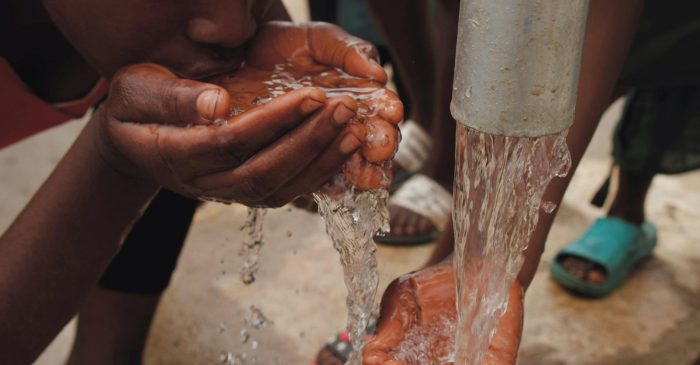
The primary goal of establishing drinking water standards is to guarantee that water that is meant for human consumption is unpolluted, safe, and devoid of any dangerous pollutants. To safeguard the public’s health and prevent the spread of water-related diseases, these guidelines establish the maximum allowable concentrations of physical, chemical, and biological contaminants in potable water. Without adequate regulation, contaminants in drinking water can pose significant health risks, including suspended particles, chemicals, microbes, and heavy metals. Consequently, ensuring communities have access to safe water requires consistent monitoring, treatment, and adherence to drinking water standards. Governments and other organizations set these standards to safeguard the public’s health and guarantee consistently high-quality water.
Types of Drinking Water Standards
Different types of pollutants or water quality characteristics are used to classify drinking water standards. As a result of these regulations, we know that the water we drink is safe to consume.
1. Physical Drinking Water Standards
These criteria are associated with the characteristics and physical appearance of water.
- Some examples of turbidity, smell, color, temperature, and taste
- Make the water more palatable and less offensive to the senses
- Identify potential pollution issues
2. Chemical Drinking Water Standards
Chemical concentrations in water are regulated by these standards.
- Heavy metals (mercury, arsenic, and lead), chlorides, nitrates, sulfates, fluoride, and acidity (pH) are all considerations
- Eliminate chemical poisoning and its long-term health consequences
3. Radiological Standards
These standards regulate radioactive compounds in potable water
- Radioisotope, uranium, and radium are among the parameters
- Keep people safe from radiation’s negative consequences
4. Operational Standards
These standards enhance the efficiency of water distribution and treatment systems.
- Corrosion control, water pressure, and levels of residual chlorine are all examples of important parameters that must be monitored
- Ensuring water is properly disinfected and delivered safely
5. Aesthetic Standards
These center on the qualities of water that influence its popularity among consumers.
- Staining potential, color, taste, and smell are some of the parameters
- Make people more comfortable with and confident in drinking water
6. Microbiological Standards
These standards guarantee the absence of dangerous microbes in the water.
- Bacterial parameters include E. coli infection signs, fecal coliforms, coliform bacteria, and parasites and viruses
- Keep diseases like cholera and typhoid out of the water

Examples of Drinking Water Standards
To guarantee that water is fit for human consumption, drinking water standards lay out allowable limits for physical, chemical, biological, and radiological parameters.
Total Dissolved Solids
- The suggested upper limit is below 500 mg/L
- Keeps water quality and taste satisfactory
Smell and Color Standards
- You should be able to drink water that is both colorless and smell-free
- Boosts trust and acceptance among consumers
pH Standard
- The ideal pH range is between 6.5 and 8.5
- Protects pipes against scale and corrosion
- Guarantees that the water is fit for human consumption
Arsenic Standard
- The suggested limit is below 0.01 mg/L
- Decreases the likelihood of cancer and other long-term health issues
Remaining Chlorine Level Standard
- Levels of 0.2 to 0.5 mg/L are commonly recommended
- The water distribution systems are kept disinfected continuously
Fluoride Standard
- Approximately 1.5 mg/L is the suggested limit
- Deters bone issues and dental fluorosis
Nitrate Standard
- Less than 50 mg/L is the recommended limit
- Prevents the risk of “blue baby syndrome” and other newborn health issues
Lead Standard
- The suggested limit is below 0.01 mg/L
- Keeps the nervous system safe from harm and poisoning
Biological Standards
- Potable water needs to have zero E. coli per 100 mL and zero fecal coliforms
- Protects against infectious diseases, including cholera and typhoid
Hardness Standard
- For home use, moderate hardness is ideal
- Saves soap from going to waste and prevents excessive scaling
Turbidity Standard
- A turbidity level below 5 Nephelometric Turbidity Units is advised
- Ensures the water is clear
- Makes disinfection work better
Organizations Responsible for Drinking Water Standards
The development, regulation, monitoring, and enforcement of drinking water standards to guarantee water safety and public health protection is the responsibility of many national and international organizations.
Institutions for Research and Standards
- Work on establishing testing procedures and technical standards
- Investigate water treatment and quality from a scientific perspective
WHO
- The promotion of a clean water supply and public health on a worldwide scale
- Gives standards for water potability on a global scale
- Assists nations in formulating their own water quality standards
- Provides physical, chemical, and microbiological pollutants with safe limits
Environmental Protection Agencies
- Prevent the contamination of surface and groundwater sources
- Establish standards for protecting water quality
- Reduce contamination of water sources
Water Utility Businesses
- Guarantee that people have access to clean water for drinking
- Keep tabs on the water quality by testing it often
- Have potable water purified and distributed
Departments for Public Health
- Assist in halting the spread of infectious diseases like cholera and typhoid
- Programs for disease prevention and water quality monitoring
- Monitoring potential dangers to public health from water consumption
Development Agencies and International Organizations
- These include the World Bank, the United Nations Children’s Fund, and the UN Environment Programme (UNEP)
- Make resources available, including money and expert advice, to enhance water quality
- Back initiatives to improve sanitation and water projects
The National Water Authority
- Agencies set up at the national level to oversee water compliance
- Keep an eye on how well water treatment systems are working
- The ministries in charge of health and water
- Guarantee adherence to regulations regarding the safety of water
- Formulate and implement nationwide standards for potable water
Challenges in Maintaining Drinking Water Standards
Management, technical, environmental, and financial factors all have an impact on water delivery systems and quality, making it challenging to maintain drinking water standards.
Inadequate Enforcement of Rules
- Inadequate enforcement of regulations pertaining to water quality
- If appropriate measures are not taken, illegal contamination could persist
Insufficient Facilities for Water Treatment
- Age-old water treatment equipment and plants are unavailable in certain regions
- Causes pathogens and pollutants to not be adequately removed
The Risk of Chemical Exposure
- Water sources are vulnerable to contamination from industrial chemicals, pesticides, heavy metals, and fertilizer
- It might be quite challenging to entirely eliminate certain pollutants
Exorbitant Costs for Treatment and Maintenance
- Limited financial resources hinder regular monitoring and maintenance
- Skilled personnel, equipment, and chemicals can be quite pricey
Global Warming
- Water sources become more polluted and turbid as a result of flooding
- Less water is available due to droughts
Possibility of Dangerous Microbes
- Parasites, viruses, and bacteria can pollute drinking water
- Cholera and typhoid fever are among the diseases that it can cause
Surging Population
- Water treatment and delivery systems are under increasing strain from a growing population
- The efficiency of water quality control could be compromised due to increased demand.
Monitoring Water Quality is Inadequate
- Monitoring programs and test facilities that are inadequate
- Failure to identify pollution issues in a timely manner
Deteriorating Water System
- Leaks and corrosion can occur in older storage systems and pipes
- Possibility of introducing pollutants into treated water
Inadequate Hygiene Practices
- Contamination of water sources occurs due to open defecation and inappropriate waste disposal
Nobody Is Talking About It
- Some communities lack adequate education on the need for safe drinking water, proper sanitation, and personal hygiene
Discharges into Waterbodies
- Pollution from solid waste disposal, agricultural runoff, industrial waste, and domestic sewage
- Treatment becomes more challenging and costly as a result
Importance of Drinking Water Standards
Water intended for human consumption must meet specific criteria to establish safe, clean, and adequate drinking water standards. Preserving water quality and ensuring public health are two important goals of these standards.
Protect the Environment
- Encourage the safe and effective use of water resources
Supply of Potable Water
- Make sure the water is safe to use around the house and for drinking
Promoting Frequent Monitoring of Water Quality
- Prompt the ongoing monitoring and testing of water sources
Controlling Physical Water Quality
- Keep turbidity, taste, color, and smell within acceptable ranges
- Water’s aesthetics and acceptance are both enhanced by this
Assist in the Effective Treatment of Water
- Give rules for monitoring systems and processes for water treatment
Controlling Chemical Pollutants
- Decrease the use of toxic substances such as pesticides, nitrates, heavy metals, and fluoride
Protecting Water Distribution Systems
- Lessen the likelihood of pipe and storage facility damage, scaling, and corrosion
Improve User Trust
- Establish public confidence in the reliability of water supply systems for human use
Safety of the General Population
- Cholera and typhoid fever are water-borne diseases that must be prevented
- Make sure there are no dangerous compounds or microbes in the water that people drink
Controlling Microbiological Contamination
- Make sure there are no parasites, viruses, or bacteria in the water
Conclusion
The purpose of drinking water standards is to guarantee that the available water for the public is free of toxins and fit for human consumption. Protecting communities against waterborne diseases like cholera and typhoid fever, these standards assist in governing the physical, chemical, and biological quality of water. Drinking water standards promote sustainable water management, environmental protection, and public health by directing the procedures of water treatment, monitoring, and distribution. Contact us today.