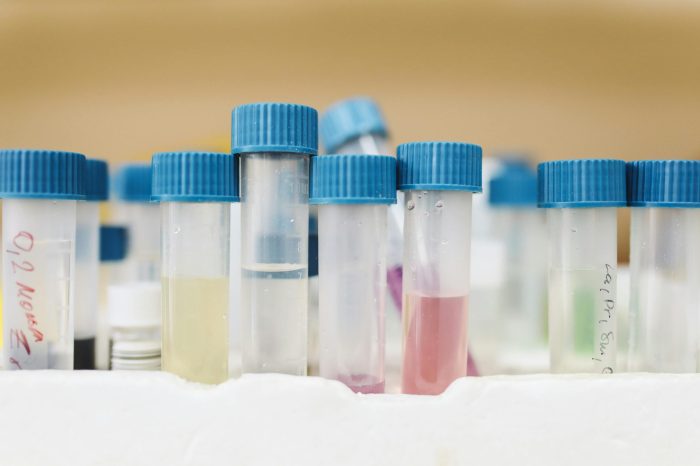
For the purpose of physical, chemical, and biological analysis, water sampling techniques are employed to collect water samples from various sources, including wastewater systems, reservoirs, lakes, groundwater, wells, and rivers. To get reliable lab results, it is crucial to sample water correctly so that the sample accurately reflects the water source’s true state. Compliance with water quality regulations, assessing treatment efficiency, contamination detection, and monitoring of water quality are all aided by water sampling techniques.
Depth, random, composite, systematic, and grab sampling are some of the most common methods. To ensure that samples are collected, preserved, labeled, and transported in a way that prevents contamination and keeps them intact, effective sampling methods are essential. Public health, environmental monitoring, and sustainable water resource management are all greatly aided by sampling techniques, which also help prevent waterborne diseases like cholera and typhoid.
Types of Water Sampling Techniques
To conduct physical, chemical, and biological analyses on water, it is necessary to employ water sampling techniques. The study’s purpose, the water supply, and the level of precision needed in the results all have a role in the procedure choice.
1. Manual Sampling
- Containers or sampling devices are used to manually gather water samples
- This method is both easy to use and flexible.
- It has a variety of uses, such as in lab testing and field investigations
2. Composite Sampling
- The term “composite sampling” refers to the practice of merging data from many samples taken at various intervals or sites.
- Shows the typical state of the water’s condition across a certain period of time or geographical region
- Industrial discharge assessment and wastewater monitoring are two examples of the applications
3. Bottom Sampling
- Water samples are taken at or near the water’s bottom
- Assists in assessing settling contaminants and sediments
4. Systematic Sampling
- Distance or time intervals are used to gather samples at regular intervals
- The changes over time are organized and easy to monitor
- Applications include programs that monitor rivers and lakes
5. Continuous Sampling
- Over time, automated systems collect water continuously.
- Gives constant monitoring data
- Industrial and wastewater treatment monitoring are among the many uses
6. Automatic Sampling
- At predetermined intervals, mechanical or electronic devices collect samples mechanically
- Minimizes room for mistakes
- Ideal for continuous monitoring over time
- Industrial monitoring and wastewater treatment plants are two examples of possible uses
7. Stratified Sampling
- It is common practice to collect water samples from different strata or parts of a water body
- Makes sure the whole water body is represented
- Applications include groundwater studies, reservoirs, and lakes
8. Random Sampling
- A water body is sampled at random intervals from various locations
- Ensures there is no bias when collecting a sample
- Applications include research and environmental studies
9. Surface Sampling
- Samples are taken from the surface of the water
- Reservoirs, ponds, rivers, and lakes are among the many possible uses
10. Grab Sampling
- One water sample is collected at a given time and place using grab sampling
- A fast and easy way
- Regular water quality testing and investigations into pollution emergencies are two examples of the many possible uses
- This method reflects the state of the water at a specific moment in time
11. Depth Sampling
- The water is sampled at precise depths below the surface.
- Ideal in situations where the quality of water changes with depth
- Applications include groundwater, lake, and reservoir analysis
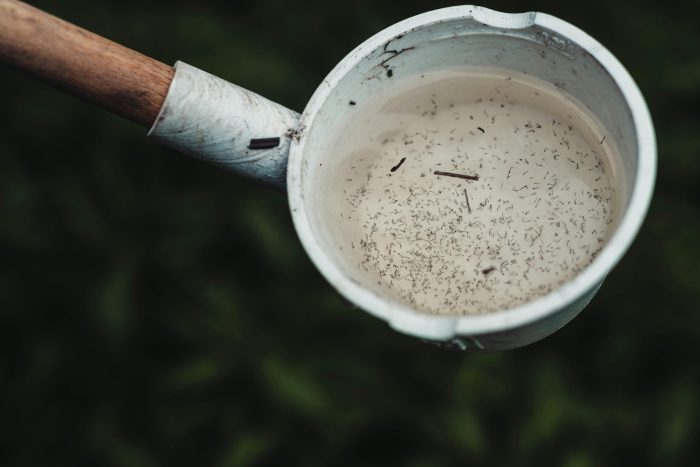
Steps in Water Sampling
Water sampling employs a variety of methods to conduct physical, chemical, and biological analyses on water. For trustworthy water quality data, it’s crucial to use the right sample procedures.
1. Planning
- Determine why water sampling is necessary, what kind of analysis will be performed, where sampling will take place, and how many samples will be required
- Ensures everything is ready and that samples are accurate
2. Choosing the Location for the Sampling
- Consider wastewater outlets, wells, rivers, reservoirs, and lakes when deciding on a site to represent the water source
3. Preparing Sampling Equipment
- Always use sterile instruments and containers
- Equipment includes things like sampling poles, a conductivity meter, sampling bottles, and a thermometer
- Keeps samples free of contaminants
4. Sample Container Labeling
- Be sure to label containers with the sample ID, kind of sapling, time and date, and location
5. Collect Water Samples
- Thoroughly collect water samples in accordance with the designated water sampling method
- Grab sampling, composite sampling, and depth sampling are some examples.
- Verifies that the water sample is representative of real-world conditions
6. Sample Preservation
- If necessary, preserve samples right away
- Ways to do it include putting it in dark containers, adding preservatives, or chilling it with ice
- Keeps water from becoming unusable prior to analysis
7. Field Parameter Measurements
- The sampling location can be used to measure dissolved oxygen, electrical conductivity, pH, and temperature
8. Keeping Records and Documentation
- Make notes of relevant details, including location observations, weather, and sampling method
- Assists in correctly interpreting results
9. Sample Transportation
- Get samples to the lab as soon as possible while being very careful with them
- Ensures that samples are preserved and free from pollutants
10. Lab Analysis
- Microbes, chemical pollutants, and physical parameters are all examined in the samples
11. Interpreting Results
- Determine the quality and safety of the water by comparing laboratory results with standards
Importance of Proper Water Sampling
To have trustworthy information regarding water quality, proper water sampling is crucial. Following proper sampling methods helps avoid mistakes in lab tests and makes sure that the water sample truly represents the actual condition of the water source.
Improve management of Wastewater
- Helps in determining the effectiveness of pollution control measures and wastewater treatment systems
Trustworthy Decision-Making
- Efficient management of water resources and ecological planning are facilitated by precise data
Detect Contamination and Pollution
- Helps in identifying pollutants including suspended solids, microbes, chemicals, and heavy metals
Supporting Scientific Studies and Research
- Public and environmental health research can rely on the data provided
Protect the Public’s Health
- Helps in the prevention of water-related diseases like typhoid and cholera
Ensuring Water Quality Conforms to Set Standards
- Monitors water quality to make sure it’s safe for industrial, irrigation, and human use
Prevent Contamination of Samples
- Preventing contamination while sampling and transporting requires careful handling and preservation
Protect the Environment
- Helps in monitoring contamination in wastewater systems, lakes, rivers, and groundwater
Monitor Water Quality Changes
- Helps in monitoring seasonal or long-term cater condition changes
Time and Cost Efficiency
- Minimizes the likelihood of mistakes and recurring testing
Ensures Precise Results
- The right water samples for reliable lab analysis
Support Processes in Water Treatment
- Uses water quality results to help choose appropriate treatment techniques
What Ensures Correct Water Sampling?
- Preserving and storing items correctly
- The use of right techniques of sampling
- Detail-oriented documentation and labeling
- Using clean equipment for water sampling
- The ability to arrive at to the lab on time
Challenges in Water Sampling
There are a number of challenges to water sampling that might compromise the validity, trustworthiness, and generalizability of water quality findings. Faulty sampling methods, unfavorable environmental factors, and careless sample handling may compromise the accuracy of water quality results.
1. Weather and Environmental Conditions
- Things like heavy downpours, flash floods, high gusts, and scorching heat might mess with sample activities and results
2. Locations That Are Difficult to Access for Sampling
- Bad weather, rough terrain, deep water, and flooding make it impossible to reach some water sources
3. Minimal Funds Available
- Equipment for sampling, lab analysis, and transportation could all be affected by a lack of funding
4. Mistakes in Sampling Techniques
- Using the wrong techniques for sample collection could lead to inaccurate results
- Collecting samples in unsuitable containers or at an inappropriate depth are two such instances
5. Contamination of Samples
- Unclean equipment, incorrect handling, and dirty containers are sources of contamination
- It is possible for samples to get contaminated when they are being collected, handled, stored, or transported
6. Poor Preservation
- The water quality before analysis can be affected by improper sample cooling or preservation
7. Documentation Errors Caused by Humans
- The interpretation of results could be impacted by improper labeling or recording of sample information
8. Poor calibration or equipment breakdown
- Inaccurate readings could be the result of under- or over-calibrated instruments
9. Skilled Personnel Shortage
- Untrained individuals can make mistakes when collecting and managing samples.
10. Dangers to Safety
- Taking water samples in places with high levels of pollution or deep water poses risks to workers’ health, including exposure to harmful substances, drowning, and waterborne diseases
11. Changing Water Quality Over Time
- The water conditions might not be accurately reflected by only one sample
- Water quality can change depending on human activities, the weather, and the time of year
12. Difficult to Obtain Representative Samples
- The depth and position of water bodies might affect their quality
- Water samples might not be representative of the whole source
13. Transportation Delays at the Laboratory
- The sample’s chemical composition or the growth of microbes can be affected by lengthy delays
14. Limited Lab Facilities
- Detailed water testing may not be possible in many locations due to a lack of testing equipment and suitable facilities
Conclusion
To obtain reliable information regarding water quality, it is necessary to use water sampling techniques to obtain samples that are representative of the water. The detection of pollution, the monitoring of treatment processes, and the assessment of water safety for environmental, industrial, drinking, and agricultural purposes can be accomplished through the use of proper sampling techniques such as depth, composite, grab, and systematic sampling. Preventing contamination and guaranteeing accurate laboratory analysis depend on effective sampling processes, which encompass proper sample collection, preservation, labeling, and transportation. Protecting the public health is another important function of water sampling, which aids in the identification of potential disease-causing contaminants.