Express Drainage Solutions

A Solution for Sanitation, Wastewater Treatment & Renewable Energy

Njengi House

2nd Floor Suite 6, Tom Mboya St.

8:00AM - 5:00PM

Monday to Friday

+254742781455

info@expresswatersolutions.com

Category

Water Monitoring

Stakeholder Involvement in Water Quality Monitoring

Stakeholder Involvement in Water Quality Monitoring

By | Water Monitoring | No Comments

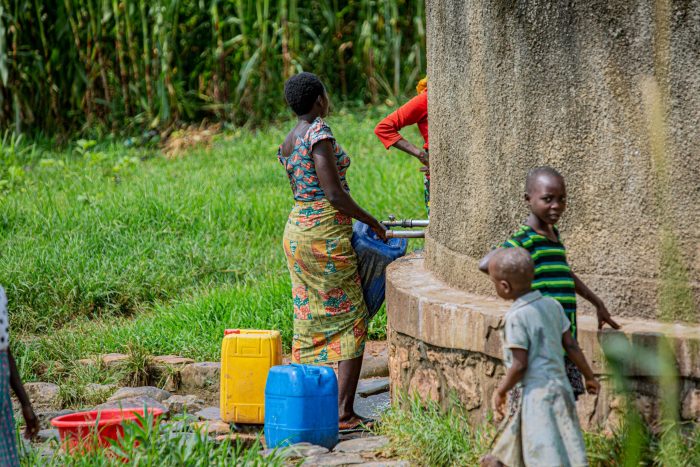
In water quality monitoring, “stakeholder involvement” means that various groups such as international agencies, NGOs, communities, research institutions, industries, and governments are all working together to ensure the safety and proper water resource management. For water quality monitoring programs to be successful, long-lasting, and accommodating to community demands, their participation is crucial. By working together and taking turns, stakeholders can help in public awareness, decision-making, pollution detection, and compliance. Thus, sustainable water resource management, environmental protection, and safe water delivery are all outcomes of effective stakeholder engagement.

1. Types of Stakeholders Involved in Water Quality Monitoring

Protecting water resources and ensuring a safe supply of water requires a multi-stakeholder approach to water quality monitoring.

Local Communities

  • Make sure you report any issues with water quality or pollution
  • Take part in monitoring programs that are rooted in the community
  • Decrease the likelihood of pollution of water sources

Groups Representing Farmers and Agriculture

  • Contribute to a lessening of pesticide and fertilizer pollution
  • Promote sustainable farming methods

 Water Supply Utilities and Authorities

Industry and the Private Sector

  • Adhere to pollution control measures and environmental regulations
  • Before discharging, monitor and treat industrial wastewater

 International Organization

  • Supply resources (technical support, training, and funds)

Environmental Protection Agencies

  • Monitor polluted groundwater, lakes, and rivers
  • Clean up the environment by enforcing laws and regulations

Educational and Research Institutions

  • Carry out studies and analysis in a controlled environment
  • Create better technologies and methods for monitoring

Health Facilities

  • Cholera and typhoid fever are water-borne diseases that need close monitoring
  • Determine the effects of water contamination on public health

Government Agencies

  • Oversee systems for the public supply of water
  • Perform environmental law enforcement and monitoring
  • Establish rules and standards regarding the use of water

For instance, there are ministries that deal with the environment, health, and water.

Non-Governmental Organization

  • Speak up in favor of protecting the environment
  • Contribute financially and technically to monitoring projects
  • We should make training and awareness initiatives available

To guarantee that water resources are safe and sustainable, many stakeholders are engaged in water quality monitoring. These include health agencies, international organizations, industries, communities, water utilities, research institutions, non-governmental organizations, and governmental agencies.

Stakeholder Involvement in Water Quality Monitoring

2. The Importance of Involving Stakeholders

Water quality monitoring relies on stakeholder participation to foster efficient decision-making, shared accountability, and long-term water resource management.

Makes Pollution Detection Easier

  • It’s easy for organizations and communities to report cases of contamination
  • Permits prompt corrective measures

Promotes Teamwork and Partnerships

  • Fosters collaboration among communities, non-governmental organizations, governments, and industries
  • Makes it easier to pool resources and knowledge

Helps in Making Decisions

  • Various parties involved bring unique perspectives, expertise, and ideas to the table
  • Results in more effective methods of management and planning

Draws More Attention to It

  • Supports efforts to improve sanitation and conserve the environment
  • Educates locals on how to avoid water contamination and how to use water safely

 Encourages Compliance with Standards

  • Supports conformity with WHO and other relevant standards and regulations

Backs Eco-Friendly Water Management

  • Safeguards water supplies for the benefit of generations to come
  • Promotes water conservation and wise use over the long term

Fosters a Sense of Community Ownership

Cuts Down on Water-Related Diseases

  • Cholera and typhoid fever can be better prevented with better water quality monitoring

Enhances Programs for Monitoring

  • Stakeholders contribute resources such as human, technical, and financial
  • Makes monitoring more efficient and comprehensive

Enhances Water Resource Protection

  • Reducing pollution and conserving water supplies are shared goals among stakeholders
  • Ensures that water sources are always safe and clean

3. Challenges Stakeholder Involvement

Water quality monitoring relies on stakeholder engagement, but there are several obstacles that could prevent stakeholders from working together effectively.

Insufficient Data Sharing

  • Less open sharing of monitoring information among stakeholders
  • Problems with open communication and decision-making

Pollution and the Fast Growth of Cities

  • More sources of pollution are created by population growth and increasing industrialization
  • Some monitoring systems can have trouble keeping up

Inadequate Monitoring Equipment

  • A shortage of monitoring technologies, labs, and testing kits
  • Has an effect on how well monitoring programs work

Lack of Education and Awareness

  • Less involvement from the community due to low public knowledge
  • Not everyone involved will see the value of monitoring water quality

 Conflict of Interest

  • There can be competing interests among various stakeholder groups
  • Industries may put profit above protecting the environment

Weak Law Enforcement and Policy

  • The World Health Organization and similar groups have advocated for certain norms, which are rarely met
  • Environmental restrictions are not being adequately enforced

Challenges in Institutions and Politics

  • Decision-making and implementation slowed down by bureaucracy
  • The disinterest and inaction of the government

Stakeholders’ Lack of Cooperation

  • Inadequate communication between industries, communities, government agencies, and NGOs
  • Result in inefficient water quality monitoring programs or unnecessary repetition of tasks

Barriers to Community Engagement

  • Communities may be less interested if members are poor, illiterate, or otherwise too busy to become involved

Lacking Technical Knowledge

  • Inadequate understanding of water testing, sampling, and data analysis
  • It lowers the bar for monitoring quality and reliability

Limited Funding Available

  • Organizations and communities may not have the means to take part to their full potential
  • Funds are insufficient to cover training, equipment, and monitoring activities

4. Solutions to Improve Stakeholder Involvement

Improving stakeholder participation is essential for making water quality monitoring programs stronger and for managing water resources sustainably.

Offer Education and Enhance Competence

  • Educate affected parties on how to collect, test, and report on water quality
  • Raise the level of expertise in technical areas and in monitoring

Value Stakeholders and Motivate Them

  • Prompt dedication to monitoring programs for the long term
  • Encourage people to become involved and recognize their efforts to protect the environment

Encourage Involvement from the Local Community

  • Back initiatives that monitor water quality in local communities
  • Incorporate community groups into oversight and decision-making processes

Use Accessible and Cutting-edge Technology

  • Launch digital data systems, mobile apps, and inexpensive test kits
  • Make reporting and monitoring easier

Make Everyone’s Responsibilities Known

  • Recognize and address the roles of all relevant parties
  • Environmental regulations should be enforced more strictly

Offer Assistance with Technical Support and Funds

  • Back up monitoring efforts in low-income and rural areas
  • Organizations and governments ought to supply resources including technical help, equipment, and funds

Raise Awareness of Public-Private Partnerships

  • Collaborate by exchanging technologies, know-how, and resources
  • Promote collaboration among research institutions, industries, governments, and non-governmental organizations

Advocate for Openness and Individual Responsibility

  • Create an environment of trust and inspire engagement
  • Be transparent with communities and stakeholders by sharing monitoring results

Better Coordinate and Communicate

  • Encourage stakeholders to meet regularly and share knowledge
  • Promote partnerships among industries, communities, and government agencies

Back New Innovation and Research

  • Suggest new approaches to managing water quality
  • Push for better monitoring practices at research and educational institutions

 Raise Conscience and Insight Through Education

  • Promoting water safety and reducing water pollution should be a top priority
  • The significance of monitoring and conservation should be emphasized to communities through education

Conclusion

Efficient and long-term management of water resources requires stakeholder participation in water quality monitoring. Better monitoring programs, stronger pollution control measures, and more public knowledge of water safety are achievable with the combined efforts of research institutions, industries, governments, NGOs, and communities. Collaborative efforts further support compliance with established standards. These efforts can aid in the fight against waterborne diseases, such as typhoid and cholera. Robust stakeholder engagement is the key to achieving environmental conservation, public health, and the long-term availability of safe drinking water. Contact us today.

Water Quality Monitoring in Developing Countries

Water Quality Monitoring in Developing Countries

By | Water Monitoring, Water Quality | No Comments

To ensure that water sources in developing countries are safe for human consumption and ecological sustainability, water quality monitoring is an important process. It includes routine evaluation of the physical, chemical, and biological state of water sources. Concerns about water contamination and waterborne diseases like cholera and typhoid fever are a common occurrence in many developing nations. This situation is due to factors such as limited clean water access, industrial pollution, fast urbanization, and insufficient sanitation systems. Water quality monitoring effectively aids in the early detection of pollution, bolsters public health protection, and guides decisions on water management.

1. Objectives of Water Quality Monitoring

The purpose of water quality monitoring in low-income regions is to guarantee that the water supply is fit for environmental and human use in a sustainable manner. Here are the primary objectives:

Promote Long-Term, Eco-Friendly Water Resource Management

  • Assist with controlling rising water consumption
  • Advise on how to save water and how to use it correctly

Encourage the growth of the economy and society

  • Productivity, industry, agriculture, and health all benefit from safe water
  • Decreases healthcare costs linked to water contamination

Protect the Well-being of the People

  • Keep an eye out for toxic substances and pathogenic microbes
  • Keep diseases like cholera and typhoid out of the water

Offer Data for Use in Making Plans and Decisions

  • Back initiatives to improve access to water and sanitation
  • Policy and investment guidance for the environment

Quickly Identify Pollution

  • Locate pollutant sources, including waste disposal, agriculture, industries, and sewage
  • Permit prompt restoration

Keep Aquatic Ecosystems Safe

  • Keep groundwater, rivers, and lakes from deteriorating
  • Back efforts to preserve biodiversity and aquatic ecosystems

Educate the Public

  • Promoting water safety and preventing pollution should be a community’s top priority
  • Inspire people to take part in preserving water sources

Make Water Safe to Drink

  • Detect dangerous pollutants and contaminants
  • Make sure the water is fit to drink

 Assess the Quality of Water

  • Determine if water is good for drinking, industrial, and irrigation use
  • Monitor parameters such as biological, chemical, and physical

2. Parameters That Are Frequently Monitored

In developing countries, physical, chemical, and biological parameters help assess water quality and ensure it is safe for protecting the environment and human use.

1. Physical Parameters

a. Total Suspended Solids

  • Measures suspended water particles

b. Temperature

  • Impacts the activity of microbes and chemical reactions in water

c. Color

  • Indicates contamination or the presence of dissolved substances

d. Turbidity

  • Assesses the cloudiness brought on by particles in suspension
  • Contamination could be indicated by a highly turbid sample

e. Taste and smell

  • Contamination could be the cause of an unpleasant taste or odor

2. Chemical Parameters

a. Nutrients

  • Phosphorus and nitrogen levels
  • Eugenication occurs when there are too many nutrients

b. Total Dissolved Solids

  • Measures minerals and dissolved salts

c. pH

  • Shows if the water is acidic or alkaline
  • For the purpose of aquatic life and water treatment

d. Biological Oxygen Demand

  • Shows how much organic contamination there is in the water

e. Heavy Metals

  • Chromium, lead, cadmium, and mercury
  • Harmful at even trace amounts

f. Dissolved Oxygen

  • Finds out how much oxygen is in the water
  • Indicators of contamination include low DO levels

g. Chemical Oxygen Demand

  • Checks the amount of oxygen needed to oxidize contaminants

3. Biological Parameters

a. Pathogens

  • Disease-causing microorganisms like cholera and typhoid fever are part of this category

b. The bacterium Escherichia coli

  • Suggests the presence of feces and potentially harmful water

c. Total Coliforms

  • Show likely pollution

Water Quality Monitoring in Developing Countries

3. Methods used

From basic field procedures to more sophisticated laboratory and technical approaches, developing nations employ a wide range of methods for monitoring water quality.

Information Collection and Reporting Systems

  • Computers, databases, and mobile apps help to store and evaluate monitoring data

Lab Analysis

  • Laboratory analyses are conducted on water samples
  • Chemicals, heavy metals, nitrates, and microbes (coliforms, E. coli) can be tested in great detail using this method

Real-Time Monitoring and Automated Sensors

  • Conductivity, turbidity, and pH are among the parameters that sensors constantly monitor
  • Make contamination detection quicker

Inspection through Sight and Feel

  • Assists in identifying clear indications of contamination
  • Taking note of the smell, color, and visibility of any floating materials

Chemical Testing

  • COD and BOD, dissolved oxygen, pH, nutritional levels, and heavy metals are all measured

Geographic information systems and remote sensing

  • Mapping and satellite imagery keep tabs on big bodies of water
  • Helpful in identifying patterns of pollution and the effects of land usage

Testing for Microorganisms

  • The ability to identify infectious microbes
  • Critical in warding off infectious diseases like cholera and typhoid

Inspecting and Surveying Sanitary Conditions

  • Checking water storage systems, boreholes, and wells
  • Locate potential hazards, such as landfills and nearby latrines

Methods for Conducting Field Testing

  • Affordable and well-suited to remote regions
  • Regularly check for things like residual chlorine, turbidity, temperature, and pH
  • Direct use of portable testing kits at water sources

Monitoring in the Community

  • Members of the community pitch in to gather samples and report issues
  • It promotes the conservation of water sources

4. Challenges of Water Quality Monitoring in Developing Nations

There are a lot of challenges that make it hard for developing countries to have dependable programs for monitoring water quality and to provide people with safe water.

Limited Availability of Monitoring Devices

  • Scarcity of sensors, testing kits, and other necessary laboratory equipment
  • Existing machinery can be poorly maintained or very old

Accessibility Challenges

  • It is challenging to reach remote rural locations for routine water quality
  • Depending on the season, access could be restricted

Missing Knowledge in Technical Areas

  • Problems with data analysis, testing, and sampling due to a lack of qualified workers
  • Limited understanding of cutting-edge water quality monitoring systems

Limited Public Knowledge

  • Minimum involvement of the community in monitoring efforts
  • People do not understand the need for preventing water contamination and safe water practices

Lack of Sufficient Infrastructure

  • Problems in getting to distant monitoring locations
  • Inadequate and unreliable power source in the lab

Irregular Monitoring Programs

  • Insufficient water testing
  • Pollution and contamination not being detected in a timely manner

Industrialization and Fast-Scale Urbanization

  • A rise in pollution due to human activities, sewage, and industrial sites
  • The increasing demand is causing water quality monitoring systems to suffer

Poor Data Management

  • Insufficient methods of data collection, storage, and analysis
  • Misinformation and the omission of crucial details

Weak Law Enforcement and Policy

  • Weakness in enforcing environmental regulations

Agriculture-Related and Waste-Related Pollution

  • Poor waste disposal, pesticides, and fertilizers all contribute to water contamination

Challenges in Politics and Institutions

  • Government agencies not working together effectively
  • Water quality issues are considered a low priority

Limited Funding Available

  • Problems in consistently implementing monitoring programs
  • Field operations, equipment, and labs do not receive enough financing

5. Why Water Quality Monitoring Is Crucial

In order to safeguard the environment, promote sustainable development, and guarantee that people in developing nations have access to safe drinking water, water quality monitoring is crucial.

Supports Long-Term Goal Achievement

  • Guarantees access to clean water for the foreseeable future
  • The environment and people’s quality of life are both boosted by this

Helps in responding to emergencies

  • Supports prompt action and protection measures
  • Detects pollution during disease outbreaks, droughts, or floods

Makes Water Potable

Enhances the Management of Water Resources

  • Gives data useful for water resource management and sustainable consumption
  • Facilitates well-informed decision-making by governments

Raises Conscience in the Community

  • Prompts locals to save and use water wisely
  • Encourages people to adopt good personal hygiene and sanitation

Early Pollution Detection

  • Identifies sewage, agricultural, and industrial pollutants
  • Permits prompt corrective action prior to the spread of pollutants

Promotes the Growth of the Economy

  • The agricultural sector, fisheries, and industry all benefit from water that is safe to drink
  • Decreases healthcare costs associated with water-related illnesses

Safety of the General Population

  • Identifies potentially dangerous water contaminants and microbes
  • Cholera and typhoid fever are two diseases that this aids in preventing

Backs efforts to protect the environment

  • Protects biodiversity and marine ecosystems
  • Assists in preventing the depletion of lake, river, and groundwater resources

6. Likely Solutions

To overcome challenges including a lack of technical knowledge, poor infrastructure, and scarce resources, developing countries must identify practical, inexpensive, and long-term solutions to improve water quality monitoring.

System Enhancements for Data Management

  • Establish reliable methods to help record, store, and analyze data.
  • For more convenient monitoring and reporting, utilize digital databases

Using Appropriate and Low-Cost Technologies

  • Collect and report data using mobile phones and other digital tools.
  • Introduce portable sensors and field testing kits at a reasonable price

Safeguarding Water Resources

  • Minimize contamination from human habitation, industries, and agriculture
  • Encourage effective sanitation and waste management

Capacity Building and Training

  • Train personnel in water sampling, testing, and data analysis
  • Develop local technical expertise in water quality management

Developing Skills and Offering Education

  • Train residents to be experts in water quality management
  • Educate staff on how to collect water samples, conduct tests, and analyze the results

Fortifying Research Establishments

  • Expand availability of trustworthy testing services
  • Set up and furnish labs in different areas

Stricter Environmental Regulations and Their Implementation

  • Waste disposal and industrial discharge regulations need strict enforcement

Use of up-to-date monitoring technologies

  • Enhance the effectiveness and extensiveness of monitoring programs
  • Maintain constant vigilance with the help of automated sensors, geographic information systems, and remote sensing

Business-Government Collaborations

  • Share the necessary resources, including technology, expertise, and money
  • Promote partnerships among non-governmental organizations, private companies, and governments

Working Together on a Global Scale

  • Seek aid from development partners and international organizations
  • Obtain resources such as technical support, training, and funds

Greater Financial Support from the Government

  • Increase financing for water monitoring initiatives
  • Make water quality monitoring more effective by improving systems, equipment, and labs

Involvement of the Community

  • Educate the public on the need for safe drinking water and proper sanitation
  • Encourage residents to monitor water sources to ensure their safety

In summary

Safe drinking water, public health, and environmental preservation all depend on developing nations regularly monitoring their water quality. Preventing the spread of waterborne diseases like cholera and typhoid fever requires routine monitoring of various parameters. This allows for the early detection of contamination. Strengthening water quality monitoring systems is possible through increased investment, community involvement, and the use of suitable technology, although many developing nations confront challenges such as a lack of trained personnel, insufficient infrastructure, and limited financing. Therefore, standards-based, efficient water quality monitoring is crucial for long-term water resource management and societal and economic progress. Contact us today.

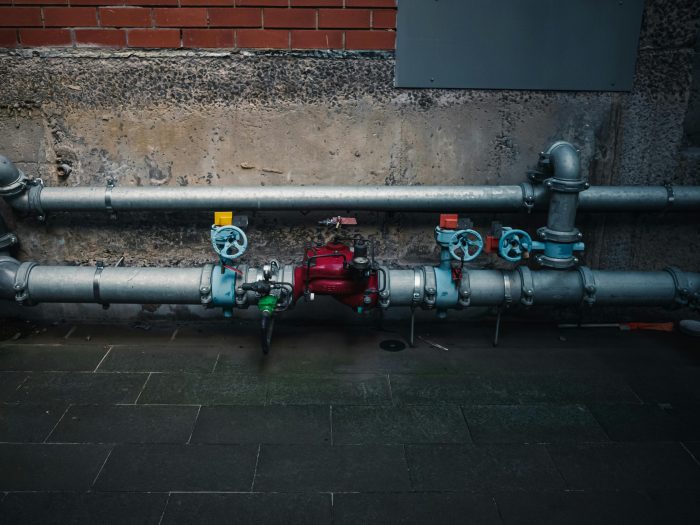
Monitoring Piped Water Systems

Monitoring Piped Water Systems

By | Water Monitoring | No Comments

As water travels from its point of origin to its final destination—consumers—its flow, pressure, quality, and general performance are systematically assessed through the process of monitoring piped water systems. Ensuring the reliability, safety, and continuous availability of water at all points of delivery relies on these measures. Regular monitoring can catch equipment failures, leaks, contamination, and pressure changes early, enabling prompt corrective action. Effective monitoring enhances system efficiency, safeguards public health, and supports sustainable water service delivery by adhering to standards.

1. Objectives of Monitoring Piped Water Systems

Monitoring piped water systems is carried out to ensure that water is safe, reliable, and efficiently delivered to consumers. The key objectives include:

In order to guarantee that users, receive reliable, safe, and effectively delivered water, monitoring piped water systems is essential. Among the primary goals are the following:

Make Services More Reliable

  • Minimize downtime and system errors
  • Maintain a steady flow of water to all users

Protect the Well-being of the Public

  • Identify chemicals and microbes that could cause illness
  • Diseases like cholera and typhoid can be prevented

Monitor how well the system is running

  • Verify that all storage facilities, pumps, and valves are operational
  • Make sure the system is running well

Keep Water Quality Consistent During Distribution

  • Monitor parameters like residual chlorine, turbidity, and pH
  • Keep treated water safe all the way from the source to the faucet

Detect Water Losses and Leaks

  • Find any broken or unapproved connections, bursts, or leaks
  • Lower water expenses that do not generate money

Identifying Contamination at an Early Stage

  • Locate potential leaks in the plumbing system.
  • Permit quick course fixes

Support Planning and Maintenance

  • Offer data for upgrading, fixing, and expanding the system
  • Enhance decision-making

Ensure Water Is Safe to Drink

  • Ensure that the distribution network is free of contaminants
  • Make sure the water is up to par

Guarantee Sufficient Pressure and Supply

  • Keep the water pressure in the pipes at a constant level
  • Maintain a steady supply of water

2. Key Monitoring Components

a. Monitoring of Residual Chlorine

  • Ensure that the system’s chlorine levels are stable at all times
  • Ensure effective disinfection

b. The monitoring of pressure

  • Identify situations of excessive pressure (which could cause pipes to burst) and low pressure (which could lead to contamination)
  • Pipelines must be adequately pressured

c. Detecting Leakages

  • Incorporating sensors and meters for loss detection
  • Pipeline inspections on a regular basis

d. Monitoring the Flow

  • Find out how fast water is moving through pipes
  • Water losses, unauthorized connections, and leaks can be more easily detected

e. Monitor the Efficiency of the System

  • Check all storage tanks, valves, and pumps
  • The correct functioning and maintenance must be guaranteed

f. Monitor Water Quality

  • Conduct tests at various locations, including the source, treatment facility, distribution network, and taps.
  • Physical parameters such as color and turbidity are included. Chemicals include residuals and pH. Biological: Escherichia coli bacterium


Monitoring Piped Water Systems3. Methods Used

In order to guarantee the safe and efficient distribution of water, monitoring piped systems incorporates a mix of field measurements, inspections, lab analysis, and automated technology.

Analyzing and Logging Data

  • Maintain a log of monitoring information
  • Monitor trends to identify emerging issues

Analysis in a Controlled Environment

  • Labs help in testing collected water samples
  • Included are chemical analyses of fluoride, nitrates, and metals as well as microbiological tests (for example, E. coli)
  • Detailed and more precise

Visual Inspection

  • Locates leaks, corrosion, and physical damage
  • Maintains a schedule for inspecting storage tanks, valves, and pipes

Monitoring of Residual Chlorine

  • Allows for the identification of potential contamination risks
  • Measure network-wide chlorine levels
  • It guarantees that disinfection is ongoing

Measuring Flow

  • To monitor the flow of water, use flow meters
  • Water losses, unauthorized connections, and leaks can be more easily detected

Methods for Detecting Leaks

  • Analyze the water output compared to the water input
  • Analyzing pressure drops
  • Sonar systems for finding water seepage in the earth

Automated Monitoring Systems (SCADA)

  • Easy to track water pressure, flow, and quality in real time
  • Make it possible to respond quickly and remotely

Reporting and Feedback from Customers

  • User complaints regarding smell, undesirable taste, low pressure, or color
  • Helps identify issues that other tools may not detect

Methods for Conducting Field Testing

  • Carried out in the distribution system itself
  • To measure turbidity, residual chlorine, and pH using portable kits
  • Offers immediate results at the location

Pressure Monitoring

  • Avoid contamination by identifying low pressure and pipe bursts by identifying high pressure.
  • Install sensors or pressure gauges into pipes

4. Common Challenges

Although it is crucial to monitor piped water systems, there are a number of technical and practical challenges that could reduce their efficiency:

Irregular Water Supply

  • Fluctuations in pressure due to unreliable supplies
  • Pipes are more likely to become contaminated

Problems with Coverage and Accessibility

  • Checking may be infrequent in certain places
  • Challenging to monitor distribution networks that are complex or large

Water Wastage

  • Hard to find hidden leaks and unauthorized connections
  • Results in less efficient monitoring and incorrect data collection

Problems with the Power Supply

  • Obstructs ongoing monitoring
  • Unreliable power affects automated monitoring systems and pumps

Limited Funds

  • Lack of resources to conduct routine testing and upgrades
  • Exorbitant cost of monitoring equipment, repairs, and maintenance

Insufficient Monitoring Equipment

  • Dependence on less precise manual methods
  • Inadequate availability of cutting-edge tools, such as automated systems and sensors

Contamination in the Distribution System

  • It is possible for sewage systems to become cross-connected.
  • Pollutants can enter through leaks or cracks

Skilled Staff Shortage

  • Inadequate analysis of data and handling of problems
  • Insufficient skilled personnel to operate the monitoring systems

Mismanagement of Data

  • Data that is missing or recorded incorrectly
  • Having trouble keeping up with trends and making smart decisions

The Framework for Institutions and Regulations Is Weak

  • Disregard for water quality regulations and their enforcement

Aging Infrastructure

  • Pipes that are corroded or old are more likely to burst or leak
  • Deteriorated systems make constant monitoring difficult to maintain

5. Importance of Monitoring Piped Water Systems

Ensuring the reliability, safety, and efficient distribution of piped water requires constant monitoring of these systems. Some of its key features are:

Enhances System Efficiency

  • Assists in keeping tabs on pipelines, valves, and pumps
  • Keeps things running smoothly and repairs are done when needed

Maintains the Quality of Water

  • Verifies that disinfection and treatment procedures are effective
  • Keeps all biological, chemical, and physical parameters at safe levels

Consumers are More Confident

  • Trust in the water supply’s safety and dependability is fostered

Keeps Pressure and Supply at Adequate Levels

  • Keeps contamination-causing low-pressure conditions at bay
  • Keeps water flowing steadily to every user

Helps with Meeting Regulatory Compliance

  • Maintains conformity with guidelines established.

Identifying Contamination Early

  • Locates contamination sources in the distribution system
  • Quick response is possible to ensure consumer safety

Improves Planning and Decision-Making

  • Gives information that can be used to enhance and expand the system
  • Assists in the efficient distribution of resources

Minimizes Loss of Water

  • Finds burst or unapproved connections, as well as leaks
  • Reduces water waste and enhances efficiency

Encourages green practices

  • Maintains water distribution networks over the long haul
  • Encourages making the most of available resources

Public Health Protection

  • Ensure there are no dangerous substances in the water
  • Protects against infectious diseases, including typhoid and cholera

Conclusion

Ensuring dependable, safe, and efficient water distribution to consumers relies heavily on monitoring piping systems. Continuously assessing system performance, water flow, pressure, and quality can help catch problems like equipment failures, leakages, and contamination early on. To keep water safe and the public’s trust, it’s important to follow standards established by groups like the WHO. In order to decrease water losses, safeguard public health, and promote sustainable water supply systems, effective monitoring is crucial. Contact us today.

Rural Water Supply Monitoring

Rural Water Supply Monitoring

By | Water Monitoring | No Comments

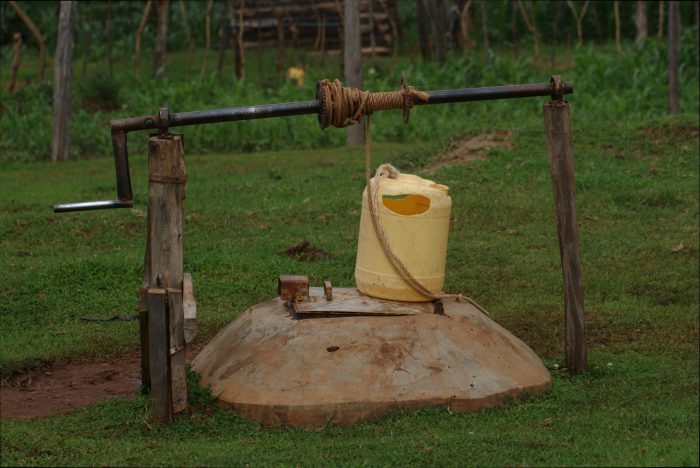
Water supplies in rural regions, including rivers, boreholes, wells, and springs, are systematically evaluated for quantity, quality, and reliability as part of rural water supply monitoring. In addition to detecting contamination and preventing waterborne diseases like typhoid and cholera, it is crucial in making sure that communities have enough and safe drinking water. Monitoring programs help ensure sustainable water management, safeguard public health, and enhance the general welfare of rural populations by routinely assessing physical, chemical, and biological parameters.

1. Objectives of Rural Water Supply Monitoring

The goal of rural water supply monitoring is to guarantee that communities in rural areas have access to safe, adequate, and long-term water through their water systems. Among its primary objectives are the following:

Early Detection of Contamination

  • Identify local sources of contamination (for example, waste disposal, agriculture latrines).
  • Permit prompt correction

Check How Well Water Programs Are Working

  • Evaluate rural water supply initiatives for their efficacy.
  • Find places that could use some work

The Well-being of the Public

  • Diseases like cholera and typhoid can be prevented
  • Detect chemicals and microbes that could cause illness

Make Better Plans and Decisions

  • Provide information useful for planning and enhancing water distribution networks
  • Verify the water’s quality
  • Evaluate biochemical, chemical, and physical parameters

Keep System Working Properly

  • Be sure to inspect the storage facilities, pipes, and pumps for any damage
  • Detect any inefficiencies, breakdowns, or leaks

Backwater Sustainability

  • Suggest ways to save water and use it more efficiently
  • Make sure water is available for a long time

Encourage Involvement from the Local Community

  • Encourage participation from nearby residents in maintenance and monitoring
  • Encourage taking charge and being accountable

Make Sure Water Is Safe to Drink

  • Prevent pollution and potential health hazards
  • Check the water quality to ensure that it is safe to drink

Ensure Sufficient Amount of Water

  • Throughout the year, ensure that the supply is meeting the needs of the community.
  • Monitor the speed and level of the water

Rural Water Supply Monitoring

2. Essential Components of Monitoring

The reliability, sufficiency, and safety of a community’s water supply depend on a number of factors, all of which must be carefully monitored in rural areas.

Evaluating Risk and Notifying Parties Early

  • Identify possible risks to water availability and quality
  • Allow for a prompt reaction in the event of contamination or system failure

Water Quantity Monitoring

  • Monitor the water level, river flow, and seasonal changes
  • Find out how much water is available from places like boreholes and wells

Involvement of the Community

  • Promptly notify of any issues or maintenance requirements
  • Get locals involved in monitoring

Monitoring the Efficiency of the System

  • Evaluate the efficiency of the system’s storage tanks, pipes, and pumps
  • Look for problems like inefficiency, leaks, or breakdowns

Ensuring Accessibility and Monitoring Service Levels

Find out how simple it is for people to obtain water.

Take into account:

  • How far away the water source is
  • Length of time required to collect water
  • Supply reliability

Collecting Data and Keeping Records

  • Keep meticulous records of all observations and findings
  • Analysis and decision-making are facilitated by data

Water Quality Monitoring

Find out if the water is fit to drink.

Test:

  • Physical: temperature, color, and turbidity
  • Chemical: iron, fluoride, pH, nitrates
  • Biological: pathogens such as Escherichia coli

Monitoring Operations and Maintenance

  • Maintain water systems with frequent servicing
  • Maintain a record of scheduled maintenance and repairs
    Inspecting for Sanitation
  • Identify potential sources of contamination, such as landfills, nearby latrines, and areas where animals may have access
  • Be sure to inspect the water sources for protection and cleanliness

3. Methods Used

There is a combination of more sophisticated methods for checking water quantity, quality, and system performance with more basic field approaches for monitoring rural water sources.

Sensory Approaches and Observation

  • Evaluate things by smelling, tasting, and looking at what they are
  • Assists in identifying obvious pollution

Utilization of Simple Technology

  • Simple, inexpensive sensors for real-time monitoring
  • Data-collecting applications for mobile apps
  • Water source mapping using GPS technology

Analysis in a Controlled Environment

  • Lab analysis is performed on water samples
  • Needs investment of resources and time
  • Chemical analysis (for heavy metals, nitrates, and fluoride) and microbiological analysis (for example, E. coli) are among the conducted tests

Regular Inspection and Maintenance

  • Locate broken or leaking parts or any obstructions.
  • Routine inspections of all storage tanks, pipes, and pumps
    Checking for Hygiene
  • Look for potential sources of contamination, such as poor drainage, animals, and close proximity to restrooms
  • Visual evaluation of water supply

Monitoring in the Community

  • Residents of the area learn how to monitor their water supply
  • Communicate issues, such as shifts in water quality or malfunctions in the system

Keep Track of Information and Report It

  • Keep track of all observations and test results
  • Utilize digital tools and logbooks to monitor developments over time

Methods for Conducting Field Testing

  • Fast, inexpensive, and well-suited to remote areas
  • Use on-the-go kits just by the water faucet
  • Parameters used for testing, such as turbidity, residual chlorine, or pH

Measuring Water Quantity

  • Timing, flow meters, dip meters, and simple containers are some of the tools employed
  • How fast rivers and springs flow
  • Finds out how much water is in boreholes and wells

4. How Often You Should Monitor

The risk level, parameter type, and water source relevance determine the frequency of monitoring rural water supply. Regular monitoring guarantees the early diagnosis of issues and the ongoing provision of safe water.

Monitoring for Emergencies

  • Do it right away if it’s essential, like in the case of suspected contamination, system failure, or floods
    Water Quality Testing on a Regular Basis
  • On a monthly to quarterly basis
  • Determine the basic chemical parameters, including residual chlorine, turbidity, pH, and more

Monitoring of System Performance

  • Typically, monitoring occurs once a week to once a month
  • Ensure that all storage tanks, boreholes, and pumps are in good working order

Testing for Microorganisms

  • Either once a month (for sources with a high risk) or once every three months
  • Look for harmful bacteria, such as E. coli
  • Essential for warding off infectious diseases like typhoid and cholera

Checking for Hygiene

  • Once every three months
  • Determine potential dangers near water sources

Monitoring by Season

  • Carried out while it’s raining (more chance of contamination) and when it’s dry (less water available)
    Ongoing (Continuous) Monitoring
  • Make sure there is water, that the pumps and pipes are working, and that the water is visually appealing in terms of turbidity (cloudiness), smell, and color
  • Typically carried out by members of the community or operators

In-Depth Chemical Analysis

  • On a yearly or semiannual basis
  • Conduct a heavy metal, nitrates, or fluoride test
  • These tests are more involved and are typically conducted in professional labs

5. Challenges Facing Rural Monitoring

There are many social, financial, and technical barriers that make it hard to monitor rural water supplies, although doing so is crucial. Some of the main challenges are the following:

Difficulty with Maintenance

  • Technical assistance and replacement parts are unavailable
  • Pump and system repairs that are overdue

Equipment Is Not Easy to Get By

  • It’s possible that the equipment is poorly maintained or old
  • Inadequate supply of monitoring tools and testing kits

Inadequate Technical Knowledge

  • Inadequate proficiency in the use of monitoring devices
  • Too few people have the right skills to administer tests and decipher their findings

Institutional Backing Is Weak

  • Inadequate cooperation amongst government bodies
  • Insufficient regulations or enforcement

Environmental Factors

  • Water quantity and quality are impacted by variations in the seasons, such as drought and rainfall
  • Floods pose a threat to water sources

Insufficient Infrastructure

  • There is unreliable power supply and a lack of laboratory facilities
  • Remote locations are difficult to reach due to poor roads and transportation

Poor Management of Data

  • Systematic reporting and record-keeping insufficiencies
  • Critical information may be lost or misunderstood

Potential Contamination

  • Problems with pollution control in rural areas
  • The location’s closeness to landfills, agriculture, and latrines

Minimal Involvement and Knowledge Within the Community

  • A lack of knowledge regarding matters related to water safety
  • Not participating in monitoring and maintenance

Inadequate Resources

  • Problems maintaining consistent monitoring programs
  • Insufficient funds for tools, testing, and repairs

Irregular Monitoring

  • Frequency and consistency of testing are lacking
  • This leads to data gaps and delays in issue detection

6. Enhancements and Solutions

a. Ongoing Maintenance

  • Keeping water sources safe
  • Water system repairs done promptly

b. Assistance from Public and Private Sectors

  • Enforcing and putting policies into action
  • Continual monitoring and financial support

c. Application of Simple Technologies

  • Collecting data through mobile devices
  • Cost-effective test kits

d. Involvement of the Community

  • Educate community members on how to monitor water quality
  • Positivity and accountability should be fostered

7. Rural Water Monitoring: Why It Matters

If we want to make sure that people in rural areas can always rely on their water supply, we need to examine it closely. Some of its key features are:

Supports Sustainable Use of Water

  • Monitors level of water and use
  • Avoids the wasteful use and eventual depletion of water supplies

Enhances Living Standards

  • Ensures consistent availability of potable water
  • Assists with sanitation, hygiene, and general health

Makes Sure Water Is Safe to Drink

  • Water satisfies safety standards, as confirmed by regular testing.
  • Contributes to the preservation of physically, chemically, and biologically acceptable quality

Promotes Greater Involvement and Knowledge Within the Community

  • Gets people on the ground to help with water management
  • Assists in preserving water sources and encouraging their responsible use

Keeps System Working Properly

  • For storage systems, pipes, and pumps, it aids in fault detection
  • Maintains a steady and dependable water supply

Enhances Decision-Making and Planning

  • Assists local and national organizations in making wise use of available funds
  • Information useful for planning and enhancing water distribution systems

Decrease Economic Costs

  • Reduces sick days, which boosts productivity
  • Keeps health costs and costly repairs at bay

Ensuring the Well-being of the Public

  • Makes sure there are no dangerous substances in the water
  • Protects against infectious diseases including typhoid and cholera

Detecting Contamination Early

  • Identifies sewage treatment plants, agriculture, and latrines as potential sources of pollution
  • Permits prompt action before issues escalate

Conclusion

In order to maintain safe, rich, and environmentally friendly water sources for community usage, it is crucial to monitor rural water supplies. Risks can be discovered and mitigated before they cause major health problems like typhoid fever and cholera fever by routinely assessing water quantity, quality, and system performance. Protecting public health and fostering sustainable water management in rural regions requires effective rural water supply monitoring, community participation, and proper maintenance. Get in touch with us today.

Nanotechnology in Water Monitoring

Nanotechnology in Water Monitoring

By | Water Monitoring, Water Quality | No Comments

Nanotechnology has become an invaluable tool for water monitoring, enabling the fast and accurate detection of toxins at ultra-low concentrations. This technology improves the capacity to detect biological, chemical, and physical contaminants in water systems by making use of nanoscale devices and materials, such as sophisticated probes and sensors.

Real-time analysis, increased sensitivity, and portability are just a few of the many benefits that nanotechnology-based monitoring technologies provide over more traditional approaches. Integrating nanotechnology into water monitoring systems is essential for guaranteeing safe and sustainable water supplies, which is becoming more important as public health concerns about water pollution rise.

Exploring the Role of Nanotechnology in Water Monitoring

When it comes to monitoring water quality, nanotechnology is crucial since it allows the identification of contaminants to be done faster, more sensitively, and in real-time. It improves upon conventional monitoring techniques in terms of efficiency and precision by making use of nanoscale manufactured materials.

1. Nanosensors for Pollutant Detection

The usage of nanosensors is a crucial application. The nanomaterials used to make these little gadgets allow them to detect pollutants in water at extremely low concentrations.

  • Industrial chemicals and pesticides are organic contaminants that can be detected
  • Identify infectious diseases caused by viruses and bacteria
  • Detect mercury, arsenic, lead, and other heavy metals.

Nanosensors are ideal for early warning systems due to their extreme sensitivity, which allows them to detect contaminants at incredibly low concentrations.

2. Use of Nanomaterials

The use of nanomaterials has greatly enhanced water monitoring. These allow for the detection of contaminants to be exceedingly sensitive, quick, and precise. Nanomaterials are perfect for sensing applications. This advantage is due to their enormous surface area and unique chemical and physical properties, which allow them to interact effectively with contaminants.

Types of Nanomaterials Utilized

1. Titanium dioxide nanoparticles (TiO₂)

Photocatalytic sensing and monitoring make use of these.

  • Assist in the breakdown of pollutants
  • Be more detectable by reacting to light
  • Detect organic contaminants

2. Silver Nanoparticles

The antibacterial capabilities of these nanoparticles are well-known.

  • Boost the efficiency of biosensors
  • Inspect for the presence of microorganisms
  • Identifying and managing waterborne microorganisms

3. Quantum Dots

Quantum dots are utilized in monitoring systems that rely on fluorescence.

  • Beneficial for chemical and biological sensing
  • Make it possible to identify extremely minute amounts of contaminants
  • When exposed to harmful substances, emit light

4. Carbon Nanotubes

Because of their large surface area and high electrical conductivity, carbon nanotubes find extensive application in water monitoring.

  • Offer prompt responses
  • Detect organic contaminants and heavy metals.
  • Make electrochemical sensors more sensitive

5. Gold Nanoparticles

Optical sensing frequently employs gold nanoparticles.

  • It is dependable and very stable
  • Heavy metals and toxins can be detected using this method.
  • Allow for colorimetric detection, which involves a change in visible color

Nanotechnology in Water Monitoring

How Nanomaterials Improve Water Monitoring

Because they improve detection methods in terms of speed, sensitivity, and reliability, nanomaterials substantially improve water monitoring. To improve monitoring performance, they interact efficiently with pollutants thanks to their unique nanoscale features, which include a high surface area, robust reactivity, and enhanced optical and electrical behavior.

1. Improved Durability and Stability of Use

Sensors made of nanomaterials tend to be more reliable and durable.

  • Can withstand shifts in their natural habitat
  • Keep results consistent across time

2. Small Size and Portability

The development of compact, handheld devices is made possible by nanotechnology.

  • Field tests that don’t require elaborate laboratory apparatus
  • Practical in rural and remote locations
  • Assists with water quality monitoring at the site

3. Real-time monitoring allows for faster detection.

Sensors based on nanotechnology deliver fast results, enabling immediate responses to any detected changes in water quality.

  • Quickly identifying when water quality is changing
  • Well-suited for systems that require constant monitoring
  • The amount of time needed for laboratory analysis is decreased

4. Enhanced Electrical and Optical Signals

Sensor signals are amplified by nanomaterials.

  • Colorimetric and fluorescence responses that are more robust
  • Electrochemical sensors that provide better electrical signals
  • Pollutants can be more easily detected and measured

5: Detection of Multiple Contaminants

With nanomaterials, it is possible to detect several contaminants simultaneously.

  • A combination of physical, chemical, and biological characteristics being monitored at the same time
  • It helps save both time and money

6. Increased Sensitivity

Even at extremely low concentrations, nanomaterials can pick up contaminants that more conventional approaches would overlook.

  • Allows for earlier detection of water pollution
  • Allows for the detection of chemicals, heavy metals, and microorganisms at trace levels
  • Greater contact with pollutants is possible due to the large surface area

7. Highly Selective and Accurate

Certain pollutants can be targeted using custom-designed nanomaterials.

  • Identify specific microbes, molecules, or ions
  • Lower the rate of inaccurate findings
  • Make water quality data more trustworthy

Applications

Nanotechnology can rapidly and precisely detect pollutants at extremely low concentrations, leading to several real-world applications in water monitoring. Here are the main applications:

1. Monitoring of Industrial Wastewater

Industries are increasingly turning to nanotechnology as a means of tracking wastewater discharge.

  • Detects harmful substances before they’re released into the environment
  • Verifies adherence to environmental regulations

2. Monitoring Contamination by Microbes

Nanotechnology is a powerful tool for finding dangerous microbes in water.

  • Allows for quicker identification when compared to conventional culture techniques
  • Helpful for public health and water safety
  • Detect pathogens, viruses, and bacteria

3. Monitoring Groundwater Levels

Nanotechnology aids in the detection of pollutants in subterranean water sources.

  • Detects toxins, heavy metals, and nitrates
  • Facilitates the early detection of sources of contamination

4. Organic Pollutant Detection

When it comes to organic pollutants, nanotechnology is used to identify things like

  • Natural gas, petroleum, and coal
  • Chemicals used in industry
  • Pesticides

5. Applications in Optical Sensing

In optical sensors, which detect pollutants by changes in light, nanomaterials play a role by enhancing sensitivity and selectivity, allowing for more accurate detection of specific pollutants.

  • Sensing based on fluorescent light
  • Visual color change detection using colorimetry

6. Lap-on-a-Chip Devices

Compact gadgets include many testing capabilities.

  • Ideal for use in real-world experiments
  • Deliver precise results in a short amount of time
  • Minimal water samples are needed

7. Heavy Metals Detection

Arsenic, mercury, and lead are just a few of the harmful metals that can be detected in water by nanotechnology.

  • The outcomes are quick and dependable.
  • Assists in avoiding potential health hazards associated with water contamination
  • Trace amounts of metals can be detected by nanosensors

8. Monitoring Water Quality in Real Time

Systems for continuous monitoring are made possible by nanotechnology.

  • Great for water purification facilities, lakes, and rivers
  • Works with wired and wireless networks
  • It provides immediate information about the current state of the water

Advantages of Nanotechnology in Water Monitoring

The use of nanotechnology has numerous significant benefits that improve the efficiency, accuracy, and reliability of water quality monitoring:

1. Minimal Sample Needed

The volume of water required for testing is minimal.

  • Helpful in places with few resources or those that are far away
  • Streamlines the sampling process

2. Enhancement of Monitoring Effectiveness

Nanotechnology enables automated and continuous monitoring systems.

  • Improves ecological management
  • Permits gathering data and remote sensing

3. Efficient and Instantaneous Detection

You get quick results with sensors that are based on nanotechnology.

  • Lessens the time needed for laboratory testing
  • Permits constant checking of water quality

4. Improved Signal Detection

Sensors that use nanomaterials produce better electrical and optical signals, which enhances their ability to detect even the smallest changes in water quality parameters.

  • Results can be more easily understood
  • There is increased sensitivity and improved clarity in detecting contaminants

5. Highly Selective and Accurate

It is possible to create nanomaterials that can identify particular contaminants.

  • Enhances the credibility of information
  • Helps reduce the number of inaccurate findings

6. Detection of Multiple Threats

Multiple contaminants can be detected at once using nanotechnology.

  • Offers thorough analysis of water quality
  • Cuts expenses and saves time

7. The Affordability (In the Long Run)

While the initial setup could be pricey, using it in the long run actually saves money.

  • Operating and maintenance expenses are minimal
  • Prevents the necessity for additional laboratory testing

8. Convenience and On-site Testing

Nanotechnology enables the development of small and portable gadgets.

  • Cuts down on the requirement for elaborate laboratory apparatus
  • Facilitates water testing in the field

9. Extremely Sensitive

Thanks to nanotechnology, even very small amounts of pollutants can be detected.

  • Useful for identifying pollution levels at an early stage
  • Identifies small concentrations of pathogens, chemicals, and heavy metals

Challenges

Despite the numerous advantages of nanotechnology for water monitoring, several obstacles hinder its widespread and effective use:

1. Issues with Regulation and Ethics

  • Few guidelines for the safe disposal of nanomaterials in water treatment facilities
  • Problems with proper disposal and potential effects on the environment
  • The necessity for well-defined rules and regulations

2. Hazards to Human and Environmental Health

  • Release of nanoparticles carries the potential danger of secondary contamination
  • The long-term effects of nanoparticles on water systems remain unknown
  • Nanomaterials have the potential to be harmful to both humans and aquatic life

3. Level of Technical Intricacy

  • Proficiency in sensor technology and nanoscience is necessary
  • It could be difficult to operate and maintain
  • Effective use requires training

4. Constrained Application on a Large Scale

  • Numerous places with inadequate infrastructure
  • Problems with scaling up for use in actual water monitoring infrastructure
  • Most uses of nanotechnology are in their early phases, either as pilot stages or in the lab

5. Lack of Standardization

  • Data comparison between systems is challenging
  • Distinct equipment and procedures may provide different results
  • There is a lack of consensus on criteria for water monitoring systems that use nanotechnology

6. The Danger of Interference

  • The sensor’s accuracy could be compromised if there are several pollutants present
  • Signal detection can be affected by intricate water matrices
  • Unnecessary alarms or incorrect results could occur

7. Development Costs Are Exorbitant

  • Difficult to justify the high cost for widespread implementation in underdeveloped areas
  • Necessitates trained workers and specific machinery
  • The production of advanced sensors and nanomaterials can be somewhat costly

8. Problems of Longevity and Stability

  • It could be necessary to calibrate or replace it frequently
  • Environmental variables, such as pH and temperature, can impact performance
  • Nanomaterials might slowly degrade

High prices, environmental hazards, and technological constraints are some of the problems that nanotechnology in water monitoring encounters, despite its benefits. For it to be used safely and effectively, these concerns must be addressed through research, regulation, and technology advancements.

Conclusion

When it comes to water monitoring, nanotechnology has become a game-changer, greatly enhancing the ability to identify and analyze pollutants in water systems. Using advanced nanosensors and specially designed nanomaterials makes it possible to quickly and accurately find pollutants like organic chemicals, germs, and heavy metals. Public health and environmental protection can be better ensured with this kind of real-time monitoring.

High prices, significant environmental concerns, and limited large-scale application are still obstacles that must be overcome, despite the immense potential of this technology. To effectively harness the potential of nanotechnology for future water resource safety and sustainability, there must be ongoing study, appropriate legislation, and technological innovation. Contact us today.