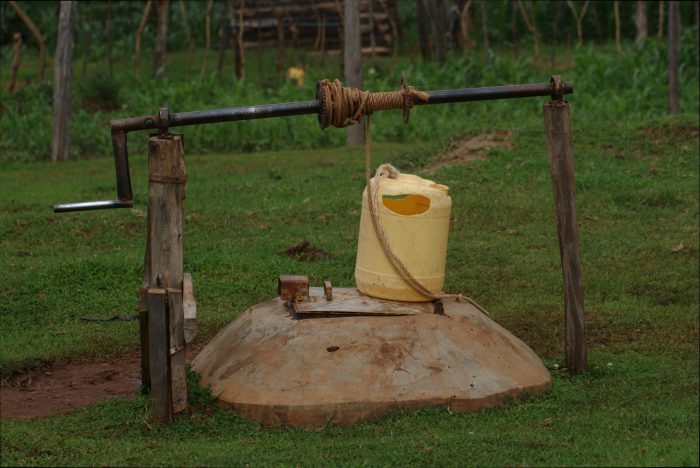
Water supplies in rural regions, including rivers, boreholes, wells, and springs, are systematically evaluated for quantity, quality, and reliability as part of rural water supply monitoring. In addition to detecting contamination and preventing waterborne diseases like typhoid and cholera, it is crucial in making sure that communities have enough and safe drinking water. Monitoring programs help ensure sustainable water management, safeguard public health, and enhance the general welfare of rural populations by routinely assessing physical, chemical, and biological parameters.
1. Objectives of Rural Water Supply Monitoring
The goal of rural water supply monitoring is to guarantee that communities in rural areas have access to safe, adequate, and long-term water through their water systems. Among its primary objectives are the following:
Early Detection of Contamination
- Identify local sources of contamination (for example, waste disposal, agriculture latrines).
- Permit prompt correction
Check How Well Water Programs Are Working
- Evaluate rural water supply initiatives for their efficacy.
- Find places that could use some work
The Well-being of the Public
- Diseases like cholera and typhoid can be prevented
- Detect chemicals and microbes that could cause illness
Make Better Plans and Decisions
- Provide information useful for planning and enhancing water distribution networks
- Verify the water’s quality
- Evaluate biochemical, chemical, and physical parameters
Keep System Working Properly
- Be sure to inspect the storage facilities, pipes, and pumps for any damage
- Detect any inefficiencies, breakdowns, or leaks
Backwater Sustainability
- Suggest ways to save water and use it more efficiently
- Make sure water is available for a long time
Encourage Involvement from the Local Community
- Encourage participation from nearby residents in maintenance and monitoring
- Encourage taking charge and being accountable
Make Sure Water Is Safe to Drink
- Prevent pollution and potential health hazards
- Check the water quality to ensure that it is safe to drink
Ensure Sufficient Amount of Water
- Throughout the year, ensure that the supply is meeting the needs of the community.
- Monitor the speed and level of the water
2. Essential Components of Monitoring
The reliability, sufficiency, and safety of a community’s water supply depend on a number of factors, all of which must be carefully monitored in rural areas.
Evaluating Risk and Notifying Parties Early
- Identify possible risks to water availability and quality
- Allow for a prompt reaction in the event of contamination or system failure
Water Quantity Monitoring
- Monitor the water level, river flow, and seasonal changes
- Find out how much water is available from places like boreholes and wells
Involvement of the Community
- Promptly notify of any issues or maintenance requirements
- Get locals involved in monitoring
Monitoring the Efficiency of the System
- Evaluate the efficiency of the system’s storage tanks, pipes, and pumps
- Look for problems like inefficiency, leaks, or breakdowns
Ensuring Accessibility and Monitoring Service Levels
Find out how simple it is for people to obtain water.
Take into account:
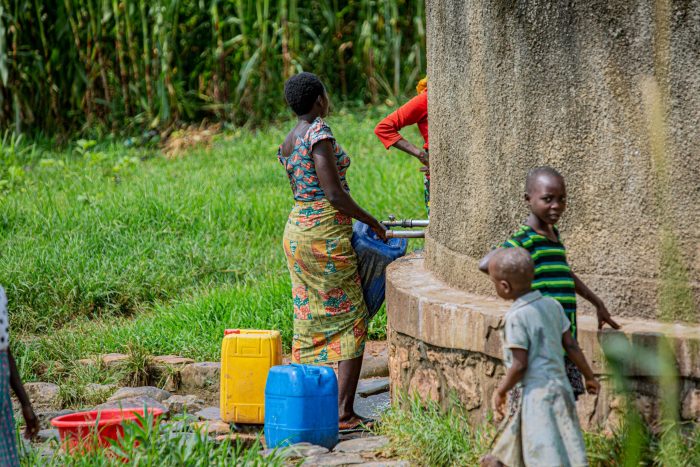
- How far away the water source is
- Length of time required to collect water
- Supply reliability
Collecting Data and Keeping Records
- Keep meticulous records of all observations and findings
- Analysis and decision-making are facilitated by data
Water Quality Monitoring
Find out if the water is fit to drink.
Test:
- Physical: temperature, color, and turbidity
- Chemical: iron, fluoride, pH, nitrates
- Biological: pathogens such as Escherichia coli
Monitoring Operations and Maintenance
- Maintain water systems with frequent servicing
- Maintain a record of scheduled maintenance and repairs
Inspecting for Sanitation - Identify potential sources of contamination, such as landfills, nearby latrines, and areas where animals may have access
- Be sure to inspect the water sources for protection and cleanliness
3. Methods Used
There is a combination of more sophisticated methods for checking water quantity, quality, and system performance with more basic field approaches for monitoring rural water sources.
Sensory Approaches and Observation
- Evaluate things by smelling, tasting, and looking at what they are
- Assists in identifying obvious pollution
Utilization of Simple Technology
- Simple, inexpensive sensors for real-time monitoring
- Data-collecting applications for mobile apps
- Water source mapping using GPS technology
Analysis in a Controlled Environment
- Lab analysis is performed on water samples
- Needs investment of resources and time
- Chemical analysis (for heavy metals, nitrates, and fluoride) and microbiological analysis (for example, E. coli) are among the conducted tests
Regular Inspection and Maintenance
- Locate broken or leaking parts or any obstructions.
- Routine inspections of all storage tanks, pipes, and pumps
Checking for Hygiene - Look for potential sources of contamination, such as poor drainage, animals, and close proximity to restrooms
- Visual evaluation of water supply
Monitoring in the Community
- Residents of the area learn how to monitor their water supply
- Communicate issues, such as shifts in water quality or malfunctions in the system
Keep Track of Information and Report It
- Keep track of all observations and test results
- Utilize digital tools and logbooks to monitor developments over time
Methods for Conducting Field Testing
- Fast, inexpensive, and well-suited to remote areas
- Use on-the-go kits just by the water faucet
- Parameters used for testing, such as turbidity, residual chlorine, or pH
Measuring Water Quantity
- Timing, flow meters, dip meters, and simple containers are some of the tools employed
- How fast rivers and springs flow
- Finds out how much water is in boreholes and wells
4. How Often You Should Monitor
The risk level, parameter type, and water source relevance determine the frequency of monitoring rural water supply. Regular monitoring guarantees the early diagnosis of issues and the ongoing provision of safe water.
Monitoring for Emergencies
- Do it right away if it’s essential, like in the case of suspected contamination, system failure, or floods
Water Quality Testing on a Regular Basis - On a monthly to quarterly basis
- Determine the basic chemical parameters, including residual chlorine, turbidity, pH, and more
Monitoring of System Performance
- Typically, monitoring occurs once a week to once a month
- Ensure that all storage tanks, boreholes, and pumps are in good working order
Testing for Microorganisms
- Either once a month (for sources with a high risk) or once every three months
- Look for harmful bacteria, such as E. coli
- Essential for warding off infectious diseases like typhoid and cholera
Checking for Hygiene
- Once every three months
- Determine potential dangers near water sources
Monitoring by Season
- Carried out while it’s raining (more chance of contamination) and when it’s dry (less water available)
Ongoing (Continuous) Monitoring - Make sure there is water, that the pumps and pipes are working, and that the water is visually appealing in terms of turbidity (cloudiness), smell, and color
- Typically carried out by members of the community or operators
In-Depth Chemical Analysis
- On a yearly or semiannual basis
- Conduct a heavy metal, nitrates, or fluoride test
- These tests are more involved and are typically conducted in professional labs
5. Challenges Facing Rural Monitoring
There are many social, financial, and technical barriers that make it hard to monitor rural water supplies, although doing so is crucial. Some of the main challenges are the following:
Difficulty with Maintenance
- Technical assistance and replacement parts are unavailable
- Pump and system repairs that are overdue
Equipment Is Not Easy to Get By
- It’s possible that the equipment is poorly maintained or old
- Inadequate supply of monitoring tools and testing kits
Inadequate Technical Knowledge
- Inadequate proficiency in the use of monitoring devices
- Too few people have the right skills to administer tests and decipher their findings
Institutional Backing Is Weak
- Inadequate cooperation amongst government bodies
- Insufficient regulations or enforcement
Environmental Factors
- Water quantity and quality are impacted by variations in the seasons, such as drought and rainfall
- Floods pose a threat to water sources
Insufficient Infrastructure
- There is unreliable power supply and a lack of laboratory facilities
- Remote locations are difficult to reach due to poor roads and transportation
Poor Management of Data
- Systematic reporting and record-keeping insufficiencies
- Critical information may be lost or misunderstood
Potential Contamination
- Problems with pollution control in rural areas
- The location’s closeness to landfills, agriculture, and latrines
Minimal Involvement and Knowledge Within the Community
- A lack of knowledge regarding matters related to water safety
- Not participating in monitoring and maintenance
Inadequate Resources
- Problems maintaining consistent monitoring programs
- Insufficient funds for tools, testing, and repairs
Irregular Monitoring
- Frequency and consistency of testing are lacking
- This leads to data gaps and delays in issue detection
6. Enhancements and Solutions
a. Ongoing Maintenance
- Keeping water sources safe
- Water system repairs done promptly
b. Assistance from Public and Private Sectors
- Enforcing and putting policies into action
- Continual monitoring and financial support
c. Application of Simple Technologies
- Collecting data through mobile devices
- Cost-effective test kits
d. Involvement of the Community
- Educate community members on how to monitor water quality
- Positivity and accountability should be fostered
7. Rural Water Monitoring: Why It Matters
If we want to make sure that people in rural areas can always rely on their water supply, we need to examine it closely. Some of its key features are:
Supports Sustainable Use of Water
- Monitors level of water and use
- Avoids the wasteful use and eventual depletion of water supplies
Enhances Living Standards
- Ensures consistent availability of potable water
- Assists with sanitation, hygiene, and general health
Makes Sure Water Is Safe to Drink
- Water satisfies safety standards, as confirmed by regular testing.
- Contributes to the preservation of physically, chemically, and biologically acceptable quality
Promotes Greater Involvement and Knowledge Within the Community
- Gets people on the ground to help with water management
- Assists in preserving water sources and encouraging their responsible use
Keeps System Working Properly
- For storage systems, pipes, and pumps, it aids in fault detection
- Maintains a steady and dependable water supply
Enhances Decision-Making and Planning
- Assists local and national organizations in making wise use of available funds
- Information useful for planning and enhancing water distribution systems
Decrease Economic Costs
- Reduces sick days, which boosts productivity
- Keeps health costs and costly repairs at bay
Ensuring the Well-being of the Public
- Makes sure there are no dangerous substances in the water
- Protects against infectious diseases including typhoid and cholera
Detecting Contamination Early
- Identifies sewage treatment plants, agriculture, and latrines as potential sources of pollution
- Permits prompt action before issues escalate
Conclusion
In order to maintain safe, rich, and environmentally friendly water sources for community usage, it is crucial to monitor rural water supplies. Risks can be discovered and mitigated before they cause major health problems like typhoid fever and cholera fever by routinely assessing water quantity, quality, and system performance. Protecting public health and fostering sustainable water management in rural regions requires effective rural water supply monitoring, community participation, and proper maintenance. Get in touch with us today.