
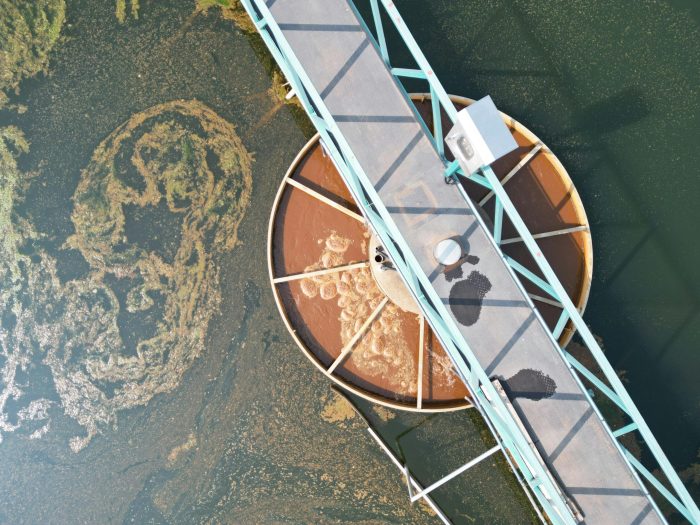
To prepare incoming wastewater for further treatment stages, screening is the initial and arguably most critical step in the process. Screening is designed to eliminate debris and large solid objects. Paper, rags, plastics, sticks, and other large objects are common in wastewater from commercial areas, industries, and homes; if not removed promptly, these materials can harm machinery or clog pipes. While the water flows through the treatment system, the undesired items are trapped during screening as the wastewater flows through mesh screens or metal bars. Wastewater treatment becomes more efficient with effective screening, which also decreases the cost of maintenance, protects treatment equipment, and helps to protect the public’s health and the environment.
Objectives of Screening in Wastewater Treatment
Wastewater treatment plants rely on screening as a crucial initial treatment step. Its primary functions are material removal and protection of the treatment system from operational issues involving big solids.
Removing Large Solids
- Sort through and discard big items like paper, rags, plastics, sticks, and cans and bottles
Reduce the Cost of Maintenance
- Reduce the frequency and cost of equipment failure and repairs
- Minimize disruptions in operations
Protect the Equipment
- Decrease damage from solid materials
- Preventing damage to pipes, valves, pumps, and other treatment equipment
Improve the Efficiency of Treatment
- Remove anything that could get in the way of later treatments
- Enhance efficiency in both the primary and secondary stages
Ensure the Plant Runs Safely
- Maintain wastewater treatment systems in a consistently reliable state of operation
Prevent Clogs
- Prevent big objects from getting stuck in the treatment units and pipe
- Make sure the plant’s wastewater flows smoothly
Protect the Environment
- Raise the standard of effluent treatment prior to release into the environment
Decrease Floating Substances
- Remove waste that’s floating around, which could be an eyesore or generate a bad smell
Types of Screens Used
In the initial stage of wastewater treatment, screens are employed to filter out large solids. Screens are utilized in treatment plants based on the size of the solids that need to be removed.
Rotary Drum Screens
- Cylindrical screens that spin and have tiny holes punched into th
- Get rid of fine suspended solids
Importance
- Works well for screening processes that are ongoing
Travelling Screens
- Automatically collecting and removing trash with continuously moving screens
Importance
- Appropriate for use in large-scale wastewater treatment plants
Fine Screens
- Typically use smaller holes, ranging from 1 to 25 mm in diameter
- Get rid of smaller suspended debris and solids
Importance
- Make subsequent phases of treatment more effective
Micro Screens
- Ultra-fine screens that trap and remove minuscule suspended particles
Importance
- Prior to advanced treatment, provide better water quality
Bar Screens
- Use a pair of metal bars set parallel to one another and put across the wastewater flow
Types
- Mechanical bar screens
- Manual bar screens
Importance
- Typically employed for removing substantial waste
Mechanical Screens
- Cleaned mechanically and autonomously
- Well-suited for use in sprawling wastewater treatment facilities
Importance
- Minimize the need for physical effort while enhancing operational efficiency
Manual Screens
- Typical of undersized treatment systems
- Tools or rakes help in manual cleaning
Importance
- Easy and inexpensive approach
Step Screens
- To remove screened materials, use moving steps to lift them
Importance
- Capable of efficiently managing substantial quantities of waste
Coarse Screens
- Have big holes, often 25-100 mm
- Take out any bulky items like bottles, plastics, sticks, and rags
Importance
- Prevent damage to and clogs in pipes and pumps
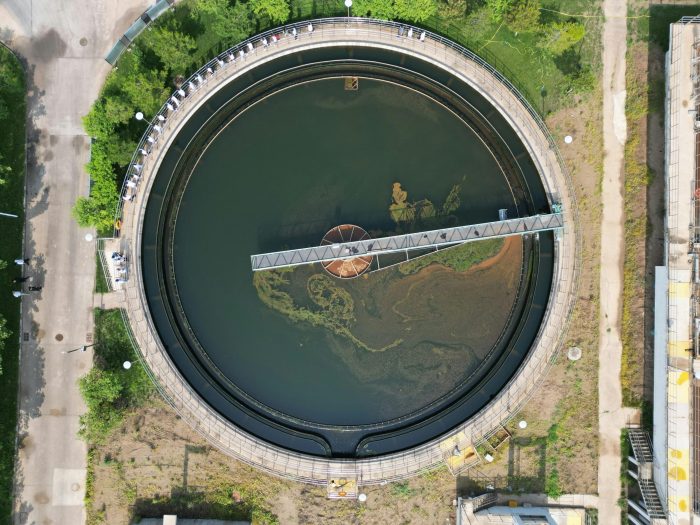
How Screening Works in wastewater Treatment
Before wastewater proceeds to the next stage of treatment, it must first undergo screening, which involves the removal of debris and large solid objects using screens.
Wastewater Makes Its Way into the Screening Chamber
- Channels and pipes carry incoming wastewater to the treatment facility
- It transports solids including bottles, cans, paper, rags, plastics, sticks, and more
Wastewater is filtered by Screens
- The wastewater is passed through screens constructed of mesh and metal bars
- Water can enter through the spaces between the bars, but big particles can’t escape
Trapping Large Solids
- Large solids are still visible on the screen
- The next stage of treatment is only for wastewater and tiny particles
Remove Screened Materials
a. Manual Cleaning
- Using rakes or other tools, workers extract the trapped materials
b. Mechanical Cleaning
- Robots remove debris from screens by scraping and lifting them
- After collection, the trash is taken to the dump
Screening Disposal
- To avoid contamination, the removed solids are either disposed of correctly, burned, or buried in landfills
Advance to the Next Stage
- Primary treatment and grit removal units receive wastewater after screening
Importance of Screening
To prevent operational issues with the treatment system and to eliminate large solid pollutants, screening is a crucial initial step in wastewater treatment.
1. Minimizing Operational Issues
- Prevents plant operating disruptions, equipment failure, and overflow
2. Protect the Environment
- Makes wastewater treatment more effective before it is released into the environment
- A less polluted river and lake environment is one benefit
3. Prevent Clogs
- Prevents solids from clogging treatment units and pipes
- The plant’s wastewater flow is maintained smoothly
4. Remove Visible and Floating Waste
- Makes the wastewater that is being fed into the plant look cleaner and more presentable
5. Enhance the Efficiency of Treatment
- Removes anything that could get in the way of the primary and secondary treatment processes
- Improves the effectiveness of later treatment phases
6. Sludge Management Support
- Minimizes the amount of solids that should enter sludge treatment units
- Enhance the efficient handling of sludge
7. Protect the Public’s Health
- It lessens the likelihood of water contamination and diseases like cholera and typhoid fever, and it helps with wastewater treatment
8. Prevention of Damage to Treatment Equipment
- Removal of large debris, including bottles, rags, sticks, and plastic
- Protects pipes, valves, and pumps from harm
9. Reduce the Cost of Maintenance
- Reduce wear and breakdown of equipment
- Cuts down on maintenance and running costs
Screening Limitations
Screening is a crucial first step in treating wastewater, but it has its limits since it mostly filters out large solids.
Potential Mechanical Breakdowns
- Maintenance and repairs might drive up the cost of operation
- Operational issues or breakdowns with mechanical screens are possible
Limited Environmental Protection
- Wastewater still necessitates additional treatment due to the persistence of several contaminants even after screening
Does Not Work Against Microbes
- The screens allow harmful microbes like viruses, parasites, and bacteria to pass through.
- Diseases like cholera and typhoid fever necessitate extra disinfection and treatment
Solid Waste Production
- Environmental pollution can occur as a result of improper disposal
- Sorting, collecting, and disposing of screening materials correctly is essential
Doesn’t Decrease COD or BOD Noticeably
- While screening does a good job of removing larger solids, it has minimal impact on the levels of biological and chemical oxygen demand
Minimal Extraction of Fine Particles
- It is possible for fine particles and suspended solids to flow through the holes in the screen
Issues with Odor
- If waste is not removed promptly from screens, it might accumulate and cause unpleasant smells
Need for Further Steps in the Treatment Process
- Water treatment using screening alone is insufficient
- For full purification, it is important to undergo primary, secondary, and tertiary treatments
Unable to remove Dissolved Contaminants
- This process cannot remove organic substances, salts, or dissolved chemicals in effluent
Clean Regularly
- Trapped materials have the potential to obstruct screens
- Needs regular maintenance and cleaning
Conclusion
An important first step in treating wastewater, screening helps filter out big solids, including sticks, rags, plastics, and other debris. This procedure enhances the effectiveness of later stages of treatment, safeguards treatment equipment, and keeps pumps and pipes clear of obstructions. Sewage treatment systems rely on screening to keep things running smoothly, even if it can’t get rid of fine suspended particles, microbes, or dissolved contaminants. Safety for the public, preservation of the environment, and conformity with regulations are all aided by efficient screening. Contact us today.