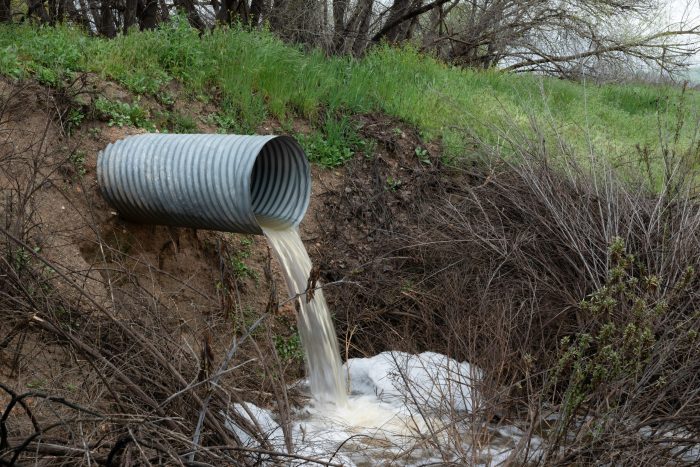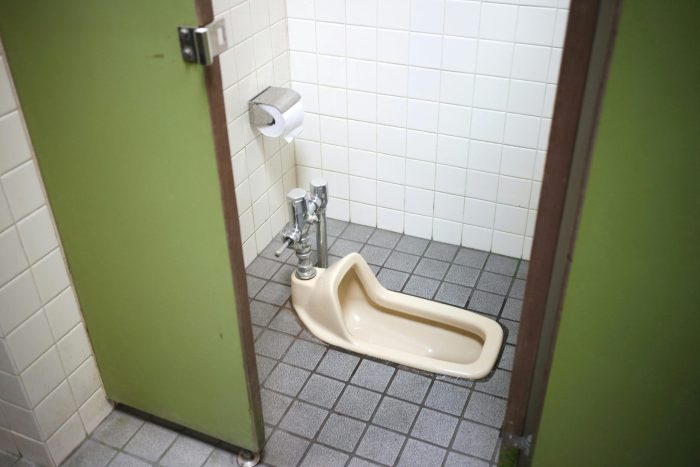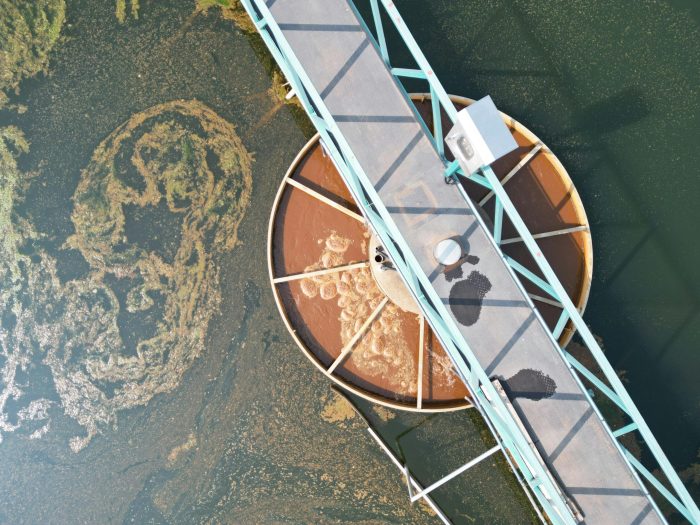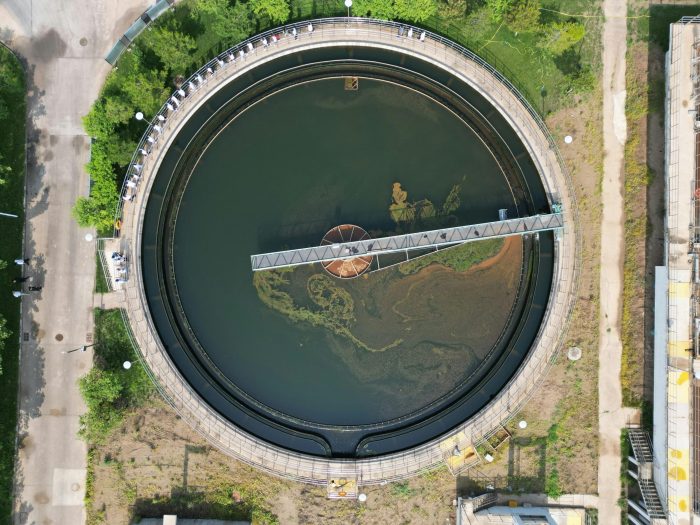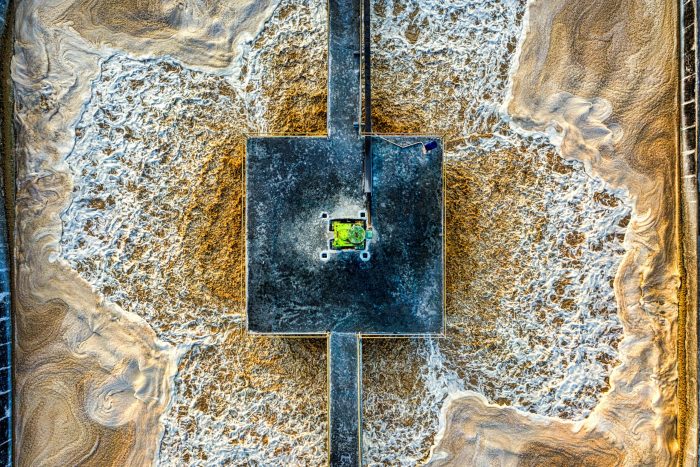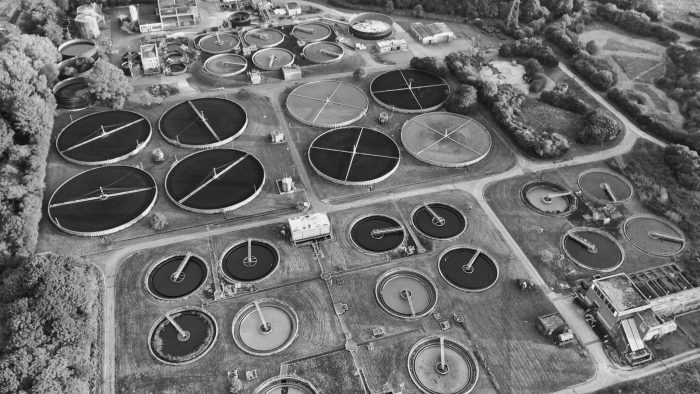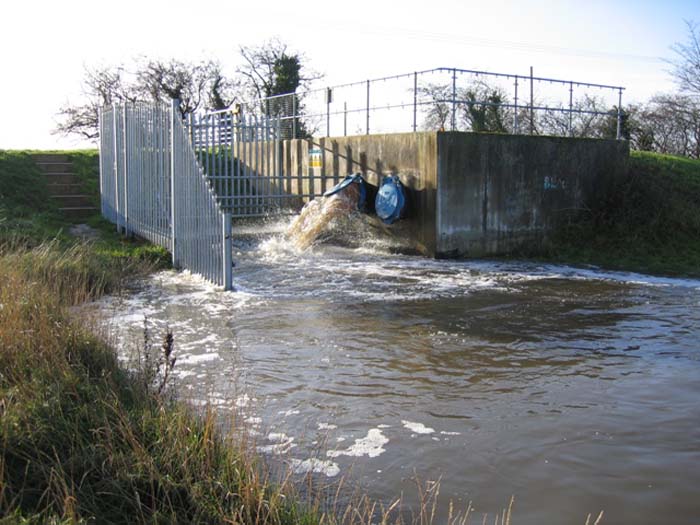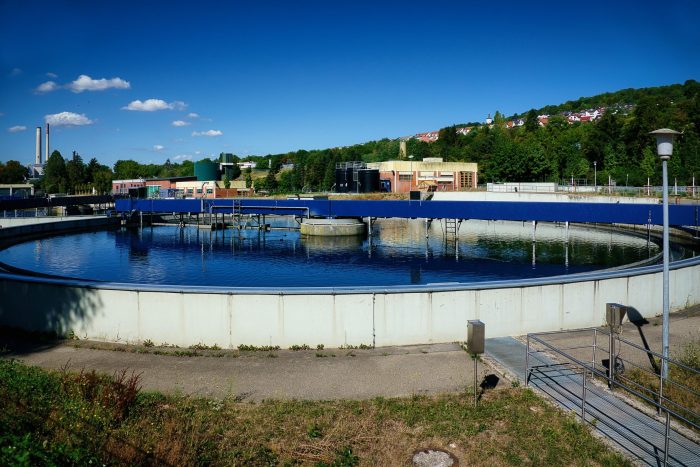
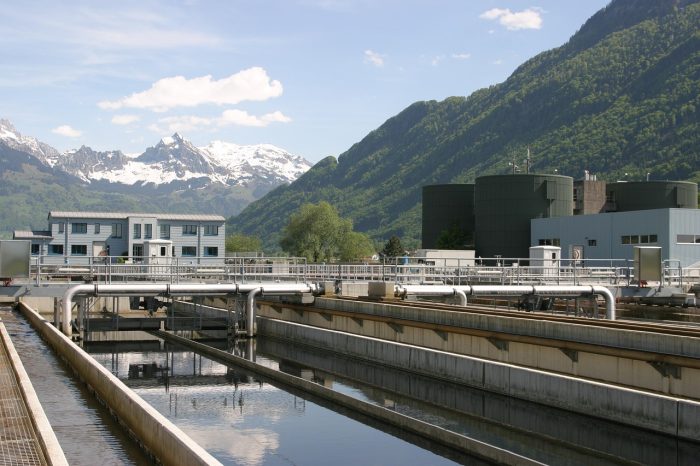
The collection, treatment, and safe disposal of water produced in rural areas is known as rural wastewater treatment. Without adequate management, wastewater from small businesses, farms, and homes poses a threat to public health because it contains nutrients, toxic microbes, organic matter, and other contaminants. Simple and inexpensive treatment methods are more suited to rural populations than urban ones because of the lack of centralized sewer systems, financial resources, and limited infrastructure in rural areas.
A few examples of rural wastewater treatment methods are anaerobic digesters, stabilization ponds, septic tanks, and constructed wetlands. Efficient rural wastewater treatment can mitigate environmental pollution, poor sanitation, water resource depletion, and disease transmission.
Common Rural Wastewater Treatment Methods
When it comes to managing and treating wastewater, rural communities often turn to simple, economical, and environmentally friendly alternatives. These procedures help remove organic matter, harmful microbes, and contaminants before releasing wastewater into the environment or reusing it.
1.Greywater Reuse Systems
- Using treated greywater for cleaning and irrigation instead of untreated water from laundry, baths, and Kitchens
- Minimizes the release of wastewater and helps preserve water resources
2. Stabilization Ponds
- Shallow ponds are used to store wastewater; the water is naturally treated by microbes, algae, and sunlight
- Affordable treatment that is well-suited to areas with rural communities and warm weather
3. Biofiltration Systems
- Contaminants in wastewater are removed by the use of biological filters that house microbes
- Improves the quality of wastewater in a natural way
4. Non-Oxygen Digesters
- In an oxygen-free environment, microbes decompose organic waste
- Makes biogas for energy purposes while decreasing sludge volume
5. Soil Absorption Systems
- Soil is used as a natural filter and purifier for wastewater that has been partially treated
- Helps soil microbes handle water more effectively and recharge groundwater
6. Sand and Gravel Filters
- Sand and gravel filters help to filter out microbes and suspended solids as wastewater flows through
- Filtration approach that is both simple and economical
7. Composite Toilets
- Biodegradation of human waste into compost does not necessitate extensive water usage
- Improves sanitation while reducing water consumption
8. Built-Up Marshes
- Microbes, soil, and plants work together in artificial wetlands to filter out pollutants in wastewater
- Treatment that is both sustainable and kind to the environment
9. Septic Tank Systems
- Solids sink to the bottom, and organic matter decomposes to a certain extent in an underground tank into which wastewater flows
- The typical rural home’s approach to treating wastewater
- Effortless and affordable
10. Reduced Oxidation Zones
- Microbes decompose organic contaminants as wastewater is cycled in shallow channels
- An efficient biological treatment approach for rural areas
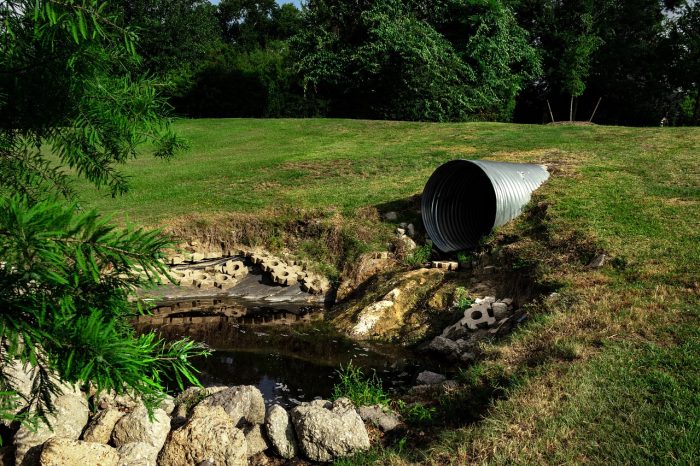
Sources of Rural Wastewater
The wastewater that is produced in rural areas is a result of a wide range of human activities, including small-scale industrial, farming, and household activities. In the absence of adequate management and treatment, the suspended solids, microbes, organic matter, chemicals, and nutrients pose a threat to water sources.
Wastewater from Septic Tank
- Wastewater that has undergone partial treatment and is then discharged into soil absorption systems or soak pits from septic tanks
Graywater
- Non-potable water runoff from sources such as the kitchen, bathing, and washing activities
- Common wastewater source in rural households
Runoff from Farms
- Runoff from farms that carries various contaminants such as soil particles, pesticides, fertilizers, and animal waste
- A key influence on water quality in rural areas
Domestic Sewage
- Discharges from laundry activities, kitchens, toilets, and bathrooms
- Food particles, human waste, oil and grease, and detergents and soap are among the components
Livestock Waste
- Runoff from poultry farms, dairy farms, and animal shelters
- Organic waste, urine, or animal manure are some of the components
Blackwater
- Runoff from toilets and other facilities that contains human waste
- High levels of organic matter and pathogens
Runoff from Stormwater
- Runoff from precipitation that carries pollutants into water systems from land surfaces
- Have the ability to move sediments and waste into waterways
Local Amenities
- Effluent from public sanitation facilities, health centers, schools, and markets in rural areas
Wastewater from Slaughterhouses
- The water that runs off the meat processing and slaughtering processes
- Comprises organic matter, fat, and blood
Wastewater from Small-Scale Industries
- Effluent from rural industries like agro-processing, dairy processing, and food processing
- Organic contaminants, oils, and chemicals could be present
Effects of Untreated Rural Wastewater
Community development, water resources, public health, and the environment are all at risk when rural wastewater goes untreated. Untreated wastewater is a major source of environmental pollution and disease transmission since it contains chemicals, organic matter, microbes, and nutrients.
Pollution of Water Habitats
- Fish and other aquatic creatures are harmed by low oxygen levels and toxic substances
Spread of Waterborne Diseases
- Dangerous bacteria found in untreated wastewater can cause diseases such as dysentery, typhoid fever, and cholera
Soil Contamination
- Soil degradation and decreased crop yields could be the result of wastewater’s harmful pathogens and chemicals
Worsening Environmental Conditions
- Contaminates aquatic life and soil
- It’s toxic to aquatic life and can kill fish and plants
Groundwater Pollution
- It’s possible for wastewater to seep into aquifers that people use for drinking water
Algae Growth
- Algae blooms are a common result of water bodies having an overabundance of nutrients like nitrogen and phosphorus
- Lowers the water’s oxygen content
- Kills fish and other aquatic life
Increase in Biological Oxygen Demand
- Organic contaminants increase oxygen consumption in bodies of water.
- As a result, less oxygen is available to aquatic organisms
Unpleasant Environment and Bad Smells
- Unsanitary living conditions and bad odors are results of organic matter decomposing
Financial Setbacks
- Rising cost of healthcare as a result of epidemics
- Community members impacted experience decreased productivity
Transmission of Insects and Diseases
- Disease-carrying flies and mosquitoes may thrive in stagnant wastewater
Poor Sanitation and Deteriorated Living Conditions
- Makes life in rural villages less pleasant and hazardous for residents
Water Contamination
- Pollutes surface and underground water sources as well as water in lakes, rivers, and wells
- Lowers the standard of potable water
Importance of Rural Wastewater Treatment
Rural wastewater treatment emphasizes preventing environmental contamination, improving sanitation, and safeguarding public health. Before being released into the environment or reused, wastewater must undergo proper treatment to eliminate dangerous pollutants, microbes, and chemicals.
Boosting Health and Productivity in the Community
- Healthy communities become more productive in economic, farming, and educational activities
Prevent Water Contamination
- Protects groundwater, lakes, rivers, and wells from pollution by untreated effluent
Protect Water Supplies
- Keeps the water potability of rural areas’ water sources high
Decreasing Unsanitary Conditions and Offending Smells
- Environmental nuisance and odors are diminished with appropriate treatment
Improve Sanitation
- Encourages rural communities to adopt cleaner and healthier living conditions
Supports Sustainable Development
- Promotes safe practices for wastewater management and reuse
Promoting the Reuse of Agricultural Waste
- The safe reuse of treated wastewater for farming and irrigation purposes is possible in certain instances
Elimination of Dangerous Substances
- Keeps wastewater free of microbes, suspended solids, nutrients, and organic matter
Protect the Public’s Health
- Prevents the transmission of cholera and typhoid fever, two waterborne diseases
- Decreases human exposure to pollutants and dangerous pathogens
Protecting the Environment
- Decreases water ecosystems and soil contamination
- Helps in the preservation of aquatic life and biodiversity
Challenges of Rural Wastewater Treatment
When it comes to collecting, treating, and disposing of wastewater, there are a number of challenges that rural areas must overcome. Lack of skilled support, insufficient funding, limited infrastructure, and poor sanitation practices are the primary causes of these problems.
Constrained Budgets
- A lack of funding prevents many rural communities from constructing or purchasing necessary treatment facilities and equipment as well as maintaining effluent systems
Contamination of Drinking Water with Diseases
- Cholera and typhoid fever are diseases that can spread due to improper wastewater disposal
Climate and Seasonal Challenges
- The availability of water for sanitation is diminished by droughts
- Contamination and damage to treatment systems may result from floods
Skilled Personnel Shortage
- Problems with running and maintaining treatment systems due to a lack of qualified operators and technical specialists
Expanding Human Population
- Water treatment facilities are overwhelmed by the amount of wastewater generated by the growing population
Challenges in Wastewater Quality Monitoring
- Regular monitoring is made difficult by limited labs and testing facilities
Few People Know About It
- Some communities may not have enough education on how to properly manage wastewater and maintain clean sanitation facilities
Treatment System Failure Due to Lack of Maintenance
- When systems like ponds and septic tanks aren’t properly maintained and repaired, they can eventually fail
Exorbitantly Priced Treatment Equipment
- It’s possible that necessary supplies like treatment chemicals, pipes, and pumps are out of reach or too costly
Lack of Sufficient Facilities
- Wastewater management is made more challenging by the absence of modern treatment facilities and sewer systems
Government Policy and Support Gap
- Sanitation and wastewater management standards are not being enforced adequately in many rural regions
Pollution in the Environment
- Negligible treatment of wastewater poses risks to aquatic ecosystems, soil, and water quality, as well as unpleasant odors
Pollution of Water Sources
- Poor hygiene practices exacerbate pollution and disease risks through inappropriate waste disposal and open defecation.
- Polluting groundwater sources, wells, rivers, and lakes is a potential problem with untreated wastewater
- Pollution and disease risks are increased by practices such as inappropriate waste disposal and open defecation
Conclusion
To safeguard public health, enhance sanitation, and prevent environmental contamination in rural areas, wastewater treatment is crucial. Anaerobic digesters, artificial wetlands, septic tanks, and stabilization ponds are some of the ways that wastewater can be treated to eliminate bacteria, viruses, and other potentially dangerous substances. Protecting groundwater, rivers, and other water resources from pollution and reducing the spread of waterborne diseases are both achieved through effective rural wastewater management. Better health, sustainable development, and a higher quality of life are all benefits of treating wastewater in rural regions. Contact us today.