
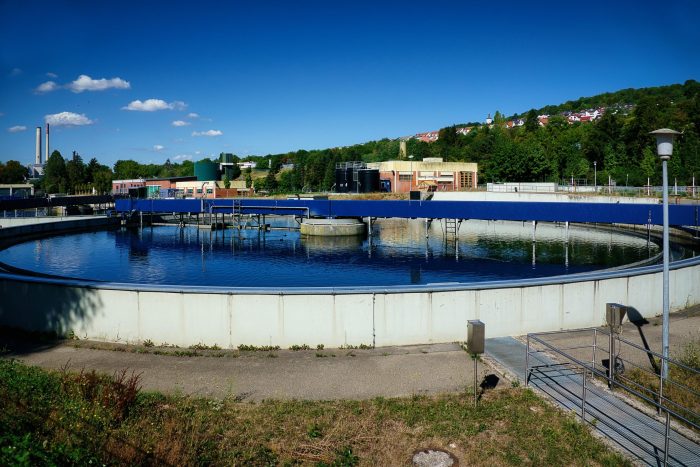
The physical, chemical, and biological properties that define the composition and quality of wastewater are collectively known as its characteristics. The features that indicate the level of water pollution and the necessary treatment methods differ based on the source, which can be agricultural, industrial, or domestic activities. It is important to understand these characteristics of wastewater for effective treatment and management. This helps identify contaminants present and assess possible health and environmental risks, ensuring the water at the end meets the standards set.
Physical Properties of Wastewater
A wastewater sample’s physical properties are its measured and observable features that influence its visual and behavioral aspects.
1. Transparency
- Pertaining to turbidity
- Determines the light transmission through water
2. Smell
- A strong smell is often a sign of low oxygen levels or pollution
- The strong smell originates from gases released during the rotting process
- Hydrogen sulfide, which smells like rotten eggs, and musty or greasy scents are common odors
3. Total Dissolved Solids
- Substances in a dissolved state, including minerals and salts
- Changes the water quality and taste
4. Temperature
- Dissolved oxygen levels are decreased by high temperatures
- Has an effect on biological activity and chemical reactions
- Wastewater from industries is typically warmer than freshwater
5. Total Suspended Solids
- Floating solids (such as organic matter, silt, or sand)
- Issues with turbidity and sedimentation
6. Matter That Floats
- Includes debris, grease, and oil
- Floats effortlessly on water’s surface
- Influences the transfer and appearance of oxygen
7. Color
- Shows the presence of suspended or dissolved substances
- Clean wastewater has a light brown or grey color
- Black or dark brown is the color of septic wastewater
- Metals, dyes, or organic matter are the culprits here
8. Conductivity
- Determines the electrical conductivity of water
- Shows the existence of salts
9. Turbidity
- This is the amount of cloudiness produced by particles in suspension
- Light cannot penetrate through highly turbid media
- Signals the existence of particles or bacteria
Importance of Physical Properties of Wastewater
The physical properties of wastewater are important because they provide visual indications of its quality and serve as tools for decision-making in treatment and management.
1. Protection for your infrastructure
- Debris and solids have the potential to block pipes and damage equipment
- Clogs can be prevented through monitoring
2. Protecting the environment
- Reduced light penetration and its effects on aquatic life are caused by high turbidity
- Ecosystems are vulnerable to the effects of suspended solids
3. Basis for choice of treatment process
- Need for filtration and sedimentation due to high suspended solids
- Oil and grease necessitate separation methods
4. Operational control
- Temperature affects both chemical and biological treatments
- Aids in maximizing the efficiency of the system
5. Preserving the well-being of the public
- There are physical signs that can indicate potential contamination
- You can help avoid two diseases: typhoid and cholera
6. Acceptability and aesthetic factors
- Considerations like appearance, smell, and color impact the water’s suitability for use
- Essential for both discharging and reusing
7. Sources of pollution detection
- If you notice any strange smells or colors, it could be a sign of contamination or industrial runoff
8. Initial water quality assessment
- Assist in determining if water is septic, contaminated, or even clean
- Indicators such as turbidity, smell, and color can quickly detect pollution
9. Monitor the efficiency of treatment
- Solids, color, and turbidity changes indicate the efficiency of the treatment
- Water that is clearer signifies better quality
Chemical Properties of Wastewater
In order to determine the extent of contamination and the best course of treatment, it is essential to know the chemical properties of the compounds in wastewater.
1. Total Dissolved Solids
- Consists of dissolved chemicals, minerals, and salts
- Water quality and taste are impacted by high TDS levels
2. Grease and Oils
- Organic substances with a tendency to float
- Disrupt the course of treatment
3. Biological Oxygen Demand
- Determines how much oxygen microbes need to break down organic matter
- An elevated BOD suggests high organic contaminants
4. Hardness
- Magnesium and calcium salts are the culprits here
- Pipe scaling and soap use are both impacted
5. Chemical Oxygen Demand
- Measures how much oxygen is needed to oxidize both organic and inorganic substances chemically
- Typically surpasses BOD levels
6. Nutrients
- Phosphorus (P) and Nitrogen (N)
- Algal blooms, or eutrophication, are due to an excess of nutrients
7: Toxic Substances
- Chemicals used in industry, such as solvents and pesticides
- Cadmium, mercury, and lead are heavy metals
- Detrimental to ecosystems and people
8. Dissolved Oxygen
- The volume of oxygen in the water solution
- Water quality is poor and pollution levels are high when dissolved oxygen levels are low
9. Alkalinity
- Water’s acid-neutralizing abilities
- Maintains a steady pH level
10. Sulfates and Chlorides
- The typical salts dissolved in wastewater
- Pollution may be indicated by high levels
11. pH
- Reveals the pH level of the wastewater
- The usual range is between six and nine
- High or low pH can have negative effects on treatment effectiveness and on aquatic life
Importance of Chemical Properties
Dissolved substances in wastewater can be identified by their chemical properties, which reveal their nature, concentration, and possible effects. When it comes to protecting the environment, controlling pollutants, and designing treatments, they are indispensable.
1. Controlling the Efficiency of Treatment
- Treatment effectiveness is influenced by factors including hardness, alkalinity, and pH
- Assists in the optimization of chemical dosage and procedures
2. Guiding Methods of Treatment
What works best as a treatment depends on the chemical composition:
- The biological treatment is necessary due to the high organic load
- Chemical precipitation due to heavy metals
- Hazardous substances – cutting-edge treatment
3. Protecting the Environment
- Underground water sources, lakes, and rivers are less likely to be polluted
- Protects ecosystems from harm and decreases oxygen depletion
4. Public Health Protection
- Detect dangerous substances, such as hazardous compounds and heavy metals
- Keep people safe from drinking polluted water
5. Monitoring Water Quality Standards
- Makes sure wastewater doesn’t exceed the set discharge limits
- Assists with meeting environmental compliance
6. Determining the Level of Pollution
- Water pollution can be measured by indicators like COD and BOD, which stand for chemical oxygen demand and biological oxygen demand, respectively
- Categorize effluent as either strong or weak
7. Preventing Damage to the Infrastructure
- Equipment and pipes can corrode or scale due to chemical imbalance
- Protection of treatment systems is aided by monitoring
8. Support the Recovery of Resources
- Assists in the recovery and reuse of beneficial substances such as salts or nutrients
9. Toxicity Detection
- Identifies toxic substances like heavy metals, solvents, and pesticides
- Assists in avoiding contamination over the long term
Biological Properties of Wastewater
The presence of living organisms in wastewater, particularly bacteria, affects water quality, the rate of organic matter decomposition, and the hazards to human health; these are known as biological properties.
1. Pathogens
- Include helminths, viruses, bacteria, and protozoa
- Causes both cholera and typhoid fever
2. Viruses
- Viruses carried by microscopic organisms
- Penetrate wastewater systems via feces
- Can infect humans and lead to devastating diseases like polio and hepatitis A
3. Algae
- Thrive in phosphorus- and nitrogen-rich effluent
- May participate in photosynthesis by releasing oxygen
- Issues with water quality may arise from overgrowth
4. Protozoa
- Organisms with just one cell
- Some of them are harmful and can lead to gastrointestinal problems
- Giardia and amoebas are two examples
5. Fungi
- Allow organic materials to decompose
- Commonly found in industrial wastewater
6. Indicator Organisms
- To assess the level of contamination
7. Bacteria
- Bacteria found in wastewater in the highest concentrations
- Anaerobic bacteria operate without oxygen and create gases (such as hydrogen sulfide and methane), while aerobic bacteria rely on oxygen to decompose organic matter
- Some of them are dangerous, or pathogenic
8. Parasitic Worms
- These worms include tapeworms, hookworms, and roundworms
- Infectious eggs can live in wastewater
Importance of Biological Properties
Water quality, treatment methods, and public health are all impacted by the levels, types, and microbe activities present in wastewater, which is why biological attributes are so crucial.
1. Show the Current Pollution Level
- Organic contamination is typically higher when there are a lot of microorganisms
- Facilitates assessment of the wastewater’s level of contamination
2. Basis for Biological Treatment
- Microbes decompose organic matter in wastewater treatment
- Bacteria are essential to processes such as trickling filters and activated sludge
3. Protecting the Well-being of the Public
- Detects infectious pathogens, including parasites, viruses, and bacteria
- Aids in the prevention of typhoid fever and cholera
4. Detects Fecal Contaminations
- The presence of indicator organisms like E. coli indicates sewage pollution
- Identifies unsafe sources of water
5. Evaluating the Effectiveness of Treatment
- An indicator of successful wastewater treatment is a decrease in the microbial load
- To help in the assessment of treatment plants’ efficiency
6. Protecting the Environment
- Prevents the discharge of potentially dangerous microbes into waterways
- Helps to protect ecosystems and marine life
7. Controlling Odors and Decomposition
- Microbes have a role in how organic matter decomposes
- Wastewater systems with adequate control have fewer unpleasant odors
Conclusion
To effectively treat and manage wastewater, one must have a thorough understanding of its properties. The identification of pollutants, evaluation of hazards to human and environmental health, and selection of suitable treatment strategies are all made possible by the analysis of its physical, chemical, and biological properties. In order to ensure that treated water complies with safety standards set, it is important to properly evaluate these qualities. Such monitoring helps to avoid the spread of diseases like typhoid fever and cholera. Improving public health, protecting the environment, and managing water resources sustainably are all outcomes of these efforts. Contact us today.