
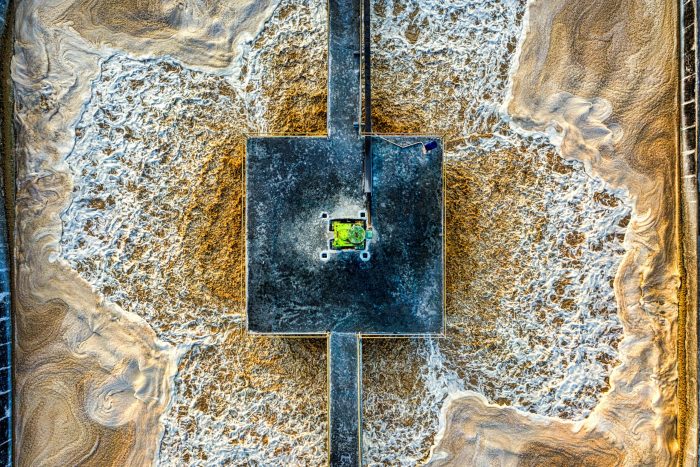
Bacteria are essential in wastewater treatment because they aid in the natural biological breakdown and removal of organic contaminants from wastewater. These microbes break down complex organic materials like industrial waste, food waste, and sewage into safer, less toxic forms. Bacteria play an important role in biological treatment systems used in wastewater treatment plants. These systems include septic tanks, trickling filters, activated sludge processes, and others that aim to decrease contamination levels and enhance water quality. Their actions safeguard both human and environmental health by decreasing dangerous pathogens, removing nutrients, and lowering biological oxygen demand.
Here are Some Roles of Bacteria in Wastewater Treatment:
1. Biological oxygen demand reduction
- Bacteria reduce the BOD of wastewater by breaking down organic matter
- Prior to discharge, it enhances water quality
2. Stabilizing Sludge
- Sludge can be broken down by anaerobic bacteria even when oxygen isn’t present
- Develop biogas, including methane, while decreasing sludge volume
3. Remove Dangerous Contaminants
- Some bacteria aid in the removal of nutrients and harmful substances from wastewater
- Decrease contaminants in treated water
4. Decreasing Smell
- A decrease in unpleasant smells produced by decaying waste is assisted by appropriate bacterial activity
5. Organic Matter Decomposition
- Industrial waste, sewage, and food articles are examples of organic waste that bacteria feed on.
- Decompose organic substances into safer, simpler forms
6. Support Biological treatment systems
- Systems like septic tanks, trickling filters, activated sludge processes, and oxidation ponds rely on bacteria
7. Nitrification and Denitrification
- These bacteria help to convert ammonia to nitrites and finally nitrates
- Denitrification changes nitrates into nitrogen gas
- Assists in the process of removing surplus nitrogen from wastewater
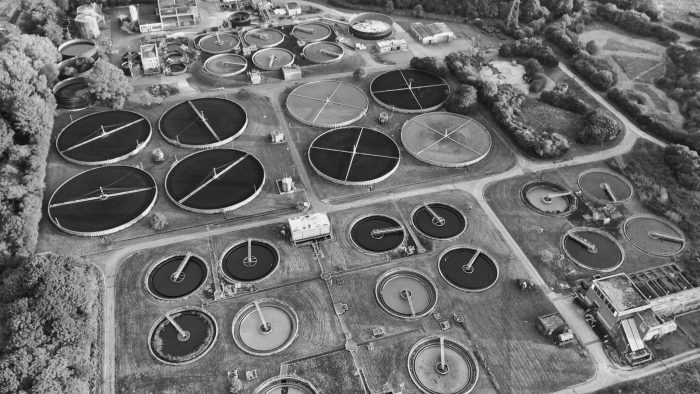
Types of Bacteria in Wastewater Treatment
Wastewater treatment involves the use of many microbes, each of which contributes to the degradation of contaminants and the improvement of water quality in its own unique way.
1. Anaerobic Bacteria
Reduced Power Needs
- No oxygen is necessary for anaerobic bacteria to survive, in contrast to aerobic systems
- Aeration energy costs are reduced
Stabilizing Sludge
- Assist in lowering the sludge’s organic solids content
- Make sludge that is safer to dispose of or reuse by making it more stable
Protecting the Public’s Health
- Encourage healthy wastewater disposal practices and lessen the likelihood of infectious diseases like cholera and typhoid
- To lessen the impact of dangerous pathogens and organic contaminants
Protecting the Environment
- Minimize contamination prior to wastewater discharge
- Keep aquatic ecosystems and water sources
Producing Biogas
- Decompose to release biogas rich in methane
Treating Extremely Potent Wastewater
- Works well for the treatment of sewage sludge, agricultural runoff, and industrial wastewater due to its high organic content
Biochemical Oxygen Demand Reduction
- Aid in reducing wastewater organic pollutant levels
- Make wastewater treatment more effective in the long run
Back Eco-Friendly Garbage Management
- Help establish long-term strategies for wastewater treatment
- Promote the conversion of waste into energy and valuable by-products
Decompose Organic Matter
- Sludge and wastewater contain complex organic matter that anaerobic bacteria decompose
- Reduce complex substances like waste to their most basic forms, like carbon dioxide and methane
Decreasing the Volume of Sludge
- Anaerobic digestion reduces the amount of produced sludge
- Saves the cost of treatment and disposal
2. Aerobic Bacteria
Protecting the environment
- Reduce the organic load in wastewater, which helps to prevent river and lake pollution
- Keeps aquatic habitats safe
Decomposing organic matter
- Organic waste, including industrial waste, food particles, and sewage, is the food source for aerobic bacteria
- Converting complex organic substances into less dangerous ones, such as water and carbon dioxide
Fast Treatment Process
- Bacteria that can breathe easier break down organic matter more quickly than those that can’t
- Maximizes the effectiveness of treatment
Improve Water Purity
- Help in the production of safer and cleaner runoff for discharge
- Eliminate contaminants and organic matter in suspension
Controlling Bad Smells
- In contrast to anaerobic processes, aerobic decomposition does not release as many gases with an unpleasant odor
- Assists in lessening offense-causing smells in treatment facilities
Support in Biological Treatment Systems
- Oxidation ponds, trickling filters, and activated sludge systems are just a few examples of the many applications for aerobic bacteria
- In order to treat wastewater effectively, these devices need an oxygen supply
Decreasing Dangerous Pathogens
- Reducing disease-causing microbes is possible with the right aerobic treatment
- Prevents the spread of infectious diseases like typhoid fever and cholera
Biochemical Oxygen Demand Reduction
- When aerobic bacteria break down organic matter, they reduce the BOD of wastewater
- The treated water is of higher quality
3. Sulfur Bacteria
Breakdown of Sulfur Compounds
- Bacteria that produce sulfur either oxidize or decrease substances like hydrogen sulfide that contain sulfur
- Reduce unpleasant compounds into safer ones, such as sulfates, which are less poisonous
Protect the Public’s Health
- Lowers hazardous gas exposure, including that to hydrogen sulfide
- Reduce the likelihood of diseases like cholera, which are associated with inadequate sanitation, by helping to make wastewater treatment systems safer
Support the Process of Biological Treatment
- Assist in the stabilization of wastewater in biofilters, sludge digesters, and ponds
- Take part in treatment systems’ aerobic and anaerobic zones
Improve the Quality of Wastewater
- Decrease harmful sulfur compounds in effluent
- Prior to disposal, assist in producing cleaner effluent
Wastewater Detoxification
- Converting dangerous sulfur compounds into safer alternatives
- Lessen the likelihood of harm to the environment
Controlling Bad Smells
- The “rotten egg” odor is a result of hydrogen sulfide in wastewater
- While treatment is in progress, sulfur bacteria help get rid of or at least mitigate these unpleasant smells
Help in Treatment of Sludge
- Contribute to the breakdown of organic matter in sludge
- Make treatment plants better at stabilizing sludge
Protect the Environment
- Decrease the emission of harmful sulfur gases into the atmosphere
- Assist in preventing chemical contamination of aquatic habitats
Prevent the Corrosion Process
- The sulfuric acid that hydrogen sulfide can produce is a known pipe and concrete corroder
- Sulfur bacteria aid in lowering hydrogen sulfide levels, which protects infrastructure
4. Nitrifying Bacteria
Support in Biological Treatment Systems
- Trickling filters, biofilters, and activated sludge systems all rely on nitrifying bacteria.
- The oxygen required for nitrification is supplied by these systems
Improve Water Quality
- The effluent that is released into the environment is of better quality once nitrogen compounds are removed
Protect Marine Species
- Keeps water bodies’ oxygen levels down
- Preserves aquatic environments and fish populations
Preventing Pollution in the Environment
- Minimizes the contamination of waterways with nutrients
- Helps in preventing algal blooms and eutrophication
Reducing Toxic Ammonia
- Aquatic life and fish are negatively impacted by ammonia
- Bacteria that break down nitrogen decrease toxic ammonia in treated wastewater
5. Facultative Bacteria
Protecting the Environment
- Protect water quality and aquatic habitats
- Decrease contaminants in treated wastewater before it is released into water bodies
Decompose Organic Matter
- Converting complex waste into safer, simpler substances
- Break down organic contaminants in wastewater
Enhancement of Treatment Effectiveness
- Keep going even when oxygen levels drop below a certain threshold
- Ensure consistent performance in wastewater treatment
Biochemical Oxygen Demand Reduction
- Contribute to a decrease in organic contaminants in wastewater
- Make water safer to drink
Reducing Bad Smells
- Decompose organic waste efficiently, which helps decrease unpleasant smells
Removing Nutrients
- Nitrogen and other nutrients can be removed from wastewater with the help of certain facultative bacteria
Protecting the Public’s Health
- Contribute to the decrease of infectious disease-causing pathogens and contaminants
Ability to Adjust to New Environments
- When oxygen is present, facultative bacteria use it; when it isn’t, they convert to anaerobic activity
- The ability to adapt to fluctuating oxygen levels enables continued treatment
Support in Facultative Ponds
- Perform well in systems where the level of oxygen varies between upper and lower layers
- Facultative ponds and lagoons make extensive use of this
6. Phosphate-Accumulating Bacteria
Remove Phosphorus Effluent
- Bacteria take in phosphorus and store it in their cells
- Before discharging the treated water, they lower the phosphate levels
Support in Biological Nutrient Removal
- In modern wastewater treatment systems, PAOs play a crucial role
- Achieve phosphorus uptake by cycling between anaerobic and aerobic environments
Eco-Friendly Water Management
- Promote treatment methods that are gentler for the environment
- Lessen reliance on chemical phosphorus removal
Improve Water Quality
- Reduced phosphorus levels enhance the effluent’s overall quality
- Increases the water’s safety for further use or discharge
Protect Aquatic Life
- Decrease the number of blooms caused by algae, which shade aquatic plants and kill them
- Contribute to the upkeep of ecological harmony and health
Prevent Eutrophication
- When there is an excess of phosphorus, algae bloom quickly in water sources
- Water life dies as a result of oxygen loss
- PAOs are useful in avoiding this because they remove phosphorus
Meeting Environmental Standards
- Assist with phosphorus discharge limitations for wastewater treatment plants
Indirect Protection of the Public’s Health
- They decrease the likelihood of water contamination by preventing eutrophication
- Assist in maintaining humans’ access to safe drinking water by decreasing the prevalence of water-related illnesses like cholera
7. Denitrifying Bacteria
Used in Systems that Treat Wastewater
- The presence of denitrifying bacteria is typical in denitrification tanks, biological nutrient removal systems, and activated sludge systems.
Nitrate Removal from Wastewater
- Nitrogen gas is produced when denitrifying bacteria break down nitrates:
- After that, the nitrogen gas is released into the atmosphere in a safe manner
Reduce Environmental Pollution
- Keep nitrogen levels in waterways (such as groundwater, lakes, and rivers) as low as possible
Improve Water Purity
- The treated wastewater is of higher quality when nitrate levels are lower
- Makes water safe for discharging and reusing
Support the Removal of Biological Nitrogen
- Biological nitrogen collaborates with nitrifying bacteria to remove nitrogen in wastewater treatment systems
Protecting the Public’s Health
- Denitrification plays an important role in reducing pollution hazards and ensuring water sources are safer
- Human health can be impacted by water with high nitrate levels
Prevent Eutrophication
- Too much nitrate can lead to algal blooms in water bodies like rivers and lakes
- Bacteria that break down organic matter have a role in preventing eutrophication and nutrient contamination
Protect Aquatic Ecosystems
- Keeps oxygen levels from dropping due to an overabundance of algae
- Maintains healthy marine life
Conclusion
By removing nutrients, decreasing contaminants, breaking down organic matter, and increasing water quality generally, bacteria are important in wastewater treatment. Facultative, anaerobic, and aerobic bacteria all play a role in waste stabilization and pollution reduction in different treatment procedures. The BOD is reduced, smells are controlled, and treated water can be safely discharged or reused thanks to their activities. Bacteria play a crucial role in preserving public health and the environment by aiding in the removal of disease-causing microbes and hazardous substances. Contact us today.