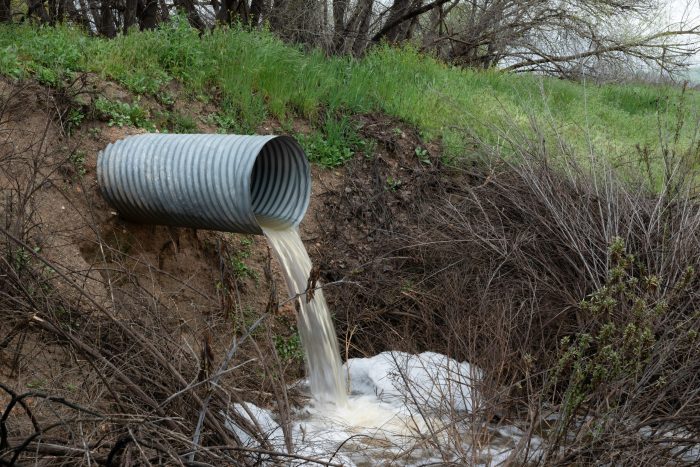
The term “blackwater treatment” refers to the steps used to collect, treat, and either reuse or dispose of wastewater that includes human waste from urinals and toilets in a safe manner. Contaminants such as human waste, nutrients, urine, dangerous microbes, organic debris, and other pollutants make blackwater very contaminated and pose a threat to both environmental and human health if not treated appropriately. Debris removal, pollution reduction, and disease-causing organism elimination are all objectives of the various physical, biological, and chemical procedures that make up the treatment process. In addition to protecting the environment and promoting sustainable sanitation practices, effective blackwater treatment helps stop the spread of diseases like cholera and typhoid fever by removing contaminated water from the system.
Sources of Blackwater
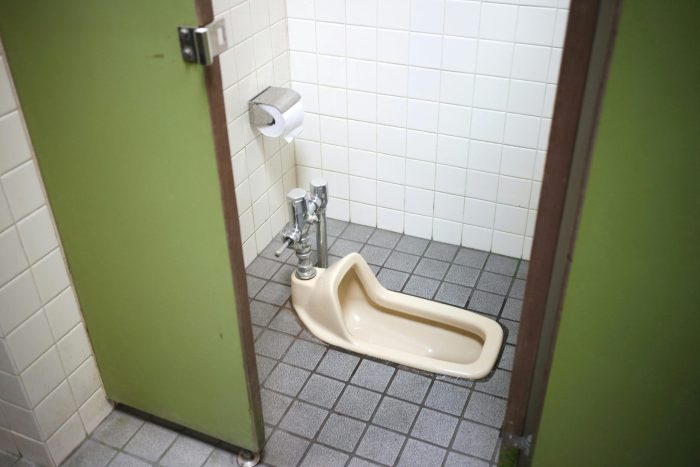
Contaminated with harmful microbes, nutrients, and organic matter, blackwater is wastewater that includes human feces. Its primary source is activities pertaining to cleanliness and the use of toilets.
Institutes and Industries
- Effluent containing human waste can be produced by certain institutions and industries from their employee living areas and restrooms
Urinals
- The majority of the wastewater produced is composed of flush water and urine.
Sanitation Facilities for Commercial and Public
- Public restrooms, as well as those in offices, hotels, schools, and restaurants, are major sources of blackwater
Mixed Wastewater from Households
- Laundry, bathroom, and kitchen wastewater can combine with toilet wastewater in certain systems, leading to an increase in the volume of blackwater
Toilets
- The primary blackwater source
- Included are things like flush water, urine, human feces, and toilet paper
Bidets
- One source of blackwater is the water that people use to clean themselves after using the toilet
Characteristics of Blackwater
In most cases, blackwater will have the following:
- Strong Smells
- Microbes and disease-causing pathogens
- Suspended Solids
- Excessive amounts of organic matter
- Nitrogen and phosphorus
Objectives of Blackwater Treatment
To ensure the safety of both humans and the environment, blackwater treatment processes eliminate potentially dangerous organic matter, pathogens, and contaminants from wastewater from toilets.
1. Promoting Sustainable Wastewater Management
- Promote the effective and secure handling of waste from sanitation facilities
2. Protecting the General Population’s Health
- Avoid exposing individuals to contaminated wastewater.
- Make bathrooms and public restrooms cleaner and safer
3. Reduce Suspended Solids
- De-sludge and remove solids from wastewater
4. Removing Nutrients
- Remove eutrophication and water contamination by removing surplus nutrients like nitrogen and phosphorus
5. Remove Organic Matter
- Decrease the presence of organic contaminants that raise BOD and COD levels
6. Controlling Smells
- Minimize the emission of unpleasant odors caused by waste materials breaking down
7. Reuse or Safe Wastewater Disposal
- Ensure that treated blackwater is suitable for disposal or reutilization in nonpotable applications like irrigation
8. Reduce Polluting the Environment
- Keep soil, groundwater, and water sources (such as rivers and lakes) clean
- Lessen negative impacts on marine environments
9. Recovering Resources
- Recover valuable byproducts for agricultural use, including processed sludge (biosolids) and biogas
10. Remove Dangerous Pathogens
- Get rid of parasites, viruses, and bacteria that cause diseases
- Minimize the spread of infectious diseases like cholera and typhoid
Stages of Blackwater Treatment
Toilet wastewater undergoes a multi-stage treatment process known as “blackwater treatment” to ensure its safe disposal or reuse by removing dangerous microbes, organic matter, solids, and nutrients.
Preliminary Treatment
In this initial step, debris and large objects are extracted from the blackwater.
Procedures Employed
- Screening
- Grit removal
Importance
- Prevents blockages and damage to treatment equipment and pumps
Primary Treatment
During this phase, sedimentation is employed to extract any suspended solids.
Procedures Employed
- Settling tanks help to hold wastewater
- Heavy solids settle as sludge at the bottom
- Oil and grease that float to the surface are removed
Importance
- Decreases organic matter and suspended solids
Secondary Treatment
In this step, microbes break down organic contaminants in a biological way.
Common Methods
- Oxidation ponds
- Trickling filters
- Septic tanks
- Activated sludge process
Importance
- Organic pollution and biological oxygen demand (BOD) are both decreased
Tertiary Treatment
The residual nutrients and contaminants are removed via tertiary (advanced) treatment.
Procedures Employed
- Filtration
- Removal of nutrients
- Chemical treatment
Importance
- Makes water safer to discharge or reuse by improving its quality
Disinfection
- This phase eliminates dangerous pathogens by utilizing ozone, UV light, and chlorine
Importance
- Protects against infectious diseases, including cholera and typhoid
Treatment and Disposal of Sludge
- Processes are carried out on the sludge that is produced during treatment
Procedures Employed
- Thickening
- Digestion
- Dewatering
- Safe disposal and reuse
Importance
- Decreases the amount of sludge and protects the environment
Methods of Blackwater Treatment
To make toilet wastewater safe for disposal or reuse, blackwater treatment employs a variety of techniques to remove nutrients, organic matter, contaminants, and dangerous microbes.
1. The Process of Ozonation
- Among its many uses, ozone gas is an effective disinfectant and oxidizer
Importance
- Effective cutting-edge method of treatment
2. Activated Sludge Process
- In aeration tanks, air and microbes are mixed with wastewater
- Organic contaminants can be broken down by bacteria
Importance
- Suspended solids and BOD are both effectively reduced
3. Chemical Treatment
- Chemicals are employed for the purpose of disinfecting wastewater and removing contaminants
Examples
- Flocculation and coagulation systems
- Desalinization
Importance
- Remove pathogens and improve water purity
4. Oxidation Ponds (Lagoons)
- Big shallow ponds that naturally treat wastewater using algae and bacteria
Importance
- An affordable treatment option that works in many underdeveloped areas
5. Man-Made Wetlands
- To naturally cure blackwater, artificial wetlands use soil, microbes, and plants
Importance
- Treatment that is both sustainable and eco-friendly
6. Trickling Filters
- Microorganism-covered plastics and stone surfaces are among the media that wastewater passes over
Importance
- The use of naturally occurring microbes in the biological treatment of organic materials
7. Membrane Filtration System
- To filter out microbes and fine particles, use membranes
Importance
- Make treated water of excellent quality
8. UV Disinfection
- There are a lot of microbes that UV radiation destroys
Importance
- Decreases the prevalence of diseases like cholera and typhoid
9. Septic Tank Systems
- Useful primarily in domestic and rural settings
- Solids settle to the bottom of the tank, while microbes break down organic matter, as wastewater flows into it.
Importance
- An easy and inexpensive treatment option
10. Anaerobic Digester
- To break down organic waste without oxygen, use anaerobic bacteria
Importance
- Generate energy-rich biogas (methane)
Importance of Blackwater Treatment
To protect environmental and human health, blackwater treatment is essential for removing organic matter, pathogens, and harmful contaminants from toilet wastewater.
Supports Sustainability Development
- Promotes ecological sustainability and the responsible handling of wastewater
Prevent Polluting the Environment
- Maintains clean water sources, including soil, lakes, rivers, and groundwater
- Keeps aquatic habitats and species rich and diverse
Protect Water Resources
- Supports the recycling and reuse of wastewater, which helps conserve freshwater resources
Improve Hygiene and Sanitation
- Promotes safer sanitation systems and cleaner living conditions
Controls Bad Smells
- Decomposing waste doesn’t release as many unpleasant odors when treated correctly
Water Reuse and Safe Disposal
- Discharge or reuse of treated blackwater for non-drinking uses, such as irrigation, is completely safe
Minimizing Organic Pollutants
- De-chlorinates the water by removing organic matter that raises the BOD and COD levels
- In the long run, this makes the water better
Recovering Resources
- This process produces treated sludge (biosolids), which is an agricultural by-product, and biogas, which is an energy by-product
Protect the General Population
- Removes dangerous microbes and other pathogens from wastewater
- Assists in the prevention of water-related diseases like cholera and typhoid
Challenges of Blackwater Treatment
There are several challenges to blackwater treatment that threaten the sustainability, safety, and efficiency of wastewater management systems.
Environment and Climatic Factors
- Infrastructure and treatment performance are vulnerable to natural disasters such as climate change, droughts, and flooding
Inadequate Sanitation Facilities
- Most communities don’t have enough treatment facilities and sewage systems
- Discharging untreated blackwater into the environment is a real possibility
Pollution from Nutrients and Chemicals
- If not treated correctly, the nitrogen and phosphorus in blackwater could lead to eutrophication
Dangerous Infectious Agents Present
- Inadequate blackwater treatment can lead to the spread of diseases like cholera and typhoid fever because it includes harmful microbes
Smell Issues
- Odors associated with decaying organic matter can be a nuisance in areas surrounding treatment facilities
Challenges in Operation and Technical
- The operation and maintenance of treatment systems necessitate trained people
- Less effective treatment outcomes may result from poorly managed systems
Difficulty in managing sludge
- Treatment results in the production of substantial quantities of sludge
- Sludge must be disposed of, treated, and handled properly
Risk of Environmental Pollution
- Blackwater, whether it is treated properly or not, has the potential to pollute oil, lakes, rivers, and groundwater
Rapid Urbanization with a Growing Population
- The amount of blackwater produced by a growing population exceeds the capacity of current systems
Problems with Public Awareness and Acceptance
- Not everyone is aware of how to properly manage wastewater and maintain sanitation in some areas
High Cost of Treatment
- Treatment systems can be costly to build, operate, and maintain
- A substantial financial expenditure is needed to purchase advanced technologies
Requires high Energy
- Energy and electricity consumption can be high for certain treatment systems due to the use of advanced treatment processes, pumps, and aeration
Conclusion
If we care about people’s health, the environment, and long-term sanitation, we must treat blackwater. Blackwater treatment helps keep soil, lakes, rivers, and groundwater clean by eliminating nutrients, organic matter, hazardous pathogens, and other pollutants from wastewater from toilets. Cholera and typhoid fever are waterborne diseases that can be prevented by using effective treatment systems. Disinfectant methods, sewage treatment plants, septic tanks, and anaerobic digesters are among these systems. Along with assisting communities in meeting sanitation and health standards, effective management of blackwater also promotes environmental sustainability, resource recovery, and water conservation. Contact us today.