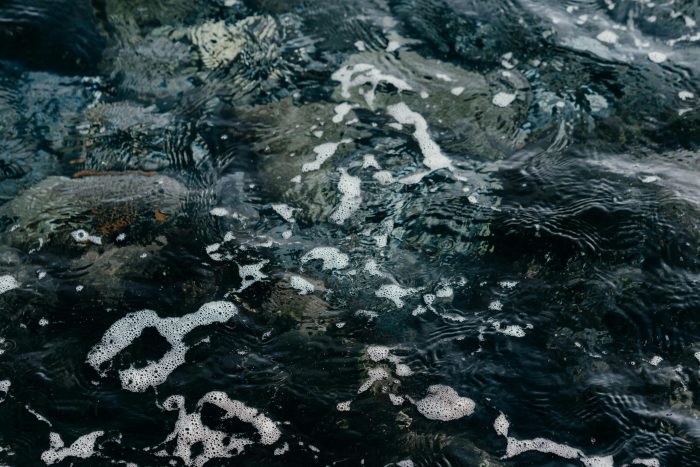
The term “surface water treatment” refers to the steps used to ensure that water from water bodies such as streams, reservoirs, lakes, and rivers is fit for drinking and other uses. Harmful microbes, industrial waste, soil erosion, sewage, and agricultural runoff are common sources of surface water contamination, necessitating treatment prior to use. To eliminate disease-causing organisms, contaminants, bad smells, and suspended particles, the treatment process employs a number of physical, chemical, and biological techniques. Ensuring a consistent supply of clean drinking water, protecting public health, and improving water quality are all goals of effective surface water treatment. Additionally, it aids in the prevention of cholera and typhoid fever, which are waterborne infections.
Sources of Surface Water
The term “surface water” describes any body of water that is directly above ground. Water for recreational purposes, agriculture, households, and industry comes from this vital source.
Rainwater Runoff
- Rainfall-induced runoff across land surfaces
- This runoff flows into water bodies such as reservoirs, lakes, and rivers.
Lakes
- Vast pools of water, either man-made or found in nature
- Ensure a steady supply of potable water for homes and industries
Ponds
- Small, shallow bodies of water that have been either naturally or man-made
- Help with watering cattle, fish farming, and irrigation
Streams
- These empty into larger water bodies like rivers and lakes
Dams
- Structures erected over waterways for the purpose of collection and storage
- Ensure that industries, agriculture, and households have access to water
Wetland areas
- You can find wetlands where the soil is continually or seasonally soaked
- Include bogs, marshes, and swamps
- Help preserve natural water-purifying processes and biodiversity
Rivers
- Water bodies that naturally flow and receive water from sources such as runoff, springs, and rainfall
- Primarily employed for generating hydroelectricity, irrigation, and supplying water
Reservoirs
- Dam-made lakes that serve as reservoirs for runoff
- Used for generating hydroelectricity, irrigation, and potable water supply
Objectives of Surface Water Treatment
The purpose of surface water treatment is to make the water from water bodies, such as reservoirs, rivers, and lakes, suitable for human consumption and usage by removing pollutants and improving its quality.
Help with Agricultural and Industrial Purposes
- Offer treated water that is appropriate for use in irrigation and industrial applications
Removing Dangerous Microbes
- Eliminates parasites, viruses, and bacteria that cause diseases like typhoid fever and cholera
Protect Water Distribution Systems
- Keep storage systems and pipes free of clogs, corrosion, and scaling
Remove Chemical Pollutants
- Decrease hazardous contaminants, toxins, and chemicals from household, agricultural, and industrial activities
Improve Water Quality
- Enhance the smell, taste, and color of water
- Raise the drinkability of water for household purposes
Ensuring a Supply of Potable Water
- Ensure the production of potable water for domestic use
Protect the Public’s Health
- Ensure a reliable supply of safe drinking water in order to curb the spread of water-related diseases
Protect the Environment
- Protect marine environments while cutting down on pollution
Remove Suspended Solids
- Purify water by removing debris such as clay, silt, and dirt
- Make the water look and feel better
Decrease turbidity
- Reduce water cloudiness caused by suspended particles
Stages of Surface Water Treatment
Water collected from water bodies such as streams, reservoirs, rivers, and lakes undergoes a multi-stage process to purge it of biological, chemical, and physical pollutants.
1. Screening
- The initial step in treating the water is to filter out any big floating materials such as debris, leaves, sticks, and plastics
- Keeps treatment equipment free from clogs and damage
2. Coagulation
- To make fine suspended particles less stable, chemicals like alum are added to water
- Makes it easier for small particles to combine
3. Flocculation
- Small particles are combined with water in a gentle manner to create flocs, which are larger clumps
- Reduces the difficulty of sedimentation in removing suspended particles
4. Sedimentation
- Water is permitted to stand in sedimentation tanks
- Gravity causes heavy flocs to sink to the bottom
- Significantly reduces turbidity and suspended solids
5. Filtration
- Activated carbon, gravel, or sand filters the water
- Eliminates microscopic particles and some microbes
6. Cleaning
- To eliminate dangerous microbes, physical or chemical procedures are employed, such as ozonation, UV light, or chlorination.
- Protects against infectious diseases, including cholera and typhoid
7. Storage
- Tanks or reservoirs are used to store treated water prior to its distribution
- Keeps water flowing continuously
8. Distribution
- Pipelines transport treated water to various locations, including institutions, industries, and households
Importance of Surface Water Treatment
Surface water treatment is essential to ensure that water from streams, reservoirs, rivers, and lakes is clean, safe, and suitable for many purposes.
Protect Against Water Pollution
- Reduces the likelihood of contamination in homes by treating raw water before distribution
Decreased Treatment Costs Over Time
- Reduces the likelihood of expensive disease outbreaks and damage to infrastructure due to water contamination
Supply of Potable Water
- Makes sure people in the area can drink safe water
- Raises living standards generally
Protect Water Supply Systems
- Makes storage systems and pipes less susceptible to clogging, scaling, and corrosion
Elevation of Water Purity
- Makes water seem better in color, taste, clarity, and smell
- Filters out contaminants and suspended solids
Supports Economic Activities
- Supplies potable water to livestock, agriculture, and industries
- Support for economic development and food production
Encouragement of Eco-Friendly Water Use
- Promotes the responsible and economical use of our finite water supply
Protect the Environment
- Decrease the contamination of natural water bodies
- Keeps aquatic habitats and species rich and diverse
Protect the Public’s Health
- Filters water of pollutants and dangerous microbes
- Keeps pathogens like cholera and typhoid out of the water
Challenges of Surface Water Treatment
Several challenges impact the reliability, cost, and efficiency of surface water treatment, which in turn affects the ability to produce clean drinking water from water bodies such as streams, reservoirs, rivers, and lakes.
Consequences of Global Warming
- Pollution and treatment needs are worsened by flooding
- Less water is available due to droughts
Issues with Sludge Management
- Proper disposal of sludge is essential after treatment processes
- The environment can be negatively impacted by improper disposal practices
Extreme Turbidity During Wet Seasons
- Runoff and soil erosion are both caused by heavy rains
- Produces water that is extremely turbid and very murky
- Treatment calls for more chemicals
Eutrophication, the Growth of Algae
- Algae blooms originate from water with an excess of nutrients
- Affects the efficiency of treatment, smell, and taste
Potential Infections
- Harmful microbes are commonly found in surface water
- Cholera and typhoid fever can spread if not treated effectively
Some Areas Have Limited Infrastructure
- Inadequate treatment facilities and distribution systems exist in certain areas
- Causes water to be dangerous to drink
High Cost of Treatment
- Needs high-tech equipment and trained workers
- Needs chemicals like chlorine and alum
- Pumping and processing increase the cost of energy
Exposure to Chemicals
- Industrial waste releases harmful chemicals and heavy metals
- Removing some pollutants is a challenging and costly ordeal
Changes Over the Year
- The amount and quality of water fluctuate throughout the year
- The levels of pollution tend to rise during wet seasons
- Less water may be available during dry seasons
Challenges with Technical and Operations
- Needs professional operators
- A disruption in the water supply can occur if equipment fails
Discharges into Water Bodies
- Domestic sewage, agricultural runoff (fertilizers and pesticides), and industrial waste are easy ways to pollute surface water
- Treatment cost and complexity are both heightened by these factors
Challenges Affecting Surface Water Sources
Numerous threats diminish the quantity, quality, and dependability of surface water sources such as streams, reservoirs, rivers, and lakes, which in turn harm ecosystem health and human consumption.
Sedimentation and Soil Erosion
- Soil is washed into lakes and rivers by rainwater
- Reservoir storage capacity is decreased and turbidity is increased
Lack of Strong Environmental Laws
- Lack of adherence to regulations meant to reduce pollution
- It prevents the adequate preservation of water sources
Industrial Contamination
- Releasing industrial wastewater, heavy metals, and toxic chemicals
- May cause unsafe water for aquatic ecosystems and drinking
Loss of Habitat and Encroachment
- Human settlements near waterways have a negative impact on ecosystems
- Decreases water quality and aquatic life
Wasteful Water Reuse
- Overconsumption in domestic, industrial, and agricultural sectors
- Reduces water levels and, in rare cases, dries out sources
Runoff from Farms
- Water sources are contaminated with herbicides, pesticides, and fertilizers
- This runoff leads to toxic pollution and nutrient contamination
Global Warming
- Raises the risk of drought by lowering surface water levels
- The frequency of floods rises, bringing with it additional contaminants
Forest loss
- Runoff and erosion are both worsened by deforestation
- Groundwater replenishment and natural water filtering are both diminished
Nitrogen depletion
- Algae blooms occur when there is an abundance of nutrients, particularly nitrogen and phosphorus.
- Depletes water oxygen levels, which are bad for marine life
Growth in Cities
- The amount of impervious surfaces is increasing as cities grow
- Causes stormwater runoff to enter water bodies more heavily contaminated
Mismanagement of Waste
- Disposal of solid waste and plastics in the wrong places
- It clogs and pollutes water sources
Human-Related Pollution
- Discharging refuse into waterways
- Discharging sewage and domestic wastewater that have not been treated
- The water quality is diminished, and the demand for treatment is increased
Conclusion
Surface water treatment is an essential step in making sure that water is fit for environmental and human use. Procedures such as disinfection, sedimentation, screening, filtration, and coagulation remove disease-causing microbes, suspended solids, and hazardous pollutants from water. Protecting aquatic ecosystems and treating surface water effectively increases water quality and aids in the prevention of waterborne diseases. Public health protection and sustainable water supply systems are also backed by it. Contact us today.