Express Drainage Solutions

A Solution for Sanitation, Wastewater Treatment & Renewable Energy

Njengi House

2nd Floor Suite 6, Tom Mboya St.

8:00AM - 5:00PM

Monday to Friday

+254742781455

info@expresswatersolutions.com

All Posts By

Antony Muya

Best Methods to Redirect Water Away From Your Foundation

Best Methods to Redirect Water Away From Your Foundation

By | Drainage Systems | No Comments

One of the most important things you can do for your house’s maintenance and stability is to redirect water away from the foundation. Several issues, such as soil erosion, foundation cracks, basement flooding, and mold growth, can result from water collecting around a building’s foundation.

Water Redirection: Importance

  • Reducing structural damage and cracks

Foundation cracks due to water seepage can lower a home’s value and necessitate expensive repairs.

  • Prevent mold and mildew

Mold and mildew, which thrive in damp environments, can affect indoor air quality and health.

  • Flood prevention

When water collects in a crawl space or basement, it can cause flooding. This, in turn, can increase the levels of moisture and damage personal possessions.

  • Foundation stability

The soil that supports the foundation can become unstable and shift if there is an excess of water.

Methods for Redirecting Water

In order to prevent mold growth, erosion, and foundation damage, it is essential to redirect water away from the structure. Here are a few top ways to accomplish this:

  • Swales and Catch Basins

Create low-lying swales or areas to direct water towards catch basins or drainage areas. This method allows for reduced runoff.

  • Downspouts and Gutters

Put gutters around your roof to collect water when it rains. Ensure that they are spotless and in good working order. To redirect water away from the house’s foundation, install downspouts that reach a minimum distance of five feet.

  • Sealants and Waterproofing

Install waterproof membranes on the foundation’s exterior. Also, make sure to seal any joints or cracks in the concrete using sealants.

  • Downspout Extensions

If you want to redirect water away from your foundation even further, you might want to think about installing downspout extensions. Rigid pipes, splash blocks, or flexible hoses are all viable options.

  • Surface Drains

Catch basins or surface drains can collect water from your yard and send it to an outside location if you have a problem with water gathering there.

  • Sump Pump

A sump pump is an essential tool for removing water from a crawl space or basement. Check that it is functioning properly, and think about adding a backup battery in case the power goes out.

  • French Drains

This is a type of water redirection system that consists of a rock or gravel-filled ditch with a perforated pipe running through it. Put this in place around the outside of your foundation to control the flow of water and stop it from collecting.

  • Landscaping and Planting

Plant drought-tolerant shrubs and plants far from the house’s base; they’ll need less water overall. Tree roots can cause problems with drainage and foundation damage, so it’s best to keep big trees away from houses.

  • Appropriate Grading

You should have at least six inches of sloping dirt for every ten feet surrounding your foundation to prevent water seepage into your home. This will direct water away from your house’s base.

  • Dry Wells

Dry wells, which are underground structures that collect and gradually distribute water into the soil, are ideal for locations where water naturally gathers.

Best practices you can use to redirect water

Here are some excellent practices to follow to redirect water:

  • Lasting Solutions

Spend your money on long-term solutions, such as grading or French drains, instead of short-term repairs.

  • Timely Fixes

To prevent more problems, fix any indications of drainage problems or water damage right away.

  • Expert Evaluation

Consider getting a professional to check out the drainage and foundation if you have any doubts about how well the system you use to redirect water is working.

  • Ongoing Maintenance

Monitor the drainage systems, downspouts, and gutters, and clean them as necessary.

Where does a foundation drain go?

In order to avoid water damage, a foundation drain system’s purpose is to control and redirect water away from a building’s foundation. Other names for this system include weeping tile, perimeter drain, French drain, and water management system. Its usual application is to reduce basement flooding, moisture, and water seepage. The usual placement of a foundation drain is as follows:

  • Surface Discharge:

Where permitted, or in more rural locations, the drainage system may channel runoff into a wider open space for safe dispersal or soil absorption.

  • Gravel and Filter Fabric

Crushed stone or gravel typically encircles the pipes. This has the dual purpose of facilitating the flow of water while simultaneously preventing the accumulation of debris and soil. To prevent silt from clogging the pipes, use filter fabric.

  • An Infiltration Basin or Dry Well:

Some methods allow water to seep into the soil over time by redirecting it to a dry well. A larger-scale equivalent would be an infiltration basin.

  • Drainage Outlet

The foundation drain directs the collected water to the appropriate exit, ensuring efficient drainage from the foundation area. You can use the following drainage outlets:
  • Best Methods to Redirect Water Away From Your FoundationStorm Sewers or Storm Drains:

Sometimes, municipalities channel the water into a storm sewer system or storm drain. These are parts of the stormwater management system in municipalities.

  • Drainage System

Usually set up near the base of the foundation perimeter, the foundation drain runs the length of a building’s foundation. Perforated pipes collect water that seeps into the ground near the foundation.

  • Sump Pit and Sump Pump

Sump pits are common in crawl spaces and basements. They also receive water from the foundation drain. Usually, we install a sump pump to remove the water from the sump pit and dispose of it in the building. Connect the pump to a discharge pipe.

How do I know if my foundation drain is clogged?

Whether you want to keep water out of your home and make sure it stays that way, you should check to see whether the foundation drain is plugged. If your foundation drain becomes clogged, you can see the following signs and follow these steps:

Expert evaluation

  • A drainage professional or plumber can use instruments like drain cameras to examine the foundation drain. This enables a more precise diagnosis and facilitates remedies that are more tailored to the problem.

Musty or damp smells

  • If you have a clogged foundation drain, water may pool there, leading to a musty smell in your crawl space or basement. This should raise red flags if there are other obvious areas of moisture.

Overflowing drain pipes

  • If you can reach your drain pipes when it rains heavily, you can see that water is spilling from them. A clog could be the immediate cause of this overflow.

Mold or mildew growth

  • If you find mold or mildew growing on your crawl space or basement surfaces, it could be a sign that water isn’t draining properly because of a blockage.

Issues with downspout and gutter shifts

  • Your foundation drain could become clogged if your downspouts and gutters aren’t working properly. To prevent damage, keep them free and redirect water away from the home.

Inspect drainage outlets

  • Check the foundation drain for water flow after or during rainstorms to see if there is an inspection port or outlet. There may be a clog if the flow is very low or nonexistent.

Foundation shifts or cracks

  • Uneven settling, shifting, or cracks can occur in a foundation due to excessive moisture from a clogged drain.

Crawl space or basement water infiltration

  • Following rainfall, a clogged drain could be the cause of puddles or water seepage in your crawl space or basement. If the water runs along the corners or walls, it’s a major cause for alarm.

To unclog a foundation drain, it may be necessary to call a professional for replacement, repair, or cleaning services. In order to save money and avoid costly repairs, it is best to deal with clogs as soon as possible.

Do all houses have foundation drains?

A house’s foundation drain is conditional on a number of factors. This includes adhering to local building codes, water table, location, house design, and soil type according to local building rules. Break it down this way:

Types of Home Design and Building

Foundation drains are typically not necessary for slab-on-grade homes. But they may be necessary for homes with crawl spaces or basements that flood. Similarly, houses in flood-prone or low-lying areas may not require them to the same extent as those on higher ground.

Older Homes

Foundation drains are not always standard in older homes, particularly those constructed during an era when water management was not a major issue. The addition or upgrading of foundation drains might be a component of a larger plan to deal with flooding or moisture issues in older properties.

New Construction

In areas prone to water problems, foundation drains are generally required by modern building codes. Check your local codes to see if you need drains while you’re constructing a new house or doing renovations.

Geography and Climate

Foundation drains may not be necessary in dry areas or in areas with soil that drains efficiently on its own. On the other hand, you’re more likely to see them in places where it rains often or where the soil is particularly porous.

Purpose of Foundation Drains

These drains, also known as perimeter drains or French drains, gather and redirect water away from the structure to prevent it from entering the foundation and causing damage. These are prevalent in places where there is an abundance of poor soil drainage, heavy rainfall, or groundwater levels.

Conclusion

Whether or not foundation drains are necessary is dependent on construction practices and the local climate. When purchasing a home or addressing water problems, it is best to seek advice from a structural engineer or local construction professional. Protect your home and your family’s health, and redirect water away from the foundation in an efficient manner.

4 Major Components of the Drainage System

4 Major Components of the Drainage System

By | Drainage Systems | No Comments

Drainage systems are an important part of any city’s infrastructure because they control the surface and underground flow of water, avoiding problems like waterlogging, erosion, and flooding. The system can collect, transport, and dispose of surplus water from sources such as irrigation, snowmelt, or rainfall through a system of interconnected culverts, channels, pipes, and other infrastructure.

Controlling water accumulation and directing it away from agricultural fields, highways, populated areas, and other important infrastructure is the main goal of a drainage system. Inefficient drainage systems can lead to public health risks and economic losses. This will allow excess water to damage landscapes, roads, and buildings.

Two primary types of modern drainage systems are surface drainage and subsurface drainage. Subsurface drainage aims to control groundwater levels using underground pumps, drains, and pipes. They help remove water from the land surface through stormwater, ditches, and drains.

Components of a drainage system include:

There are usually four main parts to a region’s drainage system:

  1. Natural Drainage Features:

Wetlands, streams, rivers, and lakes are important drainage features. This is because they control water flow and keep the ecosystem balanced. When it rains a lot or floods, these features work along with man-made drainage systems to control the water.

These are the main parts:

  • Topography

Water flows toward lower levels and forms drainage features like ravines and valleys as a result of the land’s inherent shape and slope.

  • Streams and rivers

Within watersheds, rivers and streams serve as the principal pathways for the transportation of water. Depending on groundwater levels and precipitation, their movement can be constant or recurrent throughout the year. Their sizes also range from small creeks to big rivers.

  • 4 Major Components of the Drainage SystemAquifers

Water can flow freely in aquifers, which are layers of sediment or underground rock. These areas provide groundwater for industrial use, irrigation, and human consumption.

  • Channels

Rivers and streams have channels, or routes, that water flows over. A number of factors, including geological characteristics and water volume, determine their shape, depth, and size.

  • Wetlands

In a wetland, the soil is always, or sometimes, very saturated with water. Many different kinds of animals and plants rely on these wetland areas as their homes. Wetlands include bogs, swamps, and marshes. As a bonus, wetland ecosystems are great at controlling water flow and filtering out pollutants.

  • Natural depressions

Reservoirs, lakes, and ponds are depressions in the landscape that naturally collect and hold water. This helps to maintain a certain hydrological equilibrium. They can be shaped by human hands, glacial activity, and geological processes.

  • Floodplains

Floodplains are the low-lying, flat lands bordering rivers and streams that occasionally flood. Their ability to soak up rainwater and decrease the likelihood of flooding downstream is vital during times of severe rainfall.

  • Watershed

This area has a single point of drainage for all water that may be beneath or run off of it. Divides, or ridges, define its boundaries and separate it from nearby watersheds. The highest peaks on land, from which water flows in all directions, often define watersheds.

  1. Sewerage System:

Wastewater collection and disposal from industries, businesses, and households falls within this component’s scope. Most sewage systems include underground pipes that carry raw sewage to treatment facilities. They treat it there, then release it back into the environment.

Its key components include:

  • Regulatory Framework

Policies and regulations that control the planning, building, maintenance, and operation of sewerage systems are essential to their effectiveness. To protect ecosystems’ and communities’ best interests, these rules make sure that sewage systems are up to code in terms of environment and health.

  • Main Sewer Lines

Main sewer lines transport wastewater from smaller pipelines to treatment plants. It is common for main sewer lines to pass under highways or streets.

  • Monitoring and Control Systems

To monitor things like system performance, water quality, and flow rates, modern sewage systems frequently use control systems, telemetry, and sensors. Operators can use this data to improve system performance and react faster to maintenance needs or emergencies.

  • Manholes

Sewer lines have these access ports at regular intervals for inspection, maintenance, and cleaning. When it comes to upgrading or repairing equipment, manholes are also the entry points.

  • Stormwater Management Systems

Furthermore, some sewage systems manage rainwater runoff resulting from snowmelt or rainfall. To reduce the likelihood of floods and water pollution, it may be necessary to install retention basins and separate storm drains.

  • Treatment Plants

After collecting sewage from the sewer system, wastewater treatment plants filter it to eliminate pollutants and toxins. After treatment, the treated water is released back into the environment. To eliminate pathogens, solids, and other hazardous substances, treatment procedures may use biological, chemical, or physical approaches.

  • Overflow and Relief Structures

Relief sewers and weirs are examples of overflow facilities that divert excess wastewater away from sensitive environments or populated areas in the event of overflow structures or system breakdowns.

  • Maintenance and Inspection Programs

Sewage systems need regular inspection and maintenance. This is to ensure they continue to function correctly. This includes inspecting infrastructure for signs of damage or degradation, fixing cracks and leaks, and cleaning pipes.

  • Pumping Stations

To ensure that wastewater may continue to flow through the sewerage system in places where gravity-based flow is not possible, pumping stations are strategically placed to elevate the effluent to higher altitudes.

  • Collection System

Systems of channels, drains, and pipes collect sewage and wastewater from various sources, including industries, businesses, and homes. The size of these pipes, which run underground, is proportional to the amount of wastewater they will treat.

  1. Subsurface Drainage:

This component manages groundwater to ensure proper soil drainage and prevent waterlogging. Underground pipes, French drains, and tile drains are all part of the subsurface drainage system. They collect and redirect groundwater from potentially hazardous locations.

The following are important components of subsurface drainage systems:

  • Main drainage lines

Several drainage pipes feed water into these main conduits. They then carry the water to the drainage outlets. The diameter of main drainage lines is usually larger in comparison to individual drainage pipes.

  • Land Reclamation Measures

Subsurface drainage systems may be used in conjunction with land reclamation procedures to improve drainage effectiveness and reclaim saline or waterlogged soils for development or agricultural purposes. This includes subsurface barrier installation, contouring, or land grading.

  • Drainage Outlets

Here is where the drainage lines terminate, allowing for the release of water. Depending on the situation, drainage systems can empty into larger bodies of water, such as retention ponds, rivers, or streams, via underground drains, drainage wells, or open ditches.

  • Maintenance Access Points

Maintaining and inspecting subsurface drainage systems on a regular basis is essential for their optimal performance. The drainage pipes feature maintenance access points, including inspection chambers or cleanout ports. This helps to make monitoring, repair, and cleaning much easier.

  • 4 Major Components of the Drainage SystemSubsoil Filters

To keep soil particles from getting into drainage pipes and clogging them up, you can use materials called “subsoil filters.” Coarse sand, gravel, and geotextiles are typical materials for filters.

  • Subsurface Drainage Network Design

Various factors, including land use, topography, type of soil, and groundwater levels, need consideration while designing the arrangement of drainage outlets and pipes. The design’s goal is to achieve efficient soil water drainage while keeping costs and environmental impacts to a minimum.

  • Catch Basins

These man-made features collect runoff from the ground and channel it into a network of underground drainage pipes. Grates work well on catch basins to keep debris out of the system.

  • Water Control Structures

These are tools for controlling the drainage system’s water flow. To manage water levels and prevent floods in low-lying areas, water control structures are strategically located and can include pumps, gates, valves, and weirs.

  • Drainage Pipes

The majority of underground water travels through drainage pipes. Common materials for pipes include clay, corrugated plastic, PVC, and concrete. Specialized equipment can help with installation or trenching.

  1. Surface Water Drainage:

Surface water drainage focuses on controlling rainfall and other forms of surface runoff. Gutter Storm drains, ditches, and gutters are all part of this system. These collect water runoff from roofs, roadways, and other impermeable channels and surface it away from populated areas to save them from flooding.

The following are components of any surface water drainage system:

  • Swales

The purpose of swales is to slow down and absorb stormwater runoff. They are shallow, vegetative ditches. Swales, when used in conjunction with other drainage infrastructure, aid in water flow management and pollution filtering.

  • Gutters and Downspouts

Guttering collects and directs rainwater into downspouts. These are channels attached to the roof’s edges. Downspouts then direct the water to either drainage systems or the ground.

  • Detention Ponds/Basins

During periods of intense rainfall, these are big, open spaces constructed to temporarily store excess stormwater. They store water and then gradually release it over a period of time. This helps to decrease the likelihood of floods further downstream.

  • Storm Drains

These underground channels or pipes collect runoff water from various surfaces, such as parking lots and streets. They move the water to various locations for disposal, such as rivers, ponds, or other discharge points.

  • Catch Basins

Catch basins, or stormwater inlets, are grated openings at ground level that collect surface water and channel it into underground drainage pipes.

  • Drainage Channels

These are ditches or open channels that are purpose-built to collect and divert surface water from a specific location. Lining them with brick, concrete, or anything else helps stop erosion and makes them flow better.

Conclusion

These four factors protect natural ecosystems and human settlements from water-related dangers. They help to reduce the likelihood of flooding and ensure efficient drainage.

The Benefits of a Media Filter

The Benefits of a Media Filter

By | Water Filtration | No Comments

An integral part of any water treatment system, a water media filter uses a variety of filtration techniques to rid water of pollutants and other impurities. These filters are used in both domestic and industrial water purification systems to provide safe cooking, drinking, and other uses for water.

Benefits of a Water Media Filter

The most common use for a water media filter is in the purification and treatment of water. However, they also have a lot of other useful applications. Among the many benefits, here are a few:

Cost-effectiveness

A media filter is an affordable option for water purification, while the upfront cost could be higher or lower based on the filter’s type and size. Because they don’t need maintenance or replacement as often as other filters, they have lower running expenses.

Scalability

A water media filter is adaptable to both large- and small-scale water treatment systems due to its scalability.

Versatility

You can find these filters in a wide range of industrial, commercial, and domestic settings. They can withstand variable levels of pollutants and are adaptive to diverse flow rates.

Decreased chemical use

By physically filtering out impurities, a media filter can sometimes lessen the amount of chemical treatment that is necessary. It can reduce the adverse effects of chemical treatment on the ecosystem while also reducing costs.

Longevity

Among filtration systems, a water media filter is known for its low maintenance needs and extended service life. With regular maintenance and the occasional change of filter media, they can last for a long time and continue to filter effectively.

Improved water taste and clarity

Water media filters enhance water quality (taste, odor, and clarity) by filtering out sediment and other particles. Because of this, filtered water becomes more desirable for consumption and other uses.

Compatibility with other treatment methods

By integrating a water media filter into multi-stage water treatment systems, you can achieve comprehensive water purification. These systems can complement existing methods such as activated carbon filtration, ultraviolet disinfection, and RO.

Effective pollutant removal

Rust, silt, sand, and other suspended solids can be efficiently filtered out of water using a water media filter. As a result, the quality of the quality of the water is enhanced, making it better for consumption and other industrial uses.

Here are some important types of water media filters:

  • Ozone filters

To remove both organic and inorganic pollutants, including pesticides, viruses, and bacteria, ozone filtration uses the oxidation and elimination of these substances by infusing ozone gas into water. Ozone is an excellent disinfectant that leaves no aftertaste or smell in water.

  • Sediment filters

Sediment filters effectively remove debris, silt, sand, and rust from water. Synthetic fibers, gravel, or sand are common materials you can use to capture these particles as water flows through them.

  • Ion exchange filters

By exchanging the dissolved ions—usually potassium or sodium—with less undesirable ions, such as resin beads, ion exchange filters remove water containing dissolved ions like iron, magnesium, and calcium. In order to keep appliances and plumbing systems free of scale, these filters are frequently used for water softening.

  • Multi-media filters

Multi-media filters form from the layering of filter media like garnet, anthracite, and sand in a specific order. There is a distinct purpose for each layer; the top layers capture bigger particles, while the bottom layers filter out smaller ones as water flows through.

  • UV filters

The DNA of harmful microbes, including protozoa, viruses, and bacteria, is destroyed by exposing water to UV light. This is why UV filters help to disinfect water. It is common practice to combine UV filtration with other filtration technologies to treat water thoroughly. This is because it is very effective against biological pollutants.

  • Activated carbon filters

Filters like these use activated carbon, a substance with a very porous surface that can soak up harmful substances like heavy metals, VOCs, and even chlorine. If you want your water to taste better and smell better, use an activated carbon filter.

  • Reverse osmosis filters

An improved method of water purification, RO uses a semi-permeable membrane to trap and remove various pollutants, such as viruses, heavy metals, dissolved salts, and bacteria. In order to remove larger particles and prolong the membrane’s lifespan, reverse osmosis filters may necessitate further pre-treatment, despite their great effectiveness.

There are many different kinds of water media filters, and these are only a handful of them. Each has a unique set of benefits and uses. Considerations including budget, desired flow rate, and the kinds of impurities in the water all play a role in choosing the best filter.

Conclusion

Media filters are essential components of many water treatment systems; they offer an efficient, cost-effective, and diverse option for eliminating pollutants from water.

How Water Filtration Systems Work

How Water Filtration Systems Work

By | Water Filtration | No Comments

We rely on water filtration systems to keep our drinking water safe and clean. To guarantee that the water is fit for use and human consumption, these systems filter out pollutants, impurities, and other potentially dangerous things. Water filtration systems are available in various forms to meet the demands of diverse environments. This ranges from simple pitchers for use around the house to complex systems in large factories.

Water filtration systems‘ main goal is to improve water quality. They work by removing contaminants such as viruses, chemicals, particles, bacteria, and other contaminants. They are vital to protecting the public’s health. This is because they make sure people have access to safe drinking water and lessen the likelihood of waterborne infections.

Here’s how water filtration systems work.

The three stages of a filter

There are typically three stages to consider when thinking about filters:

  • Input Stage

Here, the raw signal, or data, makes its way into the filter. At this stage, the filter receives the input, which could be physical phenomena like sound, digital data, or electrical signals. The input stage prepares the data for processing.

  • Processing Stage

This is where the filtering process really happens, at its very core. This stage involves applying various physical or mathematical operations to the input data. This is to help achieve the desired filtering characteristics, which can be non-linear, linear, or digital, depending on the kind of filter. You can use simple thresholding, frequency domain transformations, or convolution, among other processes, for filtering.

  • Output Stage

This step takes place after the filter processes the input data in order to obtain the output. Depending on the filter’s design, the output may be an amplified or attenuated version of the input data. It may also be a modified version of the input data, with specific frequencies changed. You could add more processing to the output step to enhance the filtered data or prepare it for analysis.

Any application requiring selective manipulation of data, such as data analysis or signal processing, can benefit from the three-stage structure that filters provide.

The order of filter media

Depending on the setup and desired filtration level, the order of filter media in a conventional water filtration system can vary. Nevertheless, the following is the typical order of filter media in a multi-stage water filtration system:

Sediment Filter

As a first step, this filters out big debris from the water, such as rust, sediment, and sand.

Activated carbon filter

This stage removes chlorine, organic compounds, and other chemicals that affect color, smell, and taste. VOCs and pesticides are just two of the toxins that activated carbon can help reduce.

Reverse Osmosis Membrane

As the water flows past a semipermeable membrane in a RO system, it molecularly removes heavy metals, dissolved particles, and other pollutants.

Post Carbon Filter

Occasionally, this stage is incorporated after the reverse osmosis membrane. This is to enhance the taste and remove any lingering smells from the water.

A number of factors, including manufacturer specifications, water quality, planned use, and water quality, might affect the precise arrangement and sequence of filter media. It is important to select a water purification system that can handle your specific water quality needs while also removing the pollutants in your supply.

Size of filter media material

Depending on the filtration system type and the particular application, the size of the filter media material might vary greatly. A variety of forms, including structured, powdered, granular, and fibrous materials, are available for filter media.

For instance, in water treatment, sand filters usually use media sizes between 0.2 and 2mm. On the other hand, multimedia filters may use a combination of sizes, from fine sand to coarse gravel, among others.

How Water Filtration Systems WorkWhen it comes to air filtration, the media’s size might change depending on the type of pollutants and the needed filtration effectiveness. Activated carbon granules come in a variety of particle sizes. They can also feature fibrous materials such as polyester or fiberglass.
The filter media material’s size depends on a number of elements. This includes the filtration system’s unique needs, the pollutants’ types and sizes, the desired filtration effectiveness, and the intended flow rate.

The factors affecting the rate of filtration

In the context of processes such as water treatment, there are several elements that can influence the rate of filtration in processes such as water treatment:

  • Operating Conditions

The filtration rate can be influenced by various factors, including the frequency of system maintenance, the filtration’s duration, and the fluid’s flow rate.

  • Surface area

The filtration rate is directly proportional to the surface area that is available for filtering. Filter membranes with larger surface areas can allow more substances or particles to pass through at once.

  • Membrane material

The filter membrane’s material qualities can affect the rate of filtration. A higher rate of filtration may be possible with some materials due to their higher permeability.

  • The filter’s pore size

The size of the pores determines what can pass through a filter membrane. The rate of filtration may increase with larger pores, although larger particles can also pass. On the other hand, smaller pores may cause filtration to be slower but more precise.

  • Temperature

In general, the filtration rate improves at higher temperatures because of the increase in the particles’ kinetic energy. This causes them to flow through the filter more rapidly.

  • Particle shape and size

Particles with a smaller size have an easier time passing through a filter. Similarly, particles with an unusual shape have a higher chance of clogging the filter and decreasing its filtration rate.

  • Concentration gradient

The filtration rate may be higher at the outset if the particle concentration is higher on one side of the filter membrane than the other. However, the rate may decrease after achieving equilibrium.

  • Presence of solutes

Solutes in the fluid can impact the filtration rate. Solutes can either enhance the filtering rate by reducing the effective pore size, clog the filter, or slow it down by raising the fluid viscosity.

  • The fluid’s viscosity

The filtering rate is dependent on the fluid’s viscosity. The rate of filtration reduces when the viscosity of the fluid is higher because the fluid resists flow more.

  • Pressure Gradient

Filtration typically occurs when there is a pressure difference across a filter or membrane. The filtration rate is directly proportional to the magnitude of the pressure gradient.

Understanding and adjusting these factors can optimize filtration procedures for efficiency in a variety of applications.

The fastest way to purify water

The available resources and the level of filtration required determine the fastest approach to purifying water. These are a few approaches:

Portable water filters

You can purify water properly using portable filters such as pump filters or straw filters. These filters remove parasites, bacteria, and some chemicals from the water. You’ll need the device itself, but it’s quick and simple.

Water Purification Tablets

For fast purification, these tablets are ideal. Iodine and chlorine dioxide are among the chemicals you can find in these tablets. They are effective against parasites, viruses, and bacteria. After waiting the prescribed amount of time, dissolve the tablet in water as directed.

Chemical Treatment

Chemicals such as iodine or chlorine bleach can help you treat water quickly. Because of the potential dangers of incorrect use, read and carefully follow the directions. You only need a few drops per liter, and you might have to wait half an hour to an hour before you can drink it.

Ultraviolet Water Purification

One way to disinfect water is with an ultraviolet purifier, which uses UV light to kill viruses, bacteria, and other pathogens. Despite its speed, it necessitates an ultraviolet purifier, which may not always be accessible.

Boiling

The rapid and efficient killing of parasites, viruses, and bacteria is possible via boiling water. To make sure the water is safe to drink, boil it for at least one minute.

Always check if the water is safe for drinking, even if you’re in a hurry. In order to keep contaminants at bay, it is vital that you adhere to each purification procedure’s recommended guidelines.

How to know if my water filter is working

If you care about the quality of the water you drink, you must check that your water filter is doing its job. If your water filter isn’t doing its job, try these steps:

  • Expert testing

You can also use an expert water testing service if you aren’t sure how well your water filter is working. They can do thorough tests to find out how good your filtered water is.

  • Inspect water quality before and after

With a water testing kit, you can check the water’s quality both before and after filtering it. This will be useful for comparing the pre- and post-filtration levels of contaminants such as bacteria, heavy metals, or chlorine.

  • Smell and taste

Inspect the filtered water for odor and taste. It could be an indication that the filter is failing to remove pollutants adequately if it has an unusual smell or taste. Clean and fresh water should not have any odor or taste.

  • Visual checkup

Check the water filter’s physical condition on a frequent basis. Inspect the system for signs of clogging, leaks, or damage. It could be time to replace or maintain the filter if you see any problems.

  • Flow rate

Make note of how fast water is flowing out of the filter. It may be necessary to replace or clean the filter if the flow rate drops significantly.

  • Monitor filter lifespan

Water filters typically have a recommended use capacity or lifespan. Count the amount of water that has passed through the filter since its installation, and record the date. Follow the manufacturer’s instructions to replace the filter.

  • Read the manual

Before you do anything else, make sure you read the directions that came with your water filter. In the manual, you can usually find instructions for testing and maintaining your filter. Follow these steps to check if your water filter is doing its job and giving you safe water to drink.

Conclusion

The significance of water filtration systems in guaranteeing access to safe and clean water is becoming more and more apparent as worries about water scarcity and pollution grow. Supporting sustainable development and public health efforts is greatly aided by these systems. This relies on their implementation in large-scale infrastructure projects or at the household level globally.

Factors That Determine Drainage Patterns

Factors That Determine Drainage Patterns

By | Drainage Systems | No Comments

Water eventually makes its way to bigger bodies like oceans, lakes, and rivers via a complex system of natural channels called drainage patterns. Climatic, topographical, and geological factors all have a role in shaping these patterns. These, in turn, produce a wide variety of formations.

The geological structure beneath the surface is an important factor in determining drainage patterns. Various rock folds, faults, and types affect the movement of water across the landscape. One example is the tendency for water to flow in linear patterns along fractures and joints in areas with resistant rock layers. The opposite is true for softer rocks, which can erode more readily and cause dendritic and irregular drainage patterns.

Here are some factors that determine drainage patterns.

Topographic, climatic, and geological factors shape river networks’ drainage patterns. Some important factors to consider are:

Time and Erosion

The tectonic, deposition, and erosion processes that occur throughout geological time spans cause changes to drainage patterns. Over millennia, rivers can alter their course and cause changes in patterns. Canyons and valleys form due to erosion from waves, wind, or glaciers.

Topography

How fast and in what direction water flows depends on the land’s gradient and slope. Treelike or dendritic drainage systems, in which tributaries intersect the main river channel at sharp angles, are common on steeper slopes. Mild inclines can cause drainage patterns that are rectangular or parallel.

Vegetation

Rainfall interception, soil erosion, and infiltration rates are just a few ways vegetation impacts these patterns. River channels may become braided or meandering when dense vegetation reduces surface runoff and promotes infiltration. Over time, changes in land use and deforestation can influence drainage patterns.

Climate

Factors such as evaporation rates, temperature variations, and rainfall patterns affect the amount and frequency of water flow. Dendritic patterns are more common in areas with heavy rainfall. This is due to the abundance of surface runoff in these regions. Radial drainage patterns are common in arid locations. This can be attributed to transient streams or infrequent rainfall. It causes rivers to flow outward from a central point.

Human Activities

Modifications to natural drainage patterns can occur as a result of human activities, including channelization, the building of dams, and urbanization. Many urban areas have complex man-made drainage systems that change the paths of rivers. Rivers can have their flow reduced by dams. This can alter downstream drainage patterns and create reservoirs.

Geology

The underlying geological structure greatly influences these patterns. The different permeability levels of different types of rocks affect the flow of water. For example, sandstone may allow more groundwater flow than impermeable rocks like granite. This results in more runoff and surface flow.

Structural Control

When geological processes like folding and faulting form natural channels or barriers, they can affect the course of rivers. For instance, water may preferentially flow along fault lines, leading to linear drainage patterns.

When these characteristics are clear, environmental scientists, hydrologists, and geologists can better understand drainage patterns. They can then apply this knowledge to conservation efforts, water resource management, and land use.

How do you identify drainage patterns?

The term “drainage patterns” describes how water naturally moves across a landscape. These patterns can reveal a lot about a place’s hydrology and geology. The following are some ways to recognize various drainage patterns:

  • Deranged Pattern

A deranged pattern may emerge in areas that have recently gone through a glacial period or have complicated geology. This pattern’s streams run irregularly, disorganizedly, with no discernible pattern. This can be attributed to recent landscape irregularities or geological changes.

  • Trellis Pattern

In regions where bands of rocks with different levels of resistance are visible, a trellis design is common. The main rivers run parallel in the valleys that separate the resistant rock formations, with their tributaries joining them at right angles.

  • Radial Pattern

It is common for streams in mountain regions with domes or volcanic activity to radiate outward from a central peak. Around volcanic cones, streams eroding from a central point create this pattern.

  • Factors That Determine Drainage PatternsRectangular Pattern

The pattern appears to be a grid-like structure consisting of straight intersecting streams. Areas, where streams run straight due to fractures, faults, or joints in the underlying rock, are most commonly home to this type of geology.

  • Parallel Pattern

Streams may run parallel to one another as they swiftly drop steep slopes, like those found around mountain ranges. Areas devoid of vegetation and characterized by high gradients frequently observe this pattern.

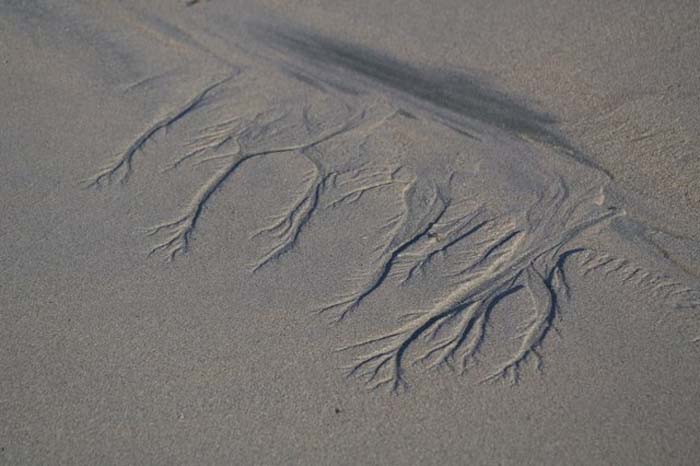
  • Dendritic Pattern

The majority of drainage systems follow this layout, which is reminiscent of tree branches. This happens in places where the geology is quite consistent. This means that the kind of soil or rock underneath has little effect on the water’s flow. This design depicts a system of interconnected tributaries formed by several rivers and streams.

It is common practice to use satellite images, aerial photos, or topographic maps in order to identify drainage patterns. One way to figure out the main drainage pattern in a given area is to look at the layout of the rivers and streams, the features in the landscape, and the places where the rivers and streams meet.

Benefits of drainage patterns

The natural and anthropogenic advantages of drainage patterns are numerous. The placement of streams and rivers in a given area determines these patterns. A few are presented here:

Historical and Cultural Importance

Many towns’ historical and cultural treasures lie in the streams and rivers that run through drainage patterns. They are significant cultural landmarks with symbolic, ceremonial, or spiritual significance.

Ecosystem Support

Many different kinds of animals and plants are able to thrive in the varied habitats provided by the streams and rivers that make up drainage patterns. These ecosystems play an important role in maintaining ecological balance by providing essential services like breeding grounds, shelter, and food.

Groundwater Recharge

Drainage patterns enable water to seep into the soil and recharge underground water reserves, replenishing groundwater aquifers. This is crucial to ensuring a steady supply of potable water in areas where groundwater is scarce.

Controlling Floods

Reduce the risk of flooding by directing runoff away from homes and businesses using strategically placed channels and floodplains that follow well-thought-out drainage plans. This saves lives while minimizing property damage.

Agriculture

Irrigation is easier thanks to drainage patterns, which supply water sources for farming. Agricultural output improves when controlled water flow is used. This enables more effective crop cultivation.

Generating Hydropower

Hydropower can be generated using rivers that are part of these patterns. Reservoirs and dams constructed along these rivers produce renewable energy. This lessens the need for fossil fuels and the effects of climate change.

Water Quality

The movement of sediment and contaminants is one-way drainage patterns affect water quality. Water quality for ecological purposes, recreational purposes, and human consumption can all be enhanced with well-managed drainage systems, reducing pollution.

Water Management

The purpose of drainage patterns is to control the flow of water and direct it away from flood-prone locations. By preventing erosion and waterlogging, drainage patterns maintain soil stability and fertility.

Tourism and Recreation

Drainage systems create picturesque landscapes and rivers that attract outdoor fans and tourists. Wildlife viewing, boating, fishing, and hiking boost the local economy and leisure options.

Navigation and Transportation

For a long time, rivers that are part of drainage patterns have been a vital means of transportation. They make it possible for people and things to go from one place to another. This boosts trade and economic growth.

These patterns are fundamental components of both the natural and built environments. This is due to their important roles in forming and offering societal benefits, supporting ecosystems, and shaping landscapes.

Conclusion

Knowledge of drainage patterns is essential for many applications, such as environmental conservation, accessing flood risks, and managing water resources. Water movement through landscapes can be better predicted, and actions can be taken. Analyzing these patterns will help reduce risks and protect ecosystems.

All You Should Know about Pitcher Water Filters

All You Should Know about Pitcher Water Filters

By | Water Filtration | No Comments

A pitcher water filter is an easy-to-use and efficient tool for purifying drinking water from the faucet. Most of the time, pitcher water filters use activated carbon and other media to purge water from harmful substances. An integrated filtration system houses them in a pitcher or other container.

Pitcher water filters mainly remove common impurities like sediment, lead, chlorine, and mercury from tap water. This improves the smell and taste of faucet water. Households looking for cleaner, better-tasting drinking water without the hassle of intricate installation or plumbing changes can find a reasonable and simply available solution.

Because of their ease of use and straightforward construction, pitcher water filters have become rather popular. Their low maintenance requirements are due to the frequent need to replace the filter cartridge, which may last for weeks or months, depending on water quality and use. Timers or indicators are features in several models that help users remember to change the filter.

Do pitcher water filters actually work?

Yes, pitcher water filters, with the right kind of filter, can get rid of a lot of nasty stuff in your faucet water. The majority of pitcher water filters use activated carbon filters. Activated carbon filters collect and trap contaminants like specific heavy metals, VOCs, and chlorine.

However, the limitations of pitcher water filters must be carefully considered. More sophisticated filters, such as UV purification or RO, may better remove certain impurities, such as microbiological pollutants or lead. Also, when the filter cartridge in a pitcher water filter gets full of pollutants, the water filtration capacity decreases.

Pitcher water filters are affordable and accessible to enhance tap water’s quality and taste. However, if your family has serious water quality issues, you might want to look into more extensive filtering systems. It’s important to change the filter cartridges to keep everything running smoothly.

What water filter pitcher removes the most contaminants?

There are a number of variables that affect how well a water filter pitcher removes impurities. This includes the water’s quality, the filter’s type, and the specific impurities. However, there are a few well-known brands whose filters help to remove a wide variety of pollutants.

Two well-known brands of pitcher water filters that efficiently remove pollutants are ZeroWater and Brita. Brita pitchers use activated carbon filters to remove common pollutants like certain organic compounds, lead, chlorine, and mercury. Alternatively, ZeroWater pitchers use a five-stage filter that eliminates even more impurities, such as dissolved particles, by combining activated carbon with an ion exchange resin.

Take into account your worries about water quality and the toxins you wish to eliminate. You can do this before purchasing a water filter pitcher. You should also seek out certified pitchers, as this indicates that they have met specific performance requirements set by other groups.

Do water pitcher filters remove hard water?

While water pitcher filters excel at removing some heavy metals, sediment, and chlorine, they aren’t engineered to eliminate hardness minerals such as magnesium and calcium. Pitcher water filters usually don’t handle hard water. This can lead to scaling and alter the taste of water. In contrast, water softeners work by removing minerals that cause water to be hard.

Do water filter pitchers remove bacteria?

Yes, certain pitcher water filters can indeed eliminate bacteria. Nevertheless, this effect’s effectiveness is filter-specific. Pitchers with built-in filters often use activated carbon filters. These are effective against certain chemicals, sediment, and chlorine. These filters may be able to decrease the number of microbial cysts and bacteria, but they may not be able to eliminate all bacteria.

Only a filter developed to remove bacteria—like an RO system or ceramic filter—would be able to kill all bacteria, even dangerous ones like Salmonella and E. coli.

Do water filter pitchers remove calcium?

Most pitcher water filters use carbon-based or activated carbon filters to remove contaminants like certain heavy metals, sediment, and chlorine from water. Most municipal water systems contain the dissolved mineral calcium carbonate, yet these filters do not specifically target its removal.

Although it is not their intended purpose, certain pitcher water filters may slightly lower the calcium content as a byproduct of their filtration process. Water filtration systems that are more sophisticated often use methods like ion exchange or RO to remove calcium.

A high-tech water filter or water softener that targets mineral content is an option to explore if you are worried about the amount of calcium in your water.

How long does a filtered water pitcher last?

The length of your filtered water pitcher depends on how often you use it, the impurities in your tap water, and the quality of the filter.

Most water pitcher manufacturers recommend changing the filter every two to six months or after filtering a specific amount of water—this can range from forty to two hundred gallons per model.

All You Should Know about Pitcher Water FiltersIf you want your filter to work as well as possible and remove all the impurities from your water, you must replace it according to the manufacturer’s instructions. It is essential to replace filters regularly to keep water quality high. The reason is that they can lose some of their effectiveness over time.
Is a water filter pitcher better than bottled water?

Water quality, cost, environmental effect, and convenience are a few of the considerations that need consideration when deciding whether bottled water or a water filter pitcher is preferable.

  • Water Quality

You can get water of varying quality in both filtered and bottled forms. Filtered water is popular among fans who would rather drink it than certain bottled water brands or plain tap water. Conversely, the effectiveness of filters depends on the impurities they aim to capture. It is important to select a pitcher with a filtration system that is compatible with your water source. This is because different filters have different strengths in eliminating different pollutants.

  • Convenience

Bottled water is a quick and easy solution when you’re on the move. But before you can drink, you must fill up the pitcher and wait for the water to filter. However, they are suitable for use around the house. Additionally, you can choose pitchers with bigger reservoirs to allow for more regular use without refilling them as often.

  • Cost

Pitcher water filters will typically save you money over time compared to purchasing bottled water on a daily basis. It may be more expensive to purchase a pitcher and filters separately, but it will save you money in the long run compared to purchasing water in individual bottles.

  • Effects on the Environment

There is usually less plastic waste when using pitcher water filters instead of bottled water. The improper recycling of plastic bottles is a major contributor to their environmental impact. Using replacement cartridges in pitcher water filters reduces plastic waste compared to single-use bottles, yet they still add to trash.

Because of their comparable water quality, cost-effectiveness, and lesser environmental impact, pitcher water filters are often preferred over bottled water for most people and situations. However, there are times when it’s best to have bottled water on hand, such as when you’re on the go, or there needs to be easier access to potable water.

Benefits of pitcher water filters

With pitcher water filters, you can enjoy many advantages:

Customization

To further personalize your drinking water experience, you can choose models with extra features like the ability to infuse water with flavors such as fruits or herbs, electronic filter reminders, and filter life indicators.

Convenience

Pitcher filters are simple to use and don’t require any particular tools or installation. After filling the pitcher with tap water, the filter takes care of everything. Because of their practicality, they find widespread use in outdoor recreations such as camping, workplaces, and homes.

Health Benefits

Pitcher water filters can help improve people’s health in general by reducing the amount of dangerous chemicals in the water used for cooking and drinking.

Cost-Effective

The initial investment and maintenance cost for pitcher water filters are usually lower than those of other filtering systems, such as whole-house or under-sink systems.

Effects on the Environment

One way to lessen the amount of plastic in landfills and oceans is to use a pitcher filter instead of buying disposable water bottles.

Portability

Their small footprint and portability make pitchers ideal for use on the go or in areas without easy access to potable water.

Easy to Maintain

Replacing the filter cartridge at the recommended intervals is usually the extent of the maintenance required for pitcher filters.

Better water quality

It offers cleaner and tasty water by minimizing typical impurities, including pollutants, heavy metals (such as mercury and lead), contaminants, and pesticides.

Regarding increasing tap water quality for regular use, pitcher water filters are a great, affordable, and eco-friendly option.

Conclusion

Pitcher water filters are a popular choice among consumers worried about the quality of their water supply. This is because they handily and effectively provide clean, pleasant water at home.

The Effects of Poor Drainage Systems

The Effects of Poor Drainage Systems

By | Drainage Systems | No Comments

Drainage systems are essential to any infrastructure because they prevent erosion or floods from washing away or damaging agriculture, buildings, and roads. Complicated urban sewer systems and agricultural ditch systems are two examples. Infrastructure degradation, extensive water damage, and localized flooding are problems that can arise from poor drainage systems.

Effects of poor drainage

Poor drainage systems can cause a variety of environmental and infrastructure-related problems, including:

Transport Disruption

Flooded railways and roads can disrupt transportation networks. This leads to an increase in commuting times, detours, and delays. In the event of a natural catastrophe, this can impede emergency response efforts and reduce economic production.

Soil Erosion

Soil erosion, loss of nutrients and topsoil, and other problems can result from water that doesn’t drain properly. Soil fertility and crop output can both suffer as a result of this degradation of agricultural land.

Health Risks

Mosquitoes and other insects that spread disease thrive in stagnant water due to poor drainage. Because of this, diseases transmitted by vectors, such as Zika virus, dengue fever, and malaria, become more likely to occur.

Water Pollution

Sediment, chemicals, and sewage are just a few of the pollutants that can end up in our water sources due to poor drainage systems. This pollution poses a concern for human health because it contaminates drinking water sources and harms aquatic habitats.

Property Damage

Damage to property, such as personal possessions, appliances, and furniture, can be substantial. Poor drainage systems cause waterlogging and flooding. Businesses and homeowners alike may suffer damages and have to file insurance claims.

Flooding

When it rains a lot, poor drainage systems might cause floods. Floods can devastate property, including agricultural land, businesses, homes, and roads. In addition to being potentially fatal, it endangers human safety.

Infrastructure Damage

Poor drainage systems can cause flooding, damaging buildings, bridges, and roads. Water can erode materials, damage foundations, and eventually lead to building collapses if left untreated for too long.

Poor drainage systems can have a negative impact on ecosystems and human health. This, in turn, has far-reaching implications. Investing in sustainable water management practices and efficient drainage systems is best to lessen these effects.

The main causes of drainage problems

Inadequate water removal and accumulation can be caused by a variety of factors that affect drainage. Among the most important reasons are:

  • Neglecting maintenance

Regular clearing, repairing, and cleaning vegetation from the drainage infrastructure reduces the system’s efficiency and effectiveness. This can cause drainage parts to deteriorate and break down over time, leading to clogs.

  • Clogged and blocked drains

Culverts, gutters, and drains can become clogged with leaves, sediment, debris, and other materials that prevent water from flowing freely. Drainage capacity decreases, and localized flooding may occur as a result of this obstruction.

  • Impermeable surfaces and urbanization

Buildings, parking lots, and roads are impermeable surfaces that replace natural landscapes in urban development. These surfaces hinder water from penetrating the earth. As a result, overloaded drainage systems cause flooding and erosion from increased stormwater runoff.

  • Lack of drainage infrastructure

Only properly constructed drainage systems, such as ditches, culverts, and stormwater sewers, can effectively manage water pooling and runoff. Inadequate planning, insufficient funding, and fast urbanization can all lead to insufficient infrastructure.

  • Natural factors

Overwhelmed drainage systems can cause drainage problems. These can worsen due to high groundwater levels, snowmelt, and severe rains. Also, natural features such as wetlands, lakes, and rivers can impact local drainage patterns. This can alter their course or become obstructed.

The Effects of Poor Drainage Systems

  • Wrong grading

Correct grading or slope of the terrain prevents water from naturally draining away. During construction, natural topographical features or improper land leveling can cause depressions or low spots where water collects.

  • The soil’s composition and compaction

Because of their high compaction and low permeability, many soil types, like clay soils, have drainage properties. Since compacted soils reduce water infiltration rates, drainage problems worsen due to foot traffic and heavy machinery.

An all-encompassing strategy that considers appropriate land use planning, investment in infrastructure, regular maintenance, and efficient stormwater management procedures is necessary to solve drainage problems. Permeable pavements and green infrastructure are two examples of sustainable drainage solutions that can reduce the strain on these city systems.

How to fix poor drainage systems

The area’s specific characteristics, the scope of the drainage problem, and the cause of the poor drainage area are all important considerations while attempting to rectify subpar drainage. To get you started, here is a high-level outline of the issue:

Identifying the cause

Determine the root cause of the insufficient drainage system. Natural variables, such as soil composition, excessive rainfall, insufficient infrastructure, an incorrect slope, or clogs, are common causes.

Remove clogs

If obstructions like sediment or debris accumulation cause poor drainage, remove them. To do this, it may be necessary to use water to flush out the system, use plumbing snakes, or remove debris by hand.

Evaluation of grading and slope

In order to keep water away from a given area, proper drainage requires suitable grading and slope. Verify that the slope of the infrastructure or land is correct. To redirect water away from susceptible areas or buildings, you might have to regrade the area or change the terrain’s slope.

Install drainage systems

Drainage systems may require upgrades or installation, depending on the circumstances. Installing surface drains, gutter systems, or French drains is one possible method for rerouting water runoff. It may also be necessary to install suitable catch basins or drainage pipes.

Enhance the soil’s absorbency

Soil that is impermeable or too compacted might cause water to pool on the surface. You can improve soil permeability by adding soil conditioners, soil aeration, or organic matter (such as compost).

Change the path of runoff

Examine the property’s surface water flow patterns. Changes to the landscape, such as berms or swales, can divert water away from trouble spots.

Take care of foundational issues

Correcting improper drainage as soon as it affects building foundations is crucial to prevent structural damage. Waterproofing systems or foundation drains may be required.

Talk to experts

Consulting with drainage experts, landscape architects, or civil engineers is a good idea for large-scale projects or problems with complex drainage problems. In response to your unique circumstances, they are able to offer professional guidance and recommendations.

Maintaining regularly

Set up a maintenance schedule after you’ve dealt with the urgent drainage problems. It is important to frequently check the downspouts and gutters, remove debris from the drains, and monitor how well the drainage system works, particularly after a big storm.

Please keep in mind that a mix of these approaches may be necessary to fix poor drainage systems. Additionally, the best course of action depends on the specifics of your property and the reasons for the drainage issues.

Benefits of having good drainage systems

A good drainage system has many advantages:

  • Protecting Your Property

Building materials deteriorating, mold growth, and water damage are all preventable with appropriate drainage. This benefits both the property’s value and the cost of repairs.

Enhanced Resilience to Climate Change

A robust drainage system is crucial for controlling overflow and reducing damage from severe storms as a result of climate change. This makes rainfall more common and heavier in many areas.

  • Preventing Erosion

By controlling water flow, limiting soil loss, and maintaining landscape integrity, effective drainage systems aid in controlling soil erosion.

  • Eco-Friendly Advantages

Reduced water pollution and increased protection of natural habitats are two benefits that may result from better management of stormwater runoff through well-designed drainage systems.

  • Protecting the Infrastructure

Buildings, bridges, and roads get protection from water damage and reduced maintenance costs thanks to drainage systems that prevent standing water.

  • Maximized Yield in Agriculture

In agriculture, adequate drainage is critical to avoid soil waterlogging, enhance soil structure, and encourage greater root growth, all leading to higher crop yields.

  • Health and Safety

When water doesn’t pool, it can’t spawn mosquitoes and other pests, and it can’t spread diseases caused by standing water. Slips and falls on damp surfaces are less probable.

  • Improved Land Use

Good drainage makes flood-prone or formerly useless lands viable for construction or other uses. This allows for more effective land-use planning and construction.

  • Avoiding Floods

When it rains heavily, use well-designed drainage systems to direct the water away from roads, buildings, and other infrastructure. This helps to avoid floods.

Protecting public health, infrastructure, and property is just the beginning of the many advantages communities and individuals reap when investing in quality drainage systems.

Conclusion

To make sure drainage systems can manage the challenges of population growth, climatic change, and urbanization, they need to be well-planned, regularly maintained, and occasionally heavily invested in. Sustainable drainage practices are getting more and more attention to lessen negative effects on the environment and make communities more resilient. These include things like low-impact construction methods and green infrastructure.

Types of Commercial Drainage Systems

Types of Commercial Drainage Systems

By | Drainage Systems | No Comments

The successful functioning and preservation of commercial properties depend on their drainage systems. The purpose of commercial drainage systems is to properly drain areas like landscaping, rooftops, parking lots, and sidewalks of any excess water. This protects them from water damage and makes sure that customers and staff are safe.

The primary goal of commercial drainage systems is to efficiently manage large volumes of water in a variety of commercial settings.

Here are some common types of commercial drainage systems:

Bio-Retention Systems

These commercial drainage systems, which also go by the name rain gardens or bio-swales, help to improve the quality of stormwater runoff before sending it to the natural waterways or municipal sewer system. They achieve this by employing natural and vegetation-based filtration methods.

Sanitary drainage systems

Plumbing fixtures such as toilets and sinks contribute to sanitary drainage systems. These then transport wastewater to on-site treatment facilities or municipal sewer lines. Sewage pumps, traps, pipes, and vents work together to keep things moving smoothly and avoid backups.

Industrial Drainage Systems

Industrial drainage systems can withstand the immense amounts of sediment, chemicals, and water commonly seen in industrial facilities, warehouses, and manufacturing plants.

Grease Interceptors

Grease interceptors, sometimes called grease traps, are a common fixture in commercial kitchens and restaurants. They filter out particles and grease from wastewater.

Detention/Retention Ponds

These vast basins collect rainwater runoff, settle the sediment, and filter out contaminants before slowly releasing the water to the municipal drainage system or into the environment.

Dry Wells

These underground structures are designed to collect and penetrate stormwater runoff into the surrounding soil. It is useful in cramped quarters or areas with poor drainage.

Trench Drains

In order to collect surface water and avoid floods, trench drains—also known as linear drains or channel drains—are lengthy, thin channels embedded in pavements or floors. They are commonly found in outdoor areas, warehouses, and industrial sites.

Stormwater drainage systems

These structures control the flow of precipitation off hard surfaces, such as parking lots and rooftops. For water drainage, standard features include underground piping, storm drains, and catch drains.

Sump Pump Systems

Basements and other below-grade locations house sump pumps to drain excess water or groundwater. To keep the building dry, they remove water from a sump basin and send it outside.

Different commercial properties and environments call for different drainage systems, each of which can be tailored to fulfill a unique function.

What is commercial drainage?

Any network of channels, pipes, and other structures put in place to redirect runoff from commercial assets like public facilities, industrial sites, or businesses is known as commercial drainage. It is important to prevent water buildup to avoid floods, safety issues, and property damage.

Common components in commercial drainage systems include:

  • Stormwater Management Systems

In order to control the flow of rainwater and avoid floods, these systems incorporate elements such as infiltration trenches, retention basins, and detention ponds to control stormwater runoff and avoid floods.

  • Grates and Covers

You place these over drainage pipes and catch basins to keep large debris out of the system while water can still flow through.

  • Catch Basins

These buildings are erected at low points to collect debris and surface water from the ground and divert it from the property.

  • Channel Drains

Channel drains are long and narrow, and you can install them in places where water tends to pool, such as driveways and parking lots.

  • Drainage Pipes

These pipes collect and direct water away from the property. You can get them in metal, concrete, or PVC.

Types of Drainage Systems

Drainage systems are crucial in controlling runoff and avoiding floods in rural and urban areas. Many different drainage systems exist, each tailored to unique circumstances. Here are a few typical kinds:

Agricultural drainage systems:

Agricultural drainage systems that enhance soil quality and crop production use subsurface drainage techniques such as tile drains.

Subsurface drainage systems:

To avoid waterlogging, bury them in the soil to drain excess water. They consist of:

  • Tile Drains

A network of underground pipes that collect water from fields or low-lying areas and transport it away through holes in the ground.

  • French Drains

Feature a rock or gravel bed encircling a perforated pipe that collects and redirects groundwater.

Combined sewer systems:

The same sewer system collects rainwater runoff and wastewater from businesses and houses in certain older urban areas. Combined sewer overflows release raw sewage into bodies of water when these systems overflow due to excessive rainfall.

Stormwater Detention Basins:

Stormwater runoff basins help to temporarily store the water and gradually release it so that it does not cause floods downstream.

Green Infrastructure:

To control stormwater runoff and encourage ecological preservation, this method uses both natural and man-made systems. Rain gardens, permeable pavements, and green roofs are a few examples.

Stormwater Management Systems:

These systems help manage and treat stormwater runoff to prevent erosion and pollution. They consist of:

  • Retention Ponds

Stormwater retention ponds are man-made bodies of water that collect and temporarily hold runoff from storms. This allows contaminants and sediment to settle out before releasing the water downstream.

  • Bioretention Systems

Rain gardens help collect and treat stormwater runoff through natural processes such as absorption and filtering.

Urban drainage systems:

Subsurface, surface, and stormwater management components form comprehensive systems that control urban stormwater runoff.

Surface drainage systems:

The purpose of these systems is to control the flow of surface water. They consist of:

  • Ditches:

These are man-made channels dug into the earth to collect runoff and direct it to wider drainage networks.

  • Swales

These channels help to carry and slow down surface water runoff, which is shallow and vegetated.

  • Downspouts and Gutters

When installed along roof edges, these help collect rainwater and channel it away from structures.

Several elements, including available funds, soil types, climate, and land use, determine the drainage system that is most suited for a certain area.

How does a commercial floor drain work?

Commercial floor drains operate similarly to standard floor drains. However, they undergo special engineering to handle higher water flows and, occasionally, solid debris, a common occurrence in industrial facilities, food processing plants, and restaurants. Here’s how a commercial floor drain works:

Collection Basin

A collecting basin embedded into the floor is the usual part of the drain. This basin features long-lasting materials, such as PVC or stainless steel. Additionally, its engineering ensures it can withstand harsh chemicals and heavy loads.

Cover or grate

A cover or grate sits atop the collecting basin. Through this grate, water can still drain into the drain, but larger objects and debris can’t get past it. For easier cleaning and maintenance, the grate could be detachable.

Piping

A system of pipes runs beneath the basin, carrying the wastewater to the sewer or another disposal system. For optimal drainage, the pipes are usually angled downward just a little.

Types of Commercial Drainage SystemsTrap

Similar to their residential counterparts, commercial floor drains frequently feature a trap. This little length of U-shaped pipe is a seal to keep sewage gases outside the building. It stores just a small amount of water. The trap collects garbage and prevents it from clogging the drainpipe.

Ventilation

For effective drainage, sufficient air circulation is necessary. Professional installers link commercial floor drains to a ventilation system to avoid airlocks and maximize drainage efficiency. This allows air to circulate through the drainage system.

Cleaning and Maintenance

Commercial floor drains require regular maintenance and cleaning to work properly. This process includes cleaning the cover or grate, emptying the collection basin, and flushing the drain with a specialized cleaner or water on a regular basis. This will help to keep it clear of unpleasant odors and clogs.

A commercial floor drain keeps odors and clogs out of the building by collecting floor debris and wastewater and directing it into the drainage system.

What size is a commercial floor drain?

Commercial floor drains are available in a range of sizes to accommodate different applications and drainage needs. The standard diameter range for commercial floor drains is 2 to 12 inches. But there are bigger or custom-made drains that could be even larger. The anticipated volume of water flow, the flooring type, and local construction standards are some of the criteria that determine the size needed for a certain application.

Do commercial floor drains have traps?

Yes, a lot of commercial floor drains feature traps. Commercial drainage systems are only complete with traps. These block the entrance of pests, gases, and nasty smells to buildings via the drain pipes. A common design element in these traps is a U-shaped pipe holding little water. This forms a barrier that prevents smells and gases from passing through while letting liquids pass through.

Can PVC pipe be used in commercial drainage?

Yes, commercial drainage systems often use PVC pipes. Commercial drainage is just one of many uses for PVC pipes. They are lightweight, long-lasting, chemical, and corrosion-resistant. Municipal infrastructure, industrial facilities, and commercial buildings frequently use PVC pipes for stormwater drainage, sewer lines, and other wastewater systems. Commercial drainage projects often choose them because they are easy and cheap to install. Using PVC pipes for commercial drainage systems requires careful attention to relevant regulations. This is because building codes and standards can differ from one area to another.

What is the difference between commercial and domestic drainage?

While both home and commercial drainage systems are necessary, each system’s use, intricacy, and scale differ.

Use:

  • Sewage from everyday home activities, including laundry, cooking, and bathing, usually ends up in domestic drainage systems. Although they occasionally experience problems, they are not under as much pressure as commercial systems.
  • Heavy traffic and the potential need to manage many forms of waste, such as runoff and industrial effluents, strain commercial drainage systems. In order to handle these demands, they need to be more durable and capable.

Intricacy and scale:

  • Compared to commercial types, domestic drainage systems are more compact and have a more straightforward design. Residential areas and homes produce significantly less wastewater. This is the primary reason these products are designed for use in domestic environments.
  • Public facilities, industries, and businesses often have larger wastewater volumes. Thus, commercial drainage systems can handle those volumes. Because they cover more ground, elaborate pumps, pipes, and other systems are typically required.

Management and Maintenance:

  • Maintenance is necessary for commercial and domestic drainage systems, but the former typically experience less frequent and less extensive needs. Regular maintenance can help homeowners avoid major problems, while they may occasionally have to fix leaks or clogs.
  • Commercial drainage systems’ increased size and traffic necessitate more preventative maintenance and supervision. Preventing interruptions to company operations and ensuring compliance with rules requires regular repairs, cleaning, and inspections.

Standards and Regulations:

  • While domestic drainage systems are subject to laws, they tend to be less intricate and primarily concerned with maintaining public health and sanitation requirements in housing areas.
  • There are stricter rules and regulations for commercial drainage systems, particularly concerning the disposal of pollutants or dangerous chemicals. Businesses must comply with environmental standards or face fines and other legal ramifications.

Although both domestic and commercial drainage systems handle wastewater, there are notable differences between the two in terms of maintenance needs, use, scale, regulations, and intricacy.

Benefits of installing commercial drainage systems

There are several advantages to installing drainage systems for commercial properties and businesses:

Enhanced Visual Appeal

It is possible to build aesthetically pleasing drainage systems that complement the property’s landscape and architecture, enhancing its overall appearance.

Safety

Making sure the property’s drainage systems are in good working order reduces the likelihood of accidents, falls, and slips due to flooding or standing water. This makes it a safer place for both customers and staff.

Sustainability

Several modern drainage systems incorporate environmentally friendly elements, such as rainwater harvesting systems and permeable pavements, to promote sustainability by reducing water usage and runoff.

Compliance with Regulations

Rules for drainage and stormwater management exist in many different jurisdictions. To avoid fines or legal trouble, it is important to have a commercial drainage system that complies with these laws.

Foundation Protection

Buildings with well-designed drainage systems have less chance of water damaging their foundations. They also endure longer due to the redirection of water away from the base.

Boost Property Value

Ensuring a functional and safe environment, minimizing maintenance costs, and protecting infrastructure are all ways in which a well-managed drainage system can increase a business property’s value.

Landscape Conservation

The outdoor and landscape areas surrounding commercial properties are protected from soil erosion and waterlogging thanks to drainage systems.

Water Damage Prevention 

When drainage systems effectively prevent water collection, inventories, structures, and buildings are less likely to sustain water damage.

Mold and Mildew Prevention

Standing water leads to the formation of mold and mildew, which impacts both indoor air quality and health. You can lessen mold and mildew by ensuring that water does not pool.

If you care about the property’s stability, the safety of your customers, the environment, and meeting regulatory requirements, then commercial drainage systems are the best option. Top of Form

Conclusion

Commercial drainage systems need planning and construction according to local construction codes and regulations to work properly and protect the environment. Routine maintenance is essential to avoid damage, clogs, and system failure.

The Best Way to Filter Sink Water to Drink

The Best Way to Filter Sink Water to Drink

By | Water Filtration | No Comments

The water from a standard home sink is usually safe to drink and use for other household tasks, including washing, cleaning, and cooking. It is important to remember that sink water quality can change based on where it comes from, the pipes it flows through, and the treatments it receives.

Using a water filter to eliminate contaminants or getting your water tested to make sure it’s safe are two options to consider if you’re worried about the water quality in your sink. Another way to help keep this precious resource around for future generations is to be careful with how much water you consume and develop water conservation habits.

Here’s the best way to filter sink water:

You should filter your sink water before drinking it. Not only will it remove contaminants, but it will also improve the water’s taste. Some common approaches are as follows:

  • Gravity Filters

Activated carbon, or ceramic, is the filtration medium in these filters, and gravity draws water through them. Their efficiency in filtering out various pollutants depends on the filter’s quality, but they’re easy to use.

  • Reverse Osmosis Systems

Use a reverse osmosis (RO) system to filter out harmful substances, including bacteria, salt, and heavy metals. Although they produce extremely pure water, they might be more costly and water-wasting than other options.

  • Ion Exchange Filters

These filters exchange ions bound to resin or other media with water ions. While they work wonders for removing hardness-causing minerals like magnesium and calcium, they could leave behind other impurities.

  • Ceramic Filters

Physically blocking pollutants, these filters take advantage of tiny pores. Although they are efficient against certain chemicals and germs, viruses and dissolved compounds may evade their removal.

  • Distillation

The distillation process involves boiling water and re-condensing the steam. Even though it’s energy-intensive and misses some volatile organic compounds, it successfully removes most pollutants, including microorganisms and heavy metals.

  • Activated carbon filters

Among other chemicals, these are great at getting rid of chlorine and volatile organic compounds (VOCs). Plus, they have the ability to enhance both flavor and aroma.

  • UV Water Purifiers

UV radiation can eradicate various microbes, including viruses and bacteria, by destroying the DNA molecule. It frequently works with other filtration processes for a more thorough purification.

Do sink water purifiers really work?

Indeed, installing a water purifier in the sink can effectively clean tap water. A sink water purifier’s filtration method and technology determine its effectiveness.

UV filters, RO systems, and activated carbon are among sinks’ most popular water purifiers. Chlorine, silt, heavy metals, germs, and viruses are just some of the toxins that these technologies aim to eliminate.

Activated carbon filters can successfully remove chlorine, silt, VOCs, and even some heavy metals. Reverse osmosis systems excel at removing various impurities, including dissolved solids, heavy metals, germs, viruses, and more. One water filtration method uses ultraviolet radiation, which kills bacteria, viruses, and other microbes.

Before purchasing a sink water purifier, consider your water filtration requirements, the frequency of your system’s maintenance, and the local water quality. To keep the purifier running well, changing the filters regularly and following the manufacturer’s maintenance and operating instructions are important.

The Best Way to Filter Sink Water to DrinkHow long does under sink water filter last?
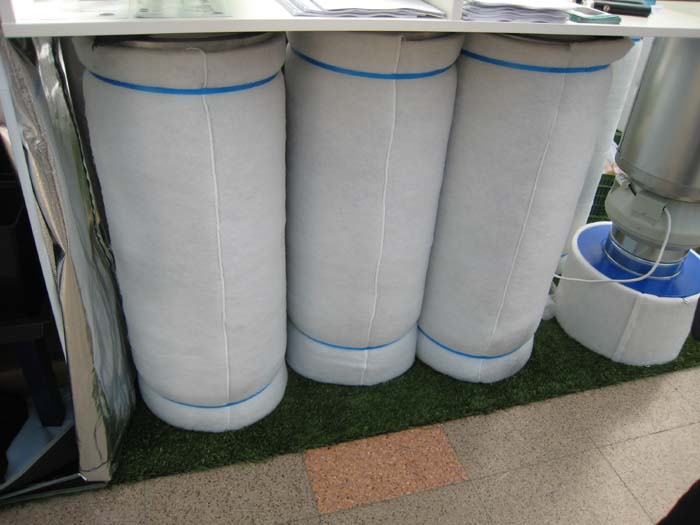
How long an under-sink water filter lasts depends on several factors, including the filter type, the water quality, and the amount of water flowing through it. A good rule of thumb is that most under-sink water filters only last about six months to two years. However, you must change the filter according to the manufacturer’s instructions to maintain peak performance and water quality. Indicators or monitoring systems can alert you when it’s time to replace your filter. If you want your filter to keep removing impurities and providing clean water, you must replace and maintain it frequently.

Natural ways to purify sink water

You can purify your sink water naturally in several ways, but keep in mind that some of these procedures might not eliminate all the toxins. Some all-natural methods for cleaning up your sink:

Aeration

You can enhance the flavor and reduce the presence of volatile organic compounds (VOCs) in water by letting it sit in an open container for a while.

Filtration                              

In a filtering system, the use of activated carbon filters is critical. With the help of these filters, you can improve the water’s flavor and aroma by removing contaminants like chlorine, sediment, and even some chemicals.

Clay Pots

Clay pots can naturally filter out impurities in water. Clay containers allow water to filter out contaminants and develop a more pleasant flavor over time.

Solar Disinfection

Place six hours of water in see-through PET bottles and set them out in direct sunlight. The water will be safer because the sun’s UV rays eliminate germs.

Activated Charcoal

A very porous substance, activated charcoal (or activated carbon), may efficiently absorb pollutants and other water impurities. Activated charcoal and a water-permeable container are all you need to construct a basic filter.

Distillation

Even though it’s not completely natural, distillation removes contaminants from water by boiling it and collecting the vapor, just like in the natural water cycle. Although it takes more equipment, this approach can create extremely pure water.

Boiling

Boiling water is a traditional and reliable method of disinfecting against germs and viruses. For optimal purification, boil the water for a minimum of one minute.

Boiling with Herbs

Herbs with inherent antimicrobial qualities include cilantro, mint, and basil. These herbs may enhance flavor and kill microorganisms when added to boiling water.

Always keep in mind that these solutions can only do so much to improve water quality. Consider purchasing a certified water filtration system or conducting routine water quality tests to ensure consistently safe drinking water, particularly in areas where pollutants are known to be in the tap water.

Benefits of Filtering Sink Water

There are numerous advantages to filtering sink water:

  • Convenience

Having filtered water available at home may save the hassle of purchasing and transporting bottled water. It allows you to enjoy clean and pleasant drinking water at any time.

  • Better smell and taste

Filtered water has many advantages over untreated tap water, including a more pleasant aroma and flavor. Filtering can eliminate chlorine, sulfur, and other chemicals that impart disagreeable flavors and smells.

  • Environmental advantages

One way to lessen the environmental impact of plastic waste is to filter water from the faucet instead of buying single-use plastic bottles.

  • Safer Water for Human Consumption

Filtered water is a better choice for hydration since it removes pollutants and other impurities. Drinking clean water is critical in order to stay hydrated and support one’s body’s processes.

  • Protection against dangerous substances

Tap water can contain toxins such as lead, arsenic, and pharmaceutical residues. Chronic consumption of these contaminants can be very harmful to your health. Using a filter to eliminate or reduce their levels can further protect you and your family from these toxins.

  • Cost savings

Over time, tap water filtering with a water filter is usually cheaper than bottled water. Compared to purchasing bottled water regularly, investing in a high-quality water filtration system or using filter pitchers can save long-term costs.

  • Removing pollutants

Many contaminants exist in tap water, such as heavy metals, microorganisms, pesticides, heavy metals, and microplastics. The water is safer and healthier to drink when filtration gets rid of or reduces these contaminants.

  • Decrease of chloramine and chlorine

Public water systems frequently employ chlorine and chloramine for disinfection, but they have the potential to leave a noticeable flavor and smell in drinking water. You can enhance the water’s taste and drinkability by reducing these contaminants through filtration.

Filtering water from a sink offers a multitude of benefits, not only for one’s health but also for the preservation of the environment. This is why it is a popular option for most homes.

Conclusion

Consider your needs, budget, and how convenient it is to use a filtration system before settling on a filtration system. Filters must be serviced and replaced on a regular basis, as directed by the manufacturer, to keep them working properly.

How Does Filter Media Work?

How Does Filter Media Work?

By | Water Filtration | No Comments

Various filtering systems use filter media, which are materials that remove pollutants, impurities, or undesirable substances from gases and fluids. They are indispensable in many industries, from refining oil and gas to water and air filtration.

Membranes, fibrous materials, porous solids, granular substances, and many more types of media serve as filters. Specific application needs dictate the chosen kind, including filtration effectiveness, flow rate, particle size, and chemical compatibility.

As the gas or fluid flows through these materials, they entrap molecules or particles within their structure. This lets the clean substance flow through while retaining the impurities. Selecting high-quality filter media with suitable characteristics is crucial to any system’s efficiency.

Air purifiers for homes, pool filters, pharmaceutical manufacturing, car engines, wastewater treatment facilities, industrial dust collectors, and food and drink processing are just a few of the various uses for filter media.

Here’s how filter media works:

  • Filtration Mechanisms

A process known as “filtration” involves physically containing particles within a medium. Another name for this phenomenon is “adsorption,” which occurs when particles cling to the media’s surface. Finally, “absorption” transpires when the media’s pores physically confine the particles.

  • Pore Size

The size of the pores determines the particle sizes that can pass through a filter material. Though they may restrict flow more than larger pores, smaller pores can catch tiny particles.

  • Material Composition

Depending on the purpose, filter media can be made of a variety of materials. Common materials encompass a wide range of synthetic polymers, including fiberglass, cellulose, ceramic, and activated carbon. Filtration methods are as diverse as the materials, each with its own set of properties.

  • Surface Area

A media filter’s ability to trap particles is proportional to its surface area. A larger surface area enables more particles to be captured before the filter needs cleaning or replacement.

  • Particle Capture

While fluid flows through filter media, it physically traps particles larger than the medium’s pore size. Because of this, they can’t get through and contaminate the fluid farther down the line.

The general idea behind filter media is that they act as a barrier that fluids must travel through for purification. This barrier then traps pollutants and particles inside the fluid.

Some standard DIY water filtering methods you can use

The following are some typical DIY water filtering methods that you can use:

DIY Gravel and Sand Filter

Coarse sand and gravel layered in a container is another easy way. You can filter your water by pouring it through the layers. The gravel and sand will absorb any contaminants or sediments that make it through.

DIY Charcoal Filter

You can whip up a quick and easy charcoal filter with only a container, gravel, sand, and activated charcoal. Charcoal draws out contaminants, and the gravel and sand work together to trap bigger ones.

Water Purification Tablets

Although it’s not precisely a do-it-yourself approach, water purification tablets are simple. They are quite successful in eliminating viruses and bacteria from water. For the correct dosage, refer to the packaging.

Cloth Filtration

One way to filter out sediment and large particles is to use several layers of cloth. You can make a homemade filter with several layers of clean fabric or cloth.

DIY Ceramic Filter

Using only sawdust and clay, you can create a simple ceramic filter. After shaping the clay into a porous vessel, you allow it to dry before burning it in a kiln. When incorporated into the clay, Sawdust forms small holes that allow water to pass through, thereby capturing contaminants.

Boiling

Water heated to a boil is an easy way to eliminate parasites, viruses, and bacteria. Before drinking, bring the water to a boil.

Solar Water Disinfection

Filling transparent glass or plastic bottles with water and placing them in the sun for a few hours is the basic idea behind this technique. Since ultraviolet light destroys any bacteria or viruses, the water is safe.

Even though these methods can improve the water, they won’t eliminate all the pollutants. If the water quality or source is unknown, it is important to use a variety of methods or combine them with commercial water filters for optimal performance.

Cheap materials for a water filter

If you’re looking for an economical way to make a water filter, here are a few items to consider:

  • DIY Ceramic Filters

Making ceramic filters out of sawdust and clay requires some work. Although an initial expenditure may be necessary for the setup, the materials needed are affordable and easily accessible.

  • Sand

For those on a budget, sand is another viable filtering medium alternative. This method effectively removes sediment and larger particles from water. When you combine it with other materials, fine-grained sand can improve filtering.

Muslin Cloth or Cheesecloth

Before the water passes through a finer filtering medium, these materials can work as a pre-filter to eliminate bigger particles. You can find these in most stores, and they’re cheap.

  • Gravel

In water filtration, you can use gravel as a support layer. It facilitates both the prevention of clogs and the provision of space for water to flow through. The base layer of your filter arrangement might have coarse gravel if you so choose.

  • Activated Alumina

Activated alumina is another inexpensive option for removing water arsenic and fluoride. It may be more difficult to come by than activated charcoal, but it is still affordable.

  • Activated Charcoal

One inexpensive item that can efficiently remove odors and pollutants from water is activated charcoal. Available in powder or granule form, activated charcoal is popular in do-it-yourself water filter kits.

  • How Does Filter Media Work?Coffee Filters

While not the longest-lasting choice, coffee filters can be an extra layer to capture debris and bigger particles in your water filter system.

Although these materials can enhance water quality, it’s important to keep in mind that they might offer partial purification. Suppose you are worried about the quality of your water. In that case, it’s important to know that do-it-yourself filters have limitations and that you should consider purchasing a commercially available water filter.

Can charcoal filter water?

Absolutely! Charcoal makes a great water filter. Filtration systems frequently use charcoal, specifically activated charcoal, to remove harmful substances. Activated charcoal is able to absorb and retain a wide range of compounds, including smells, toxins, and chemicals, from water. This is because of its high surface area and porous nature. Charcoal is a cheap and effective way to filter water, but it might not be able to remove all toxins on its own. Other filtration methods might be required to get the job done.

How long will charcoal filter water?

Several factors, including the volume of the filtered water, the filter’s quality, and the amount of impurities in the water, determine how long it takes for a charcoal filter to purify water successfully. The amount of water filtered in liters, or gallons, is the standard way to estimate the lifespan of a charcoal filter.

Charcoal filters used in home water filtering systems usually have a lifespan of 1 to 6 months. Nevertheless, the amount and quality of the water used can affect this. Always replace filters according to the manufacturer’s instructions for best performance and water quality.

The reduced size and capacity of portable charcoal filters, such as those included in emergency preparedness or camping kits, can cause them to have a shorter lifespan. For precise information on the filter’s lifespan and replacement intervals, consult the manufacturer’s instructions.

The side effects of charcoal water filter

Even though charcoal water filters are safe and effective, there are a few things to keep in mind before using one:

Possibility of Abrasion

The tiny particles in some charcoal filters could cause them to wear out faster and even poison the water supply. This risk can be reduced with the help of regular replacements and thorough maintenance.

Interference with Medications

Medication effectiveness decreases when activated charcoal binds to it. Always check with your doctor before using a charcoal water filter on a regular basis if you are on any medication, especially if it is life-sustaining.

Bacterial Biofilms Formation

There is a possibility of biofilm formation on the surface of charcoal filters, particularly those found in water pitchers. The presence of bacteria and other microbes in these biofilms poses a threat to the water supply.

Mineral Reduction

Charcoal filters are great at removing contaminants from water, but they also have the potential to filter out healthy minerals like potassium, magnesium, and calcium. While this may not be a big deal for the majority of people who eat healthily, it could be something to think about if you get a lot of your minerals from water.

Allergic Reactions 

The likelihood of an allergic reaction to the charcoal or other filter materials is low, although it does occur. Stop using the charcoal water filter and see a doctor if you get any strange side effects, such as a rash, itching, or trouble breathing.

Constipation

If a person consumes a lot of activated charcoal, constipation may occur. This is because charcoal can also draw water out of the digestive system and absorb poisons. This may cause stools to become stiff, making passing them difficult.

Possible Bacterial Growth

Bacteria can grow within the filter if you do not change or maintain it correctly. If this happens, the water may become polluted rather than purified.

Charcoal water filters are a safe and effective way to purify water. However, using them carefully and keeping them in good shape is essential. Also, be mindful of any hazards or side effects, particularly if you have health issues.

Conclusion

The filter material to use depends on the application, the flow rate, the size and type of the pollutants, and other parameters. In multi-stage filtration systems, you can use several combinations of filter media to attain the required purity level.