Express Drainage Solutions

A Solution for Sanitation, Wastewater Treatment & Renewable Energy

Njengi House

2nd Floor Suite 6, Tom Mboya St.

8:00AM - 5:00PM

Monday to Friday

+254742781455

info@expresswatersolutions.com

All Posts By

Antony Muya

Biogas and Biomethane - What is the difference?

Biogas and Biomethane – What is the difference?

By | Biogas | No Comments

Alternative energy and fuel sources are gaining prominence in the fight against global warming. Biogas and biomethane are the most prevalent renewable and environmentally friendly alternatives.

Here’s the difference between biogas and biomethane

What is biogas?

The raw materials used to create this gas include food waste, sewage, municipal waste, agricultural waste, green waste, plant material, and manure. Biogas is an eco-friendly kind of fuel. Most biogas comes from anaerobic digestion processes that use microbes that do not require oxygen. The presence of methanogen within an anaerobic digester, bioreactor, or biodigester can occasionally lead to anaerobic digestion.

Carbon dioxide and methane are the main components of biogas, along with trace quantities of siloxane, moisture, and hydrogen sulfide. Carbon monoxide, hydrogen, and methane are some of these gases that, when exposed to oxygen, can be burned or oxidized. Biogas can be transformed into fuel by releasing energy during combustion. We can use it for heating purposes and in fuel cells. It also helps gas engines turn fuel into usable heat and electricity.

Methanogens and sulfate-reducing bacteria are among the microbes that can carry out anaerobic respiration. For this reason, they are essential to the biogas production process. Additionally, biogas can mean naturally occurring gas or gas produced in an industrial setting. In anaerobic zones, methanogens produce methane, and in aerobic zones, methanotrophs do the same. Anaerobic digesters help biogas-producing facilities process energy crops and agricultural byproducts.

What is biomethane?

The gaseous byproduct of organic matter fermentation is known as biomethane. Sustainable natural gas and renewable natural gas are some names for it. This biogas has properties comparable to those of fossil fuel natural gas. Methane makes up at least 90% of biomethane. The potential to transport the gas via existing gas networks within existing appliances is possible through improving the quality of this gas.

Hydrogen and carbon dioxide can be methanized in several ways, including biomethanation, the Sabatier process, and a few electrochemical methods. Using the biomass production technique results in an efficiency of approximately 70%.

Putting an anaerobic digestion facility close to the transportation links for the biomass sources and increasing the production scale help minimize production costs. The three primary methods for producing biomethane are the thermal gasification of organic matter, the Sabatier reaction, and the anaerobic digestion of organic material.

Particulates, nitrogen oxide, carbon monoxide, hydrogen sulfide, and sulfur dioxide are environmental contaminants that biomethane can produce. The escape of unburned methane can also cause the greenhouse effect.

Upgrading biogas into biomethane

The term “biomethanation” describes the method used to convert biogas into biomethane. The procedure purifies biogas by removing carbon dioxide and other trace gases. This helps to increase the methane content to that of biomethane.

This refined gas can be used for a number of purposes, including ionization, power generation, heating, and as a sustainable alternative to natural gas. By converting it into biomethane, biogas becomes a renewable fuel with greater versatility and energy efficiency.

Improving the gas’s energy potential through refining is essential for optimizing organic waste recovery. The produced biomass greatly aids in reducing greenhouse gas emissions and promoting clean energy transitions in different industries.

Biogas and Biomethane - What is the difference?Sustainable energy goals are becoming increasingly important as nations strive to reduce their use of fossil fuels. A critical step towards this goal is upgrading biogas into biomethane. Biomethane is the sole renewable power source that can power large freight vehicles, making it extremely valuable.

Biogas consumption by end-use

Biogas is used to generate electricity, as well as for cooking and heating homes and small communities.

Biomethane, a byproduct of biogas refining, is finding increasing applications as a renewable alternative to natural gas in areas such as grid injection, manufacturing, and transportation.

Another way biomethane helps reduce CO2 emissions and promote renewable energy practices is by replacing fossil fuels in heating and power generation. This trend toward biogas and biomethane can greatly benefit circular waste management, environmental sustainability, and the drive toward cleaner energy sources.

The process of producing biogas and biomethane

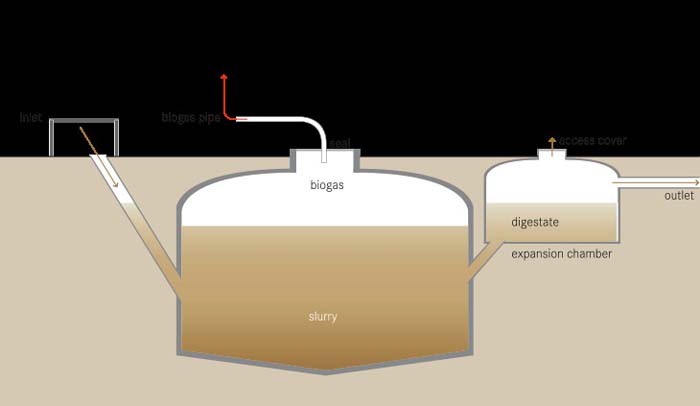
Anaerobic digestion is a method for breaking down organic materials; it produces biogas and biomethane. Manure, municipal waste, and agricultural residues are organic resources that can be anaerobically digested in a controlled, oxygen-free environment to produce biogas.

A gas mixture of carbon dioxide, methane, and small quantities of other gases is created during this process, known as biogas. The gas mixture is upgraded by removing carbon dioxide and other contaminants to make biomethane, increasing methane concentration.

Biogas is refined or upgraded in this purification process using technologies including membrane separation and pressure swing adsorption. The end product is biomethane, a very pure renewable alternative to natural gas.

Biogas and Biomethane: Applications and Benefits

Biogas and biomethane have several potential applications. These include closing carbon loops, recycling waste, renewable power and heat, agroecological transition, and clean transport. Keep reading to gain a more comprehensive understanding of their many advantages and applications.

Agroecological transition

Biogas and biomethane are essential to sustainable agriculture throughout the agroecological transition. These renewable gases can help generate clean energy for farm use by converting organic waste products like animal manure and crop residues.

As a result, we may promote agricultural self-sufficiency, improve waste management, and reduce CO2 emissions. By lowering dependence on non-renewable energy sources and closing the carbon loop, biogas and biomethane incorporated into agricultural systems help support the circular economy.

Recycling waste

Recycling waste plays a significant role in the generation of biogas and biomethane. Anaerobic digestion can produce biogas from organic waste, including sewage sludge, food waste, and agricultural residues.

This procedure results in the production of digestate, which is a material that is rich in nutrients. You can use it as an organic fertilizer for agricultural purposes.

In addition, producing biogas and biomethane from recycled materials helps reduce greenhouse gas emissions. The release of methane, a powerful greenhouse gas, is significantly reduced when organic waste is diverted from landfills and used to generate bioenergy. Reusing and recycling the material helps to achieve this.

Clean transport

An environmentally friendly alternative fuel for vehicles is biomethane. Recently, it has become increasingly popular as an alternative to conventional fossil fuels in the transportation sector, particularly in public transportation. Some cars, trucks, and even buses can run cleaner on biomethane due to its reduced emissions and ability to minimize CO2 emissions.

When it comes to fighting pollution and global warming, biomethane is finding a home in clean transportation. Its creation from organic matter helps with waste management efficiency and provides a green energy source.

Renewable power and heat

When linked with a heat exchanger, electricity and renewable heat production from biomethane are possible in combined heat and power systems, like district heating. Its methane-rich composition makes it a useful alternative to natural gas in all applications. For this reason, it offers higher energy efficiency than biogas.

Additionally, biogas is converted into biomethane by removing carbon dioxide and trace gases. This makes it a cleaner and more environmentally friendly energy source for generating power and heating.

Conversely, biogas can occasionally be a biofuel for renewable power and heat. Biogas is still better than biomethane because it uses organic waste to generate energy, even though its methane level is lower.

Conclusion

Renewable energy advocates would do well to familiarize themselves with the differences between biogas and biomethane. These eco-friendly fuels provide viable and effective options to lessen our impact on the environment and make better use of renewable energy.

Implementing these plans can speed the shift to greener energy sources and greatly improve environmental conservation. Readers can explore supplementary resources for biogas and biomethane. By switching to renewable energy sources, we can make a difference in the environment for future generations.
The Advantages and Disadvantages of Biogas

The Advantages and Disadvantages of Biogas

By | Biogas | No Comments

Biogas is a fuel gas made from decomposing organic materials. It is a combustible gas composed of methane and carbon dioxide. Bacteria that break down organic matter in an oxygen-depleted environment, such as manure, plant crops, sewage, green waste, and garbage, are responsible for producing it. Anaerobic digestion breaks down organic matter without oxygen through digestion.

The digester is a big tank where this happens. Microbes within the digester break down the organic waste into biogas. It can be made through the fermentation of biodegradable waste or anaerobic digestion by bacteria that do not require oxygen. Hydrogen, water, hydrogen sulfide, nitrogen, and ammonia are all present in trace amounts in this sustainable energy source. The energy released during the oxidation of gases such as carbon monoxide, hydrogen, and methane with oxygen enables its use as fuel.

Here are the advantages and disadvantages of biogas.

Unlike most energy sources, biogas is both renewable and non-renewable.

Advantages:

  • Eco-friendly: 

Since no combustion occurs during production, it is an environmentally friendly energy source. Consequently, greenhouse gases will not be released into the air. Accordingly, it can mitigate climate change to a certain degree when used as an energy source. While fossil fuel combustion produces far more carbon dioxide into the atmosphere, producing biogas from organic waste releases some carbon dioxide into the air.

It is a sustainable energy source since the ingredients are always in supply. It doesn’t need energy during generation, which is another advantage. Its production is an all-natural process, which is another advantage. Methane gas, a major contributor to the greenhouse effect, can be captured and utilized as fuel in biogas plants. The broad use of  the gas can be attributed, in large part, to people’s environmental awareness.

  • Reducing pollution of soil and water

Landfills receive almost 3.5 million tons of trash daily. In addition to polluting groundwater sources, these landfills often release an offensive odor. Reduced landfill waste is a direct result of its production from organic waste segregation. This could enhance soil and water quality.

Anaerobic digestion produces biogas since it does not use oxygen. It also removes parasites and other harmful microbes, decreasing the occurrence of numerous water-borne diseases caused by parasites and other pathogens. Likewise, biogas plants ensure efficient waste collection and management, making them less prone to organic waste pollution. Gathering organic waste from landfills and turning it into biogas can reduce soil and water contamination.

  • Low investment

In addition to lowering your gas and power bills, biogas plants can increase soil fertility through organic manure production. You can set up a biogas plant by investing little to no money. It is possible to generate the quantity needed for cooking and powering appliances using a small food waste treatment system that runs on animal and kitchen waste. You can put less money into a plant because the ingredients necessary to make it are free. A biogas plant can be an excellent investment for any home or facility with access to organic waste.

  • Job creation

Many countries now have plenty of job openings because of the biogas industry. Collecting raw materials and generating this fuel employ a large workforce.

  • Cost-effective 

Producing biogas is economical. You can set it up on a small scale with minimal investment. Domestic biogas plants can use free raw materials from waste products generated by everyday activities. One way to cut down on the expense of production is to use the gas for cooking and power generation directly.

  • Healthy cooking alternatives

In addition to being cost-effective, it is a healthy cooking option. Particularly in rural regions, this helps children and women accustomed to collecting firewood. Using a gas stove is inherently healthier than cooking over an open fire.

  • Generates organic manure

The organic manure produced is an ideal fertilizer for plants and crops. Chemical fertilizers pose a variety of risks to plants and crops; this organic manure is a perfect alternative. They do more than just hurt plants; they contaminate groundwater and crops with chemical burns. The production of biogas results in the acquisition of natural organic manure. This helps stimulate plant growth and protects it from certain diseases.

  • Reduces the use of fossil fuels

Increasing biogas usage can significantly decrease the consumption of fossil fuels such as coal, gas, and oil. Because of their heavy investments in and expansion of biogas plants, countries like China and India have benefited even more.

  • Waste use 

Biogas generation is a great way to recycle organic waste materials and convert them into usable energy. Additionally, it reduces the issue of inappropriate trash disposal and the harmful effects of waste on landfills. Converting waste into energy can provide fertilizers, heat, and electricity.

Disadvantages

  • Contains contaminants

Biogas retains contaminants even after refinement and compression. The produced biofuel has the potential to eat away at the engine’s metal components if used to power vehicles. The maintenance expenses would rise due to this deterioration. Lamps, water boilers, and kitchen stoves benefit from the gaseous mixture.

  • Unable to meet demand

Due to its inexpensive price, biogas is much sought after. However, current technology is inefficient, so we have to produce more of everything to satisfy demand. Governments in most nations are hesitant to increase funding for production facilities.

  • Unsuitable for all areas

Wherever raw materials are abundant, biogas can be produced. Typically, these may be found in more remote places, so biogas plants can only be reasonably located there.

  • Unstable and dangerous 

Methane violently reacts with oxygen to produce carbon dioxide. Due to its extremely combustible nature, explosions can occur.

  • Affected by weather

Temperature has an impact on biogas, like most renewable energy sources. Warm temperatures are perfect for bacterial action, so setting up a plant in chilly climates is difficult.

Conclusion

Biogas, like any other renewable energy source, has pros and cons. Despite certain negative aspects, it is a great renewable energy source with many promising applications. Researching the various generation technologies and locating a biogas company are simple tasks.

The Pros and Cons of Biofuels

The Pros and Cons of Biofuels

By | Biogas | No Comments

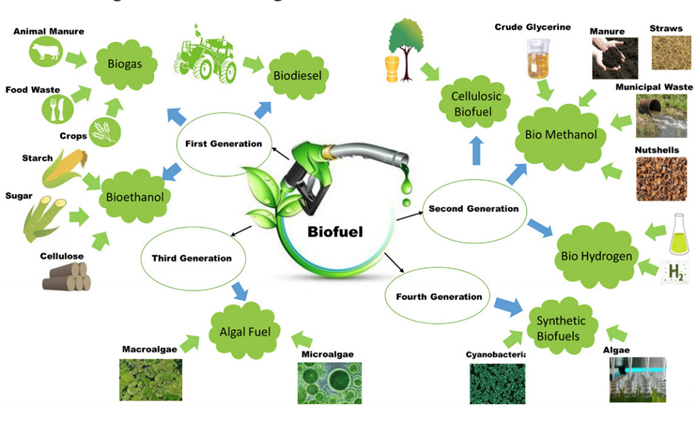
Biofuel is one of the most accessible fuels on Earth. Biomass, including materials like straw and wood, can be transformed into liquid and gaseous biofuels by directly combusting dry matter. Vegetable oil, sewage, and sludge matter are additional sources of organic matter. Their transformation into biofuels occurs through wet processes such as fermentation and digestion.

Here are some examples of common biofuels:

  • Biogas: 

The production of biogas occurs when bacteria break down organic materials without oxygen. This process is known as anaerobic digestion.

  • Biodiesel:

This liquid-based fuel is made from animal fats or vegetable oils like soybeans.

  • Ethanol: 

Ethanol is a liquid fuel that originates from plant products. This fuel comes from fermenting the sugar present in grain starches, including barley, sorghum, and corn, as well as the sugar in sugar beets and sugar cane.

Advantages

Because of its many advantages, the biofuel industry is becoming an increasingly important player in the global energy market. Here are some advantages of biofuels, considering their pros and cons.

Eco-Friendly

Unlike fossil fuels contributing to climate change, biofuels are renewable and do not deplete natural resources. Depending on the biomass’s origin, cultivation, harvesting, and processing methods, the biofuel production process can be either carbon-negative or carbon-neutral. Thus, they are an eco-friendly alternative to traditional energy sources. Refining oil into diesel or gasoline fuel uses more fossil fuels than producing biofuel.

Expenses for maintenance

The prices of many biofuels are comparable to those of gasoline. Nevertheless, they are better for the environment. They are less polluting and release fewer carbon emissions. Another way biofuel helps fight climate change is by decreasing greenhouse gas emissions.

One benefit of biofuels is that they are easier on engines than conventional fuels. As a result, the engines last longer and require less maintenance.

Lower cost

Biofuels have a lower price tag than their fossil fuel counterparts. Compared to fossil fuels, the amount of arable land needed to cultivate crops is typically lower. You can also transform plant cellulose and other biomass crops into biofuels. These are an efficient and cost-effective source of energy.

Sourcing

Increasing energy demands are a constant on a global scale. Even though we still have a long way to go until we run out of fossil fuels, the present oil and gas reserves will be valuable for a very long time.

Many different materials have the potential to be transformed into biofuels. Otherwise, many biofuel ingredients would go to waste. Because of this, obtaining these becomes less complicated and more affordable, mainly when done in bulk.

Renewability

Plants and animals are the primary sources of biofuel. Additionally, they may be present in animal waste, shrubs, plants (alive or dead), grass, and even crops. Biomass energy is a sustainable source that you can transform into biofuel. You can produce most of the materials used to make biofuels in a few weeks.

One alternative to petroleum that has been considered is algae biofuel. It is possible to grow microalgae in wastewater. This improves their accessibility and ease of extraction.

One such example is biofuel made from algae, which has the potential to fulfill the function of petroleum in the world economy. It is possible to cultivate microalgae in wastewater. This makes them both more accessible and easier to extract.

Using waste

The crops used to make the fuels were formerly destined for the food chain. Using these crops for energy instead of food can reduce the amount of food we need to produce, cut prices, and boost resource efficiency. Nevertheless, there are still some concerns with this approach. The reason is that it could cause food prices to rise if crop prices rise.

Produces organic fertilizer

Agriculture based on organic materials, like compost, remains the most traditional farming practice. Fertilizer made from organic materials is a great tool for gardeners. Because it does not include harmful chemicals, organic fertilizer is effective in growing plants and trees and helps decrease pollution in the water and air.

The Pros and Cons of BiofuelsThe economic factor

Only some countries can access hydrocarbon energy sources, so many places rely on shipping oil and gas. Adopting these fuels can balance the cost of imports, reducing our dependence on foreign oil and gas, creating more jobs, and strengthening our economic independence.

Carbon debt can be mitigated through the production of locally grown corn and its subsequent conversion into biofuels in energy facilities that are thoughtfully constructed. This improves economic benefits while reducing the costs of imported fossil fuels.

Using less land

Producing biofuel crops uses less arable land than refining fossil fuels to make oil. Furthermore, marginal lands that would otherwise be useless can be transformed into biomass crops. Biofuels will absorb the carbon dioxide expelled when fossil fuels are burned instead of adding to it.

Disadvantages of biofuels

Many people are considering these fuels when looking for a greener and cheaper way to generate energy. Despite all the benefits, there are several drawbacks to consider while thinking about biofuels. Among them are:

Health and safety

Because of their organic and sustainable nature, biofuels do not release harmful substances when burned. However, processing the plants used to manufacture biofuels requires a lot of energy, meaning they might produce air and other pollutants. A potential health risk could arise from releasing old waste products into the air if mold or fungus grows on the biofuel while it is being processed.

Lasting costs

The production costs of biofuel are still significant, even though they can be reduced for maintenance. Due to the high demand for biofuel, interest rates and the necessity for capital investments remain relatively low. Meeting the existing demand becomes easy. However, converting to long-term operations will become significantly more costly as biofuel demand keeps rising.

Pollution and water use

Biofuels’ carbon footprints are reduced during consumption compared to fossil fuels. However, producing crops for biofuel still uses a lot of water and oil. Even though biofuels are often believed to be carbon neutral, their environmental impact is comparable to that of fossil fuels.

Contaminants

Natural contaminants, including nitrogen, vitamins, salt, and minerals, are introduced into biofuel production when plant material is used. When present in excess in the biofuel, these contaminants can lead to issues. For instance, an overabundance of nitrogen in the biofuel will result from contaminating more than 50% of the maize grain utilized in production. Since this fuel produces acidity for several days after consumption, it poses a health risk to everyone who handles or consumes it.

Dependence on agriculture

Since crops are the primary ingredient in biofuels, weather conditions, including precipitation and humidity, significantly impact crop yields. Because farming practices might vary with the seasons, providing biofuels of constant quality is challenging. Where to grow also limits biofuels. For instance, regions with warm climates are the only ones able to produce biodiesel from soybean oil.

Possibility of food price increases

Producing livestock feed and food are only two of the numerous applications for crops. Reducing land use for non-bioenergy reasons may be an outcome of raising the bar for biofuel production. The demand for meat could rise in response to the possibility of rising fuel prices. This would increase the amount of food necessary to feed livestock. Food costs can rise as a result of the surge in demand for grains. Meat alternates have been increasingly popular in recent years, and their increased acceptance might be a solution.

Is biofuel renewable?

In contrast to fossil fuels, which have a renewable life span of hundreds of millions of years, biofuels are naturally renewable, and you can replenish them in as little as one year for biofuels made from animal waste, agricultural residues, and crops or in around 35 years for biofuels made from forest residues.

Conclusion

Biofuels offer numerous benefits. However, biofuel isn’t cost-effective or efficient enough at the moment. This is due to production technology and consumption.

One possible future energy source for the world could be biofuels. But we need to fix the excessive prices currently in place. These expenses are associated with production, development, research, and extraction. Although they hold promise, biofuels alone will not be enough to stop global warming. However, biofuel must definitely be part of the solution.

The Pros and Cons of Biomass

The Pros and Cons of Biomass

By | Biogas | No Comments

One of the first forms of energy humans used was biomass. Since its discovery, people have used fire for cooking, heating, and lighting.

Direct harvesting or as a consequence of operations like household, sewage, and farming waste are two ways to create biomass, mainly waste, wood, and plants.

Here are the pros and cons of biomass

Pros

  • Carbon neutrality potential 

It may not produce any greenhouse gas emissions at all. A closed carbon loop is formed when the CO₂ emissions from burning crops are balanced out by the CO₂ absorption during crop growth.

  • Waste reduction

Earth has a finite amount of land. There is no way to build houses or grow food on top of every square foot that goes into landfills. Biomass energy has the potential to address a serious issue: how to manage the massive amount of waste that our civilization produces.

Not all garbage can be turned into biofuel, but much of it can. Because these materials decompose in landfills for a long time, turning them into electricity would free up a lot of space.

  • Versatility 

It can work as a biofuel for vehicles, to generate energy, or even to heat homes. Its versatility proves its promise in several industries.

  • Reliable 

One of the most common concerns about solar electricity is what happens when the sun doesn’t shine brightly enough. Power shortages remain a real worry in particular weather circumstances, even though storage grids are getting better at storing and delivering power. The same rule applies to wind.  Biomass is easily accessible. If there are insufficient supplies, society can increase food production to meet energy demands.

  • Energy independence 

We rely less on natural gas and imported oil because they are produced and refined in our own backyards. As a result, local and national governments have greater agency over energy production and safety.

  • Greenhouse gas emissions reduction

Reducing emissions of greenhouse gases is one of its most promising uses. Because biomass produces less carbon dioxide when burned, it helps reduce the impact of climate change. This is in contrast to fossil fuels.

  • Creating jobs

Whether technicians run power plants or farmers tending crops, it creates jobs. Local economies are bolstered, and job opportunities are created as a result.

  • Renewable 

Biomass energy has the distinct benefit of being endlessly renewable. This means it can continue to power human activities as long as the Earth generates sufficient resources for all living things. Society will inevitably produce sewage and garbage. You can maintain soil quality by planting different crops each year.

Cons:

This energy has much potential as a sustainable and renewable power source, but it’s important to remember that every solution has problems. Some of its downsides are as follows:

  • Technology innovations

Making it more affordable and effective requires improvements to its conversion technology. Research and development are necessary to realize its maximum potential.

  • Land usage and competition 

If large-scale production causes competition for arable land, there may be repercussions for food production and natural ecosystems. Finding a middle ground between them is not easy.

  • Expensive at the start

Compared to more established technologies, the high cost of setting up facilities for this renewable energy source discourages investment.

  • Carbon emissions from processing 

Although it produces little pollution when burned, biomass can release carbon dioxide and other contaminants when transformed into biofuels and other practical uses. Minimizing these pollutants requires meticulous control.

  • Availability of resources

Because of seasonal and regional variations in availability, biomass is not always a reliable energy source alone.

  • Impact on the environment

Water use, soil erosion, and deforestation are potential environmental implications of operations. Negating their ecological benefits is an unsustainable practice.

  • Problems with transportation 

Transporting feedstock to processing plants is a common task. However, long-distance travel might increase energy consumption and transportation expenses.

Balancing the scales

A cleaner and more sustainable energy future is within reach thanks to biomass. To tap into this potential, though, we need to be realistic and weigh the benefits and drawbacks of biomass.

Promoting sustainable practices is important for making use of them. Responsible agricultural cultivation involves reducing negative environmental effects using cutting-edge conversion technology. Government regulations and incentives can greatly assist in promoting an industry that contributes positively to the economy and the environment.

Research and development funding is also essential. To overcome some of its present constraints, technological progress can make this energy more competitive in terms of efficiency and cost.

Examples of Biomass

Renewable energy sources include all forms of organic matter, collectively known as biomass. It has multiple potential uses, including direct combustion for energy generation, processing into biogas, or conversion into biofuels such as biodiesel or ethanol.

The organic elements utilized in biomass may be naturally renewed. This makes it a sustainable alternative to fossil fuels and a renewable energy source. A few instances are as follows:

  • Animal manure:

Anaerobic digestion of livestock manure produces biogas, and the byproduct, degestate, can be applied as a fertilizer.

  • Municipal solid waste: 

Anaerobic digestion is a method that helps convert organic waste from households into biogas.

  • Agricultural residues: 

We refer to producing energy from crop byproducts such as husks, wheat straw, and maize stalks as biomass.

  • Algae:

One viable option is to grow algae for their potential biofuels, such as biodiesel or biogas.

  • Wood: 

Used as a raw material, power generation, and heating for a variety of goods, this is among the most prevalent biomass sources.

Conclusion

Cleaner, more sustainable energy is the future, and biomass is a key component. The benefits, like reducing carbon emissions and being renewable, are empowering.

In order to fully use biomass, one must approach it responsibly and tackle obstacles like resource scarcity and environmental impact. However, a more sustainable and energy-independent future is within reach with proper preparation, investment, and eco-friendly practices. As we move towards a more sustainable energy future, understanding the benefits and drawbacks of biomass can help us learn, adjust, and make better decisions.

The Difference between Biomass and Biogas

The Difference between Biomass and Biogas

By | Biogas | No Comments

There is a connection between biomass and biogas. Biomass is converted into biogas, so you need biomass to begin the process of making biogas. Carbon is the most abundant element in biomass, so carbon is another element that biogas contains. A variety of gases come together to form biogas. The decomposition of organic materials results in the production of biogas. Among the numerous differences, the most notable is that biogas is a combination of gaseous components, while biomass is a solid material.

Here’s the difference between biomass and biogas

What is biomass?

Biomass refers to the collection of materials made up of all the many kinds of living organisms. One way to define it is the mass of all living things inside a specific volume or region. Any substance derived from animals or plants is biomass. A fuel source derived from organic materials is biomass. This form of energy is both sustainable and renewable. You can get a variety of energy sources, including electricity, from biomass.

You can find biomass in many places, including waste, animal manure, wood, crops, forest debris, etc. Wood is the primary source of biomass. Biomass consists of organic materials, such as animals and plants. These have the potential to turn into valuable chemicals, such as biofuels.

Any material derived from living beings can be considered biomass. Bioethanol originates from a variety of biomass sources, one of which is sugarcane. Various forms of energy can be extracted from biomass. Burning can accomplish this transformation. For instance, burning wood produces light and heat, which are forms of energy. The decomposition of biomass can also result in the production of biogas. Both industrial and natural processes involving digesters can bring about this breakdown.

Biodiesel, bioethanol, and other biofuels can be fermented from biomass. Animal and vegetable fats are the primary ingredients needed for this process to take place.

What is biogas?

Gases derived from biological materials are known as biogas. There are two potential mechanisms for this to occur: natural and industrial. The breakdown of organic stuff naturally produces it. Digesters help to make it in factories. Organic materials such as sludge, garbage, food scraps, animal manure, etc. are used to make biogas.

The production of biogas occurs when this organic waste breaks down in an anaerobic environment. In the absence of molecular oxygen, we say that we are in an anaerobic environment. There’s the release of a variety of gases during this anaerobic digestion process. Anaerobic bacteria do digestion without oxygen, resulting in biogas. Biogas production occurs naturally.

Biogas is flammable, so it can catch fire. When burned, it produces a shade of blue, making it an excellent energy source. Carbon dioxide and methane are the main components of biogas. Biogas can be named based on its production location.

Biogas is a biofuel that can be made from various organic materials. It is, therefore, suitable for treating industrial and municipal wastewater and other types of wastewater. Biogas has multiple potential applications, such as producing transportation fuel, electricity, gas, and heat.

Both biomass and biogas share a number of similarities.

  • You can get sustainable fuels from both of them.
  • Energy is extracted from them.
  • Biogas and biomass are forms of biofuel.

Is biogas the same as biofuel?

Although they share the category of renewable energy, biofuel, and biogas serve different purposes and feature different materials. Biogas results from the anaerobic digestion of organic materials, including food waste, manure, agricultural waste, and sewage. Gases other than carbon dioxide and methane comprise only a tiny fraction of its total mass.

Biogas has viable uses in car fuel, electricity generation, and heating. A fuel created from organic materials, such as plants or components derived from plants, is referred to as biofuel. Biofuel does not include petroleum. Ethanol originates from crops such as maize or sugarcane. Biodiesel comes from animal or plant oil fats. Both fall under this category. The primary application of biofuels is to serve as an alternative to gasoline and diesel in the transportation sector.

The primary differentiating factors are the organic materials and production methods used to make biofuel and biogas. Biogas, which results from the anaerobic digestion of organic waste, primarily contains carbon dioxide and methane. On the other hand, biofuels are gaseous or liquid fuels made from plant materials. They function as alternatives to traditional fuels such as diesel and gasoline.

Why is biogas considered a better fuel?

Biogas is a good fuel for several reasons, including the following:

  • Making biogas is cheaper than most traditional fuels and requires no maintenance. It saves money.
  • It has no problems with storage. Pipelines leading straight from the gas plant may provide a constant supply.
  • Due to its lack of combustion byproducts, it is an environmentally friendly fuel.
  • Because it generates a great deal of heat for its mass, biogas has a high calorific value.

Conclusion

Valuable biofuels include biogas and biomass. You may use these biofuels to generate electricity, transportation fuel, heat energy for your home, and more. Still, biogas is not the same as biomass. The most notable distinction between biomass and biogas is that the former is a gaseous component, while the latter is a solid material.

How to Clean Up an Activated Carbon Filter

How to Clean Up an Activated Carbon Filter

By | Water Filtration | No Comments

Do you have trouble determining when to replace the activated carbon filter in your home? For more information, keep reading. If you want the best water to drink, you must maintain your activated carbon filter, which is a part of your water filtering system.

Among the most noticeable indicators that it’s time to replace your activated carbon filter is a change in the color or taste of your drinking water. If you see any of these changes in the water, it’s time to inspect the cartridges in your activated carbon filter.

Activated carbon filters’ lifespans vary with use and other conditions. For this reason, it is essential to change them at the recommended intervals to maintain clean water, good taste, no odor, and overall safety.

Reasons to Change Your Activated Carbon Filter

Even though it might not be immediately apparent, there are a few warning signs that it is time to replace your activated carbon filter.

  • Problems with your activated carbon filter might lead to more serious issues down the road.
  • The possibility of jams or slower machine performance is another sign that the filter cartridges need checking and replacement.
  • If the color or flavor of your drinking water changes, it’s probably time to inspect the carbon cartridges. This is one of the most noticeable signs.

By keeping an eye out for these indicators, you can keep your filter at your house or office clean and in good working order.

Here’s how to clean an activated carbon filter.

  • Avoid Scrubbing

The porous surface of carbon media is essential for filtration; therefore, be careful not to brush it too vigorously. Soaking with a gentle swirl will do the trick. Extra caution should be exercised when dealing with carbon.

  • Vinegar or Hydrogen Peroxide

Some people use white vinegar or diluted hydrogen peroxide instead of lemon juice to help sanitize and deodorize. Prior to rinsing, let the carbon soak for one hour. Stay away from bleach solutions because they break down the carbon.

  • Soaking in Solution

For a more thorough cleaning, create a mixture of salt, lemon juice, and warm water. Toss the activated carbon about occasionally while it soaks for one hour. The salt abrasion scrubs the carbon surface, and the acidity dissolves mineral scales. Thoroughly rinse.

  • Simple Rinsing

Rinsing the filter under running water removes loose granular material and sediment, making it easy to maintain. While rinsing, gently swish the carbon grains around.

  • Reactivate in the Oven

If basic cleaning doesn’t restore the filtration capacity, you can try “reactivating” the carbon in the oven at 120 degrees Celsius for half an hour. This process destroys organic pollutants. If the performance is still poor, replace it.

How to Clean Up an Activated Carbon FilterWhen to replace carbon filters

Determining the approximate time until a carbon filter needs replacement depends on a number of variables. Some of these criteria are:

While an activated carbon filter is great for maintaining a healthy and clean environment, it isn’t indestructible.  If you want your filter to last as long as possible and keep your house or office air clean and safe to breathe, you must know when to replace it.

Activated carbon filters typically require replacement every one to three months, though this might vary depending on the brand.

Use Duration 

To restore full performance and efficacy, it is important to change the carbon filters of your water filter when they are due. The best approach is to look at the amount of time that has passed since you last replaced the activated cartridge.

This time frame highly depends on the frequency with which they are utilized and the quantity of toxins in your water. Carbon filters can become clogged and less effective over time, and if not properly maintained, they might damage your equipment.

The key to an effective maintenance plan is learning to recognize the signs of filter failure, such as powdery residues, discolored water, or a decrease in flow rate. If you notice any of these issues, it’s best to contact a professional immediately so they can determine if you need to replace your filters.

Quality of the Carbon Filter

Long-lasting, effective, and high-quality activated carbon cartridges can remove up to 80 percent of water contaminants. Their construction, which uses specific materials, allows them to last longer, reducing the need for repairs and maintenance.

Get your cartridges from a reputable activated carbon manufacturer for optimal performance and durability. You might not have to change their high-quality filters often, so your purifier system will last longer and perform better.

Use of Your Carbon Filter

To keep your home water system in good working order, often check and replace your activated carbon filter if necessary. Depending on how often you use it, you should check your filter once a month or more frequently as required. Don’t worry if you discover that the filter needs replacing earlier than expected.

Simply put, it indicates that it performs its function and keeps contaminants from your home’s water supply. Once cleaned, an activated carbon filter can keep chlorine, bacteria, and other pollutants out, ensuring your family’s safety.

Replacing the Filter Your Activated Carbon Filter?

Temperature is a major factor in an activated carbon filter’s inefficiency and short lifespan. The filter’s efficiency decreases when contaminants build up and clog the pores.

To keep the water safe to drink for as long as possible and to keep the filter working at peak efficiency, change it out periodically with a new activated carbon filter. Ongoing pollutant removal from your home’s water supply requires more than updating the filter frequently.

Suppose you want consistently high-quality, filtered water from your activated carbon filter. In that case, you must wash out the pollutants, check the flow rate, and replace the carbon pellets in the canister. You need to change the filter if you want water that tastes better than municipal water, is healthy, and is free of chemicals.

How often do you need to replace a carbon filter?

It is best to replace a carbon filter once every year. According to conventional design, media changes are typically required once a year for larger forced extraction systems, though this can be increased to twice a year per customer request.

You can check if your carbon filter is effectively removing organic chemicals, odorous gases, and sulfides (like h2s) and VOCs by replacing them. Activated carbon filters can reduce foul odors by as much as 99.5%. Industrial carbon filters are crucial in purging polluted air streams of dangerous and unpleasant substances.

What to Use Instead of an Activated Carbon Filter?

Based on the particular use, activated carbon can be replaced with a variety of other materials.

  • Photocatalysis:

This method converts harmful pollutants into non-toxic substances using a catalyst and light.

  • Reverse osmosis:

To purify water, this method employs a semipermeable membrane.

  • Ion-exchange resins:

Ions are exchanged between these synthetic materials and the targeted pollutants in the air or water. This procedure effectively removes minerals that cause hardness, such as magnesium and calcium, as well as heavy metals like copper and lead. Ion-exchange resin has a wide range of uses in water treatment because it may be modified to target certain ions.

  • Biological treatment:

Degradation by living organisms is a method for cleaning polluted air or water.

  • Ozone treatment:

Ozone gas helps to oxidize and eliminate pollutants from water.

  • Adsorbent materials:

Silica gel, activated alumina, and zeolites can absorb contaminants.

  • Ultrafiltration:

The process involves filtering water via a membrane to eliminate bacteria and other microbes.

Conclusion

An activated carbon filter offers constant water filtration with frequent maintenance. It also protects RO membranes and constantly filters water with routine maintenance cleaning. During maintenance, always replace washers, housings, and any other worn parts. Healthy water results from a clean filter.

Reverse Osmosis vs. Carbon Filter - Which is Better?

Reverse Osmosis vs. Carbon Filter – Which is Better?

By | Water Filtration | No Comments

When researching home water purification systems, you might encounter discussions of reverse osmosis and carbon filters. Because there are so many filtering systems today, choosing the right one to make your water cleaner and more enjoyable can be challenging. On the other hand, a carbon filter and an RO system are two of the most popular technologies that can safely filter water.

So, which one is the superior choice? With their unique standards for quality water, these technologies couldn’t be more different. When you are aware of and familiar with these differences, you will be better able to choose the water filter that meets your needs.

What is a carbon filter?

A carbon filter is a porous filter constructed from organic, natural materials such as coconut shells, bone char, and charcoal.

Carbon filters are compatible with systems powered by either gravity or water pressure. They can eliminate chlorine and other impurities that make faucet water smell and taste bad.

What are reverse osmosis systems?

A reverse osmosis system usually has four phases of filtration: sediment, carbon, semipermeable membrane, and post-carbon.

RO systems can remove most toxins in municipal water by forcing water through a membrane with very small holes. Some RO systems can restore beneficial minerals to the filtered water. RO can also remove a wide variety of pollutants, such as heavy metals, bacteria, dissolved solids, and viruses.  

Differences between Carbon Filter and Reverse Osmosis (RO)

It is important to know that a carbon filter and reverse osmosis differ in several areas.

Use Point

Reverse Osmosis

Due to their size and number of filter stages, RO systems can only work in three specific locations: the whole house, on the countertop, and under the sink. The most common installation is a reverse osmosis filtration system installed under the sink.

Carbon filter

Carbon filters are compatible with nearly all water filter systems, including those found in whole-house water filtration systems, gravity water dispensers and pitchers, countertop filters, and under-sink filters.

Filter Phases and Process

Carbon Filtration

A single carbon water filter cartridge is all you need to achieve the desired results with carbon filtration. But for even better filtration, some carbon-based systems might use multiple filters. Granular activated carbon water filtration systems and carbon block filters are the two most commonly used kinds of activated carbon filters.

“Adsorption” describes the procedure used to filter activated carbon. Carbon filter cartridges trap a high concentration of pollutants in the water that passes through them because of their vast surface areas and high porosity.

Reverse osmosis system

Reverse osmosis (RO) rapidly pushes water through these stages in the specified sequence. After the sediment filter has removed the sediment, the pollutants that smell and taste bad are removed by the carbon filter. Total dissolved solids that amount to 99.9 percent are removed by the semipermeable membrane. The water is polished by the post-carbon filter, which also removes any remaining impurities.

Water Clarity

Reverse Osmosis Filtration

Water can often be purified via reverse osmosis. This process removes toxic chemicals, metals, arsenic, fluoride, and almost all total dissolved solids, leaving behind pure, fresh water.

Carbon Filter

Carbon filters cannot purify water. Although they filter out a few common pollutants, their main goal is to improve the water’s smell and taste. A basic carbon filter will filter the water but not remove contaminants.

Reverse Osmosis vs. Carbon Filter - Which is Better?Efficiency

Reverse Osmosis Filtration

Operating a reverse osmosis system to purify water for human use results in negligible water loss. During filtration, the rejected pollutants are carried by the wasted water out of the reverse osmosis chamber.

These systems would previously lose as much as four gallons for every gallon of water generated. Today, one gallon of water goes to waste for every one or two gallons of filtered water generated by modern, effective systems. However, these systems could be more efficient than carbon filters, which do not waste water.

Carbon filter

Carbon filters outperform RO systems for one simple reason—they don’t waste water.

Everything is as easy as water entering the filter and out the other end. While water molecules flow through the filter’s pores, odors, unpleasant tastes, and organic chemicals are trapped in the medium.

Installation and maintenance

Reverse osmosis filters

Due to the several filter stages, drain lines, and water storage tanks required by reverse osmosis filters, their installation is more complicated than that of traditional tank-based systems. More space and labor must be put into installing the system at the designated site. Point-of-entry systems are simpler to set up than POU filters.

Since a reverse osmosis system has 3 filters—the reverse osmosis membrane, post-filter, and pre-filter—it is more work to maintain than a carbon filter. Additionally, additional moving components could break down or become clogged over time. On average, RO membranes last 24 months, while RO filters only last 6 -12 months.

Carbon Filter

Depending on its application point, a carbon filter can be straightforward or highly complex to install. While installing under-sink systems is straightforward, countertop carbon and gravity filters need no setup.

This system requires little maintenance beyond replacing it when its surface becomes too clogged to remove chlorine effectively. Chlorine levels and cartridge sizes determine the typical lifespan of carbon systems, which ranges from two to nine months.

Pollutants Removed

Carbon Filtration

The advantages of a carbon filter are better shown below:

  • It gets rid of certain heavy metals, parasites, and cysts.
  • It decreases the turbidity
  • Controls the growth of bacteria
  • It gets rid of organic substances, THMs, and chlorine
  • It makes the water smell and tastes better.

Reverse osmosis

The carbon filter stage of an RO system removes all the pollutants, including those that a single carbon filter only partially improves or removes, much like a single carbon filter would. Moreover, it can eliminate:

  • Fluoride
  • Dissolved solids
  • Arsenic
  • Viruses

Drawbacks

Reverse Osmosis Filtration

A major drawback of reverse osmosis filters is the removal of beneficial minerals from water. Eliminating these minerals can reduce the appeal of tap water, which is popular for its pleasant alkaline flavor. On the other hand, remineralization filters are now an available add-on for many reverse osmosis systems. These filters replenish the water with beneficial inorganic minerals.

Carbon Filtration

Most carbon filters have the major drawback of not purifying water but merely filtering it. A carbon filter gets rid of chlorine and a few other pollutants that change the smell and taste of water. That’s the nature of these filters; they can’t produce more effective water filtration on their own. You have to use them in conjunction with other filtration methods.

Deciding Between Carbon Filtration and Reverse Osmosis: Which Is Better?

Carbon water filters and RO systems each have advantages and disadvantages. Carbon-filtered water is less clean than RO water because the latter removes more impurities.

RO systems are larger, more costly, and more limited than carbon-based alternatives. However, if you want to get rid of chlorine and cheaply improve your water’s flavor, you can use carbon filter cartridges in inexpensive filtration devices like pitcher filters.

Just because RO systems are superior to other technologies doesn’t mean they fit your needs.

Making Your Choice

Many factors should be taken into account while selecting a household water filtration system, such as:

  • Cost of operating the system
  • Your filtration needs
  • System maintenance needs
  • The system’s budget
  • Needs for installation, system capacity, and size
  • Whole house vs. point-of-use filtration

Conclusion

Although reverse osmosis (RO) systems deliver thorough pollutant removal, they have downsides, such as loss of useful minerals and water wastage. While a carbon filter offers a faster flow rate and is effective for chemical removal, it might not be able to remove all pollutants.

Before deciding between a carbon filter and a reverse osmosis system, consider your priorities, budget, each filtration method’s features, and any worries you may have about wastewater. Additionally, consider your unique water quality issues.

Feel free to contact us anytime if you need assistance deciding on a water filter system. We can also conduct water testing for you if you’re interested.

Best Filtration Medium Material for Filtering Water

The Difference between Activated Carbon and Charcoal Filters

By | Water Filtration, Water Treatment | No Comments

Charcoal and activated carbon water filters are two options that everyone seeking a safe and efficient method to remove hard minerals from their home’s water supply has likely come across. But which one is superior? Which is better: an activated carbon filter or a charcoal filter for your house?

Before you begin your search, familiarize yourself with the definitions of activated carbon and charcoal and the reasons behind their widespread use as water filters.

What is activated carbon?

There are many similarities between charcoal and activated carbon, but there are also some important distinctions.

While wood is the most common ingredient in charcoal, activated carbon can be derived from a variety of sources. This includes petroleum pitch, coal, coconut husks, peat, coir, lignite, nutshells, or even wood. There are two processes for making it:

  • Two methods exist for physically activating. First, there’s pyrolization, the same method for making charcoal. Oxidation is employed, subjecting the carbon to steam or oxygen at high temperatures. This occurs in a range of typically 600 to 1200°F.
  • Carbon must be saturated with specific chemicals to activate it chemically. Zinc chloride, potassium hydroxide, sodium hydroxide, sodium chloride, and phosphoric acid are some common options.

Manufacturers often prefer chemical activation over physical activation due to its reduced temperature requirements and relative speed.


Though quite similar, activated carbon and charcoal differ in important ways. We have already established that organic materials, most commonly wood, are the traditional building blocks of charcoal. However, activated carbon can be made from a variety of materials, including:

  • Petroleum pitch and more
  • Coal
  • Ignite
  • Coconut husk
  • Peat
  •  Nutshells
  • ‘Coir

What is charcoal?

Organic materials, usually wood, are burned in an oxygen-free environment. This phenomenon is called pyrosis. The typical range for burning wood is 840 to 950°F. The byproduct of burning wood is then allowed to cool. The next step is to seal the kiln’s vents, removing oxygen and allowing the remnants to burn.

The end product is charcoal, a hard, porous substance. Its high carbon content makes it useful for various processes, including filtering, heating, and cooking.

Difference between Activated Carbon Filter and Charcoal Filter

Activated carbon filters and charcoal are often used interchangeably due to their similar properties. Both have porous media that may soak up various pollutants. Carbon filters appear superior, though, and there is evidence that they differ.

One difference between activated carbon and charcoal filters is that the former is often more pure. In most cases, these filters outperform charcoal filters for water filtration.

These filters are generally considered the best option because of their larger surface area. For instance, a gram of activated carbon covers about 500 square meters. The filters are made of a porous substance that lets water pass through while retaining contaminants and harsh chemicals such as chlorine, iron, and more.

They are an excellent method for removing pollutants and softening hard water. Softened water enhances flavor and eliminates unpleasant odors and discoloration. It has many uses, including reducing soap use and improving the condition of hair and skin.

Activated carbon filters guarantee that the water you drink every day is safe and of excellent quality, even though charcoal filters also remove contaminants.

Is an activated carbon filter effective?

To purify water or air, activated carbon filters work wonders at eliminating contaminants and unpleasant smells. The activated carbon’s high surface area is a result of its porosity. It works by adsorbing contaminants onto its surface. A number of factors, including the filter’s size, the carbon’s quality, and the air or water’s flow rate, determine the filter’s effectiveness. If you want high-quality filters, obtaining them from certified activated carbon filter makers is smart.

Is a charcoal filter effective?

One of the best ways to purify water and eliminate contaminants like pesticides, lead, and chlorine is to use a charcoal filter. Adsorption is when a charcoal water filter removes contaminants from water by binding them to the carbon cartridge’s pores.

What does charcoal do in water filtration?

Charcoal filters trap these pollutants in a charcoal cartridge’s enormous surface area of extremely porous carbon granules.

The adsorption process starts when pollutants attach themselves to its porous features.

Conclusion 

Among the many options, charcoal water filters undoubtedly rank highly in popularity. Activated charcoal has several positive effects on human health, the environment, and the economy, particularly when used with water softeners. After installing a charcoal water filter, you will instantly notice the difference.

What Does Activated Carbon Filters Remove from Water?

What Does Activated Carbon Filters Remove from Water?

By | Water Filtration | No Comments

Due to the rise in pollutants and pollution, as well as many other issues, water filters have become an indispensable component of everyday life. Activated carbon filters are currently considered among the most effective and best water filters globally. They are well known for eliminating nasty tastes, bacteria, contaminants, and odors from the water.

To make the water drinkable again, activated carbon filters can remove nearly all contaminants, including chloramine, suspended particles, heavy metals, and sediment (up to 99 percent).

Activated carbon filters

Activated carbon filters—also called active charcoal filters—are noticeably different from the usual water filters. The system uses porous sponges or black beads to increase the impurity capture rate. One of the most important parts of this filter is the activation procedure. This involves introducing steam or heat. The steam or heat increases the carbon’s surface area. The carbon pores enlarge to absorb different contaminants in the water as a result of their activation-induced expansion.

Types of Activated Carbon Filters

Activated carbon filters can be classified into two categories:

  • Granular activated charcoal (GAC)
  • Carbon block filters

Carbon block filters are made from finely powdered activated carbon granules. Filters with less than one-micron pore size are made using activated carbon and a binding agent. The particles are attached so that they don’t move about too much. By combining the granules with binding agents, the carbon block filter creates its blocks.

What pollutants does activated carbon reduce or remove?

Activated carbon filters can remove gaseous, chemical, and physical contaminants. Water treated with activated carbon filters removes over 80 different contaminants. Additionally, they considerably reduce 22 other chemicals while effectively lowering 30 more. The quantity and grade of activated carbon determine the filter’s efficiency.

Activated carbon filtration is a method for purifying water by removing inorganic pollutants, herbicides, and pesticides. Activated carbon filters are able to remove or significantly reduce the following types of pollutants from water:

  • Chlorine byproducts such as THMSs, haloacetic acids, VOCs, etc.
  • Lithium
  • Pharmaceuticals
  • Chloride
  • Chlorine
  • Phosphate
  • Herbicides
  • PFOS (Perfluorooctanesulfonic acid)
  • Pesticides

Substances that activated carbon filters are unable to eliminate

Some harmful substances are nevertheless able to pass through activated carbon filters. Here are a few water contaminants that activated carbon filters won’t be able to get rid of, even with specific materials or extra filtering.

  • High levels of hydrocarbons and petroleum distillates
  • Arsenic and asbestos
  • Pathogens
  • Radionuclides
  • Magnesium
  • Calcium
  • Microorganisms/Biological contaminants
  • Fluoride
  • Excessive amounts of silver, iron, or copper

Is it possible for bacteria to grow on activated carbon?

Activated carbon is a great filter, but due to its characteristics, it also provides a perfect home for bacteria. The cracked and rough surface carbon is ideal for the fixation and multiplication of bacteria. Thus, bacterial growth will inevitably occur when activated carbon adsorption equipment is used. The discharge pipe is a common entry point for bacteria into the carbon bed. You can find it between the activated carbon adsorber and the initial sterilization equipment (ozonizer or UV lamp), if any. Bacteria will eventually infiltrate this bed.

How do active carbon filters affect water?

The majority of activated carbon filter cartridges improve filtration through a process known as adsorption. Activated carbon acts like a sponge, soaking pollutants from its large surface area.

Water contaminated with impurities moves to areas with the strongest attractive force. The contaminants are drawn to the surface of the carbon because the force keeping them mixed in the water is much stronger than their attraction.

Activated carbon filters are superior to standard carbon filters in several ways. They can remove pollutants like chlorine from water, and their increased reactivity compared to regular carbon allows them to convert chlorine in water into salt.

Conclusion

Activated carbon is a miracle because it can extraordinarily remove chemical compounds, smells, pollutants, gases, and bad taste from water. The use of activated carbon filters has undeniably helped many people dealing with water contamination issues. Installing this filtering system in your home is a surefire win. Feel free to contact our helpful and courteous customer service team for assistance finding an activated carbon water filter that suits your filtration demands and budget.

Activated Carbon Water Filters: How Do They Work?

Activated Carbon Water Filters: How Do They Work?

By | Water Filtration | No Comments

Activated carbon water filters can remove chlorine, organic compounds, and other pollutants from drinking water. A form of charcoal known as activated carbon, which has very small pores, helps in this process. Activated carbon captures pollutants such as lead, chlorine, and other contaminants and absorbs them like a sponge. The high surface area of the carbon and the adsorption power of the carbon both contribute to the process’s extraordinary efficiency.

The filtered water you get from this process is devoid of contaminants or other pollutants that could harm your health. The filters are a favorite among many homeowners because they are simple to set up and keep clean. Activated carbon water filtration is also an economical way to ensure that everyone drinks safe and clean water.

How do activated carbon water filters work?

Activated carbon water filters use adsorption and catalytic reduction, which work together to purify water. When organic compounds in water undergo adsorption, they are trapped inside the pores of the activated carbon. This is the result of a chemical reaction between the two. Activated carbon with a higher porosity can capture more pollutants. Carbon works like a sponge in a filter, drawing in contaminants and other pollutants through its magnetic field and entrapping them in its pores.

Because the attractive force of carbon is greater than the force holding the pollutants in solution, they are adsorbed. Your drinking water will emerge from the filter devoid of impurities. The contaminants cannot re-enter the water once caught in the carbon’s pores.

Another method that carbon water filters use to help remove chlorine and other contaminants from drinking water that do not attach to carbon is catalytic reduction. The catalytic reduction process involves attracting chemical ions that are negatively charged to activated carbon that is positively charged.

This causes the chemical ions to undergo a transformation, resulting in the removal of chemicals from the water.  Because of its disinfecting properties, chlorine finds its way into water through water treatment plants. The catalytic reduction process is commonly employed to purge drinking water of chlorine. This transforms it into harmless chloride ions prior to its release from the refrigerator or faucet for drinking.

What does activated carbon capture?

  • Microbes include bacteria and viruses. However, activated carbon is not a perfect replacement for disinfecting water.
  • Turbidity-causing microscopic mechanical dirt that passes through the water filter unnoticed.
  • Various chemicals dissolve in water, including chlorine, heavy metals, disinfection byproducts, drug residues, pesticides, and more.

The advantages and disadvantages of an activated carbon filter

When it comes to industrial water filtration systems, activated carbon water filters are among the most popular options. Users can enjoy several health benefits from these all-natural products.

Advantages

Maintaining the quality of your carbon filters is easy 

Once the charcoal is depleted, activated carbon water filters should be replaced. Fortunately, replacement parts are reasonably priced and readily available, so you can easily swap them whenever necessary. Your consumption habits and the average water quality in your region will determine how often you should change the filter.

Better water taste

Some people find that water additives make their water smell or taste bad. These additives are meant to kill off any pathogens and bacteria in the water. Activated carbon water filters can make manufacturing safer and ensure a more consistent product. They absorb the chemicals that create bad smells and tastes.

Water is safer and healthier 

Charcoal filters can remove contaminants and add beneficial minerals, making the water safer and healthier. Minerals often contain additional elements, including calcium, magnesium, and iron.

Low-cost option

Activated-carbon water filters are incredibly inexpensive compared to other water filters. The production cost of carbon filters is inexpensive, and the consumer reaps the benefits.

Removes the substances you do not want 

Water contains various minerals and chemicals, not all of which are harmful. While it’s important to filter out chemicals and other contaminants that might make water taste terrible or make you sick, certain ions and minerals should remain in the water. In contrast to other filter types, activated carbon water filters do not remove these useful substances. Thanks to its unique structure, activated charcoal may selectively absorb harmful organic compounds and other substances in water. This leaves the beneficial minerals in the water unaffected. The widespread use of this filter type is due, in part, to this very reason.

Disadvantages

It cannot remove particle pollution

Carbon air filters are unable to remove particulate contaminants, but they do remove a wide variety of organic compounds. Pollen, dust, and other allergens can be among these particles, as can smoke from wildfires and secondhand smoke, the former of which poses a particularly acute threat in the near future.

Filter replacement

It could get costly and inconvenient to replace saturated carbon filters. Knowing when to replace it can be challenging because there are no outward indications that your carbon filter has become entirely saturated. If you want to use the manufacturer’s replacement suggestions, you’ll have to take a wild guess.

Is it worth using activated carbon filters?

Activated carbon is highly effective at removing various pollutants when used to clean water and air. Systematic activation of carbon in water filters improves water quality by eliminating a wide variety of contaminants, including disinfectants containing chloramine and chlorine.

Is activated carbon safe to breathe?

Irritation of mucous membranes can occur with repeated or prolonged ingestion or inhalation of activated carbon. Workers in restricted or enclosed spaces are particularly at risk when exposed to wet activated carbon, eliminating oxygen from the air.

How long do activated carbon filters last?

Activated carbon water filters are an excellent investment in maintaining healthy, pollutant- and allergen-free water. The carbon’s quality, the filter’s design, and the operating conditions determine how long they last. A good-quality activated carbon air filter typically lasts 6 months, while a water filter lasts anywhere from 2 to 6 months. While most refrigerator filters have a 6-month lifespan, you can find ones that only last three.

Activated Carbon Water Filters: How Do They Work?Activated carbon water filters have a shorter lifespan when used frequently and with low-quality water. The amount of water an activated carbon filter can purify depends on the components present in the water source. Lower-quality filters won’t hold up as well over time. Keep in mind that a number of scenario-specific variables impact the amount of time a filter lasts, even if it is of high quality.

Factors that could potentially affect the lifespan of activated carbon filters include

  • The carbon filter’s size

Your apartment, room, or house’s square footage should dictate the size of the carbon filter you purchase. Filters last less time than they did if they’re too tiny for the room. You should always consider the area’s square footage when choosing a filter.

  • Activated carbon filter quality

The amount of carbon affects the filter’s lifespan. A 10-pound or larger filter will serve you better and endure far longer than a 5-pound or smaller one.

  • The number of air contaminants

Houses recently built or remodeled tend to have higher levels of volatile organic compounds (VOCs) in the air. The filter will also get saturated faster if there’s poor airflow or everyone in the room smokes.

If you live in a highly polluted area, such as near a factory, the filter must work harder to remove pollutants.

Do carbon filters remove aluminum from water?

Although aluminum is a common metal, it is usually not a problem in drinking water because it does not dissolve quickly. Food is the primary way that the body absorbs aluminum.

The most common source of aluminum in water aluminum sulfate, although natural water can contain anywhere between 0.1 and 9.0 parts per million. (The clumping action of alum makes it easier to filter out very small particles.)

Reverse osmosis and distillation can remove more than 98%. Aluminum has the potential to foul reverse osmosis membranes at certain pH levels.

What will activated carbon remove?

Activated carbon is highly effective at removing a wide variety of pollutants when used to clean water and air. Systematic activation of carbon in water filters improves water quality by eliminating various contaminants.

These include the following:

  • Many pollutants that are responsible for nasty tastes and smells
  • Pesticides
  • Some disinfection byproducts
  • Organic chemicals
  • Some heavy metals, like nickel
  • Volatile organic compounds (VOCs)
  • Chloramine and chlorine disinfectants

What is it that activated carbon does not clear away?

Activated carbon water filters can remove some contaminants, but they won’t be able to get rid of them all. Many people opt for whole-house multi-stage water filters rather than the more commonplace water pitcher filters that rely solely on activated carbon. By using activated carbon water filters in conjunction with other filtration technologies, multistage systems can maximize their benefits while compensating for shortcomings.

Activated carbon does not remove: 

  • Fluoride
  • Nitrites and nitrates
  • Hydrogen sulfide
  • Minerals found in hard water include magnesium and calcium
  • Microbiological pollutants, including viruses and bacteria
  • Many other compounds

Conclusion

Activated carbon water filters are an excellent choice for enhancing the air quality within a building and eliminating odors, contaminants in water, and volatile organic compounds (VOCs). Due to their extended lifespan, they are affordable ways to guarantee clean water and air in your house or workplace.

Activated carbon water filters are a worthwhile investment for anyone concerned about breathing polluted air, whether due to respiratory problems, allergies, or a desire for healthier water and air. Activated carbon air water purifiers are great for improving water and indoor air quality, so think about getting one if you’re seeking a solution.