Express Drainage Solutions

A Solution for Sanitation, Wastewater Treatment & Renewable Energy

Njengi House

2nd Floor Suite 6, Tom Mboya St.

8:00AM - 5:00PM

Monday to Friday

+254742781455

info@expresswatersolutions.com

All Posts By

Antony Muya

How to Filter Water at Home: DIY: Tips, Safety, and Instructions

How to Filter Water at Home: DIY: Tips, Safety, and Instructions

By | Water Filtration | No Comments

To ensure that you have access to clean and nutritious drinking water, it is essential to have a solid understanding of the various options available to you. Although bottled water and other filtering technologies can be expensive, many inexpensive DIY options can help you filter water at home. This will ensure that it is free from pollutants.

DIY water filter methods

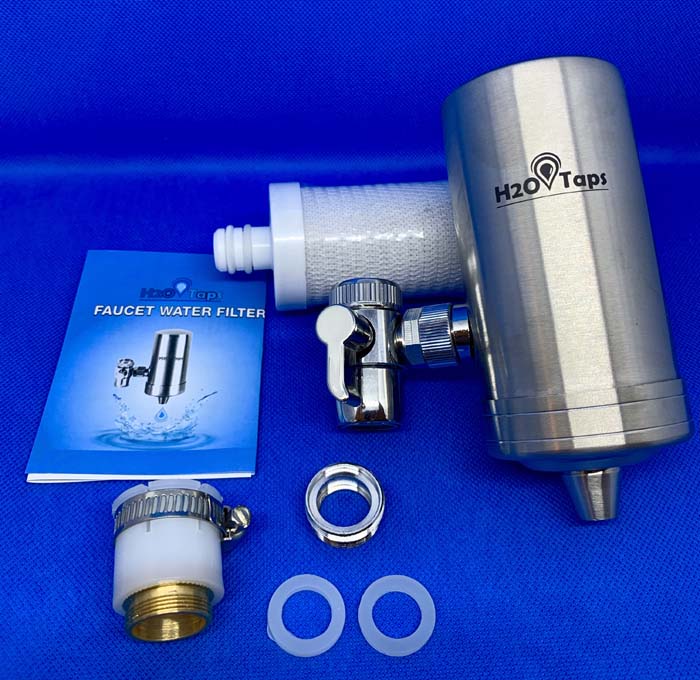
Environmental factors, financial constraints, and the desired labor level influence the best water filter method. Many homeware and hardware stores sell small water filters for the house, many of which are kitchen faucet-attached canister filters.

Depending on your specific filtering requirements, you can select from a range of filtration cartridges that some offer. You can also purify, disinfect, and filter water using various do-it-yourself techniques. These could be useful in situations where more traditional methods aren’t available.

Here are some popular do-it-yourself approaches to help you filter water at home.

Activated charcoal

This method has the ability to absorb and retain harmful substances, odors, and bacteria. Additionally, it can decrease heavy metals and fluoride. On the other hand, it seems ineffective in eliminating hard water minerals, viruses, and bacteria. Charcoal may be easily used by placing it in a cloth bag or sock and pouring water through it.

Drops and tablets

The following are examples of commonly used drops and tablets you can use to filter water at home:

  • chlorine dioxide
  • tetraglycine hydroperiodide
  • iodine
  • sodium dichloroisocyanurate

To use, add the pills to the water and let them sit for the recommended amount of time to purify them, as instructed on the packaging.

DIY portable sediment filters

You can create a homemade water filter by combining activated carbon, play sand, and pebbles in a bucket with a hole and piping to allow water to flow through it. This will remove debris and odors from the water.

Fruit peel filters

In rural areas where people drink polluted water, they occasionally use apple or other fruit peels to filter it. This process is similar to a do-it-yourself water filter.

Boiling

To make water safe to drink, bring it to a boil for one minute.

UV treatment

Here, you let the sun’s UV rays pass through the water. This kills microbes, viruses, bacteria, and other microbes by damaging their DNA, thereby cleaning the water.

The sun treatment process can be accelerated by adding lime juice.

Travel-size sediment filters

These filters can purge water from any harmful microorganisms.

Here are the different forms they can take:

  • A filtering water pitcher
  • Squeezable pouch filters
  • A filtering water bottle or straw
  • A hand pump machine

What are the benefits of filtered water?

Purified water is water without any harmful substances. There are a few significant advantages to purifying your water at home:

Safer for drinking 

Depending on your filter, bacteria, lead, sediment, fluoride, and iron can be removed, while no filter system can remove all pollutants.
How to Filter Water at Home: DIY: Tips, Safety, and InstructionsSuperior in taste and clarity: It is often believed that filtering water improves its appearance and taste by removing chlorine and minerals.

Efficiency of each DIY method

Your selected method’s effectiveness and intended use will determine the water filtration benefits.

For instance, the following are some of the capabilities of specific filtering methods:

  • Improve odor and taste
  • Get rid of chemical pollutants.
  • Remove hazardous pathogens and germs
  • Heavy metal removal
  • Remove physical particles and debris

The effectiveness of the many do-it-yourself water filtering systems varies. While some may work better, most will need more time to offer these filtration options.

Boiling water, ultraviolet light, chlorine, iodine, and other disinfectant tablets can kill some bacteria.

But they are unable to remove:

  • chlorine
  • Lead and other heavy metals
  • Chemical pollutants, such as herbicides

In addition, UV treatment kills Cryptosporidium and Giardia parasites, whereas chlorine and iodine tablets do not. Activated charcoal can absorb organic pollutants like pesticides and some heavy metals. But it doesn’t effectively eliminate germs.

Your best choice for filtering debris from water is a physical filter, whether a portable one you bought at the store or one you make yourself out of layers of silt. Physical filters and activated charcoal are the most effective ways to enhance water’s appearance, taste, or odor.

Are cotton balls good for filtering water?

The additional filter layers can’t fall into the water if the cotton ball layer is there to catch them. The cotton swaths in the filter catch the dirtiest, biggest particles as the water flows through. 

The most natural material for a water filter

If pollutants are present in the water you drink, you and your loved ones could be in danger. These include poisonous metals or germs that cause diseases in solution. On the other hand, non-toxic pollutants can affect the taste of water. Modern methods to help you filter water use a variety of natural materials. This is to help eliminate possible pollutants and provide you with safer and tastier water.

Sand

It can be made from a variety of natural substances, including wood and peat moss. Rinsing sand allows it to retain insoluble minerals, making it recyclable. Nevertheless, sand is mostly used to remove minerals, such as iron and manganese, which impact water flavor and cause mineral stains.

Activated carbon (carbon)

Activated carbon is a popular choice among those looking for natural ways to filter water. It uses adsorption to filter out viruses, metals, nitrates, VOCs, bacteria, hydrogen sulfide, and pesticides. Carbon bonds to contaminants in the water and draws them out.

Diatomaceous Earth (DE)

Crumpled siliceous rock, or DE, is what we call it. Its extremely tiny texture, when used in layers, aids in the removal of bigger contaminants, such as algae and viruses. This is why DE water filters are common in pools and other recreational areas.

Ceramic

These are made from natural clay and are gentle yet efficient water filters. Contaminated water is forced through the ceramic, which then absorbs contaminants such as bacteria and arsenic. The filters are widely used in underdeveloped nations since they are inexpensive to build.

Does charcoal purify water?

Water undergoes a series of filters before reaching your sink. Still, your drinking water could be contaminated with unwanted remnants, additives, and microscopic debris. A charcoal water filter is a great example of an effective way to filter water at home.

Advantages of using charcoal

  • Removing chlorine and unpleasant smells improves the water’s taste. Although we can’t drink chlorine since it’s a disinfectant, it’s essential for keeping our water supply clean.
  • It is quite cheap.
  • It requires little upkeep; every twelve months, change the filter.

Tips you can use to filter water

You can enhance your health and enjoy better-tasting water with a home water filter. Here are a few things to keep in mind when you filter water at home:

  • Have a plumber install an under-the-sink unit or a whole-house filtration system to ensure the connection is done correctly.
  • If your water is hard, smells bad, or contains too many pollutants, whole-house filtration is the solution.
  • Moreover, it is possible to combine two different approaches to water filtering. After using a do-it-yourself water sieve or filter, activated charcoal, boiling, or ultraviolet light treatment can be used. This would help remove microscopic pollutants and physical debris.
  • Whether you want filtered water for drinking or your bathtub, it’s important to consider your water purification goals.
  • It is important to determine the filtering strategy best suited to your needs. For example, investing in a travel filter could be wiser if you go on longer hikes. You can use it more than once rather than depending on a do-it-yourself filter.
  • If you’re on a tight budget, a tap attachment or refrigerator water filter is a good point-of-use filtration system to consider.
  • If you notice black specks in your water or if the filter in your water pitcher, tap, or refrigerator needs replacing, you should do so routinely. Even though these tiny bits of charcoal aren’t dangerous, they indicate that your filter needs changing.

Conclusion

You can filter water at home using a number of do-it-yourself (DIY) options, in addition to using a store-bought filter or buying prefiltered water. Weigh your objectives to choose the best course of action. Specific procedures for physical debris and particles are more effective than others. Other methods are more effective for removing germs and heavy metals or improving taste and smell.

You can use a do-it-yourself water filter anywhere, whether at home, on the go, or in nature. You can still enhance the aesthetics and quality of your water without a traditional filter option, but it may require some ingenuity and work on your part.

The Best Type of Sand for a Pool Filter

The Best Type of Sand for a Pool Filter

By | Water Filtration | No Comments

Everyone who owns a pool knows how important it is to keep it clean and in good condition. An integral aspect of any swimming pool system, a pool filter aids in the removal of dirt, debris, and other impurities from the pool water. The media a pool filter uses to collect debris as water passes through it is an essential feature of the device.

The low cost and great effectiveness of sand as a particle filter make it a common media choice for pool filters. Picking the right sand for your pool filter can be a challenge, though, because there are so many varieties on the market.

What is pool filter sand?

Sand ideal for use in pool filters is known as pool filter sand. Pure, unprocessed silica sand that has undergone washing and screening to remove contaminants is its raw material. The final product is excellent sand suitable for use in both in-ground and above-ground pools.

Types of Filter Sand

As a side note, you should never filter your pool water with sand-pit or regular construction sand. These are the three options available to you.

  • Glass filter sand

This pool filter sand, naturally composed of crushed recycled glass, traps particles as small as microns. If you’re dealing with an algae issue, this pool filter sand is ideal. 

 Despite its negative environmental effects, silica sand remains the only viable choice. You have the option to invest in glass sand if you are ready to pay a bit more money. The use of recycled glass in its construction reduces its negative effect on the environment.

  • Zeolite filter sand

There is very little that can flow through this pool filter sand, which originates from pure volcanic rock. What’s more, zeolite is the only material that can help keep pool water chlorine-balanced. Renewing and reusing it lessens red, stinging eyes. It goes by the name Clinobrite and has an impressive 10-micron filtering capacity.

  • Silicone Quartz Sand (Silica Sand)

Commonly referred to as “silica pool filter sand,” this naturally occurring product is made from broken quartz. Its filtration capability registers at 20 microns, yet it is presently the most common and inexpensive filter sand.

What to Look for in Pool Filter Sand

A few important factors need consideration when selecting pool filter sand. Among them are:

  • Purity

After washing and screening, look for pool filter sand that is free of contaminants. Finer sand is preferable for filtering out impuritiesThe Best Type of Sand for a Pool Filter.

  • Amount Required

The amount of sand your filter needs is directly proportional to the pool’s dimensions and the filter’s specific model. Measure well to be sure you have enough sand.

  • Compatibility

Pool filter sands may not work with certain models. Contact the maker of your filter to be sure the sand you buy is compatible with it.

  • Grain Size:

The type of filter you have will determine the appropriate grain size for the sand used in the filter. Typically, you want a grain size of 0.45 to 0.55 millimeters.

The advantages of using pool filter sand

Using pool filter sand instead of other filter media has many advantages. Listed below are a handful:

  • Efficient Filtration:

Sand used in pool filtration systems is excellent at removing dirt and other pollutants from pool water.

  • User-friendly:

The sand used in these filters is simple to maintain and replace. Empty the existing sand and replace it with fresh.

  • Affordable:

Pool filter sand is typically more affordable than other filter media, such as diatomaceous earth or cartridge filters.

  • Longevity:

In certain instances, the sand can last as long as five years. In the long term, that translates to less upkeep and lower expenses.

How often do you need to change the sand in a pool filter?

The standard recommendation is to replace the filter sand in your pool every 5 years. This time period can vary, though, based on factors like how often you backwash the pool and how frequently you use the pool overall.

A poorly balanced and maintained pool will put extra strain on the sand filter, requiring more frequent sand medium changes.

With proper maintenance, chemical balance, and infrequent use, pool filter sand can last up to seven years.

Signs that it’s time to replace the sand filter

The sand filter in your pool may require replacement if you observe any of these symptoms.

  • Unusual Algae Growth:

The sand filter may not function properly if algae grow in areas where it normally doesn’t.

  • Poor Water Quality:

A slightly greenish or cloudy hue to your pool water could indicate that your pool filter sand isn’t doing its job properly.

  • Noisy Filter:

Debris and sand buildup inside the sand filter could be the cause of any unusual noises it has been producing.

  • Leakage:

You may need to replace the sand filter if you find that water or sand is leaking out from around it.

  • High Water Pressure:

A pressure reading that is much higher than normal on your pressure gauge could mean that the sand filter needs replacement or cleaning.

Is a bigger pool sand filter better?

Your pool filter can impact the efficiency of your pool sanitation system and how clean your pool is. You need a pool pump to run water through any filter to clean pool water. The system is the set-up that includes the pump and the filter. A pool’s water stays debris-free and clean thanks to filters that gather tiny particles like hair, dirt, dust, oils, and more. The bigger the filter, the less often you’ll have to clean it, and the better job it will do.

Is it better to use a DE pool filter or a sand filter?

The response to this question will vary. The filtering system you choose will depend on your specific needs. If your pool water isn’t already somewhat murky or green, though, a sand filter might be all you need. To use and keep up with, it’s dead simple. A DE filter is the way to go if pollen is a major problem in your pool. It’s becoming more common in some regions and quickly causes the water to turn green. This filter is unique in removing pollen from water while also purifying it. It accomplishes this goal without resorting to a cocktail of chemicals.

Tips to keep your pool filter sand in use for a longer period

For the sand filter to last longer, it’s recommended to backwash it once a month. This will aid in removing the particles that become stuck in the filter and hasten their wear and tear. Consider these additional suggestions if you want your sand pool filter to last as long as possible.

Clean your skimmer

You need to clean the skimmers’ filters regularly to keep them clear of debris. Clogged filters diminish filtering efficiency.

Make your sand filter work efficiently

You can extend the life of your sand filter by running it daily at a slow but steady pace. Depending on the pool and the type of filter, the ideal operating time for a pool filter is eight to 10 hours.

Checking your sand filter regularly

Flattened pleats, tears, and fraying are indications of deterioration that need inspection on a regular basis in the filter. Quick detection allows you to head off any issues before they escalate. You can clean or change the filter to make it last longer.

Conclusion

There are many different kinds of pool filter sand, and they all have advantages and disadvantages. By considering what you need, what your pool requires, and how much money you have to spend, you may discover a product that works for you and your pool. Whether you prefer natural alternatives to typical pool filter sand or vice versa, what matters most is selecting a product that works well with your filter and offers durable filtration efficiency.

Advantages and Disadvantages of Sand Water Filters

Advantages and Disadvantages of Sand Water Filters

By | Water Filtration | No Comments

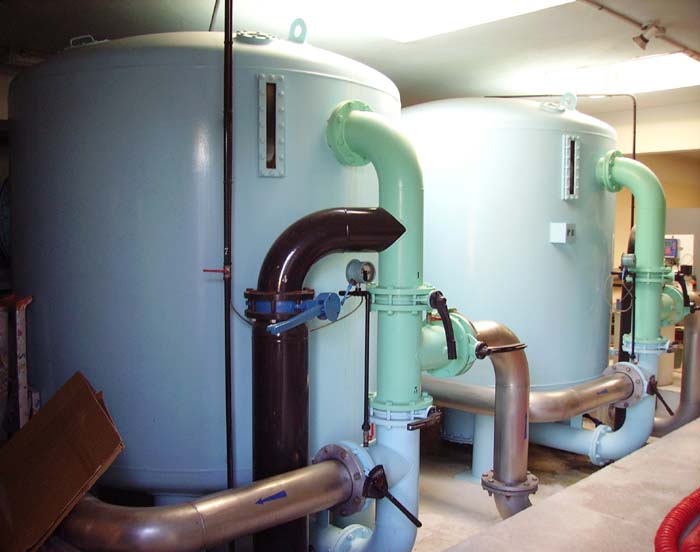
One method for purifying water is sand filtration. This process uses the porous properties of sand to retain specific substances. Combining this method with others, such as activated carbon, is common when performing filtration. As its name suggests, sand water filters are just that: filters that use sand as their media.

Sand water filters comprise sand of varying sizes, with a porous double bottom (collector) at the filter’s base. Depending on the liquid flow rate, sand water filters can be small or very large. A filter made of concrete, plastic, or steel usually contains sand.

What is the process of sand filtration?

Sand filters use sand with a certain particle size to filter water as it runs horizontally through a bed of sand. It is common practice to use many layers of sand of varying particle sizes to filter out different types of floating debris from water. A porous layer in the sand bed guarantees the filter’s functionality. Additionally, sand water filters can undergo a number of biological and physical processes. This leads to the removal of even more components.

The sand filter’s upper layer will collect the removed particles, and after some time, further pressure will help force the water through the filter. After some time, you can reuse a sand water filter by backwashing it. This removes any remaining particles and keeps the filter from clogging. The water’s flow direction is reversed to accomplish this backwashing.

What are the advantages of sand water filters?

  • The most durable materials are glass and sand.
  • It is possible to remove ammonia, demagnification, and deferrisation.
  • Efficient removal and extended lifespan.
  • Decrease of bacteria and protozoa.
  • Simple to operate and easy to use.
  • Minimal maintenance is needed, and it is easy to run.
  • It is possible to eliminate various floating particles.

What are the drawbacks of a sand filter?

  • Invisible, microscopic particles suspended in water
  • One way to reduce water waste in a pool is to backwash it.
  • Not very good at preventing the spread of viruses.
  • The filters’ height and weight make transportation a challenge.
  • Sand needs replacement every five years.
  • The possibility of filter clogging is a significant drawback of slow sand filtration.
  • It will cost extra to treat and dispose of the water.

What can sand filtration remove?

Sand filtration removes manganese particles, seeds, sludge, solids, precipitated iron, and insects. It can also reduce the population of bacteria and protozoa through biological and physical processes within the filter. Things like drinking water, process water, wastewater, surface water, pool water, and cooling water have this taken out of them.

The three types of sand filters?

A sand water filter is a typical choice when purifying water. Particularly in places lacking centralized sewage systems, their low cost and ease of operation make them popular.

Rapid Sand Filters

Municipal drinking water facilities often use these systems as a multi-stage treatment system. In order to remove contaminants from water that have become trapped in a flocculation due to flocculation chemicals, they use a granular medium such as moderately coarse sand. With the flocculated materials contained as the water flows through the sand matrix, the emerging water is clean and safe to drink.

After forcing compressed air up through the bottom of the filter, you can clean the rapid sand filter by flowing water upwards through it. This air-blowing operation breaks up the compact media filter.

Advantages:

  • They are reusable and may be cleaned by flushing them back.
  • Removes almost all particles that exceed the specified pore sizes.
  • Because of their relative strength, they are able to endure pressure differentials of 2 to 5 atmospheres.
  • Their incredibly thin profile allows liquids to pass through them at high speeds.
  • Unlike sand and paper filters, parts as fine as 0.3 µm are captured.

Slow sand filters

Most of these filters are slow-sand types. Sand filtration uses the natural filtration properties of sand to create potable water. People in isolated and economically challenged places have the best option for water purification with this procedure. This is because it requires minimal operator training, chemicals, mechanical power, replaceable components, and periodic maintenance.

Space and land are abundant in areas where slow sand filters can be used. This allows water to be passed through at a leisurely pace. Rather than relying on physical processes to purify water, these sand filters employ biological processes. They are not pressure-sensitive devices.

Upward flow sand filters

These filters collect sand from the ground. Unlike traditional filtration methods, which involve pushing water downward through layers of gravel and sand, these sand water filters use an upward motion to move water. Gravel and sand act as filters, drawing out pollutants from the water as it flows through them.

Applications of Sand Filtration

For its low price and wide availability, sand is a great filtration medium for removing suspended solids, improving water’s smell, taste, and color, and even killing 99 percent of germs.

Sand selection is always a must! In addition to having specific qualities, the chosen medium must be washed at an appropriate processing facility. Depending on the system in question, these features could vary slightly, but they always encompass:

Hardness

It is best to use hard, dense, and resistant particles with a high silica concentration. Otherwise, they will be more prone to erosion.

Sand can be utilized alone in water filtration systems or as part of a multi-media system (in conjunction with flocculants and other filtration materials like charcoal) for enhanced efficiency.

Shape

The ideal grain form is somewhere between sub-angular and sub-rounded. Too-smooth grain increases the likelihood that it will dissolve and shorten the filter’s life. Cleaning (back-washing) might cause flat grains to become lost.

Effective Size

Particles won’t be able to be caught if the sand is too big, and they’ll build up on the filter bed’s surface if it’s too tiny, blocking the passage of fluid.

Conclusion

Sand embodies both traditional knowledge and contemporary efficiency in water filtering. Its natural filtering properties, affordability, and adaptability make it an essential part of water treatment systems all around the globe. To get in touch with the ideal industrial filtration system that suits your needs, contact Express Drainage Solutions immediately. Your team can improve performance and save money with our extensive filtering options.

Why Normal River Sand Better Than Crushed Glass as a Filter Media

Why Normal River Sand Better Than Crushed Glass as a Filter Media

By | Water Filtration | No Comments

People have debated whether to use normal river sand or crushed glass as filter media. There are clear advantages to using river sand as a filter, even if both materials have their uses. The surface roughness of these materials is the most important aspect to consider when examining them under a microscope. Cost is another factor that needs consideration when deciding between the two filter media.

Microscopic View: River Sand vs. Crushed Glass

Under a microscope, the difference between crushed glass and normal river sand becomes apparent.

  • Normal River Sand:

A surface that is porous and uneven with jagged edges characterizes it. Because of this, the sand grains can form tiny pockets and passageways by interlocking with one another. Its rough texture significantly improves its capacity to catch and hold pollutants and debris.

  • Crushed Glass:

The surface of crushed glass remains generally smooth and non-porous even after being broken into tiny grains. Because of this, there are fewer crevices in which trash can become trapped than there would be with sand.

Catch and Hold: The Fundamental Filtration Principle 

Consider this analogy:

In the event that you were to spill a liquid onto 2 distinct materials, namely a smooth tile with a flat surface and a sponge, which of the two would be successful in absorbing and retaining the liquid? The sponge would. The main reason for this is its texture, which is porous.

Similarly, the most effective filtering medium is the one that can “catch and hold” debris the best. Sand, with its porous and uneven surface, has greater filtration abilities than crushed glass. This is evident when considering the minute textural differences between crushed glass and river sand.

Cost Implications: River Sand vs. Crushed Glass

Crushed glass media may be more expensive to acquire than river sand. However, its inefficiency can cause ongoing operational costs to skyrocket.

  • Increased Chemical Use:

Due to shattered glass’s inefficiency, pools may need to add chemicals to keep the water clean. This might lead to a larger chemical footprint for the pool and higher operating expenses.

  • Extended Runtime of the Filtration System:

It may take more time for filtration systems to achieve the same level of cleanliness when using crushed glass. This is because it is less effective at trapping debris. Wear on the machinery and higher power bills are the results of this.

Other Benefits of River Sand:

Durability:

This is an excellent filter medium because of its long erosion and natural tumbling history. In contrast, broken glass may occasionally disintegrate more quickly in filtering systems than other types of glass.

Sustainability:

More and more people are worried about the effects of mining sand on the environment. For this reason, companies are working on more eco-friendly ways to gather sand. Responsibly obtained river sand may be less harmful to the environment than the energy needed to recycle glass.

Natural Occurrence:

The material, known as river sand, occurs naturally. This indicates that it is easily accessible and does not necessitate the energy-intensive operations required for glass production.

Why is river sand better?

A longer filtering period is inevitable due to the mild breakdown rate of river sands. Its backwashing capabilities are second to none, and they shine when combined with filter coal in a double-media filtering setup.

Conclusion

Normal river sand is far superior to crushed glass in terms of pure filtration efficiency and cost-effectiveness, although crushed glass does have its uses. Its tiny properties are a definite advantage when collecting and retaining debris. It is often the more cost-effective alternative to crushed glass in filtering systems. This is due to the lower associated costs.

Which medium provides better performance without breaking the bank? That should be your question the next time you’re trying to decide between crushed glass and river sand as a filter. Sand is the correct answer.

A Guide to Chemical Dosing Pumps

A Guide to Chemical Dosing Pumps

By | Pumps | No Comments

Chemical dosing pumps can inject steam, gases, or water with a finely measured quantity of chemicals or other substances. The standard components of a chemical dosing pump include a control panel, storage tank, pump (or pumps), and pipes. You can use a variety of pumps and methods, but generally speaking, you’ll want to draw up a certain amount of the chemical into a holding container. After that, it is injected into a tank or pipe that contains water or other substances that need dosing.

Types of Chemical Dosing Pumps

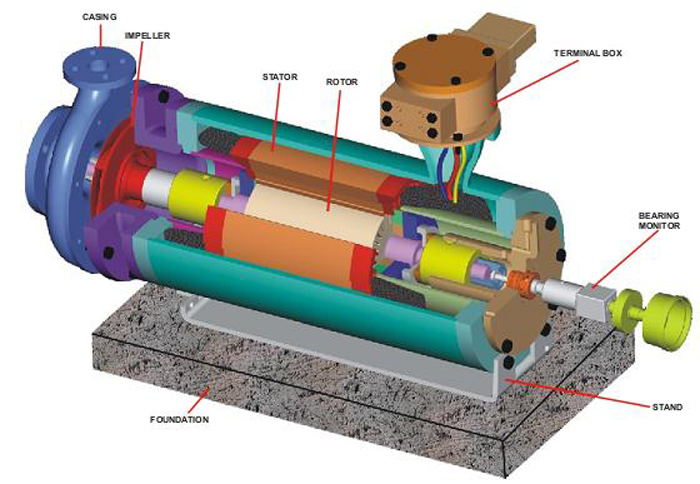
Three main types of chemical dosing pumps are used in water treatment: displacement style (diaphragm and peristaltic), piston, and centrifugal. Which pump is ideal depends on the task at hand.

  • Displacement Pumps

Ideal for injecting chlorine and other chemicals into water treatment systems.

  • Centrifugal Pumps

Feature impellers that propel the fluid in the direction of the discharge port. Water recirculation frequently makes use of this sort of pump. This is due to its ability to pump enormous volumes of water.

  • Piston Pumps

These find widespread application in water reclamation systems, such as reverse osmosis. This is due to their ability to withstand extremely high pressures.

How to Pick the Right Chemical Dosing Pumps

There are a lot of things to think about when picking the right chemical injection pump for your needs.

Your first order of business is to find a pump with a sufficient flow rate. Chemicals can be pumped at substantially higher flow rates by larger, more robust pumps than smaller, less robust ones.

Another important consideration is choosing a pump that works with the chemicals your application requires.

Review of the 6 best Chemical Dosing Pumps 

  1. PULSAFEEDER LB64SA-PTC1-XXX PULSAtron Series A Plus Metering Pump with Dual Manual Control

These are positive displacement pumps of the diaphragm type. While they’re running, you can change the output volume from 0 to their maximum setting. Thermal overload/auto-reset protection for the solenoids, circuit safety against current/voltage upsets, and the timing circuit are all characteristics that contribute to the metering pump’s durability. The cutting-edge ball and seat design ensures unmatched performance with superior priming and suction capabilities.

Managing these metering pumps is a breeze. The liquid-handling end has a dial knob that allows for easy adjustments to the stroke length and frequency. The auto-off/manual switch and the 4-20mA DC and stop function inputs allow for automatic control.

The pump drive assembly has no exposed moving parts because it is entirely covered. The pump’s electronics are housed in a special container that prevents them from coming into contact with chemicals. The average electrical use is about 130 watts.

Features

  • Cushioned on the inside to lessen noise
  • A standard, long-lasting bleed valve assembly that is leak-proof makes priming a breeze.
  • Minimal amount of motion
  • Exceptionally dependable timing circuit
  • Systems for guided ball check valves that lessen backflow and improve priming performance.
  • Mountable on a wall
  • Protection of solenoids through auto-rest and thermal overload
  • Can serve both indoors and out thanks to its water resistance
  • You can manually control the stroke rate and length using the onboard knobs.
  • Protection of the circuit from current and voltage fluctuations

Advantages

  • Liquid end that is leak-free and seal-less.
  • Prone to working with materials with a high viscosity.
  • Achieved a “hot” rating for continuous duty.
  • Accurate metering results.
  1. Peristaltic dosing pump 12V Kamoer variable speed small water pump with pump head For Lab chemical experiment KCP PRO2 Norprene tube:3.2mm×6.4mm

Because of the DC brush motor used in this product, there is a risk of early failure due to overuse, short motor life, and continuous use. You should check the hose’s chemical compatibility or conduct immersion tests. This is to ensure it can withstand liquid media. Otherwise, you risk damaging the hose in the near future if you choose it incorrectly.

Working in conditions where the humidity is more than 70 percent and the temperature is more than 45 degrees Celsius can cause the product to break down before its time. The precise application conditions and liquid medium determine the likelihood of a hose rupture-related liquid leakage accident.

If you don’t plan on using this product for an extended period of time, you should replace the pump tube. This is because it will reduce the hose’s rebound ability.

Features

  • Application: transferring liquids in the environmental protection industry, large sweepers, bonsai irrigation, household equipment, inkjet printers, and laboratories.
  • The peristaltic pump tube is made of French Norprene, famous for its durability, excellent chemical stability, and resistance to wear and corrosion. Food-grade pipes also have a longer lifespan.
  • A simple knob allows you to control the direction of the liquid’s flow, as well as its start/stop and flow rate.
  1. Gikfun 12V Adjustable Peristaltic Dosing Pump Liquid Metering Pump with Adapter for Aquarium Lab Analytical EK1960

Ideal for use in analytical settings, laboratories, and aquariums. Anyone looking for precise dosage control needs this liquid metering pump. This is due to its high-quality design and accuracy. Thanks to the included adaptor, this versatile pump is compatible with a wide range of installations. You have complete command over the dispensing amount and flow rate with the EK1960 Peristaltic Dosing Pump.

This way, you can get the best dosage for you. This pump provides outstanding accuracy and dependability. This makes it ideal for analytical testing, chemical dosing in aquariums, and laboratory studies. This product is a user- and maintenance-friendly device that prioritizes convenience. With its easy-to-understand UI and crisp digital display, it is a breeze to set up and keep tabs on.

A Guide to Chemical Dosing PumpsEven in harsh conditions, the pump will continue to function reliably because of its sturdy construction. Inaccurate measurements and manual dosage are things of the past. Automate the procedure with the Gikfun 12V Adjustable Peristaltic Dosing Pump for worry-free, consistently accurate dosing. Anyone from amateurs to scientists to working professionals will find it the perfect option. Avoid settling for subpar dosage control at all costs.

Easy to use

  • You can easily disassemble, clean, and maintain the pump head.
  • Water treatment, products, biotechnology, ceramics, pharmaceuticals, fine chemicals, biochemical analysis, experimental, and other fields have extensively used this dosage pump.
  • The small form factor provides all the benefits of a press-type pump while avoiding numerous drawbacks, like the hassle of moving the hose that goes with the press-type head.
  • With an adjustable peristaltic pump, you can control the water pump’s flow rate with a knob. This makes it suitable for a wide range of uses, drastically reducing expenses.

Application

  • Dispense liquids experimentally and do quantitative extraction
  • Dispensing factory liquid
  • Sample analysis, transport of chemical liquid
  • Bonsai irrigation, family watering
  • Cleaning the pipeline, ink transmission
  • Sampling of sewage and transmission
  • Food liquid dispensing
  • Support the medical equipment

Pros

  • Adjusting is a breeze
  • Highly precise
  • Affordable
  • Sturdy design

Cons

  • This product is not intended for use in aquariums.
  1. Stenner Pump 85mhp17. Stenner Peristaltic Pump Adjustable Head – Rated at 0.8 to 17.0 and adjustable head. Rated at 100 psi. Ideal Chlorine Pump. Ideal Chlorine Injection

This product is the way to go when dealing with problematic water. Oxidized contaminants like manganese, hydrogen sulfide, or iron can control the pH of the water. After that, it is filtered out using the pump’s water treatment applications. Cooling towers, industrial processes, water conditioning, wastewater and water, and animal health are just a few markets that use water treatment for oxidation, pH adjustment or control, disinfection, and scale and corrosion control. 

Because of its adaptability, the product finds use in a wide variety of industries, including metal finishing (to treat plating baths), irrigation (to clean sprinkler heads), cooling towers (to prevent Legionella), and horticulture. To disinfect pool water and facilitate equipment maintenance, the pumps enjoy immense popularity in the commercial pool industry.

Features:

  • Accepts various chemicals
  • Pumps of gaseous solutions
  • Metering of chemicals without being exposed to air
  • Thanks to the interchangeable pump tubes and heads, you can easily switch between models.
  • Designed with peristaltic action, it self-primes and can work dry without harm.
  1. 12V DC DIY Peristaltic Liquid Pump Dosing Pump for Aquarium Lab Analytical 3mm ID x 5mm OD

Both viscous and non-viscous liquids can be pumped using this pump. Disassembling, cleaning, and maintaining the pump head is a breeze. The experimental field has extensively used environmental protection, ceramics, pharmaceuticals, fine chemicals, biochemical analysis, water treatment, products, biotechnology, and many others.

The Peristaltic Pump is of high quality. The internal rollers of this pump are responsible for the pumping motion. The motor moves the rollers, which push the tube against the pump’s inner wall. This pinches the compressed section of the tube shut, allowing the pumped fluid to pass through.

Features:

  • 12VDC is the operating voltage.
  • 100mL/min flow rate
  • Construction of superior quality

Applications:

  • Dispense of Liquids
  • Systems that water plants automatically
  • Water Pump for Aquariums

 6. Jebao Programmable Auto Dosing Pump DP-4, Black

A brand new, reasonably priced dosing pump with four different heads is the DP-4. With the ability to design each pump to administer a precise volume of solution up to 24 times a day, users can maintain consistent tank parameters and say goodbye to regular supplement mixing. This pump automatically adds kalkwasser, magnesium, calcium, strontium, trace elements, or any other liquid additive to your aquarium. Every pump can be controlled independently by a sophisticated and user-friendly controller. 

The pump is ideal for use with any tank because of its small and large increment dosing capabilities. Once calibrated with a measuring cup (not included) or 100 mL graduated cylinder, the DP-4 is ready with its integrated power source and plug-and-play. The 6-month warranty of each pump covers the replacement of parts that fail due to manufacturing faults.

An internal memory saves your preferences in the event of a power failure. The dosage heads use four silent, long-lasting motors. These generate strong torque using medical-grade rubber tubing. A backlit LCD monitor and a water-resistant control panel make for easy and clear programming.

Features:

  • The user can maintain consistent tank specifications.
  • The ability to calibrate the flow rate, configure the auto-control feature, input liquid, and set a new date.
  • Has its power source.
  • 4-channel dosing pump.
  • It’s possible to increase or decrease the dosage as needed.
  • Programmable for 24 hours of operation daily.
  • Simply calibrate it using a 100 ml graduated cylinder, then plug it in.
  • The easy-to-use controller allows for customized programming of each pump.
  • Per day, each channel delivers 1–9,999 milliliters.
  • Ideal for aquariums of any size.
  • Include various nutritional drinks at predetermined times and in predetermined portions automatically.
  • Supplements no longer require daily mixing.

Usage Guideline:

  • To change the feeding interval time, turn off the power.
  • Avoid using liquids that are prone to corrosion or crystallization.
  • Fill the inlet and output hoses with liquid using the manual mode before usage. After that, adjust the flow rate of each pump. This will help to guarantee accuracy throughout the procedure.
  • Keep the inlet hose away from liquids prone to corrosion or crystallization.
  • Keep away from water, and use only indoors.

Conclusion

There is a lot of pressure on wastewater and water treatment facilities. They are required to do an excellent job so that communities can enjoy clean water for everything from bathing, cleaning, cooking, and recreational activities such as boating and fishing. The plant operator’s risk increases due to the potential number and types of chemicals needed for the different treatment procedures. Because of this, selecting the most effective pump technology for each of the several essential chemical metering operations that must occur daily is the only way for the operator to guarantee that the operation achieves optimal performance.

It is necessary to use a diverse array of pump types to ensure optimal operation. This is due to the wide range of variables, such as handling characteristics, pH levels, viscosities, and compatibility problems. Peristaltic, hydraulic, mechanical, and solenoid metering pumps provide the finest operational capabilities for chemical handling. Implementing these technologies alleviates any worries the plant operator may have. Additionally, the pump manufacturers are even willing to offer assistance. This is to guarantee the treatment system will consistently perform at its best.

There isn’t a magic bullet when choosing chemical dosing pumps. How exactly are we going to power the pump? In what exact spot will the pump be housed? Is that spot limited in any way? How does one go about controlling the pump? Is a peristaltic or diaphragm pump necessary? Discussing these and any other concerns with an expert at Express Drainage Solutions will help you choose the most suitable pump for your needs. Contact us today!

Peristaltic Pump Vs. Syringe pump - What is the Difference?

Peristaltic Pump Vs. Syringe pump – What is the Difference?

By | Pumps | No Comments

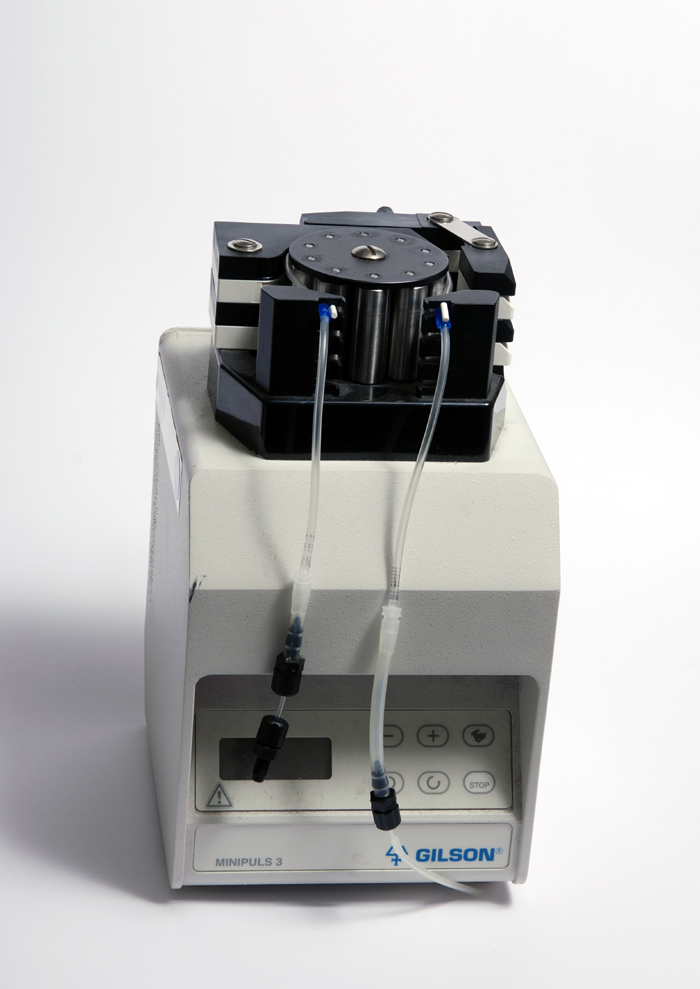
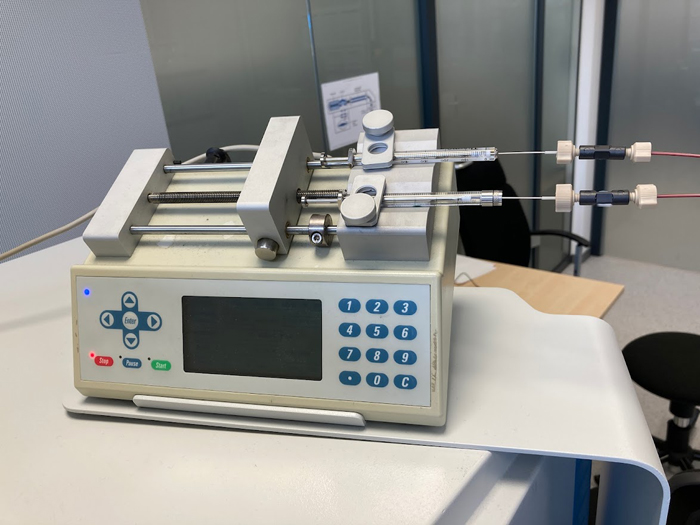
There are many uses for pumps, but the two most common and versatile are syringe and peristaltic pump systems. But picking the best is always challenging. As a rule, peristaltic pumps are used in industrial and laboratory processes. It is important for users to understand the systems and how to compare different technologies properly.

Peristaltic Pump

If you need to pump fluids, this positive displacement pump is what you need. Using these pumps while handling reactive or sterile materials is common practice. This is because the liquid cannot be contaminated by touching the pump components. As a result of their small size and effective functioning, peristaltic pumps are ideal for use in laboratories. Also, you can use them to swiftly administer several smaller portions of solutions, like buffers and culture media. Although these pumps are cost-effective due to their diminutive size, they are not ideal for applications requiring a consistently stable flow rate. This is because their mechanical spinning causes pulsing at low speeds.

Syringe Pump

These are specifically engineered for the precise administration of minute volumes of liquid in a sterile, inert setting. Syringe pumps are inherently unremarkable in terms of flow rate and capacity. But they are reliable and produce a very smooth flow. Because of this, they are perfect for use in the lab, including fluid dynamics. Supercritical water gasification-regulated medicinal agent infusion into patients and calibrant infusion into mass spectrometers are some of the many uses for these pumps. This means efficiency and durability are key features when shopping for syringe pumps.

Types of syringe pumps

  • Medical Infusion Pump: 

These devices can administer blood, drugs, and nutrients to patients in precisely measured amounts. Research, treatment, and diagnosis can all make use of this infusion pump type.

  • Laboratory Syringe Pump: 

In scientific settings, these devices are ideal for tasks that necessitate the precise administration of fluids. Pumps designed for use in laboratories sometimes have a lower volume capacity and more advanced capabilities than their medicinal counterparts. Examples include syringe pumps with many syringes and those that can infuse and remove fluids. High-pressure syringe pumps and OEM module syringe pumps. Recent industrial applications have proven the usefulness of the high-end pressure syringe pump and OEM module syringe pump.

Advantages and disadvantages of a syringe pump:

Advantages:

  • You can manage the temperature with these devices because they include an in-built heater.
  • By linking syringe pumps to a computer, nurses may program devices to record infusion histories more accurately and with fewer mistakes.
  • Syringe pumps are incredibly precise instruments that can facilitate the delivery of picoliter-scale volumetric flows.
  • They have the capability to transport more viscous fluids.
  • A steady flow of fluids is ensured because they enable the doctor to establish a goal pressure and regulate. This profoundly affects the course of the patient’s illness and their ability to recover.

Applications

  • Biomedical Research

Syringe pumps provide for the continuous flow of chemicals. This is essential in biomedical research due to the complex processes involved in experiments. Research involving tissue engineering, cell cultures, and medication delivery relies on this.

  • Analysis of Chemicals

Thanks to them, scientists can now mix and deliver chemicals with pinpoint accuracy. This degree of control is invaluable in analytical chemistry, where even little changes can have a big effect on results.

  • Pharmaceutical Industry

Syringe pumps are often used in pharmaceutical research due to the high precision required. They ensure the precise administration of pharmaceutical ingredients. This aids in the creation of safer and more effective medications.

Advantages of peristaltic pumps

  • Since peristaltic pumps do not allow backflow, they are known as non-siphoning pumps. Dispensing becomes more precise as a result.
  • Peristaltic pumps are compatible with a wide range of liquids thanks to more than 20 different tubing formulas and sizes.
  • Certain peristaltic pumps can change speed, making them perfect for dosing.
  • A peristaltic pump is perfect for working with cells and big proteins. This is due to its gentle pumping action and low shear, which prevent the content from being damaged.
  • Because the peristaltic pump is not in contact with the fluid, no moving components need cleaning, including seals, diaphragms, and valves. Changing or cleaning the tube is all that’s required. Maintenance times are reduced because of this fast tubing replacement.
  • Self-priming—these devices have a suction lift of up to 8.8 meters and can suck fluid into the tube when they are dry to start. Filling other pumps with fluid before using them can be a hassle and a safety risk because of the suction line and pump.
  • The tubing is the sole component of a peristaltic pump that has direct contact with the liquid. Both the fluid and the pump are kept sterile in this way.

Common applications for a peristaltic pump

  • Spray coating dispensing
  • Transfer of fuels and lubricants
  • Cell media harvesting
  • Ultrafiltration
  • Pizza sauce dispensing
  • Manufacturing IV bag dispensing
  • Culture-specific nutrient supply
  • Dispensing acids and bases
  • Dispensing sterilized media
  • Dispersing cosmetics
  • Aspiration of tissue culture medium
  • The manufacture of circuit boards
  • Cell suspension circulates during fermentation.
  • Vitamin A and vitamin D injections
  • Glue emulsion dispensing
  • Juice production
  • Adhesives for cement

Comparison

Syringe pumps offer greater flow control and are primarily used in applications that require this exceptional flow, such as micro- and nanomanufacturing, microfluidic reactors, fluid batteries, and many more. In contrast, peristaltic pumps are relatively inexpensive. While syringe pumps are compatible with traditional GC/MS and HPLC systems, peristaltic pumps are superior for large application volumes. Biotechnological fields necessitate intricate procedures like therapeutic interventions and gradients of drugs, and syringe pumps are the most dependable tool for these tasks.

Conclusion

A peristaltic pump is ideal for metering clean, aggressive chemicals in a high-pressure setting. Talk to the experts at Express Drainage Solutions about your options; they know the industry inside and out.

Why is a Piston Pump Also Called Plunger Pump

Why is a Piston Pump Also Called Plunger Pump

By | Pumps | No Comments

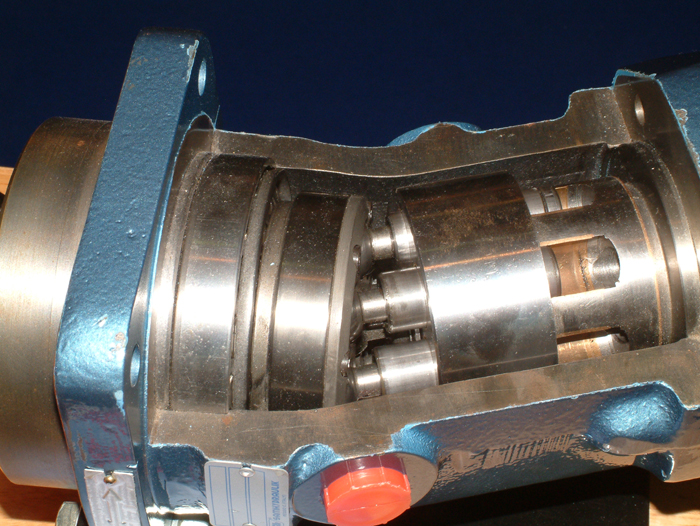
One type of positive displacement pump is the piston pump, while another is the plunger pump. These pumps use a cylinder chamber and a reciprocating piston or plunger to transfer media. Because of their ability to handle mediums, which are both viscous and solids, these pumps go by various names, including high-viscosity pumps, high-pressure pumps, and well-service pumps.

What is a piston pump?

Another component of piston pumps is a rod known as a piston. This moves in a reciprocating motion to push liquid through a series of valves. In contrast to plunger pumps, the seal of a piston pump is integral to the piston. It allows it to rotate in synchronization with the piston within the cylinder.

To what extent are piston pumps efficient?

With an efficiency ranging from 85 to 90 percent, a piston pump is among the most efficient pumps currently available. These pumps do not require a gearbox because they can operate directly from motors or via guarded V belts. This is typically a factor contributing to the losses in the transmission.

What are piston pumps used for?

Examples of typical uses for plunger and piston pumps include applications requiring a low flow rate of a liquid at high pressure, such as chemical injection into pressurized pipework or filtration of seawater for reverse osmosis.

For metering and batching applications, a piston pump is predictable. This is because of its positive displacement design, which means that the volume dispensed is proportional to speed.

Why is a Piston Pump Also Called Plunger PumpThese types of designs can only work with pure liquids. They should not have any abrasive or solid particles that could shorten the lifespan of the units, destroy the seals, or cause internal components not to seal and clog.

Such designs can manage to handle saltwater, chemicals, and fuels, but they aren’t always the best choice for situations that call for a self-priming pump. They typically necessitate a flooded suction or, in the case of high-flow units, a booster pump.

Some of the most popular applications include:

  • Coating feed for spray bars used to apply polymers, fats, and other coatings to items
  • Hydroblasting and hydro-excavation
  • Boiler tube or heat exchanger descaling.
  • Transfer of fuel
  • Drill-cutting injection
  • Using pressure washers for a variety of plant equipment cleaning and washing needs, including pallets, bottles, conveyors, kegs, and more
  • Using reverse osmosis to purify salt water into drinkable water.
  • Pressure testing of equipment and hydrostatic
  • Removing concrete from pipes or rebar, cleaning the hull, and removing rust, labels, graffiti, and paint are all part of the surface treatment.
  • Maintain clean and abrasion-free seals on other pumps by sealing the flush feed pump.
  • Misting to eliminate smells, fogging to control nozzles, and fluid misting using nozzles
  • Chemical injection

What is a plunger pump?

The reciprocating plunger, which is a rod, makes plunger pumps work. It takes liquid in through an inlet valve and pushes it out through an outlet valve as it oscillates. The cylinder housing of a plunger pump is fastened to a stationary high-pressure seal.

The advantages and disadvantages of a plunger pump?

One type of reciprocating pump is the plunger pump, which uses a cylinder to force fluids or gases through a chamber. Many industries rely on them for high-pressure pumping and precision control, including chemical, oil and gas, and hydraulic systems. Here, we’ll go over some of a plunger pump’s uses, benefits, and drawbacks.

Advantages

  • Low maintenance:

They are also low-maintenance due to their straightforward design. Plunger pumps are less likely to break since there are fewer moving parts.

  • Versatility:

These devices are adaptable and can process a variety of fluids, including those with high viscosity or corrosive properties.

  • Accurate control

Using plunger pumps, You can regulate fluid flow rate with pinpoint accuracy. They can measure and dose fluids at a precise flow rate.

  •  High-pressure pumping:

A plunger pump is ideal for a wide range of uses that call for the generation of high-pressure fluid flows.

Disadvantages

  • Possibility of leakages

Contamination and fluid loss can occur if the pumps develop leaks.

  • Inadequate flow rate

When compared to other pump types, plunger pumps’ flow rates are quite modest. Their primary use is in situations that call for low-flow, high-pressure pumping.

  • Noise:

Using a plunger pump at high rates could cause it to make a lot of noise.

  • Expensive:

There are more affordable pump options available than plunger pumps. Applications requiring high-pressure pumping and precise control over the flow rate often use them.

The difference between a positive displacement pump and a plunger pump

Positive displacement pump

Pumps that use positive displacement technology mechanically transport the fluid through a system by repeatedly closing off a fixed volume. Simply put, a positive displacement pump moves fluid by using the change in volume within the pump cylinder. Vanes, rollers, screws, diaphragms, gears, and pistons can all power the pumping motion, which is cyclical.

Centrifugal and positive displacement pumps are the two most common types. Higher flow rates and the ability to operate with liquids of lower viscosity are two advantages of centrifugal pumps. A staggering 90 percent of pumps in certain chemical plants are centrifugal. However, positive displacement pumps are the way to go in a lot of situations. For instance, they work better at high pressures with modest flow rates. They can also manage fluids with a higher viscosity. When precision in dosing is paramount, they outperform the competition.

Among the several types of reciprocating pumps utilized, plunger pumps are by far the most prevalent. They maintain a constant flow rate of fluids pumped by them despite variations in the pressure at the pump’s outlet.

The number-one cause of plunger failure

Unfortunately, plunger pumps do break down from time to time. For this reason, there’s no pressing need to rush out and get a replacement pump. If the failure is due to a common plunger pump problem, hire a professional to rectify the issue. These issues usually include the following:

  • Oil leakage

Inspect that the breather cap isn’t loose, the bolts on the diaphragm head are snug, and the oil cap is on. Additionally, make sure there isn’t too much oil in the pump.

  • The pump motor won’t turn on

A lot of things could cause this to occur. Open thermal overload, blown fuse, motor damage, limit switch or timer open circuit, or low line current are among the causes.

  • Reduced pump capacity

Verify the same problems as before. Further reasons could include the liquid’s proximity to its boiling point, insufficient or excessive suction lift, an excessively high viscosity of the fluid, or an improper capacity setting.

  • The pump operates unsteadily

Always place a strainer in the suction line to prevent debris from entering a pump during installation. This will ensure that the piping is clear in the event of a blockage. Be sure the pipe’s diameter is greater than or equal to the suction connection.

  • Motor overheating

There can be issues with the temperature outside, the wiring, the hydraulic oil’s viscosity, or the voltage. It is important to verify that the motor controlling the pump discharge has a pressure rating.

  • Very noisy pump

Some potential causes include worn bearings, too much gear wear, and insufficient lubrication.

  • Issues with auxiliary equipment

All auxiliary equipment must be appropriately sized, including the pipes and pump. Controls, calibration cylinders, pulsation dampeners, safety relief valves, and back pressure are all part of this.

  • Improper placement of the pump

Because the pump’s efficiency is sensitive to temperature variations, its placement in your building can be problematic.

  • Unreliable old seals

When it comes to seals, operators and engineers often need more faith in older systems’ reliability and durability. Before starting operations, this needs checking.

  • The pump is operating, but it does not deliver

It may be due to an improperly installed valve if the pump is not operating even though the motor is turning. Look for other issues, such as an unprimed pump, filthy or damaged valves, a clogged suction or discharge line, or a lack of hydraulic oil.

Conclusion

Our team of piston pump specialists is here to help if you are looking for high-pressure electric commercial pumps that operate well for your industry. Let’s have a conversation about your needs and obstacles so we can find a solution. Contact Express Drainage Solutions today!

Guide for a Successful Dosing Pump Installation

Guide for a Successful Dosing Pump Installation

By | Pumps | No Comments

Many different types of businesses rely on dosage pumps. Anyone in the pulp and paper, electroplating, water treatment, and mining industries can use these. A dosing pump serves multiple purposes, even in the medical pharmaceutical sector. Even for relatively basic chemical reactions, like changing the chlorine or pH level in pool water, the fundamental goal of utilizing a dosing pump is to induce flow and reaction in a body of fluids.

Although acids are commonly introduced into water to initiate chemical reactions, you can also use flocculants. This will ensure that sediments sink to the bottom. Additionally, flocculating substances can alter the water’s chemical makeup, rendering it acceptable for consumption. However, dosing is useful in making a wide range of products and is not limited to altering water’s properties.

Although a dosing pump is useful for biocides, corrosion inhibitors, metering fluids, and high-temperature and high-pressure fluids like boiler feed, they often require component changes during manufacturing. For example, they switch from low-quality plastic dosing pipes to stainless steel, aluminum, or polypropylene.

Important features: The pump’s structure

The three components of the pump are the cylinder block, the transmission box, and the motor.

The transmission box comprises a crank connecting rod, stroke-regulating, and turbine worm mechanisms. One has to turn the adjusting hand wheel to alter the plunger (piston) stroke. This will apply a high adjustment stroke, which changes the eccentricity of the moving shaft.

The packing seals, discharge valve group, pump head, plunger, and suction valve group form the cylinder body.

The working principle

The rotation of the eccentric wheel and spindle is due to the motor driving the worm through the coupling and decelerating the worm gear. The eccentric wheel drives the bow connection rod’s sliding adjustment seat. This allows for reciprocating motion. Inhalation of liquid occurs when the plunger slowly returns to the dead point, creating a vacuum in the pump chamber. Expulsion of fluid occurs when the plunger advances toward the dead point, closing the suction valve and opening the discharge valve. The liquid is continuously and quantitatively discharged via the pump’s reciprocating.

Flow control

You can vary the pump’s flow size by turning the hand wheel, which drives the adjustment screw. This changes the distance between the bow-type connecting rod, which changes the plunger’s (piston’s) movement within the pump chamber. With a precision of 95%, you can adjust the handwheel’s scale to find the plunger stroke.

The characteristics of the pump

The pump is highly efficient; for example, it precisely measures and transports fluids, does not leak, and has excellent safety features. Additionally, it allows for random selection of flow from zero to a maximum value range and pressure from normal to an allowable range.

There is no noise, the operation is smooth, the volume is small and easy to maintain, and the weight is light. Additionally, you can use it in parallel with no problems whatsoever.

Considerations before dosing pump installation

You may be dealing with hazardous chemicals throughout the dosage process. For this reason, you must follow all necessary safety procedures before handling any substances involving high temperatures or pressure. When not handled properly, there is a high chance of operator error, pumping inaccuracies, leakage, and major accidents.

Guide for a Successful Dosing Pump InstallationPrior to commencing any chemical dosing procedure, you must refer to the product specification and manual provided by the manufacturer. Feel free to ask for assistance if you have any questions or are stuck. Express Drainage Solutions is the company you call if you need help with dosing pump installation.

Prioritizing safety at all times

  • Before you install a product, make sure you read the instructions and specifications carefully.
  • Environment: Which location will you be carrying out the dosing pump installation? What else is near?
  • Think about safeguards for storage.
  • Personal protective equipment is essential for operators and anyone in the immediate vicinity.
  •  Are the chemicals you’ll use compatible with your work? Consider their corrosiveness, toxicity, and other properties.

Installing Dosing Pumps

Exceptional precision

Installing the parts correctly is crucial for the best results when using dosing pumps. This is because they can work with a high level of precision. To avoid corrosion or accidents, ensure that the metered chemical is completely compatible with the dosing pumps and all their parts, including holding tanks.

Specialized parts

For the majority of dosing pumps, specialized components are necessary for the dosing of chemicals with extremely high corrosiveness, pressures, or temperatures. For instance, to facilitate replacement or disinfection for repeated use, the medical sector makes use of flexible plastic dosing pipes.

Locate the installation area

Due to the potential for heat buildup or corrosive chemical accumulation, which could harm nearby structures and equipment, it is important to locate the pump and its components before dosing pump installation. Installing the dosing pump too close to the water meter is a typical error that leads to sludge accumulation and rust in a relatively short time.

In order to avoid siphoning, the pump should be set below the dosage point and adjacent to the compressed air line. Additionally, this prevents sunlight and other harsh weather conditions from harming the pump. These can eventually shatter the outer layer of the metering system.

It is best to store dosing pumps in a protective shed or dedicated cabinet, even though they are often corrosion-resistant.

Product container

An additional critical issue is the product container or holding tank. If the bulk containers are backup stock or will only be used for a short time, store them away from the site. The precise location of storage is irrelevant if bulk handling equipment is readily available. Be careful not to overhandle chemicals that require instant and constant usage and have a short shelf life. Store these close to the dosing pump.

Best place to put a dosing pump

Dosing pump installation on a wall is often a fast and simple process. While the majority of manufacturers provide detailed instructions to help with installation, a few opt for a more hands-on approach by providing dosing pump installation videos to show how to fit the system.

But, on occasion, minor problems may emerge during dosing pump installation that can affect the system’s ultimate performance. If the installer is aware of what to look for, they can usually easily fix these minor problems.

Tips for your dosing pump installation

  • Install a back-pressure valve at the pressure side’s terminal. This ensures the pump receives the correct pressure for precise dosing and stops fluid from reentering the system.
  • Supply a short hose for suctioning. No suction height greater than one meter is allowed for pumps that include automated air vent valves.
  • Make sure your suction hose is straight and free of airlocks or joints.
  • Gas-containing liquids should have a positive inlet installed.
  • Make sure not to run dry.
  • Put a valve in the suction line if the pump has a positive inlet.
  • Replacing the pallet tank before running out ensures the dosing system doesn’t contain gas or air. It is best to use a suction pipe that has a level switch.
  • Put a pressure gauge on the pump’s pressure side and, if needed, a pulsation dampener on the same side to prevent pulses.
  • Get the pump near the pallet tank.
  • Degassing is necessary for removing air and gas from the tubing and pump. Putting gas in the pump will not get it to work normally.

Conclusion

To maintain the safe disinfection of drinking water, it is important to use motor-driven, peristaltic, solenoid metering pumps selectively for their particular applications. This will allow for the proper chemical supply. Remote monitoring, special applications, or further control for various purposes is possible with advanced instrumentation options.

The Difference between Metering Pump and Dosing Pump

The Difference between Metering Pump and Dosing Pump

By | Pumps | No Comments

Metering pumps, dosage pumps, or dosing pumps are positive displacement pumps. They help to introduce chemicals or other substances into a steam, gas, or water stream. A dosing pump should be small for optimum control and provide very accurate flow rates. These pumps are vital in autonomous chemical dispersion systems that use integrated metering.

Not only that, but these pumps can measure flow control and dispense precise amounts of fluid. They use expansion and contraction chambers to move the fluid. Acids and bases, corrosives, viscous liquids, and slurries are just some of the many types of liquids a metering pump can handle.

What Is a Metering Pump?

Accurate dosing and delivery of chemicals or liquids are possible with a metering pump. Its principal use is the precise delivery of liquids to specified locations at specified rates of flow or dose. Typically, a metering pump comes with flow controls that you can change to control the output flow rate precisely.

Features

  • Several applications
  • Multiple operating principles
  • Adjustable flow rate
  • Precise metering

What Is a Dosing Pump?

Consider regulating the amount of chemicals supplied using an adjustable flow control device in a dosing pump. This pump type is used for adding additives or chemicals to fluid systems. It is important to keep the chemical concentration and dosage within a certain range to meet the treatment process’s needs and achieve the best possible treatment outcomes.

Dosing pumps often feature top-notch materials and state-of-the-art technology to guarantee their reliable operation. Additionally, they can adapt to various work settings and meet diverse needs. Some examples include controlling chemical reactions in water treatment, delivering disinfectants, and adjusting pH.

Features

  • Resists corrosion
  • Adjustable flow rate
  • Various options
  • Stable and reliable
  • Precise dosing
  • Automatic control

Here are some differences between a metering pump and a dosing pump.

Flow Rate:

Metering pumps can manage larger flow rates and help maintain a constant flow rate over a long period of time. Their ability to maintain a constant and accurate flow rate makes them ideal for applications like numerous industrial operations that require this.

Conversely, dosage pumps are commonly used for the controlled and separate administration of fluids according to the needs of individual applications. When a steady stream of additives or chemicals isn’t required but accurate dosing is, these are the best options for low to moderate flow rates.

Purpose:

Metering Pump: 

A metering pump is the way to go when a procedure calls for regular and accurate dosing over a long period of time. These pumps can continually provide fluid at a set flow rate. These are the go-to machines when a constant flow rate is required, such as in chemical production or water treatment.

Dosing Pump:

The purpose of a dosing pump is to distribute a predetermined amount of fluid in batches or at predetermined intervals. They find widespread application in pharmaceutical manufacture, the production of food and beverages, wastewater treatment, and other operations requiring controlled injections of fluids at regular intervals to add additives or chemicals.

The Difference between Metering Pump and Dosing PumpAccuracy and control:

Metering pumps are vital in processes where even little changes in flow rate can significantly impact the outcome. This is because they control and maintain a constant flow rate. Water treatment and chemical manufacture are two common applications where a continuous flow rate is required.

The fluid volume provided with each cycle can be precisely adjusted and controlled with dosing pumps designed for accurate dosing. Because of this quality, dosing pumps are perfect for uses requiring controlled and accurate dosing of additives or chemicals. This is because they deliver predetermined amounts of liquid with great accuracy. When precise chemical dosing is of the utmost importance, as in the wastewater, agricultural, and pharmaceutical industries, dosing pumps find widespread application.

Control and Monitoring:

Metering Pump:

Modifying the flow rate in response to real-time feedback, external control systems, and feedback loops are common features of metering pumps that provide advanced monitoring and control capabilities.

Dosing Pump:

Some dosing pumps may include simple controls that allow you to change the dosage and how often it is administered. Batch or periodic dosing is a common configuration for these.

Pumping Mechanism:

Metering Pump:

Some mechanisms metering pumps use include peristaltic pumps, piston pumps, and diaphragm pumps. Their design prioritizes continuous operation over short bursts.

Dosing Pump:

Peristaltic pumps and diaphragm pumps are common types of dosing pumps. This is because they allow for precise and sporadic dosing.

Applications:

Metering Pump:

Some common uses include continuous process maintenance of particular chemical concentrations, pH control, chemical injection, and disinfection.

Dosing Pump:

In batch processes, like those found in labs, pharmaceutical manufacturing, and the food and beverage industry, dosing pumps help to add specific amounts of additives, reagents, or chemicals.

An Ideal Option for Dosage Systems

Depending on the application, metering or dosing pumps are used with dosing systems. You can add medications and other liquids to other fluids using dosing pumps. Pharmaceuticals and water treatment are two examples of typical applications for dosing pumps. These allow for exact control of flow rates. Accurately adding one fluid to another is the job of metering pumps. Applications requiring exact control of additive concentrations, like oil and gas, are common uses for metering pumps.

How to Maintain the Pump

  • Adjust flow rate
  • Adjusting the controller
  • Inspect seals and lines
  • Keeping it dry
  • Regular replacement of parts
  • Maintain cleanliness frequently

In conclusion

Consider your application’s needs carefully before deciding between a dosing pump and a metering pump. It is better to use a metering pump if you require a constant and accurate flow rate. A dosing pump is the way to go when you need to dose additives and chemicals precisely and intermittently. Therefore, you can contact Express Drainage Solutions for assistance with these pumps.

How to Troubleshoot a Chemical Metering Pump

How to Troubleshoot a Chemical Metering Pump

By | Pumps | No Comments

To ensure your chemical metering pump works well without a hitch, it’s a good idea to get expert advice before you buy and install it. The professional installer you choose can arrange for the final installation. They will also provide any specialized system components you may need. Field training may be necessary in addition to mechanical schematics, manuals, plant drawings and layouts, and other similar materials, depending on the situation. However, a chemical metering pump will eventually wear out, break down, and need an emergency repair, regardless of how well you install and maintain it.

What is a chemical metering pump?

As the process demands, the metering pump’s capacity can be adjusted automatically or manually. It is a positive displacement chemical metering device. Transfer pumps, used to transfer liquids from one location to another, account for nearly 90 percent of all pumps sold. On the other hand, metering pumps are specialized pumps made for the precise injection of substances like slurries, corrosives, acids, viscous liquids, bases, or chemicals. Any time any of the following applies, a metering pump is necessary:

  • Pumping of slurries and viscous fluids
  • Existence of high system pressure
  • Handling of high-temperature, dangerous, or corrosive fluids
  • PLCs, microprocessors, computers, or DCS can help regulate the varying flow rates.
  • Demands a feed rate with a high degree of precision

Basic parts of a chemical metering pump

  • Accuracy: 

When appropriately installed, industrial-grade metering pumps typically have a steady-state precision of +1.0 percent or higher. A chemical metering pump’s turndown ratio serves as the basis for evaluating its precision over a range, even though the pump can typically be adjusted to pump at any flow rate between zero and maximum capacity. Modern hydraulically operated metering pumps can precisely dose chemicals within 1 to 100 percent of their rated capacity, thanks to their 1,000-1 turndown ratio.

  • Driver: 

Typically, a constant-speed AC motor powers the pump. They also use hydraulic, pneumatic, and variable-speed drivers. Solenoid coils are a cost-effective driving mechanism for smaller pumps.

  • Flow Adjustment: 

Stroking speed, effective stroke length, or varying stroke length are the three variables that control the pump’s flow rate. The flow rate of most metering pumps can be adjusted in response to process signals using either a pneumatic or electronic actuator or a micrometer screw.

  • Liquid End: 

The portion of the pump that is in contact with the liquid is called the “wetted” end. When dealing with dangerous or poisonous chemicals, it is crucial to consider how well they can protect plant employees and the environment. Application-specific requirements, such as the corrosiveness of the pumped materials, fluid viscosity, flow rate, and temperature, dictate the material choice. This can be plastic, nickel alloy, or stainless steel.

  • Driver Mechanism: 

The drive mechanism converts the driver’s rotational motion into reciprocating movement. Industrial-duty pumps will immerse this part of the pump in an oil bath for uninterrupted operation to ensure reliability. A solenoid pump generates linear motion directly through an electro-magnetic coil.

Here are a few of the most typical issues:

Excess chemical

Possible causes include chemical siphoning into the main line or well, using very rich chemicals in the solution tank, or an excessively high pump setting.

Loss of chemical residue

Running dry of the solution container, scaling at the injection site, or using an extremely low pump setting are all potential causes.

Leak at the tubing connection

This is typically the result of chemical attacks or worn tube ends.

The pump is not priming or is not priming properly

Excessive suction lift height, improperly sealed ball checks, a filthy check valve, or high discharge pressure are all potential causes.

Non-functioning pump

A number of factors can contribute to this issue, including a suction side leak, an incorrect pump setting, a ruptured diaphragm, a low level of solution, a malfunctioning electrical control board or wiring, a broken or cracked pump head, non-sealing valve seats, chlorine gas or air inside the head, or a voltage drop.

Where to use a chemical metering pump?

A wide variety of chemicals are needed in the processes of numerous applications. These chemicals include softening agents, bases and acids, coagulants, antifreeze, wax inhibitors, process additives, polymers, disinfectants, and biocides. Some of the most common industries that buy metering pumps are:

  • Manufacturing
  • Wastewater treatment and potable water
  • Power generation
  • Processing of petrochemicals and chemicals
  • Agriculture
  • Oil and gas production
  • Production of food and beverage
  • Industrial water treatment (boilers and cooling towers)

Conclusion

Regular maintenance should keep these issues at bay, and with the proper training, most in-house technicians can do just that. Still, you should get the system checked out by a pro on a regular basis to fix any worn parts, rebuild it if necessary, or upgrade it if necessary. If you rebuild your chemical metering pump properly, it should have the same warranty as a new one, but it will be much more affordable.