Express Drainage Solutions

A Solution for Sanitation, Wastewater Treatment & Renewable Energy

Njengi House

2nd Floor Suite 6, Tom Mboya St.

8:00AM - 5:00PM

Monday to Friday

+254742781455

info@expresswatersolutions.com

Category

Waste Management

The Importance of Wastewater Management

The Importance of Wastewater Management

By | Waste Management | No Comments

Effective wastewater management is crucial for protecting the environment and maintaining public health. Its operations include gathering, processing, and eventually reusing or disposing of effluent from a wide range of sources, including residential, agricultural, commercial, and industrial activities.

The fundamental goal of wastewater management is to reduce the negative effects on water resources, ecosystems, and human health that result from poorly treated or untreated wastewater. Communities must manage wastewater correctly to protect potable water supplies and aquatic environments, as well as prevent it from polluting surface water bodies such as oceans, lakes, and rivers.

The first step is to collect the wastewater and send it to a treatment facility. Physical, chemical, and biological methods will treat it and remove pollutants or toxins. Advanced treatment procedures allow the water to be safely released into the environment or reused for uses such as drinking water supply, industrial processes, or irrigation.

A mix of public awareness, technology, infrastructure, and regulations is necessary for effective wastewater management. To better handle the challenges posed by an ever-increasing human population and the effects of climate change, wastewater management techniques incorporate sustainable practices such as decentralized treatment systems, contaminant source control, and water conservation.

What is the management of wastewater treatment?

The goal of wastewater treatment management is to collect, treat, and dispose of wastewater in a way that protects public health and the environment. A summary of the main parts is as follows:

  • Collection

Drainage systems and underground pipes collect wastewater from many sources, including homes, businesses, and industries. These untreated sewage streams then go to treatment plants.

  • Preliminary Treatment

Screening and grit chambers remove large objects, such as debris, rags, and sticks, from the water as soon as they reach the treatment facility. This step protects the equipment from damage and ensures that future treatment processes go more smoothly.

  • Primary Treatment

Physical processes, such as settling or sedimentation, cause the wastewater to separate into two phases. Scum, which consists of lighter substances such as grease and oils, and sludge, which consists of heavier materials floating to the surface. The next step in the process involves removing these materials.
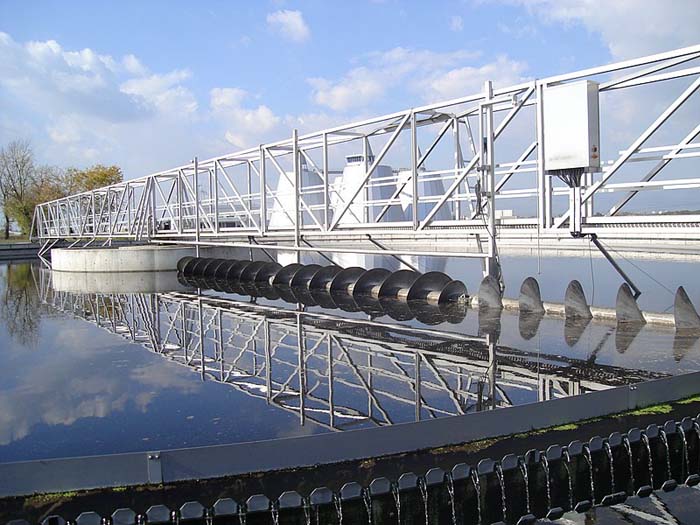
The Importance of Wastewater Management

  • Secondary Treatment

Biological methods are used to take wastewater treatment to the next level. Aerobic (with oxygen) and anaerobic (without oxygen) digestion are two ways microbes break down organic contaminants into simpler, more stable compounds. Constructed wetlands, trickling filters, and activated sludge are common secondary treatment methods.

  • Tertiary Treatment

This optional step uses advanced treatment procedures to eliminate any residual pollutants, including dissolved solids, pathogens, and nutrients (phosphorus and nitrogen). Chemical precipitation, disinfection (such as ultraviolet treatment or chlorination), and filtration can improve water quality.

  • Treatment and Disposal of Sludge

The treatment procedure produces sludge that is treated to minimize its volume and potential ecological impact. Processes such as digestion, dewatering, and drying stabilize the sludge and prepare it for reuse or disposal. The most typical ways to dispose of it are in agriculture, incineration, and landfills.

  • Discharge or Reuse of Effluent

After treatment, regulators can safely release treated wastewater into bodies of water like oceans, lakes, or rivers, provided it meets the quality requirements. Groundwater recharge, industrial processes, or irrigation are non-potable uses for recycled treated wastewater.

Effective wastewater management necessitates meticulous planning, frequent monitoring, and adherence to environmental rules to protect public health and ecosystems while encouraging sustainable water reuse activities.

Why do wastewater management?

Wastewater management is essential for several reasons:

  • Sustainability

A sustainable approach to wastewater management seeks to maximize resource recovery, minimize pollution, and minimize recovery uses. Through resource conservation and ecological protection, sustainable wastewater management practices help ensure a sustainable future for all living things.

  • Conserving Resources

Energy, nutrients (such as phosphorous and nitrogen), and water are common components of wastewater. Recovering and reusing these resources through treatment and recycling reduces the strain on freshwater supplies and other natural resources.

  • Ecological Protection

Untreated discharge of wastewater contaminants, including organic matter, nutrients, and chemicals, can damage aquatic ecosystems. Good wastewater treatment preserves ecosystems and biodiversity by preventing pollution of oceans, lakes, and rivers.

  • Regulatory Compliance 

Governments mandate safe and responsible wastewater management through regulations. Effective wastewater management can help businesses and municipalities avoid legal trouble and abide by these regulations.

  • Public Health:

Appropriate wastewater management prevents diseases from spreading by eliminating dangerous contaminants and pathogens from wastewater before reusing or releasing it back into the environment.

Wastewater management is paramount for sustainable growth, environmental preservation, and public health.

How does wastewater affect human health?

There are a number of ways in which wastewater can significantly affect human health:

  • Vector-Borne Diseases

Vectors such as flies and mosquitoes can lay their eggs in wastewater, causing disease to spread. West Nile virus, dengue fever, and malaria are among the diseases that can spread from untreated wastewater or stagnant water in sewage systems.

  • Nutrient Pollution

The minerals in wastewater, including nitrogen and phosphorus, are essential for plant growth. Nevertheless, eutrophication can occur when wastewater discharge causes aquatic bodies to have high nutrient levels. This mechanism produces algal bloom toxins, which can be dangerous to people and other creatures. Furthermore, when these algae decompose, they might reduce the amount of oxygen in the water. This can cause fish deaths and worsen water quality.

  • Chemical Pollutants

Chemical pollutants in wastewater can originate from a wide range of sources, including agriculture, urban areas, and households. Some examples of such substances are synthetic chemicals, insecticides, heavy metals, and pharmaceuticals. Long-term exposure to these chemicals through contaminated food or wastewater-irrigated water can lead to numerous health issues, such as reproductive issues, neurological disorders, and cancer.

  • Antibiotic Resistance

One factor that can lead to the rise of antibiotic resistance is the presence of these substances in wastewater. Infections caused by these bacteria are notoriously difficult to treat with conventional antibiotics, which in turn increases healthcare expenses and the risk of death.

  • Waterborne Diseases

Parasites, viruses, and bacteria are common pathogens found in wastewater. When untreated or incorrectly treated wastewater reaches bodies of water used for irrigation, bathing, or drinking, it can spread diseases such as gastroenteritis, typhoid, cholera, and hepatitis.

The only way to reduce the impact on people’s health is to clean and manage wastewater properly. Efficient treatment methods can eliminate or greatly reduce nutrients, chemical pollutants, and pathogens, ensuring that wastewater does not endanger human or environmental health when reused or released into the environment.

Conclusion

Wastewater management is essential for promoting sustainable development, safeguarding public health, and maintaining environmental quality. It ensures that wastewater is treated and controlled correctly to limit its impact on ecosystems and society.

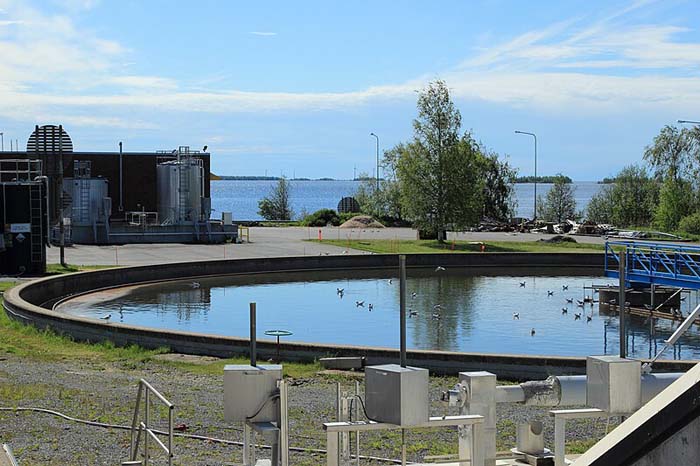
What Are the Three Stages of Wastewater Treatment?

What Are the Three Stages of Wastewater Treatment?

By | Waste Management | No Comments

The primary goal of wastewater treatment is to remove harmful substances from the water. This process prepares the water for reuse or release back into the environment. It greatly impacts sustainable water management, ecosystem preservation, and human health.

The 3 stages of wastewater treatment are?

  1. Primary Treatment

Primary wastewater treatment is the first step in cleaning wastewater before discharging it back into the environment. Physical procedures help to filter out large particles and other objects from the wastewater. Sedimentation allows heavier solids to sink to the bottom of basins or tanks after screening removes large particles like plastics, rags, and twigs.

The first treatment reduces the amount of organic matter and solids in the wastewater to improve the treatment process’s efficiency and effectiveness. Nevertheless, further secondary and tertiary treatment procedures are necessary to eliminate pathogens and dissolved contaminants.

Primary wastewater treatment offers several benefits:

  • Ensuring conformity with regulations 

Environmental regulations require wastewater to undergo treatment before it is released into bodies of water. Primary treatment helps facilities conform to these standards set by regulators as a first step in wastewater treatment.

  • Organic matter reduction

Because it allows settleable materials to settle at the bottom of basins or tanks, it helps lower the organic load in the wastewater. As a result, the need for oxygen during treatment procedures has decreased.

  • Decreased risk of equipment damage

Primary treatments reduce maintenance costs and downtime. Large solids do not damage downstream equipment like filters, valves, and pumps.

  • Affordable

Advanced treatment procedures can be expensive and complex, whereas primary treatment is easy and inexpensive. It is a low-cost wastewater treatment solution that uses fewer chemicals and less energy.

  • Preparation for secondary treatment

Primary treatment removes a large amount of organic matter and sediments from the wastewater to make secondary and tertiary treatment procedures run more smoothly. It enhances the treatment plant’s overall performance.

  • Reduction of smells

The removal of solids during primary treatment reduces the production of wastewater odors, enhancing the quality of the treatment facility’s surroundings.

  • Removing large solids

The wastewater undergoes primary treatment before it becomes clogged with large items like plastics, rags, sticks, and other trash at the treatment plant’s pumps and pipes.

  1. Secondary Treatment:

After the first stage of wastewater treatment, known as primary treatment, the process moves on to secondary treatment. Secondary treatment removes suspended and dissolved biological matter, further purifying the water. This stage typically employs biological techniques to decompose the organic compounds present in the wastewater.

Rotational biological contactors, trickling filters, and activated sludge processes are popular methods utilized in secondary treatment. These procedures involve introducing microbes into wastewater. The microbes use the wastewater as food to break down organic contaminants into water, carbon dioxide, and other microbes. This reduces the demand for suspended particles and biochemical oxygen, making the wastewater safer to discharge into the environment.

What Are the Three Stages of Wastewater Treatment?

Wastewater treatment plants conduct secondary treatment to ensure the treated water is up to standard before releasing it back into the water or using it for irrigation or other purposes.

The advantages of secondary wastewater treatment

Before its release back into the environment, treated wastewater undergoes secondary treatment. This helps to improve its quality in a variety of ways:

  • Ecosystem protection

Secondary treatment protects and restores coastal areas, lakes, and rivers. It helps to remove contaminants and minimizes the nutrient load in wastewater. This helps to promote biodiversity and ecological balance.

  • Removal of biological pollutants

Microbes in biological processes make secondary treatment effective at breaking down organic contaminants. This reduces the wastewater’s chemical and biochemical oxygen demands. This means receiving waters are less likely to experience oxygen depletion and habitat damage.

  • Support for water reuse

Treated wastewater from secondary treatment procedures can be used for non-potable reuse, such as groundwater recharge, industrial processes, and landscape irrigation. This reduces the demand for drinking water supplies and conserves freshwater resources.

  • Support for water reuse

Treated wastewater from secondary treatment procedures can be used for non-potable reuse, such as groundwater recharge, industrial processes, and landscape irrigation. This reduces the demand for drinking water supplies and conserves freshwater resources.

  • Less negative effects on the environment

Hypoxia and algal blooms are harmful consequences of nutrient pollution that can affect ecosystems and aquatic life. Secondary treatment helps reduce these impacts by removing the majority of contaminants from wastewater.

  • Ensuring the well-being of the public

Secondary treatment reduces the risk of waterborne illness, especially in areas where treated wastewater may pollute potable water sources or come into contact with humans. It also safeguards public health by eliminating bacteria and other pathogens from wastewater.

  • Ensuring conformity with rules

Many environmental regulations require wastewater treatment plants to meet certain waste quality criteria before discharging treated wastewater into receiving waterways. Secondary treatment helps facilities meet these standards, preventing legal issues and regulatory fines.

  • Improved visual appeal

The secondary treatment enhances the aesthetic appeal and reduces undesirable odors in treated wastewater. It can play a significant role in gaining public acceptance and improving community relations.

  • Higher-quality water 

To make wastewater safer for human health and aquatic ecosystems, secondary treatment greatly reduces the concentration of pathogens, organic debris, suspended particles, and other contaminants.

  1. Tertiary Treatment:

After primary and secondary treatment, the next step in cleaning wastewater is tertiary treatment. In the first stage, sediments physically separate from the wastewater. In the second stage, biological processes help further remove pathogens and organic matter. Finally, in the third and final stage, tertiary treatment helps to improve the effluent quality further. When more extensive treatment is necessary to achieve certain water quality criteria or to make wastewater usable for positive uses, tertiary treatment is usually used.

Tertiary wastewater treatment often makes use of the following methods and procedures:

Adsorption

Activated carbon and other adsorbent materials help in adsorption to remove colorants, trace pollutants, and dissolved organic compounds from wastewater.

Disinfection

Disinfection is the process of killing or rendering inactive viruses, bacteria, and other pathogens in treated wastewater. The most common ways to disinfect water are chlorination, ozone treatment, and UV disinfection.

Advanced Oxidation Processes

Advanced oxidation processes use strong oxidizing agents, such as UV light, hydrogen peroxide, or ozone, to break down new pollutants, pharmaceuticals, and persistent organic pollutants in wastewater.

Removal of Nutrients

Tertiary treatment may also remove nutrients like phosphorus and nitrogen, exacerbating eutrophication and other water quality issues. Nutrient removal methods include chemical precipitation, sophisticated biological processes, and biological nutrient removal.

Filtration

To filter out bacteria, viruses, and other microorganisms, wastewater passes through a series of filters. These filters might be membrane, multimedia, or sand.

Membrane Processes

Membrane technologies such as UF, NF, and RO help extract microbes, salts, and dissolved pollutants from wastewater to obtain extremely high degrees of purification.

Benefits of tertiary wastewater treatment

  • Reducing negative effects on the environment 

Tertiary treatment decreases environmental disturbances caused by algal blooms and eutrophication by reducing the amount of contaminants and nutrients that reach receiving bodies of water.

  • Community engagement and trust

Implementing tertiary treatment increases community trust and participation in wastewater management projects. This shows dedication to public health and environmental sustainability, which may encourage more people to support environmental practices and water conservation initiatives.

What Are the Three Stages of Wastewater Treatment?

  • Compliance with regulations

In many places, the quality of released wastewater is subject to strict standards. Tertiary treatment allows wastewater treatment plants to achieve even greater degrees of purification. This helps to meet these statutory standards and avoid penalties and fines for non-compliance.

  • Support for sustainable development

Tertiary treatment aligns with sustainable development principles because it improves wastewater effluent quality. This is critical for long-term human and environmental well-being, as well as the responsible use and management of water resources.

  • Public health protection

Communities that rely on water supplies downstream of wastewater treatment plants benefit from tertiary treatment protection from pollution and waterborne diseases. This process removes additional pollutants and pathogens.

  • Economic advantages

Tertiary treatment can ultimately lead to long-term cost benefits by lowering the need for costly interventions to repair environmental damage caused by poorly treated or untreated wastewater, even if it may involve initial investment in technology and infrastructure.

  • Water resource reclamation

Non-potable uses for tertiary-processed wastewater include groundwater recharge, industrial processes, and irrigation. There’s the promotion of sustainable water management techniques, the conservation of freshwater supplies, and the demand for potable water sources.

  • Improved water quality

The last stage of wastewater treatment, tertiary treatment, involves removing any leftover contaminants, including suspended solids, phosphorous, and nitrogen. This process returns purified water to the environment, which is important for preserving aquatic ecosystems and providing safe drinking water.

Conclusion

Resource recovery, energy efficiency, and environmental concerns become more significant as wastewater treatment progresses. The treatment process is optimized to recover vital resources like water, nutrients, and energy while minimizing energy consumption and waste sludge formation.

To protect public health and the environment for current and future generations, wastewater treatment is an interdisciplinary field that integrates environmental sciences, biology, engineering, and chemistry to combat water scarcity and pollution.

Wastewater Treatment Plant - The Process

Wastewater Treatment Plant – The Process

By | Waste Management | No Comments

A water treatment plant cleans and treats wastewater before releasing it into the environment. Wastewater refers to water used for purposes other than drinking, such as in agricultural, industrial, residential, and commercial settings. If untreated properly, wastewater can contain toxins and pollutants that are bad for humans and the environment. The fundamental objective of a wastewater treatment plant is to reduce or eliminate contaminants to an acceptable level for reuse or discharge.

This procedure employs a multi-stage physical, chemical, and biological process to eliminate impurities such as toxic substances, nutrients, solids, pathogens, and organic matter.

Here’s a step-by-step guide to wastewater treatment:

Initial Treatment:

  • Screening

Before treatment, screens filter wastewater to remove large objects like plastic, rags, sticks, and similar items.

  • Removing Gravel

Gravel, sand, and other heavy particles fall to the bottom of the effluent after they pass through the screening process.

Primary Treatment:

  • A primary clarifier is a big tank that collects wastewater and allows it to settle for a while.
  • Sludge and scum form when suspended materials sink to the bottom of the container, while oil and grease float to the top.
  • Next, remove the scum and sludge from the clarified liquid in the center.

Secondary Treatment:

  • After clarification, the wastewater goes through biological treatment. Microbes decompose organic materials into water, biomass, and carbon dioxide.
  • This procedure usually takes place in trickling filters or activated sludge systems. These provide a controlled environment for wastewater exposure to microbes and air.
  • Another option for biological treatment is to use more modern technology, such as sequencing batch reactors or membrane bioreactors.

Tertiary Treatment (Optional):

  • Disinfection

After filtration, treat the water with ozone, UV light, chlorine, or another disinfectant to remove any remaining bacteria or viruses.

  • Filtration

Membrane, multimedia, or sand filters can help to remove any leftover nutrients, microbes, or suspended solids from treated wastewater.

Treatment and Disposal of Sludge:

  • Thickening

Thickening the sludge is a common way to decrease its volume after the primary clarifier and secondary treatment sludge processes.

  • Digestion

Anaerobic digestion uses bacteria to break down organic matter in thickened sludge. This leads to the production of biogas (typically methane) and a reduction in sludge volume.

  • Dewatering

The next step in reducing the digested sludge’s volume is dewatering it. Filter presses, belt presses, or centrifuges mechanically remove excess water in this process.

  • Disposal

Depending on the treatment required to meet regulatory standards, the dewatered sludge can be used as fertilizer on agricultural land, disposed of, or burned. It can also serve other useful functions.

  • Wastewater Discharge 

Depending on local restrictions and requirements, the treated wastewater is either discharged into receiving waters like seas, lakes, or rivers or reused for industrial or irrigation activities or groundwater recharge. It is now free of dangerous chemicals.

Wastewater Treatment Plant - The Process

  • Monitoring and Compliance

Operators monitor several signs, including nutrient levels, dissolved oxygen, flow rate, turbidity, and pH, while the treatment process is underway to ensure the plant is running well and according to regulations.

Environmental regulations and discharge permits require regular sampling and testing of wastewater quality.

A wastewater treatment plant can protect humans and ecosystems from harmful contaminants by adhering to these protocols.

The benefits of wastewater treatment

There are several social and environmental advantages to wastewater treatment. Among the many benefits, some stand out:

  • Enhanced Water Quality

When released back into the environment, treated wastewater benefits downstream users and ecosystems by preserving or improving the overall quality of surface and groundwater resources.

Wastewater treatment is essential to sustainable development because it reduces the demand for freshwater, enhances environmental and public health protections, and bolsters economic development.

  • Public health Protection

Proper wastewater treatment can reduce the likelihood of waterborne infections and preserve public health. This removes hazardous pollutants and pathogens.

  • Benefits to the Economy

Irrigating crops with wastewater that has undergone the appropriate treatment process can reduce the demand for freshwater sources and associated expenses. Another economic opportunity associated with wastewater resource recovery is the creation of new enterprises and jobs in the wastewater treatment and resource recovery sectors.

  • Environmental Protection

Wastewater treatment can preserve aquatic ecosystems and biodiversity. Preventing pollutants from building up helps reduce water body contamination and protects aquatic life and its environments.

  • Compliance with Regulations

You can avoid legal fines and penalties for releasing untreated or poorly treated wastewater using wastewater treatment. This guarantees compliance with environmental standards and regulations.

  • Reduce the Impact of Climate Change 

Anaerobic digestion is one of several wastewater treatment techniques that can generate renewable energy in the form of biogas. One way to decrease the impact of climate change is to generate heat and power from biogas instead of fossil fuels.

  • Water Reuse

In certain instances, treated wastewater and industrial and irrigation processes can also be a source of drinkable water. This decreases the strain on freshwater resources, crucial in places where water is already scarce.

  • Recovery of Resources

Wastewater treatment can recover organic matter, nutrients (phosphorous and nitrogen), and energy. Reusing these resources helps create a more sustainable and circular economy.

Wastewater treatment FAQs

  1. How long do wastewater treatment plants last?

Environmental conditions, design, building quality, technology enhancements, maintenance methods, and other factors can greatly affect the lifespan of a wastewater treatment plant.

If built and maintained correctly, a wastewater treatment plant’s typical lifespan is 25 to 55 years. However, the plant’s components might only last a while and need regular renovation and replacement.

Thanks to technological developments and process optimization, a wastewater treatment plant’s lifespan can be increased through proactive asset management, frequent maintenance, and updates to meet population growth and changing regulations. Retrofitting or upgrading existing facilities can enhance their efficiency and extend their lifespan.

  1. What is removed during primary wastewater treatment?

Primary wastewater treatment mostly employs physical methods to reduce suspended solids and remove solid materials. Primary treatment primarily involves the removal of the following materials:

  • Organic solids

Because of their density, certain organic solids tend to settle out during the main treatment process. However, primary treatment cannot completely eliminate organic matter.

  • Sand and Grit

In later treatment, grit chambers settle out larger particles such as gravel, sand, and other inorganic materials to avoid abrasion or damage.

  • Large solids

Screening is one method for removing these large objects, along with plastics, rags, sticks, and other trash.

Basic treatment still cannot guarantee the removal of all contaminants, particularly dissolved nutrients and contaminants. Secondary and tertiary treatments are useful for more comprehensive purification.

  1. How are chemicals removed from wastewater?


Wastewater treatment involves removing chemicals from the wastewater. There are a number of approaches, and they all aim to remove specific kinds of pollutants. The following are some typical methods:

Physical Methods:

  • Screening:

Wastewater passes through screens to filter out larger particles like plastics, rags, and sticks.

  • Settling and Filtration

It is possible to filter out suspended solids and large particles or to let them sink to the bottom of the tank.

Chemical Methods:

  • Adsorption

Activated carbon or other substances are used to remove organic pollutants from water.

  • Precipitation

The addition of chemicals makes dissolved pollutants insoluble, allowing them to be filtered.

  • Coagulation and Flocculation

Chemicals are introduced to wastewater as clumps (flocs) to facilitate their removal by filtration or settling.

Biological Methods:

  • Anaerobic Digestion

Bacteria decompose organic materials without oxygen, producing biogas and decreasing the wastewater’s organic content.

  • Built Wetlands

Wetland systems filter wastewater by allowing microbes and plants to break down contaminants.

  • Activated Sludge Process

Aerated tanks help mix wastewater with microbes, which feed on pollutants and organic matter.

Cutting-edge Treatment:

  • Ultraviolet Disinfection

Water treatment plants employ UV light to kill bacteria and viruses by destroying their DNA.

  • Reverse Osmosis

High-pressure pumps push water over a semi-permeable membrane to filter out contaminants like dissolved salts.

  • Membrane Filtration

Permeable membranes push wastewater through them to filter out viruses, bacteria, and other impurities.

Depending on the wastewater contaminants and the desired water quality, these procedures can work alone or in combination.

  1. After treatment, is wastewater drinkable?

It is possible to treat wastewater to make it safe for specific uses. However, the level of treatment needed and the specific toxins in the water determines whether it is drinkable.

Advanced treatment methods such as ultraviolet disinfection, advanced oxidation, and reverse osmosis easily remove chemicals, viruses, bacteria, and other contaminants from wastewater. In some regions where water shortages are a big issue, treated wastewater is actually used as a source of drinking water. In common parlance, this is called “water recycling” or “water reclamation.”

Wastewater Treatment Plant - The ProcessNevertheless, even after extensive treatment, the possibility of pathogens or residual pollutants remains a concern. To ensure safety, authorities usually establish stringent criteria for treated wastewater for drinking purposes, while regulations and standards for water quality differ by region.

Drinkable treated wastewater is only possible after thorough treatment and strict adherence to regulations.

  1. What is the easiest to remove from wastewater?

The specific treatment methods used, as well as the nature of the contaminants, determine which pollutants are easiest to remove from wastewater. Physical processes like sedimentation and screening make short work of big particles like gravel, sand, and other solids. Furthermore, skimming and filtering can help to remove grease and oil, among other contaminants, with remarkable simplicity. Advanced filtration, biological treatment, or chemical precipitation methods such as activated carbon adsorption are often necessary to remove dissolved pollutants, such as organic compounds or heavy metals.

  1. How long does it take to treat wastewater?

A number of factors, including the treatment method, the wastewater’s properties, and the intended level of treatment, can greatly affect how long it takes to treat wastewater. The time required to complete the various biological, chemical, and physical wastewater treatment steps might vary widely.

A number of factors, including the treatment method, the wastewater’s properties, and the intended level of treatment, can greatly affect how long it takes to treat wastewater. The time required to complete the various physical, chemical, and biological wastewater treatment steps might vary widely.

The complexity of the treatment procedure determines how long and different the tertiary treatment process can take. This process aims to remove remaining pollutants and achieve specified water quality criteria.

Depending on the specifics, the total time it takes to treat wastewater might vary from a few hours to a few days or even more. Top of Form

Conclusion

A wastewater treatment plant is responsible for properly treating and disposing of wastewater, which is critical to environmental and human health preservation. Recycling and reusing treated wastewater for non-potable purposes, such as industrial and irrigation activities, contributes to water resource conservation, aquatic habitat protection, and water contamination prevention.