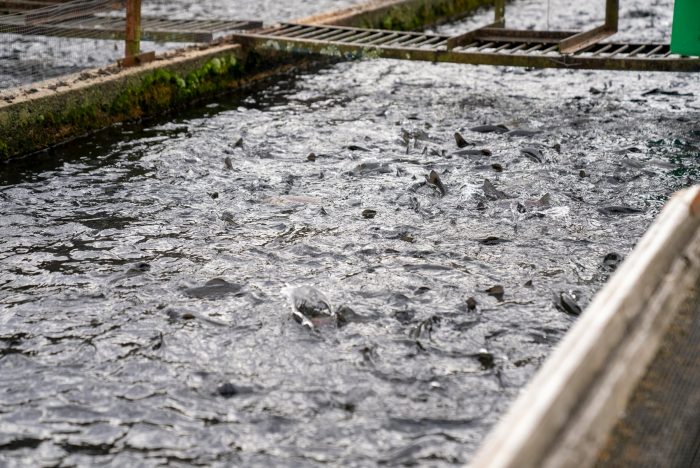
Fish and other aquatic animals rely heavily on the state of the water for their survival, growth, health, and reproduction, so there is a strong relationship between water quality and fisheries. For aquatic ecosystems to thrive and fish populations to remain stable, water quality is essential. This includes maintaining an appropriate temperature, dissolved oxygen levels, pH balance, and the absence of oil spills, industrial effluent, and harmful pollutants. Sewage overflow and agricultural runoff all contribute to water contamination, which in turn destroys aquatic habitats, reduces fish populations, and causes diseases in fish. Therefore, it is crucial for aquaculture and fisheries management to monitor and maintain water quality to save aquatic ecosystems, increase fish production, and guarantee that seafood is safe for human consumption.
Importance of Water Quality in Fisheries
In fisheries, water quality is crucial because it has a direct impact on the well-being, reproduction, growth, and longevity of fish and other aquatic creatures. When water is clean, aquatic life thrives, but when it’s not, fish suffer from decreased productivity, diseases, stress, or even death. Food security, aquaculture, sustainable fisheries, and environmental conservation all depend on water quality.
1. Maximizes Production in Aquaculture
- Feed efficiency and fish growth rates are both enhanced by water of high quality in fish farming systems
2. Helps Fish to Grow and Reproduce
- The feeding, mating, and overall health of fish are all enhanced by water that is of high quality
3. Boosts Economic Gains
- Fishing, aquaculture, and related industries all rely on robust fish populations to sustain themselves, which in turn generates jobs and tax revenue
4. Improves the Production of Fish
- Aquaculture systems and natural fisheries benefit from water quality since it increases fish productivity
5. Backs the Safe Production of Seafood
- Fish eaten by humans is less likely to be contaminated when water is clean
- Keeps people safe and ensures food is safe to eat
6. Preserving Marine Environments
- Keeps aquatic ecosystems (such as fish ponds, lakes, rivers, and oceans) diverse and stable
7. Decreases the Harmful Impact of Pollutants
- Reduced pollution from things like sewage discharge, pesticides, industrial waste, and oil spills is one benefit of having water that meets safety standards
8. Prevention of Eutrophication
- Water bodies can avoid oxygen depletion and excessive algae development by maintaining balanced nutrient levels
9. Disease Prevention in Fish
- Reducing the growth and spread of parasites and microbes that threaten fish health is one benefit of having clean water
10. Backs the Cause of Long-Term Fisheries Management
- Fish populations can be conserved for generations to come with the help of effective water quality management
11. Supports the Survival of Fish
- For optimal survival and development, fish need a balanced ecosystem that includes clean water, sufficient oxygen, and other favorable factors
12. Ensures Sufficient Dissolved Oxygen
- To breathe, fish and other marine life rely on dissolved oxygen
- Fish die, grow poorly, and experience stress due to low oxygen levels
Key Water Quality Parameters in Fisheries
The physical, chemical, and biological properties of water are known as water quality parameters, and they help to determine whether or not an aquatic habitat is healthy enough for fish to live in, grow in, and reproduce in. The success of aquaculture systems and the health of fisheries depend on the accurate monitoring of these parameters.
Total Dissolved Solids
- Water’s minerals and dissolved salts can be measured using TDS
- Affects the quality of water and the health of fish
Temperature
- Fish reproduction, feeding, metabolism, and growth are all impacted by water temperature
- There is a wide variety of optimal temperatures for fish, depending on the species
- Stress and decreased fish productivity are consequences of extremely high or low temperatures
Levels of Nutrients
- The productivity of aquatic ecosystems is supported by nutrients like phosphorus and nitrogen
- Things like algal blooms and eutrophication can happen when nutrients are in excess
pH
- pH is a way to find out how acidic or alkaline a water is
- The optimal pH range is good for fish survival
- Fish stress and gill damage are consequences of an incorrect pH
Chemical Oxygen Demand
- The COD is a measure of the oxygen requirement for chemical oxidation of water contaminants
- Shows the extent to which chemical pollution has occurred
Salinity
- The salinity of water is determined by the concentration of dissolved salts
- A key factor in saltwater, fresh, and marine fisheries
- Negative effects on fish health and growth might result from incorrect salinity levels
Biological Oxygen Demand
- A high biological oxygen demand indicates that microbes are unable to break down organic matter
- Shows concentrations of organic pollutants
- Oxygen depletion in water is one of the effects of excessive BOD
Nitrates and Nitrites
- Biological and decomposition processes produce these nitrogen compounds
- Water quality and fish health might be impacted by excessive levels
- Oxygen loss and toxic effects are among the consequences
Gaseous Carbon Dioxide
- Respiration and decomposition both contribute to the production of carbon dioxide
- Excess carbon dioxide has a number of negative effects, such as reducing oxygen supply and altering how fish breathe
Turbidity
- Suspended particles make water appear cloudy, a phenomenon known as turbidity
- Penetration of light and fish feeding are impacted
- Fish gills get clogged and oxygen production drops when turbidity levels are high
Dissolved Oxygen
- The quantity of oxygen that can be inhaled by aquatic organisms is called dissolved oxygen
- Important for the breathing and life of fish
- The consequences of having low dissolved oxygen are stunted growth, stress, and fish mortality
Toxic Substances
- Consists of industrial chemicals, pesticides, heavy metals, and oil
- Poisoning and mortality of fish and other aquatic life are among the consequences
Water Hardness
- The amount of magnesium and calcium in water determines its hardness
- Affects the metabolic rate and progress of fish
Ammonia
- Ammonia is a byproduct of uneaten feed, decaying organic matter, and fish waste
- Having too much ammonia in the water kills fish
- Fish gills can be damaged, and a decrease in their survival rates
Sources of Water Pollution Affecting Fisheries
Many different kinds of natural and human-caused activities release toxic compounds into water bodies, including ponds, oceans, rivers, lakes, and other marine ecosystems. These contaminants adversely impact fish production, marine life, fish health, and water quality.
1. Operations Relating to Marine Transport
- Waste products, sewage, and fuel residues are released by boats and ships
- Marine and coastal water contamination is one of the consequences
2. Domestic Wastewater and Sewage
- It reaches coastal waters, rivers, and lakes after being either not treated or only partially treated
- Among the consequences are a decrease in oxygen levels, a rise in organic contaminants, and the spread of diseases
3. Thermal Pollution
- Industrial processes release heated water into water bodies
- A decrease in dissolved oxygen levels and an increase in water temperature are some of the effects
4. Oil Leaks
- Offshore drilling and oil leaks from pipelines and ships pollute water sources
- Fish deaths, harm to fish habitats and breeding grounds, and disruption of aquatic ecosystems are all consequences
5. Runoff from Urban Stormwater
- Pollutants from cities, highways, and other man-made surfaces end up in rivers and lakes when it rains
- Sediments, chemicals, oils, and heavy metals are all examples of pollutants
6. Disposal of Solid and Plastic Waste
- Disposing of waste and plastics into water bodies in an improper manner
- Entanglement, ingestion of plastics by fish, and habitat loss are some of the effects
7. Soil Erosion and Loss of Forest Cover
- Vegetation clearance leads to more soil erosion into bodies of water
- Damage to fish habitats, elevated turbidity and sedimentation, and other consequences
8. Runoff from Farms
- Farm runoff delivers a variety of contaminants into water sources, including animal waste, pesticides, fertilizers, and herbicide
- The impacts include algal blooms, eutrophication, and the toxicity they inflict on fish and other aquatic creatures
9. Waste from Aquaculture
- Antibiotics, fish waste, uneaten food, and chemicals are all potential byproducts of fish aquaculture
- Reduced oxygen levels and water contamination are two of the consequences
10. Pollution in the Atmosphere
- Dust and rainfall are two ways in which atmospheric pollutants can end up in water bodies
- Acid rain and pollution from industries are two examples
11. Industrial Runoff
- Industries and factories release heavy metals, oils, harmful chemicals, and other pollutants into water sources
- Decreased fish reproduction and survival, habitat loss, and fish poisoning are some of the impacts on fisheries
12. Operations in the Mining Industry
- Problems with chemicals, heavy metals, and sediments in water sources are a result of mining activities
- Increased turbidity and harmful pollution are some of the effects
Effects of Poor Water Quality on Fisheries
Water that is not pure enough to support life, reproduction, and growth is detrimental to fisheries and other aquatic ecosystems. Damage to aquatic ecosystems, population declines in fish, and diminished economic value of fisheries are all consequences of pollution and unfavorable water conditions.
Ecological Imbalance
- Disruptions to natural marine life and food chains are consequences of water pollution
Decreased Fish Reproduction
- Breeding and egg development are both impacted by water quality
- A gradual decrease in fish populations is one consequence
Declining Fish Growth
- Fish nutrient absorption, metabolism, and feeding are all impacted by water quality
- Fish productivity is low and growth is sluggish as a result
Seafood Contamination
- Humans eat fish that may have been contaminated by polluted water
- Potential hazards to public health and issues with food safety
Low Oxygen Levels
- A higher BOD is associated with higher organic waste levels
- One consequence is a decrease in the amount of dissolved oxygen that fish need to breathe
Damage to Aquatic Ecosystems
- In addition to harming aquatic plants, coral reefs, and breeding grounds, pollution also destroys wetlands
- Fish habitat and food sources are threatened
Chemical and Heavy Metal-Related Toxicology
- Oil spills, pesticides, and industrial waste all pose serious health risks to aquatic ecosystems
- Aquatic organisms and fish poisoning are one consequence
Loss of Biodiversity
- Environmental degradation and pollution pose a threat to aquatic species that are particularly vulnerable to extinction
Elevated Turbidity in Water
- Light is absorbed less effectively by water containing suspended solids
- Reduced photosynthesis, difficulties eating, and respiration in fish are some of the effects
Economic Losses
- A decrease in fish catch has repercussions for the aquaculture companies, fishing industry, and the creation of jobs and income
Disease Transmission in Fish
- Fungi, parasites, and microbes thrive in contaminated water
- One consequence is that fish populations are more likely to have disease outbreaks
Contamination of Drinking Water with Diseases
- Water pollution can lead to health problems
Fish Death Rate
- Water creatures, including fish, are vulnerable to environmental dangers such as pollution, toxic chemicals, and low dissolved oxygen levels
Eutrophication
- Overabundance of nutrients from sewage and fertilizers causes an explosion of algae
- Reduced water clarity, fish kills, and oxygen depletion are some of the effects
Methods of Maintaining Good Water Quality in Fisheries
- Using the right methods for waste disposal
- Monitoring water quality on a regular basis
- Cleanup efforts in the industrial and agriculture sectors
- Adequate treatment of wastewater
- The process of aerating aquariums
Conclusion
For fish and other aquatic creatures to live, grow, and reproduce, a healthy aquatic environment is crucial. This highlights the close relationship between water quality and fisheries. Sustainably fished seafood is safer for human consumption, aquatic habitats are protected, and fish production is enhanced when water quality is good. Conversely, decreased fish populations, habitat loss, fish diseases, and oxygen depletion can result from water that isn’t clean enough due to agricultural runoff, sewage discharge, pollution, and industrial waste. To keep fisheries healthy and the environment safe, it is crucial to monitor and regulate water quality factors such as contaminants, temperature, dissolved oxygen, salinity, and pH on a regular basis.