Express Drainage Solutions

A Solution for Sanitation, Wastewater Treatment & Renewable Energy

Njengi House

2nd Floor Suite 6, Tom Mboya St.

8:00AM - 5:00PM

Monday to Friday

+254742781455

info@expresswatersolutions.com

All Posts By

Antony Muya

The Use of Bio Enzymes for Wastewater Treatment

The Use of Bio Enzymes for Wastewater Treatment

By | Waste Management | No Comments

Wastewater treatment is an essential process to keep the environment healthy and ensure that people always have access to clean water. Wastewater treatment has traditionally relied on mechanical filtration and chemical treatments. Nevertheless, these approaches can be quite pricey, demand energy resources, and occasionally damage the environment. Bio enzymes, a more sustainable and effective alternative to traditional wastewater treatment methods, have recently attracted a lot of attention.

Microbes, including fungi and bacteria, are the principal producers of bio enzymes, which are catalysts that occur naturally in living things. These enzymes effectively break down complex organic and inorganic substances in wastewater by accelerating biological reactions without consuming any resources. Reduced operational costs, minimized chemical use, and improved treatment efficiency are just a few of the benefits of using bio enzymes in wastewater treatment.

Mechanism of Bio Enzymes in Wastewater Treatment

Bioenzymes facilitate the breakdown of organic compounds into their parts, making them more accessible to microbes or amenable to more traditional forms of treatment. These enzymes break down large molecules of contaminants such as carbs, grease, fats, and oils into smaller, less dangerous molecules. This method improves both the treated water quality and the overall efficiency of the wastewater treatment system.
The Use of Bio Enzymes for Wastewater Treatment

What is a biocatalyst in wastewater treatment?

When it comes to treating wastewater, a biocatalyst is a biological agent—usually a microbe or enzyme—that helps to speed up the biochemical reactions that reduce and remove contaminants. These biocatalysts greatly aid in converting contaminants into less inert or harmful forms, detoxifying toxic substances, and decomposing organic matter.

Key Functions of Biocatalysts in Wastewater Treatment

Improvements in Biodegradation:

  • Strategies to enhance the activity of biocatalysts include bioaugmentation, which involves adding specific microbial strains, and biostimulation, which involves providing nutrients.
  • Improved biodegradation of persistent contaminants is possible with the help of modified enzymes or certain types of microbes.

Detoxification of Dangerous Substances

  • These detoxification processes rely on enzymes like reductases and oxidases.
  • Biocatalysts can convert harmful substances into less harmful ones. This includes organic pollutants and heavy metals.

Nutrient Removal

  • Certain bacteria, for example, are able to change the chemical form of ammonia into nitrate, whereas others are able to change the chemical form of nitrate into nitrogen gas.
  •  Certain biocatalysts are useful in eliminating surplus nutrients from wastewater, such as phosphorous and nitrogen, to avoid eutrophication in receiving bodies of water.

Organic matter degradation

  • These microbes break down organic contaminants by producing enzymes that catalyze certain processes.
  • Through metabolic processes, microbes like algae, fungi, and bacteria break down complex organic compounds into simpler molecules.

Types of biocatalysts

  1. Enzymes:
  • Amylases, lipases, and proteases

Decompose starches, fats, and proteins in that order.

  • Peroxidases and oxidases:

They play a role in the oxidation-mediated degradation of organic contaminants.

  1. Microbes:
  • Algae

Photobioreactors and algal ponds use them to produce oxygen and remove nutrients.

  • Fungi

It easily destroys lignin and other stubborn contaminants and complicated organic compounds.

  • Bacteria

Popular applications include biofilm reactors, trickling filters, and activated sludge processes.

  1. Biofilm Reactors:
  • Media are surfaces on which microorganisms grow and eventually form biofilms, which aid in pollutant breakdown.
  • Some examples include rotating biological contractors and trickling filters.
  1. Activated Sludge Process
  • Sludge, a byproduct of biomass processing, can undergo further processing or reuse.
  • Use of a wide community of microbes to cleanse effluent by degrading organic contaminants.

Applications in Wastewater Treatment

Constructed Wetlands:

  • It effectively eradicates pathogens, nutrients, and organic matter.
  • Plants, along with the microbes that live in them, are used to naturally clean wastewater.

Anaerobic Digestion:

  • Sludge treatment and highly concentrated industrial effluent are two of its most common applications.
  •  Microorganisms break down organic matter in an oxygen-free environment to produce biogas, a mixture of carbon dioxide and methane.

5 examples of biocatalysts for wastewater treatment

Wastewater treatment relies on biocatalysts. These are microorganisms or enzymes that aid in the breakdown of organic and inorganic impurities. The following five wastewater treatment examples demonstrate the use of biocatalysts:

  1. Nitrifying Bacteria:
  • Source

It is present in both aquatic and soil environments.

  • Application

The nitrification process, which involves converting ammonia in wastewater to nitrate, relies on these bacteria. Nitrosomonas oxidize ammonia to nitrite, whereas Nitrobacter converts nitrite to nitrate. If we want to decrease the harmful effects of ammonia in wastewater, we should use this procedure.

  1. Amylase:
  • Source:

Fungi and bacteria.

Application

Other microbes can further break down starches after amylase enzymes convert them to simpler sugars. This technique can greatly benefit wastewater treatment in the food processing industry.

  1. Lipase:
  • Source

Pseudomonas aeruginosa and Candida rugosa are examples of microorganisms.

  • Application

Lipase catalyzes the breakdown of fat and oil, producing free fatty acids and glycerol as byproducts. This method is useful for treating wastewater in industries, restaurants, and food processing facilities that produce a lot of fats and oils.

  1. Protease:
  • Source

Bacteria.

  • Application

Protein hydrolysis by proteases yields amino acids and peptides. This process benefits sewage effluents from sectors with a high protein content, such as dairy and slaughterhouses.

  1. Laccase:

Source:

Some fungi and bacteria.

Application

Laccase can effectively break down a variety of contaminants, including phenolic compounds, dyes, and substances that disturb the endocrine system. Because it oxidizes these pollutants, they become less harmful and easier to filter out of wastewater.

These biocatalysts are essential in different parts of the wastewater treatment process. They each help break down and remove certain contaminants in their own special way.
 

The Use of Bio Enzymes for Wastewater TreatmentHow do catalysts reduce waste?

Reduced wastewater treatment waste is mostly attributable to catalysts, which increase the effectiveness of purifying chemical reactions. Catalysts help reduce waste in this environment in a variety of ways:

Incorporation with Membrane Technologies

Including catalysts can enhance the pollutant-removal capabilities of membrane filtration systems. By combining chemical degradation with physical separation, catalytic membranes can filter and degrade pollutants simultaneously, eliminating the need for several treatment processes.

Lower Energy Consumption

Chemical reactions in wastewater treatment, like reduction and oxidation, require a lot of energy. Catalysts lower the activation energy required, allowing these reactions to take place at lower pressures and temperatures. Because of this, the treatment process uses less energy overall.

Advanced Oxidation Processes

Advanced oxidation processes, which rely on catalysts, facilitate the degradation of refractory and complex organic contaminants. Photocatalytic reactions, in which catalysts such as titanium dioxide play a role, can produce reactive species like hydroxyl radicals, which can quickly and thoroughly oxidize pollutants. This results in less secondary waste and cleaner effluents.

Selective Pollutant Degradation

Designing catalysts that target specific pollutants enables the selective breakdown of hazardous compounds without affecting other wastewater components. This targeted strategy will reduce the need for additional treatment stages and the production of secondary contaminants.

Reduced Production of Sludge:

Sludge, a byproduct of conventional wastewater treatment processes, necessitates further processing and eventual disposal. Catalysts can enhance organic matter breakdown, resulting in less sludge production. Reducing sludge volume aids in waste minimization and disposal cost reduction.

Longevity and Reusability

Many catalysts used for wastewater treatment are designed for reuse, ensuring their effectiveness even after multiple treatments. Over time, less energy and materials are required to regenerate or replace catalysts due to their longer lifespan, thereby reducing waste.

Improved Reaction Rates

Catalysts can expedite the chemical reactions necessary to break down contaminants in wastewater. This allows for more efficient and faster reactions, which in turn reduces the energy and time needed to treat the water.

Decreased Chemical Usage

Catalysts improve treatment efficiency, decreasing the amount of extra chemicals needed to purify water to the desired level. Reducing chemical waste has multiple benefits, including lowering the environmental and financial burden of chemical manufacture and disposal.

What is the best pH for bio enzymes?

The optimal pH for bio enzymes is determined by the nature of the treated wastewater, the specific enzymes and microbes used in the treatment process, and other factors. However, generally speaking, a neutral to slightly alkaline pH range, usually between 6.5 and 8.5, is ideal for many bio enzymes utilized in wastewater treatment. The breakdown of organic materials in wastewater relies on microbial activity. Additionally, this range is ideal for their activity and the action of most enzymes.

Keep in mind that various microbes and enzymes may have different optimal pH values. For this reason, it is important to take into account the unique needs of the treatment procedure and modify the pH appropriately. To maximize the efficiency of the wastewater treatment process, close monitoring and maintenance of the pH within the recommended range are required.

The best temperature for enzymes to work

It is important to note that different enzymes and reactions have different ideal temperatures for treating wastewater. There is a typical temperature range in which enzyme activity is at its peak. The optimal temperature range for enzymes used in wastewater treatment is between 30 and 40 degrees Celsius. The composition of the treated wastewater, the enzyme’s intended function, and its place of origin can all have an impact.

Due to their sensitivity, temperature fluctuations can denature or reduce the activity of enzymes. To get the most out of wastewater treatment techniques that use bio enzymes, it’s important to keep the temperature just right.

Interactions between temperature effects and other factors, such as substrate concentration, pH, and the presence of activators or inhibitors, can also have an impact on enzyme activity. So, when planning wastewater treatment systems that use enzymes, you really must take all of these things into account.

Conclusion

Bio enzymes have the potential to revolutionize wastewater treatment by making it more efficient and environmentally friendly. Enzymes, which have inherent catalytic capabilities, can tackle the increasing difficulties of wastewater treatment sustainably and economically. Bio enzymes are increasingly finding their way into various applications. This bodes well for the future of environmental protection and resource conservation initiatives around the world.

Decentralized and Centralized Wastewater Treatment - What's the Difference?

Decentralized and Centralized Wastewater Treatment – What’s the Difference?

By | Waste Management | No Comments

Wastewater treatment is a crucial procedure for protecting public health and the environment. Both decentralized and centralized technologies are used to treat wastewater. Each has unique qualities, benefits, and constraints.

Centralized wastewater treatment

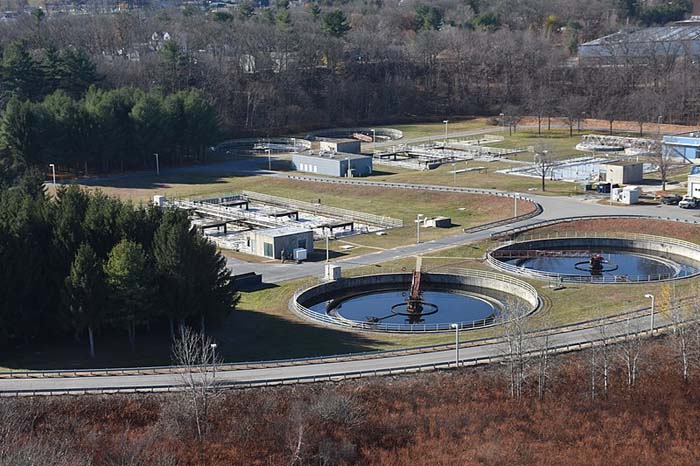
A system of sewers collects wastewater from all surrounding areas and sends it to a single, massive treatment facility when a city or other major municipality treats its wastewater centrally. This central plant uses primary, secondary, and occasionally tertiary procedures to eliminate pollutants from wastewater. Large volumes of wastewater are the reason for its construction.

Decentralized Wastewater Treatment

Decentralized wastewater treatment entails treating wastewater closer to its source, sometimes at the level of individual buildings, communities, or local municipalities. Site-specific package treatment facilities, constructed wetlands, and septic tanks are just a few examples of the many possible systems.

Differences between Decentralized and Centralized Wastewater Treatment

When it comes to managing and treating wastewater, there are two main approaches: centralized and decentralized. Their size, infrastructure, and management are the main points of differentiation. Let’s have a look at what sets them apart:

Decentralized Wastewater Treatment

Characteristics:

  1. Scale and location
  • Treatment of wastewater occurs close to its source, such as in small towns, communities, or households.
  • The services are tailored to individual properties or smaller, more localized populations.
  1. Infrastructure
  • Package plants, constructed wetlands, septic tanks, and aerobic treatment units (ATUs) are all systems.
  • Utilizing smaller, more localized clusters of units or treatment units lessens the strain on extensive sewer networks.
  1. Treatment Process
  • Mechanical systems (like aerobic units) or natural processes (like wetlands, for example) could be used.
  • Treatment typically consists of two phases: primary and secondary. However, this varies greatly across systems.
  1. Management and operations
  • Occasional expert service, inspections, and maintenance may be necessary.
  •  These are usually overseen by local authorities, community organizations, or homeowners.

Advantages:

  • It encourages the reuse of treated nutrients and wastewater on a local level, for instance, in irrigation.
  • They are adaptable to both peri-urban and rural settings thanks to their versatile design and easy implementation.
  • There is a reduction in energy consumption and initial infrastructure costs.

Disadvantages:

  • To be effective, it needs constant maintenance and public education.
  • Uncontrolled variations in treatment quality pose potential dangers to human and environmental health.
  •  There is insufficient capacity to deal with significant amounts of wastewater discharged.

Centralized Wastewater Treatment

Characteristics:

Location and scale

  • It usually comprises a single, massive treatment facility situated far from the service area.
  • The program covers vast geographic regions and helps large populations.

Infrastructure

  • The infrastructure has significant initial costs and ongoing maintenance requirements.
  •  A vast system of pumping stations and sewers is necessary to transfer sewage from residences and companies to the treatment facility.

Treatment Process

  • It usually consists of three steps of treatment to eliminate pathogens, organic matter, solids, and nutrients: primary, secondary, and tertiary.
  • Capable of managing sophisticated wastewater treatment systems that process large amounts of wastewater.

Management and operations

  • The unified structure of centralized systems makes them easier to oversee and control.
  • Trained individuals carry out operation and maintenance under the supervision of local or regional authorities.

Advantages

  • The cutting-edge treatment capabilities allow for the safe reuse or discharge of high-quality effluent.
  • More efficient treatment of wastewater at a lower cost is possible due to economies of scale.

Disadvantages

The operational and capital costs are high

  • Pipe leaks and the environmental impact of large-scale buildings could potentially contaminate the environment.
  •  A mass exodus may result from a malfunction when dealing with systemic problems.

Both methods have advantages and disadvantages; choosing one over the other usually comes down to special local needs, geographical considerations, population density, and available funds.

Is centralized or decentralized better?

Environmental considerations, economic factors, population density, regulatory requirements, and geographical features should all be part of a thorough evaluation of local conditions before deciding between decentralized and centralized wastewater treatment systems. Centralized systems are typically more practicable and economical in densely populated urban areas. However, decentralized systems may provide more flexibility and cheaper prices in peri-urban or rural areas.

To address the varied needs of different communities, the best balanced and resilient wastewater management plan could be a hybrid model that combines decentralized and centralized solutions. This would allow each system to contribute its own capabilities.

Conclusion

Wastewater management relies heavily on both decentralized and centralized systems. Factors such as financial resources, geographical conditions, population density, and regulatory requirements determine which of the two techniques is better. A hybrid method, which integrates elements of both systems, often offers an ideal solution that balances environmental sustainability, cost, and efficiency.

Centralized Wastewater Treatment: How it Works?

Centralized Wastewater Treatment: How it Works?

By | Waste Management | No Comments

Centralized wastewater treatment has become an essential part of modern infrastructure to efficiently and systematically manage and treat wastewater from residential, commercial, and industrial sources. Sewer and pipe networks typically gather and process wastewater at a central facility. Centralized wastewater treatment primarily aims to remove pollutants, safeguard human health, and conserve the environment by ensuring the treated water satisfies regulatory standards before being discharged into natural water bodies or reused.

How Centralized Wastewater Treatment Works

Here’s a breakdown of how centralized wastewater treatment works:

  1. Collection

The treatment plant receives wastewater via underground pipes (sewers) from various sources, including households, companies, and factories. Sewers in this system are typically either storm (for rainwater) or sanitary (for wastewater).

  1. Preliminary Treatment

Grit Removal and Screening:

  • Screening

Use screens to filter out big debris like plastics, rags, and sticks.

  • Grit Removal

Grit chambers protect the treatment plant’s machinery from gravel, sand, and other heavy particles.

  1. Primary Treatment

Sedimentation:

  • Skimming off the surface removes oils, grease, and other floating debris.
  • Primary clarifiers, which are big sedimentation tanks, help to remove solids from wastewater by settling them to the bottom.
  1. Secondary Treatment

Biological Treatment:

  • Aeration Tanks

Microbes (activated sludge) combine with the primary effluent in aeration tanks. Oxygen is provided to facilitate the decomposition of organic substances.

  • Secondary Clarifiers

The mixture then moves to secondary clarifiers, where the microorganisms, or biomass, settle to the bottom. After collecting the purified water, part of the settled biomass is returned to the aeration tanks. The remaining biomass is discarded as waste-activated sludge.

Centralized Wastewater Treatment: How it Works?

  1. Tertiary Treatment (Optional)

Advanced Treatment

  • Methods include adsorption with activated carbon, disinfection with ozone, ultraviolet light, or chlorine, and nutrient removal with chemical or biological processes.
  •  Tertiary treatment can eliminate any leftover pollutants. The effluent quality standards may include pathogens, phosphorus, nitrogen, and heavy metals.
  1. Sludge Treatment

Handling and Disposal

  • The sludge undergoes further processing after primary and secondary treatment. This processing may involve composting or incineration, aerobic or anaerobic digestion, thickening, and dewatering in some cases.
  • Further processing, landfill disposal, or fertilizer are all viable options for stabilized sludge (biosolids).
  1. Discharge

Release of Effluent:

  • Effluent-treated water is either released into nearby bodies (lakes, rivers, or seas) or recycled for recharging groundwater aquifers, industrial processes, and irrigation.

The purpose of a centralized system

A centralized wastewater system primarily performs the following functions:

Efficient resource use

Recovering and reusing water, nutrients, and energy is a common feature of centralized wastewater treatment systems, which often use complex treatment methods. In areas where fresh water is in short supply, treated wastewater can serve multiple purposes, including irrigation for crops and factories. Using the biogas produced during treatment is another sustainable energy option.

Water management and flood control

The infrastructure that helps regulate stormwater runoff is often part of centralized systems. These systems help reduce the danger of erosion and flooding in urban areas. This is more critical than ever, with storms becoming more frequent and intense due to climate change.

Protecting the environment

Central wastewater treatment plants filter out potentially dangerous substances before discharging treated wastewater into the environment. As a result, aquatic ecosystems and biodiversity are better protected against pollution in lakes, rivers, and oceans.

Economic Benefits

Centralizing wastewater treatment to take advantage of economies of scale is a more cost-effective alternative to decentralized systems. By delivering dependable and effective wastewater services, these systems can entice businesses and industries, promoting economic development.

Regulatory Compliance

When industrial and municipal entities use centralized wastewater treatment systems, they can more easily meet water quality and discharge standards set by state and federal agencies. This mitigates the risk of financial and legal consequences from wastewater releases containing more toxins than permitted.

Community and Aesthetic Benefits

Adequate management of wastewater systems improves living conditions and enhances the quality of life in communities. This is because they eliminate sewage problems and unpleasant odors.

Protecting public health

Centralized systems collect and treat wastewater to prevent the spread of pathogens and diseases that can contaminate water. This minimizes the likelihood of getting sick from contacting untreated sewage.

Pros and Cons of Centralized Wastewater Treatment


Centralized wastewater treatment has the following pros and cons:

Pros

  1. Resource Recovery:
  • Recovery of Nutrients

Additionally, they can recycle nutrients like nitrogen and phosphorus. They can reuse these repeatedly, thereby reducing the need for artificial fertilizers.

  • Generating Energy

Some central plants can power their operations by using an additional renewable energy source, biogas.

  1. Environmental Impact:
  • Reducing Contamination

It effectively protects aquatic ecosystems from eutrophication and pollution by lowering wastewater contaminants.

  1. High Treatment Standards:
  • Regulatory Compliance

Strict environmental rules and standards guide the construction of centralized wastewater treatment systems, which ensure the removal of pollutants at high levels.

  • Constant Quality

Their reliable and consistent treatment quality is vital for safeguarding human health and the environment.

  1. Monitoring and controlling:
  • Expert Management

Experts who understand how to operate and maintain these systems typically oversee them.

  • Advanced Monitoring

In order to improve treatment operations in real-time, centralized facilities typically incorporate advanced control and monitoring systems.

  1. Efficiency and Economies of Scale:
  • Cost-Effective

Because of economies of scale, large-scale treatment may reduce treatment costs per treated wastewater unit.

  • Cutting-edge Technology

More modern and efficient treatment methods and technology are often available in centralized systems.

Cons:

  1. Scalability and Flexibility:
  • Rigidity

Compared to modular or decentralized systems, they may need to be more flexible in responding to new pollutants or changes in the composition of wastewater.

  • Growth Limits

Once constructed, centralized systems could be difficult to expand or contract in response to changes in population size.

  1. Dependence on Infrastructure:
  • Remote Areas

Better options might exist in less densely populated or remote locations where building sewer networks would be impractical or expensive.

  • Sewer Networks

The wastewater transfer in centralized systems depends on vast sewer networks, which are susceptible to leaks, clogs, and damage.

  1. Initial costs are high:
  • The Costs of Maintenance

Operations and maintenance costs can add up over time.

  • Infrastructure Investment

Building centralized wastewater treatment plants and all associated infrastructure, such as sewer networks, requires a lot of money.

  1. Resource Intensive:
  • Energy Consumption

Centralized wastewater systems may use a lot of energy when using cutting-edge treatment technologies.

  • Water Use

Some treatment methods that require large volumes of water may threaten local water resources.

  1. Sludge Management:
  • Disposing Sludge

The massive amounts of sludge produced by centralized wastewater treatment can be difficult and expensive to manage, treat, and dispose of.

  1. Environmental and social impacts:
  • Centralization Risks

When a centralized system breaks down, it could affect many people in many different places.

  • Construction Disturbance

The construction of massive treatment plants and wastewater networks has the potential to impact nearby ecosystems and populations greatly.

Important Considerations

Innovation

The application of modern technologies, such as nutrient recovery systems, advanced oxidation processes, and membrane bioreactors, is improving treatment effectiveness and sustainability.

Energy Consumption

Because wastewater treatment uses a lot of energy, facilities always look for methods to save energy. One such method is to make biogas from sludge digestion.

Regulations

Adherence to global, national, and regional environmental laws is required throughout treatment.

Conclusion

The main benefits of a centralized wastewater treatment system include streamlined management and control, high efficiency in pollution removal, and economies of scale. When it comes to sustainable urban development, they are crucial because of their roles in promoting public health, conserving water resources, and reducing water contamination. Some of the issues they face include high operational and capital expenses, the need for significant infrastructure, and the risk of system overloads or failures during extreme weather events.

Decentralized Wastewater Treatment: How it Works?

Decentralized Wastewater Treatment: How it Works?

By | Waste Management | No Comments

The term “decentralized wastewater treatment” describes an alternative to transferring wastewater to a central facility for treatment. The process involves managing and treating the wastewater close to its source. This method can treat wastewater from homes, businesses, and factories.

Key Features and Benefits of Decentralized Wastewater Treatment

Decreased Overloading of Central Systems

A decentralized wastewater system can reduce strain on already-established centralized plants in densely populated areas by treating wastewater locally. This can be especially helpful at times of high demand or in areas seeing significant population growth when centralized systems are already at or near capacity.

Protect the Environment

By lowering the likelihood of spills or leaks during transportation and treating wastewater locally, a decentralized wastewater system helps reduce the risk of environmental contamination. They help in water conservation by encouraging recycling and reusing water.

Cost-Effectiveness

Decentralized systems are more cost-effective than extensive sewage networks or huge treatment plants. They reduce the cost of installation and maintenance and minimize the need for significant infrastructure, such as pipes.

Resilience and Sustainability

Decentralized treatment makes wastewater management more resilient by distributing the treatment capacity over numerous sites. Because of this decentralization, problems at any point have less effect. In addition, many decentralized systems use eco-friendly technology for wastewater treatment, such as constructed biofilters or wetlands.

Flexibility and Scalability

Any community, from a single family to a small municipality, can meet its unique requirements by creating a decentralized wastewater system. Their versatility makes them suitable for single-family homes, small towns, and rural settings.

How Decentralized Wastewater Treatment Works

In places where centralized systems are impractical, such as individual homes, small communities, or rural areas, a decentralized wastewater system (DEWATS) is built to treat wastewater near its source. Here’s how decentralized wastewater treatment works:

Key Components and Processes

  1. Collection System:
  • Drains and Pipes

A system of pipes and drains collects wastewater from houses or other structures and transports it to the treatment facility.

  1. Pre-Treatment:
  • Grit Chambers and Screens

First things first: get rid of any grit or large solids that could ruin the rest of the treatment. Grit chambers settle heavy particles, while screens catch smaller debris.

  1. Primary Treatment:
  • Septic Tanks

The sediments fall to the bottom, creating sludge, while the oils and grease float to the top, creating scum. This is a typical primary treatment procedure. Excess liquid effluent is directed to another treatment facility.

Decentralized Wastewater Treatment: How it Works?

  1. Secondary Treatment:
  • Aerobic Treatment Units

These facilitate microbial decomposition of organic materials by use of oxygen. Here are some methods:

  • Constructed Wetlands

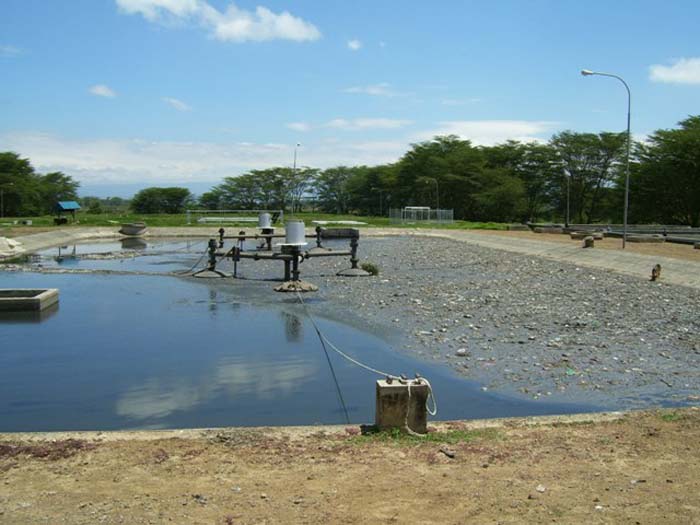
A wetland is a man-made or naturally occurring area where microbes, plants, silt, and biologically degrade wastewater.

  • Suspended Growth Systems

Wastewater, frequently stored in aerated tanks, contains suspended microorganisms.

  • Fixed Film Systems

Microorganisms flourish on a surface that wastewater flows over, decomposing pollutants.

  1. Tertiary Treatment:
  • Sand Filters

These further get rid of any remaining pathogens and fine particles.

  • Disinfection

The remaining infections can be eliminated using methods such as ozone, ultraviolet light, or chlorination.

  1. Disposal or Reuse of Effluent:
  • Reuse Systems

Reusing treated water for purposes other than drinking, such as flushing toilets and irrigation is possible.

  • Surface Discharge

Release treated water into an open body of water (effluent of a certain quality is required).

  • Soil Absorption Systems

A second filtration layer is achieved when treated water is spread out into the soil and allowed to seep into the earth.

The 4 types of decentralization

A decentralization system treats wastewater closer to its point of generation using smaller, more localized systems as an alternative to larger, more centralized treatment plants. A decentralized wastewater treatment system can prove invaluable, particularly in places with specific environmental issues, such as developing or rural areas. The four most common kinds of decentralized wastewater treatment systems are:

  1. Aerobic Treatment Units:

Anaerobic treatment units aerate wastewater to breakdown organic matter by encouraging the growth of aerobic bacteria. These units are commonly utilized in locations where septic systems are not an option. This is because of high groundwater levels and the condition of the soil.

  • Advantages:

Produces effluent that meets stringent environmental requirements, has a lower footprint than septic systems, and effectively treats wastewater with high organic loads.

  • Drawbacks:

Compared to septic systems, it is more complex, expensive, and require frequent maintenance, leading to higher operational costs.

  1. Membrane Bioreactors:

Ultrafiltration (UF) and Microfiltration (MF), two membrane processes, are combined in MBRs to treat wastewater biologically. The system efficiently eliminates organic and inorganic pollutants, resulting in reusable effluent of superior quality.

  • Advantages:

It is designed for different scales, produces high-quality effluent, and is compact, making it ideal for places with limited space.

  • Drawbacks

This decentralized wastewater treatment system requires more energy, professional operation and maintenance, and higher starting costs.

  1. Constructed Wetlands:

The main components of these systems are soils, wetlands vegetation, and the microbial communities that live in them. They treat wastewater through natural means. A constructed wetland area filters out contaminants in wastewater using physical, chemical, and biological means.

  • Advantages:

It has the potential to be inexpensive to run, provide a home for wildlife, and be aesthetically appealing.

  • Drawbacks:

Needs a lot of space; poorly planned areas could attract mosquitoes.

  1. Septic Systems:

These are the backbone of decentralized wastewater treatment systems, particularly in more remote places. A drain field and septic tank make them up. When a building’s wastewater enters a septic tank, the particles settle to the bottom, and the liquids go to the drain field, where they undergo additional treatment.

  • Advantages

This design is perfect for single-family houses or small communities since it is simple, inexpensive, and effective.

  • Drawbacks

Constant pumping and maintenance are necessary; improper management could lead to groundwater pollution.

Each of these systems has specific challenges, advantages, and applications. System selection is influenced by regulatory requirements, population density, local ecosystem, and wastewater characteristics.

The purpose of a Decentralised wastewater system

In locations where centralized systems are either not possible or too expensive, decentralized wastewater treatment systems offer an environmentally friendly and efficient alternative for wastewater management. A decentralized wastewater system’s main purposes and advantages are as follows:

  1. Supporting Development in Remote Areas

By delivering basic sanitation services without the costly infrastructure construction required by centralized systems, decentralized systems pave the way for the development of rural or remote areas.

  1. Cost-Effectiveness

In less densely populated or remote areas, it may be more economical to construct and maintain a decentralized wastewater treatment system rather than extend an existing central sewer system. This makes large treatment plants and a complex network of pipes unnecessary.

  1. Resilience and Reliability

As in a decentralized system, distributing treatment over numerous locations makes wastewater management infrastructure more resilient. Total system failure owing to isolated problems, including technical glitches or natural catastrophes, is less likely with this diversification.

  1. Protect the Environment

A decentralized wastewater treatment system can help safeguard local water bodies from contamination due to leaks and overflows in large sewage networks by treating wastewater at its source. Advanced treatment techniques that successfully remove pollutants can also preserve water quality.

  1. Energy Efficiency

Decentralized wastewater treatment facilities often use less energy than big, centralized systems. It is possible to power smaller systems with renewable energy sources and create them to run with little power.

  1. Local Control and Management

Decentralized systems give communities more control over how their wastewater is treated. More responsive and specialized management methods can improve community participation and system performance, and local oversight can facilitate this.

  1. Public Health Improvement

A decentralized wastewater treatment system can improve public health by reducing contaminants and pathogen exposure by treating wastewater effectively locally.

  1. Enhanced Flexibility and Scalability

A decentralized system can benefit any community, from single-family homes to small municipalities, because it is adaptable. It is quite versatile since its size may be adjusted to suit different populations and water needs.

  1. Resource Recovery

These methods allow us to extract useful substances from wastewater, such as fertilizers and irrigation water and put them to new uses. This helps promote eco-friendly methods and decreases the strain on our precious water resources.

Pros and cons of Decentralized Wastewater Treatment

It is important for policymakers and communities to weigh the approach’s benefits and drawbacks.

Advantages

  1. Environmental Advantages:
  • Decreased Contamination

This reduces the potential for massive leaks or spills, common in centralized systems and can cause serious environmental damage.

  • Localized Reuse

Freshwater will be less needed because treated water can be used for groundwater recharge, landscaping, or irrigation.

  1. Engagement and Control by the Community:
  • Public Awareness

Greater understanding of the need for water conservation and consumption among locals.

  • Local Management

Better, more environmentally friendly wastewater treatment methods may emerge as communities exercise greater agency in this area.

  1. Decreased Infrastructure Costs:
  • Avoidance of Huge Infrastructure Projects

There is no need for large centralized treatment facilities or extensive sewer networks.

  • Lower Costs of Transportation

Construction and maintenance costs are lowered due to shorter pipes and decreased pumping requirements.

  1. Redundancy and Resilience:
  • Operational Continuity

With localized concerns, the entire community is spared, guaranteeing that operations will continue to some extent.

  • Catastrophe Resilience

System failures or natural catastrophes are less likely to damage a decentralized wastewater treatment system.

  1. Scalability and Flexibility:
  • Scalability

Without the large initial expenditures for centralized systems, it may be easily expanded to accommodate a growing population.

  • Modular Design

Urban and rural areas can benefit from these systems because they adapt to local conditions.

Decentralized Wastewater Treatment: How it Works?

Cons of Decentralized Wastewater Treatment

  1. Problems with Compliance and Regulatory:
  • Monitoring and Enforcement

Demands thorough oversight to guarantee conformity, which may be demanding on available resources.

  • Compliance with Standards

Compliance with national and regional regulations for decentralized wastewater treatment systems is not always easy.

  1. Possible Risks to the Environmental:
  • Localized Impact

Although the overall danger of contamination is reduced, localized failures, if not addressed swiftly, can cause considerable harm to the environment and human health.

  • Nutrient Management

The accumulation of nutrients from treated wastewater in regions with insufficient soil absorption has the potential to cause eutrophication and other ecological issues.

  1. Economic Disadvantages:
  • Economies of Scale

Economies of scale can make centralized systems more cost-effective, especially in heavily populated areas.

  • Initial Costs

Initial startup expenses can be considerable, particularly for small areas without existing systems, despite cheaper infrastructure costs.

  1. Variable Performance:
  • Technology Reliance

Certain systems depend on complex technology that might not be applicable or maintainable elsewhere.

  • Effectiveness Variability

The system’s design, environmental factors, and maintenance procedures can all majorly impact performance.

  1. Managing and Maintaining Challenges:
  • Consistency and Quality Control

Maintaining a consistent level of treatment quality across different locations can be difficult.

  • Technical Expertise

In order to keep it running, maintenance and operation experts on the ground are needed.

Conclusion

As an alternative to conventional centralized systems, decentralized wastewater treatment offers several advantages, including greater flexibility, lower costs, and less environmental impact. These systems improve environmental protection and public health by treating wastewater near its source, making them useful for a variety of settings, from rural to metropolitan communities.

How To Maintain A Bio Septic System

How To Maintain A Bio Septic System

By | Waste Management | No Comments

Maintenance is key to keeping a bio septic system running smoothly and efficiently over time. Bio septic systems, often called biological septic systems, are state-of-the-art wastewater treatment systems that treat domestic waste by means of natural bacterial processes. In places where centralized sewage systems are not available, these systems provide an eco-friendly alternative for wastewater management.

Understanding a Bio Septic System

A bio septic system uses a mix of aerobic and anaerobic bacteria to break down organic materials in wastewater. Bacteria break down the organic material, turning it into simpler substances. Then, solid waste descends to the bottom of a series of tanks in the system. Soil absorption systems and leach fields are common methods for the environmentally safe release of treated wastewater.

Steps on how to maintain a bio septic tank

The effectiveness and durability of a bio septic tank depend on regular maintenance. The longevity and effectiveness of the tank’s waste processing, the absence of unpleasant odors, and the protection of the environment are all dependent on regular maintenance. A bio septic tank requires the following maintenance:

  1. Local Regulations and Compliance
  • Upgrade as Needed 

Adapt the system to meet the needs of the local government by making any necessary modifications or upgrades.

  • Inspections and Permits 

Before installing a bio septic system, check that it meets all environmental and health requirements in your area.

  1. Pumping the Tank
  • Record Keeping

Be sure to document the dates of pumping and any maintenance that has been done.

  • Hire Experts

If you need the tank pumped, call a professional septic service.

  • Frequency

Depending on the tank’s size and use, the typical interval is three to five years.

  1. Protect the Drain Field
  • Divert Water

Keep driveway, roof, and other surface runoff away from the drain field.

  • Plant Properly

To keep roots from blocking the system, only plants with shallow roots should be planted over the drain field.

  • Avoid Heavy Loads

The drain field is not a good area to place heavy objects or park cars.

  1. Water Conservation
  • Repair Leaks

Make sure the tank isn’t going to be overloaded by fixing any leaking taps.

  • Stagger Water Use

Spreading out the washing of dishes and clothes throughout the week will reduce the strain on the tank.

  • Use Water-Efficient Fixtures:

Install in low-flow taps, showerheads, and toilets

  1. Frequent Use Habits
  • Educate Family Members

Everyone living there should be aware of what may and cannot be put into the bio septic system.

  • Moderate Use

Keep the septic system in check, particularly when you’re hosting visitors or using more water than usual.

  1. Waste Management
  • Proper Disposal of Grease

Grease, oils, and fats should not be poured down the drain because they can cause clogs.

  • Limit Chemicals

To keep the tank’s beneficial bacteria alive, don’t use detergent or bleach too often.

  • Avoid Non-Biodegradables

Dispose of plastics, diapers, wipes, or feminine hygiene products in the trash, not the toilet.

  1. Expert Maintenance 
  • Emergency Plans

In case of an emergency, be ready by having the number of a dependable septic service on hand.

  • Yearly Checkups

Even if you don’t think you need to pump, have a septic expert examine your system every year.

  1. Inspect Frequently
  • Monitor Levels

If you want to know if you need to pump the tank, look at the scum and sludge levels.

  • Look for problems

Be on the lookout for any strange smells, cracks, wear, or leaks.

  • Frequency

Every one to three years, check the tank.

  1. Biological Additives
  • Use Bio-Boosters

Adding biological additives on occasion is best for optimal bacterial balance. Before using, speak with an expert.

  • Avoid Overuse 

Keep additives from taking the place of regular maintenance.

Following these procedures is important to keep your bio septic tank running smoothly, prolong its life, and reduce its negative effects on the environment.

Importance of Maintenance

It is best to service a bio septic system regularly to avoid problems like system failures, overflows, and clogs. Regular maintenance guarantees the system’s lifespan, environmental protection, and avoidance of expensive repairs. By keeping your bio septic system in good repair, you can reduce the likelihood of contaminants seeping into nearby bodies of water or groundwater.

How To Maintain A Bio Septic System

Key Maintenance Practices

  • Use of Biological Additives

Biological additives, which increase bacterial activity, enhance the efficiency of waste breakdown. Nevertheless, it’s important to use them exactly as directed to avoid any negative effects.

  • Monitor Water Use

Excessive water use might overwhelm the septic system. It’s crucial to refrain from activities that could simultaneously add a lot of water to the system and practice water conservation.

  • Pump the Tank

The only way to keep the septic tank from overflowing is to pump it periodically to eliminate the built-up sludge. Pumping should be done every three to five years, though this can vary depending on tank size and home use.

  • Proper Waste Disposal

Make sure that the bio septic system only accepts biodegradable waste. Because they can upset the bacterial balance and block the system, grease, chemicals, and non-biodegradable things should not be flushed down the toilet.

  • Frequent Inspections

Carry out regular inspections to check for clogs, leaks, or wear. This will help you detect and prevent potential issues.

Benefits of a Well-Maintained Bio Septic System

If you want your bio septic system to work well and last a long time, you need to maintain it correctly. The operational, health, environmental, and financial benefits of a bio septic system that is well-maintained are numerous:

Operational Benefits

  • Reliability

Preventative maintenance and inspections minimize the possibility of system breakdowns. This guarantees uninterrupted and dependable operation.

 Efficient Waste Breakdown

Properly maintaining the system’s biological processes results in less regular need for pumping and better waste breakdown.

Financial Benefits

  • Increased Property Value

A properly operating bio septic system will increase a property’s value and appeal to potential purchasers.

  • Save Money

Regular maintenance helps homeowners save a ton of money in the long run by extending the life of the system and avoiding expensive repairs.

Health Benefits

  • Smell Control

Keeping up with routine maintenance keeps the system running well, which in turn keeps the air we breathe fresh and clean.

  • Minimized Health Risks

Leaking and overflow of untreated sewage can lead to pollution and related health problems, including waterborne infections. However, proper maintenance can prevent this.

Ecological Benefits

  • Minimized Pollution

When kept in good condition, a bio septic system efficiently decomposes waste, reducing the amount of potentially dangerous contaminants and pathogens that enter the environment.

  • Water Conservation

There is less need for massive water treatment and transportation infrastructure when these systems handle wastewater on-site.

  • Environmentally Friendly

A bio septic system treats waste using natural processes instead of energy-intensive processes and chemical treatments.

Best products to use to maintain a bioseptic tank

Properly maintaining a bioseptic tank is essential for its efficient operation. It helps in the decomposition of organic matter and keeps odors and clogs at bay. Some of the greatest tools and methods for keeping a bioseptic tank in good working order are:

  1. Grease and Solid Waste Management

To avoid buildup and clogs, be careful with what you put down the drain.

  • Grease Traps

For the purpose of preventing grease from entering the septic system, install grease traps in kitchen sinks.

  • Disposal Management

Do not throw some food leftovers, sanitary products, and wipes down the drain because they are not biodegradable.

  1. Bio-Active Treatments

The goal of these treatments is to boost the beneficial bacteria already present in the septic tank to do their job even better.

  • EcoNow Septic Oxy-Tabs

These pills enhance the aerobic decomposition of waste by introducing beneficial bacteria and oxygen.

  • Bio-Sol

Maintains a healthy septic tank with its combination of beneficial enzymes and bacteria.

  1. Home Product Choices

Use only home products that won’t harm the beneficial bacteria in your septic tank.

  • Avoid Harsh Chemicals

Harsh chemicals, antibacterial soaps, and bleach should not be used because they kill beneficial bacteria.

  • Biodegradable Cleaners

Prioritize cleaning products that are safe and biodegradable. Ecover and Seventh Generation are two excellent brands to consider.

  1. Regular Maintenance and Inspection

A bioseptic tank can only stay in good working order with regular maintenance.

  • Inspection

Check for overall functionality, clogs, and leaks by having the system inspected once a year.

  • Pumping

Set a regular timetable for pumping the tank every three to five years or as needed, depending on its size and use.

  1. Water Conservation

Reduce water use to keep the system from being overwhelmed and to facilitate the correct decomposition of waste.

  • Immediately address leaks

If you want to keep water out of the septic system, fix any leaking faucets or toilets.

  • Low-Flow Fixtures

To cut down on water use, put in low-flow taps, showerheads, and toilets.

  1. Bacterial Enzyme Additives

These additives incorporate beneficial enzymes and bacteria to reduce smells, decrease sludge accumulation, and improve organic waste breakdown.

  • Bio-Clean

It helps keep septic systems balanced because of its naturally occurring bacteria and enzymes.

  • GreenPig

The maintenance of septic systems is facilitated by yet another efficient product that contains concentrated bacterial formulations.

  • Rid-X

A widely-used product that contains natural enzymes and bacteria that are capable of decomposing waste from the home.

  1. High-Quality Toilet Paper

To lessen the chances of clogs, use toilet paper that is appropriate for septic systems and degrades readily.

  • Charmin Ultra Soft

In addition to being gentle and robust, it is also safe for use in septic systems.

  • Scott Rapid-Dissolving Toilet Paper

Made especially for RVs and septic systems.

Using bacterial enzyme additives, septic-safe products like Scott Rapid-Dissolving Toilet Paper, GreenPig, or Rid-X, and bio-active treatments like Bio-Sol can help maintain a bioseptic tank. To keep a septic system in good working order, it is necessary to dispose of waste appropriately, be careful when using home products, and conserve water.

Conclusion

Regular pumping, proper waste management, and frequent inspections are all necessary to keep a bio septic system in good working order. These principles guarantee the system’s efficient operation, making it a cost-effective and environmentally beneficial option for wastewater treatment.

What is the Value of a Bio Septic System

What is the Value of a Bio Septic System

By | Waste Management | No Comments

A bio septic system is an efficient and environmentally friendly way to manage and treat wastewater and sewage from homes. As an environmentally friendly substitute for conventional septic tanks, these systems treat wastewater by breaking it down using biological agents and natural processes.

Important components and functionality of a bio septic system

Septic Tank                     

This is the main part that collects waste from fixtures, including showers, sinks, and toilets. In most cases, this tank has more than one chamber.

Anaerobic Bacteria

This process of decomposing solid waste into simpler molecules relies on these bacteria, which flourish in an oxygen-depleted environment.

Filtration System

A filtration system further treats the liquid effluent after primary waste decomposition, removing harmful pollutants and pathogens.

Soakaway or Drain Field

A soakaway or drain field helps to distribute the treated effluent into the soil, where it continues to be naturally purified.

What is the value of a bio septic system?

A bio-septic system offers both cost savings and environmental benefits. Among the numerous benefits, the following stand out:

The Advantages of the Environment

Minimized Harm to the Environment:

  • Effective Waste Breakdown

A bio septic system reduces groundwater contamination by using naturally existing microbes to decompose organic waste.

  • Minimized Pollution Risk

When contrasted with a conventional septic system, which occasionally releases untreated sewage into the environment, they limit the likelihood of pollution to adjacent bodies of water.

What is the Value of a Bio Septic System

Decrease in greenhouse gases

  • Methane Capture

A number of cutting-edge devices are able to reduce emissions by capturing and utilizing methane, a powerful greenhouse gas, as an energy source.

Recycling and reusing

  • Nutrient-Rich Wastewater

The waste product has the potential to be nutrient-dense, making it a viable fertilizer option for farmers.

  • Water Recycling

Water treated by a bio septic system can be used for irrigation and other non-potable uses, helping to conserve freshwater resources.

Benefits to the Economy

Affordable:

  • Water bill decreases

Recycle treated water for irrigation to reduce your water bill by a large amount.

  • Costs of Operations Reduced

Once installed, a bio septic system often has reduced operational and maintenance expenses compared to centralized sewage systems or conventional septic systems.

Longevity and Durability

  • Less regular pumping

A bio septic system requires cheaper, regular pumping of solid waste, which means cheaper maintenance expenditures.

  • Longer Lifespan

Due to their reduced reliance on mechanical components and increased resistance to environmental stresses, these systems often last longer and are more robust.

Property value increases:

Desirable Feature:

Waste management systems that are less harmful to the environment tend to attract eco-conscious buyers, which can increase the value of your property.

Benefits to Health

Better Sanitation:

  • Decreased smells:

Efficient waste breakdown can help reduce the smells commonly associated with traditional septic systems.

  • Improved waste treatment

These systems can better treat human waste, which in turn improves sanitation by minimizing the existence of dangerous pathogens.

Social Benefits

Public and Community Health:

  • Sustainability Education:

They encourage community members to learn about environmental issues and provide real-world examples of sustainable activities.

  • Enhanced public health

A bio septic system improves public health by lowering the possibility of waterborne disease transmission and groundwater pollution.

Technological Innovations

State-of-the-art Design:

  • Scalability:

They are adaptable to many sizes of homes and communities, making them useful for everything from small dwellings to sprawling complexes.

  • Cutting-edge Methods of Treatment

In order to optimize efficiency and waste breakdown, many modern bio septic systems use cutting-edge treatment technology.

The potential pros and cons of Bio Septic Systems

A bio septic system is a modern wastewater treatment system that treats and decomposes home waste using natural processes. This system is also referred to as an eco-friendly or biological septic system. The possible benefits and drawbacks of a bio septic system are as follows:

Pros

  1. Economic Benefits:
  • Property Value

In eco-conscious neighborhoods, installing a state-of-the-art wastewater treatment system might be a great way to boost your home’s value.

  • Long-Term Savings

Though it may be expensive to install initially, you may end up saving money in the long run. This is due to the decreased operational and maintenance costs.

  1. Low Maintenance:
  • Automatic Aeration

Many bioseptic systems require less human involvement. This is because of the built-in aeration procedures that boost bacterial activity.

  • Less regular pumping

Less pumping and maintenance may be necessary due to the efficient breakdown of waste in these systems.

  1. Efficiency:
  • Minimized Smells

When bio septic systems work properly, waste decomposes more thoroughly, reducing odors.

  • Enhanced Waste Breakdown

Fewer solids and less sludge are byproducts of bio septic systems’ more efficient waste breakdown compared to traditional systems.

  1. Health Benefits:
  • Improved Water Quality:

Many times, the treated effluent is of a higher quality and is safe to release into the environment or even for uses other than drinking water.

  • Decreased Pathogens:

They are able to greatly decrease the number of harmful microorganisms in the purified water, making it more environmentally and human-health-friendly.

  1. Environment Benefits:
  • Sustainable

They are eco-friendly because they break down waste using natural processes involving microbes.

  • Lower levels of pollution

Bioseptic systems are superior at treating wastewater compared to conventional septic systems. This means that surface and groundwater contamination are less likely to occur.

Cons

  1. Maintenance Requirements:
  • The possibility of mechanical problems

The expense of maintenance could rise if mechanical parts of the system, such as pumps or aerators, break or need replacing.

  • Regular Monitoring

Even though a bio septic system doesn’t need pumping as often, it still needs regular monitoring and maintenance for the best performance.

  1. Reliance on Bacteria:
  • Bacterial Balance

The system’s performance depends on a balanced bacterial population, but everyday massive waste loads, medications, or chemicals can upset this delicate balance.

  1. Intricacy:
  • Potential for User Error

Improper use, such as flushing non-biodegradable objects, may result in system damage and disruption of bacterial processes.

  • Technical Knowledge

Homeowners should learn more technical details to keep their systems running well and prevent breakdowns.

  1. Space Requirements:
  • Land Area

In urban areas or on smaller properties, the extra room needed to construct some of these systems could be an issue compared to more traditional systems.

  1. Initial Cost:
  • Specialized Installation

Professional installation by experts in complex systems may require more money.

  • High Installation Costs

A bio septic system can have a substantially greater initial cost compared to conventional systems.

Because they treat wastewater efficiently and sustainably, these systems have many positive effects on health, the environment, and the economy. However, they rely on a finely tuned balance of biological processes, are more expensive to start up, and need constant attention from experts. To find out if a bio-septic system is the best option for your home, it’s important to think about the benefits and drawbacks.

What is the Value of a Bio Septic System

Applications

When conventional sewage systems aren’t an option, bio septic systems are a great alternative for homes, businesses, and rural areas. Typical septic systems may not work in places with high water tables or low soil percolation, but these alternatives are ideal.

Advantages

  • Smell Control

When compared to more conventional methods, biological processes usually provide a far more pleasant smell.

  • Sustainability

By relying on natural processes, they lessen the impact on the environment and cut down on chemical treatments.

  • Cost-Effectiveness

Because of the reduced operating and maintenance expenses, these systems can be less expensive than conventional septic systems.

  • Environmental Benefits

A bio septic system minimizes the risk of groundwater pollution by properly processing waste before releasing it into the environment

Care and maintenance

The effectiveness and durability of a bio septic system depend on regular maintenance. This process includes regularly checking up on the bacterial cultures, removing sludge, and performing other inspections. Additionally, it would help if you did not flush anything that has harsh chemicals or is not biodegradable and can interfere with biological processes.

Conclusion

A bio septic system is worth its weight in gold because it offers an eco-friendly, productive, and economical way to deal with waste. These systems, as an alternative to conventional septic systems, take advantage of natural biological processes that have many positive effects on society, health, the environment, and the economy. Their widespread adoption has resulted in a higher quality of life, more efficient resource use, and cleaner air.

What Is A Bio Septic Tank, and How Does It Work?

What Is A Bio Septic Tank, and How Does It Work?

By | Waste Management | No Comments

A bio septic tank, also known as a biological septic tank or biodigester, is an environmentally beneficial option for treating and decomposing organic matter from domestic wastewater and sewage. Bio septic tanks, in contrast to traditional septic tanks, use microorganisms to aid in the breakdown and digestion of waste through natural biological processes rather than chemicals.

What is a bio septic tank system?

This is an improved version of the conventional septic system that treats and manages domestic wastewater using biological processes. Other names for this system include bio-digester and biological septic system.

Here are the most important characteristics and parts of a bio septic system:

Tanks and chambers 

Various steps of waste treatment usually take place in separate tanks or chambers that make up the system. These chambers facilitate the separation and decomposition of wastewater.

Tertiary Treatment 

Certain sophisticated bio septic systems have a tertiary treatment phase, which involves extra filtration and disinfection operations to ensure that the effluent satisfies environmental regulations before release.

Primary Treatment

Solid waste forms sludge at the bottom of the first chamber, while lighter substances like oil and grease form scum at the top. As with a conventional septic system, this is the first line of defense.

Effluent Discharge 

Local regulations determine whether to use the treated effluent for irrigation or safely discharge it into the soil through a leach field. The cleanliness has significantly improved.

Secondary Treatment 

After undergoing various treatment steps, the water proceeds to further chambers. Here, aerobic bacteria continue to break down the organic materials. Natural ventilation or aerators might bring air into the system to make this happen.

What Is A Bio Septic Tank, and How Does It Work?

Anaerobic and aerobic bacteria

The system uses a mix of aerobic (bacteria that need oxygen) and anaerobic (bacteria that do not) microbes to break down and digest the organic waste in the wastewater.

 How does a Bio Septic system work?

An innovative method of waste management, a bioseptic system treats wastewater and sewage by means of natural biological processes. Here is a detailed explanation of its operation:

Components of a Bio Septic System

  • Inlet Chamber 

The point of entrance for wastewater and sewage comes from many sources, including toilets.

  • Aerobic Digestion Chamber 

Some methods use an extra chamber to treat wastewater with aerobic bacteria.

  • Anaerobic Digestion Chamber 

This is the place where anaerobic microorganisms break down waste.

  • Outlet Chamber 

Lastly, the water treatment process is complete.

Working Process

Inlet Chamber:

  • The input chamber is the point of entry for wastewater into the system.
  • The solid waste is able to sink to the bottom of this chamber, which separates it from the liquid.

Aerobic digestion (in some systems):

  • Mechanical aerators, or diffusers, are the usual means of supplying oxygen.
  • Because they need oxygen to function, aerobic bacteria accelerate the decomposition of organic materials. This, in turn, lowers the concentration of dangerous microbes and improves the effluent quality.
  • Systems with an aerobic digestion phase send the partially treated wastewater to an aerobic chamber.

Anaerobic Digestion:

  • The settled waste is transferred to the anaerobic digestion chamber.
  • Bacteria that do not need oxygen, known as anaerobic bacteria, break down solid waste into simpler compounds and release gases like carbon dioxide and methane.
  • By converting solid waste into biogas and sludge, this breakdown drastically decreases its volume.

Clarification and Final Treatment:

  • In the output chamber, the treated water undergoes its last clarity.
  • Here, the rather clear water is prepared for disposal after any leftover fine particulates settle.

Discharge:

  • The treated water has multiple potential uses, including irrigation, safe discharge into the environment, and additional processing.
  • Certain modern systems may contain extra phases of disinfection or filtering to ensure the effluent’s quality.

 The difference between a septic tank and a bio septic tank

People use septic tanks or bio-septic tanks to treat wastewater in areas without centralized sewage systems. On the other hand, their design, functioning, and effect on the environment are very different. A thorough comparison is shown here:

Septic Tank

Design and Operation:

  • Structure 

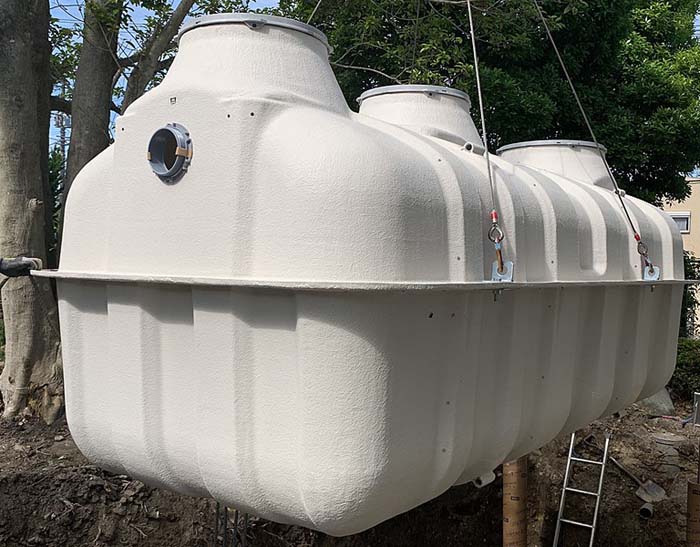
Polyethylene, fiberglass, or concrete are common materials for traditional septic tanks. These are large, completely sealed underground containers.

  • Function 

Sedimentation is the basic mechanism that makes it work. The tank receives household wastewater, which forms sludge and scum as oils and greases rise to the surface and solids sink to the bottom, respectively.

  • Maintenance 

Failure to regularly pump out the built-up scum and sludge can lead to system failure and overflow.

  • Treatment 

After some initial treatment, the wastewater goes to a leach or drain field for additional filtration and soil decomposition.

Ecological Impact:

  • Efficiency: 

Because it is a simple procedure, organic materials often only decompose partially.

  • Pollution: 

If not maintained correctly, septic tanks have the potential to overflow or leak, contaminating groundwater and other bodies of water in the area with harmful nutrients and pathogens.

Bio-Septic Tank

Design and Operation:

  • Structure 

An upgraded version of the traditional septic tank, a bio-septic tank frequently has more than one chamber and uses a variety of treatment methods.

  • Function 

It uses anaerobic and, on occasion, aerobic bacteria to speed up the decomposition of organic materials. This biological process greatly enhances wastewater treatment.

  • Maintenance 

Although these systems still require regular maintenance, the breakdown of organic materials may reduce the frequency.

  • Treatment 

Bio-septic systems frequently incorporate filters, aerators, and even man-made wetlands to further purify the effluent before reusing it or discharging it into the soil.

Ecological Impact:

  • Efficiency 

When biological treatment improves, the effluent becomes of higher quality and is once again suitable for irrigation, safe discharge, and other non-drinkable uses.

  • Pollution 

By utilizing more effective treatment methods, bio-septic tanks decrease the likelihood of groundwater pollution and the discharge of hazardous microorganisms.

Key Differences

Maintenance 

Both systems necessitate routine maintenance; however, a bio septic tank may break down waste more efficiently. Therefore, they may require less frequent intervention.

Intricacy and cost 

The sophisticated treatment methods and extra components of bio-septic systems make them more difficult to construct and more costly to operate than conventional septic tanks.

Effects on the Environment 

Because they produce cleaner effluent and reduce the likelihood of groundwater pollution, bio-septic tanks are better for the environment.

Effectiveness of Treatment 

Bio-septic tanks are superior to conventional septic tanks in treating wastewater, leading to better-quality effluent.

When it comes to handling wastewater from homes, bio-septic tanks offer a more modern, efficient, and eco-friendly alternative to septic tanks. But they’re more complex and cost more to start with. The amount of wastewater treatment needed, ecological concerns, and budget are some of the considerations that determine which option is better.

The longest-lasting septic system

The design, materials, installation quality, soil conditions, and maintenance methods all play a role in determining how long a septic system lasts. The typical lifespan of a septic system is twenty to forty years. But, with the right setup and regular maintenance, some systems can endure even longer. Some significant factors that influence the lifespan of a septic system are:

What Is A Bio Septic Tank, and How Does It Work?

Design and Materials:

  • Steel Tanks: 

Steel tanks, which are less popular nowadays because of their rustiness, usually have a lifespan of about 20 years.

  • Plastic and fiberglass tanks: 

These storage tanks often endure for 30–40 years without cracking or rusting.

  • Concrete Tanks: 

With regular maintenance, a concrete septic tank has a lifespan of forty years or longer.

Installation Quality:

  • An expert installation can reduce the risk of early failure by correctly positioning the system. Leakages, system failures, and other problems can reduce the lifespan of a poorly installed system.

Soil Conditions:

  • Soils free of clay and well-drained can extend the lifespan of a septic system, provided they allow sufficient percolation. However, poorly drained soils can cause overloaded systems to fail.

Use and Maintenance:

  • To keep the drain field clear of sediments, pump it regularly (every three to five years) and examine it often.

Environmental Factors:

  • Factors such as the local climate and water table levels may impact the system’s durability. Systems in regions prone to frequent flooding or high water tables might not last as long.

Tips for Prolonging Septic System Life

Efficient Appliances 

To reduce the load on the system and save water, install high-efficiency appliances like dishwashers, washing machines, and toilets.

Proper Use 

Do not flush the system with too much water or toxic substances. Use appliances and fixtures that use less water.

Protect the Drain Field 

Avoid heavy construction on the drain field, and do not park or drive vehicles on it.

Landscaping 

To avoid root intrusion, keep plants, such as shrubs and trees, away from sewage systems.

Regular Maintenance 

To keep the system running well, make sure to schedule frequent inspections and pumping.

Warning Expressions of Septic System Issues

  • Lush Grass 

Thicker and greener grass over the system could indicate a septic system failure or leak.

  • Standing Water

A sign of failure or saturation is when water pools over the drain field.

  • Nasty Smells 

The region around the tank or drain field is emitting an unpleasant odor.

  • Drainage Issues 

Indication of problems or clogs within the system.

Applications

The following are just a few of the numerous applications for bio septic tanks.

  • Commercial buildings
  • Healthcare facilities and hospitals
  • Schools and colleges
  • Residential homes
  • Rural and outlying areas often have limited access to municipal sewage systems.

Conclusion

An important step toward more environmentally friendly waste treatment is the development of a bio septic tank. These tanks are an eco-friendly, low-maintenance, and effective replacement for conventional septic systems that rely on natural processes. Urban and rural areas alike are seeing a surge in the use of bio septic tanks to meet the rising demand for environmentally friendly solutions.

The Challenges that Come With Water Management

The Challenges that Come With Water Management

By | Waste Management | No Comments

Water management challenges encompass a wide range of problems related to water resource quality, distribution, and allocation. Political, social, environmental, and economic issues all fuel these challenges.

Here are some of the challenges that come with water management:

The management of water resources is an intricate and diverse problem with far-reaching consequences for economies, ecosystems, and people. Some of the most significant challenges in water management include the following:

  1. Financial and Economic Constraints
  • Affordability

The persistent challenge is to ensure that everyone can buy water while also covering infrastructure and maintenance costs.

  • Investment Need

Water infrastructure development and maintenance necessitate substantial financial commitment, which is frequently absent, especially in nations with low incomes.

  1. Ecological Sustainability
  • Ecosystem Health

Because of the risks posed by pollution and over-extraction, it is critical to keep aquatic ecosystems in good shape to protect biodiversity and the benefits they offer.

  • Conservation Efforts

One of the biggest problems with sustainability is balancing human water consumption with the need to protect ecosystems.

  1. Urbanization and population growth
  • Infrastructure Strain

Insufficient water infrastructure is a common cause of poor sanitation and water scarcity in urban areas.

  • High Demand

The need for water for farming, manufacturing, and domestic purposes is increasing as a result of urbanization and rapid population expansion.

  1. Limitations on Technology and Data
  • Technological Gaps

Modern water conservation, treatment, and distribution systems are essential, but they may need to be financially out of reach for some areas.

  • Data Collection and Monitoring:

Unfortunately, there is frequently little or incorrect data on water availability, quality, and consumption, which is crucial for effective water management.

  1. Change in Climatic Conditions
  • Glacial Melt

Areas that rely on glacial melt for their water supply will see a decrease in the long-term availability of water as glaciers melt.

  • Altered Hydrological Cycles

More intense and frequent floods and droughts are consequences of climate change, which alters the patterns of rainfall.

  1. Governance and Policy
  • Coordination among Stakeholders:

The local communities, public sector, and governments all have a hand in water management, but it cannot be easy to get everyone on the same page.

  • Regulatory Frameworks

Unfortunately, many countries lack adequate or poorly enforced legal and regulatory structures necessary for effective water management.

  1. Transboundary Water Problems
  • International Cooperation

It may be difficult to achieve the international cooperation and treaties required for effective transboundary waterway management.

  • Shared Water Resources

Disputes over water usage and rights arise when numerous countries share bodies of water like lakes and rivers.

  1. Scarcity and Distribution of Resources
  • Seasonal Variability

It is more difficult to manage water resources in places where there are large seasonal changes in rainfall.

  • Uneven Distribution

Worldwide, water resources are unevenly distributed. Water is abundant in certain regions—like the Amazon Basin—but scarce in others, such as North Africa and the Middle East.

The Challenges that Come With Water Management

  1. Water quality and pollution
  • Waste Management

Solid waste and untreated sewage, which result from insufficient waste management procedures, contaminate water sources, especially in developing areas.

  • Runoff from Agriculture and Industries

Industrial processes and agricultural runoff pollute water supplies with nutrients, heavy metals, and chemicals, endangering environmental and human health.

How to address water management challenges

Community engagement, technology in transboundary innovation, sustainable practices, and policy development are all important parts of a comprehensive strategy to address water management issues. To overcome these obstacles, keep the following in mind:

  1. Integrated Water Resources Management

This method encourages the coordinated management and development of water, land, and associated resources. This comprehensive approach ensures the consideration of environmental, economic, and social factors in the management of water resources.

  1. Policy and Governance
  • Regulatory Frameworks

Create and implement strict regulations for the management of water resources that address issues such as sustainable use, contamination, and over-extraction.

  • Transboundary Cooperation

The best way to manage shared water resources and keep disputes at bay is for countries and regions to work together.

  1. Climate Change Adaptation
  • Resilience Planning

In your water management strategies, plan for the increased frequency of floods and droughts caused by climate change.

  • Green Infrastructure

To control city runoff and stormwater management, use green infrastructure solutions, such as green roofs and permeable pavements.

  1. Sustainable Agriculture Practices
  • Crop Selection

Reduce water use by promoting crop rotation and drought-resistant crop varieties.

  • Effective Irrigation

Drip irrigation and other effective irrigation methods can help farmers save water.

  1. Technological Innovation
  • Desalination

It is extremely important to invest in desalination technologies in dry areas so that we can turn seawater into drinkable water.

  • Water Purification

Create cutting-edge water purification technologies to ensure that people can drink safe water.

  1. Reusing and Recycling Water
  • Industrial Water Reuse

Encourage industries to integrate wastewater recycling into their operations.

  • Greywater Recycling

Recycle and purify home wastewater for non-drinking applications such as flushing toilets and watering plants.

  1. Conservation and Demand Management
  • Water Pricing

Implement tiered water pricing to encourage efficient use and reduce waste.

  • Public Awareness Campaigns

Make sure people in your area know how to save water and why it’s important.

  1. Ecosystems’ Protection
  • Riparian Buffers:

Establishing and maintaining riparian buffers along water bodies will improve water quality and reduce runoff contamination.

  • Wetland Conservation

Wetlands serve as natural reservoirs and filters for water; it is important to preserve and restore them.

  1. Community Education and Involvement
  • Stakeholder Participation

To make sure water management solutions are adapted to local conditions, it’s important to involve local communities in the decision-making process.

  • Educational Programs

Spread the word about the importance of water conservation and sustainable practices through community and school-based educational initiatives.

  1. Water Infrastructure Improvement
  • Smart water systems

Smart meters and Internet of Things sensors can help you monitor water use, find leaks, and maximize distribution efficiency.

  • Modernizing Infrastructure

By updating its outdated infrastructure, the water delivery system may become more efficient and leak-proof.

  1. Rainwater Harvesting
  • Urban and Rural Systems

Install rainwater harvesting systems in rural and urban locations to reduce reliance on municipal water and groundwater supplies. These systems gather and store rainwater for diverse uses.

The Challenges that Come With Water Management

By incorporating these solutions to address water management concerns more effectively, we can ensure equitable and sustainable water supplies for future generations.

Benefit of water management

Many different areas can profit from efficient water management, including the environment, the economy, and society as a whole. Here are a few important benefits:

  1. Economic Benefits
  • Sustainable Development

Especially in areas where water is scarce, sustainable economic development can flourish with the help of well-managed water supplies.

  • Cost Savings

Efficient water usage can significantly reduce water treatment, distribution, and energy expenses. This is of utmost importance for cities and businesses that use water resources extensively.

  •  Agricultural Productivity

Precision agriculture and irrigation scheduling are two examples of water management strategies that have the potential to increase agricultural output by decreasing water waste and increasing crop yields.

  1. Technological and Infrastructural Benefits
  • Innovation and Efficiency

Investments in water management technologies, such as real-time monitoring and smart irrigation systems, result in more effective use of water resources.

  • Infrastructure Resilience:

Updating and maintaining water infrastructure is an important part of effective management because it makes it more resilient to environmental stresses and ensures continued service.

  1. Social Benefits
  • Quality of Life

Safe drinking water, potable water for cooking and bathing, and water for outdoor recreation all contribute to a high standard of living.

  • Social Equity

A fair distribution of water resources is a key component of effective water management. This, in turn, helps to lessen disputes over water usage and guarantees that all communities, especially those on the margins, have enough water.

  • Public Health

It is essential for everyone’s health that they have immediate access to potable water. Well-managed water resources lead to better hygiene and sanitation, as well as a decrease in the incidence of water-related illnesses.

  1. Environmental Benefits
  • Reduces the Impact of Climatic Change

Improved drought and flood water supply resilience is one way that efficient water usage and management can help adapt to climate change.

  • Reducing Water Contamination

By regulating the runoff of contaminants from urban, industrial, and agricultural areas, water resource management helps to keep water bodies clean.

  • Ecosystems’ Conservation

When wetlands, lakes, and rivers are well managed, they continue to receive the water flows necessary for the existence of many animal and plant species.

Conclusion

To tackle these issues, a comprehensive strategy incorporating political, technological, scientific, and social viewpoints is necessary. To guarantee the sustainable and fair distribution of this key resource, the private sector, communities, and governments must work together to create resilient water management policies.

Why is Water Management So Important?

Why is Water Management So Important?

By | Waste Management | No Comments

Effective water management is crucial to the responsible use and preservation of water, the planet’s most precious resource. It covers a wide range of activities that try to balance different sectors’ demands for water with the requirement to maintain ecological integrity through managing and distributing water resources. The availability of drinkable water and its use in conservation efforts, industry, and agriculture depends on effective water management. This is essential to the development of the economy, sustainability of the environment, and societal well-being.

Fundamentally, water management is all about dealing with problems like climate change, contamination, water shortages, and flooding. Reaching goals of fair and efficient water usage calls for interdisciplinary strategies that bring together community involvement, technology, science, and policy.

Key components of water management include:

  • Governance and Policy

Resolution of cross-border water problems, equitable resource allocation, and sustainable water usage are achievable through developing and implementing local, national, and international management frameworks, incentives, and regulations.

  • Efficiency and Conservation of Water

Advancing technologies and practices that reduce water loss and maximize its use across a variety of industries. This includes establishing water recycling and reuse systems, installing water-saving fixtures in existing buildings, and developing more efficient irrigation methods.

  • Integrated Water Resource Management

Adopting holistic techniques that take into account the interconnection of water sources, such as watersheds, lakes, rivers, and aquifers, can strike a balance between conflicting needs. This will also ensure that water is available for both the current generation and those to come in the future.

  • Wastewater Treatment and Contamination Control

The treatment and management of wastewater protect the quality of water and prevent pollution of aquatic habitats, groundwater, and freshwater bodies. Contaminant removal and the safe disposal or reutilization of treated wastewater are part of this process.

  • Climate Resilience and Adaptation

Preparing for drought, managing floods, and conserving and storing water are all ways to build resilience to the effects of climate change. This includes changing droughts, regular extreme weather events, higher temperatures, and precipitation patterns.

  • Supply and Distribution of Water

Developing infrastructure such as water treatment plants, pipelines, and reservoirs to offer consistent access to potable water for domestic, commercial, and farming use.

Only efficient water management can adequately address concerns like social equity, public health, food insecurity, and biodiversity conservation. Societies may strengthen their ability to withstand environmental changes and secure water supplies for future generations. They can achieve this by making the fair and efficient management of water resources a top priority.

Here’s why water management is so important.

Inefficient water management influences social equity, human health, ecological sustainability, and economic stability. The following points emphasize the significance of efficient water management:

  1. Economic Stability:
  • Production of Energy

Energy generation relies heavily on water, especially for hydroelectric power and thermal power plant cooling. Good water management guarantees a consistent supply of energy.

  • Industry

Water is essential for many industrial activities. Efficient water management and use can enhance costs and productivity.

  1. Urban Development:
  • Infrastructure

Urban areas need effective water management systems to manage stormwater, handle wastewater, and provide potable water. Their well-being and efficiency depend on these systems.

  • Sustainable Growth

Sustainable water management strategies are essential to meet the increasing demands of urban populations without compromising the availability or quality of water.

  1. Human Health:
  • Availability of potable water

Clean water is needed to drink, cook, and wash oneself. Inadequate water management practices can result in contamination, which in turn can cause waterborne diseases, including dysentery and cholera.

  • Sanitation

Sanitation is an integral part of water management that helps keep people healthy and minimizes the likelihood of disease transmission.

  1. Climate Change Adaptation:
  • Flood Control

Decreasing economic losses, protecting communities, and controlling floods are achievable through the implementation of effective water management infrastructure.

  • Resilience

Changes in the climate impact the distribution and availability of water. Efficient water management can enhance resilience to climate impacts, such as altered precipitation patterns, more frequent extreme weather, and rising sea levels.

  1. Agricultural and Food Security:
  • Drought Mitigation

Good management helps ensure that water is available when there isn’t much of it, assisting in both preparing for and dealing with drought.

  • Irrigation

One of the main uses of freshwater is in agriculture. Through efficient water management strategies in irrigation, crop yields can be improved, and food security can be ensured.

  1. Social Equity and Access:
  • Preventing Conflict

Water scarcity might result in conflicts. However, good management and cooperative agreements can prevent water resource disputes.

  • Unbiased Distribution

Reducing inequities requires managing water resources so all social groups have equal access.

  1. Water Resources Sustainability:
  • Finite Resource

There is a finite amount of freshwater. The sustainability of water resources for years to come depends on efficient management.

  • Ecosystem Health

Proper management is vital for aquatic habitats’ vitality for biodiversity. Fleshing ecosystems benefit biodiversity by regulating floods, purifying water, and providing homes for animals.

Conclusion

Ensuring social equity, bolstering economies, sustaining life, adapting to climatic change, and promoting health all depend on water management. Without water management, human civilizations would face catastrophic environmental and social disasters.

Water Quality Monitoring in Developing Countries

Best Water Management Practices and Plans

By | Waste Management | No Comments

Water management is a crucial and complex area that includes managing, developing, planning, distributing, and using water resources. The overarching goal of this field of study is to protect this essential resource from a wide range of human and environmental demands. It seeks to maintain a steady equilibrium between water supply and demand. Industrial process enablement, agricultural support, ecosystem health, and access to potable water all depend on efficient water management practices and plans.

Several urgent problems necessitate water management. Water shortages worsen due to climate change, which changes rainfall patterns and increases the likelihood of floods and droughts. In addition, industrialization and urbanization raise water demand. Protecting water sources is crucial because contamination threatens water quality. This is from things like improper waste disposal, industrial discharges, and agricultural runoff.

Best Water Management Practices and Plans

Effective water management methods are essential to guaranteeing sustainable water resources for present and future demands. Water conservation, efficient use, and waste reduction are all goals of best practices. They include a wide range of technologies and strategies. Important strategies and methods for water management include the following:

  1. Rainwater Harvesting
  • Green Infrastructure

To reduce runoff and recharge groundwater, we can implement rain gardens, permeable pavements, and green roofs to collect and permeate rainwater.

  • Collection Systems

Systems should be implemented to collect and store rainwater for purposes other than drinking, like flushing toilets and irrigation.

  1. Water Quality Protection
  • Nutrient Management

Proper fertilizer application, cover crops, and buffer strips are some agricultural strategies that can reduce nutrient runoff.

  • Protecting Water Source

Using best agricultural practices, zoning, and land use planning to prevent contamination of water sources.

  1. Recycle and reuse water
  • Industrial Water Recycling

Reducing freshwater demand and discharge is achievable through the treatment and reuse of water in industrial operations.

Best Water Management Practices and Plans

  • Graywater Systems

Saving water for later use by irrigating plants and flushing toilets using rainwater recycled from faucets, showers, and washing machines.

  1. Stormwater Management
  • Constructed Wetlands

Wetlands are artificial structures that improve water quality and provide habitats for various animals by filtering and controlling storm runoff.

  • Low Impact Development

Urban area design incorporates permeable pavements, swales, and bioretention cells to control stormwater at its point of origin.

  1. Water Conservation
  • Smart Irrigation Systems

Smart irrigation controllers that work with the weather and soil moisture sensors can help landscapers save water without sacrificing water quality.

  • Efficient Appliances and Fixtures

Install appliances that use less water, such as low-flow taps, showerheads, and toilets, and replace inefficient dishwashers and washing machines.

  • Detection and Repair of Leaks

Regular maintenance and inspection of water distribution systems is necessary to detect and repair leaks.

Comprehensive Water Management Plans

  1. Agricultural Water Management Plans
  • Methods for Efficient Irrigation

Getting the word out about water-saving irrigation techniques like sprinklers and drip irrigation.

  • Methods that Can Withstand Drought

Farmers can enhance their agricultural yields by choosing drought-tolerant crop varieties, conserving soil moisture, and implementing crop rotation.

  1. Watershed management plans
  • Contamination Control

The task involves locating and reducing watershed contamination from both point and non-point sources.

  • Ecosystem-Based Management

With an emphasis on protecting and restoring natural ecological and hydrological processes, we aim to keep the entire watershed healthy.

  1. Urban Water Management Plans
  • Demand Management

To lower water consumption, incentives for water-efficient technology, water pricing with tiers, and public education are all steps.

  • Supply Augmentation

Recycled water, groundwater recharge, and desalination are some new water supply sources being explored.

  1. Integrated Water Resources Management
  • Participation of Stakeholders

All interested parties, including governments, industries, and local communities, should participate in decision-making.

  • Holistic Approach

Ensuring that important ecosystems can continue functioning without jeopardizing economic or social well-being requires careful coordination of land, water, and related resource management.

What is a water management practice?

Water management practices refer to any actions taken to improve the management of water resources. In order to satisfy the demands of humans, farms, and businesses while protecting the environment, these methods endeavor to maximize water efficiency. Water management strategies aim to reduce water waste, safeguard water quality, mitigate the impacts of floods and droughts, and provide a sustainable, clean water supply. Presented below are a few typical approaches to water management:

  1. Demand Management:
  • Water pricing

To promote water efficiency and cut down on waste, we can employ price systems.

  • Public awareness campaigns

Raising awareness about the value of water conservation and practical strategies for doing so.

  1. Water Recycling and Reuse:
  • Wastewater treatment

The process involves recycling treated sewage and industrial effluent for use in new projects in fields as diverse as industrial and agriculture.

  • Graywater systems

Recycling water from fixtures like washing machines, showers, and sinks for flushing toilets or irrigation.

  1. Aquifer Recharge:
  • Managed aquifer recharge

Recharging groundwater supplies by purposefully channeling surface water into aquifers.

  • Rainwater harvesting

By storing collected rainwater for later use, we can replace other water sources.

  1. Stormwater Management:
  • Detention and retention basins

Constructing basins or ponds that gradually release stormwater is the best way to avoid floods and erosion.

  • Green infrastructure

Use rain gardens, green roofs, and permeable pavements to collect and purify runoff water.

  1. Pollution Control:
  • Best management practices

Industry and agriculture use techniques like proper waste disposal and contour plowing to reduce pollution.

  • Contaminant regulation

Controlling the release of contaminants into bodies of water through the implementation of regulations and laws.

  1. Water Conservation:
  • Water-saving technologies

One way to reduce environmental impact is to install low-flow appliances and fixtures in homes and businesses.

  • Effective irrigation systems

Reducing agricultural water waste through the use of sprinkler or drip irrigation systems.

  • Detection and repair of leaks

To stop water loss, locate the source of the leak and fix it.

  1. Watershed Management:
  • Integrated watershed management

The goal is to manage a watershed’s land and water use in a way that satisfies community demands while also promoting economic growth and environmental sustainability.

  • Riparian buffer zones

Planting streams and rivers with vegetation stabilizes banks, filters pollutants, and improves water quality.

Combining these practices typically results in a holistic water management approach that considers local requirements and challenges.

What is a water monitoring plan?

The purpose of a water monitoring plan is to systematically gather, evaluate, and understand data regarding the amount and quality of water over time. Protecting aquatic habitats, managing water resources, and ensuring water supplies are safe and sustainable all need such a strategy. The main objectives and components of a water monitoring plan are as follows:

  1. Components of a Water Monitoring Plan
  • Objectives and goals

The goal of monitoring must be clearly defined, whether to ensure ecological health, protect water sources, or comply with regulations.

  1. Make sure your goals are clear and quantifiable

Sampling Frequency and Duration

  • Establish the program’s length (e.g., seasonal, yearly, or multi-year).
  • Establish a schedule for sample collection (e.g., daily, weekly, monthly, etc.).

Site Choice

  • Think about your water supply (groundwater, lake, river, etc.), how you use the land, and where pollution could come from.
  • Decide where to place the monitors in relation to the goals.

Reporting and Communication

  • Make arrangements for making findings public if required.
  • Make sure systems are in place for getting results reported to the right people.

Parameters to Monitor

  • Depending on the individual objectives, one should include signs such as microbial pollution and nutritional levels.
  • Choose biological, chemical, and physical variables (such as contaminants, temperature, pH, and oxygen).

Data Management

  • Make sure data is easily shareable and accessible.
  • Create a framework for gathering information and putting it to use.

Methodology

  • It is important to specify the methods and procedures for quality control and laboratory analysis.
  • Specify how to collect, handle, and store samples according to established protocols.
  1. Objectives of a Water Monitoring Plan:

Research and Education

  • Back research that looks at the effects of environmental changes over the long run.
  •  Collect information for use in environmental education and scientific studies.

Protecting Water Sources

  • Monitor the water quality of the sources used to produce drinking water to prevent contamination.

Resource Management

  • To keep up with supply and demand, monitor the water level and flow rate.
  • Back the responsible administration of water supplies.

Environmental Protection

  • Locate the causes of water contamination and eliminate them.
  • Make sure aquatic environments are healthy and secure.

Public Health

  • Assure the water is safe for recreational use.
  • Learn what toxins in water threaten the public’s health and do all you can to stop them.

Regulatory Compliance

  • Follow all rules and regulations regarding water quality, whether at the federal, state, or municipal level.

A meticulously planned water monitoring program is the only way to manage and protect water resources. It promotes sustainable usage and water resource conservation, aids in the early detection and resolution of problems, and supplies the data needed to make educated decisions.

Best Water Management Practices and Plans

Top 12 Water Management Techniques

Effective water management depends on ecological protection, agricultural practices, and sustainable development. Twelve methods for efficient water management are presented here:

  1. Water-Sensitive Urban Design
  • Description

Reducing harmful effects on the environment by including water management in city design.

  • Advantages

Urban areas become more resilient to climate change, water quality improves, and stormwater runoff decreases.

  1. Smart Water Meters
  • Description

The project involves the installation of high-tech meters that record water use in real time.

  • Advantages:

It aids utilities in optimizing water distribution, enables consumers to monitor and manage their water use better, and finds leaks.

  1. Drip Irrigation
  • Description

Direct water straight to plant roots using a network of emitters, valves, and pipes.

  • Advantages

It ensures optimal water use in agriculture by reducing water wastage and minimizing evaporation.

  1. Reservoir Management
  • Description

The process involves maximizing reservoir efficiency to meet environmental needs, flood control, and water supply.

  • Advantages

It maintains ecological health, decreases flood threats, and guarantees a steady water supply.

  1. Greywater Recycling
  • Description

The process involves pumping out non-potable effluent from appliances like washing machines, bathtubs, and sinks for toilet flushing and irrigation.

  • Advantages

It cuts down on wastewater outflow, reduces the need for freshwater, and may even reduce water bills.

  1. Constructed Wetlands
  • Description

The construction of artificial wetlands will use natural processes to clean stormwater and wastewater.

  • Advantages

It increases biodiversity, decreases flooding, and improves water quality.

  1. Water-Efficient Fixtures
  • Description

Installing low-flow toilets, showerheads, and faucets is one way to lessen water consumption.

  • Advantages

It reduces water usage, which in turn lowers utility bills and helps preserve water resources for homes and businesses.

  1. Leak Detection and Repair
  • Description

Finding and fixing water distribution system leaks using technological means.

  • Advantages

It saves money on water bills, makes water delivery systems more efficient, and reduces water loss.

  1. Desalination
  • Description

The process involves purifying saltwater so that it is fit for human consumption by removing salt and other contaminants.

  • Advantages

Coastal cities and dry regions have a consistent supply of potable water.

  1. Drought-Tolerant Landscaping
  • Description

Landscapes that make use of native and drought-resistant plants require less watering overall.

  • Advantages

It improves local biodiversity, reduces maintenance costs, and helps conserve water in the area.

  1. Rainwater Harvesting
  • Description

The process involves gathering and reusing water that has fallen on roofs or other surfaces.

  • Advantages

Aid in flood prevention reduces strain on municipal and groundwater systems and supplies additional water.

  1. Aquifer Recharge
  • Description

Increasing the rate of natural groundwater recharge through rerouting surface water to recharge subsurface aquifers.

  • Advantages

Groundwater levels rise, ensuring a sustainable water supply, and lowering the risk of land subsidence.

Implementing these techniques can greatly enhance water management practices, leading to a more robust and sustainable water conservation and use approach.

Conclusion

Water management must involve various stakeholders, including local communities, governments, and scientists. Technology and data analysis are also used to improve monitoring, prediction, and decision-making. Responsible water management is crucial to ensuring the survival of present and future generations and building resilience in the face of water-related threats. This is because of its essential role in life and socioeconomic development.