Express Drainage Solutions

A Solution for Sanitation, Wastewater Treatment & Renewable Energy

Njengi House

2nd Floor Suite 6, Tom Mboya St.

8:00AM - 5:00PM

Monday to Friday

+254742781455

info@expresswatersolutions.com

All Posts By

Antony Muya

Water Purification Methods That Remove Fluoride

Water Purification Methods That Remove Fluoride

By | Water Filtration | No Comments

Water, soil, and rocks all contain fluoride, which occurs naturally. Mouthwash and toothpaste are included because they significantly benefit oral health. When choosing a fluoride water purifier, consider the water’s fluoride content, the purifier’s capacity and efficiency, the cost, and the amount of maintenance required. To keep fluoride levels within safe limits after purification, it is critical to evaluate the water quality on a regular basis. You can remove fluoride successfully from water using a number of water-purifying processes.

These are some popular ways to remove fluoride:

Activated carbon filtration

Although activated carbon alone isn’t great at eliminating fluoride, you can mix it with other filtration methods, such as reverse osmosis, to make a significant difference.

Activated Alumina Filtration

An excellent material for removing fluoride ions from water, activated alumina has many pores. The fluoride ions cling to the alumina particles’ surfaces as the water moves through the activated alumina bed.

Distillation

In distillation, you heat water to the point where it produces steam. Afterwards, you condense the steam back into liquid form. The boiling chamber leaves the fluoride ions behind, purifying the water because their boiling point is higher than the water’s.

Ion Exchange Resin Filtration

By exchanging them for other ions in the resin, ion exchange resin filters are able to remove fluoride ions. Generally used in water softening systems, this technique can also eliminate fluoride.

Bone Char

Granular bone char is formed from scorching animal bones. It is highly efficient at adsorbing fluoride ions from water. This is because of its strong affinity for these ions.

Reverse Osmosis

One of the best ways to get fluoride out of water is to use RO. It removes impurities from water, such as fluoride ions, by forcing them across a semipermeable membrane.

5 methods of water purification

Each available water purification technique has benefits and is better suited to certain uses. Presenting five widely used approaches:

  • Reverse Osmosis

One method for purifying water is RO, which uses a semipermeable membrane to filter out bigger particles, molecules, and ions.

  • Chlorination

Chlorine is one common method of disinfecting water. You can add chlorine compounds, like chlorine dioxide or chlorine gas, to disinfect water and kill viruses, bacteria, and other harmful organisms. Smaller residential and large-scale municipal water treatment facilities can use this method.

  • Filtration

Filtration removes contaminants from water by forcing them through a material like sand, ceramic, or activated charcoal. Various methods can filter out protozoa, bacteria, and particles from water. Some state-of-the-art filters can even remove viruses. In an emergency or outdoors, you can use one of the many portable water filters on the market.

  • Ultraviolet Disinfection

UV disinfection is a method that uses ultraviolet light to destroy germs’ DNA. This makes the germs unable to multiply and spread disease. UV light systems are frequently employed with other water treatment techniques to safeguard water from harmful microorganisms.
  • Water Purification Methods That Remove FluorideBoiling

This is one of the first and most basic ways to purify water. Boiling water ensures its safety for consumption. This is because it has killed off the majority of parasites, viruses, and bacteria. For safety’s sake, boil water for at least one minute (or more at higher elevations).

Water filters that remove bacteria

Filtration systems that remove bacteria usually use a combination of approaches to ensure the water is safe to drink. Here are a few common types:

Ion Exchange Filters

These filters use ion-exchange resins to get rid of bacteria and other pollutants.

UV Filters

UV filters effectively kill germs like viruses and bacteria by damaging their DNA. Although they do not physically eliminate the bacteria, they make them harmless.

Ceramic Filters

These mechanically prevent larger particles, such as protozoa and bacteria, from passing through their microscopic holes.

Activated carbon filters

People commonly use activated carbon filters to eliminate unpleasant smells and enhance taste. However, they also have the potential to trap bacteria and other pollutants, depending on the size of their pores.

Chemical Filters

Some filters use chemicals like silver or iodine to eliminate bacteria and other microbes.

Microfiltration Filters

These physically block protozoa, bacteria, and other microbes from passing through using small pore sizes.

Reverse Osmosis (RO) Filters

In order to eliminate viruses, bacteria, and other pollutants, these water filters use a semipermeable membrane. The barrier pushes the water through, leaving behind bacteria and other unwanted contaminants.

Before you buy a water filter, consider the pollutants in your water supply and how well it removes them. Replacing it often and performing other maintenance tasks is essential to keep the filter efficient in removing bacteria and other contaminants.

Effects of Fluoride

For its beneficial effects on oral health, the mineral fluoride is added to various water supplies and dental products, and it is found naturally in soil and water. Fluoride has several beneficial effects on oral health.

  • Environmental Impact:

Because of human activities like farming and using specific pesticides and fertilizers, fluoride can build up in the environment, especially in water sources. In large quantities, fluoride can be toxic to aquatic life and people.

  • Prevention of Cavities

Particularly for children whose teeth are still growing, regular fluoride exposure greatly lowers the likelihood of cavities. Many products, including drinking water, mouthwash, and toothpaste, add fluoride as a result.

  • Systemic Health Advantages

Beyond its effects on teeth, fluoride may have broader systemic health advantages. More studies are required, although they may aid in bone strength and decrease the incidence of osteoporosis.

  • Remineralization

Before a cavity develops, fluoride can help mend the early stages of tooth decay by helping the remineralization process. It strengthens the tooth by replenishing minerals in the enamel, making it more resistant to decay.

  • Possible Risks

Too much fluoride can cause dental fluorosis, which is marked by white streaks or spots on the teeth. However, it’s usually safe to use in moderate doses. Abdominal pain, vomiting, and nausea are signs of fluoride toxicity. These can happen at extremely high dosages.

  • Dental Health

Fluoride strengthens tooth enamel to prevent tooth cavities and decay. When consumed in a diet, fluoride strengthens tooth enamel and makes teeth less vulnerable to acid attacks caused by sugars and bacteria.

When used correctly, fluoride is a powerful weapon in the fight against tooth decay and other oral health issues. However, it is crucial to adhere to the product instructions when using fluoride-containing items and to monitor the fluoride levels in water to prevent overexposure.

Conclusion 

Think about how much money you have and how much maintenance is involved. Also, consider what kinds of pollutants are in your water supply before deciding on a water filtration technique you can use to remove fluoride. Furthermore, it is critical to verify that the selected approach meets all applicable local standards for water purification.
Best Water Filtration Systems for Well Water

Best Water Filtration Systems for Well Water

By | Water Filtration | No Comments

Filtering is an important step to make sure well water is safe to drink and use for domestic purposes. Despite the well water’s natural origins and lack of chemical additives, it may harbor pollutants and toxins that, without proper treatment, can lead to health issues.

Choosing a well water filtration system that meets your household’s water use needs and efficiently removes the specific pollutants in your water is important. 

Here are some of the best filtration systems used for well water:

  • Iron and Manganese Filters

Installing a filtration system specifically built to remove manganese or iron from well water is an option if the water quality is poor. These systems often remove manganese and iron from water by oxidizing and filtering. Manganese and iron filtration systems are available from Tier1 and AFWFilters.

  • Reverse Osmosis Systems

Reverse osmosis systems can remove chemicals, dissolved solids, heavy metals, and other pollutants. Whole-house RO systems are available for well water filtering; however, they are most commonly installed under sinks for potable water. A few well-known brands are Home Master, iSpring, and APEC.

  • Water Softeners

A water softener may be useful to prevent hard water, which is high in magnesium and calcium, from scaling appliances and plumbing. Softeners make use of ion exchange to remove hard minerals from water. Many well-known brands include Morton, GE, and Fleck.

  • Ultraviolet Sterilization Systems

These systems use ultraviolet sterilization to kill viruses, bacteria, and other microbes in water. Combined with other filter methods, such as sediment filters, they provide a thorough water treatment. UV systems from brands like TrojanUV and Viqua can sterilize well water.

  • Whole house filtration systems

Whole-house filtration systems treat all the water that enters your house through your plumbing and are placed at the point of entry. Common components include activated carbon filters, sediment filters, and even further filtration stages like reverse osmosis or ultraviolet sterilization. You may get whole-house filtration systems compatible with well water from brands such as Culligan, Pelican, and Aquasana.

How do you filter dirty water from the well?

Depending on the extent of pollution and the necessary water quality, filtering dirty well water usually entails multiple procedures. This is a broad outline:

  • Testing and Monitoring

You should check the purity of the filtered water for drinking or other purposes on a regular basis. Keeping filtering systems safe and effective necessitates constant monitoring of their performance.

  • Settlement

The best way to get the sediment and bigger particles out of water is to let them sit in a tank or container for a while. The time required for this process can range from a few hours to days, depending on the clarity of the water.

  • Chemical Treatment

Physical filtration alone may not be enough to remove all pollutants from water; chemical treatment is the best option. Chlorination, which eliminates bacteria and other harmful organisms, and activated carbon, which improves odor and taste by absorbing organic compounds, are two common approaches.

  • Physical Filtration

Once the sediment settles, you can remove leftover particles by passing the water through physical filters. Ceramic, gravel, or sand filters are all examples of what you can use for this purpose. To catch ever-finer particles, the pores of each succeeding filter should get narrower.

  • Biological Treatment (Optional)

You can use ozonation and ultraviolet (UV) disinfection as two biological treatment methods to prevent the contamination of bacteria and microbes.

  • Preliminary Screening

Make sure the water is clear of sediment and large debris before filtering it. You can use a cloth filter or a mesh screen to avoid clogging finer filters.

It’s worth noting that factors such as the amount of well water for treatment, the type and source of contamination, and the available resources can all affect the specific filtering procedure. For situation-specific advice, it’s best to consult with experts in water treatment or your local health department.

Best Water Filtration Systems for Well WaterHow do you purify dirty water?

The process of purifying water entails eliminating impurities in order to make it fit for human consumption or other applications. Some typical approaches are as follows:

Reverse osmosis

This procedure filters out contaminants by driving water across a semi-permeable membrane. It is commonly used in large-scale water filtration systems.

Distillation

Condense the collected steam from boiling water into a liquid state. This procedure purifies water by removing contaminants.

Filtration

Use specialised or fine mesh filters to physically filter out larger organisms, sediment, and particles.

Ultraviolet purification

Use specific equipment to expose water to UV light. This light destroys germs by destroying their DNA.

Chemical disinfection

Add chemicals such as water purification tablets, iodine, or chlorine bleach to eliminate dangerous microorganisms. Pay close attention to the directions because they might be dangerous if misused.

Boiling

To eliminate parasites, viruses, and bacteria, bring the water to a rolling boil and cook for one minute.

To choose the best approach, consider the water’s pollution level, your available resources, and the pollutants themselves. Before you drink any water, especially in an emergency or if you aren’t sure of its quality, make sure it’s safe to drink.

How do you filter muddy well water?

A multi-step process is necessary for successfully filtering out sediment and clearing the water for murky well water. This is a broad outline:

  • Settling

You should let the water sit in a container for some time. This makes it possible for the heavier sediment particles to sink to the bottom.

  • Use a sediment filter

The entry point for water into your home should have a sediment filter. These filters can capture larger particles such as clay, sediment, and sand. Depending on the water’s silt, you might have to frequently clean or replace the filter.

  • Use a multimedia filter

If the silt is really fine or settling doesn’t eliminate enough particles, consider putting in a multimedia filter. Typically featuring anthracite, gravel, and sand layers, these filters can trap tiny particles.

  • Use a coagulant

Add a coagulant to the water if you want to simplify filtering out small particles. Some examples of coagulants are ferric chloride and alum.

  • Use a fine filter or membrane

Set up a membrane filtering system, such as RO, or a cartridge filter with a low micron rating. These are examples of fine filters. These filters can further purify the water by removing even the tiniest particles.

  • Consider ultraviolet sterilization

After filtering, an ultraviolet sterilization system can eliminate leftover bacteria or other microbes in the water.

Monitor and maintain your filtration system regularly to ensure it successfully removes particles from your well water. If you want to make sure your water is safe to drink, you should check it for pollutants regularly and adjust your filter as needed.

What are the most common pollutants and issues with well water?

Well water typically contains the minerals and heavy metals found in your soil. This is because groundwater typically rains and is filtered through the soil. Several elements, including copper, magnesium, iron, manganese, calcium, and others, have the potential to impact product quality.

Hydrogen Sulfide 

Well water has a foul odor, as anyone who has spent time around it can attest.

Magnesium and calcium

Magnesium and calcium are dissolved in groundwater as it flows through soil and rocks. Water becomes hard because of these dissolved mineral particles. Although hard water is perfectly safe to drink, accumulating these minerals in your home’s surfaces, fixtures, pipes, and water-using appliances can make cleaning a real pain. 

Iron 

Although iron is typically harmless, if the concentration is too high, it can alter the taste of water, give it a rusty color, and make it smell metallic. In addition to clogging, iron stains fixtures, clothing, and tubs. In addition to being toxic to humans, iron can promote the growth of bacteria. A good well water filter will get rid of heavy metals. 

RO systems, in particular, are especially vulnerable to the damaging effects of hard water on the life expectancy of whole-house water filters. Hard water causes pipes to clog and lowers water pressure. This can be low if you’re drawing from a well. Typically, people install a top-notch water softener before installing the finest filter for well water.

Conclusion

If you aren’t knowledgeable about the different types of contaminants in your well water and how various water filters function, choosing the ideal system for filtration can be hard. Consult water treatment professionals if you want to feel secure about the daily water your family drinks. If you want to know how to filter your well water before it enters your house and you can receive an analysis for free, you should get in touch with a reputable water treatment company in your region.

How to Maintain Water Filter Media

How to Maintain Water Filter Media

By | Water Filtration | No Comments

Water filter media have two primary goals: removing contaminants and improving water quality. Water filtration systems employ these media. These media are available in various compositions and shapes, each of which can eradicate particular pollutants found in water.

Maintaining the media that makes up your water filter is necessary if you want your water filtration system to function effectively and last for a long time. The material within a filter is known as water filter media. It is also responsible for physically capturing pollutants and toxins. This ensures that the water you consume is clean and safe.

Here’s how to maintain water filter media.

  • Expert Servicing

If your filtration system is complex or you need help maintaining your water filter media, it may be best to hire an expert. They can ensure everything is in order and the system is running smoothly.

  • Cleaning

You might have to clean your filter media occasionally if it’s a certain kind. When cleaning a specific item, follow the manufacturer’s directions. One option is to use a mild cleaning solution to dissolve debris buildup, while another is to rinse the water filter media.

  • Maintaining water quality

Monitoring the water quality entering and exiting the filter is equally crucial as maintaining the cleanliness of the media. You can check if your water filter media are doing their job of eliminating impurities and delivering safe water by testing the water on a regular basis.

Replacement

Water filter media may become ineffective after a while as impurities build up in it. Changing the filter media as directed by the manufacturer is critical. Depending on the media type and frequency of use, this could be anything from monthly to annual.

  • Preventative Maintenance

Installing pre-filters is one preventative maintenance step that can extend the life of your water filter media. These will trap larger particles before they enter the main filter media, reducing the risk of media failure.

  • Backwashing

Backwashing is a method for restoring the filtering capability of certain media types, like gravel or sand in a sand filter, by removing trapped material. When it comes to backwashing, follow the manufacturer’s directions.

  • Inspecting Regularly

Monitor the material in your water filter media to ensure its effectiveness. Check for signs of wear or damage, such as clogs and tears.

If you follow these maintenance guidelines, you can extend the life of your water filter media and keep the water you drink clean and safe.

How to Maintain Water Filter MediaHow do I know if my filter is bad?

Several things can happen with a water filter media, which can mean it’s time to get a new one:

Strange Taste or Odor

Removing contaminants that alter the water’s odor and taste is a key function of a water filter. If you detect an unpleasant smell or taste in your water, the filter may have stopped filtering out impurities.

Cloudy Water

If the water appears cloudy, it could be a sign that the filter is malfunctioning. Although sediment in the water doesn’t necessarily indicate faulty water filter media, inspecting it and getting a new one if you observe this problem is wise.

Visible Contaminants

You must fix your water filter media if sediment or particles are visible. If this continues, it may be time to get a new one.

Filter Lifespan

It is necessary to update most water filters after a certain amount of time passes. If your filter has been around for a while and you can’t find the last replacement, it’s likely time to get a new one.

Decreased Water Flow

It may be time to replace the filter in your water dispenser or tap.

Manufacturer Recommendations

Finally, check the manufacturer’s recommendations for your particular water filter media model. They usually suggest how often to change the filter depending on the quality of the water and how much use it gets.

A faulty filter’s symptoms could differ depending on whether you’re talking about an air filter or one in another device. But if it’s not working as well as it once did, makes strange noises or smells, or shows obvious signs of wear and tear, it could be time to replace it.

Do you wash filter media?

If you want your air purifier, pond, or aquarium filter to work properly, you must occasionally clean or replace the media. The type of water filter media you use determines whether to clean or replace it. One case in point is:

  • As the manufacturer directs, chemical filter media, such as zeolite or activated carbon, can be depleted over time and need replacement.
  • Bio-foam, bio-balls, and ceramic rings are examples of biological water filter media, including beneficial microorganisms that decompose pollutants. Usually, we advise against thoroughly cleaning these media to preserve the bacterial colonies. A gentle rinse in dechlorinated water will do the trick if you need to get rid of any more particles.
  •  Replace or rinse mechanical filter media (such as floss, pads, or sponges) frequently to remove debris and prevent clogs.

Optimal water quality and a healthy ecosystem for aquatic life are achievable by cleaning water filter media and maintaining them regularly.

Can you reuse filter media?

Yes, filter material is reusable. This is particularly true for ponds and aquariums. To prolong the life of filter media, such as filter pads, ceramic rings, and sponge filters, it is best to rinse and clean them regularly to eliminate dirt and buildup. Avoid using chlorine-containing faucet water or harsh chemicals. This is because they have the potential to kill off beneficial bacteria that contribute to the biological filtration process. It is best to use dechlorinated water or water collected from the tank during a water change to rinse them instead. Additionally, it is best to change filter media when it becomes ineffective due to degradation or clogging.

Water filter media replacement

To keep a water filtration system working properly, it is necessary to change the filter material periodically. To get you started, below is a high-level outline:

  • Identify the filter media

Get to know your system’s filter media. Some of the most common types include reverse osmosis membranes, ceramics, and activated carbon.

  • Buy Replacement Media

Get the right replacement media for your system once you know what it needs. Make sure you get the correct type and size that work with your system.

  • Disconnect the water supply

Before replacing the filter media, disconnect the water supply to the filter system. During the replacement procedure, water cannot flow through the system.

  • Drain Water

If order to release any water that may still be present in the system, you should open the drain valve if it is present. This will simplify and make the replacement process cleaner.

  • Remove Old Media

You might have to take your filter system apart to get to the filter media, although that depends on its design. After using the old media, carefully remove it from the cartridge or housing.

  • Clean Housing

Take this chance to completely clean the cartridge or housing while you have it out. If you need to remove any buildup or sediment, use warm water and a gentle detergent.

  • Install New Media

Make sure to insert the new filter media into the housing or cartridge according to the manufacturer’s instructions. To keep the filtration at its best, ensure it’s sitting correctly.

  • Reassemble System

If you dismantle any parts, put the filter system back together carefully. Verify that every connection is firm and secure.

  • Turn on the Water Supply

After reassembling everything, you may turn on the water. Verify that the system is functioning normally and there are no leaks.

  • Flush System

After replacing some types of water filter media, flushing the system may be necessary to eliminate any initial loose particles or contaminants. It is important to adhere to the manufacturer’s instructions when performing flushing.

  • Monitor Performance

After changing the filter media, you should check the water filtration system’s functionality. To make sure everything is working as it should, monitor the flow rate and water quality.

  • Set a Replacement Schedule

Depending on your household’s water usage and the manufacturer’s recommendations, establish a regular timetable for replacing the water filter media. Performing routine maintenance on your water filtration system helps to ensure that it will continue to function effectively.

Following these instructions, you should keep your home’s drinking water clean and safe by regularly replacing the filter media in your water filter system.

What happens if the water filter is not replaced?

Several problems can develop if water filters aren’t replaced when needed.

  • Increased Maintenance Costs:

If filters are consistently the same, the cost of repairs and maintenance for appliances or water treatment systems can accumulate over time.

  • How to Maintain Water Filter MediaDamage to Appliances

It is important to replace water filters on a regular basis to keep them working properly. You will also avoid damaging larger appliances or systems that treat water, such as tap filters or refrigerators. For instance, sediment accumulation can corrode a refrigerator’s water dispenser.

  • Health Risks

Water contamination from chemicals, viruses, bacteria, and heavy metals can persist in unfiltered water supplies, endangering human health. These pollutants can cause chronic health problems, gastrointestinal problems, or future illnesses.

  • Nasty Tastes and Smells

Water with an unpleasant taste or smell could result from a water filter media that is no longer effective at eliminating contaminants.

  • Decreased Filtration Efficiency

The filter’s capacity to remove pollutants from water diminishes as it becomes clogged with pollutants over time. The end product may be water with a bad taste or even hazardous chemicals and particles.

To avoid these problems, simply check the filter’s condition on a regular basis and replace it according to the manufacturer’s instructions.

How often should water filters be changed?

The quality of the water, the type of filter, and the manufacturer’s recommendations all impact how often you should change your water filter media. A broad outline is as follows:

Reverse osmosis systems

The lifespan of these systems could range from six months to two years, depending on the system and filter.

Refrigerator filters

Again, this could change depending on use and water quality, but you should generally replace them every six months.

Whole-house or under-sink filters

Depending on use and water quality, these could survive up to a year or even longer.

Pitcher-style or faucet-mounted filters

These are typically replaced after filtering a specific amount of water or every two to three months, as the manufacturer specifies.

Conclusion

Failure to replace filters as recommended can lead to decreased filtration performance and possibly impaired water quality. Therefore, following the manufacturer’s recommendations for your particular water filter media is crucial. Furthermore, with regular maintenance, your filtration system will perform properly and last longer. It is advisable to replace the filter sooner rather than later if you notice a change in the quality or taste of the water or a decrease in water flow before the recommended time.

Best Types of Drainage Systems for Your Home

Best Types of Drainage Systems for Your Home

By | Drainage Systems | No Comments

Knowing your house’s drainage system is crucial if you want to waterproof your home or prevent water damage to your foundation. The area’s geology and terrain dictate the construction of one of numerous home drainage systems. It is important to grasp the fundamentals of drainage, whether constructing a new home or fixing an existing one. Damage to this system puts your home’s structural stability at risk.

The condition and quality of a property’s drainage system also significantly affect its real estate value. No one would pay the asking price for a home that could suffer water damage because fixing it is expensive.

Here are some of the best drainage systems for your home.

Precast concrete drain covers

Covers made of precast concrete for underground drainage systems are similar to heavy-duty lids. They save you time and effort on-site because they are factory-made and come ready to use. Protecting ditches, pipes, and ditches with these coverings keeps water flowing freely and everything in its place. These lids protect drainage channels from dirt and other objects while allowing water to flow freely.

Catch basins

Commonly referred to as a “yard drain” or catch basin drainage system, it is an integral part of numerous modern stormwater management systems. The design of these basins effectively collects and manages runoff water from rain. In order to collect runoff from the surface and channel it into an underground basin, a huge, usually underground structure is built with a curb inlet or an above-ground grate or curb entrance. Usually, a drainage pipe system diverts the collected water away from the area, preventing soil erosion and flooding.

Surface drains

The purpose of surface drainage systems is to divert surface runoff away from land and away from any potential buildup of water, such as puddles. Surface drains enhance a property’s structural integrity and visual appeal, offering various benefits.

These drainage systems divert water from walkways, patios, and driveways to keep things dry and safe. This reduces the likelihood of slip hazards. Effortlessly managing surplus water and enhancing the overall functionality of outdoor spaces, surface drains can blend in with the landscape thanks to their subtle appearance.

Downspout and gutter systems

In homes, the most prevalent types of drainage systems are downspouts and gutters. The gutters connect to the roof’s edge. Instead of watering the earth, they soak up rainwater.

Connected to the gutters, downspouts divert water away from your house. Usually, the water goes to a main drain or storm sewer. Sometimes, we can use the water to irrigate plants.

Sump Pumps

Installing a sump pump is one approach to ensuring that water doesn’t accumulate around your house. Under most houses, in a basement or crawl space, you’ll find the pumps. The pump carries away any surplus water from your house through a discharge line. Doing this will greatly reduce the likelihood of mold growth, water damage, and flooding in your house. A sump basin and, perhaps, a pump are standard features in most newly constructed homes. However, installing a sump pump in a house older than twenty years is unlikely.

Downspout and Gutter Systems

Downspouts and gutter systems are standard on most new buildings and homes. A downspout directs the runoff from the gutter—which you can find on the house’s roof—to the foundation. To prevent water from collecting around the house or near the foundation, it is common practice to direct the water to an alternate drainage system, such as slope drainage or surface drainage.

Swale Drains

Swale drains are yard helpers, to put it simply. Debris ditches are grassy, shallow depressions that gently drain rainwater away from homes and other valuables.

While improving your yard’s aesthetics, swales adapt to the natural curves of the soil, ensuring that your property remains dry and flood-free. Typically, vegetation or turf grass border swale drains, which are small ditches.

Subsurface Drainage System

These are also known as French drains. Compared to surface drainage, subsurface drainage installation is more difficult. To do this, one must build deep trenches and lay pipes beneath them. A collector drain, which will collect water from underground pipes, is also necessary.

Additionally, a pump is often necessary to connect the collected water to the main drainage system. Depending on your circumstances, this may be essential, but the installation can be expensive. By using them to collect rainwater underneath, you can avoid having the ground surrounding your house become soggy or saturated with water.

Slope Drainage

Although pipes are ideal for slope drainage, they are not buried. Instead, they fasten to a small slope at an angle. Because of the sloping layout, water can naturally drain away from your house.

Slope drainage systems might utilize concrete, plastic, or steel pipes. However, a protective coating typically covers it to prevent people from falling down the drain, making it a relatively insignificant issue.

These drains manage the water flow from outside, lessening the likelihood of soil erosion, puddling, and flooding. They disperse rainwater over a wider region, preventing storm drains from overloading.

What are backyard drains called?

Common names for backyard drains include “stormwater drains” and “yard drains.” To prevent water damage or floods, these drains can gather runoff or rainwater from the yard and send it away from the house.

What is drainage around the house called?

The network of pipes and gutters surrounding a home is often called “yard drainage” or “landscape drainage.” To keep water from pooling around the foundation and flooding or damaging the house, this system helps manage runoff from irrigation or rainfall.

Signs of poor drainage

There are several telltale symptoms if your drainage system isn’t functioning properly. In order to keep your yard free from the consequences of poor drainage systems, you need to think about them and find ways to fix them. Be wary of these five warning signs:

  • Wet crawlspace

Floods in crawl spaces can cause serious problems. You should avoid coming here because of mold and mildew health risks. Flooring, frame, and roof issues are some structural problems resulting from a moist crawlspace. Because they thrive in dark, damp places, a variety of bugs might find a home in a crawl space that is consistently damp.

  • Best Types of Drainage Systems for Your HomeWarping on the wood floor

Floors are not immune to water damage due to a poor drainage system. The ground around your foundation is vulnerable to erosion and water seepage into your crawlspace. If water accumulates in your crawlspace, the space beneath your floorboards can become dangerously wet. The end result is a floor that expands and distorts. You should fix any issues with your yard’s drainage system and make sure you inspect it before the cold months.

  • Water overflowing gutters

Your gutter system directs water from melting snow and rainwater away from your home’s foundation. They stop water from seeping into the ground surrounding your home’s foundation as it cascades down the side. If your gutters are too small or require thorough cleaning, large amounts of water may overwhelm them. When you don’t have gutters, water can easily run over or seep under them, leading to a pool around your house.

  • A clogged drain

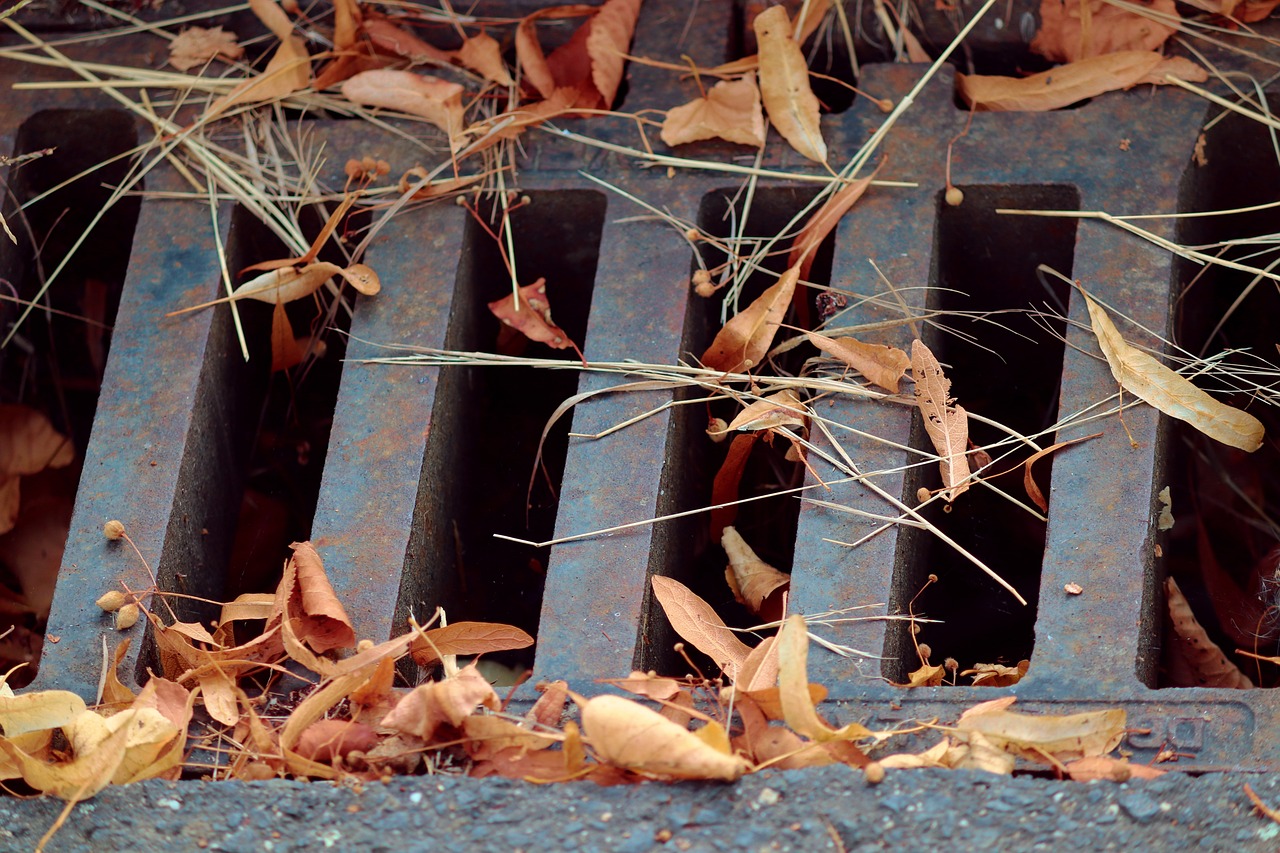
Natural disasters like high winds and storms can scatter rocks, leaves, dirt, garbage, and other yard waste all over your home. If these things get into the drains, they can block them, preventing water from flowing away from your house. When you notice water backing up into your property’s drains, you should summon a yard drainage expert to inspect them for clogs.

  • Erosion

Erosion is a prevalent problem due to a poor drainage system. Water carries away soil as it flows downhill and across land, depriving plants of nutrients. In addition to destroying plant beds, erosion can weaken foundations and sidewalks by washing away the soil that supports them. A crumbling walkway or patio can result from gaps that have grown too wide.

A poorly designed drainage system can cause havoc in more ways than one. Massive flooding, costly damage, and the destruction of plants, crops, and gardens are all possible outcomes. Mold and mildew growth, the worst-case scenario, could cause illness.

After water damage, insects and other pests, including disease-carrying mosquitoes, can become more prevalent. Investing in a reliable drainage system is wise when you weigh the potential risks and expenses of fixing water damage. If you detect it, quick action is required to rectify a defective drainage system. It will be beneficial for you.

Conclusion

In order to protect your house from natural calamities like floods, home drainage is a crucial part of your plumbing system. A severe plumbing emergency could ensue if the system fails to function as intended. When you need help with this, call Express Drainage Solutions.

Do not hesitate to contact us if you are presently experiencing poor drainage. If you need assistance determining the best course of action, our expert staff at Express Drainage Solutions is here to help. To hire a widely respected plumbing expert, call us now for top-notch plumbing services.

cast iron, drainage, road drainage-5496120.jpg

Types of Drainage Systems

By | Drainage Systems | No Comments

Drainage systems are essential for controlling water flow, whether surface runoff or underground water. This helps to prevent problems like waterlogging, erosion, and flooding in agricultural, rural, or urban areas. Its principal role is to safeguard communities and the environment by efficiently collecting, transporting, and disposing of excess water.

Drainage systems often include a system of culverts, channels, pipes, and other man-made structures. Carefully arranged, they redirect water away from inhabited or agricultural areas. This category includes subsurface drainage, which handles groundwater control with systems such as French or tile drains, and surface drainage, which handles rainwater runoff from subsurface drainage, roofs, streets, and open ground.

Climate conditions, soil type, topography, and land use are just a few variables that affect how well a drainage system works. Urban planners and engineers meticulously design these systems to accommodate variable water volumes throughout different weather events, ensuring optimal performance in normal conditions and during extreme events like storms or heavy rainfall.

Aside from reducing the likelihood of flooding, drainage systems are vital for preserving water quality. This is due to their ability to filter contaminants and prevent water bodies from becoming polluted. By reducing pools of stagnant water and making it easier to facilitate infrastructure and transportation efficiently, they also help to improve the look and practicality of cities as a whole.

Here are some types of drainage systems:

Drainage systems greatly aid in managing rainwater and preventing flooding in urban and rural regions. There is a wide variety of drainage systems, and each design can cater to a particular set of conditions and needs:

  • Agricultural Drainage System

Agricultural drainage systems, which include tile drains, surface ditches, and subsurface drains, are helpful in agricultural regions. This is to help alleviate waterlogging and enhance soil conditions, thereby increasing crop output.

  • Subsurface Drainage System

These systems are installed subterranean and help drain any surplus water from the soil. Subsurface drains, which consist of underground, perforated tiles or pipes, allow water to infiltrate and move away from the area.

  • Flood Control Channels

During floods, these man-made channels can divert massive amounts of water from populated areas. Typically, riprap or concrete coat flood control channels to prevent them from washing away.

  • Stormwater Drainage System

Urban areas implement a stormwater drainage system to manage rainfall runoff, ensuring the safety of buildings, parking lots, and streets from flooding. These systems include culverts, storm drains, catch basins, and pipes.

  • Separate Sewer System

Instead of a combined sewer system, a separate sewage system directs the two types of wastewater and stormwater runoff into different pipes. Because of the design’s emphasis on diverting stormwater to an independent drainage system, sewage overflows during severe rainfall are less likely to occur.

  • Retention and detention ponds

The purpose of these enormous basins is to collect and hold stormwater runoff temporarily. In contrast to detention ponds, which temporarily store water during storms before releasing it into the drainage system to avoid flooding downstream, retention ponds permanently store water.

  • Combined Sewer System

In older cities, you could find combined sewer systems that use the same pipes to collect wastewater and rainwater runoff from businesses and homes. During periods of high rainfall, the systems overflow, releasing stormwater and untreated sewage into neighboring bodies of water.

  • Tidal Drainage System

You can find these systems along coastlines to mitigate the effects of flooding due to storm surges and high tides. These systems employ pumps and gates to regulate the water flow into and out of low-lying areas.

  • Surface Drainage System

This system is at the heart of removing excess water from the earth. This drainage system usually comprises open gutters, swales, and channels to transport runoff from roads and buildings into storm sewers or bigger bodies of water.

  • Green Infrastructure

To control runoff from storms, this method uses natural and man-made features, such as rain gardens, permeable pavements, and green roofs. By absorbing and filtering precipitation, green infrastructure helps improve water quality while decreasing the burden on conventional drainage systems.

What is drainage?

Drainage is the process of removing water or other liquids from a specific area. Urban planning, civil engineering, and agricultural practices are just some areas in which it is extremely important. Waterlogging, which can kill crops by cutting off oxygen supply to their roots, is something that farmers strive to avoid with good drainage. In civil engineering, the goal of drainage systems is to control the flow of precipitation to prevent floods and erosion. An efficient drainage system is crucial in urban design to manage stormwater and avoid water-related damage to infrastructure and buildings. Two ways to direct water away from an area are surface runoff and other man-made systems like culverts, gutters, and drains.

Types of Drainage Systems4 most common drainage patterns

Geographers use the term “drainage pattern” to characterize the layout of streams, rivers, and the surrounding areas. There are four common drainage patterns:

  • Trellis:

Tributaries form a right angle to the main river in a trellis arrangement, much like a garden trellis. Where layers of more and less resistant rocks alternate, this pattern usually develops as tributaries erode the more complex rock at right angles to the main river’s flow along the softer rock.

  • Radial

A radial pattern is characterized by the outward movement of streams from a central high point, typically a mountain or volcano. This pattern emerges when streams branch out in all directions from a single point, as they often do in domed mountains or volcanic regions.

  • Dendritic

This pattern represents the roots of trees. It occurs most frequently in areas with uniformly composed, erosion-resistant soil or rock. It is also the most prevalent drainage pattern. The river courses wind through a maze of tributaries that follow the land’s natural contours.

These patterns may be influenced by tectonic activity, structure, and rock type, which are geological variables that might impact these patterns. Human activities and climate also play a role.

The best material for drainage

Application and site specifics are important in determining the optimal drainage material. Several widely used draining materials are available.

  • Perforated Pipes

For subsurface drainage systems such as French drains, perforated pipes made of corrugated plastic or PVC are frequently utilized. These pipelines redirect water flowing into them away from the affected region.

  • Gravel

Because of its high permeability and ease of water passage, gravel is a common material for drainage systems. It is frequently used in French drains and areas around foundations.

  • Aggregate/Rock

You can also use aggregate or crushed stone as a drainage material. It provides stability and support for a variety of uses, and it also has adequate drainage.

  • Geotextiles

Geotextiles specifically help with soil stabilization and drainage. Soil particles can clog drainage systems unless used as a filter layer.

  • Grass Pavers

These are a solid and permeable surface option because they enable grass to grow within the paver framework, which improves drainage.

  • Porous Paving

Permeable pavers and pervious concrete are porous paving materials, allowing water flow while reducing surface runoff.

  •  Sand

For locations that require the filtration of fine particles, sand can be used with other materials for drainage purposes.

Project-specific requirements, rainfall, soil type, and land slope are the most important considerations when deciding on the best drainage material. For assistance in determining the most appropriate materials for your unique circumstances, it is advisable to consult with a civil engineer or drainage specialist.

How shallow can a drain be?

Several factors, including adherence to local codes, location, and intended use, dictate the depth of a drain. On the other hand, smaller residential drains and surface drains often have a depth of only a few inches, which is considered shallow. One possible application is diverting driveway runoff or rainwater away from a house.

A wide range of depths is possible for larger drainage systems, such as those in agricultural or public infrastructure projects. Drains can have a depth of several feet or even deeper in extreme circumstances to manage water flow and avoid floods properly.

The unique demands of the situation and any applicable construction codes and rules ultimately determine the proper depth of a drain.

How deep are drain pipes buried?

Several factors, including climate, soil type, local building requirements, and the drainage system’s intended use, determine the minimum and maximum depths to which pipes must be sunk. But the usual depth for burying drain pipes is 12–36 inches below ground level.

While deeper digging may be necessary for bigger commercial or industrial uses, 12 to 24 inches is typical for residential sewer pipes. It may be necessary to bury drain pipes deeper in regions that frequently experience cold temperatures in order to avoid freezing and subsequent damage.

To find out the exact depth requirements for installing drain pipes at your location, check the building codes and regulations. – What is surface drainage?

Surface drainage directs runoff away from land surfaces so that it does not collect or cause erosion. Grading techniques, culverts, ditch systems, and channels are all examples of natural and man-made systems that you can use for this purpose. Controlling and managing water flow is the main objective of surface drainage. It helps to avoid issues like flooding and soil erosion. Effective surface drainage is critical for managing agricultural areas, cities, and the environment.

What is underground drainage?

“Underground drainage” sets up a network of pipes and channels below ground to redirect stormwater and sewage away from man-made features like roads and buildings. It is an important part of the infrastructure to keep cities safe from stagnant water, waterlogging, and flooding.

The majority of an underground drainage system consists of underground and interconnected pipes made of metal, concrete, or PVC. This system of pipes helps to collect water runoff and wastewater from many sources. This includes rainwater from surface runoff, gutters, toilets, sinks, and showers. Next, the pipes carry the gathered water to a treatment plant or open bodies of water like oceans or rivers.

Efficient water management, pollution prevention, public health, and environmental protection depend on well-planned, executed, and maintained underground drainage systems.

Conclusion

Drainage systems are critical components of sustainable urban development and environmental management in order to protect populations, infrastructure, and ecosystems from the negative impacts of water buildup and ensure optimal usage of water resources.

Best Filtration Medium Material for Filtering Water

Best Filtration Medium Material for Filtering Water

By | Water Filtration | No Comments

Water filtration is essential to ensure people have access to safe drinking water. The filtration process’s efficiency is highly dependent on the chosen filtration medium. Water filtration systems make use of a wide variety of materials, each of which is well-suited to remove specific pollutants due to its own set of characteristics. Some filtration mediums stand out among these materials. This is because of how well they work, how long they last, and how cheap they are.

Key Points: 

  1. Understanding Filtration Mediums:

These materials or substances help filter water by removing pollutants and particles. Ceramic, gravel, sand, and activated carbon are some natural materials that can serve as these mediums.

How to Choose the Right Filtration Medium

There are a number of things to think about while deciding on the ideal filtration medium for water:

  • Cost-effectiveness:

Budget for both initial investment and ongoing maintenance.

  • A long lifespan:

Endurance and protection against degradation.

  • Effectiveness

How well the filtration medium can filter out impurities.

  • Effects on the environment:

Recyclability and environmental friendliness.

  • Size of Pollutants

When dealing with particles of varying sizes, certain mediums perform better.

Types of water filter media

A variety of water filters rely on a water filtration medium. These are materials that help to remove pollutants and impurities from water. Each of the many media options for water filters has unique effectiveness and characteristics for removing specific pollutants. Here are a few typical kinds:

  • Kinetic Degradation Fluxion

A very pure copper-zinc mixture removes scale, heavy metals, and chlorine from water through redox (oxidation-reduction) reactions and kinetic degradation fluxion.

  • Sand

Sand filtration is a proven method that has endured over time. It uses mechanical filtration to efficiently remove larger particles from water, such as sediment and silt. Municipal water treatment plants and pools frequently use sand filters.

  • Ion Exchange Resins

These filtration mediums interact with minerals and salts by exchanging ions in water. Their primary function is to neutralize the hardness-inducing magnesium and calcium ions frequently removed by water softeners. Ion-exchange resins easily remove additional pollutants like arsenic and nitrates.

  • Granular Activated Carbon

Organic materials such as coconut shells and coal form the basis for granular activated carbon, which is chemically similar to activated carbon. Used in whole-house filtering systems and point-of-use filters, it has a bigger particle size than powdered activated carbon. It is also suitable for applications where a slower flow rate is acceptable.

  • Zeolite

Natural or man-made, zeolite has a high surface area and a porous structure. Its absorption and ion exchange processes make it an efficient water purifier for some radioactive isotopes, ammonia, and some radioactive isotopes.

  • Manganese Dioxide

Water filtration systems often make use of manganese dioxide as a means of removing iron, manganese, and hydrogen sulfide. The oxidation and filtration mechanisms are what make it function.

  • Anthracite

The coal known as anthracite has a relatively low volatility and a high carbon content. Multi-media filters frequently use it as a filter medium to remove suspended particulate matter, turbidity, suspended solids, and other particulate materials from water.

  • Ceramic Filters

Porous ceramic material makes ceramic filters so good for filtering out sediment, protozoa, and bacteria. They find widespread use in portable water filters and emergency filtering systems.

  • Activated Carbon

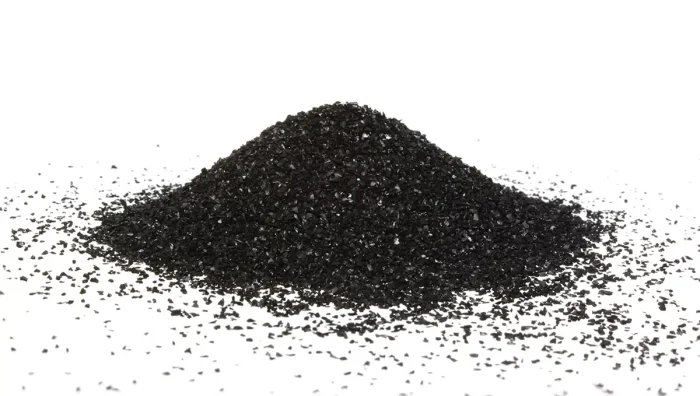
Activated carbon, a porous material, efficiently treats water by removing VOCs, chlorine, organic compounds, and some heavy metals. The process relies on adsorption, in which contaminants cling to the carbon particles’ surfaces.

  • Corosex and Calcite

These alkaline substances are poured into acidic water to neutralize acidity and boost pH. In contrast to corosex, derived from magnesium oxide, calcite comprises ground limestone.

There are many more kinds of water filtration mediums, each with its own properties and uses. The most suitable filtration medium is determined by the level of filtration required and the specific pollutants in the water.

Materials best for water filtration

Water filtration uses a wide variety of materials, each with its own unique applications and benefits. In terms of water filtration, some of the best materials are:

Best Filtration Medium Material for Filtering WaterZeolite

One mineral that has the ability to absorb specific molecules and ions from water is zeolite. This is due to its porous nature and large surface area. People frequently use water softeners and other devices that remove ammonia from the water.

Sand

Sand filtration has existed for a long time, yet it still works well to filter water from big particles and suspended solids. Water treatment plants frequently use it in conjunction with other filtration methods.

Ion Exchange Resins

By exchanging charged ions within the resin for charged ions outside, ion-exchange resins can extract dissolved ions from water. Their removal of calcium and magnesium ions makes them ideal for water-softening applications.

Reverse Osmosis Membranes

These filtration mediums can filter out microbes, heavy metals, and dissolved salts, among other pollutants. Reverse osmosis systems are typically used to produce potable water and desalinate.

Ultrafiltration Membranes (UF)

UF membranes make it easy to remove contaminants from water, such as dissolved solids, viruses, and bacteria. These have smaller pore diameters compared to MF membranes. Numerous residential and commercial water treatment systems use them.

Activated Carbon

Because of its enormous surface area and high porosity, activated carbon is an excellent adsorbent for chlorine, organic compounds, and other water contaminants. Its most prevalent application is in the purification of potable water and home water filters.

Diatomaceous Earth

The sedimentary rock, known as D.E., is present in nature and has filtration properties. Because of its great porosity, it is able to filter out water contaminants and certain bacteria.

Ceramic Filters

These materials are great for purifying water because their small poles trap harmful protozoa, bacteria, and other pathogens. Emergency and outdoor drinking water purifiers are commonly used.

The specific pollutants in the water and the intended requirements for water quality determine the level of purification you can achieve using these materials alone or in combination.

How is filter media made?

The intended function and type of filtration dictate the material composition of the filtration medium. Here’s how a filtration medium might be created:

Choice of material

Picking the right material according to the filtering needs is the first step. Metal, activated carbon, polypropylene, paper, ceramic, polyester, fiberglass, and a variety of synthetic fibers are common materials.

Material preparation

The chosen material is processed in a certain way to achieve the target qualities. One potential example is the creation of a mesh or non-woven cloth from spun fibers. It is common practice to grind granular materials, such as activated carbon, to a precise shape and size before use.

Formation of media

The shape and structure of the filtration material are necessary. The material you intend to use dictates the specific techniques required, such as molding, knitting, weaving, or bonding. For example:

  • Extrusion

Extrusion is the process of shaping materials into desired shapes to create filter media.

  • Pleating

Pleating flat sheets of material increases their surface area.

  • Woven media

Traditional weaving methods help to weave the fibers together.

  • Non-woven media

Thermal bonding and needle punching are two methods that can entangle fibers.

Coating and treatment:

Depending on the application, coating or treating the filtration medium can enhance its filtration capabilities. For example:

  • Surface treatments:

Chemical treatments can enhance the material’s resistance to moisture and chemicals, as well as its capacity to trap particles.

  • Coatings

If you want your filter to work even better, you can add layers of activated carbon or some other chemical.

Sizing and cutting

The next step is to size and cut the filtration medium according to the specifications. The process may include molding the material into panels or cartridges or slicing it into smaller pieces from larger sheets or rolls.

  • Quality control

The manufacturing process implements various quality control methods. This is to ensure that the filtration medium is up to par. This process may evaluate material properties such as filter effectiveness, porosity, and strength.

  • Packaging

Filter media is packaged in cartridges, sheets, rolls, or any other form that best suits its intended application before shipment or further filter incorporation.

The material, the application, and the desired performance characteristics of the final product are some of the many variables that can significantly impact the specific manufacturing method for the filtration medium.

Materials used to manufacture filters

The exact application and type of filter dictate the range of materials used to create filters. The following are some of the typical materials used in filter production:

Nylon

The durability and resilience of nylon filters to chemicals are well known. Lab applications frequently use nylon filters to filter aggressive chemicals.

Cellulose Acetate

Laboratory settings commonly use cellulose acetate filters to filter medications and biological materials due to their poor protein binding capabilities.

Ceramic

Ceramic filters can be used for molten metal filtering and water purification. They are well known for their great chemical and thermal resistance.

Polypropylene

These have multiple uses because of their chemical resistance. These are commonly used in medical devices, food processing, and water filtration.

Fiberglass

Industrial heating and air conditioning systems frequently make use of fiberglass filters. They are popular because they catch tiny particles with excellent efficiency.

Metal Mesh

Stainless steel and other metal mesh filters are reusable and long-lasting. For instance, industries and vehicles use filtration systems due to their ability to withstand high temperatures and other extreme operating conditions.

Activated Carbon

Activated carbon filters effectively remove VOCs, gases, and odors. Water filters usually use activated carbon.

Silica Gel

Silica gel filters absorb humidity and moisture to protect packaging, electronics, and air conditioning systems from degradation and corrosion.

Paper

Coffee and car air filters are two examples of the many commonplace uses for paper filters. They work well as filters for certain particles, and they don’t cost a fortune.

Polyester

These are ideal for use in cleanrooms and industrial filtration due to their long lifespan and resistance to high temperatures.

Filter manufacturing uses a wide variety of specialty materials and combinations, depending on the specific requirements of the filtration application.

Applications and considerations:

The water source, contaminants, desired flow rate, and available funds all play a role in determining the filtration medium best suited for a given system. The availability of replacement parts and the frequency of maintenance.

Conclusion:

Choosing the best filtration medium for filtering water is essential to guarantee safe drinking water delivery. Environmental impact, durability, effectiveness, and cost are just a few criteria that need consideration when deciding on a filtration medium. By understanding these elements and taking into account the specific needs of the water source, we can implement optimal filtering systems to achieve the appropriate water quality standards.

3 Main Properties of Water

3 Main Properties of Water

By | Water Quality | No Comments

Water’s peculiar qualities are vital to maintaining life as we know it. This makes it one of the most important substances for all life on Earth. These characteristics result from the unique interactions and arrangements of its molecules. Two hydrogen atoms covalently bond to one oxygen atom to form a bent shape.

Here are 3 main properties of water

Surface Tension of Water

Insects’ ability to hop from one surface to another has long baffled scientists. This is caused by surface tension. As they strive to occupy as little space as possible, molecules on a liquid’s surface experience surface tension, similar to an elastic sheet.

Surface particles strongly attract their internal counterparts in the liquid. As these outside particles are drawn into the liquid, the liquid takes on the shape of the smallest possible surface area. Because of this attraction, the liquid’s surface can resist outside forces, like an insect’s weight. The hydrogen bonds between water molecules give it a very high surface tension. The cohesive properties of water are on display once again.

Cohesive Properties

A substance’s cohesiveness is its capacity for its constituent particles to cling to one another. Droplets appear when a small amount of water splashes across a surface. This is where cohesion occurs. Water molecules cluster together rather than disperse evenly. This is due to the fact that nearby water molecules form hydrogen bonds.

Adhesive Properties

Adhesion is the capacity of one material’s particles to adhere to another. When you pour it in, it looks like the water is climbing the sides of the test tube. A meniscus is the final result of this process. To be absolutely precise, you must measure the water volume from the base of the meniscus. You can see an example of adhesion here. Through hydrogen bonding, water binds with another substance—in this case, the test tube walls.

How does pH affect water quality?

The pH value is one way to determine how acidic or basic a solution is, like water, by looking at its pH value. Because it influences so many different biological and chemical processes in water, it is a crucial parameter for assessing water quality. The following is how pH affects water quality:

  • Water Treatment

pH levels are used in water treatment. For instance, altering the pH of treated drinking water is a common practice to maximize the efficiency of disinfection methods like chlorination. pH can also impact the effectiveness of the flocculation and coagulation procedures for purifying water during treatment.

  • Buffering Capacity

The term “buffering capacity” refers to water’s resistance to pH changes caused by the introduction of acids or bases, and pH also influences this resistance. Aquatic habitats are more stable in bodies of water with a high buffering capacity. This is because they are less susceptible to fast fluctuations in pH.

  • Chemical Reactions

pH affects how substances react in water. It can impact the toxicity, availability, and solubility of many chemicals. Aluminum, copper, and lead are just a few metals that can become more soluble and perhaps more poisonous in acidic environments. Conversely, plants may have an easier time absorbing nutrients such as nitrogen and phosphorus in slightly acidic to neutral pH ranges.

  • Biological Processes

In algae and aquatic plants, pH influences biological activities such as respiration and photosynthesis. Because these activities are pH-dependent, large pH variations can have a domino effect on aquatic plant growth and productivity. This, in turn, can influence the whole aquatic environment.

  • Aquatic Life

pH can have a significant impact on aquatic life. Various aquatic creatures, including plants, insects, and fish, have preferred pH ranges for optimal growth and survival. These creatures are vulnerable to stress or death from pH fluctuations outside these ranges. For instance, fish can suffer gill damage in acidic environments, and aquatic plants might have their essential minerals and nutrients impacted in alkaline (high pH) ones.

Water quality and the health of aquatic ecosystems depend on keeping pH levels within a reasonable range. To keep water resources healthy and sustainable, it is essential to monitor pH levels on a regular basis and respond appropriately to any changes.

What is ppm in water?

A common unit of measurement for expressing a substance’s concentration in water or other liquids is “parts per million” (PPM). This expression indicates the number of units of the substance present in one million units of the liquid or water.

For instance, in the case of calcium ions, a concentration of 100 parts per million in water indicates that there are 100 parts per million ions in every million parts of water.

Chemicals, contaminants, soluble minerals, and pollutants are only a few of the many things whose concentrations in water you can measure in parts per million. It has extensive applications in environmental monitoring and water quality testing, as well as in manufacturing and the food and beverage industry.

3 Main Properties of WaterWhat brings about poor water quality?

Numerous natural and man-made factors can contribute to poor-quality water. Several major factors can lead to water not being up to par.

  • Poor Infrastructure

Waterborne illnesses and pollution can result from inadequate or outdated water treatment and distribution infrastructure, compromising water quality.

  • Sedimentation

Sedimentation in water bodies reduces water quality and clarity. Additionally, incorrect land use practices, building activities, and deforestation cause soil erosion, leading to sedimentation.

  • Changes in climate

Climate change-related changes in rainfall and temperature patterns can affect water quality through nutrient cycling, habitat changes, and the severity of extreme weather events like droughts and floods.

  • Nutrient Pollution

Eutrophication can cause algal blooms and oxygen depletion in water bodies. This is due to excess nutrients like phosphorous and nitrogen from sources like fertilizers, sewage discharge, and agricultural runoff.

  • Habitat destruction

Alteration or destruction of rivers, wetlands, and other aquatic habitats can lead to water quality degradation. This can reduce biodiversity and interfere with natural filtration mechanisms.

  • Pathogens

Water contamination by pathogenic microbes such as protozoa, viruses, and bacteria can result from sewage leakage, inappropriate waste disposal, and insufficient sanitation.

  • Invasive species:

Introducing invasive species to aquatic ecosystems can alter water quality and ecosystem function, upsetting the ecological balance.

  • Pollution

Runoff from agriculture, industry, and urban areas can contaminate water sources with sewage, chemicals, fertilizers, pesticides, and heavy metals.

  • Acidification

Surface water ecosystems and the organisms that inhabit them are vulnerable to acid rain, which is a byproduct of air pollution.

It is common for a combination of public education and awareness campaigns, sustainable land management practices, regulatory actions, investments in water infrastructure, and pollution control techniques to address water quality issues.

Conclusion

Maintaining ecosystem balance, protecting human health, and supporting aquatic life all depend on water that is of high quality. Management practices and regular monitoring are necessary to keep water resources clean and sustainable.

FAQs on Water Quality

FAQs on Water Quality

By | Water Quality | No Comments

We can apply the term “quality” to water’s radiological, physical, chemical, and biological properties when discussing it. It’s vital to the well-being of ecosystems, humans, and the environment. Water quality affects its appropriateness for industrial uses, irrigation, drinking, and recreation.

Here are some FAQs on water quality:

1. Why is water quality important?

Among the many reasons why water quality matters is the direct effect it has on the economy, ecosystems, and people’s well-being. Water quality is important for the following reasons:

  • Ecological Justice

Water contamination is frequently more severe in minority and low-income neighborhoods. Certain areas may be more vulnerable to pollution because of the proximity of factories or the lack of proper wastewater treatment systems. Efforts to enhance water quality in these places are necessary. This ensures fair access to clean water and combats ecological injustice.

  • Impact on the economy

Numerous commercial endeavors rely on water, such as power generation, manufacturing, agriculture, and tourism. Polluted water can affect the economy in a variety of ways, including decreasing tourist income, harming fisheries, lowering agricultural output, and increasing healthcare expenditures due to waterborne infections. Maintaining potable water is critical to fostering economic growth and success.

  • Ecosystem health

A wide variety of animal and plant life depends on fresh water in aquatic habitats, which include oceans, lakes, and rivers. Sewage, pesticides used in agriculture, and industrial runoff are just a few examples of the pollutants that can devastate ecosystems and cause harm to animals. Maintaining water quality is critical for balancing ecosystems and preserving biodiversity.

  • Sanitation and drinking water

Accessing clean drinking water and adequate sanitary facilities is a fundamental human right. In places hit hard by natural disasters or pollution or in underdeveloped nations, access to clean water for drinking might be severely limited due to water quality issues. To guarantee that everybody can access safe potable water and sanitation, improving water quality is crucial.

  • Human health

Having access to water that is both safe and clean to drink is essential for the general population’s well-being. Illness and death can result from waterborne infections like typhoid, dysentery, and cholera. Neurological disorders and cancer are among the long-term health impacts that result from drinking polluted water with heavy metals or chemicals.

2. What are the challenges in measuring water quality?

Water is suitable for numerous uses, including recreational activities, irrigation, drinking, and supporting aquatic life. However, the results of measuring biological, chemical, and physical factors determine the quality of the water. Accurately evaluating water quality can be challenging for several reasons:

  • Limited resources

Sufficient resources, such as lab facilities, qualified staff, and funding, are required to carry out thorough water quality monitoring programs. Unfortunately, not all areas have access to the tools needed to monitor and control water quality properly. This is especially true in developing nations.

  • Spatial and temporal variability

Natural processes, seasonal changes, weather, and human interference are just a few factors that can cause water quality to fluctuate greatly, both across and within locations. It can be resource-intensive to conduct widespread and regular sampling to monitor these variations.

  • Analyzing the data

One way to make sense of water quality data is to compare the readings to predetermined reference points or legal requirements. The ever-changing state of knowledge in the scientific community, the wide variety of regulatory frameworks, and the fact that water quality goals vary from region to region make it difficult to establish reliable standards.

  • Methods of sampling

Accurate evaluation relies on collecting representative water samples. This can be difficult because of sedimentation, stratification, and the uneven distribution of contaminants, among other things. Results can be biased due to flawed sampling procedures.

  • Matrix effects and interference

Several potential contaminants in the water samples could compromise the validity of the analytical results. Analytical methods are susceptible to matrix effects. This includes variations in turbidity, salinity, pH, and so on, which might provide inaccurate results.

  • Detection limits

Water may contain trace amounts of specific contaminants that are undetectable by current analysis techniques. Analytical methods that are both sensitive and advanced are necessary for the correct detection and quantification of these trace pollutants.

  • Emerging pollutants

There is a constant influx of new contaminants into water sources. This includes industrial chemicals, personal care products, and pharmaceuticals. Research into these new toxins must continue. To detect them in low concentrations, we must develop analytical procedures. Only then can we monitor and assess their implications.

  • The water composition’s complexity

In addition to organic matter and minerals, microbes, and dissolved gases are also components of water. Because of this complexity, accurately identifying and quantifying specific constituents or contaminants becomes difficult.

To overcome these obstacles, stakeholders, engineers, scientists, and politicians must work together to create new ways of monitoring, refine analytical methods, and establish efficient systems for managing water quality.

3. What are the 5 core parameters of ambient water quality?

Typically, we use the following five parameters to evaluate the environmental water quality:

  • Conductivity

The conductivity of water depends on the number of dissolved ions and how well it can carry an electrical current. It shows how salty the water is and whether or not dissolved components like nutrients and salts are present, impacting water quality and aquatic life.

  • Dissolved oxygen (DO):

In order for aquatic species to breathe, dissolved oxygen is an absolute necessity. Fish deaths and other aquatic life problems can occur when dissolved oxygen levels are low.

  • Turbidity

This refers to the degree to which organic and inorganic substances, such as algae and sediment, alter the optical properties of water. Excessive turbidity can damage aquatic ecosystems by blocking fish gills and reducing light penetration.

  • pH:

The pH value expresses the alkalinity, or acidity, of water. In order to live and flourish, aquatic organisms need a precise range of pH levels. Changes in pH can influence the solubility of nutrients and heavy metals, affecting overall water quality.

  • Temperature

The temperature of the water influences the nature of chemical reactions, oxygen solubility, and the rate of metabolic processes. Marine organisms are vulnerable to sudden shifts in temperature.

Environmental groups and authorities frequently check these parameters to see how aquatic ecosystems perform and where pollution or other stresses may come from.

4. What is the relationship between good, clean-quality freshwater and clean seas?

To keep ecosystems healthy and life-sustaining on Earth, there is an interconnected relationship between clean seas and good, clean, quality freshwater.

  • Transport of contaminants

It is also possible for contaminants to enter freshwater systems and end up in the ocean. Pollutants include plastics, heavy metals, chemicals, and other substances. Marine ecosystems are vulnerable to water quality degradation due to contaminated freshwater supplies. This, in turn, endangers both human health and aquatic life.

  • FAQs on Water QualityHuman dependence

Marine and freshwater resources are essential to human survival for many reasons. This includes leisure, food, drinking water, recreation, and even commerce via industries like tourism and fishing. To support human needs and maintain livelihoods, it is necessary to ensure clean freshwater sources and healthy marine habitats.

  • Seas get their water from freshwater sources

All bodies of freshwater—from lakes, streams, and rivers—end up in the oceans and seas. Freshwater quality has a direct impact on marine ecosystems’ health.

  • Habitat connectivity

Numerous birds, fish, and mammal species rely on healthy freshwater ecosystems as their home. Many of these animals’ life cycles include interactions with saltwater and freshwater habitats. Hence, protecting freshwater ecosystems and their biodiversity is of utmost importance.

  • Nutrient Input

Transporting nutrients from land to the sea and freshwater is an essential process. Some nutrients are essential for marine life, but too much, especially from contamination sources like wastewater discharge or agricultural runoff, can cause algal blooms. This, in turn, depletes oxygen levels and harms marine life. This process is called eutrophication.

  • Regulating the climate

Lakes, rivers, and other sources of freshwater help control weather patterns on a regional and even local scale. Changing the quantity and quality of freshwater can have an impact on these regulatory mechanisms. They can have repercussions for weather patterns and marine ecosystems.

Each ecosystem relies on the well-being of others, especially regarding high-quality fresh water and oceans. To maintain ecological balance and safeguard the well-being of natural ecosystems and human communities, efforts must be made to protect and conserve marine and freshwater environments.

5. What is acceptable water quality?

When water meets the standards established by organizations or regulatory agencies, it is acceptable quality for a variety of purposes. This includes environmental health, recreational activities, and drinking. The standards for acceptable water quality can differ depending on the water’s intended use and any applicable municipal legislation. Nevertheless, the following are a few commonly used measures to evaluate water quality:

  • Radiological Characteristics

This entails measuring water for radioactive materials like uranium and radon. The water’s intended use determines the permissible levels of these factors. For example, water regulations for human consumption are often stricter than those for farming or manufacturing.

  • Biological Characteristics

Pathogens that can cause waterborne illnesses, such as E. coli and coliform bacteria, are examples of microbiological pollutants.

  • Chemical Characteristics

There are several chemical parameters that you can measure, such as pesticides, nutrients (like phosphorous and nitrogen), pH (alkalinity or acidity), heavy metals (such as arsenic, mercury, and lead), levels of dissolved oxygen, and so on.

  • Physical Characteristics

This includes smell, color, temperature, and turbidity (clarity).

Water that meets generally accepted standards is fit for human consumption, helps keep aquatic ecosystems healthy, and permits a range of human activities without endangering people’s well-being.

Conclusion

Water quality significantly impacts promoting environmental justice, sustaining economic activities, protecting human health, ensuring access to clean drinking water, and supporting ecosystems. Protecting environmental and human health requires constant attention to water quality monitoring and improvement efforts.


How to Measure Water Quality

How to Measure Water Quality

By | Water Quality | No Comments

Because it is necessary for the maintenance of all ecosystems and the continuation of life itself, water ranks among Earth’s most precious resources. However, many factors, including pollution, natural minerals, and environmental circumstances, can drastically affect water quality. Water quality measurements are essential to guarantee that water is fit for human consumption, marine life, farming, and industry.

Many biological, chemical, and physical factors contribute to the overall water quality analysis. You can evaluate water’s physical, chemical, and biological properties to determine its acceptability for various purposes. Water quality measurement includes drinking, recreation, and ecosystem health.

The most frequent methods and criteria for determining water quality are as follows:

Physical Characteristics:

  • Turbidity

Finds out how hazy the water is, which means particles are floating around it. Nephelometers, or turbidity meters, take the measurements.

  • Temperature

As measured using a thermometer. Temperature affects the rate of gas solubility, chemical reactions, and biological activities.

Chemical Characteristics:

  • Heavy Metals

Lead, mercury, and arsenic are all part of it. Atomic absorption spectroscopy and inductively coupled plasma mass spectrometry are two analytical procedures utilized.

  • Nutrient Levels

The presence of nitrates, phosphates, and ammonia indicates clean water. To measure them, you can use one of many chemical assays.

  • Dissolved oxygen (DO)

Determines the concentration of oxygen in a solution. These are chemical tests (like Winkler titration) or DO meters.

  • pH

Finds out how acidic or basic the water is. They use either the pH scale or a pH testing kit.

Biological Characteristics:

  • Algal Blooms:

Keep an eye out for hazardous algal blooms using microscopes or specific sensors.

  • Macroinvertebrates

The variety and abundance of aquatic organisms, such as worms, snails, insects, etc., reflect the state of the water and the ecosystem.

  • Bacterial Contamination:

Coliforms, E. coli, and fecal streptococci are bacteria that can be found in contaminated water, suggesting that human waste is a concern. The IDEXX Colilert and membrane filtration tests are two examples of the most prevalent microbiological tests.

Additional Parameters:

  • Conductivity

Indicates the concentration of dissolved ions by measuring the water’s electrical conductivity. Conductivity meters are employed.

  • Total dissolved solids (TDS)

Determines how many inorganic salts, metals, and other compounds are dissolved in a given volume of water. Here, you can use Gravimetric methods or TDS meters.

  • Sampling and Monitoring:
  • Continuous monitoring using automated sensors and data loggers provides real-time data on water quality parameters.
  • Following sampling protocols will ensure that water samples are representative. Specific goals and regulatory constraints dictate the sampling frequency.

Data Interpretation and Assessment:

  • When interpreting results, it is important to consider the ecosystem background, possible sources of contamination, and the intended use of water.
  • Check the values of the parameters you’ve measured against the water quality guidelines, regulatory limits, or standards established by regional or global bodies.

Best tools used to measure water quality

Water quality measurements are essential to ensure that water is safe to consume, use for enjoyment, and maintain ecological balance. Here are some of the most reliable instruments for gauging water purity:

  • Total dissolved solids meters

Total dissolving solids (TDS) meters can measure a variety of substances, including minerals, salts, and organic compounds. Elevated TDS levels can compromise water’s purity, taste, and utility.

  • Field test kits

Field test kits usually contain portable devices or test strips for quick on-site evaluation of water quality parameters like chlorine, pH, and other pollutants. They are useful for conducting rapid evaluations in places with limited access to resources.

  • How to Measure Water QualityTurbidity meters

The turbidity of water varies depending on the amount of suspended particles, which makes it appear cloudy or hazy. High turbidity levels can affect the water’s fitness for ingestion or aquatic life, suggesting contamination.

  • Microbial testing kits

These tools can identify and measure microbiological pollutants in water samples, such as viruses, parasites, and bacteria. They are indispensable in determining whether bodies of water are safe for human consumption or recreational use.

  • Conductivity meters

A conductivity meter is one way to determine the quantity of dissolved ions, such as salts and minerals. This device measures the electrical conductivity of water. When evaluating the salinity and general water quality, this measurement is crucial.

  • Ion-selective electrodes

Chloride, fluoride, and nitrate are just a few of the ions you can measure in water with ISEs. These readings are useful for determining the water’s purity and finding any pollutants.

  • Dissolved oxygen meters

Dissolved oxygen meters, an essential component for many forms of aquatic life, quantify the concentration of this gas in water. Dissolved oxygen levels that are too low may indicate pollution or other environmental stresses.

  • Spectrophotometers and colorimeters

Water samples can reveal the presence of various contaminants and pollutants based on their color intensity. Instruments such as spectrophotometers and colorimeters allow you to measure.

  • Automatic water quality monitoring systems

These devices track a number of variables in real time, including temperature, dissolved oxygen, turbidity, and pH. Their information is crucial for monitoring water quality changes over time and acting swiftly in the face of danger.

  • pH meters

A pH meter can determine the alkalinity or acidity of water. They are indispensable in determining if water is in the ideal pH range for various applications.

To ensure that water resources are safe and sustainable, you can use these technologies alone or in combination to evaluate water quality thoroughly. In order to effectively manage water resources and safeguard the environment, monitoring and analyzing data and utilizing these technologies regularly are crucial.

6 factors used to measure water quality?

Physical, chemical, and biological variables are the three main categories into which water quality indicators fall. Six of the most popular indicators of water quality are:

Biological Indicators

This category includes indicators of the number and presence of creatures, such as macroinvertebrates, algae, and bacteria. You can tell the water quality by looking at the species’ sensitivity to pollution.

pH Level

The pH of water indicates its alkalinity or acidity. Because of its effect on chemical and mineral solubility, it has far-reaching consequences for aquatic ecosystems and the creatures that live there.

Turbidity

This measures how hazy or cloudy the water is because of the particles floating in it. When turbidity is high, light can’t penetrate as deeply. This harms photosynthesis and aquatic organism ecosystems.

Dissolved oxygen

Dissolved oxygen (DO) levels measure the quantity of oxygen in water. In order to breathe, aquatic creatures like invertebrates and fish need oxygen. Fish kills and other aquatic life can result from low dissolved oxygen levels.

Levels of nutrients

Phosphorous and nitrogen are two of the most important nutrients for plants to flourish in water. However, excessive nutrient levels can lead to oxygen depletion, algae blooms, and eutrophication. Wastewater discharge and agricultural runoff frequently cause these problems.

Temperature

Water temperature influences the dissolved oxygen concentration and metabolic rates of aquatic species. Water creatures are vulnerable to abrupt temperature shifts.

You can monitor and analyze these factors to assess water’s general condition and appropriateness for sustaining aquatic ecosystems, recreation, and drinking.

What is water purity?

When talking about water purity, we’re referring to how free it is of toxins, pollutants, and other impurities that could compromise its quality and safety for recreational activities, agriculture, drinking, industrial processes, and cooking. Indicators of water purity often include sediment, chemicals (such as industrial contaminants, pesticides, heavy metals, and pharmaceuticals), microbes (such as viruses, parasites, and bacteria), and other substances that can affect the water’s safety, smell, taste, and clarity.

Water’s purpose dictates the necessary purity standards. For example, regulatory bodies establish drinking water standards to limit dangerous contaminants and ensure the water is safe for humans. Electronics and pharmaceuticals require extremely pure water to prevent any interference with product quality and procedures.

Physical measurements, chemical analysis, and lab testing are some of the ways to find out how pure water is. The health and safety of ecosystems and people who rely on clean water depend on constant vigilance and treatment of water sources to keep them pure.

The best color for good water quality

On a global scale, no one color denotes high-quality water. The presence of microbial pollution, dissolved oxygen content, pH level, contaminants, and turbidity are only a few parameters influencing water quality. The color of the water alone isn’t enough to make an appropriate assessment of these factors.

Transparent or nearly clear water indicates high water quality in natural settings, where contamination, algae, and sedimentation can all affect turbidity (clarity). In certain wetland habitats, murky water is natural, but this isn’t necessarily true. For example, pure mountain streams may have a little trace of dissolved minerals.

While colorlessness and clarity are significant characteristics of untreated water, they are not the only ones determining the quality of treated water for drinking or swimming. In most cases, an accurate water quality assessment requires microbial analysis and chemical tests. For a comprehensive water quality evaluation, it is best to use suitable testing kits and seek guidance from environmental organizations or local authorities.

Conclusion

To preserve aquatic ecosystems, safeguard public health, and detect possible sources of contamination, water quality needs monitoring and analysis on a regular basis. To guarantee the dependability and comparability of findings, it is critical to employ standardized methodologies and quality assurance practices.

What Causes Lack of Oxygen in Water?

What Causes Lack of Oxygen in Water?

By | Water Quality | No Comments

All forms of life in water rely on oxygen. The ability to breathe is dependent on the presence of oxygen. Natural sources such as oceans and rivers contain dissolved oxygen. Water oxygen levels can drop below a particular threshold, causing aquatic life to fight for survival in a condition known as hypoxia. There are a number of natural and man-made factors that can cause this phenomenon to happen.

The eutrophication process, in which an excess of nutrients, usually from wastewater discharge or agricultural runoff, promotes the growth of aquatic plants and algae, a major contributor to oxygen depletion in water. Due to their high oxygen consumption during decay, these organisms reduce the amount of oxygen in the water as they multiply.

Depletion of oxygen levels can accelerate due to pollution from urban and industrial sources. Oxygen depletion is a serious problem for aquatic life, and organic waste and chemical contaminants from sewage systems and industries are major contributors.

A lack of oxygen in water can be caused by a variety of things, such as:

Natural events

Fluctuations in oxygen levels in bodies of water can also be caused by natural phenomena such as seasonal turnover, weather patterns, or rapid plant growth.

Pollution

Untreated sewage, industrial discharges, and agricultural runoff sewage are just a few pollution sources that can bring organic matter or chemicals into the water. The microbes that break down these organic materials use up oxygen. This reduces the amount of oxygen in the water.

Flow rate

Because there is less surface movement or incoming oxygen-rich water to aerate, the oxygen level in bodies of water that are moving slowly or aren’t moving at all may be lower than in bodies of water that are more dynamic.

Pollutant buildup

Fertilizer runoff containing excessive amounts of nutrients, especially phosphorous and nitrogen, can lead to pollutant buildup. This causes algal blooms, which in turn cause oxygen-depletion zones. The algae absorb so much oxygen throughout their demise, which is why they do so.

Aquatic organisms overcrowding

The oxygen demand can outstrip the supply in highly populated aquatic habitats. This includes places with a lot of aquatic organisms, such as fish farms. This can cause oxygen depletion.

Temperature

The amount of dissolved oxygen in water decreases as its temperature rises. This is because higher water temperatures render oxygen less soluble.

The effects of dirty water

Polluted water has a severe impact on both the ecosystem and human health. Here are a few of the most important effects:

  • Waterborne Diseases

Pathogen-polluted water can cause a variety of waterborne infections. Dehydration, fever, diarrhea, stomach cramps, vomiting, and, in extreme circumstances, organ failure are all possible symptoms. These diseases can heavily strain healthcare systems in places where medical treatment is scarce.

  • What Causes Lack of Oxygen in Water?Economic Impacts

Polluted water can have serious financial consequences. Getting sick from a water-related source and taking time off work to recover can be a major setback for productivity. Furthermore, expensive treatment procedures may be necessary to restore contaminated water sources to an acceptable level for human consumption. Areas with high rates of water contamination may also see a decline in recreational activities and tourism, which would be bad news for the economy.

  • Social Impacts

Everyone has the inherent right to safe drinking water. Denying this right can worsen existing social inequalities. A decline in quality of life, economic exclusion, and societal stigma are all possible outcomes for communities that lack access to safe drinking water. In areas where water scarcity is a problem, conflict over limited potable water supplies is one source of conflict and stress.

  • Polluting the Environment

Toxic water pollution endangers aquatic life and throws ecosystems out of whack. Chemical pollutants from urban waste, agricultural practices, and industrial runoff can contaminate water supplies. This can harm plants, fish, and other creatures’ health and reproduction abilities. The contamination can also make its way up the food chain, affecting people’s health.

  • Food Security

Polluted irrigation water can contaminate crops, threatening food security and safety. Produce grown in this water threatens human health. If consumed, it could also cause epidemics of food poisoning.

  • Dangers to Health 

Contaminated water can spread diseases like hepatitis A, typhoid, cholera, and dysentery. The parasites, viruses, and germs that cause these illnesses love dirty water. The elderly and kids are especially at risk of serious disease or death by drinking or even coming into contact with polluted water.

Ensuring everyone has access to safe and clean water is crucial. This is because polluted water can have far-reaching consequences for people’s health, the environment, and the economy.

Three qualities of bad or dirty water?

The qualities of bad or dirty water include:

Taste

Because of the contaminants, chemicals, or minerals that dissolve in polluted water could taste metallic or unpleasant. Water can become tasteless and even dangerous if it contains high concentrations of organic compounds such as sulfur, chlorine, or iron.

Color

Due to algae, sediment, or suspended particles, water not of high quality may seem murky, cloudy, or discolored. The color might change from brown to green because of algal blooms or soil erosion. These hues indicate the presence of contaminants, which could compromise the water’s quality and safety.

Odor

Organic matter, bacteria, or pollutants in water can cause it to smell bad. These aromas indicate the presence of decomposing organic matter or sulfur compounds, which can range from a musty odor to an egg-like stench.

The biggest threat to water quality?

The most significant risks to water quality could vary by area and set of conditions, but among the most prevalent are:

Pollution

The term “water pollution” encompasses a wide range of issues. This includes chemical and debris-laden urban runoff, untreated sewage, fertilizers and pesticides in agricultural runoff, and industrial discharge.

Urbanization

Due to rapid urban development, the growth of impermeable surfaces, such as parking lots and roads, increases the likelihood of stormwater runoff. This, in turn, increases the likelihood of contaminants entering aquatic bodies.

Agricultural Practices:

Sediment, fertilizers, and pesticides drain off from farms into streams, lowering water quality and endangering aquatic life.

Climate Change:

Heat waves, changed precipitation patterns that bring more powerful storms, and rising sea levels that allow saltwater to seep into freshwater sources are all ways climate change can worsen existing water quality problems.

Industrial Activities

Industrial activities release pollutants such as organic compounds, hazardous chemicals, and heavy metals into rivers. These pollutants pose a threat to aquatic ecosystems as well as human health.

Invasive Species

Invasive species can destabilize ecosystems and change water quality by consuming too many resources, out-competing native species, and possibly bringing in new diseases or poisons.

Protecting and preserving water quality for present and future generations involves a mix of public awareness campaigns, conservation activities, regulatory measures, and technological solutions to address these concerns.

Conclusion

Oxygen depletion can be due to a number of interrelated causes, including biological activity, nutrient levels, temperature, flow rate, and pollution. This decline threatens both healthy ecosystems and aquatic life.