Express Drainage Solutions

A Solution for Sanitation, Wastewater Treatment & Renewable Energy

Njengi House

2nd Floor Suite 6, Tom Mboya St.

8:00AM - 5:00PM

Monday to Friday

+254742781455

info@expresswatersolutions.com

All Posts By

Antony Muya

The Process of How Membrane Separation Works

The Process of How Membrane Separation Works

By | Water Filtration | No Comments

When certain compounds in a solution remain in the solution while others pass through a membrane, it is called a membrane separation. Another function of the membrane is to change the solution’s composition. This depends on the respective permeability rates. The capacity of a membrane to either completely block, significantly reduce, or significantly increase the rate of permeation is one indicator of its performance.

How does membrane separation work?

The pressure difference that exists across a membrane is what allows for membrane separation. One side of the membrane goes through high pressure. This leads to the passage of smaller molecules through the pores while preventing larger molecules from passing through.

Many factors, including concentration, pH, temperature, and the size of the separated molecules, determine the precise method of membrane separation.

4 types of membrane filtration?

Ultrafiltration, reverse osmosis (RO), microfiltration (MF), and nanofiltration NF) are all kinds of membrane separation.

  • Microfiltration.

To remove microbes and microscopic particles from a gas or liquid, microfiltration (MF) uses a tiny pore membrane.

The gas or liquid goes through the membrane by applying pressure. Additionally, any particles that are too big to fit through the pores remain on the membrane’s surface. Because of this, separation occurs on bigger particles like suspended solids, algae, and bacteria.

  • Ultrafiltration.

UF differs from MF in that it uses a smaller pore membrane. The separation of bigger molecules, such as proteins, takes place by applying pressure to the gas or liquid. This causes it to pass through the membrane.

There can be purification or concentration of substances via ultrafiltration, depending on the specific purpose.

  • Nanofiltration.

Membranes used in NF have pores that are even smaller than those in UF. The gas or liquid is forced through the filtering membrane by applying pressure. This separates smaller molecules, such as salts. Industrial water undergoes nanofiltration to eliminate minerals and salts that may alter its quality and taste.

Nanofiltration can work well in the chemical and pharmaceutical industries. It will help to isolate particular ions and other tiny molecules, as well as in the beverage and food industries, for purifying liquids. NF is a powerful method for precisely filtering liquids due to its high selectivity.

  • Reverse osmosis.

The process of RO involves separating water and dissolved compounds using a semi-permeable membrane that has extremely tiny pores. The technique relies on osmosis, in which water flows in the opposite direction of its regular flow. This is achievable by adding high pressure to the water.

The pressure forces dissolved substances, such as minerals and salts, out of the cell membrane. Because it can filter out pollutants and dissolved impurities, RO is great for industrial water treatment. 

Many other businesses rely on reverse osmosis to purge water of certain small molecules and ions. This includes those dealing with pharmaceuticals, drinks, and food. One of reverse osmosis’s most notable features is the water purity it achieves with such remarkable efficiency.

Is membrane filtration effective?

Since membrane pretreatment systems often use fewer chemicals and less space than traditional pretreatment systems, membrane separation is popular as a more effective pretreatment than the traditional one.

Things that a membrane filter gets rid of

One common separation method in water purification systems is membrane filtration. In addition to removing contaminants, including viruses, total suspended solids, silt, and bacteria, membrane filters can also reduce turbidity and the growth of viruses.

Does membrane filtration remove bacteria?

By removing viruses, bacteria, and other pathogens from water, water filter membranes can treat drinking water as well as pool and spa surroundings. This helps to prevent and control diseases. The food and drink sector is another potential user for its use in liquid purification and concentration.

The advantages and disadvantages of membrane processes?

Comparing membrane processes to other methods of separation, there are a variety of advantages and disadvantages involved.

The advantages include:

  • Since the membrane method calls for the use of mostly harmless and easy-to-produce ingredients, it may be better for the environment than other procedures.
  • With the exception of pervaporation, most membrane processes can separate without a phase shift. Unless there’s a need for a substantial amount of energy to raise the feed stream pressure to force the permeating component(s) through the membrane, the energy requirements will be minimal.
  • A wide range of separation selectivities is achievable due to the membranes’ adaptability to a wide variety of polymers and inorganic media.
  • A very simple flowsheet is essentially what membrane processes show. Unlike many other processes, this one doesn’t include complex control schemes, auxiliary equipment, or moving parts (with the exception of compressors and pumps). They are able to provide a low-maintenance procedure because of how simple it is to operate.
  • Without using a lot of energy, membrane processes can extract small but valuable components from a stream.
  • Membrane processes may meet a great deal of separation requirements. This is because they can separate at scales ranging from the molecular to the observable particle level.
  • It is possible to create membranes with very high selectivities for the separation of components. Typical values for relative volatility in distillation processes are significantly lower than these selectivities.

Disadvantages

  • Poor separation performance could be the consequence of poorly managed membrane manufacturing. This can lead to membranes with a large pore size distribution.
  • Equipment costs can be quite expensive.
  • Using cross-flow feed at high flow rates might harm materials that are sensitive to shear.
  • Membrane fouling effects, which reduce permeate flux, are common in these processes. It might be necessary to implement costly regeneration and cleaning schemes.

Is membrane filtration expensive?

Membrane filtration is typically more cost-effective than other technologies. Its fewer processing steps, lower energy costs, and easier installation are the reasons behind this. Concurrently, it increases both the purity and the total yield.
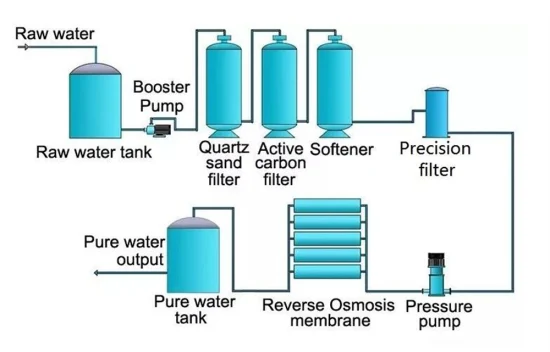
The Process of How Membrane Separation WorksWith membrane separation, you can get more done in less time while still getting a higher yield and more purity. Furthermore, there are no expenses linked to the removal and disposal of this residue when using membrane filtration. This is because it does not produce a filter cake.

Factors Affecting Membrane Separation

pH levels.

The stability, charge, and solubility of the separated compounds can influence the rate of diffusion across the pores of the membrane. The pH level of the substances affects everyone.

Changes in pH can affect a material’s solubility and, consequently, its permeability to holes. Another factor that can influence the stability and structure of the membrane material. This, in turn, affects its ability to operate efficiently over time. The pH, concentration, pressure, and temperature levels of the membrane separation system can be controlled to produce water of excellent quality.

Temperature.

How quickly things diffuse through a membrane’s pores depends on a number of physical qualities, some of which are temperature-dependent. These properties include solubility and viscosity.

Substances may become more permeable to pores when their viscosity decreases as their temperature rises. A drop in temperature can produce the same result in various contexts. Temperature can also have an impact on the stability of the membrane material, which determines how well it keeps its shape and function over time. Membrane separation procedures are also susceptible to temperature-induced changes in filtration and pumping.

Concentration.

Crucial to the membrane separation process, concentration affects the efficiency of separation. The separation pressure and pore size are both affected by the concentration of the substances being separated. The pressure needed to push a substance through pores grows in relation to its concentration. The process’s effectiveness can drop if something clogs the membrane.

Sometimes, it is possible to create a situation where the chemical’s concentration is higher on one membrane’s side than the other. This refers to a concentration gradient. This contributes to the divide. The concentration of the material can affect the rate of diffusion through the pores. This, in turn, affects the separation’s effectiveness.

Pressure.

The process of membrane separation is dependent on pressure. Depending on the pressure difference across a membrane, substances can either pass through it or not.

The efficiency of the membrane separation process is often proportional to the pressure. However, the characteristics and size of the particles being separated, as well as the durability and strength of the membrane material, place limits on that pressure.

The membrane separation process can be more consistent and effective with the help of a pump by keeping the pressure difference across the membrane at the correct level.

Conclusion

If you need to treat or purify water, membrane filtration is a great and flexible option. Its accuracy, adaptability, and low chemical consumption make it a priceless asset in the fight for water safety.

The use of membrane separation is important in improving the sustainability and quality of water in various applications, such as industrial processes, wastewater reclamation, and drinking water treatment. Among the several advantages of the membrane separation method are its decreased manufacturing costs, decreased energy consumption, adaptability, pathogen elimination rates of up to 100 percent, and ability to sterilize heat-sensitive materials.
How to Clean Membrane Systems

How to Clean Membrane Systems

By | Water Filtration | No Comments

The cleaning agents, their expert application, and the cleaning equipment’s design and operation are the three pillars upon which the success of cleaning membrane systems rests. You can clean membrane systems with chemicals with both high and low pH to yield the greatest results. During normal operation of these systems, the performance of the membrane systems usually decreases. This is because of the buildup of precipitated salts, colloids, small particles, or microorganisms on the surface of the membrane.

A disastrous membrane collapse can occur in a relatively short time due to some of these deposits. Chemical pretreatment and cartridge filtration are examples of pretreatment procedures. They aim to decrease the buildup of these problematic deposits. Fouling, or scaling, describes the accumulation of these particles. In the form of hard crystalline precipitates (scalants), minerals like calcium carbonate and sulfates of calcium, strontium, and barium come together. A few of these deposits have the potential to bring about a catastrophic membrane collapse in a relatively short amount of time.

On the surface of membrane elements are soft deposits called foulants that are made up of silica, biological growth, suspended and colloidal particles, and metal oxides. In order to choose the appropriate cleaning solutions, it is necessary to determine the types of deposits that have settled into the membrane element. 

Here’s how to clean membrane systems

Forward flush

When using a forward flush, feed water goes to the membranes in a forward manner. The rate of water flow or permeate through the system is higher during the feed water or permeate flow phase compared to the production phase. The turbulence and quicker flow induce the release and discharge of particles absorbed by the membrane.

3: Using air or water flushes or air flushes

This cutting-edge cleaning technique is known as an air flush or a water/air flush. Injecting air into the supply line is a type of forward flush. The use of air causes the formation of air bubbles, which in turn increases turbulence. This turbulence renders membrane surfaces fouling-free.

Backward Flush

This is a method of filtration that operates oppositely. The permeate is forced out of the system via the feed water side while it is under pressure. By using a backward flush, the membrane pores are flushed from the inside out. Because the pressure outside the membranes is higher than the pressure inside, cleaning of the pores occurs.

4: Using chemicals to clean membranes

  1. Verify that the cartridge filters, hoses, and cleaning tank are in good working condition. If needed, clean the tank and the hoses. Set up the replacement cartridge filters.
  2. Fill the cleaning tank with permeate. Start the tank’s recirculation process by activating the agitator or pump.
  3. Gradually add a cleaning product of your choice to the cleaning tank while stirring thoroughly. The amount needed will depend on the product mix and the entire volume of the Clean-in-Place.
  4. Verify the solution’s temperature. To achieve the desired temperature, you need to modify the heating control if the solution’s temperature drops below the specified level.
  5. Make sure the solution’s pH is approximately 12. If the membrane’s pH is too low, you can adjust it with sodium hydroxide or a comparable chemical according to the manufacturer’s instructions. If the pH is excessively high, you can lower it by adding hydrochloric acid.
  6. In the feed flow direction, cycle the solution through each stage for 30 minutes. Make sure to circulate the fluid at the recommended rate for the system or membrane. During cleaning, it is important to maintain a low enough pressure to ensure minimal permeation.
  7. In very foul situations, it is best to direct the first return flow to the drain. This is to prevent the redeposition of removed materials. For optimal performance in a multistage system, it is necessary to clean each stage separately.
  8. In the event that the first-stage cleaning solution turns stained or muddy, empty the tank and make a fresh one. It is necessary to prepare a fresh solution in the event that its temperature or pH falls outside of the specified range. Regardless, it would be best if you made a fresh cleaning solution for every step.
  9. Rinse the system thoroughly with reverse osmosis permeate before re-instating it.
  10. Wait for the product water to drain completely to ensure that all cleaning solutions are out of the system before turning it back on.

Best chemical for cleaning a membrane system

Using a chemical to clean a membrane system helps remove impurities from the membrane filter. This is done by using the reactions between chemical reagents, deposits, and other pollutants that impact flux rates. These chemical substances are there all the way, from bases and acids to formulated and oxidizing agents. Metal sulfide, iron oxide, and calcium carbonate are only some of the deposits that the acid can dissolve. The hydroxides, carbonates, and phosphates in the cleaning solution are alkaline. They may disperse, emulsify, and loosen the deposits with ease. Using a combination of acid and alkaline agents is the best strategy for eliminating stubborn deposits, including silicates.

  • How to Clean Membrane SystemsAlkaline Cleaning:

It is useful for removing some inorganic deposits, grease, and organic fouling. Examples of common alkaline solutions include potassium hydroxide and sodium hydroxide. The process involves adjusting the pH of the alkaline solution as it is pumped through the membrane system in order to improve cleaning efficiency. To remove any remaining alkalinity, it is essential to rinse thoroughly.

  • Acid Cleaning:

The product helps to eliminate inorganic fouling, metal oxides, and mineral scale deposits. Phosphoric acid, citric acid, and hydrochloric acid are common acids. Step one involves circulating the acid solution through the membrane system for a certain amount of time. Step two involves washing the membrane system thoroughly.

Why do you need to clean the membrane?

Cleaning and maintaining membrane systems on a regular basis is essential to ensuring their optimal performance. A system can become contaminated if you don’t clean it regularly. There’s a hindrance to energy consumption and performance recovery. It happens if this problem is not checked or rectified over an extended period of time.

How do you backwash membranes?

This is a filtration process that happens in reverse. With twice the flux applied during filtering, permeate is pushed under pressure through the system’s feed water side. It is possible to use a chemical cleaning procedure if the flux has not recovered enough during back flushing.

The membrane’s pores are turned inside out when using the backward flush technique. Cleaning happens in the holes because the pressure on the membrane’s permeate side is greater than the pressure within the membranes. The pressure used to accomplish a backward flush is approximately 2.5 times higher than the pressure used for production.

In order to ensure that the permeate chamber remains contamination-free, permeate is consistently utilized for backward flushes. Process recovery is reduced as a result of reverse flushing. This means that the time required for a backward flush ought to be as minimal as possible. But you have to keep the flush going long enough to flush a module’s volume once.

Is it right to use hydrogen peroxide to clean the membrane?

Biological and organic pollutants are the most common types of fouling in ultrafiltration membranes that are used to clean water and wastewater. Oxidative chemicals like hydrogen peroxide are often used to clean membrane systems because they are so good at getting rid of these pollutants.

Which membrane needs frequent cleaning to prevent clogging?

Reducing fouling and improving membrane performance are two main reasons why cleaning membrane systems is essential. Consequently, membrane separation operations in water treatment are in dire need of an efficient cleaning approach right now. A thorough investigation into cleaning methods is necessary to remove fouling and generally enhance membrane effectiveness.

To prevent membrane fouling and other problems, pretreatment is usually necessary for RO and NF membranes. This is because their pores are smaller compared to MF and UF membranes.

Conclusion

Making sure the valve in the distribution system is completely closed while cleaning is important. This is to prevent chemicals from unintentionally getting into the drinking water system. Depending on its capacity, the somewhat polluted water can be directed to the waste effluent system.

The Importance of Getting Your Water Purifier Serviced Regularly

The Importance of Getting Your Water Purifier Serviced Regularly

By | Water Filtration | No Comments

One of the most important needs for maintaining good health is access to clean, pure drinking water. This can only happen by having your water purifier serviced regularly. There is a wide variety of potential contaminants in the water that are made available to the public through municipal sources. There are numerous potential sources of pollution for water bodies. This includes dangerous pollutants such as mercury and lead, chemical contaminants from the careless application of fertilizers and other chemicals, and microorganisms such as parasites and bacteria.

Given this situation, water purifiers have become an essential component of the majority of houses nationwide. However, after installing a purifier, you can ignore one of the most important aspects: having your water purifier serviced. You risk drinking polluted water if you don’t regularly service and maintain your water purifier; it won’t work effectively anyway. Here, we’ll go over some of the reasons why purifier servicing is so crucial.

The importance of having your water purifier serviced regularly

To keep them running smoothly and efficiently, water purifiers require servicing much like any other appliance.

  • Identifying issues at an early stage

When you take your water purifier in for routine servicing, the technician can look for damage or other problems. You can extend the life of your water purifier and avoid more costly repairs by catching problems early and fixing them.

  • Makes water more potable

The effectiveness of a water purifier in removing contaminants from water depends on how often it is serviced. Because of this, the quality of the water may decline, which in turn may alter the way your water smells or tastes. Making sure your water purifier is getting rid of pollutants and giving you clean, fresh water is as simple as servicing it.

  • Filter protection

Over time, particularly during times of intensive use, water purifiers can become clogged. You won’t have enough potable, filtered water to drink since the water pressure drops. Kidney stones, stomach cramps, dehydration, and even headaches are just some of the major health issues that can arise from a blocked filter. It may be fatal in certain instances.

If you have your water purifier serviced, you won’t need to replace it as often. You have the option of doing it yourself or scheduling a monthly visit from a professional service provider to inspect and clean the purifier.

  • More efficiency

Your water purifier is always at work, removing harmful substances, but its filters and pores can become clogged with use. Because of this, it becomes less effective at filtering out dangerous pollutants. You run the risk of consuming water that is not clean. You can keep your water purifier clean and efficient by servicing it regularly.

  • Reduce the use of electricity

Maintaining the efficiency of your appliances is crucial if you want to reduce the amount you pay each month. This encompasses keeping things clean and in good repair. To keep dust and other particles out of the system, clean the filter on a regular basis. Swap out the old spare parts for newer, more energy-efficient ones if the device has any.

Systematic approaches to purifying water follow the same logic. These devices require electricity to power the filtration process. Keep the filters clean on a regular basis to reduce power consumption. Furthermore, make sure you don’t place the machine near any heat sources, like stoves and radiators.

  • The Importance of Getting Your Water Purifier Serviced RegularlyMakes it last longer

Water purifiers, like every other home appliance, eventually wear out. But you have to have your water purifier serviced regularly so it can last longer. Cleaning the filter and replacing any worn-out parts are part of regular servicing. This helps to keep it in good working order and extends its lifespan.

  • An endless supply of clean

Water Among the most fundamental necessities for human survival is water. However, access to clean water is not always a given. The availability of safe drinking water is a real problem for many people. Always keep an adequate supply of clean water on hand.

Rising pollution levels have made river water less pure. Toxic chemicals, viruses, and bacteria abound in these waterways. When a water purifier is working as it should, it will eliminate these contaminants, making the water safe to consume. Regular cleaning and servicing of water purifiers is essential to ensuring that they continue to filter out harmful particles. Consequently, you only drink dirty water.

  • Protects your health

Preserving your health is a top priority, which is why having your water purifier serviced regularly is necessary. You can protect yourself and your family from potentially dangerous substances like heavy metals, viruses, and bacteria by using a water purifier. Be warned, though: these pollutants can accumulate and ruin your water supply if you don’t service your purifier often. Servicing your water filter will keep it working properly to remove these harmful substances.

  • Cost savings

Your water purifier can last longer and save money on repairs if you service it regularly. You may save money and keep your purifier running well for a long time if you take care of it.

  • Reduce water wastage

One of the most critical aspects of running a water purification system is minimizing water loss. A lot of water goes to waste in purifiers because the water doesn’t taste good or isn’t completely clean when the filters are unclean or clogged. You will need to empty a few buckets of water until you see clear water. This leads to water loss, which can be a serious problem in urban areas where water is already scarce.

Signs that you need to have your water purifier serviced regularly

To avoid water quality problems, be aware when your water filter is requesting servicing.

Flashing alarms or lights

To let you know when there’s an issue, many newer water purifiers come with alarms or lights. Have your water purifier serviced the moment you spot one.

Leakage 

Leaks that are easy to see are a sure sign that something is wrong. This indicates that you should not delay obtaining a water purification service.

Odd taste or smell

If the water has an unpleasant taste or smell, it’s time to change the filters.

Strange sounds

Unusual noises made by the water purifier while it is running can indicate a problem.

Lower the flow of water

A clogged purifier requires servicing if your water purifier begins to dispense water slowly.

Conclusion

Having your water purifier serviced regularly will keep it running smoothly, increase its longevity, enhance water quality, decrease repair costs, and safeguard your health. To properly service your water filter, read and follow the instructions provided by the manufacturer. If you have any questions, it’s best to get expert help. Maintaining your water filter ensures that you will continue to enjoy pure water for many years to come.

Is Boiling Water Better Than Reverse Osmosis?

Is Boiling Water Better Than Reverse Osmosis?

By | Water Filtration | No Comments

When water from the tap is brought to a boil, it eliminates virtually all of the bacteria and germs that are present in the water. On the other hand, due to the fact that it incorporates its own constraints, the water cannot be totally clean. Despite the fact that boiling water is the most straightforward method, there are a number of drawbacks to using it. Considering these drawbacks, it is clear that purchasing water purifiers or filters for your home is the superior choice if you want drinking water that is free of contaminants.

Numerous innovations in water purification technology have led to reverse osmosis water purifiers becoming the most popular and secure option for water filtration systems.

What Does Water Boiling Remove?

The majority of people use this technique to purify water. It is labor- and energy-intensive, yet it doesn’t need electricity. Because water must be boiled for a minimum of fifteen minutes, the process is both time-consuming and costly. While this procedure is straightforward, it does require some effort and time. Although all microbes in water will die after boiling, the molecules of water itself will remain unharmed.

While microbes can destroy chemical pollutants in water, these contaminants are not always eliminated. These compounds remain in the water even after boiling has altered them. These substances have the potential to enter our food supply and pose health risks.

What are the drawbacks of boiling water?

Boiling water may not be the best way to purify it if it contains nitrates, harmful metals, total dissolved solids, or compounds (such as solvents, mercury, lead, pesticides, asbestos, etc.). Vaporizing potentially dangerous pollutants may be beyond the scope of boiling. Additionally, it requires electricity to boil water, which isn’t always readily available.

Reverse Osmosis

This process of water filtration involves filtering out any contaminants in the solution by means of a membrane. It doesn’t take much energy or time, and it doesn’t need electricity. It rapidly dissolves any contaminants in the water. This makes it an excellent solvent for cleaning water. Additionally, it is extremely effective in removing pollutants from water and does not harm water quality in any way. The principle of RO is to force water molecules to pass through a semipermeable barrier.

The process involves placing the membrane in a pressure chamber and then forcing pressurized water through it. This process separates the water into its fresh and salty parts. After that, a second membrane divides the components, and they’re each sent to their container or tank. The membrane is often quite durable, and you can reuse it multiple times. Purified water is of the highest grade. Purified water is far safer to drink than untreated water.

Instead of boiling water, why not use a reverse-osmosis water purifier?

There are many benefits to reverse osmosis water, but before you install one in your home, there are a few drawbacks to think about. There are benefits and drawbacks to boiling water as well. These include.

  • Better-tasting water

Unlike boiling, reverse osmosis effectively gets rid of unpleasant smells and tastes in water. The taste of reverse osmosis water is unremarkable because of how pure it is.

  • Producing wastewater

There is a lot of wastewater from reverse osmosis systems, whereas boiling produces almost no wastewater but is more expensive in terms of energy.

  • Effective elimination of pollutants

Compared to other methods, reverse osmosis is much better at removing pollutants effectively. Boiling won’t be able to remove the majority of pollutants. However, it does kill bacteria and remove some volatile chemicals.

  • Exceptionally effective in eliminating pathogens that cause disease

Boiling water can effectively neutralize the microorganisms that cause diseases. Reverse osmosis water is effective, but only if all the filters are in good working order and you analyze the feed water to determine whether any more filters are necessary.

  • Simple and convenient

A reverse-osmosis system is more practical and hassle-free. This is because it can either filter water as needed or store it in a tank. You need to prepare ahead of time to boil water so that it can be cooled for drinking.

  • Inexpensive and with low initial costs

While reverse osmosis has cheaper initial costs, the electrical output from boiling water could make it expensive in the long run.

  • Total dissolved solids

When it comes to removing total dissolved solids, reverse osmosis systems are far superior to boiling. The total dissolved solids measurement is a good indicator of the water’s aesthetics.

  • Easy to install and maintain

Where it’s used, both setting up and maintaining a reverse osmosis system is a breeze. Even if you have to cool the water before using it, boiling water is very simple to set up.

Conclusion

Boiling water makes it safer to drink by killing any hazardous organic organisms that may be present, but it doesn’t necessarily make the water healthy.

Many RO systems also filter out dangerous organic organisms in the water using ultraviolet light and filtration. For this reason, using one of these systems to purify your drinking water is a fantastic idea. While boiling potentially unsafe water does the trick, an RO drinking water system will produce water that is both pure and more dependable.

What is an Ultrafiltration System and How Does It Work?

What is an Ultrafiltration System and How Does It Work?

By | Water Filtration | No Comments

Ultrafiltration (UF) involves passing a semipermeable membrane through a force, such as pressure, to remove particles. A pore size of around 0.01 microns is characteristic of an ultrafiltration system. Ultrafiltration can filter out bigger particles and, in some instances, viruses. Activated carbon, iron salts, or alum are necessary to adsorb or thicken the dissolved chemicals before removal.

With the addition of viruses, an ultrafiltration system can stop everything that microfiltration can, but it requires slightly greater pressure. Ultrafiltration is a common choice for treating drinking water. This is because, despite its greater pressure requirements, the faucet’s pressure might overpower it. The process relies on the polluted liquid being filtered through a membrane. A clean liquid stream emerges because the pollutants are too big to pass through the membrane’s pores.

Which pollutants is the ultrafiltration system able to trap and remove?

When it comes to water treatment, UF is second to none. It efficiently removes a wide range of impurities, leaving only clean and safe water behind. It is useful in removing the following sorts of particles and contaminants:

  • Organic matter: 

The water quality improves as a result of the effective removal of several organic impurities, such as pesticides and chemicals.

  • Cysts and protozoa

It eliminates the possibility of water contamination by capturing bigger microbes, such as cysts and protozoa.

  • Suspended solids: 

This is a powerful method for removing suspended solids and minute particles that can cause water to appear turbid or cloudy.

  • Rust and sediments

The system’s pre-filter stages aim to remove rust and sediments before the core membrane filtration process begins, extending the life of the membrane.

  • Viruses and bacteria

Ultrafiltration membranes are highly effective in stopping the passage of viruses and bacteria due to their small pore sizes. As a result, the treated water remains free of these pathogens.

The two types of ultrafiltration systems

  • Point-of-entry:

On the other hand, point-of-entry UF water filters are ideal for more extensive applications. That is applications that involve the use of water for purposes other than cooking and drinking. For example, these systems are advantageous for commercial sites. They supply filtered water for various purposes, including manufacturing, irrigation, and cleaning.

Even though their membrane configurations will vary, the functions performed by the various systems are the same. This system filters water before it flows to a designated faucet. This ensures that only potable water or water suitable for cooking is always available.

  • Point-of-use:

A point-of-use ultrafiltration system is an ideal under-the-counter solution for homes that value having a separate source of clean water for cooking and drinking. With these devices, you can get fit to drink water straight from the faucet, and they’re small and efficient.

Running a separate tap for your hand-washing and dishwashing needs is best. This is because these do not require water filtered down to 0.025 microns. Colloid suspension and tanning (usually produced by organics; for instance, tea leaves create tannins) are two areas where the point-of-entry system excels. It treats all the water running into your home.

How does an ultrafiltration system work?

Ultrafiltration is a complex technique that uses semipermeable membranes with extremely small pores. These pores are usually between 0.1 and 0.001 micrometers in size. Water molecules can flow across these barriers, but microbes, pollutants, and bigger particles cannot. Applying pressure is important to facilitate filtration and ensure that only clean water permeates the membrane.

What is an Ultrafiltration System and How Does It Work?Post-filtration:

To further improve the quality of the purified water, it may be subjected to a post-filtration step. This step could include using more treatments or filters to ensure the water is as pure as possible. This helps to eliminate any lingering contaminants.

Membrane filtration:

After completing the pre-filtration step, the water moves onto the membrane. This is the core of the process. Because of its tiny pore size, the UF membrane is able to filter out water contaminants like suspended solids, viruses, and bacteria. The only molecules that can pass through are those of pure water.

Pre-filtration:

The water travels through a pre-filtration process to get rid of bigger sediments and particles before it enters the UF system. Preserving the ultrafiltration membrane’s effectiveness and longevity relies heavily on this initial phase.

The benefits of a UF filter

There are numerous benefits to installing a UF filter, whether for commercial or home use. Now, let’s explore each of these benefits further:

  • Easy to maintain

Because of its user-friendly design, an ultrafiltration system is popular for being low-maintenance. In order to make things easier for property managers or homeowners and guarantee effectiveness in the long run, some systems even have automatic cleaning processes.

  • Improved smell and taste:

Ultrafiltration greatly enhances the smell and taste of water by efficiently removing contaminants. All parties involved, including employees and homeowners, can now have a more enjoyable and revitalizing drinking experience.

  • Affordable choice: 

A low-priced option for keeping water potable is ultrafiltration. It lessens the demand for bottled water, which means less money spent on water purification products and fewer frequent purchases.

Efficient use of space:

Systems placed at the point of use are very compact, efficient, and take up little room. You can conceal these systems under the counter so they don’t take up any room in your kitchen.

  • Ecological sustainability

Reducing reliance on single-use plastic bottles is one way that choosing contributes to ecological sustainability. A rising global awareness of the necessity of sustainable water consumption coincides with this shift toward eco-friendly methods.

  • Better-quality water: 

The water supply is certainly of the highest quality thanks to UF technologies, which are highly effective in removing impurities. This is of the utmost importance for commercial premises and human consumption.

  • Versatility: 

In business contexts, point-of-entry systems are suitable for a variety of uses. Because of their adaptability, these systems may fulfill a wide range of requirements. This includes those associated with manufacturing, irrigation, and cleaning.

Application Fields of Ultrafiltration Systems.

Because of their versatility, UF systems are well-suited for a wide range of water treatment applications. This includes those involving seawater, wastewater, brackish water, and groundwater. These systems’ standalone and combined use, especially with reverse osmosis (RO), can greatly benefit plants. Pretreatment of input water with a high silt density before it enters reverse osmosis systems is an everyday use of an ultrafiltration system.

Many customers believe UF is an affordable water treatment choice compared to other filtration and distillation processes, such as NF and RO. A wide range of uses for ultrafiltration include:

  • Dehydration and sludge concentration
  • Municipal water purification
  • Concentrated plant protein production
  • Food industry
  • Starch recovery
  • Chemical industry
  • Clarification of beverages
  •  Pretreatment for reverse osmosis
  • Medicine

UF is a popular alternative for water treatment in many different industries. This is because of adaptability and affordability.

Is ultrafiltration good enough for water purification?

An ultrafiltration system is powerful and effective in eliminating bacteria. Additionally, viruses and protozoa can be removed from water using UF.

Reasons for its rise to fame include:

  • The absence of chemicals necessary for any purpose other than cleaning membranes.
  • Its pathogen removal rate is 90 to 100 percent.
  • It has a small physical footprint.
  • Its ability to maintain consistent water quality regardless of the water supply.

Is UF and NF the same?

Although they accomplish the same goal, the contaminants removed by NF and UF differ based on the type of water problem and the industry that employs each technology. Aside from the pore size of the semipermeable membranes, UF and NF are very similar.

The pore size of the membranes used in UF is on the microscale. Still, each pore is intentionally made to be around a tenth of the particle size. NF makes use of pore-sized membranes. Because various elements can pass through pores of varying sizes, the wastewater treatment process can be fine-tuned to ensure environmental safety.

How long does a UF filter last?

The expected lifetime of an ultrafiltration membrane is between 3 and 7 years, and maybe even longer.

The maintenance of UF

Following specific maintenance procedures is essential to preserving the effectiveness of a UF system. Maintaining the system regularly ensures that you will always have access to high-quality water and increases its longevity. The following are the most important things to maintain:

  • Expert Maintenance:

Regular maintenance checks the state of the system thoroughly. Experts can diagnose problems and replace or fix them as needed if problems arise.

  • Pressure Level Monitoring

It is possible to detect anomalies by keeping an eye on the pressure levels during UF. To keep the system running well, it’s important to keep the pressure within the specified range.

  • Pre-filtration Check: 

Monitoring the pre-filters and replacing them as needed is essential to keeping bigger particles from getting past the ultrafiltration membrane. Pre-filtration tests should be performed regularly to keep the system running at its best.

  • Consumables Replacement:

You should change the replaceable parts at the specified intervals, such as the O-rings and seals. This preventive step enhances the system’s overall reliability.

  • Membrane Inspection: 

It is important to check the membrane for fouling or damage on a regular basis. Quickly identifying and resolving membrane issues is beneficial for sustained filtration effectiveness.

  • Regular Cleaning: 

The accumulation of debris and pollutants can damage the UF membrane. Thus, it is vital to clean it once in a while. Automated backwashing is a feature of some ultrafiltration water treatment systems that makes cleaning them easy.

Conclusion

When it comes to treating water, many different types of businesses rely on UF. UF systems from Express Drainage Solutions are available for a variety of applications. This includes containerized UF systems, well-water UF systems, residential ultrafiltration systems, skid-mounted UF systems, wastewater UF systems, and more. These solutions can meet a wide range of personal, commercial, and industrial applications.

Feel free to contact our skilled engineers for further details and personal quotations. If you need help deciding which UF system is best for your needs, they are here to help. Learn more about how Express Drainage Solutions can solve your water treatment problems by contacting us now!

Is Nanofiltration Better Than Reverse Osmosis?

Is Nanofiltration Better Than Reverse Osmosis?

By | Water Treatment | No Comments

Using physical separation techniques like nanofiltration and reverse osmosis is crucial to remove pollutants from liquids. With recent advancements in affordability and effectiveness, nanofiltration and reverse osmosis technologies have found widespread use in residential, commercial, and industrial settings. This is to help produce potable water as well as treat drinking, seawater, brackish, and wastewater.

How nanofiltration and reverse osmosis are similar

Both nanofiltration and reverse osmosis rely on the pressurization of a flowing liquid. This forces it through a semipermeable membrane, thus removing any dissolved solids. These technologies can remove agricultural chemicals, pesticides, and dissolved organics. This is similar to other types of membrane filtration, like MF and UF, but can handle smaller molecules.

Both reverse osmosis and natural nanofiltration benefit from pretreatment

Because of their small pores, nanofiltration and reverse membranes can quickly become clogged if media filtration, ultrafiltration, or other upstream filtration technologies fail to remove larger particles. Saving energy is another benefit of pretreating process streams. This is to help eliminate these harmful particles. This helps keep the pressure in a nanofiltration and reverse osmosis system at an optimal level.

Low maintenance and long service life requirements are possible with nanofiltration and reverse osmosis membranes when process streams are adequately pretreated. The reason behind this is that the filtration membrane undergoes continuous crossflow filtration. This means that rejected substances are swept away with the waste stream instead of being trapped on the membrane.

Both nanofiltration and reverse osmosis need pressure to function

Energy is necessary to transport water across the nanofiltration and reverse osmosis membranes. These are two relatively efficient purification technologies. The high concentration of salts and other compounds on the retaining side of the membrane due to their fine pores makes it difficult for water to pass through. To overcome this, a sufficient amount of pressure is applied, which the osmotic pressure counteracts.

How nanofiltration and reverse osmosis are different

The size of the particles that nanofiltration and reverse osmosis can reject or remove differentiates the two, although they are otherwise quite similar. Compared to MF and UF, nanofiltration and reverse osmosis can remove finer contaminants. These processes remove organic macromolecules, heavy metals, sulfates, hardness, radionuclides, TDS, and nitrates from waste streams and processes.

Nanofiltration

Compared to reverse osmosis, nanofiltration provides a slightly coarser filtration process, with the capability to eliminate particles with a diameter ranging from 0.002 to 0.005 micrometers. The primary goal of nanofiltration development, a technology still in its infancy, was to generate drinkable water. While reverse osmosis would eliminate more minerals, nanofiltration keeps more dangerous pollutants like organic macromolecules and pesticide chemicals. Modern reverse osmosis systems keep trace amounts of minerals to maintain water’s taste and safety. Smaller monovalent ions, like sodium chloride, can pass through NF membranes, while bigger divalent ions, like calcium sulfate, can’t.

Reverse osmosis

With its incredibly tiny pores that can trap particles as tiny as 0.0001 micrometers, reverse osmosis is the most advanced membrane purification and filtration system currently available. The printing industry is just one of many industries that use reverse osmosis to process water. This helps keep equipment running at peak efficiency. When it comes to removing ions, reverse osmosis membranes are highly effective, regardless of size. Since no other purification or filtration method comes close to matching the cost savings, efficiency, and effectiveness offered by RO systems, they have quickly risen to the position of preferred water purification for both commercial and residential use.

Both are used in place of traditional treatment technologies.

In the event of an industrial application, a typical water treatment train will include multiple unit processes such as filtration, flocculation, clarification, ion exchange, sedimentation, and coagulation. Sedimentation, clarification, ion exchange, filtering, purification, and polishing are the processes involved in residential treatments.

Traditional treatment methods can successfully remove dissolved solids. However, they rely on a lengthy and intricate process that can be costly and resource-intensive. This will require a wide range of chemical agents and specialized equipment. Installing the systems under the sink, in the customer’s basement, or the garage solves this problem. They are also suitable for commercial or residential use.

Nanofiltration and reverse osmosis membrane technologies’ efficiency, affordability, and compact size have led to their increased adoption as more eco-friendly, space-saving alternatives to traditional treatment systems, both in homes and businesses. One example is the elimination of concentrated brine byproducts. Also, several treatment steps are consolidated into one when nanofiltration is used instead of conventional lime softening.

Conclusion

In cases where there’s no liquid discharge, NF, despite its many advantages, might not be the way to go. NF, similar to RO, produces a substantial amount of effluent, sometimes as much as half of the feed volume. In order to prevent discharge, some facilities may choose to utilize injection wells or evaporation ponds.

Water is essential for the operation of many industrial facilities, and NF systems offer a flexible and affordable solution. When planning systems to purify water for industrial use, they need consideration.

The Disadvantages of Reverse Osmosis Method of Desalination

The Differences between MF, UF, NF, and RO Membranes

By | Water Treatment | No Comments

Similar to sieves, membranes allow for the pressing or sucking of water through extremely tiny filters. The filter’s fineness distinguishes microfiltration, ultrafiltration, and nanofiltration. Any material that is bigger than the minuscule pores can pass through. Another variant is reverse osmosis, which allows only water molecules to cross the membrane.

Being able to filter water so thoroughly that it is almost solid-free and, for the most part, organic is why ultrafiltration membranes have found a home in the drinking water industry. Because they are too big to fit through the membrane’s pores, viruses, parasites, and bacteria are not only killed but also removed from the water supply.

Benefits of Nanofiltration (NF)

Nanofiltration (NF) has several advantages, including:

  • The medical field finds it advantageous.
  • When it comes to dealing with liquid discharges or wastes, this method is very versatile.
  • It will help to desalinate salt water.
  • It is employed in water purification systems to ward off diseases.
  •  Many different kinds of chemical particles, both suspended and dissolved, and biological entities (such as bacteria) can be successfully removed from water using this method.

Here are some differences between MF, UF, NF, and RO membranes.

Microfiltration (MF)

Standard microfiltration cartridges, such as ceramic, activated carbon, polypropylene, etc., have an accuracy range of 0.1–50 microns. They are also used for basic coarse filtration, removing large particles of impurities like rust and sediment from water. However, they are unable to remove bacteria and other dangerous substances. Disposable filter materials typically cannot have their cartridges cleaned and must need replacement on a regular basis.

  • Ceramic cartridge:

Typically, there is little flow, cleaning is a pain, and the minimum filtration precision is merely 0.1 microns.

  • Activated carbon:

Water color and smell can be removed, but bacteria cannot, and rust and sediment are poorly removed.

  • PP cotton core:

It is used exclusively for low-demand coarse filtration and may remove big particles like rust and silt from water.

Ultrafiltration (UF)

Using pressure difference, this membrane separation technique may remove macromolecular organic matter, colloid, sediment, bacteria, suspended particles, rust, and other contaminants from water while retaining some mineral elements that are good for the human body. It is the most important step in making mountain water and mineral water. The ultrafiltration procedure may recover water at 95 percent or more. It is also easy to flush and backwash, has a relatively long service life, and does not clog easily.

Ultrafiltration is ideal for the complete purification of drinking water in the home. This is because it does not require the addition of power or pressure. Instead, it relies on the pressure of your tap water to filter. It also has a high flow rate, is inexpensive to operate, and is easy to use. As a result, UF technology will form the backbone of drinking water purifiers in the future. When coupled with other filter materials, this technology will allow for a more thorough removal of water contaminants.

Nanofiltration (NF)

While RO and UF provide reasonably accurate filtration, UF has a lower salt rejection rate. Similarly, the water recovery rate is poor, and the technology relies on pressure and power to separate membranes. Put another way, approximately 30 percent of the water that comes out of the faucet will go to waste when NF membranes are used to make water. The production of industrially pure water typically makes use of this.

Reverse Osmosis (RO)

Pore sizes in RO can be anything from 0.0001 to 0.001. Regarding separating materials, it is the best that the industry has to offer. Because its pores can remove all but water molecules—with diameters often approaching those of individual atoms—it finds widespread application in water purification and desalination processes. Because of its extremely small pores, this membrane is well suited to remove metal ions and salt from water. Because reverse osmosis membrane pores are so tiny, a great deal of osmotic pressure is necessary to filter the water through.

The Differences between MF, UF, NF, and RO MembranesThe difference between UF and NF filtration?
Although they accomplish the same goal, the contaminants removed by NF and UF differ based on the type of water problem and the industry that employs each technology. Aside from the pore size of the semipermeable membranes, UF and NF are very similar.

UF uses membranes with pore sizes on the microscale. However, the design of the pores ensures that each one is around a tenth the size of the particle. Nanoscale pores are employed in nanofiltration. The various pore sizes make treating wastewater precisely and safely for the environment possible. These also permit other substances to pass through.

The difference between NF and RO membranes?

We can distinguish between nanofiltration and reverse osmosis, two very similar processes, by looking at the sizes of the particles they remove. Both nanofiltration and reverse osmosis can remove finer pollutants from waste streams. This includes organic macromolecules, heavy metals, sulfates, hardness, radionuclides, TDS, and nitrates.

What is reverse osmosis?

A reverse osmosis filter has pores that are nearly 0.0001 microns in size. The water that is filtered using these devices is completely pure. When water goes through RO, it gets rid of most minerals, viruses, and organic molecules. Through the process of ion exchange, it is able to desalinate water.

While a semipermeable membrane separates the two solutions in RO, pressure is applied to prevent the natural flow of water. Doing so drives the water from the weaker solution to the more concentrated one. Consequently, the semipermeable membrane separates the pure water from the pollutants.

What is nanofiltration?

NF filters typically have pore sizes of around 0.001 microns. Using NF, a wide range of contaminants, including the vast majority of viruses, salts, and naturally occurring organic molecules, may be effectively eliminated. Its ability to neutralize divalent ions makes it popular for softening hard water.

How similar are NF and RO?

In membrane filtering techniques like RO and NF, dissolved particles are removed by applying pressure to a liquid stream and forcing it through a semipermeable membrane. Both nanofiltration and reverse osmosis are quite similar. This is because they are able to remove extremely small molecules. This includes agricultural chemicals, pesticides, and dissolved organics.

Pretreatment is a benefit for both RO and NF membranes

These have the smallest holes of any filtration membrane, and will quickly become fouled if upstream filtration techniques like MF/UF or media filtration don’t remove larger particles. The amount of energy needed to maintain the correct pressure in the streams can be reduced by pre-treating process streams to remove these problematic particles.

Maintenance of membranes

With adequately prepared process streams, nanofiltration and reverse osmosis membranes can last for a long time with little maintenance. This is because feed water is constantly forced across the surface of the filter membrane in cross-flow filtration. This ensures the rejected compounds are whisked away with the waste stream rather than caking onto the membrane.

Conclusion

Since each purification method has advantages and disadvantages, it is not wise to depend on just one. What you require is a multi-stage filtration process that incorporates various filtration techniques.

For this reason, we advise looking for a water filter that incorporates many technologies, such as a TDS mineralizer, modulator or controller, RO, UV, and UF. We hope this in-depth analysis of MF, UF, NF, and RO membranes was helpful. Contact us with any questions about MF, UF, NF, and RO membranes.

Is Nanofiltration Better Than Reverse Osmosis?

Typical Application of Nanofiltration NF Membranes

By | Water Treatment | No Comments

Waters containing low concentrations of TDS are ideal for the filtration technique known as nanofiltration. This method uses a nanoporous membrane. Along with disinfecting it by keeping organic materials, the goal is to remove polyvalent ions. The precise color spectrum of nanofiltration NF membranes depends on several features. One of them is their ability to retain nanosized materials.

Among the many possible applications for nanofiltration are:

  • Medical laboratory water
  • Industrial kitchens
  • Production of dairy products
  • Drinking water
  • Textiles
  • Production of medications

Here are some typical applications of nanofiltration NF membranes.

Leather, dyes, and textiles

When it comes to desalting and concentration of dyes, nanofiltration NF membranes are indispensable in the textile sector. If you want your Nanofiltration NF membrane to work better and reject dyes better, use polyethylene glycol and polyether sulfone. Nanofiltration of the NF membrane rejects tannins in the leather industry.

Purification of drinking water.

Nanofiltration NF membranes can remove slightly toxic sulfide, natural organic matter, residual herbicides, poisonous byproducts, water quality, and pesticides produced during disinfection. This is in response to the persistence of water pollution. In addition to these benefits, it offers nearly no discharge, energy savings, minimal chemical dose, simple maintenance and management, small convenience, and stable operation. Thus, nanofiltration NF membranes can be the go-to method for eco-friendly purification in the following years.

Treatment of soft water.

It is possible to desalinate sour taste at high water prices by operating at low pressure and successfully intercepting the two ions. This process absorbs a regenerating market for sodium. The fact that it does not need renewal and is microbial-free is its primary benefit. It is easy; it does not occupy much room; it permeates organic matter, water, and so on. Also, the method’s investment and pricing points are similar.

Energy Sector (Gas and Oil)

Filtration using nanoparticle gases used in the oil and gas sector can have their carbon dioxide content reduced using membranes. At high temperatures, carbon dioxide breaks down into carbon monoxide. This is harmful to the catalyst; therefore, this is essential. The treatment of water effluent solutions that contain high concentrations of oil and other harmful substances is another area where it finds application.

Leaf treatment.

By using the element and absorption method, it is possible to absorb agitated wood and black wood, which are byproducts of absorbing wood pulp and black wood. The reason is that the residue contains a high concentration of cotton, which can perforate and absorb each other. Rather than generating significant pollutants, the nanofiltration membrane gets destroyed. Nanofiltration (NF) is one such example.

The waste liquid from the alkali extraction step of wood pulping can be treated with membranes to remove discoloration. These membranes can also help keep soil lignin, biomembranes, and ribbon membranes in the liquid while re-exciting any single-valent ions that don’t need to be stopped. The film achieves a decolorization rate of 98%.

Porous surface salt.

In agriculturally-dominated regions, where groundwater salt concentrations are rising, the water quality index is low. This means that salt and other chemicals can be extracted using RO technology. This is due to the fact that the water recovery rate is really high. Meanwhile, condensate treatment is another issue. Wastewater treatment often involves an ion-exchange technique.

Ion exchange resins, in contrast, are more effective at exchanging ions with divalent and high-valent charges. Centralized regeneration will increase large-scale water use first if the processing cost increases. This is due to the expensive substance in the reducing solution. By first subjecting high-salt salt to a nanofiltration membrane and then an ion exchange process, the treatment time can increase by a factor of two or three.

Many inorganic salts are present in the solution. Chlorides replace the inorganic ions following the sodium ion exchange column. The water’s nitrate concentration currently satisfies the inorganic salts’ criteria. It has a high water recovery rate and can permeate nitrates, which are two of its advantages.

Cutting-edge sewage treatment.

Another essential method for sewage recycling is membrane filtration treatment. Its primary functions are disinfection, sedimentation, flocculation, and other treatment procedures. Membrane treatment is also part of the process that follows it. Treated water is suitable for both.

The treatment comprises a small application of a nanofiltration membrane.

Due to the high copper content (among other elements), a lot of water is typically filtered out during the alloy and electroplating processes. Using NF membrane technology, over 90 percent of the component can be recovered for purification from processed sediments. Additionally, the actual value can decrease by a factor of 10 for reuse.

Using Nanofiltration NF Membranes to Their Full Potential

You can adjust the selectivity of nanofiltration NF membranes by adding different chemicals to the membrane layer, such as piperazine. This allows the manufacturers to permit or reject various salts and ions, both monovalent and divalent. They are ideal for a wide range of uses. This is because of the state-of-the-art technology that allows them to have salt selectivity tailored to individual process needs.

Also, nanofiltration NF Membranes work with reverse osmosis and feature low pressures of operation. The energy cost is higher for reverse osmosis membranes. However, their thin-film composite can remove nearly all organic molecules and dissolved salts from water. To begin softening the feedwater, nanofiltration is used upstream of reverse osmosis. This is where the larger and more selective membrane layer is used. When the nanofiltration permeate is fed into the reverse osmosis, it will result in a greater overall system recovery ratio.

Typical Application of Nanofiltration NF MembranesThe basic principle of nanofiltration

Using pressure to partition water into soluble and non-soluble ions is the fundamental idea behind nanofiltration membrane technology. In contrast to a dead-end filtration system, the membrane functions according to a different hydraulic profile, also called cross-flow filtration.

What are nanofiltration NF membranes?

A membrane liquid-separation technique that has several features of reverse osmosis is nanofiltration. While reverse osmosis is very good at removing almost all dissolved solutes, nanofiltration is poor at removing monovalent ions like chloride and better at removing multivalent ions like calcium.

Exactly what does nanofiltration remove from water?

Nanofiltration is effective in removing a wide variety of salts, organic matter, and viruses found in nature. Removing dissolved compounds is not possible using nanofiltration. Because of its ion selectivity, a nanofiltration membrane can distinguish between different types of ions.

Does nanofiltration reduce TDS?

The surface water can be treated with NF to produce drinkable water with the necessary total dissolved solids (TDS). Increasing the applied pressure increased the TDS rejection from surface water.

The nanofiltration may be unable to lower the overall total dissolved solids. However, this is just because it is more effective in treating drinking water, where the dissolution of certain minerals is a requirement.

The advantages and disadvantages of nanofiltration

Benefits 

  • These methods can remove metals and dissolved organics.
  • Nanofiltration NF Membranes can efficiently eliminate viruses, proteins, bacteria, and pathogens, in addition to massive colloids and suspended particles.
  • Easily employed to reduce the hardness of water by eliminating divalent ions of sulfate, magnesium, and calcium. This allows reverse osmosis membranes to achieve greater recovery rates.
  • They get rid of chemicals with a molecular weight greater than 200–400 g/mol.
  • With a lower working pressure and a higher flux for the removal of divalent ions, it consumes less energy than reverse osmosis. Compared to reverse osmosis, this results in fewer operational expenses and fewer pollutants that harm the environment.

Disadvantages

  • Chlorine is toxic to them, and prolonged exposure can reduce their ability to reject salt.
  • Unlike polyamide reverse osmosis membranes, they necessitate more stringent regulation of pH cleaning.
  • In contrast to reverse osmosis, they are unable to eliminate total dissolved solids.

The rejection rate of nanofiltration

Because the surface charge of nanofiltration NF membranes depends on the practical groups of the membrane, their properties are unique. Because it incorporates many rejection mechanisms, including hydration, electric exclusion, steric hindrance, and dielectric effect, the nanofiltration membrane’s rejection mechanism is one of a kind. However, the complexity of these systems has prevented their thorough investigation. Other factors also contribute to the rejection of the nanofiltration membrane.

Conclusion

Adopting the correct best practices with nanofiltration is important once the design and commissioning steps are complete. The first step is to normalize the data to ensure a nanofiltration system works properly. This happens in the same way as reverse osmosis. Variations in feed conductivity, temperature, and pH are among the water quality factors considered during data normalization. When issues appear early on, they can be mitigated before they escalate.

By standardizing the data, a baseline for what constitutes a suitable working environment can be established. Rapid occurrences like membrane fouling or scaling, as well as systemic failures like underfeeding variations or antiscalants in water quality due to the seasons, can be detected.

When exposed to sulfate or carbonate, nanofiltration NF membranes may experience scaling. This is because of their exceptional ability to remove divalent ions, including sulfate, magnesium, and calcium.

Signs of fouling or scaling manifest as changes in rejection, flow rate, or pressure. In such a situation, prompt intervention requires early detection. To restore system functionality after scaling or fouling, a Clean in Place may be necessary. The goal of Clean in Place is to clean the membrane thoroughly by following a series of stages. Getting a cleaner that is compatible with the nanofiltration NF membrane is vital. This is because the membrane typically has tougher limitations over cleaning pH.

Devices that Turn Salt Water Good for Drinking

Devices that Turn Salt Water Good for Drinking

By | Water Treatment | No Comments

There have been several efforts to create portable devices that can purify salt water. These devices might be a lifesaver for those living where salt water is plentiful, but drinking water is scarce.

Here are devices that will make salt water good for drinking.

QuenchSea

Convert salt water into drinking water with this inexpensive, easily transportable desalination device. Desalinating salt water into drinking water using just human power, the device integrates a small RO membrane, a triple-pre-filter process, and a hydraulic system. Transform salt water into drinking freshwater instantly, whether near the shore or at sea.

QuenchSea can make 3 liters of water in 60 minutes when everything is perfect. The device’s hydraulic system can exert pressures of up to 60 bars. This allows the RO membrane to filter out salts from salt water.

Microplastics, pathogens, parasites, and suspended particles are all removed by the built-in microfiltration and ultrafiltration systems. A cutting-edge activated carbon filter then uses adsorption to make sure the water has a good smell and taste. RO is responsible for demineralizing water by removing contaminants like pathogens and bigger molecules like dissolved salts (ions) through the osmosis membrane. The result is water that is extremely pure and safe to drink.

Desalination device

Converting salt water into potable water is as easy as pressing a button on this equipment. The device eliminates viruses, bacteria, and salt molecules by means of an electrical zap that basically zaps the water. This gets rid of the present commercially available desalination systems’ reliance on high-pressure pumps and filter replacements.

You can use a portable solar panel to power it. It weighs less than 500 grams and is packaged in a suitcase-sized device. This makes it an excellent choice for places with little infrastructure and resources.

The most efficient way to turn saltwater into drinking water

Nanofiltration

Although it has yet to catch on, nanofiltration is still a practical method for obtaining clean water. The semi-permeability of nanofilter membranes is similar to reverse osmosis. Their increased permeability enables the simultaneous processing of more water, in contrast to reverse osmosis.

The key selling point is the capacity to treat so much water in such a small area. This gives it the ability to be efficient and cost-effective for business purposes. The membranes feature sulfonated components like graphene oxide and salt. These eliminate any chemical or naturally occurring contaminants.

Devices that Turn Salt Water Good for DrinkingDistillation by Evaporation

Heat is one of the simplest ways to change salt water into drinking water. The process is as easy as heating water to steam and collecting the resulting steam.

Although the water will evaporate, any contaminants, such as salt, will remain. The issue is that getting the job done uses an absurd quantity of heat energy. Nonetheless, it gets the job done, and you can cut down on fuel waste even more by combining it with other processes, like heating and cooking.

Solar Desalination

By converting salt water into drinking water, solar desalination uses the energy of the sun. In places without reliable energy or other infrastructure, this approach shines.

Reverse osmosis

This procedure is popular and has the lowest energy consumption. Ro relies on semipermeable membranes, which allow the flow of water but not salt. Because the ultra-thin polyamide that is a feature of these membranes can harbor bacteria, it is necessary to disinfect the water before using it.

Does reverse osmosis remove salt water?

With its many benefits over competing technologies, RO is quickly gaining favor as a means of salt removal. Reverse osmosis is a waste-free, energy-efficient alternative to less efficient processes like distillation and evaporation. Furthermore, heavy metals, viruses, and bacteria are only some of the toxins that reverse osmosis may eliminate.

Physical filtering is the standard and most efficient method for desalinizing water. More specifically, softened water can remove salt and many other pollutants using an RO system.

Understanding Reverse Osmosis (RO):

A semipermeable membrane is used to remove salt and other contaminants in reverse osmosis. There are a number of essential steps in the process:

  • Pre-Treatment:

Water is pre-treated to eliminate chlorine, sediment, and bigger particles before it enters the reverse osmosis system. The membrane is better protected from harm thanks to this pre-treatment.

  • Applying Pressure:

After treating the water, it is compressed and fed into the RO system. By pushing against the semipermeable membrane, the natural osmotic pressure is overcome. This enables the water molecules to migrate from the more concentrated side (water containing contaminants) to the less concentrated side (freshwater).

  • Semi-Permeable Membrane: 

Semipermeable membranes are the backbone of RO systems. The microscopic holes that make up this barrier are far smaller than the dissolved salt and other pollutants. Therefore, these contaminants are successfully obstructed, but molecules of water are able to pass through.

  • Separation of Impurities:

The salt and other contaminants move to the concentrated side of the semipermeable membrane as the pressurized water is forced through it. After passing through the membrane, the water is purified and ready for use.

  • Post-Treatment: 

Further treatments, like pH adjustment or remineralization, may be used to improve the quality and flavor of the RO-treated water. This process guarantees that the water is pure and pH-balanced, so it may be used to make drinks enjoyable to consume.

Can you put ocean water in a Brita?

It is not good to use a Brita filter for ocean water. By removing heavy metals, sediment, chlorine, and certain chemicals, Brita filters mainly aim to enhance the quality and taste of municipal water supplies.

They lack the necessary machinery to extract the salt from saltwater. Brita filter material can’t desalinate water or remove extremely salty water. An alternative approach to water treatment, like distillation or RO, is necessary to remove the salt and make drinking water from seawater.

Can Berkey filter seawater?

When camping, hiking, or boating, it’s a good idea to have a Berkey water filter to cleanse water from lakes, streams, or other natural sources that might not be safe to drink. When you’re going camping, RVing, or boating, a Berkey filter is a terrific thing to have on hand. Because of its lack of a salt-removal mechanism, a Berkey will treat any type of water except seawater.

Conclusion:

Reverse osmosis is one of the most important steps in turning salt water into drinkable water. This is a very efficient water purification procedure. Reverse osmosis is a technique that purifies water by removing salt and other contaminants using pressure and a semipermeable membrane. The water is then left clean and refreshing to drink.

The importance of reverse osmosis in supplying potable water can be better understood by understanding its processes. Anywhere people want clean, tasty water is a good candidate for a reverse osmosis system.

Reverse osmosis is a powerful system for water purification that improves taste and eliminates contaminants. Beverages are now fit for human consumption thanks to eliminating salt and other impurities, improving their quality and flavor.

With the continuous improvement and accessibility of technology, RO remains an effective and dependable approach for creating refreshing and healthy drinks. Improving hydration and general health are two outcomes of its ability to turn salty water into delightful drinks.

How Often Should You Clean Your Reverse Osmosis Membrane?

The Disadvantages of Reverse Osmosis Method of Desalination

By | Water Filtration | No Comments

Reverse osmosis, a popular desalination technique, can provide a solution for areas where freshwater is scarce. This method takes salty or brackish water and uses a semipermeable membrane to filter out the salt and other contaminants. This leaves behind drinkable freshwater.

How Reverse Osmosis Desalination Works

Reverse osmosis desalination is a technique that uses a high-pressure pump to drive saltwater through a semipermeable membrane. Water molecules are the only ones that can pass through the barrier. Any salt or other contaminants are retained and released as a concentrated brine. Following collection, the water undergoes additional treatment before distribution.

Here are some disadvantages of the reverse osmosis method of desalination.

Concerns with water quality

The last drawback is up for debate. In particular, desalination technology often employs chemical methods to extract freshwater from seawater. Because of the potential dangers posed by some of the chemicals employed in treatment, worries about water quality are understandable in such a situation.

Desalination often results in water with a greater salt content due to the chemical treatment process. Producing safe water for human use requires exacting standards of monitoring and treatment.

Cost considerations

Two more concerns are the high initial investment and ongoing infrastructure costs of reverse osmosis desalination. Developing desalination machines requires significant time, energy, and materials.

Furthermore, energy costs and continuous maintenance charges can add up quickly. As a result, two major obstacles are lowering the price of desalination and making it more widely used.

The impact on the environment

There is a lot of worry about the environmental impact of reverse osmosis desalination facilities. This is because they release minerals from saltwater back into the ocean. This is known as brine, and it has chemical and salt concentrations that are too high to be safe for aquatic life. It can also upset the natural equilibrium of aquatic ecosystems.

That is why it is so important to manage brine disposal properly to keep environmental effects to a minimum.

Excessive use of energy

One of reverse osmosis desalination’s main drawbacks is the high energy requirement. It takes a lot of energy and leaves a lot of carbon dioxide when you remove salt from water. Concerns about climate change and environmental sustainability arise from energy reliance on fossil fuels.

Can reverse osmosis remove salt in water?

Due to its many benefits, reverse osmosis is quickly replacing other technologies as the go-to for salt removal. Reverse osmosis is a waste-free, energy-efficient alternative to less efficient processes like distillation and evaporation. Furthermore, heavy metals, viruses, and bacteria are only some toxins that RO may eliminate.

The Disadvantages of Reverse Osmosis Method of DesalinationHow does salt get into the water?

Worldwide, substantial amounts of minerals contain sodium, ranking sixth in abundance on Earth. Almost all drinking water contains sodium because of how soluble sodium salts are.

Many ways exist for salt to enter the water supply. Here are the three most common ways salt can end up in your water supply:

  • Water softener
  • Road salt
  •  Groundwater water that has come into contact with salt layers

How does reverse osmosis remove salt from water?

Ever wanted to know the inner workings of a reverse osmosis system? In fact, it’s rather remarkable. The purpose of this multi-stage filter is to purify your water supply. It does this by removing harmful substances like chlorine and other pollutants. What makes it such a powerful tool for eliminating salt water is detailed here:

  • Reverse Osmosis Membrane:

We have reached the semipermeable membrane, the most important step in the process! Its minuscule pore size of 0.0001 microns catches dissolved salts and stops them from flowing down the drain into your drinking water source.

  • Carbon Filtration:

This next step gets rid of organic molecules like chlorine and other contaminants in municipal water supplies. This not only helps improve the water’s smell and taste, but it also purges our water supply of pollutants that could be dangerous.

  • Pre-Filter Sediment Removal:

A pre-filter helps to remove larger particles, such as sand or dirt, in the initial step of the process. After that, they are screened out before continuing with the filtration process.

  • Remineralization Filter (Optional):

An optional remineralization filter phase is offered for individuals who wish to add minerals such as potassium, calcium, magnesium, and more to their purified water after the earlier treatment steps have removed all other contaminants.

How did it turn out? Refreshingly pure, crystal-clear drink that won’t leave you wondering what’s in it every time you drink it!

What Are Some Alternative Methods for De-Salting Water? There are other ways to desalinate water besides reverse osmosis; however, it is still the most effective.

Additional methods for desalinizing water include:

  • Distillation

Removing impurities from water by means of boiling and condensation is known as distillation.

The process involves boiling water to the point where it evaporates. This removes contaminants such as salt, which has a different boiling point than water.

One efficient way to treat water is distillation, which yields drinking water. The one negative aspect is the longer time it takes to create water compared to reverse osmosis.

  • Electro-dialysis

The process of desalinizing water with electricity is possible. A cathode, which is negatively charged, and an anode, which is positively charged, can be easily separated by submerging them in water. After that, a porous membrane is placed between them.

Pure water remains behind as the dissolved ions that make up the salt move toward the cathode and anode with their respective electrical charges.

Would water softening and reverse osmosis work together?

Water softeners and reverse osmosis systems complement each other nicely. One drawback of water softeners is the salt they leave behind in the water, even after they remove hardness minerals. RO, an additional step in water filtration, removes salt and other impurities. With this approach, you may rest assured that the water you drink will be safe, soft, and salt-free.

The water softener should be installed first if you are combining the two types of systems, and the RO filter should be installed afterward. This is because RO membranes are susceptible to deterioration from minerals that create hardness. The water becomes soft before it reaches the membrane if the softener is added beforehand.

Conclusion

One of the most efficient desalination technologies is reverse osmosis. It can convert brackish water or seawater into drinking water. It is a scalable and affordable technology that can prevent fouling of the membrane. Also, correct disposal of the brine concentrate is essential for minimizing environmental damage.

One reliable and risk-free method for purifying water is reverse osmosis. The process involves pumping water across a semipermeable membrane, which then collects any remaining salt or other contaminants. Although more costly, reverse osmosis is the most effective filtration process for removing pollutants.