Express Drainage Solutions

A Solution for Sanitation, Wastewater Treatment & Renewable Energy

Njengi House

2nd Floor Suite 6, Tom Mboya St.

8:00AM - 5:00PM

Monday to Friday

+254742781455

info@expresswatersolutions.com

All Posts By

Antony Muya

7 of the Best Types of Shower Filters Today

7 of the Best Types of Shower Filters Today

By | Water Filtration | No Comments

Many people living in hard water areas use water filters for their sinks or pitchers. This ensures that the water they drink is safe, but how about the water that comes out of the shower? Unfortunately, many people don’t realize that the same water with an awful flavor can seriously harm their hair, nails, and skin when they shower. This is why high-quality shower filters are important.

Hydrogen sulfide, chlorine, sediments, VOCs, heavy metals, and minerals are some things you can find in tap water. Some of these pollutants are dangerous. This is because they aggravate skin conditions and dry up hair. You can get clean water to shower in by using a shower filter, which can eliminate many of these toxins. A simple way for homeowners to lessen the risk of skin damage and restore body moisture is by using shower filters.

Here are some of the best types of shower filters.

KDF Shower Filters

While charcoal filters are more affordable, KDF filters are a little more costly. KDF filters make use of copper-zinc material. They use a redox chemical to purify the water, eliminating hydrogen sulfide, chlorine, and metals.

With a background in chemistry, it’s easier to make sense of the redox process. Essentially, the kinetic degradation fluxion media changes the chemical composition of harmful contaminants by transferring electrons from them. Redox neutralizes pollutants. Additional heavy metal protection is provided by filters and showerheads that use kinetic degradation fluxion filtering within multilayer cartridges.

Showerhead Shower Filter

You can upgrade your showerhead to one with a built-in filter by simply replacing the head. They look like regular showerheads. There are also portable, removable versions with built-in filtering features. They work wonderfully with removable spray nozzles.

Unfortunately, the filtration performance of these portable devices is generally inferior to that of an inline filter. Still, some use multilayer filtering materials, significantly increasing their functionality. You can also get aroma filters, which are compatible with specific models. These also make the water smell lovely. Those whose water is hard and has an eggy odor may find this feature particularly helpful.

GE Universal Shower Filter

For under $20, this GE shower filtration system is a great pick if money is tight. It filters out chlorine and some sediment as well. It fits any standard shower pipe or head, and the filter lasts six months.

Inline and Showerhead Shower Filter Set

Combining these settings is also possible if you’re looking for maximum filtering power.  Because they use standard fittings, you can connect these devices easily. An inline filter will filter out the majority of contaminants as soon as they enter the water system. An integrated filter removes any remaining pollutants to ensure that only clean water gets to the showerhead.

Changing the inline filter every 650 to 1,300 showers is still recommended. But this modification should make the showerhead filter last longer.

Multilevel carbon shower filters

Multilayer carbon filters use many layers of carbon and other media to remove harmful contaminants like fluoride, VOCs, chlorine, and lead from water.

Each successive layer addresses pollutants of various kinds. Carbon can soak up a lot of harmful substances, like unpleasant odor and taste, silt particles, chlorine, and VOCs. One popular way to get this carbon is to use activated coconut charcoal, which is granulated.

Compared to other options, multilayer carbon filters are more budget-friendly. Charcoal filters aren’t great at eliminating chlorine, but hot water makes them less effective.

Vitamin C shower filters

Though its effectiveness is questionable, mixing vitamin C with the water supply can help neutralize chlorine. While dechlorinating the water, vitamin C powder is added to the stream through the pellets in the cartridge or handle.

Some think these filters are pointless as they don’t lower chlorine levels. When it comes to improving hair and skin health, however, vitamin C helps boost collagen formation.

Incorporating vitamin C into your shower routine is highly recommended. For an additional antioxidant boost, purchase a cartridge with a vitamin C layer or add a vitamin C filter after your inline filter.

Inline Shower Filter

The inline shower filter describes the little container that snaps into place on the pipe just behind the showerhead. After connecting the filter to the tube, attach the showerhead to it.

The filter cartridges in this shower are big and easy to replace. They include multiple levels of filtration. Calcium sulfite, silver, ceramic balls, vitamin C, and carbon all trap disinfection by-products (DBPs), bacteria, and other harmful substances.

Inline shower filters are easy to clean and maintain. You may reach the filter cartridge through the split in the body of the filter.

Do shower filters really work?

A shower filter is a well-made investment to protect skin and hair from the minerals, metals, and chlorine lurking in tap water. This is the area where we are most exposed to it.

Shower filter that removes the most contaminants

Filtering media, quality, and design are the three most important factors in determining how well a shower filter works. You can greatly improve the quality of your shower water by using a high-quality shower filter. This is to eliminate or reduce chlorine and other contaminants. Common side effects of chlorine and other pollutants include brittle hair, itching, and dry skin, all of which these products can help reduce.

Shower filters work wonders at eliminating chlorine, but other contaminants may be more or less resistant. Picking a shower filter that gets rid of the harmful substances in your water supply is crucial. Find a filter that uses heavy metal-specific media, for instance, if you reside in a region where contaminants are prevalent.

It’s important to remember that reverse osmosis systems or whole-house water filter systems may remove much more impurities from water than a shower filter can. Think about looking into these all-inclusive filtering alternatives if you care about the water quality in your home, both for drinking and other applications.
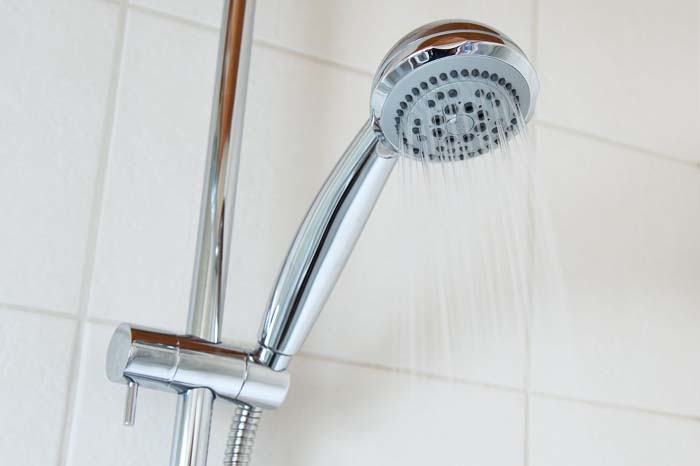
7 of the Best Types of Shower Filters TodayShower filter that’s best for chlorine and heavy metals

  • In-line Shower Filter

An activated carbon filter best serves your shower head. You won’t even need a separate showerhead with this in-line model. You can safely shower after using granular activated carbon to eliminate rust, chloramines, bacteria, heavy metals, chlorine, and other contaminants. Also, it can make the filtered shower water softer. This will leave your hair feeling silkier than before.

Shower filter remove calcium and magnesium?

  • Water Softeners

If your water supply is too hard due to too many minerals, like magnesium and calcium, consider installing a water softener. Before a water softener can do its job, you must remove any debris from the water. After that, sodium-ion-charged resin particles filter the water. Beads with a negative charge like these draw in minerals with a positive charge. Minerals cling to the beads, allowing the water softener to release its softer water into your house.

Do vitamin C shower filters really work?

There may be some advantages to using a vitamin C shower filter.

  • People whose water supplies include incredibly high chlorine concentrations may also benefit from vitamin C shower filters. Filters are helpful in these situations because they lessen contact with the chemical.
  • One benefit is that they can soften the water in the shower, which is great for hair and sensitive skin. Lessening the amount of chlorine and other dangerous compounds that build up on your hair and skin can help alleviate irritation, especially if you have dry or sensitive skin.
  • Lastly, including a skin-nourishing vitamin in one’s shower routine appeals to some. Incorporating aromatherapy fragrances released by essential oils into the filter creates a spa-like experience in your home.

What to look for when buying a filtered shower head?

Cost

Remember that even though the cost of your water filter may not be exorbitant at first, you may have to change it or its interior cartridge every 6 months. When determining how much money you can spend on shower filters, including the cost of replacing cartridges and filters.

Installation

Putting in a high-quality shower filter is usually a breeze. Some may require more effort than others. Before you buy, make sure you understand the installation process. 

Style

A wide variety of high-quality shower filters are available. Some are available in a handheld style, some are integrated into fixed showerheads, and others resemble tanks you can attach to your showerhead. The effectiveness of each style is comparable. It all depends on the style of your shower, though. 

Features

Take a look at the features when you’re choosing a filtered showerhead. Pulsating, power massage, and rainfall are just a few features available on shower filters. Adding this to your shower might make it more relaxing and opulent.

Filtering capabilities

Find out what’s in your water and prioritize features like gallons of use, water pressure, water softener, shower filtration, or flow rate when shopping for the best shower filters. Different filters are better at removing different sediments and pollutants.

Lifespan

Filters have a finite lifespan. A certain amount of time passes before it is necessary to replace even the best shower filters. It is best to change most choices every 6 months. Because shower filters lose some effectiveness with time, it’s crucial to change them out as soon as possible. 

What does the Jolie shower filter remove?

If you have rashes, changes in hair color, or even dry hair from chemicals in your shower water, the Jolie shower filter can help. It removes heavy metals, chlorine, and other pollutants.

Conclusion

The type of installation and the area where you’ll install the shower filter are other important considerations when purchasing. Although most shower filters work best when installed above the showerheads, you can also install them in the water supply tank. While this is going on, installers have the option of using either electronic or magnetic shower filters.
7 of The Best Materials to Filter Water

7 of The Best Materials to Filter Water

By | Water Filtration | No Comments

We take our water for granted, not realizing it could include harmful chemicals, heavy metals, bacteria, and more, just because we turn on the faucet to drink. Water filters are the obvious answer, so there’s no need to worry. In this article, we will look at the best materials to filter water for your house to help remove contaminants from the water.

Here are some of the best materials to filter water

Catalytic Carbon

You should consider catalytic carbon for water filter systems. This is because it is more successful than ordinary activated carbon at eliminating chloramine. An upgraded form of activated carbon, catalytic carbon zeroes down on chloramine—a ubiquitous disinfectant in water treatment plants—and eliminates it.

Catalytic carbon is a better media choice for water filters than regular activated carbon. This is because it can remove a higher percentage of chloramine. A catalytic carbon filter is an improvement over an activated carbon filter when it comes to removing chloramines.

Activated Carbon

A lot of people use activated carbon to filter water. Through a process called adsorption, it efficiently eliminates contaminants by sticking them to its surface.

Many different water filter systems rely on this material, including whole-house systems, reverse osmosis, and pitchers. It can remove chlorination byproducts, organic contaminants, pesticides, lead, and chlorine. Furthermore, lowering chlorine levels enhances the odor and taste of water. Coconut shells are an eco-friendly material, which determines the quality of activated carbon.

Activated Aluminum

Investigate the advantages of activated aluminum if you are considering a water treatment system.

When you use it as a water filter, activated aluminum efficiently eliminates contaminants such as fluoride, arsenic, magnesium, and calcium. Depending on the kind, it can also remove radium and barium. Resin, another name for activated aluminum, is excellent at softening water and removing limescale.

Activated aluminum is an excellent material to consider when picking a water filter. This is because of how well it removes impurities. It is safe to assume that these materials will have a long and storied history in the field of water filtration.

Reverse Osmosis Membranes

Water filter systems use reverse osmosis membranes to eliminate nearly all contaminants, including heavy metals, chlorine, TDS, and others. Pore sizes in this ultra-efficient membrane range from 0.001 to 0.0001. This allows only water particles to flow through while blocking the germs.

It is also effective at filtering out salt and metallic ions. As a result, the filtration process removes all impurities. An important function of the RO membrane is the removal of different contaminants from water. Modern water filter technologies are currently dominating the market.

Ultraviolet light

You should consider including ultraviolet light in your water filter system. It’s great for eliminating germs, viruses, and other microbes. Containing ultraviolet radiation in a UV chamber destroys microorganisms by damaging their DNA. This eliminates the threat that germs like E. coli and Giardia pose.

Kinetic Degradation Fluxion (KDF)

Filtration media, known as KDF, uses particles of zinc and copper to remove contaminants from water. When you use it in water, it effectively lowers levels of chlorine, iron, and heavy metals. Kinetic degradation fluxion is often used in water filter systems to improve water quality.

It extends the life of carbon filters when used in conjunction with them. What makes kinetic degradation fluxion unique is its ability to control both scale and algae, bacteria, and scale in water. It is a reliable and flexible filtering choice. This is because it works effectively even when temperatures are high.

7 of The Best Materials to Filter WaterManganese Greensand

It is important to rinse and backwash the media of the manganese greensand filter on a regular basis. This will help to keep it working correctly and eliminate hydrogen sulfide, manganese, and iron from the water.

To remove these impurities from water, manufacturers developed manganese greensand as a filter material. Manganese dioxide’s oxidation properties help trap and remove the particles. This guarantees that the water is clean and safe to drink. You should perform routine maintenance for the manganese greensand filter to work at its best.

What water filter media material is best?

Since they compact into layers that allow water to pass through, gravel and sand are effective filters. Very small gaps exist between neighboring sand particles when they are in close proximity to one another. Some dirt particles become stuck in the water as they slowly pass through these microscopic holes.

Water filter material that removes the most contaminants

  • Reverse Osmosis (RO) Filters

When it comes to protecting water from harmful substances, reverse osmosis filters are the rock. Based on the principle of selective permeability, this state-of-the-art filtering method selectively allows water molecules to pass through a semi-permeable membrane while retaining contaminants. Its effectiveness in removing various pollutants is praiseworthy.

Reduce the potential health risks associated with heavy metal ingestion by having RO-filtered water removed from your system. This includes cadmium, mercury, and lead. A safer and purer drinking experience is certain. This is because mineral content and pathogens such as viruses and bacteria are eliminated. The use of RO can eliminate contaminants, including pesticides and heavy metals, by a factor of up to 99%.

How to Select Right Water Filter?

Choosing the best water filter is a crucial undertaking. Make better decisions with the help of this practical guide:

  • Taking into account budget and lifestyle 

Think about your budget and way of life as crucial considerations. Performance anticipations, maintenance demands, and assessing filter prices. Consider your everyday needs and budget while deciding on a filtering system.

  • Match filters to pollutants

To make your filtering strategy unique, carefully choose filters compatible with the pollutants you’ve already found. Use everything you’ve learned about water filters to your advantage. Customizing your selection to address the particular contaminants in your water source guarantees the most effective removal. This provides all-encompassing protection for your health.

  • Priority pollutant identification

Find out which pollutants are most common in your area’s water supply by reading water quality reports and using other resources. These contaminants lay the groundwork for individualized water filter solutions. They also present urgent health concerns, so eliminating them should be a top priority.

  • Evaluating the water quality 

Try some easy at-home tests to see how things like odor, taste, and clarity stack up. Expert water testing services can detect toxins and their concentrations in your water supply more precisely. This allows for a more thorough investigation.

Popular pollutants in tap water

Some of the most common pollutants found in our drinking water supply are:

  • Volatile Organic Compounds (VOCs):

Some industrial processes release chemicals that might irritate the respiratory system and cause other health issues.

  • Heavy Metals:

Pollution from heavy metals, which include lead, cadmium, arsenic, and mercury, can cause long-term harm to human health. This includes problems with damage to organs in adults and development in kids.

  • Pesticides and herbicides

Herbicides and pesticides introduced by agricultural runoff can cause neurological issues and even disrupt hormone balance.

  • Disinfectant and chlorine byproducts

Disinfection byproducts (DBPs) such as trihalomethanes can be formed when chlorine reacts with organic substances. These compounds can cause reproductive problems and cancer.

  • Microplastics

There may be consequences for aquatic ecosystems and human health as a result of tiny plastic particles that find their way into water supplies.

  • Viruses and bacteria

Diarrhea, vomiting, and nausea can be due to gastrointestinal disorders caused by microbes like Cryptosporidium, Giardia, and E. coli.

Conclusion

To maintain clean and safe drinking water in your house, it is crucial to select the appropriate material to help filter water. Reverse osmosis membranes and activated carbon are just two examples of the many filter materials on the market. Each has its own set of benefits when it comes to removing certain pollutants and enhancing water quality generally. By learning about the many filtration media alternatives, you and your family can benefit from clean, refreshing, and deliciously tasting water.

How to Install a Borehole

How to Install a Borehole

By | Water Quality | No Comments

Instead of depending on water supply from a utility company, boreholes provide an alternate way to supply water to your property. You can get to the groundwater and pump it into your house by drilling a hole in the earth. The following is the procedure to follow in order to install a borehole on your property. However, there are many things to think about and plans that you must make beforehand:

Steps about how to install a borehole

Site survey

A vital part of borehole installation is site selection. This entails finding the best spot on your property to drill. Topography conditions, distance to the location of water use, and water availability are some aspects that need careful consideration.

Professionals carry out a complete geophysical survey to find out how deep the water source is and how much it could provide. Additionally, follow all local rules and regulations, including those pertaining to permits. Additionally, stay away from any sites that could be a source of contamination. The success of your borehole project on your farm hinges on the site you choose. This is because it increases the likelihood of getting a sustainable and pure water source.

Acquire the necessary licenses

Before you install a borehole on your farm, be sure you have all the required licenses. Compliance with applicable rules and regulations governing groundwater extraction and environmental protection necessitates the issuance of these licenses by local or regional authorities. While the exact licenses needed could differ from one place and set of regulations to another, it’s common to need to secure authorization for things like land use permits, water rights, drilling operations, and environmental impact evaluations.

Not only is it the law, but getting these permissions in advance of drilling might save you money and keep the project from getting halted. Responsible and sustainable borehole drilling that doesn’t harm the environment or nearby communities is possible when you work with the proper regulatory agencies and follow their rules.

Pumping and drilling

You can arrange for a specialized drilling company to drill the borehole once you get the necessary permits. In addition to lining the borehole, the workers will drill to the depth specified in your site visit. A pump to get water from the borehole and pipes to carry it to your house are also required, in addition to drilling to the required depth. A professional can recommend the best borehole pump for your specific needs.

Water quality 

An essential step in ensuring safe drinking water is assessing borehole water’s biological, chemical, and physical properties. This testing ensures the water is safe to use for purposes including livestock watering, irrigation, and human consumption. Nutritional content, heavy metals, turbidity, pH, dissolved oxygen, and microbiological pollutants are among the many tested parameters.

The purpose of water quality testing is to determine whether or not the water is fit for human consumption and other uses. This is done by analyzing these aspects and finding contaminants or health hazards. To ensure a consistent supply of safe water for your farm and its inhabitants, it is crucial to test the water quality on a regular basis. This will allow you to track any changes over time and address any problems as soon as they emerge.

How to Install a BoreholeMaintenance

Maintenance is essential to keep the borehole and supporting infrastructure sustainable and operational over the long term. In order to find and fix any problems quickly, regular maintenance includes inspecting and servicing the pipes, pumps, and other components at regular intervals. As part of this process, you should inspect the pump and its electrical connections for damage or leaks and general wear and tear.

To keep the borehole and its surroundings free of debris and contaminants, it is necessary to clean them regularly. Additionally, you should check the water’s quality at regular intervals to ensure it’s still safe to use. You can ensure your farm has a steady water supply by keeping up with routine maintenance. This will help you catch problems early on, which means fewer expensive breaks and a longer life for the borehole system.

Can a borehole be drilled anywhere?

You can dig or drill a borehole anywhere. However, it must be beyond a certain distance from existing contaminants and water points to guarantee they are hygienic. It has to be set up upstream of any potential contaminants. It should not be near areas that use fertilizers or pesticides, and it shouldn’t be in a floodplain either. 

  • Your borehole should ideally be near a power supply if you intend to use an electric pump. Another option is to install a power point and run electrical cords to the pump.
  • To keep your water pressure high, position your borehole far from other holes in the ground.
  • To avoid pollution from septic tanks or runoff, the earth must slope away and downward from the borehole if the installation is on sloped ground.
  • Water tables are higher at some locations than others. For optimal water pressure, it is best to locate your borehole close to one.

How deep should borehole be?

Numerous elements, including static water level, drilling costs, geological features, and others, determine the borehole depth. Hence, there is no universally applicable answer to this topic.

However, producing boreholes ought to be 100 meters deep, and the majority of domestic wells ought to be 60 meters deep.

How long does it take for borehole water to clear after drilling?

Depending on the quality of the water and the specific impurities present, borehole water can take longer than the normal two to three weeks for the water to be clean. Keep in mind that clearing the borehole water is not a one-and-done task. Ongoing water quality monitoring and regular maintenance of the water supply system and boreholes are necessary to guarantee that the water is safe to drink.

It may take several weeks to clear the water from a borehole, but there are four simple steps: testing, chlorination, flushing, and filtering. Be sure to add chlorine to the water, and select and maintain the filter according to the manufacturer’s instructions. After that, collect and submit the water sample for testing exactly as instructed. Keeping the water supply system and borehole well-maintained is essential for keeping the water safe to drink.

How much does it cost to drill a borehole?

There are numerous factors that can affect the cost of drilling a borehole. Among them are:

  • Borehole’s depth

Drilling a deeper borehole is more expensive since it takes more time and resources.

  • The site’s geology

The cost could change depending on the rock and soil types encountered while drilling. It takes more time and powerful tools to drill through hard rock formations.

  • Equipment and Installation 

The expense of installing a borehole pump and associated equipment can greatly affect the total cost.

  • Maintenance 

In order to keep the borehole running efficiently and avoid costly repairs in the future, regular maintenance is essential.

  • Testing the water

Before using the water for anything, it needs testing for pollutants to make sure it’s safe.

Can I drill my own borehole?

No, highly skilled workers are required to complete a borehole project successfully. You still run the danger of the borehole collapsing over time if you use do-it-yourself tools and don’t set the well screens correctly relative to the aquifer.

How much water can a borehole produce per day?

After the experts install a borehole on your property, you won’t have to pay a dime to use this water. Up to twenty thousand liters of domestic water can be retrieved daily from a residential borehole.

Developers and purchasers of newly constructed properties may find a private water supply more desirable than mains water supplies.

What can go wrong with a borehole?

  • Wear and corrosion

Corrosion and degradation of borehole components over time can lead to reduced efficiency and, eventually, system failures.

  • Inadequate water supply

Borehole owners often face the challenge of an inadequate water supply. There are a lot of potential causes for inadequate water levels, including geological formations, hydrological changes, and incorrect drilling techniques.

  • Low yield and decrease in water level

During intense pumping or droughts, boreholes may experience limited output or declining water levels.

  • Inefficiency or failure of the pump

When pumps in a borehole system fail or are inefficient, it can significantly affect the system’s functionality.

  • Clogging and scaling

The accumulation of biological development, sediment, or mineral deposits inside the borehole might lead to scaling and blockage. The flow and quality of the water might be affected by these issues.

  • Water pollution

A big concern with boreholes is the possibility of water pollution. Various contaminants can enter the well through poor design, commercial activities, or surface runoff, among other potential locations.

The lifespan of a borehole

Boreholes are assets that, with little upkeep in the first ten to fifteen years, can last for fifty to eighty years. But this can only come to fruition if you put your brain into it from the get-go and spend sensibly for the long haul.

The difference between drilling and boreholes?

There is a difference despite the frequent interchangeability of the words. The drilled hole is all that the term “borehole” refers to. Just for a sample, there are a lot of “borings” (geotechnical, stratigraphic, etc.).

Conclusion

If you’re looking for a long-term, dependable water supply for your household needs, livestock, and farm irrigation, borehole drilling could be the way to go. Adherence to the best procedures and meticulous preparation are important for a borehole drilling project’s success. You may build a beneficial water resource that will sustain your farm’s growth and productivity for years to come if you follow the above instructions and get professional help when you want to install a borehole.

The Five Main Types of Boreholes

The Five Main Types of Boreholes

By | Water Quality, Water Treatment | No Comments

A sustainable natural water source, a borehole, is superior to municipal water in many ways. Although it’s fantastic that wastewater is being reused, the energy required to purify the water to a safe level is substantial. This is because it accounts for 60% of all mains water. There is no need to clean the water thoroughly or worry about contamination while using water from a borehole. This is because you get it directly from the earth.

Here are the five main types of boreholes.

Dug Wells

Excavating a well is one of the more traditional methods of installing boreholes. Workers must physically dig down to the water table to create a dug well. Dig wells are an economical and long-term solution for communities in regions with a high water table that need a reliable water supply.

Agricultural Boreholes

These can accommodate irrigation systems to ensure a steady water supply for farming. By boosting agricultural output, they help keep the region’s economy stable and food supplies plentiful. The proper management of agricultural boreholes is absolutely necessary. This will help to avoid the depletion of groundwater resources and to maintain ecological balance.

Artisanal Boreholes

For local water demands, artisanal boreholes are usually small-scale installations driven by the community. In order to find appropriate spots and guarantee sustainable water extraction, local authorities and community members frequently work together to dig these boreholes. In remote locations where centralized water infrastructure may not be available, an artisanal borehole is a vital lifeline for people.

Drilled Boreholes

Drilled boreholes are a more effective and popular solution to water scarcity, thanks to modern technology. Specialists use drilling equipment in these boreholes to access aquifers deep beneath the surface. Drilled boreholes are adaptable to different landscapes. They may customize them to fit different water table depths and geological conditions.

Industrial Boreholes

The water demand is much greater in industrial and urban areas. Supplying water for cooling systems, manufacturing operations, and other industrial uses, industrial boreholes are engineered to fulfill these high water demands. Sustainable water use is essential for these projects; thus, they need good planning and management.

Monitoring and maintenance

It is important to keep an eye on and repair any borehole installation. The effectiveness and lifespan of these installations depend on regular inspections, pump maintenance, and water quality testing. Together, these measures are essential for protecting the environment and the community’s well-being.

Three categories of boreholes

  • A Residual Borehole:

Finding a residual borehole is trickier. With samples indicating no indication of water, the operator can drill beyond or through one or more “dry” breaks until he reaches the allocated depth.

  • An Average Borehole:

Water emerges as the operator removes drilled rock or soil samples.

  • A Dynamic Borehole:

A pressurized water spray is released from the hole as the drill hits a break.

The water temperature from a borehole?

Most borehole water temperatures range from 1 to 25 degrees Celsius (35 to 77 Fahrenheit). A borehole’s temperature is mainly affected by the depth of the borehole and the general temperature of the area’s groundwater.

Importance of boreholes

Raise the market value of a property.

Amid a drought, a water borehole, mainly a residential water borehole, can boost property value and is thus an asset.

In the event of water scarcity, having access to your groundwater source makes it easier to maintain your home. This, in turn, raises its value.

For instance, your garden may quickly become parched and unsightly if you live in an area with limited municipal water due to a drought. This will have a detrimental impact on the curb appeal and potential sale price of your home.

In contrast, a water borehole is an attractive feature in and of itself. It also lets you keep your garden going despite tight water restrictions. This means your house will still look good and bring in more buyers.

They require minimal maintenance.

Borehole maintenance would be a snap if your water borehole were built correctly.

Instead of relying on the municipal supply, which can lead to problems, choose a reputable, experienced borehole drilling and servicing business. They will help keep your borehole in good working order by doing regular inspections and any required service work.

If you depend exclusively on municipal water, you could be severely cut off in the event of a drought or a burst main. This will leave you vulnerable to the supply and potentially lead to a disastrous water shortage.

Lasting investment.

You should invest in a water borehole with a long-term view.

A well-built water borehole may require a high initial investment. But with regular maintenance and few operating expenses, it should endure for at least 10 to 15 years.

The old saying goes, “If you want something bad done, do it right.” In the case of water boreholes, this is especially true. This is because cheap ones cost more in repairs and upkeep than high-quality ones would initially.

Health advantages

There are a lot of minerals in borehole water because it has yet to be altered or treated with any chemicals.

In order to make the water “safe for human consumption,” chlorination and other treatment processes are an inevitable part of using water from the municipal supply.

Natural groundwater sources lose all of their nutrients and minerals during this process. This also eliminates dangerous germs that thrive in dams and other huge, stagnant bodies of water.

Mother Earth has filtered and purified the water for you, leaving behind all the beneficial minerals when you drink it directly from your personal groundwater source!

Borehole water is preferable for several reasons, including the fact that it is more efficient with water use. It is also usually easier on the skin when you use it for bathing.

People who already suffer from allergies or have susceptible skin, eyes, or hair may find that the chemically treated water from the city mains causes even more problems.

Conclusion

In the fight against water scarcity, the many kinds of boreholes and their installations are important. Every type of water supply, from old-fashioned dug wells to cutting-edge drilled boreholes, is essential for meeting the varied demands of agriculture, industries, and urban communities.

You can’t overstate the significance of well-managed, monitored, and maintained borehole installations to ensure water security in a given area.

The Difference between a Well and a Water Borehole

The Difference between a Well and a Water Borehole

By | Water Quality | No Comments

Those who get water from underground sources often confuse the words well and water borehole. Wells and boreholes provide access to underground water, but they’re different.

Here’s the difference between a well and a water borehole:

Wells

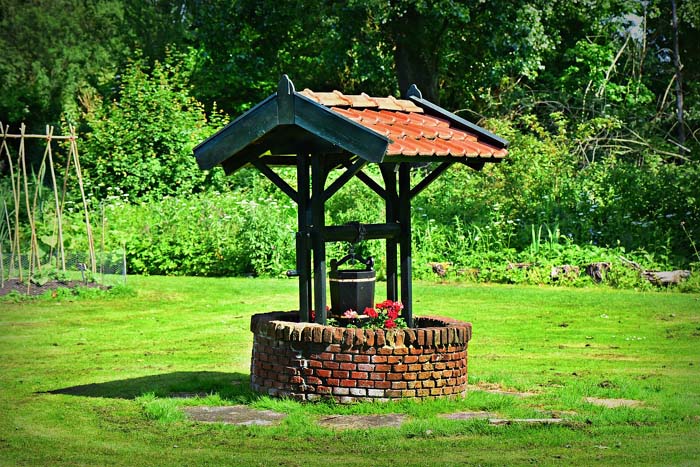
Digging a hole until it reached water was the traditional way of getting water underground. Additionally, most people still use this approach today. Placing rocks or bricks within the well’s opening would keep it from caving in. Instead of using rocks or bricks, modern well construction uses concrete rings.

In a traditional well, people lowered a bucket using a pulley rope to collect water. Some wells were too shallow to prevent water from running out if consumption outpaced replenishment. There was also a greater chance of pollution from bacteria and other contaminants.

Water borehole

Drilling rigs, whether percussion or rotary, help to construct water boreholes. These rigs may reach the water table considerably further than human excavators.

Boreholes dug using current methods are deeper and narrower than the average traditional well. Because of its greater depth, a water borehole can supply water reliably and consistently.

Drilling involves using plastic or steel casing to stop impurities and keep the borehole walls from collapsing. A liner may only sometimes be necessary if the earth can support itself.

As a result of advancements in drilling technology, water boreholes are now more dependable than traditional water wells. The water has numerous potential uses, so even though the initial investment may appear steep, it saves money. If built correctly, a borehole can provide access to clean water, and with the right treatments, the purification method can turn it into a drinking standard.

Why choose a water borehole?

  • Unnoticeable

Following its installation, a water borehole is normally covered with a flat manhole cover that can be traversed by foot or vehicle. This ensures the borehole won’t interfere with your daily life or property. 

A traditional well, being more of an open construction, would ideally be easily accessible. An above-ground pipe structure is still a common feature of other contemporary well designs. 

Boreholes have gradually replaced traditional wells as the preferred method of accessing potable water. This is due to their reliability and ease of use. Although the installation expenses may appear costly at first, high-water users usually experience a return on investment within 2 to 3 years.

  • Improved filtering 

Toxins from fertilizers and pesticides are finding their way into underground water supplies, and natural aquifers need help filtering water entirely. A reliable system of sterilization and filtration must be put in place. This ensures that this water is free from contaminants that could cause harm when consumed. 

Continuous supply

A water borehole can continue to supply water reliably and consistently, even during droughts. This is because it is dug deeper into the earth. Aquifers can frequently run empty when used at a rate greater than replenishment, even if wells similarly recover water, although at a shallower depth. 

Water is able to pass through a perforated casing that encircles the borehole. The casing requirement and the water flow rate are directly proportional to the borehole’s depth. The amount of water you anticipate using and the size of your land will decide the depth of your borehole. There’s no need for permits to pump up to 20,000 liters of water per day from a water borehole. Hydrogeological investigations can help confirm a borehole’s feasibility according to your specific needs if you use a lot of water.

Conclusion

Wells and boreholes retrieve water from underground. But these two methods couldn’t be more different in terms of pace of production, depth, construction, and yield. Boreholes are excavated utilizing state-of-the-art techniques and equipment in order to investigate the water. In contrast, wells often draw water from the groundwater table in the area; you can also construct them from natural or artificial sources.

If you want to take advantage of Express Drainage Solutions‘ vast borehole drilling and well development knowledge, don’t delay contacting them.

How Do You Test Bore Water for Drinking?

How Do You Test Bore Water for Drinking?

By | Water Quality | No Comments

Groundwater that comes from aquifers, which are deep underground, is what we call bore water. The formation of an aquifer occurs when precipitation from rainwater and rivers penetrates rock and soil strata. This eventually fills any gaps or cracks that may exist.

Bore water has a variety of potential applications, such as watering livestock, washing vehicles, irrigation, and flushing toilets. It might even work for drinking, cooking, and washing up. Human activities and natural processes both pose threats to bore water quality. The water’s quality, which might necessitate treatment. Depending on its intended use, you can only confirm if it’s safe to drink through testing at an accredited laboratory.

It is best to test bore water for microbiological pollution and chemical content. You can do this at least once a year if you use it for drinking.

Signs of contamination in bore water

Observation of any of these signs may indicate the presence of contaminated bore water.

  • Water with an unusual color
  • There is evidence of sudsy water near the sprinklers
  • A low pH value indicates acidic water
  • Greenery that is wilting or dying
  • It smells like rotten eggs, chemicals, or sewage
  • Animals uninterested in drinking
  •  Strange taste in drinking water.

Keep an eye on your water quality and get in touch with the city council or water company if you see any of these issues.

In order to ensure that bore water is safe to drink, ensure that you test it for chemical and microbiological contamination before use and annually thereafter. Also, it needs to come from a reputable lab so it can get the care it needs. Another way to inspect if drinking is safe is using a water test kit. Do not put this water in your pool or spa. Doing so will increase the chemicals needed to keep the water safe and, in turn, the maintenance costs.

Here’s how to test bore water for drinking

Step one

Do a water test

Determining how many pollutants and impurities are in the borehole water is the first stage in purifying it for human use. A water sample sent to a lab for testing can accomplish this. Bore water often contains heavy metals, parasites, viruses, and germs.

Discover whether your bore water is polluted with the use of a bore water test kit. You may find several elements, including copper, lead, hardness, nitrite, pH, iron, bromine, nitrate, alkalinity, and more.

Step two

Pick the appropriate course of treatment

After you locate the water contaminants, the next step is to select an appropriate treatment procedure. Bore water is typically treated using reverse osmosis, UV disinfection, and chlorination.

  • Reverse osmosis:

This technique removes contaminants from water by means of a membrane filter. Water passes across a membrane to filter out contaminants like viruses, bacteria, and heavy metals.

  • Ultraviolet disinfection:

This technique eliminates viruses and bacteria by means of ultraviolet light. The water is subjected to ultraviolet light in a UV chamber to remove contaminants.

  • Chlorination:

Professionals will add chlorine to the water supply to eradicate potential viruses or germs. The next step is to let the water sit for a while so the contaminants can evaporate.

Step three:

Install the treatment system

The installation of the treatment system follows the selection of the appropriate treatment approach. A competent water treatment business can handle this. Your home’s and building’s water main and borehole must be linked to the treatment system.

Step four:

Regular maintenance

Ensuring you service the treatment system regularly is the last stage. This involves doing routine inspections to verify the system’s integrity and the water’s portability. Altering the system’s filters on a regular basis keeps them in top shape and guarantees optimal performance.

Conclusion

The procedures for determining your bore water quality can differ based on its intended purpose. If the water is for human consumption, do a standard water test according to the instructions provided by an accredited laboratory. For non-drinking uses of bore water, various regulatory bodies will provide recommendations. Bore water testing kits are a great first line of defense, so be sure to check your bore water before using them.

How to Best Maintain Boreholes

How to Best Maintain Boreholes

By | Water Quality | No Comments

You should take great care to maintain boreholes if you use them to supply water for your home. Your home will have access to potable water for various uses. This includes cleaning, cooking, and farming, as long as you maintain the borehole properly. In addition to ensuring a steady groundwater yield, the maintenance work will make the borehole more efficient. Carefully maintaining the feature will also increase the life of the pumping parts. In order to keep your home borehole in good working order,

Here’s how to maintain boreholes

  • Safeguard the area of the borehole.

Keep any outside pollutants out of your boreholes. Underground pollutants in the bore water are a real possibility. Nevertheless, surface pollution is the most common cause of water contamination. This is why keeping the bore free of any outside influences is crucial. Don’t expose the area around the borehole to chemicals that could be harmful. If there is an agricultural operation nearby, you should be extra careful.

Preventing mechanical damage to the pumping components is also important. Your water supply is at risk if the borehole pump fails. To keep the pump in pristine condition and prevent any harm, it is best that you construct a dedicated housing for it. But you have to make sure that you can still reach the unit in order to fix it or maintain it.

  • Carry out analyses on water quality.

It is best that you regularly test the water from your borehole. In most cases, your family could be at risk of unidentified hazards if the subsurface water quality drops. But if you catch the deterioration in its early stages, you may get a specialist to pinpoint the cause of the change and fix the problem in no time.

Your chosen lab should examine your borehole for a variety of problems. Pollutants, water hardness, bacteria, and mineral content are all examples of such characteristics. At least once a year, you can run the tests. An analysis may be worth considering if you notice a change in the water’s odor, taste, or color.

  • Remove any trees or roots that could obstruct the pump.

Roots and plants are a major cause of damaged pipes and broken pumps. You don’t have to leave the area totally devoid of vegetation. But remember that roots are masters at finding water and can cause problems by clogging pipes or getting into the water supply.

  • Repairing and maintaining the pump

Lastly, ensure to take care of your borehole pump per the manufacturer’s instructions. If you want your water supply network to run smoothly, you need this part. Hence, preservation is essential to avoid the hassle and expense of repair. Pump inspections should also be part of your regular maintenance.

Look for unusual motor behavior, loose parts, and rust. You must promptly restore the impacted elements as soon as you become aware of a problem. Keep in mind that borehole repair and maintenance work can be intricate and risky. As a result, you must always work with licensed technicians.

  • Engage a professional to clean the borehole.

The removal and cleaning of the pump and the draining and disinfection of the well are two tasks that are best left to the experts. This step won’t be needed often if you follow the other stages on this list. Nonetheless, that is no excuse to disregard it. No matter how minor the issue, such as cleaning out an old pump, it is wise to have a professional look at it.

How to Best Maintain BoreholesHow to rehabilitate a borehole

Methods Used for Borehole Rehabilitation

Although the specific measures required to rehabilitate a borehole will differ based on the reason for the obstruction or decreased flow, here is a rundown of the conventional procedures that you may require:

  1. The surveyor will do a borehole survey and may ask you questions like:
  • What’s the borehole’s diameter?
  • How does the current lower yield compare to the previous one?
  •  When the borehole was first started, how deep was it?

In addition to conducting other assessments as needed, the surveyor may check the water’s pH level. This is to determine the source of the decreased flow.

  1. A chlorine solution will help to clean the pumping mechanism and any other removable parts.
  2. After draining the water, the borehole will be carefully cleaned to remove debris or sediment.
  3. The interior of the borehole needs restoration in the event of any damage. The borehole may need to be re-lined instead of only patched or repaired if the damage is too serious.
  4. Use chlorinated water to clean the borehole.
  5. If the borehole has to be chemically cleaned, it will be done now. Dewatering the borehole is necessary to eliminate the chemicals and chemical residue following a chemical cleaning, which can take anywhere from one to three days.
  6. Disinfect the borehole. The majority of disinfection procedures involve chlorination.
  7. It is necessary to dewater the borehole after chlorination. Chlorine levels in the water supply will be monitored until they drop below 0.5 mg/L.
  8. Reseal the borehole.

A lot of boreholes show indications of getting older, like:

  • contamination
  • partial clogging
  • Growth of bacteria
  • Casing has damages
  • Manganese, iron, and carbonate oxide deposits, among others
  • sand invasion

When these things happen, the water quality usually drops, and the yield drops as well.

To avoid having to drill new boreholes or repair old ones, it is often necessary to perform rehabilitation or preventative maintenance on malfunctioning boreholes.

How long will a borehole pump last?

You should expect an 8- to 10-year lifespan from a properly sized borehole pump. In the event that your water pump is acting up, it may be time to get a new one. Other issues with your water system or an undersized pump could be the cause.

Do boreholes ever run dry?

In most cases, the water level in your bore will fall gradually over time rather than going dry all at once. But because water level monitoring isn’t as precise, turning off the pump makes any drop look big. It would help if you kept in mind that you still have water available, even though this may appear concerning.

A bore could suddenly stop working for a number of different reasons. Some bores may run dry during dry weather, particularly in the summer. This is due to increased cumulative drawdown in aquifers and less rainfall.

It is more probable that shallow, unconfined boreholes will run dry than deeper boreholes. A lower pump will be necessary to reach the water supply, but you will still have access to water.

Access to water can also fail due to a bore or pump that is not adequately maintained.

How often should a borehole need servicing?

The treatment and pumping systems essential to a borehole water supply need inspection and servicing at least once a year. Professionals can do these tasks at your convenience and on a prearranged maintenance schedule. This will cause little to no interruption to your water delivery.

Chemicals used to purify borehole water

Although boreholes provide an independent supply of water for industrial uses, they are susceptible to contamination by a wide range of contaminants, including bacteria and harmful chemicals. Common issues like pollution and scale formation necessitate the use of specialized chemicals in borehole water treatment. In order to eliminate some impurities, such as manganese or iron, from borehole water, it may be necessary to change the pH by oxidizing or neutralizing it.

Here are a few examples of chemical oxidants commonly employed in this process:

  • Ferric chloride
  • Sodium hypochlorite
  •  Hydrogen peroxide

Is it necessary to flush a borehole?

In order to increase the water output, flushing is necessary when the aquifer pores within the borehole get filled with mineral deposits or sand-sized particles. These can reduce the permeability of the aquifer and make pumping water more difficult. Do not bother trying to fix the underground filter if, after two flushes, the bore is still generating silty water; it is likely broken.

Can a borehole freeze?

The water in your borehole is safe from freezing temperatures since it is much lower than this, maybe more than 100 feet. But there might be above-ground pumps and pipes or other components deep underground that could freeze.

Conclusion

The performance, dependability, and overall lifespan of your borehole water supply system, as well as its critical components, will be enhanced with regular servicing and maintenance. Please contact us at your earliest convenience if you have any questions regarding the best way to maintain boreholes.

How to Fix Well Water That Smells Bad

How to Fix Well Water That Smells Bad

By | Water Treatment | No Comments

The smell of well water is unpleasant. Any time you pass by the garbage disposal, toilet, sink, or shower, you’ll want to put a tissue over your nose. Some frequent well water scents are due to the water source. They also require professional treatment, while others are easily fixable. If your well water has an unpleasant odor, read our how-to guide for the best ways to fix it before calling a professional.

Here are steps to fix well water that smells bad

Apply a chlorine bleach shock to your well. For a short-term fix, you can neutralize sulfur smells with hydrogen peroxide or chlorine bleach. For about a month or two, it will keep odors at bay.

  • Ozone Gas:

Pricey, yet with the potential for great impact. Eradicate sulfur odors rapidly by injecting pressurized ozone gas.

  • Air Charger Carbon Filter:

Put in a catalytic carbon filter for the air charger. While chemicals aren’t strictly necessary, the system can inject peroxide to extend the life of the catalytic carbon. There’s no need to change the filter cartridges. Carbon is simple to replace and has a long lifespan.

  • Peroxide:

Replace the chlorine bleach with hydrogen peroxide in the same system as a chlorinator, then backwash the catalytic carbon filter. The carbon method is superior to chlorine in removing all traces of salt and other contaminants from the water.

  • Air Compressor Tank Aeration System:

Under specific circumstances, this can remove odors by injecting a large volume of pressurized air.

  • Chlorinator: 

To ensure a steady supply of chlorine whenever the water is flowing, attach a chlorinator, or chlorine injector device, to your wellhead. You may eradicate odors continually and remove chlorine residue before entering your home. This is done by combining chlorination with an Air Charger self-cleaning backwash carbon filter. This will kill the sulfur bacteria that generate the stink.

Why does borehole water smell?

Even though iron and sulfur bacteria, among others, pose no health risks, they produce quite a stink. Warm water or water that has been sitting in pipes for a long time might make odors worse.

Sometimes, a one-time shock chlorination treatment can repair foul-smelling well water and keep it odor-free for weeks or months.

Simple steps to take to stop bore water from smelling

Inspect the odors of hot and cold water.

Finding out if the stench is coming from boiling water or both the hot and cold well water is the first step in figuring out what to do when the water smells like spoiled eggs. Fill a 5-gallon bucket or other container near the well with water using a tap or hose bib, and then observe for any smells.

Any gas with an odor similar to a “rotten egg” is hydrogen sulfide. The presence of manganese in water can cause an asphalt or oily odor. Sewage- or cucumber-like odors in water are typically caused by sulfur or iron bacteria. Turn on the hot water faucets one by one and see if you can detect any smell that isn’t there when the water is cold. The water heater is probably broken if the only thing you notice when you turn on the water is a smell.

The anode rod in a water heater can come into contact with sulfates in the water, sulfur, and iron bacteria. The result is hydrogen sulfide gas, which gives water its sour odor, like rotten eggs. When well water has a sulfuric odor, switching to an aluminum rod from an anode rod is a common solution.

A “water heater odor killer” filter screen is another option if this is inconvenient. Additionally, the sulfur odor in the water will be eliminated. The stink is immediately and safely eliminated by adding a little store-bought hydrogen peroxide to the water heater on a regular basis, and this device makes it easy to do just that.

Do a water test

Locating the smell’s source is the initial step in dealing with a water supply problem. Get in touch with your water utility if you’re using a public water system and are experiencing issues with odors in the cold water.

How to Fix Well Water That Smells BadIn order to choose the best approach to treating the problem, it is crucial to do a general mineral water analysis if the source is from the well. A minimum of the following should be included in the test: pH, total dissolved solids, hardness, manganese, and iron. Tannin, hydrogen sulfide, and sulfate testing are also suggested.
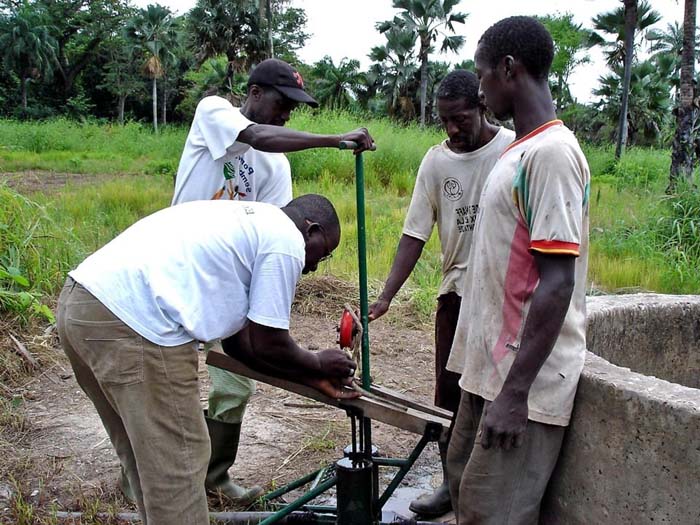
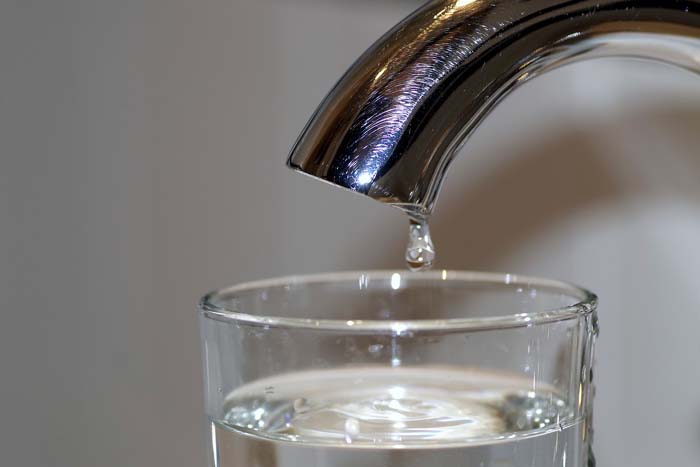
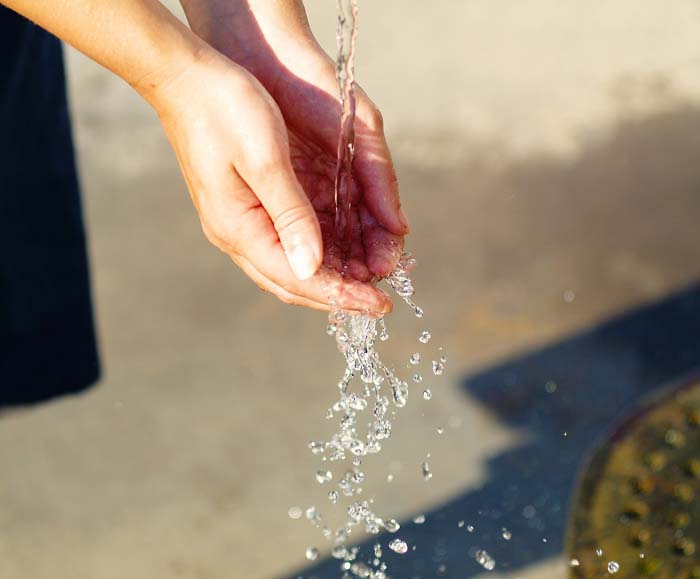
Get the sample as close to the well as you can. These findings will help you choose the optimum water treatment method and system based on your water’s chemistry.

E-coli and total coliform tests should be conducted on your well water to identify potential health problems. A bacteriological, metal, and general mineral test should be performed on the water you intend to use for consumption by infants and kids.

Conclusion

Express Drainage Solutions provides various well systems that you can use to treat water. Our well water filters are the most effective, simple, and long-lasting. Our water treatment systems are customized to eliminate contaminants like nitrates, sediment, corrosion, bad taste, and odor in your drinking water. After reading this information on the best ways to fix odorous well water, we hope you will be more motivated to take action.

How to Ensure Your Borehole Water Tastes Better

How to Ensure Your Borehole Water Tastes Better

By | Water Quality | No Comments

Your borehole water may have higher calcium, magnesium, iron, or other minerals and microorganisms concentrations. This is because it originates directly from the ground. Although most of these aren’t harmful, they can alter the smell and taste of water and worsen health problems in susceptible populations, such as infants and the elderly. Borehole water is generally safe to drink; however, if you want a much better water source, it’s essential to install borehole water filters because they:

  • The water’s flavor, clarity, and absence of unpleasant smells are all enhanced by this.
  • Keeps plumbing, fixtures, and appliances from becoming stained or corroded.
  • Ensures that the water supply is devoid of harmful germs.

Does borehole water taste different?

Higher concentrations of determinants, like hydrogen sulfide, are the primary source of taste and odor-bearing chemicals in borehole water.

The best action for treating taste and smell issues is to remove the offending component.

Why does borehole water taste salty?

While there are a lot of potential causes, one of the most prevalent is an excess of chloride ions in the water supply, which can lead to this unpleasant taste.

Not only is salty-tasting water bad for your health, but it can also corrode your plumbing and cause boiler problems.

If you notice that your water tastes salty, it’s advisable to get your borehole water analyzed to identify the cause.

My water tastes like metal

  • Water flows through old pipes

Metals can seep into water supplies from treatment plants and into older cities’ systems. On top of that, as water flows to your faucets, metal from old copper pipes can seep into your water supply.

  • Other metals may also be present

The taste of metallic minerals in water can be due to a variety of metals, not just iron. Copper, lead, manganese, and zinc are among the most prevalent pollutants in tap water that can cause a metallic taste.

  • Low pH levels

Low pH levels in household water supplies can cause an off-putting metallic taste to emanate.

  • Significant amounts of iron

If your water tastes metallic, the most likely reason is that it contains an excessive amount of iron. This is especially problematic for houses that use borehole water, but it can also happen with city water.

A whole-house filtration system is the most effective method for removing the metallic taste from municipally supplied water. By installing this system at the water main entry point, you can improve water taste at every tap in your home. This will help shield your family from potential health risks. Specialists can help you discover the right system for your home by testing your water to determine the exact source of the problem.

The importance of testing your borehole

There may be hazardous bacteria in the borehole water that needs filtering out, even though it seems clean and there is no pollution. For instance, your family’s health could be jeopardized and perhaps rendered permanently ill if specific kinds of microorganisms are present in the water you consume. You should consider getting a water quality test to see if your water is polluted. If it is, you should get the best filters for your private water supply to fix the problem.

It is best to test the water supply, whether it is for irrigation, drinking, or any industrial operation. Nevertheless, testing is only necessary if the water is for human consumption. The most important reason is that minerals like magnesium and iron can block pipes. This, in turn, can stunt the growth of plants, vegetation, and crops, leading to equipment failure and collateral damage.

Environmental conditions can also change over time, so that’s something else to think about. Therefore, you should regularly check the water quality and conduct tests to ensure the water treatment works.

Conclusion

If a business with the right knowledge and skill installs water boreholes properly, it can be a great long-term investment. This is why knowing the ins and outs of drilling and maintaining borehole water is crucial.

Armed with this information, you can rest assured that your borehole contractor is not only employing high-quality tools, materials, and equipment during the drilling and construction of your borehole, but they are also well-prepared to ensure the durability of your investment. Feel free to contact us anytime for free and no-obligation advice regarding the quality of your private water supply or any questions about the water treatment options available.

How to Make Borehole Water Safe to Drink

How to Make Borehole Water Safe to Drink

By | Water Quality | No Comments

Water from boreholes and other precious resources makes it possible to get sustainable, clean water that won’t run out. In order to ensure that borehole water is safe, it is essential to follow all necessary safety measures.

Here are some ways to make borehole water safe to drink

Make sure the connections are hygienic

Hygienic connectors, which are strong bonds, hold your borehole water distribution system together. Carefully select plumbing materials, such as sturdy chains, and make sure all connections are secure to prevent the spread of germs. Keep unwanted visitors out of your water supply.

Test the water regularly

First and foremost, monitoring the borehole water quality through routine testing is important. Does it include any pollutants that are not readily apparent? Is the pH level stable? If you want to know if the water you use and drink is safe for human consumption, you can get the answers from regular tests.

Using chemicals properly

Your borehole water is just as vulnerable to chemical threats as combustible flames. Store them far from your borehole, and handle them carefully. This is to ensure that they don’t threaten the water supply in the event of an accident.

Practicing hygienic maintenance

Like tending to a peaceful garden, hygienic maintenance techniques ensure cleanliness grows. Take a cue from a gardener pulling weeds and clear the area around your borehole of any debris or litter. If you check for surface water runoff or erosion regularly, you can quickly take measures to stop any contamination before it happens.

Keep the borehole Safe

Think of your borehole as a stronghold that needs a sturdy cap to keep out water and debris. Tightly closing the borehole and protecting it from small animals, bugs, and debris ensures your water remains pure.

Maintaining your pump correctly

Regular pump maintenance extends its life and improves performance, like caring for a valuable jewel. Make sure the water runs freely, like a pristine stream, and clean the filters and screens as the manufacturer directs.

Preventing backflow

A backflow prevention system protects your borehole from possible pollution. It stands firm as a guard, protecting against the backflow of polluted water. You can keep its strength and effectiveness intact by inspecting and maintaining it often.

Look for expert help

Seek the advice of an expert whenever you are unsure. When it comes to the intricacies of water safety, water quality specialists are like seasoned guides. With their expertise, they can inspect and service your borehole system, leading you to water of the highest quality. If you want your water tested thoroughly to make sure it’s pure, certified labs are standing by to help.

Educate users

Education can enlighten a path toward safe borehole water for all consumers. By spreading the word, ensure everyone has the information they need to care for their health. Make people more conscious of the dangers, instill a feeling of personal accountability for water cleanliness, and rally them to keep the water supply safe.

Is borehole water OK to drink?

Borehole water is typically quite fine to consume. But you should check that the water from your borehole meets drinking water requirements.

Is it safe to cook with borehole water?

If you want to get the most out of your borehole water, you should treat it with the utmost care and utilize it in moderation. Before drinking or using water for cooking or preparing food, it is best to get it analyzed by a reliable laboratory.

How do you purify borehole water?

Borehole water purifiers come in a wide range of styles and models nowadays. Filters made of reverse osmosis, activated carbon, and sand are among the most popular.

  • Reverse osmosis systems

These water filters are state-of-the-art and highly effective. These systems have a semi-permeable membrane to remove contaminants, including chemicals and dissolved minerals. Although reverse osmosis systems are the most effective and efficient way to purify borehole water, they can be more costly to set up and keep running.

  • Activated carbon filters

These are superior at draining solutions of contaminants. A bed of activated carbon absorbs contaminants such as heavy metals, pesticides, and chlorine as water flows through these filters.

  • Sand filters

These are an inexpensive and easy way to filter borehole water. Their operation involves transferring water via a sand bed, eliminating contaminants like sediment and dirt. Nevertheless, sand filters cannot remove dissolved contaminants like chemicals and minerals.

When selecting a water purifier, consider the local water quality problems. An activated carbon filter or a reverse osmosis system could be the ideal choice if you have polluted water with dissolved contaminants. A sand filter could be a more economical choice if most contaminants in your water are sediment and dirt.

Advantages and disadvantages of borehole water

Pros

Boreholes and the water they provide are among the most cost-effective methods of supplying water to houses and farms. If the groundwater table is sufficiently high, you can drill a borehole and use it for all water requirements.

Under typical circumstances, tapped groundwater is safe for limited agricultural and household uses, although it will likely require treatment. Before using this water, it is best that you test it.

You can use borehole water for non-potable household purposes, including watering crops, gardens, and grass, washing clothes, cleaning cars, flushing the toilet, and more. If you want to cut down on municipal water use, using water is a certain method. Just use it for drinking, cooking, and taking showers.

Cons

One important consideration is that impurities from the surrounding environment can affect the water quality of the borehole. The likelihood of contamination of the water increases if the surrounding area is highly polluted.

Borehole water has a few drawbacks that make it unsuitable for some uses (including drinking, watering edible vegetation, and cooking) until it undergoes purifying treatment. Because of the potential for pollutants, this cannot be done directly from the source. Consequently, analyzing the water and building a water filtration system will be more expensive.

There is additional worry about the long-term environmental impact when a rise in the number of boreholes in a particular area affects groundwater levels.

How do you purify bore water naturally?

One of the most typical problems with borehole water is mud mixed into it. Aluminum sulfate (Alum) allows water purification to proceed regardless of the presence of mud.

The first step in this process is to add alum to an open well or a tank containing saved borehole water.

There are a number of applications for the element alum, including water purification and primary sediment settlement. The amount of alum has a major impact on the water purification process. You can accelerate the purification process with the correct dosage of aluminum sulfate.

How to Make Borehole Water Safe to DrinkChemical used to purify borehole water

Although boreholes provide an independent water supply for industrial uses, they are susceptible to contamination by various contaminants, including poisonous chemicals or bacteria. Common issues like pollution and scale formation necessitate specialized chemicals in borehole water treatment. In rare cases, pollutants like manganese or iron can be removed from water by adjusting the pH through oxidation or neutralization.

Can borehole water be filtered?

If your borehole water meets certain standards, filtering it is usually unnecessary as long as:

  • According to the results of the chemical tests, it is safe to drink;
  • Has no discernible smell or color.
  • Cloudy water can be filtered until it is crystal clear, and
  • Its pH is higher than 5;

How long does it take for borehole water to be clean?

Borehole water typically clears out in two to three weeks, though this time frame can be extended. However, this will depend on the water’s quality and the presence of certain contaminants.

Conclusion

Ensuring the purity of borehole water for human use is of the utmost importance. Following the ideas above and contacting Express Drainage Solutions can help customers make their water safe and reliable. Through compliance with regulatory standards, disinfection processes, water quality testing, routine maintenance, and suitable filtration system installation, we play a crucial role in guaranteeing the safety of the drinking water supply from boreholes. In order to ensure the highest degree of safety for your borehole water, contact Express Drainage Solutions and use their expertise.