Express Drainage Solutions

A Solution for Sanitation, Wastewater Treatment & Renewable Energy

Njengi House

2nd Floor Suite 6, Tom Mboya St.

8:00AM - 5:00PM

Monday to Friday

+254742781455

info@expresswatersolutions.com

All Posts By

Antony Muya

How Deep are the Water Lines Buried?

How Deep are the Water Lines Buried?

By | Plumbing | No Comments

The primary function of water lines in a plumbing system is to carry water from the main water supply to different points of use in a structure. Hygiene and convenience are maintained in residential, commercial, and industrial environments through the delivery of clean, potable water and the disposal of effluent through these pipes.

Types of Water Lines

  1. Drainage Lines:

This transfers wastewater and enables sewage gases to be safely vented outdoors. They are also called drain-waste-vent (DWV) systems.

  • ABS

They are popular with DWV systems because of their strength and simplicity of installation.

  • Cast iron

Known for its long lifespan and soundproofing capabilities, it is commonly seen in older dwellings.

  • PVC

Its low price and user-friendliness make it a popular choice for contemporary installations.

  1. Supply Lines:

This is the main line that supplies facilities like showers, toilets, and sinks with clean water. Here are some common materials:

  • PVC

Because of its low price and ease of installation, it is primarily used for cold water.

  • Copper

It is renowned for its long-lasting quality and ability to withstand corrosion.

  • PEX

It is adaptable, simple to set up, and resistant to both chlorine and scale.

  • CPVC

Just like PVC, it can also withstand hot water.

  1. Cold water lines

Plumbing fixtures like sinks, showers, toilets, and appliances rely on cold water lines, which carry the water from the main supply to these areas. These pipes are an essential component of any plumbing system because they carry potable water to every area that needs it.
How Deep are the Water Lines Buried?

Components of Cold Water Lines

  • Fitting:

Various fittings, such as elbows, tees, and couplings, unite pipes and regulate water flow.

  • Shut-Off Valves

Various valves are installed throughout the cold water lines to regulate water flow. This enables repairs and maintenance to be done without turning off the system entirely.

  • Branch Lines

Miniature pipes transport water from the building’s main supply line to various rooms and appliances.

  • Main supply line

The main line that carries water into the structure comes from either a public or private well.

How deep are the water lines buried?

Factors such as local building standards, climate, and unique geographical requirements might affect the depth at which water lines are buried. In general, these are the rules:

Soil Conditions and Terrain

The depth can also be influenced by the landscape and soil type. For example, it may be difficult to bury pipes particularly deeply in rocky regions; in such cases, other methods or more insulation may be required.

Standard Practice

In many regions, water lines are frequently laid at a depth of around 4 feet to keep them out of the way of surface activities and below the frost line.

Local Building Codes

The minimum depth for water lines is dictated by regional codes. To make sure you’re following the rules, you should contact the appropriate authorities in your area.

Frost Line Consideration

To avoid freezing, water pipes in colder regions must be buried below the frost line. The depth can vary from approximately 3 feet to more than 6 feet, depending on the severity of the winter.

Type of water line:

Subdivision or community main water lines may be buried deeper than individual home service connections.

Typical Depths

  • Frost Line Consideration

It is critical to bury the lines below the frost line. In warmer climates, the frost line depth is around 20 inches, but in frigid places, it is over 6 feet.

  • Irrigation Lines

They can be buried anywhere from six inches to two feet below ground, depending on the irrigation system and regional circumstances.

  • Residential water supply lines

Placed typically at a depth of three to six feet (0.9 to 1.8 meters).

Steps for determining the depth

  • Consult local building codes

For more detailed rules, contact your city hall.

  • Determine Frost Line Depth

Determine the depth of the frost line in your region.

  • Consider the Type of Water Line

Find out what the exact depth requirements are for the water line you’re installing.

  • Evaluate Soil Conditions

Before deciding whether more depth or reinforcement is necessary, determine the soil type and stability.

Factors to consider when it comes to the depth of water lines

To make sure the system works well and safely, there are a lot of things to think about when deciding how deep the water lines should be. Some important factors to keep in mind are:

  1. Material Durability and Corrosion
  • Protection Measures

Protecting the pipes with casings or coatings can make them last longer.

  • Material Choice

When choosing corrosion-resistant materials, take into account the environmental and soil conditions.

  1. Soil conditions
  • Soil Stability

Soils that aren’t stable can necessitate digging down or using more supports.

  • Soil Type

When it comes to excavation and stability, different types of soil (e.g., loam, clay, and sand) have different characteristics.

  1. Code and Regulatory Requirements
  • Environmental Regulations

Environmental consequences and standards are taken into account.

  • Local building Codes

Local legislation and codes enforce adherence to minimum depth requirements.

  1. Hydraulic Considerations
  • Connection Points

The location is perfect for making connections to main lines and distribution centers.

  • Flow Rates

Effectively managing pressure and flow necessitates ensuring that the depth is sufficient.

  1. Safety
  • Protection from Damage:

With deeper placement, the likelihood of unintentional harm caused by excavating or building operations decreases.

  • Avoiding Pollution:

Ensuring the correct depth is crucial to avoiding surface pollution contamination.

  1. Natural features
  • Water Table

Line placement may necessitate extra care in areas with high water tables.

  • Terrain

The required depth may differ depending on elevation and slope variations.

  1. Load and Pressure
  • Water Pressure:

A more stable water pressure can be achieved using deeper lines.

  • Surface Load

Consider the possible effects of above-ground loads like buildings and cars on the underground cables.

  1. Future Expansion
  • Scalability

Careful preparation for potential modifications or expansions in the coming years.

  1. Frost Line Depth
  • Climate and weather conditions

To avoid freezing, water pipes in cold winter locations must be buried below the frost line. Different areas have different frost line depths.

  1. Installation and Maintenance
  • Installation Cost

It may be more expensive to install trenches that are deeper.

  • Ease of Access

Striking a balance between accessibility for maintenance and depth for protection.

An effective and dependable water distribution system is achievable by taking these considerations into account when deciding on the ideal depth for water lines. For every area-specific requirement, it is best to seek advice from specialists, engineers, and local authorities.

Installation and maintenance

  1. Planning and Design

A well-planned system will have its water lines laid out in a way that maximizes both the flow and pressure of water. ·

  • Pipe routing, materials, and sizes need careful consideration.
  1. The Installation Process

From the primary supply line, work your way out to the distribution lines.

  • Depending on the pipe material chosen, make sure you use the right fittings and methods.
  •  Verify that there are no leaks and that all connections are tight.
  1. Maintenance tips
  • Removing mineral buildup and sediment from the system requires periodic flushing.
  • In colder regions, insulating pipes can stop them from freezing.
  •  Checking for corrosion, leaks, and wear and tear on a regular basis.

Common Problems and Solutions

  1. Frozen pipes
  • Using heat tape, maintaining a slow trickle, or insulating pipes are all viable options.
  •  Freezing and thawing of water inside pipes is a common occurrence in colder regions.
  1. Noisy pipes
  • This is usually caused by loose pipes or a water hammer.
  • Install water hammer arrestors, or use clamps to keep dangling pipes in place.
  1. Low water pressure

This can be caused by clogged, leaking, or inadequately sized pipes.

  • Fix leaks, unclog pipes, or increase pipe diameters.
  1. Leaks
  • As a result of broken pipes, corrosion, or loose connections.
  • To fix, either use sealant, tighten fittings, or replace broken parts.

Conclusion

The distribution of water throughout a structure is made possible by water lines, which are an integral part of any plumbing system. Make sure your plumbing system is dependable and efficient by learning about the different materials, types, installation methods, and maintenance needs. Preventing typical problems and extending the life of the water lines is possible with regular examination and proactive maintenance.

When in doubt as to what depth is suitable, it is best to seek the advice of a licensed plumber or local building inspector.

Is PEX or PVC Better for the Main Water Line?

Is PEX or PVC Better for the Main Water Line?

By | Plumbing | No Comments

Personal preferences, local building codes, and the nature of the intended use are among the many considerations when deciding between polyvinyl chloride (PVC) and cross-linked polyethylene (PEX) for a main water line.

Important aspects of each material to use for the main water line:

PEX (cross-linked polyethylene)

The addition of cross-links to regular polyethylene makes PEX a more versatile and long-lasting material. Cross-linked polyethylene is widely utilized in many industries that rely on dependable water delivery systems. This includes HVAC systems, plumbing, and radiant heating and cooling. There are important things to remember regarding cross-linked polyethylene (PEX).

Properties of PEX:

  • Noise Reduction

When water runs through PEX pipes, there is less noise associated with water hammers and other flow-related disturbances compared to metal pipes.

  • Durability

It has a longer lifespan than more conventional materials like galvanized steel and copper because it does not react with chlorine, scale, or corrode.

This material is ideal for use in both cold and hot water supply lines due to its resistance to a broad range of pressures and temperatures.

  • Low Thermal Conductivity

Because it is less thermally conductive than metals, it reduces the amount of heat in hot water lines and effectively cools down cold water lines.

  • Chemical Resistance

With its resistance to acids and alkalis, among other water-based chemicals, PEX will not deteriorate or leach any dangerous substances with time.

  • Simple Installation

Because of its low weight, the material is easier to install and requires fewer connections and fittings.

Push fittings, clamping, and crimping are just a few of the connection methods that you can use to install it, giving you a lot of freedom.

  • Flexibility

PEX’s exceptional pliability eliminates the need for a plethora of fittings. This allows for effortless routing around tight spaces and obstructions. This adaptability lessens the likelihood of leaks at junctions and streamlines installation.

Is PEX or PVC Better for the Main Water Line?

  • Thermal Expansion

Its ability to withstand expansion and contraction without splitting or cracking makes it an ideal material for regions experiencing extreme fluctuations in temperature.

Considerations for Using PEX in Main Water Lines:

  • Oxygen Barrier

To avoid corrosion of metal components due to oxygen penetrating the tubing, PEX-A or PEX-B with an oxygen barrier may be required for some applications, such as heating systems.

  • Damage from Rodents

Mice and rats can gnaw through PEX pipes and cause damage. This risk can be reduced by employing appropriate installation procedures and taking necessary precautions.

  • Cost

While cross-linked polyethylene (PEX) is often less expensive than copper, the savings could be nullified by the need for specialized fittings and tools. Nonetheless, owing to decreased manpower, overall installation costs are usually lower.

  • Connections and Fittings

Though PEX lasts a long time, a system’s stability is dependent on high-quality fittings and connections that are installed correctly. A poorly executed installation may cause breakdowns and leaks.

  • Ultraviolet Light Sensitivity

UV radiation can break down PEX if left exposed for too long. Avoid using it in places that get direct sunlight, or make sure to cover it if you must use it outdoors.

  • Code Compliance

Before using PEX, check that it satisfies all local building standards and codes. In some areas, there may be restrictions and requirements that limit its use.

PVC (polyvinyl chloride)

Properties of PVC (Polyvinyl Chloride)

The beneficial qualities of polyvinyl chloride (PVC) make it a popular material for the main water line. The following are some of the key characteristics that make PVC an ideal material for this task:

  • Compared to other polymers, PVC has a smaller production impact and is recyclable.
  • PVC retains water quality and lasts a long time since it is chemically resistant and unaffected by most water treatment agents.
  • It has the rigidity and mechanical strength to resist both the external load and the internal pressure of flowing water.
  • Low weight makes these pipes easy to work with and set up. Transportation costs have also decreased.
  • PVC’s material and installation costs are lower than those of other materials, such as metal.
  • Its poor thermal conductivity makes it ideal for use with hot water. This is because it prevents heat loss and eliminates condensation when used with cold water.
  • Because PVC pipes have a smooth inside surface, less friction means less energy is lost and more efficient water flow.
  • Cut, join, and install PVC pipes with ease using solvent cementing, rubber ring joints, or any of the other jointing methods available.
  • A cost-effective choice for water infrastructure, PVC pipes come with a lengthy service life—often surpassing 50 years.
  • The pipes have the ability to bend under pressure, making them useful in locations where the ground can shift due to events like heavy traffic roads or earthquakes.
  •  It is perfect for water transportation because it can withstand exposure to a wide range of chemicals without corroding, regardless of the pH of the surrounding water.

Applications in Main Water Line

  • Drainage and Sewage

Drainage and sewer systems also make use of PVC because of its longevity and resistance to chemical and biological deterioration.

  • Industrial Water Systems

Because of its exceptional chemical resistance, PVC finds widespread industrial application as a solvent and chemical transport medium.

  • Irrigation Systems

In order to distribute water efficiently, the pipes are extensively employed in agricultural applications.

  • Distribution of Potable Water

PVC’s non-toxic and health and safety-compliant properties make it an ideal material for use as a drinking water transporter in municipal water systems.

Key Considerations:

Water Quality

Because of their potential impact on pipe performance and longevity, water quality and chemical composition warrant consideration.

Exposure to Sunlight

If properly protected from UV rays, PVC could be a better choice for outdoor installations that are exposed to sunlight.

Installation Complexity

It may be easier to work with PEX if the installation involves a lot of turns and bends.

Climate

Because of its pliability and resistance to freezing, PEX could be a preferable choice in regions where temperatures drop below freezing.

How long does PEX last?

Pipes made of PEX are very durable and long-lasting. When maintained properly, PEX pipes have a lifespan of 40–50 years, and sometimes even longer. Several factors can influence the actual lifespan of PEX pipes, including:

  • Water Quality

It is possible that chemical additions or water with a high mineral concentration can shorten the PEX’s lifespan.

  • Exposure to Ultraviolet Light

Over time, sunshine can weaken PEX pipes. When used outdoors, it is especially important to keep it out of the sun.

  • Quality of Installation

The lifespan of PEX piping can be greatly increased with the help of trained experts during installation.

  • Operating Conditions

If the pipes are exposed to pressures or temperatures that are too high or too low for their specified use, they may not last as long.

Is PEX plumbing still in use?

Quite a few modern homes still make use of PEX pipes. Its many benefits over more conventional materials, such as PVC and copper, have contributed to its rapid rise in popularity as a plumbing material for both commercial and residential buildings. Some of the reasons PEX is still in use are as follows:

Energy Efficiency

To keep water at a constant temperature and cut down on energy expenses, PEX is a better choice than copper because of its superior thermal insulation capabilities.

Durability

Unlike conventional plumbing materials, PEX can withstand chlorine, scale, and corrosion, making it last longer and more reliably.

Resistance to Freezing

Water within PEX can expand somewhat in the event of freezing, making it less likely to rupture in cold temperatures.

Quiet Operation

When compared to metal pipes, PEX pipes are often less noisy and less prone to water hammering.

Flexibility

The flexibility of these pipes makes them ideal for installations in tight spaces or around obstacles. Because of its adaptability, you need fewer joints and fittings, which means fewer places for leaks to occur.

Cost-Effectiveness

Because of its relative ease of installation, PEX piping typically costs less than copper piping and requires less labor.

Despite its numerous benefits, PEX does have a few downsides, such as a sensitivity to ultraviolet light and the possibility of chemical leakage under specific circumstances. Nevertheless, with the right setup and usage, these problems are usually lessened.

When it comes to plumbing, PEX is still a go-to choice for many contemporary homes and remodels.

Does PEX pipe burst when frozen?

Unlike more conventional materials like PVC or copper, PEX pipes are less likely to burst when exposed to freezing temperatures. Some things to think about are:

  • Thawing

Careful thawing is required in the event that PEX pipes freeze. Instead of risking pipe damage with high heat or open flames, it is best to gently defrost the pipe with warm air.

  • Installation Considerations

Insulation and placement in warm areas can reduce the risk of pipes freezing and burst during installation.

  • Resistance to Freezing

Although these pipes can freeze, the material’s elasticity makes them more resistant to freezing-related leaks. However, prolonged freezing could still put the pipe under stress or damage.

  • Flexibility

When water inside PEX pipes freezes and expands, the pipes can flex slightly to accommodate the expansion. Because of its flexibility, it is less likely to burst.

There is still a chance that PEX pipes could rupture because of freezing, even if they are more resistant. It is critical to take precautionary measures, such as insulating pipes and making sure they are installed correctly, to reduce the likelihood of freezing and burst pipes.

Conclusion

There are benefits and drawbacks to using PEX and PVC. Because of its adaptability, longevity, and resistance to freezing, PEX is frequently chosen for a residential main water line. Conversely, PVC is inexpensive, simple to install, and best suited for mild-climate regions. Installation requirements and local building codes should inform the ultimate decision.

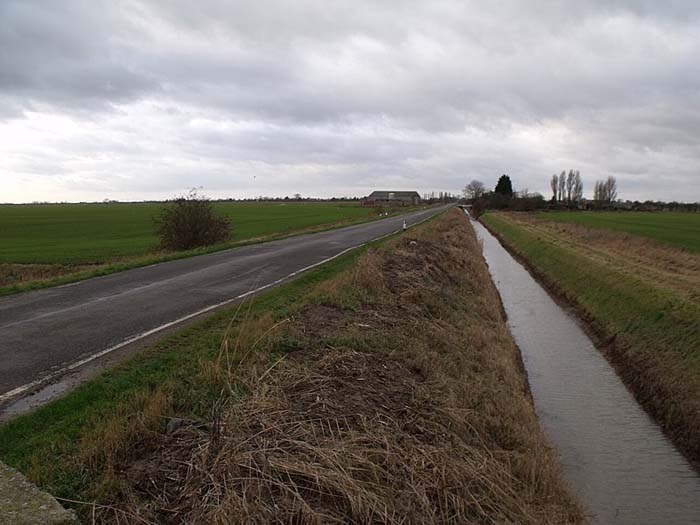
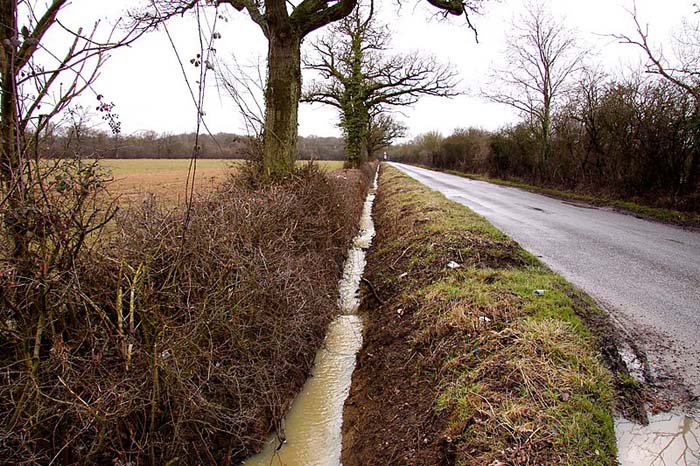
Road Drainage System

Road Drainage System

By | Drainage Systems | No Comments

For roads to last, be safe, and be usable, civil engineers must design them with drainage systems in mind. Road surfaces must have adequate drainage to avoid decreased traction, structural damage, and an increase in accidents due to water accumulation. A road drainage system’s primary function is to collect, transport, and dispose of surface and underground water from the road and its surroundings.

Importance of a Road Drainage System

A road drainage system is essential to keeping roads safe, long-lasting, and functional. Here are some key points about road drainage:

  1. Protecting the environment
  • Contaminant Management

Safeguarding local ecosystems from erosion and sedimentation, as well as decreasing the likelihood of flooding, are two primary functions of a well-designed road drainage system.

  • Controls Runoff

By reducing water damage, a proper road drainage system reduces the burden and expense of road maintenance and repairs.

  1. Economic advantages
  • Decreased Repair Costs

Repair costs will be lower in the long run if road damage is less common and less severe.

  • Improved Transportation Efficiency

Well-maintained roads provide efficient transportation by reducing delays and increasing economic productivity.

  1. Improves road safety
  • Prevents Freezing Conditions

With appropriate drainage, ice production on roadways in cold weather can be prevented. This helps to remove water quickly, reducing the risk of accidents.

  • Minimizes Hydroplaning

Well-drained roadways reduce the likelihood of hydroplaning, a condition in which a vehicle loses traction on the road due to water accumulation.

Road Drainage System

  1. Improving user comfort
  • Minimal Splashing

Water spray and splash, due to improper drainage, can make cyclists and pedestrians uncomfortable and impair drivers’ visibility.

  • Smooth Travel

When roads have adequate drainage, road users find it easier and more pleasant.

  1. Compliance with Regulations
  • Legal Requirements

The construction and maintenance of roads, as well as drainage systems, are governed by rules and regulations in many areas. To avoid legal issues and fines, you must strictly adhere to these requirements.

  1. Prevents road damage
  • Protecting the Pavements

To avoid structural damage, cracks, potholes, and other issues, proper drainage is essential. Water seeping into the pavement layers can cause these problems.

  • Controlling Erosion

By diverting runoff away from roadways, a well-designed drainage system prevents the likelihood of embankment and roadbed erosion.

  1. Increases road durability
  • Maintenance Cost Decrease

Proper drainage reduces water damage, lowering the burden and expense of road maintenance and repairs.

  • Structural damage prevention

Water accelerated the degradation of road materials. By avoiding structural damage due to water, an effective road drainage system prolongs the road’s lifespan.

The importance of properly draining roads cannot be overstated. Contributing to economic efficiency, preserving infrastructure, ensuring safety, and protecting the environment are all key aspects of road design and maintenance. The long-term viability of transportation networks depends on investments in appropriate road drainage systems.

Components of a Road Drainage System

A road drainage system’s proper management of both surface and underground water is critical to ensuring the longevity of road infrastructure. A road drainage system primarily comprises the following components:

  1. Surface Drainage:
  • Catch Basins

The system transfers surface water to underground drainage systems via ditches and pipes.

  • Side Ditches

Drains in roadside ditches collect and transfer runoff.

  • Drainage Inlets/Grates

The underground drainage system has entry points.

  • Gutters and Curbs

The drainage system receives runoff from the road.

  • Roadway Cross Slope

It ensures that water drains away from the road surface and down the sides.

  1. Subsurface Drainage:
  • Longitudinal Drains

Water is collected and directed away by pipes from underdrains that run parallel to the road.

  • Drainage Layers

Various layers of porous materials are placed under the road to allow water to flow to the underdrains.

  • Underdrains

To collect and transport groundwater, perforated pipes are laid beneath the road surface.

  1. Conveyance Systems:
  • Culverts

In places where roads meet natural streams, there are structures that let water flow under the road.

  • Storm Sewers

Water is conveyed to an appropriate outlet via underground pipes.

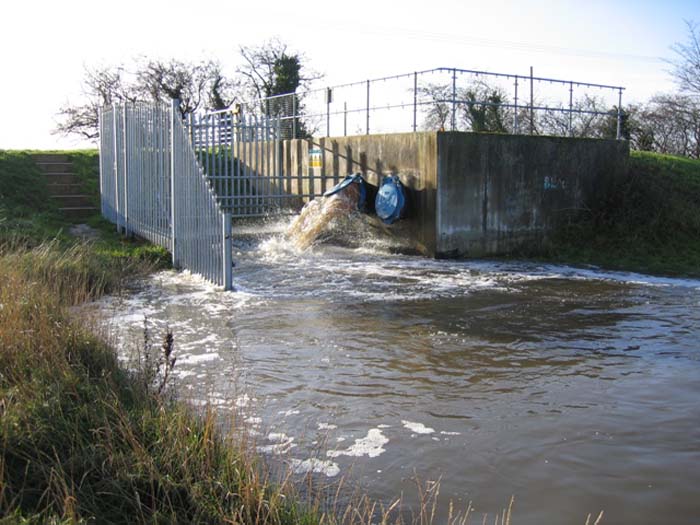
  1. Outfall and Disposal Systems:
  • Outfall Channels

Channels transport water from urban areas into natural waterways.

  • Retention/Detention Ponds

To minimize peak discharge rates, temporarily store runoff.

  • Outfall Structures

This is the point at which the runoff from the drainage system enters waterways such as streams and rivers.

  1. Sediment and Erosion Control:
  • Silt Fences

Makeshift dams to keep dirt and debris from flowing away from building sites.

  • Riprap

At discharge sites, rocks or other erosion-prevention measures are installed.

  1. Additional Components:
  • Manholes

They assist in inspecting and repairing the entryways to underground drainage systems.

  • Swales

In order to slow down and filter surface runoff, shallow channels are constructed.

Minimizing water damage to the road structure, preventing flooding, and preventing water accumulation on road surfaces are all goals of an effective road drainage system. The road network’s long-term durability and safety depend on these components being designed, built, and maintained properly.

Design Considerations

Road Use

In order to endure the continual wear and tear, roadways with heavy traffic need drainage systems that are more resilient.

Climate

To manage massive amounts of water, areas with high snowfall or rainfall require more comprehensive drainage systems.

Soil Type

How well various soils drain depends on the type of soil. Soils that are clayey, as opposed to sandy, need a drainage system that is more effective.

Topography

Drainage systems are influenced by the surrounding environment. To handle rapid water flow, more durable systems are needed on steeper terrains.

Conclusion

For roads to be functional, long-lasting, and safe, their drainage systems must be carefully planned. It makes use of both above- and below-ground components to control water flow and avoid harm. A road drainage system designed by engineers can mitigate the negative impacts of water collection on roadways and their users by taking into account variables including road use, soil type, topography, and climate.

Environmental Impacts of Untreated Industrial Wastewater

Factors to Consider when Designing a Drainage System

By | Drainage Systems | No Comments

Drainage system design is an essential part of city planning and civil engineering. The primary goal is to control surface water levels so that waterlogging, soil erosion, and flooding are not possible. Industries, residential areas, roads, and agricultural lands can all benefit from a well-planned drainage system that efficiently removes overflow water. This, in turn, protects infrastructure and keeps people safe.

Principles of Drainage System Design

  1. Hydrological Analysis

In order to properly size drainage components, it is crucial to have a thorough grasp of peak flow rates, overflow constants, and rainfall patterns.

  1. Hydraulic Design

Ensure that there is enough water flow capacity to prevent surcharges and flooding in channels, pipes, and other structures.

  1. Ecological Considerations

Making designs that are gentler on ecosystems and natural sources of water. This covers rain gardens, permeable pavements, and green roofs—a sort of sustainable drainage system.

  1. Regulatory Compliance

This means following all applicable local, provincial, and national standards and regulations, which may specify particular requirements for design, building, and maintenance.

  1. Maintenance and Sustainability

Ensuring long-term functionality and sustainability through the design of systems that are easy to use and maintain.

Key Components of a Drainage System

In order to control the flow of water, avoid flooding, and keep both urban and rural areas clean, a drainage system is necessary. The following are essential parts of any drainage system:

  1. Surface drains
  • Catch Basins/Inlets

Runoff is collected and directed into the drainage system.

  • Channels and Gutters

They collect water that runs off of surfaces such as rooftops, roads, and more.

  • Grates

To prevent debris from entering the system, cover any openings.

  1. Subsurface Drains
  • French Drains

To redirect water away from buildings, use perforated pipes, as well as gravel-filled pits to contain the water.

  • Drain Tiles

This product is ideal for use in agricultural fields that have an excess of water.

  • Perforated Pipes

These enable water to seep in and run underground.

  1. Storm Drains
  • Outfalls

Stormwater discharge points into natural bodies of water.

  • Stormwater Pipes

Pipes with a large diameter transport water from catch basins to areas where it is discharged.

  •  Manholes

Ensure that maintenance and inspection access points are set up.

  1. Sewers
  • Combined Sewers

Although sewage and stormwater are less prevalent due to the danger of overflow, they both need to be carried.

  • Sanitary Sewers

These get sewage out of buildings and into treatment plants.

  1. Swales and Ditches
  • Open Channel

To prevent erosion, direct water along vegetated fields or roadsides.

  • Swale:

Greenways that are both shallow and planted help to reduce runoff and increase infiltration.

  1. Retention and Detention Basins
  • Detention Basins

In order to manage discharge rates and prevent floods, put a temporary stop to runoff.

  • Retention Ponds

These are large, permanent bodies of water that help with flood control and stormwater management.

  1. Lift Stations and Pumps
  • Lift Stations

In order to facilitate gravity flow to discharge points or treatment facilities, either wastewater or stormwater should be raised to higher altitudes.

  • Pumps

Transfer water from lower to higher levels; this is particularly important in low-lying or flat regions.

  1. Control Structures
  • Gates and Valves

Manage the flow and direction of water in channels and pipes.

  • Weirs and Dams

Keep basins and channels from overflowing.

  1. Green Infrastructure
  • Permeable Pavements

These reduce runoff by allowing water to travel across surfaces.

  • Green Roofs

Vegetation systems on roofs are capable of absorbing rainwater.

  • Rain Garden

The use of landscaped areas that are able to collect and absorb runoff.

  1. Systems for Monitoring and Maintaining
  • Sensors

These are used to monitor the water level and flow velocity.

  • Maintenance Access Points

Make sure the system is easily accessible for routine inspection and cleaning.

All of these components work together in a well-designed drainage system to keep water from overflowing and to maintain high water quality.

Factors to Consider when Designing a Drainage System

Factors to Consider when Designing a Drainage System

Several elements must be carefully considered during the design phase of a drainage system. This will help to guarantee its longevity, functionality, and low environmental influence. Listed below are a few important considerations:

  1. Materials
  • Ecological Impact

When you can, choose eco-friendly materials.

  • Cost

Strike a balance between the upfront expense and the ongoing maintenance.

  • Durability

Choose materials that are resilient enough to endure the weather where you live.

  1. Emergency Preparedness
  • Redundancy

Incorporating overflow paths or backup systems will prepare you for the unexpected.

  • Flood Management

Planned to withstand possible flooding and other severe weather conditions.

  1. Hydrology
  • Drainage Area

The catchment area that contributes to runoff should be defined.

  • Peak Flow Rates

Find out the highest possible flow rates that are anticipated during storms.

  • Runoff Calculation

Determine an approximate amount of water that needs to be controlled.

  1. Economic Factors
  • Life Cycle Costs

Take into account not only the upfront price but also the ongoing maintenance costs.

  • Budget

Make sure the system is effective while staying within the budget.

  1. Standards and Regulations
  • Ecological Protection

Take measures to ensure compliance with laws protecting the environment.

  • Local Codes

Follow all applicable local, regional, and national guidelines and regulations.

  1. Accessibility and Maintenance
  • Longevity

Make sure the system lasts a long time with little maintenance.

  • Ease of Maintenance

Make sure that systems can be easily accessed for repairs and maintenance.

  1. Safety
  • Structural Integrity

Check the stability and soundness of each part.

  • Public Safety

Create systems that are safe for everyone to use.

  1. Environmental considerations
  • Ecological Impact

Keep local wildlife and ecosystems as undisturbed as possible.

  • Water Quality

Introduce measures to improve the purity of the released water.

  • Erosion Control

Put measures in place to stop soil erosion.

  1. Integration with Other Infrastructure
  • Urban Planning

Coordinate the drainage system with the larger goals of city planning.

  • Utility Coordination:

Verify that it will work with both current and future utilities.

  1. Site analysis
  • Vegetation

The existing vegetation affects both water absorption and erosion control.

  • Climate

Think about your area’s rain frequency, intensity, and patterns.

  • Soil Type

Evaluate the soil’s capacity to retain and release water by measuring its permeability.

  •  Topography

Learn about the natural water flow by studying the slope and elevation of the terrain.

  1. Design elements
  • Retention/Detention Basins

Use these to control the amount and quality of water.

  • Outfalls:

Make sure that the outfalls are properly designed to dispose of water into sewers or natural bodies of water.

  • Conduits and Pipes

To accommodate anticipated flows, select pipe materials and sizes accordingly.

  • Catch Basins and Inlets

Think about where and how much water can be collected from the surface.

Designers and engineers may build resilient drainage systems that regulate water flow efficiently and sustainably, protecting the environment and people.

Steps in Designing a Drainage System

  1. Site Assessment
  • Surveys can help us better understand existing drainage conditions, soil characteristics, and topography.
  1. Planning and designing
  • Making predictions about the system’s performance under different conditions using simulation and modeling tools on a computer.
  •  Drawing up comprehensive plans and specifications for drainage components, including their specifications, sizes, and designs.
  1. Construction
  • Excavation, pipe and structural installation, and final inspection for alignment and connections as part of the design implementation process.
  1. Inspection and Testing
  • Ensuring that everything is running smoothly and that the drainage system is constructed as specified.
  1. Operations and Maintenance:
  • Coming up with a maintenance schedule that incorporates routine checks, repairs, and cleaning to forestall clogs and other problems.

Conclusion

Engineers need experts in environmental science, hydraulics, and hydrology to plan efficient drainage systems. Engineers may develop systems that better manage water, safeguard infrastructure, and improve the quality of both urban and rural areas by combining these concepts with regulatory requirements and practical considerations.

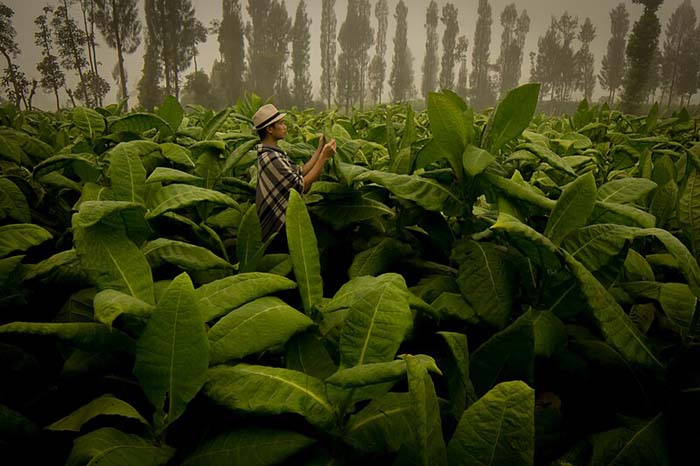
Wastewater Treatment in the Tobacco Industry

Wastewater Treatment in the Tobacco Industry

By | Waste Management | No Comments

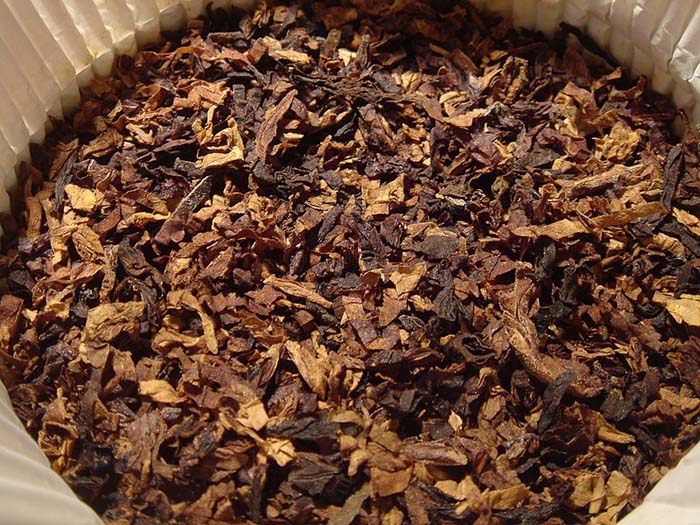
Much like other industrial sectors, the tobacco industry produces a substantial quantity of wastewater as a result of its production operations. Among the many harmful substances found in this effluent are organic compounds, heavy metals, nicotine, and others. Protecting public health, preventing pollution, and complying with regulatory standards all depend on this wastewater being treated effectively.

Composition of Tobacco Industry Wastewater

Wastewater from the tobacco industry can have a very diverse composition. This is due to the wide range of processes and products used. But in most cases, it has both organic and inorganic pollutants. Tobacco industry wastewater typically has the following components:

Organic Pollutants:

  • Pesticides

These are agricultural byproducts that were present during the tobacco growing process.

  • Tobacco-specific nitrosamines

Substances that cause cancer were created when tobacco was cured and processed.

  • Phenolic compounds

Phenol and its byproducts are known to be poisonous to aquatic organisms.

  • Polycyclic aromatic hydrocarbons

These are known carcinogens that form when tobacco is burned.

  • Volatile organic compounds

Xylene, toluene, and benzene are all carcinogenic and environmentally destructive.

  • Nicotine

Poisonous and long-lasting, this alkaloid is a key component of tobacco.

Treatment and Management

Tobacco industry effluent must be treated and managed effectively. This is because of the complex and dangerous nature of these toxins. Here are a few common treatment techniques:

Biological treatment

Degradation of organic pollutants using aerobic and anaerobic procedures.

Chemical treatment

The process of chemical removal or neutralization involves oxidation, flocculation, and coagulation.

Cutting-edge treatment

The removal of remaining pollutants is achievable using techniques such as membrane filtration, activated carbon adsorption, and sophisticated oxidation procedures.

Physical treatment

Floatation, filtration, and sedimentation help to get rid of suspended solids.

To guarantee that the treated effluent satisfies environmental standards and reduces the impact on ecosystems and human health, effective management necessitates thorough monitoring and regulation.

Wastewater Treatment in the Tobacco Industry

Environmental Impact Tobacco Industry Wastewater

Neglecting to clean up the massive amounts of wastewater produced by the tobacco industry can have devastating effects on the environment. Tobacco processing and production wastewater contains a wide range of contaminants that pose risks to human and environmental health. The following are some of the significant impacts of wastewater from the tobacco industry:

  1. Human Health Risks
  • Soil Pollution

When polluted water seeps into the soil or into crops through irrigation, it poses indirect health risks.

  • Contamination of Drinking Water

The contamination of drinking water sources by tobacco effluent can cause reproductive issues, neurological damage, and cancer, among other major health hazards to humans.

  1. Biological Impacts
  • Eutrophication

When wastewater has a lot of nutrients, it can cause algae blooms. These consume all the oxygen in the water and create areas where no aquatic life can live.

  • Aquatic Toxicity

Fish and other aquatic creatures can die from the toxins in tobacco effluent. They have the potential to hinder development, behavior, and reproduction even at sub-lethal concentrations.

  1. Chemical Contamination
  • Additives and Solvents

Tobacco products contain these substances, which have the potential to accumulate bioaccumulatively and cause harm to aquatic life.

  • Heavy Metals

Tobacco leaves contain harmful elements like lead and cadmium. These elements can accumulate in water and sediments, causing long-term health and environmental problems.

  • Herbicides and Pesticides

Tobacco farmers use these pesticides, which can harm animals, pollute water sources, and eventually make their way into human diets.

  • Nicotine

Killer for aquatic life. Ecosystems can be disturbed by even minute quantities.

Benefits of Wastewater Treatment in the Tobacco Industry

There are several advantages, including financial savings and environmental protection, to implementing efficient wastewater treatment systems in the tobacco industry. Among the numerous benefits, a few are particularly noteworthy:

Economic Advantages

  1. Recovery of Resources:
  • Recovery of by-products

Biogas, a by-product of anaerobic digestion, is one example of a valuable by-product that can be recovered and utilized as an energy source through certain wastewater treatment techniques.

  1. Cost Savings:
  • Minimal Penalties and Fines

Reducing the likelihood of legal action and fines is achievable through proper wastewater treatment in compliance with environmental rules.

  • Reusing Water After Treatment

Significant savings on water procurement expenses can be achieved by reusing treated wastewater for a variety of plant operations, including cleaning, cooling, and irrigation.

Long-term Sustainability

  1. Adapting to Climate Change:
  • Resilience

The tobacco industry can better withstand the effects of water shortages and climate change if wastewater treatment and water reuse are efficient practices.

  1. Sustainable Water Management:
  • Water Conservation

The tobacco industry can help with sustainable water resource management by treating and reusing wastewater, which will drastically cut its use of freshwater.

Operational Advantages

  1. Efficient Operation:
  • Enhanced Processes

Manufacturing processes can benefit from more efficient water use thanks to modern wastewater treatment technologies. This, in turn, boosts operational performance.

  1. Regulatory Compliance:
  • Meeting Criteria

Wastewater treatment helps tobacco industries stay out of legal hot water and keeps their operations running smoothly. This is achieved by ensuring that their wastewater complies with all applicable national and international regulations.

Social Advantages

  1. Improved Corporate Image:
  • Corporate Social Responsibility

Industries that invest in wastewater treatment can demonstrate environmental stewardship and social responsibility, as well as strengthen reputation and stakeholder connections.

  1. Ensuring the Population’s Health:
  • Minimized Danger to Health

Wastewater treatment that is both effective and efficient reduces the amount of potentially dangerous chemicals and microorganisms that are released into the environment. This helps to protect the health of nearby communities.

Ecological Advantages

  1. Decrease in Soil Pollution:
  • Safe Disposal

To avoid soil pollution and keep the soil healthy, wastewater needs proper treatment to stop dangerous compounds from leaking into the soil.

  1. Protection of Aquatic Life:
  • Reduction in Toxicity:

In order to preserve aquatic life from hazardous compounds found in untreated effluent, wastewater treatment dramatically reduces toxicity levels.

  1. Decrease in Water Pollution:
  • Improvement in Water Quality

Improving the condition of local ecosystems and bodies of water is one of the many benefits of releasing treated wastewater into the environment.

  • Remove harmful chemicals

When wastewater is treated, it is able to be cleaned of contaminants like heavy metals, pesticides, and nicotine, among others.

Wastewater treatment has many benefits for the tobacco industry. This includes long-term sustainability, social responsibility, incorporating ecological protection, operational efficiency, and economic savings. Tobacco production has many harmful effects, but robust wastewater treatment systems can minimize those effects and improve communities and ecosystems as a whole.

Conclusion

To reduce negative effects on the environment, safeguard public health, and meet regulatory standards, the tobacco industry must clean its wastewater. The industry is constantly innovating and improving wastewater management systems in response to rising environmental consciousness and regulatory demands. This leads to more responsible and sustainable production methods.

Wastewater Treatment in the Sisal Industry

Wastewater Treatment in the Sisal Industry

By | Waste Management | No Comments

Grown and processed from the Agave sisalana plant, the sisal industry produces long-lasting and adaptable natural fibers. Industrial products such as carpets, ropes, and twines all make use of these fibers. On the other hand, sisal fiber production produces a lot of wastewater, which is a major problem for the environment and calls for efficient treatment methods.

Importance of Wastewater Treatment in the Sisal Industry

Several issues pertaining to the economy, environment, and health highlight the critical nature of wastewater treatment in the sisal sector. A brief summary of its significance is as follows:

Safety and hygiene

  • Enhancement in Sanitation

Improved sanitation is a result of well-managed wastewater, which leads to better public health results.

  • Minimizing Potential Health Dangers

Community members may be in danger for their health if they drink water that is contaminated with pathogens, bacteria, and viruses. Eliminating harmful bacteria and other microbes from wastewater treatment reduces these risks.

Economic Advantages

  • Sustainable Development

To ensure the long-term survival of the sisal industry, wastewater treatment and management must complement sustainable farming practices.

  • Cost Savings

Spending money now on wastewater treatment can save money in the long run by reducing the likelihood of fines and the expense of cleaning up pollution-related mess.

  • Recovering Resources

Beneficial by-products, such as biogas, can be recovered from organic waste through wastewater treatment and utilized as a renewable energy source, thereby lowering the total cost of energy.

Social and community responsibility

  • Enhanced Well-being

Communities that live in close proximity to sisal processing factories enjoy cleaner water and a healthier environment, which enhances their overall quality of life.

  • Corporate social responsibility

Industries that invest in wastewater treatment demonstrate that they care about the environment and the people in their area. This helps them gain credibility and support from those who matter to them.

Wastewater Treatment in the Sisal Industry

Regulatory Compliance

  • Improved market access

Environmental compliance is frequently a requirement in international markets; thus, companies that follow these standards have a better chance of getting into such markets.

  • Following Ecological Regulations

In many countries, wastewater disposal is subject to strict regulations. To keep operating permits and avoid fines, compliance with these rules is critical.

The Latest Technological Developments

  • Adapting to Climate Change

To reduce the effects of climate change, it is necessary to treat wastewater effectively in order to decrease contamination and preserve natural water bodies.

  • Advancement in Treatment Technologies

New wastewater treatment technologies have the potential to enhance efficiency, decrease costs, and reduce the sector’s impact on the environment, all of which are positive news for the sisal industry.

Impact on the Environment

  • Biodiversity conservation:

Many aquatic species may become extinct as a result of water pollution. Protecting the native flora and fauna is the goal of proper treatment, which involves removing dangerous pollutants.

  • Preservation of Soil

The discharge of untreated wastewater can cause soil pollution, which can reduce soil fertility and disrupt nearby farming operations.

  • Prevention of Water Contamination

Wastewater from sisal processing is rich in chemicals, fibers, and organic materials. Untreated wastewater contamination of local water bodies can have detrimental effects on water quality and aquatic ecosystems.

Effects of not treating wastewater in the sisal industry

Numerous negative impacts on ecosystems and human health could result from inadequate treatment of this wastewater. The primary effects are as follows:

Human Health Impacts

  1. Food Safety:
  • Bioaccumulation

Wastewater contains toxic compounds that crops irrigated with polluted water may absorb. These substances then enter the food chain and cause health issues for consumers, such as chronic diseases and poisoning.

  1. Polluted potable water:
  • Chemicals and Pathogens

Contaminated water supplies can be a source of waterborne illnesses and chronic conditions like neurological disorders and cancer if wastewater is not treated before it seeps into drinking water sources.

Ecological Impacts

  1. Water Pollution:
  • Organic Load

When water bodies become eutrophic due to an excess of organic matter from plants, oxygen levels fall, killing fish and other aquatic life.

  • Pollution from chemicals

In sisal processing wastewater, sodium chloride, detergents, and other harmful compounds used in washing and decortication are common. Both groundwater and surface water sources can become polluted with these chemicals. This results in endangering aquatic life and making the water unfit for human consumption.

  1. Soil Degradation:
  • Toxicity:

A decrease in biodiversity and an effect on plant growth can result from chemical residues making soil hazardous.

  • Salinity:

Accumulating salts from wastewater, such as sodium chloride, can raise soil salinity, which in turn damages soil structure and fertility, lowering agricultural yields.

The wastewater from sisal processing contains key pollutants, including:

Sulfates

These may be present as a result of the processing chemicals used or the chemical makeup of the sisal plant.

Total Suspended Solids

These solids are made up of fibrous and particulate matter.

Color

Because of the dyes and other additions that give wastewater its color, it can be both visually unappealing and potentially dangerous.

High Biological Oxygen Demand

The high biological oxygen demand levels are a result of the high organic content and show how much oxygen is required for microbial breakdown.

Phenolic Compounds

These are difficult to handle and may be harmful to aquatic life because they are derived from plant material.

Nutrients

Eutrophication can occur in receiving bodies of water when nitrogen and phosphorus levels are high.

Chemical Oxygen Demand

Just like biological oxygen demand, chemical oxygen demand determines how much oxygen is needed to chemically oxidize the organic content in wastewater.

Heavy Metals

Lead and chromium are heavy metals that could be present in processed foods, depending on the processes used.

pH

Depending on the chemicals utilized, the pH of the wastewater might be either acidic or alkaline.

High Organic Load:

The sisal plant contains hemicellulose and cellulose, two components of organic matter found in decay.

Reduced contamination is critical for effectively treating wastewater from sisal processing and keeping it out of the environment.

Challenges and Innovations

Wastewater treatment presents a number of obstacles for the sisal industry. This includes changing effluent characteristics, high treatment costs, and the requirement for effective and environmentally friendly technology. Technological advancements in treatment methods, such as aquaponic plant phytoremediation and anaerobic digesters for biogas generation, hold enormous promise for improving the efficacy and longevity of wastewater treatment.

Conclusion

The sisal industry must treat its wastewater in order to meet its regulatory and social obligations, keep people healthy, keep the economy afloat, and preserve the environment. Numerous advantages can be achieved through investments in sustainable practices and modern treatment technologies. This, in turn, can contribute to the industry’s overall success and longevity.

Wastewater Treatment for a Slaughter Establishment

Wastewater Treatment for a Slaughter Establishment

By | Waste Management | No Comments

A lot of harmful substances, including feces, fats, organic matter, and blood, end up in the wastewater produced by a slaughter establishment. Ensuring sustainable operations, meeting regulatory standards, and minimizing ecological impacts depend on effectively treating this wastewater. Because of its complicated nature, wastewater from a slaughter establishment requires a multi-stage treatment procedure specifically designed to handle its unique properties.

Characteristics of Slaughter Establishment Wastewater

Due to the processes involved in animal processing, slaughter establishment wastewater is marked by high nutrients, organic content, and a range of pollutants. Wastewater from a

  1. Pathogens
  • Among the numerous harmful organisms present are parasites, viruses, and bacteria. Listeria, Salmonella, and E. coli are common pathogens.
  1. Heavy Metals
  • Cleaning processes and equipment may introduce trace levels of heavy metals such as iron, zinc, and copper.
  1. Fats, Oils, and Grease
  • Typically ranging from 100 to 500 mg/L, the levels of fats, oils, and grease can be relatively elevated.
  1. Temperature
  • Using hot water for processing and cleaning might cause the wastewater to increase in temperature.
  1. Conductivity and Salinity
  • Included in its conductivity are a number of minerals and salts. Both used water and processes affect salinity.
  1. High Suspended Solids
  • It contains particles such as undigested food, flesh, fat, manure, hair, blood, and so on.
  1. pH Level
  • Wastewater from a slaughter establishment typically has a pH between 6 and 8, though this might change depending on the chemicals and processes utilized.

slaughter establishment typically exhibits the following traits:

  1. Other Contaminants
  • The cleaning process may involve chemicals, hormones, and antibiotics.

Environmental Impact of Untreated Slaughter Establishment Wastewater

The high concentration of pathogens, nutrients, organic matter, and other pollutants in untreated wastewater from a slaughter establishment can cause serious damage to the environment. The primary impacts on the environment are as follows:

  1. Chemical contamination
  • Toxic Substances

The disinfectants, hormones, and antibiotics used in a slaughter establishment have the potential to contaminate water bodies. This, in turn, affects aquatic ecosystems, which could end up in our food supply.

  • Heavy Metals

Elevated trophic levels, including humans, are vulnerable to the biomagnification and bioaccumulation of heavy metals that build up in aquatic organisms and sediments.

  1. Nasty smells
  • Organic matter decomposition

The decomposition of organic compounds can lead to unpleasant smells. This can impact air quality and make adjacent residents uncomfortable.

  1. Disruption of ecosystem services
  • Altered Ecosystem Functions

The natural ecosystem services offered by water bodies, including recreational opportunities, habitat provision, and water purification, can be disrupted by the combined impacts of pollution, nutrient overload, and oxygen depletion.

  1. Eutrophication
  • Overload of Nutrients

Sediment nutrient enrichment is a potential outcome of wastewater’s high phosphorous and nitrogen concentrations. As a result, algal blooms obscure the sun’s rays and wreak havoc on aquatic ecosystems.

  1. Soil Contamination
  • Land Application

When wastewater is discharged onto land or used untreated for irrigation, it can cause soil pollution. Contaminated soil alters its properties, stunts plant growth, and increases the risk of disease.

  • Algal Blooms

Algal blooms can produce a toxin that can harm humans and aquatic life. The hypoxic circumstances are made worse when the algae die and decompose, reducing oxygen levels.

  1. Solid waste buildup
  • Sedimentation

Water bodies can change physically when fats and suspended solids settle to the bottom, which impacts an organism at the bottom of a body of water.

  • Physical Clogs

Destruction of habitats and flooding can occur when solid waste builds up in water channels. This obstructs their flow, causing streams and rivers to become less efficient.

Wastewater Treatment for a Slaughter Establishment

  1. Impact on Groundwater
  • Leaching

Untreated wastewater poses long-term health problems. This is because contaminants drain into groundwater, contaminating potable water supplies.

  1. Water bodies’ oxygen depletion
  • Decreased Biodiversity

Anaerobic organisms, which are able to survive in low-oxygen conditions, can increase, whereas species diversity can decline in areas with low oxygen levels.

  • Significantly Higher Levels of Chemical and Biochemical Oxygen Demand.

A significant amount of oxygen is consumed during the decomposition of the wastewater’s high organic load consumes a significant amount of oxygen. Hypoxic conditions, due to decreased dissolved oxygen in receiving bodies of water, can devastate aquatic life, including fish kills.

  1. Pathogenic Pollution
  • Concerns for health

Water supplies can threaten human and animal health when they are contaminated with diseases, including parasites, viruses, and bacteria. Polluted water can spread diseases like cholera, gastroenteritis, and others.

  • Impact on Aquatic Life

When pathogens harm the health of fish and other aquatic animals, disease can spread.

Case Examples

  • Health Concerns in the Community

Because of contaminated water sources, there is proof that waterborne disease epidemics have severely affected populations.

  • Pollution of Streams and Rivers

The pollution of streams and rivers by untreated effluent from slaughterhouses has polluted streams and rivers, resulting in fish kills and, in some cases, severe algal blooms.

Benefits of wastewater treatment for a slaughter house

There are multiple reasons why wastewater treatment in slaughter establishments is necessary. It provides numerous benefits to the regulatory system, economy, and environment. Here are a few important advantages:

Positive Impact on Safety and Health

  1. Smell control:
  • Improved air quality

Implementing a treatment system can significantly reduce the odors associated with slaughter establishment activities. This will lead to an improvement in the air quality surrounding the facility.

  1. Minimizing Infectious Agents:
  • Worker safety

Workers are less likely to be exposed to harmful compounds and contaminated water.

  • Protecting the public’s health

Effective treatment methods protect the public’s health by halting the spread of water-related diseases and reducing the number of dangerous pathogens in wastewater.

Economic Advantages

  1. Resource Use:
  • Reusing water

Reusing treated water for non-potable purposes within the plant may reduce the demand for fresh water and the associated expenses of acquiring it.

  • Byproduct Sales

Recovered nutrients and biogas are byproducts of treated wastewater that can be used or sold within the facility to generate additional money.

  1. Cost Savings:
  • Operational efficiency

Efficient treatment methods can reduce water use and recycling costs, resulting in lower operational costs.

  • Reduced Penalties and Fines

Avoiding legal penalties and fines associated with the release of wastewater that has not been adequately treated or has been insufficiently treated is possible through compliance with environmental standards.

Regulatory Compliance

  1. Public Relations:
  • Corporate Social Responsibility

Wastewater treatment that is both effective and environmentally conscious may do wonders for the slaughter establishment’s reputation and relationships with locals and other interested parties.

  • Consumer Confidence

Customers, especially those concerned about the environment, are more likely to have faith in and loyalty to brands that act responsibly toward the planet.

  1. Meeting Discharge Standards:
  • Permitting and Licensing

In order to get and keep operating licenses and permits, proper treatment systems are usually required.

  • Compliance with regulations

To prevent legal trouble and possible closures, the slaughter establishment treats its wastewater to meet local, national, and international water quality requirements.

Positive Impact on the Environment

  1. Lower Greenhouse Gas Emissions:
  • Methane capture

Instead of releasing it into the environment as a powerful greenhouse gas, anaerobic digestion systems may catch it and utilize it to generate electricity.

  1. Resource Recovery:
  • Nutrient Recovery

Fertilizers made from recovered nutrients, such as nitrogen and phosphorus, can reduce reliance on synthetic fertilizers.

  • Generating Energy

Anaerobic digestion of organic materials in wastewater can produce biogas, a sustainable energy source.

  1. Decreased Environmental Impact:
  • Protecting Ecosystems

Wastewater that has been treated correctly decreases the adverse effects on aquatic environments. This promotes ecological balance and biodiversity preservation.

  • Enhancing the Quality of Water

Treatment procedures eliminate pollutants like fats, blood, and other organic materials to avoid polluting nearby bodies of water.

Conclusion

In order to keep the slaughter establishment business running sustainably and in line with environmental laws, wastewater treatment is an essential part of environmental management. Slaughter establishments can benefit public health and the environment by reducing their impact on the environment by deploying an efficient and thorough treatment method.

Application of Microbial Enzymes in Wastewater Treatment

Application of Microbial Enzymes in Wastewater Treatment

By | Waste Management | No Comments

Microbial enzymes are essential for improving the efficiency of wastewater treatment. This is a vital step for public safety and environmental health. Microbes, including algae, fungi, and bacteria, create enzymes that act as biological catalysts. Enzymes play an essential role in both conventional and cutting-edge wastewater treatment systems. They help in the breakdown of organic contaminants and other impurities.

Microbial enzymes in wastewater treatment are a fast-developing area of study that improves contaminant breakdown by utilizing enzymes’ catalytic capabilities. Wastewater management can benefit from this method’s efficiency and longevity, especially in the municipal and industrial sectors.

Importance of Microbial Enzymes in Wastewater Treatment

Wastewater treatment relies heavily on microbial enzymes. These greatly enhance the effectiveness of contaminant removal. Microbes like algae, fungi, and bacteria produce enzymes that speed up biochemical reactions in wastewater. These are essential for decomposing complex organic compounds. There are several important reasons why they are used in wastewater treatment:

  1. An Environmentally Friendly Alternative

The use of enzymes is an environmentally preferable and long-term solution to the wastewater treatment problem. Reducing wastewater treatment’s negative impact on the environment aligns with green chemistry and environmental stewardship concepts.

  1. Efficiency and Specificity

Because they are extremely selective, enzymes catalyze certain reactions in wastewater without influencing other components. Because of its precision, the treatment process is efficient and produces a few undesirable byproducts. The breakdown process can be optimized using enzymes like amylases, lipases, and proteases. These target certain kinds of organic matter.

Application of Microbial Enzymes in Wastewater Treatment

  1. Enhanced Treatment Outcomes

Enzymes contribute to the sludge’s stability and volume reduction, which are critical issues in wastewater management. Because of their ability to promote the breakdown of organic matter, enzymes contribute to the production of sludge that is both less stable and more stable. This makes it easier to handle and dispose of.

  1. The Need for Chemical Treatments is Reduced.

Chemical treatments can harm humans and the environment; however, microbial enzymes can reduce this need. Chemical treatments necessitate a substantial amount of energy. They also frequently lead to secondary contaminants being produced. Green wastewater management practices are supported by enzymatic treatment, which is more sustainable and eco-friendly.

  1. Adaptability and Versatility

Because of their adaptability, microbial enzymes can help treat a wide range of wastewater contaminants. This includes those from homes, agriculture, and industries. Because of this flexibility, wastewater treatment systems can be fine-tuned to provide more efficient results.

  1. Support for Biological Treatment Processes

Microbes’ enzymes boost microbial communities’ effectiveness in biofilters, bioreactors, and activated sludge systems. Enzymes enhance microorganisms’ metabolic activity and treatment effectiveness. They simplify complicated organic molecules into substrates that microbes can use.

  1. Improved Organic Contaminant Degradation

Enzymes produced by microbes speed up the breakdown of organic contaminants into their component parts. This method is essential in order to lower wastewater’s chemical oxygen demand and biological oxygen demand—indicators of the water’s level of contamination. Cleaner effluent that satisfies environmental discharge regulations is achieved with the help of enzymes by efficiently breaking down substances, including carbohydrates, oils, fats, and proteins.

  1. Cost-Effectiveness

The use of microbial enzymes in wastewater treatment plants can reduce operational costs. Enzymes improve the breakdown of organic matter, resulting in lower chemical and energy consumption. This, in turn, decreases the need for costly mechanical treatments. Enzymes can also make current treatment procedures more efficient. This could mean less infrastructure expansion is needed.

Types of Microbial Enzymes

  • Lyases:

These enzymes are essential in the treatment of certain organic contaminants. This is because they break chemical bonds in ways other than oxidation and hydrolysis.

  • Oxidoreductases

Lignin and synthetic dyes are stubborn and complicated organic compounds that can be broken down by enzymes such as peroxidases and laccases, which speed up oxidation-reduction reactions.

  • Hydrolases

Enzymes such as amylases, lipases, and proteases hydrolyze carbohydrates, fats, and proteins. The first steps in treating wastewater are crucial for decomposing large organic molecules into smaller, more manageable pieces.

Applications of Microbial Enzymes in Wastewater Treatment

Because of their remarkable capacity to accelerate the breakdown of diverse contaminants, microbial enzymes have emerged as crucial resources for wastewater treatment. Here are a few essential applications of microbial enzymes:

  1. Improving Biodegradation Processes

Wastewater treatment plants can increase efficiency by using enzymes to speed up the biodegradation processes.

  • Enhanced Biogas Generation

Anaerobic digestion can be improved with enzymatic waste pretreatment, increasing biogas generation.

  • Enhanced Sludge Reduction

The volume of sludge decreases as cellular components are broken down by enzymatic hydrolysis.

  1. Application in Constructed Wetlands

An all-natural method of treating wastewater, constructed wetlands rely heavily on microbial enzymes. Water quality is improved by the breakdown of contaminants and organic matter by enzymes produced by plant roots and the bacteria that inhabit them.

  1. Removal of Toxic Compounds

Enzymes like peroxides and oxidases can break down toxic substances, including dyes, phenols, chlorinated chemicals, and colors. When these enzymes oxidize the contaminants, their toxicity is reduced, and they are easier to extract from the water supply.

  1. Bioaugmentation

Bioaugmentation can improve wastewater treatment systems to break down certain contaminants. This process entails introducing specific microbial strains with specific enzymatic activity. This focused method improves the treatment’s overall effectiveness of the treatment is improved by this focused method.

  1. Bioremediation of Heavy Metals

Heavy metals can be transformed into less harmful forms by specific microbial enzymes. For example:

  • Metallothioneins

Bind heavy metals to reduce their availability and toxicity.

  • Phytochelatin Synthase

It binds heavy metals to create complexes, aiding in their detoxification.

  1. Degradation of Emerging Pollutants

Emerging pollutants, including personal care products and pharmaceuticals, resist current treatment procedures. To break them down, scientists are investigating the possibility of using microbial enzymes.

  • Peroxidases and laccases

Pharmaceuticals and substances that alter the endocrine system are among the many micropollutants that these enzymes can oxidize.

  1. Hydrogen Sulfide Reduction

It is the sulfur-oxidizing enzymes and other microbial desulfurization enzymes that help get rid of the harmful and toxic hydrogen sulfide from the wastewater.

  1. Organic Contaminant Degradation

Microbial enzymes are excellent at breaking down the following complex organic contaminants:

  • Proteins

Amino acids are produced when proteases break down proteins.

  • Lipids

Fatty acids and glycerol are the byproducts of hydrolysis catalyzed by lipases.

  • Carbohydrates

Starches and cellulose are hydrolyzed into simpler sugars by amylases and cellulases.

  1. Nutrient Removal

Nutrients like nitrogen and phosphorus can be more easily extracted from wastewater with the help of microbial enzymes.

  • Phosphatases

Enzymes like these break down organic molecules into their component phosphate ions, which can then be removed.

  • Denitrification and Nitrification

Nitrate reductase and ammonia monooxygenase are two enzymes that work together to remove nitrogen from wastewater by converting ammonia to nitrogen gas.

Challenges and Upcoming Directions

Integration

Thorough planning and optimization are necessary to successfully incorporate enzymatic therapy into preexisting biological and mechanical treatment procedures.

Stability

Environmental factors, including inhibitors, temperature, and pH, can affect enzyme sensitivity. Active research is being conducted on immobilization strategies and stronger enzyme formulations to improve stability.

Cost

Microbial enzymes may have little use due to the high costs associated with their manufacture and extraction. In order to bring prices down, industrial fermentation techniques and biotechnology need to advance.

Conclusion

One viable and long-term pollution management strategy is using microbial enzymes in wastewater treatment. This approach provides a practical, environmentally safe, and selective means of degrading various contaminants by utilizing the force of natural catalysts. Water purification and environmental health will be possible thanks to an ongoing scientific investigation into the feasibility and efficiency of enzymatic treatments.

Residential Pipe Sizing Chart

Residential Pipe Sizing Chart

By | Plumbing | No Comments

A residential pipe sizing chart is essential when designing and installing plumbing. It will guarantee the effective and secure distribution of water throughout a home. This chart recommends choosing the right pipe diameter based on water demand, available pressure, and pipe length. Proper pipe sizing reduces the risk of leaks and erosion, avoids excessive noise and velocity, and ensures sufficient water pressure at all fixtures.

The key components of a residential pipe sizing chart are:

  • Material and Velocity Limits

Materials like PEX, PVC, and copper have different maximum velocities and frictional characteristics to prevent wear and noise. Size recommendations depend on the chart’s incorporation of these material-specific criteria.

  • Pressure Availability

The sum of the starting pressure at the source and the necessary pressure at the fixtures defines a system’s allowable pressure drop. Using the residential pipe sizing chart as a guide, you can ensure that the selected pipe size keeps the network pressure at an adequate level.

  • Layout and Pipe Length

The distance from the water source to each fixture (often a well or municipal supply) affects the pressure drop. In order to keep the pressure constant, bigger pipe diameters are required for longer distances or more intricate designs with many fittings and bends.

  • Water Demand

The chart considers the overall water consumption of the house. This is influenced by the quantity and usage patterns of fixtures such as appliances, showers, and sinks. The standard units of measurement for this are flow rates (gallons per minute, GPM) or fixture units.

Benefits of Using a Residential Pipe Sizing Chart

Using a residential pipe sizing chart is a beneficial idea to ensure the plumbing system works well and safely. The main benefits are as follows:

Water Flow Optimization

Home fixtures like appliances, showers, and faucets rely on the system’s continuous and dependable water flow and pressure. This is guaranteed when the pipes are properly sized.

Residential Pipe Sizing Chart

Scalability

An appropriately sized foundation system facilitates the integration of new components without substantial rework in the event of future upgrades or expansions.

Compliance with codes

Several plumbing standards and building codes dictate the use of various pipe sizes. If you want to stay out of legal hot water and make sure everyone stays safe, use a residential pipe sizing chart to keep track of all the rules and regulations.

Longevity of the System

The plumbing system can last longer because problems like excessive wear on components, pressure drop, and water hammer can be avoided with proper sizing.

Predictable Performance

Using a standardized chart allows for uniform and predictable system performance, facilitating problem diagnosis and fixation.

Cost Efficiency

Avoiding the need for larger, more expensive pipes is one way that properly designed pipes save material costs. Improper sizing can lead to expensive modifications and repairs, which also helps limit that risk.

Simplified Planning and Installation

Builders and plumbers may streamline the design and installation processes with a residential pipe sizing chart as a guide. The installation process will be more straightforward and effective, reducing the risk of errors.

Energy Efficiency

The right-sized pipes can increase HVAC systems’ energy efficiency by easing the strain on compressors and pumps. This could result in a smaller carbon footprint and lower energy bills.

Safety

Safety risks like pollution from backflow, bursts, or leaks from backflow can be avoided with pipes that are appropriately sized. Systems that provide potable water and other essential functions place a premium on this.

Precise Sizing

Making sure the pipes are the right size for the job is easier with the help of a residential pipe sizing chart. Problems such as excessive velocity and insufficient water pressure can cause pipe damage, erosion, and noise. These problems can be avoided with proper sizing.

What is the standard residential plumbing size?

While exact measurements are dependent on application and regional construction regulations, the following are typical sizes for standard plumbing fixtures:

  1. Water Supply Lines
  • Branch lines range from 1/2 to 3/4 inch in diameter.
  • The main lines range in diameter from 3/4 inch to 1 inch.
  1. Fixture Supply Lines
  • The required diameter for faucets, toilets, and sinks is 3/8 inch.
  1. Drainage Pipes

The standard diameter for the main drain line is four inches.

  • Drain pipes for toilets and sinks should have a diameter of 1 1/4 to 1 1/2 inches.
  • It’s common for drain pipes in bathrooms and showers to have a diameter of two inches.
  • Most toilet drain pipes have a diameter of three inches.
  • Diameters ranging from 1 1/2 inches to 2 inches are typical for branch drain lines.
  1. Vent Pipes
  • The typical diameter ranges from 1 1/4 to 2 inches, though this can vary depending on the plumbing system’s specifications.

These sizes guarantee the correct venting and drainage of waste lines, sufficient flow rates, and water pressure for supply lines. It is crucial to consult a licensed plumber or local authorities before making plans or changes to a plumbing system. This is because various building codes and regulations may require different proportions.

What size water line do I need to run 500 feet on?

How much water line do you need to run 500 feet? That depends on your flow rate and how much pressure drop you can handle. Based on the typical home water supply, the following are some general recommendations:

  1. Local Regulations

The minimum pipe size for a home’s water line could differ depending on your area’s rules and regulations.

  1. Consider the Drop in Pressure

The pressure drop due to friction increases as the water line lengthens. For a given flow rate, the pressure drop will be smaller in a pipe with a larger diameter because there will be less friction.

  1. Pressure Loss

Due to friction, a pressure decrease will occur when water flows through the pipe. As the pipe length increases, friction losses increase. In pipelines with larger diameters, pressure loss over distance is reduced.

  1. Flow Rate Requirements

Find out how many gallons per minute of water flow you require at the furthest distance from your water source. Some examples of this kind of water usage include running the washing machine, the taps, and the shower all at once.

  1. Pipe Sizing

Most water lines used in homes are between 3/4 inch and 1 inch in diameter.

  • 3/4 inch:

This is usually the smallest size homeowners are advised to use. Its 6 to 12 gallons per minute output should be enough for most households.

  • 1 inch:

This fixture is ideal for larger households with higher water demands because it has a flow rate of 9 to 17 gallons per minute.

For residential applications, a pipe diameter of 1 inch for a 500-foot run is generally recommended. This will ensure adequate water flow while minimizing pressure drops. If the flow rate isn’t too high, you might get away with a 3/4-inch pipe that is low. To be sure you’re following all local requirements and meeting your unique demands, it’s a beneficial idea to have a professional’s opinion, such as that of a plumber.

What size PEX should I use in my house?

Several criteria, including your plumbing system’s pressure and flow rate, determine the appropriate PEX tubing size for your home. As a general rule, consider the following:

  1. Pressure Requirements
  • Verify that all fixtures and appliances have the proper pressure requirements. Most fixtures only need 1/2-inch PEX, but if your bathroom features a high-flow bathtub tap or large rain showerhead, you may want to go with 3/4-inch PEX for the best performance.
  1. Budget and Installation Considerations
  • When budgeting for your plumbing system, you may need to consider the cost of fittings and connectors, as well as the price of greater-diameter (PEX) cross-linked polyethylene. While doing this, take into account your household’s performance requirements.
  1. Flow and Fixture Count Requirements
  • Think about how many fixtures (toilets, showers, sinks, etc.) each line can reach. Also, how often will people use the fixtures at the same time? If several appliances or bathrooms draw water simultaneously, using larger-diameter cross-linked polyethylene, which is 3/4 inch, is better.
  1. Local Plumbing Codes
  • Check your city’s plumbing regulations and codes before installing new fixtures. Some projects may require specific minimum sizes. Ensuring your plumbing system is compliant is important for efficiency and safety.
  1. Residential Water Supply
  • Hot Water Lines

For hot water lines, a PEX of 3/4 inches is generally recommended to minimize pressure drop and maintain acceptable flow rates, particularly in larger houses or areas where increased hot water demand is anticipated.

  • Cold water lines

In most cases, PEX measuring 1/2 inch is more than enough for domestic cold water connections. It is suitable for residential use, with typical pressures and flow rates.

In summary, for most residential applications:

  • For smaller hot water lines and regular cold water lines, where demand is low, use 1/2-inch cross-linked polyethylene (PEX).
  • For areas expecting higher pressures or flows or larger hot water lines, 3/4-inch PEX is a suitable option.

For more precise instructions relevant to your area’s requirements and conditions, it’s best to check the building codes in your area, seek the advice of a plumber, or check the building codes in your area.

Conclusion

In order to create plumbing systems that are safe, efficient, and cost-effective, a residential pipe sizing chart is a crucial tool. All parts must be in sync for the system to function properly, guaranteeing consistent service and adherence to regulations.

Municipal Wastewater Treatment

Municipal Wastewater Treatment

By | Waste Management | No Comments

Municipal wastewater treatment is a critical step in controlling and cleaning up sewage and other types of wastewater produced by cities and other urban areas. This system protects public health and ecosystems. It processes wastewater to eliminate toxins before releasing it back into the environment. There are a number of steps to the procedure, and their purpose is to gradually remove various contaminants from the water.

Importance of Municipal Wastewater Treatment

Wastewater treatment is essential to municipal waste management for all types of municipally generated wastewater. This includes homes, businesses, and factories. . Its significance can be grasped by considering several crucial factors, including:

  1. Resilience and Adaptation

Water scarcity is becoming more likely due to climate change’s effects on water availability and quality. However, modern wastewater treatment technologies can strengthen water supply resilience by facilitating water reuse and lowering vulnerability.

  1. Protecting the environment

A variety of contaminants, both organic and inorganic, are found in wastewater and pose threats to aquatic life. By removing these pollutants, treatment techniques stop rivers, lakes, and seas from degrading. By doing so, we can keep ecosystems balanced and biodiversity high.

  1. Climate change mitigation

Municipal wastewater treatment has the potential to reduce the impact of climate change by cutting greenhouse gas emissions. Anaerobic digestion processes produce methane, which can be captured and utilized as a renewable energy source, thus decreasing the need for fossil fuels.

  1. Improvement of the Water Quality

Reduced levels of toxic chemicals, phosphorous, nitrogen, and heavy metals are ways municipal wastewater treatment enhances water quality. This is of the utmost importance for water to remain drinkable, recreational, and home to aquatic life.

  1. Economic Advantages

In the long run, investments in wastewater treatment facilities can benefit the economy. It has the potential to decrease the financial burden on healthcare systems due to water-related illnesses, bolstering water-dependent companies, and generating employment opportunities in the water treatment industry.

  1. Municipal Wastewater TreatmentMunicipal Wastewater Treatment Compliance with Regulations

Municipal wastewater treatment is frequently necessary to satisfy federal, state, and local standards. By following these rules, municipalities can help achieve national and global environmental goals while staying out of legal hot water.

  1. Social and Community Benefits

Every person has the inherent right to access safe drinking water. Efficient municipal wastewater treatment services bolster the community’s health, living standards, and social justice.

  1. Protecting the public’s health

Parasites, viruses, and bacteria not treated in wastewater are known as pathogens. Waterborne diseases, including hepatitis, dysentery, and cholera, are less likely to spread when wastewater is treated, which protects the community’s health.

  1. Recovering Resources

Recovering valuable resources is becoming more and more of a focus in modern wastewater treatment plants. Among these are:

  • Water Reuse

Wastewater undergoing sophisticated treatment can be reused for drinking, industrial processes, and agricultural irrigation.

  • Nutrients

Recovering and reusing nutrients such as nitrogen and phosphorus for fertilizer is possible.

  •  Energy

Renewable energy can be harnessed from biogas generated during sludge digestion.

Municipal wastewater treatment is necessary for climatic resilience advantages, resource recovery, environmental protection, social stability, public health, regulatory compliance, economic growth, and social stability. It is an essential component of today’s infrastructure and the bedrock of sustainable urban development for human and ecological health.

Stages of Municipal Wastewater Treatment

  • Preliminary Treatment

In this first step, screening and grit removal help to remove large solids and debris. As a result, the equipment and processes used in the following treatments are protected.

  • Primary Treatment

Large sedimentation tanks help to hold the wastewater during this stage. This allows the heavier solids to drop to the bottom and produce sludge. Grease, oils, and fats, which are lighter in density, float to the top and are removed by skimming.

  • Secondary Treatment

Suspended and dissolved organic matter are removed by this biological process. It typically uses aeration tanks where microbes decompose organic contaminants. Trickling filters, biofilm reactors, and activated sludge processes are common approaches.

  • Tertiary Treatment

Specific contaminants, including pathogens, phosphorous, and nitrogen, may not be able to be removed completely and are the focus of this advanced treatment phase. Disinfection (UV radiation and chlorination), chemical treatment, and filtration are among the methods.

  • Sludge Treatment

Additional processing can reduce the volume and stabilize the organic material in the sludge collected during primary and secondary treatment. Incineration, dewatering, and digesting are all part of this process. Fertilizer or landfill disposal are two possible uses for the cleaned sludge.

Disadvantages of not treating municipal wastewater

Several potential economic, public health, and environmental costs are associated with the failure of municipal wastewater treatment. The following are some of the main issues:

  1. Environmental Drawbacks
  • Loss of Habitat

Pollutants can potentially destroy natural habitats and change them in ways that are inhospitable to native species.

  • Loss of Biodiversity

Aquatic habitats are vulnerable to pollution by untreated wastewater, which threatens both biodiversity and the stability of these systems.

  1. Social Drawbacks
  • Access to Clean Water

Communities often have challenges accessing clean and safe water. Untreated wastewater causes contamination of drinking water sources.

  • Quality of Life

Water contamination can negatively impact residents’ access to natural resources and recreational opportunities. This leads to a decline in quality of life.

  1. Public health drawbacks
  • Exposure to Pollutants

The accumulation of heavy metals and chemicals in the food chain from untreated wastewater poses health concerns for individuals who ingest contaminated food or water.

  • Antibiotic Resistance

Treating diseases and infections becomes more challenging when bacteria develop antibiotic resistance. This might be a result of antibiotics and other drugs in untreated wastewater.

  •  Spread of Diseases

Parasites, viruses, and bacteria are usually present in untreated wastewater. Due to these, communities are at high risk for waterborne diseases like hepatitis, dysentery, and cholera.

  1. Legal and Regulatory Drawbacks
  • Loss of Funding

Areas that fail to comply with municipal wastewater treatment rules may see their money and investments withheld by organizations and governments. As a result, it can impact local development efforts.

  • Penalties for Non-Compliance

Failure to treat wastewater may result in fines and legal penalties for industries and municipalities not complying with environmental standards and regulations.

  1. Ecological Drawbacks
  • Soil Degradation

Irrigation with untreated wastewater or its discharge onto land can cause soil to become degraded and plant growth stunted. This is due to the buildup of heavy metals and hazardous chemicals.

  • Eutrophication

Algae blooms are a common consequence of wastewater nutrient loads, which include nitrogen and phosphorus. Dead zones, in which no aquatic life can thrive due to a lack of oxygen, can form as a result of algal blooms.

  •  Water Contamination

The degradation of aquatic ecosystems can result from untreated wastewater contaminating rivers, lakes, and oceans. Nutrients, heavy metals, and chemicals are among the contaminants that can injure or kill aquatic life.

  1. Economic Drawbacks
  • Agricultural Impact

The agriculture sector and farmers’ bottom lines might take a hit if polluted irrigation water reduces crop yields and quality.

  • Declining Tourist Interest

Communities that depend on tourism for revenue may feel the pinch when water contamination makes naturally occurring bodies of water unappealing for leisure activities and tourism.

  • Healthcare Costs

Communities and governments may face higher healthcare costs due to waterborne disease outbreaks and other health problems caused by untreated wastewater.

Without proper municipal wastewater treatment, there can be serious consequences for society, the economy, public health, and the environment. To reduce the impact of these drawbacks and guarantee long-term sustainability, municipal wastewater treatment must be done correctly.

Conclusion

Municipal wastewater treatment is necessary for regulatory compliance, environmental preservation, and public health. Sustainable and responsible urban wastewater management is assured by ever-improving treatment systems that can handle an increasing variety of contaminants.