Express Drainage Solutions

A Solution for Sanitation, Wastewater Treatment & Renewable Energy

Njengi House

2nd Floor Suite 6, Tom Mboya St.

8:00AM - 5:00PM

Monday to Friday

+254742781455

info@expresswatersolutions.com

All Posts By

Antony Muya

Hospital Wastewater Treatment

Hospital Wastewater Treatment

By | Waste Management | No Comments

Chemicals, heavy metals, pharmaceuticals, radioactive elements, and pathogens utilized in medical processes are among the many toxins found in hospitals’ vast amounts of wastewater. Preventing pollution and protecting public health require effective hospital wastewater treatment.

Sources of Hospital Wastewater

A healthcare facility’s wastewater is a complex mixture of many different kinds of waste. The following are the most common locations for wastewater to originate in hospitals:

Food Service Areas

Cleaning chemicals, oils, organic waste, grease, and fats are all components of wastewater from cooking and dishwashing.

Mortuaries

Possible sources of blood and other biological fluids in wastewater include autopsies and other processes used to prepare bodies for cremation or burial.

Operation Theaters

Surgical wastewater includes blood, other bodily fluids, and solutions used to clean surfaces and surgical tools.

Intensive Care Units and Emergency Rooms

These places produce wastewater that contains biological materials such as bodily fluids and blood, much like operating rooms.

Labs

The wastewater produced by diagnostic and research facilities often contains biological materials, reagents, and chemicals, some of which may be infectious.

Departments of Radiology

This category includes wastewater contaminated with chemicals used in diagnostic imaging, such as contrast agents.

Disinfection and Cleaning Activities

This category includes the water used for cleaning various surfaces and floors within the hospital. These waters contain various cleaning chemicals, such as detergents and disinfectants.

Laundry and linen services

Disinfectants, bodily fluids, and blood could be present in the water used to wash hospital clothes and linens.

Various Sources

Other sources include water used for washing and cooling medical equipment, sterilization and autoclaving procedures, and wastewater from HVAC systems.

Effluent from Hospital Patient Wards and Rooms

Bodily fluids from patients, such as urine and human excrement, fall into this category. This also includes the water that drains from toilets, sinks, and showers in the patient’s wards and rooms.

Drug Preparation and Pharmacy Areas

There is a possibility that wastewater from these locations contains pharmaceutical residues, such as cytotoxic medicines, antibiotics, and other potentially harmful compounds.

Hospitals’ wastewater composition can vary greatly depending on the specific operations and services offered by the healthcare institution. In order to keep harmful compounds out of the environment and people’s bodies, it is essential to manage hospital wastewater treatment properly.

Hospital Wastewater Treatment

Types of Contaminants in Hospital Wastewater

There are a number of pollutants in hospital wastewater that are harmful to both humans and the environment. These pollutants are best described in the following groups:

  1. Solids:
  • Suspended Solids

Particulate matter has the potential to obstruct and disturb systems that treat wastewater.

  1. Nutrients:
  • Nitrogen and phosphorus compounds

Several hospital sources add to the amount of nutrients in bodies of water.

  1. Infectious Microbes:
  • Protozoa and fungi: Water-resistant germs are present.
  • Viruses: There are numerous types that can lead to illness.
  •  Bacteria: This includes bacteria that are resistant to antibiotics, such as MRSA.
  1. Radioactive Substances:
  • Radionuclides

Iodine-131 and other isotopes are used in cancer treatment and medical imaging.

  1. Organic Matter:
  • Biodegradable organic compounds

The hospital’s kitchen and other operations provide a variety of fats, proteins, and carbohydrates.

  • Non-biodegradable organic compounds

For example, synthetic plastics and chemicals.

  1. Various Pollutants:
  • Surfactants and Detergents:

These are from the laundry and cleaning services within the health facility.

  • Contrast Agents and Dyes

Utilized for diagnostic imaging.

  • Other chemical residues:

These are based on different maintenance and operation procedures.

  1. Personal care products and pharmaceuticals:
  • Personal care products

You need personal care items such as lotions, perfumes, and disinfectants.

  • Medications

This class of pharmaceuticals includes both prescribed and nonprescribed antineoplastics (drugs used to treat cancer), analgesics, antibiotics, and antidepressants.

  1. Chemical Pollutants:
  • Cytotoxic Agents

Medications used in cancer treatment, including chemotherapy.

  • Heavy Metals

Chemicals in laboratories and medical equipment can release heavy metals like lead, cadmium, and mercury.

  • Disinfectants

Use cleaners and disinfectants such as hydrogen peroxide and chlorine.

Extensive treatment and management plans are necessary to reduce the environmental impact of these pollutants. This is because of their individual and cumulative effects.

Hospital Wastewater Treatment Processes

There are usually numerous steps involved in hospital wastewater treatment to remove or neutralize pollutants adequately:

  1. Pre-Treatment

The first stage alleviates the strain on later treatment procedures by removing large solids. Among these processes are equalization, screening, and sedimentation.

  1. Primary Treatment

Sedimentation tanks and other physical methods are used to settle and remove suspended solids.

  1. Secondary Treatment

Biological procedures reduce the biochemical oxygen demand and break down organic matter. A few examples of common approaches are biofilm reactors, trickling filters, and activated sludge systems.

  1. Tertiary Treatment

There are new methods for removing any remaining pollutants.

  • Advanced oxidation processes

The process involves breaking down complex organic molecules using oxidizing agents.

  • Membrane Filtration

Methods for removing dissolved substances and fine particles include ultrafiltration and reverse osmosis.

  •  Chemical Treatment

Using chemicals like ozone or chlorine to kill bacteria and other microbes.

  1. Quaternary Treatment

Adsorption with targeted chemical treatments, ion exchange, and activated carbon are some of the specialized methods that help to remove certain pollutants, such as heavy metals and pharmaceuticals.

  1. Disinfection:

The last step is to ensure no harmful bacteria or viruses remain in the treated water. Some standard processes are ozonation, UV radiation, and chlorination.

Importance of Effective Hospital Wastewater Treatment

There is an absolute need for efficient hospital wastewater treatment for various reasons.

Resource recovery and reuse

Advanced hospital wastewater treatment methods can make it possible to reuse treated water for applications that are not considered to be potable, such as cleaning or irrigation. This can contribute to the conservation of water resources. Additionally, precious resources such as nutrients can be reclaimed and put to new uses.

Ecological protection

Untreated or insufficiently treated hospital wastewater contamination of soil, groundwater, and bodies of water is a primary cause of ecological deterioration. The presence of chemicals, pharmaceuticals, and other potentially harmful compounds can impact aquatic life and destabilize ecosystems.

Building community reputation and trust

The appropriate management of wastewater at the hospital enhances the institution’s reputation. Healthcare facilities that prioritize public and environmental health are more likely to earn the trust of their communities.

Meeting all required standards

Hospitals must adhere to strict rules when disposing of wastewater. Compliance with local, national, and international rules is essential for effective treatment. It helps to avoid legal penalties and assures safe operation standards.

Antimicrobial resistance control

It is common for antibiotic-resistant bacteria and other contaminants to exist in hospital wastewater. Antimicrobial resistance is a major concern for global health, and effective treatment helps slow its development.

Sustainable development

Healthcare services should maintain future generations’ capacity to fulfill their own needs, and effective wastewater treatment aligns with larger sustainable development objectives.

Protecting public health

People in the community should be very concerned about the health dangers posed by hospital wastewater. It contains various pathogens, such as fungi, viruses, and bacteria. With the proper care, many contagious diseases can be contained.

Removal of chemical pollutants

In order to diagnose, treat, and clean up after patients, hospitals use a wide variety of chemicals. These chemicals have the potential to be both harmful and long-lasting. Effective treatment can remove these dangerous substances from wastewater, preventing them from entering the natural water cycle.

Effective hospital wastewater treatment is crucial to facilitate resource recovery and water reuse, uphold community trust, fight antimicrobial resistance, protect public health, support sustainable development, ensure regulatory compliance, and preserve ecological integrity.

Challenges in Hospital Wastewater Treatment

Pathogens, chemicals, pharmaceuticals, and other dangerous substances are just a few of the complex and changeable components that make hospital wastewater treatment a major issue. Here are just a few major obstacles to consider:

  1. Variability in Wastewater Composition
  • The wastewater composition of hospitals can differ greatly depending on factors such as the time of day, services offered, and the type of hospital itself. Because of this unpredictability, creating and running treatment systems that can reliably deal with all possible pollutants is difficult.
  1. Intensity of Energy and Resources:
  • Advanced methods for hospital wastewater treatment can quickly consume resources and energy. Striking a balance between effective treatment and the limitations of energy consumption and operational expenses is no easy feat.
  1. Resistance to Antibiotics
  • Because hospitals frequently use antibiotics, bacteria resistant to antibiotics can thrive in wastewater. There is a potential threat to public health because conventional treatment approaches may not be able to eradicate these resistant germs.
  1. The Limitations of Treatment Technology:
  • Medical facilities’ wastewater contains unique toxins that are difficult, if not impossible, for traditional wastewater treatment plants to remove. Complex and expensive advanced treatment technologies, including specialized biological treatments, advanced oxidation processes, and membrane filtration, are necessary.
  1. Microbial and Pathogen Load
  • Fungi, viruses, and bacteria are just some of the harmful microbes found in hospital wastewater. In order to stop the spread of illnesses, these germs need to be removed or inactivated. Conventional methods of infection control may fall short on occasion.
  1. High Organic Load
  • Because of human waste, including food scraps, bodily fluids, and other organic materials, hospital wastewater usually contains a high organic load. Problems like chemical oxygen demand and high biochemical oxygen demand might arise due to this high organic content. This can put strain on biological treatment procedures.
  1. Regulatory Compliance:
  • When it comes to wastewater disposal, hospitals are subject to strict laws. Given the variety and complexity of the pollutants, it can be challenging to ensure that treated wastewater satisfies all legal standards.
  1. Effects on the Environment:
  • Water quality and aquatic ecosystems are impacted when dangerous substances are released into the environment as a result of ineffective hospital wastewater treatment. The accumulation of harmful chemicals and persistent organic contaminants threatens the ecosystem in the long run.
  1. Presence of Personal Care Products and Pharmaceuticals
  • Various personal care products, including disinfectants, analgesics, antibiotics, and hormones, are commonly found in hospital wastewater. These substances’ persistence in the environment and potential ecological harm they cause can be attributed to their resistance to traditional wastewater treatment techniques.
  1. Chemical Pollutants
  • Medical procedures, disinfection, and cleaning in hospitals involve several chemicals. Toxic to aquatic life and challenging to remove from wastewater, these chemicals can include disinfectants, solvents, and heavy metals.

To tackle these issues, we need to continuously study the behavior and treatment of certain contaminants in hospital wastewater, increase monitoring and regulation, and use modern treatment technology.

Conclusion

Hospital wastewater treatment is an essential part of contemporary healthcare infrastructure. It will help reduce medical waste’s negative environmental and public health effects. The water resources of future generations will be safer and cleaner thanks to developments in treatment technology and stronger regulatory frameworks, which are propelling progress in this area.
Industrial Wastewater Reuse

Industrial Wastewater Reuse

By | Waste Management | No Comments

The process of treating and reusing wastewater produced by industrial activities is known as industrial wastewater reuse. The goals of this process are to decrease operational expenses, lessen the impact on the environment, and preserve water resources. Industries worldwide are embracing wastewater reuse as a way to combat water constraints and comply with regulations.

Importance of Industrial Wastewater Reuse

There are a number of regulatory, economic, and environmental reasons why industrial wastewater reuse is so important. The most important aspects of it are summarized here:

Policies and global effects

  • Reduce the Impact of Climate Chang:

Industrial wastewater reuse reduces the energy footprint of freshwater extraction and treatment, helping to mitigate climate change.

Economic Advantages

  • Regulatory Compliance

To avoid fines and legal penalties, it is easier to treat and reuse wastewater in order to comply with the strict environmental requirements surrounding wastewater disposal. Industries can be ready for future regulations that could put greater limitations on water use and discharge of wastewater by investing in industrial wastewater reuse systems.

  • Recovery of Resources

By reducing demand for local water supplies and reusing wastewater, we can help preserve our freshwater resources for other important applications. Using certain industrial procedures, you can make more money by reusing or selling the precious materials extracted from wastewater.

  • Cost Savings:

Industries can save a lot of money on water bills by minimizing their use of freshwater sources and increasing their use of wastewater for other purposes. Reducing the amount of wastewater that needs treatment and disposal can help reduce treatment and discharge costs. This is achievable through on-site wastewater treatment and reuse.

Technological Innovations

  • Knowledge Transfer:

By disseminating and emulating successful industrial wastewater reuse practices, more sustainable practices can be adopted by more sectors and areas.

  • Innovation and Development:

Innovative treatment methods and technologies are being developed in response to the growing need for efficient wastewater treatment and reuse.

Social and community benefits

  • Corporate social responsibility

Industries that spend money on wastewater reuse show they care about the environment and society. This is good for their credibility and relationships with the locals.

  • Protecting public health

By reducing the discharge of industrial wastewater that has not been properly treated, the public’s health is protected. This helps to prevent the pollution of potable water sources.

Operational Advantages

  • Enhanced process efficiency

By supplying a steady stream of water with properties customized to industrial demands, treated wastewater reuse can boost process effectiveness and product quality.

  • Water Supply Security

By recycling wastewater, industries can secure a consistent water supply for their operations, regardless of drought or water scarcity.

Ecological Advantages

  • Sustainable Water Management:

Industries may help the environment by reducing their impact on water management and incorporating wastewater reuse into their processes.

  • Energy Savings

The energy needed to source, transport, and treat freshwater is substantial. This makes on-site wastewater treatment potentially more energy efficient. Anaerobic digestion is one method of wastewater treatment that can produce biogas. This gas can then help generate energy, further lowering the environmental impact.

  • Pollution Decrease

Wastewater treatment and reuse reduce the amount of polluted water in our lakes, rivers, and seas. Human populations and ecosystems alike reap the benefits of cleaner effluent. This is because it improves the water quality for consumers downstream.

Industrial Wastewater Reuse

  • Conserving Water

By reducing the demand for freshwater extraction from natural sources, industrial wastewater reuse helps to preserve ecosystems and local water bodies. It encourages sustainable water usage to ensure that companies can rely on water without destroying natural resources.

Examples of Industrial Wastewater Reuse Applications

  • Process Water

Textile manufacturers and paper mills are only two examples of the many industries that reuse their treated wastewater. Because of this, there’s less need for freshwater, which can save money. As long as the wastewater meets certain quality standards, it can be reused in various chemical manufacturing processes.

  • Agricultural Irrigation

Mining and other large-scale industrial facilities sometimes irrigate their own agricultural fields and landscapes with treated wastewater. Lawns and greenbelts surrounding industrial sites are irrigated with treated wastewater, which improves the local ecology.

  • Heating and Cooling

A cooling tower filled with treated industrial wastewater can be used as a cooling medium. This happens frequently in manufacturing facilities and power plants. After undergoing the appropriate treatments to eliminate pollutants that could lead to corrosion or scale, treated wastewater is used as boiler-feed water in industries such as chemicals and textiles.

In order to maintain a healthy ecosystem, save money, ensure consistent operations, and do the right thing by society, it is crucial to carry out industrial wastewater use. It provides a comprehensive strategy for promoting eco-friendly industrial practices, decreasing contamination, and combating water scarcity.

Common Sources of Industrial Wastewater

The origins of industrial wastewater can vary greatly depending on the nature of the industry and the specific processes that are taking place. The following are examples of typical industrial wastewater sources:

  1. Rubber and Plastic Industry:
  • Organic contaminants, chemicals, and plasticizers are occasionally found in wastewater.
  1. Manufacturing and production facilities:
  • Pulp and paper mills:

These discharge effluents contain suspended solids, chemicals, and organic contaminants.

  • Food and beverage processing

It produces effluent with cleaning agents, oils, organic matter, and fats.

  • Chemical Plants

The wastewater contains significant concentrations of potentially harmful heavy metals, solvents, and chemicals.

  •  Textile Mills

Dyeing and finishing produce wastewater, which includes organic matter, chemicals, and dyes.

  1. Petroleum Refineries:
  • Heavy metals, chemicals, and hydrocarbons are some of the substances that end up in wastewater due to refining.
  1. Agro-industries and agriculture:
  • Sediments, fertilizers, pesticides, and organic matter are all components that wastewater from farms and associated industries may have.
  1. The Manufacture of Semiconductors and Electronics:
  • Heavy metals, solvents, acids, and other potentially harmful substances are present in the wastewater of these facilities.
  1. Electroplating and metal finishing:
  • The wastewater is contaminated with substantial amounts of acids, heavy metals, and other chemicals used in surface treatment procedures.
  1. Automotive Industry:
  • It produces effluent from industrial processes and maintenance, including cleaning agents, greases, oils, and heavy metals.
  1. Power Plants:
  • Thermal contamination, chemicals, and heavy metals exist in wastewater from flue gas desulfurization, cooling water discharges, and other processes.
  1. Leather and Textile Industries:
  • The tanning and dyeing operations produce wastewater that contains organic matter, chemicals, dyes, and salts.
  1. Mining and Mineral Processing:
  • Chemicals, sediments, and heavy metals are present in significant concentrations in mining wastewater.
  1. Distilleries and breweries:
  • The wastewater is laden with cleaning chemicals, alcohol, and organic matter.
  1. Pharmaceutical Industry:
  • Solvents, active pharmaceutical components, and other manufacturing-related substances may be present in wastewater.

Wastewater from these sectors is distinct, necessitating tailored treatment methods to minimize its negative environmental effects. To avoid contamination and preserve water resources, handling and treating industrial wastewater is essential.

Implementation Strategies

  1. Treatment System Design:
  • Make sure treatment systems can be easily expanded to meet future needs.
  • Diagnose the unique wastewater needs of each industry and adapt treatment technology accordingly.
  1. Assessment and Planning:
  • Find out how much wastewater is produced through a thorough water audit.
  • Create a plan for reusing treated water that considers its quality and applications
  1. Safety and Regulatory Compliance:
  • Make sure that any leftover waste from the treatment process is disposed of safely.
  •  To maintain water quality, follow national and international regulations.
  1. Operational Management:
  • Educate staff on how to run and maintain treatment systems.
  •  Establish dependable control and monitoring systems to ensure consistent water quality.

Challenges and Solutions

Variable Wastewater Composition

Implementing adaptable treatment systems that can manage wastewater with diverse characteristics.

Technological Intricacy

The need for training and assistance becomes apparent when one considers that advanced technology necessitates both trained individuals and continuous maintenance.

Initial costs are high

Despite the high initial cost, the long-term savings and positive environmental impact outweigh the expense.

Conclusion

Industrial wastewater reuse is an important part of being environmentally responsible in manufacturing. Industries can achieve their goals of conserving water resources, reducing environmental impact, and improving the economy by implementing efficient management systems and cutting-edge treatment technology. Industrial wastewater reuse will be driven by ongoing innovation and a commitment to sustainability.

The Types of Plumbing Systems

The Types of Plumbing Systems

By | Plumbing | No Comments

Modern infrastructure would not be complete without plumbing systems. These systems can supply life-sustaining water and other services to homes, businesses, and factories. Various components and functions work together to ensure that gases, water, and waste are transported efficiently and safely.

Here are some common types of plumbing systems:

Plumbing systems are critical in providing buildings with potable water, removing waste, and ensuring adequate drainage. Different plumbing systems are optimized for specific water and waste management infrastructure functions. Here is a summary of the most common types:

  1. Supply Water Systems

These plumbing systems distribute drinkable water to various points of use in a structure.

  • Potable Water System

The system supplies water that is both safe to drink and clean. The water distribution system comprises fixtures, fittings, pipes, and valves that transport water from public or private sources to different areas of a structure.

  1. Drainage Systems

These pipes and fixtures divert a building’s sewage to an existing private septic tank or sewage system.

  • Sanitary Drainage System

It drains sewage from various plumbing fixtures, including showers, toilets, and sinks. It has traps, vents, and drain pipes to ensure proper flow and prevent sewage gases from entering the building.

  • Stormwater Drainage System

It handles precipitation discharge from various surfaces, including driveways and roofs. To avoid erosion and flooding, the water is channeled away from the structure into retention basins or storm drains.

  1. Venting Systems

Preventing sewage gas buildup and maintaining atmospheric pressure in the drainage system are two of the most important functions of venting systems.

  • Vent Piping System

Its connection to the drainage system allows air and gases to enter and exit. With the proper venting, sewage can run freely without polluting our air.

  1. Gas Piping Systems

These plumbing systems supply propane or natural gas for appliances like water heaters and stoves.

natural gas systems, propane systems use propane stored in on-site tanks instead.

  • Natural Gas System

Gas is distributed from the main supply line to the building’s gas appliances.

  • Propane Gas System

Similar to

  1. HVAC Systems

These systems use parts that deal with air conditioning, ventilation, and heating.

  • Chilled Water System

To produce conditioned air, a component of HVAC systems pumps cold water into cooling coils.

  • Hydronic Heating System

This system pumps hot water through a building’s plumbing system. Radiant floor systems, baseboard heaters, or radiators help to circulate hot water or steam.

The Types of Plumbing Systems

  1. Fire suppression systems

These systems provide fire protection by distributing water or other firefighting materials.

  • Standpipe Systems

A system of vertical pipes is installed in buildings with multiple stories to supply water to fire hoses.

  • Sprinkler Systems

These plumbing systems, installed in both residential and commercial structures, automatically sprinkle water upon detection of a fire.

  1. Specialty plumbing systems

These plumbing systems help meet the unique needs of certain industries or applications.

  • Medical Gas Systems

It helps transport gases such as medical air, nitrous oxide, and oxygen throughout a healthcare facility.

  • Irrigation Systems

It is ideal for use in agricultural fields, gardens, and landscapes. This network comprises a system of drip emitters, sprinklers, and pipes.

  1. Rainwater and greywater harvesting systems

These plumbing systems contribute to water conservation by reusing non-potable water.

  • Rainwater Harvesting Systems

Drain and store rainwater for later use, whether for toilet flushing, irrigation, or any number of other applications.

  • Greywater Systems

Laundry, showers, and sinks should all have their wastewater collected and treated to reuse it for flushing toilets and irrigation.

Best pipe for home water supply

Several considerations should be made when choosing the ideal pipe for a household water supply, such as local building codes, cost, durability, and installation convenience. The following are some of the most popular pipe materials used in domestic plumbing, along with some brief descriptions of each:

  1. Galvanized steel pipes

Pros:

  • Capable of managing high water pressure.
  • Resilient and long-lasting.

Cons:

  • Installation is more labor-intensive and costly.
  • It is difficult to handle due to its weight and bulk.
  • Corrosion and rust can lower the quality of water and cause leaks if left unchecked.
  1. PEX Pipes

Pros:

  • Installation is easier with clamp or crimp connections, and fewer fittings are needed.
  • It is typically less expensive than copper.
  • Because of its elasticity, PEX is less likely to crack when exposed to subzero temperatures.
  • Because of their flexibility, PEX pipes require fewer fittings and joints during installation.

Cons:

  • Water pollution may occur if certain varieties of PEX are permeable to specific substances.
  • Keep the PEX away from direct sunlight.
  1. CPVC Pipes

Pros:

  • Can withstand harsh chemicals and corrosion.
  • CPVC is ideal for cold and hot water applications because it can withstand higher temperatures than standard PVC.

Cons:

  • Over time, it might become brittle, particularly when exposed to ultraviolet light.
  • It is expensive compared to PVC.
  1. Copper Pipes

Pros:

  • They are recyclable, which makes them eco-friendly.
  • Water of varying temperatures won’t affect it.
  • You won’t have to worry about them rusting or polluting the water supply.
  • Copper pipes are not only long-lasting but also quite durable.

Cons:

  • Soldering is required, which can be a labor-intensive process that necessitates the expertise of a plumber.
  • Copper pipes are not cheap.
  1. PVC Pipes

Pros:

  • They won’t corrode or rust.
  • Simple to set up and operate.
  • Low-cost PVC pipes are available.

Cons:

  • Some substances may eventually degrade PVC.
  • Hot water can cause PVC to distort or even melt.

Recommendations

For Cost-Effectiveness

If money is tight, PVC water lines might be an excellent option; however, you shouldn’t use PVC for hot water.

In areas with extreme heat

The increased temperature tolerance of copper or CPVC makes them ideal candidates for hot water lines.

For new installations

PEX’s resilience to freezing, ease of installation, and flexibility make it a popular recommendation.

Some materials may be recommended or forbidden in specific places. For this reason, it’s important to examine the local regulations and building codes before picking a pipe for your home’s water supply. A licensed plumber is able to provide expert plumbing advice.

Type of plumbing is no longer used?

Using certain formerly popular plumbing materials has caused many problems, and their use in new installations is now discouraged. A few are presented here:

  1. Copper Pipes (Type M)
  • These plumbing systems feature thinner Type K and Type L pipes. This makes them more likely to develop pinhole leaks and reduces their lifespan in specific water conditions. Better alternatives, such as CPVC and PEX, have made Type M less widespread, although it is still used.
  1. Cast iron pipes
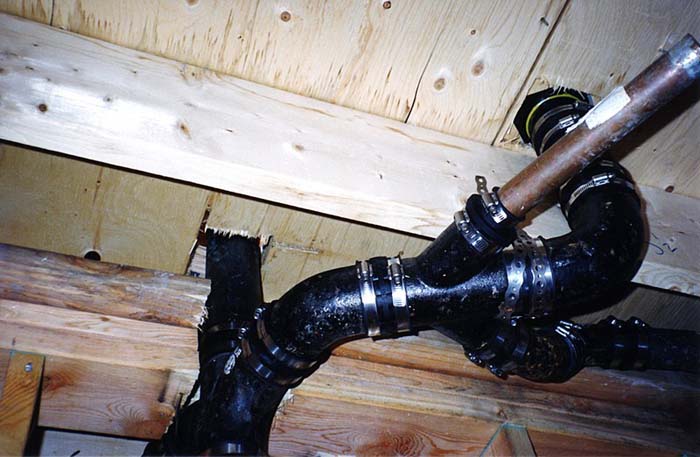
  • The vent, waste, and drain lines were constructed from cast iron. It lasts a long time but is heavy, tough to work with, and corrodes easily. ABS or PVC plastic pipes have mostly replaced cast-iron pipes in contemporary plumbing systems.
  1. Galvanized steel pipes
  • The plumbing systems were in high demand right up to the ’60s. Over time, they deteriorate, which decreases water flow and makes leaks more likely. Plumbing renovations frequently involve the replacement of galvanized steel pipes with plastic or copper pipes.
  1. Orangeburg Pipes
  • Sewer lines used pipes made of bituminized fiber, which combined pitch and wood pulp. Their vulnerability to tree root intrusion and collapse is high. More dependable materials like ABS and PVC have replaced Orangeburg pipes.
  1. Lead Pipes
  • The widespread use of lead pipes in the early 20th century was linked to significant health risks. This is the result of lead leaching into drinking water. Pipes made of lead are gradually phased out and replaced in older structures.
  1. Polybutylene Pipes:
  • Despite their widespread use from the 1970s through the 1990s, they eventually break or become extremely brittle when exposed to water additives such as chlorine. Pipes made of polybutylene are no longer produced or used. Most of the time, long-lasting materials such as CPVC or PEX replace the existing pipes.

What type of plumbing is used now?

The materials used in modern plumbing systems are carefully chosen for their unique properties, intended use, and specific building needs. Today, the most commonly used materials in plumbing systems are:

  1. Cast Iron
  • Heavy and long-lasting cast iron does a great job of reducing noise. Its noise-reduction qualities make it a popular choice for DWV systems in commercial plumbing systems.
  1. Galvanized Steel
  • Resilient and long-lasting. It has long been used in outdoor plumbing and water supply systems. Unfortunately, its reduced water flow and corrosion resistance over time have made it less popular in modern times.
  1. CPVC
  • These are protected from chemical damage and corrosion. They are also capable of withstanding higher temperatures than standard PVC. It is an ideal domestic supply line for both cold and hot water.
  1. PVC
  • These plumbing systems are chemical and corrosion-resistant, easy to work with, and lightweight. This method is commonly used in waste, vent, and drainage systems. Avoid installing this method on pipes that supply hot water.
  1. Stainless Steel
  • Aesthetically appealing, corrosion-resistant, and very durable. Commercial and residential water supply lines use this material, particularly in areas vulnerable to corrosion.
  1. PEX
  • These systems exhibit superior resistance to cold conditions compared to others, feature a simple installation process, are resistant to chlorine and scale, are flexible, and do not develop pinholes or corrosion. They are ideal for application in both commercial and residential plumbing systems. This includes radiant floor heating systems and hot and cold water supply lines.
  1. Copper
  • These can withstand high pressures and temperatures, resist bacteria, and be long-lasting. Copper is useful for both cold and hot water supply lines. It can be found in older houses and places where safety and durability are a priority.

Different materials have different applications depending on budget, plumbing system specifications, and local building codes. For home applications, for instance, CPVC and PEX are common because they are inexpensive and easy to install. However, copper is commonly chosen because it is reliable and long-lasting, even if it is more expensive.

What plumbing lasts the longest?

It is commonly believed that the following plumbing materials will last the longest:

Cast Iron Pipes

Cast iron pipes’ long lifespan—75 to 100 years or longer—makes them ideal for drainage systems. Their resistance to noise and abrasion also makes them excellent choices for some uses.

The Types of Plumbing Systems

PEX Pipes

Compared to metal pipes, PEX pipes have many advantages, such as being easier to work with, less likely to develop pinholes or corrode, and more flexible. They are also resistant to chlorine and scale. These plumbing systems have a long lifespan of more than fifty years, making them a dependable and long-lasting option for numerous uses.

Stainless Steel Pipes

Stainless steel pipes have a long lifespan (typically more than fifty years) and are very corrosion-resistant. They are typically used in areas where corrosion is a major concern. Additionally, although they are usually more expensive, they are extremely long-lasting.

PVC Pipes

Drain, waste, and vent lines are commonly made with PVC pipes since they are long-lasting and chemically resistant. Under ideal circumstances, PVC pipes can endure forever; nonetheless, prolonged exposure to sunlight might reduce their durability.

Galvanized Steel Pipes

Because of their susceptibility to corrosion and clogging, these pipes are no longer widely utilized as water supply lines. With the right care, though, they have a 20- to 50-year lifespan.

Copper Pipes

For a long time, copper’s resistance to corrosion and general durability made it the material of choice for plumbing. Although it can endure longer in perfect circumstances, its typical lifespan is 50 to 70 years. Additionally, copper is safe to consume and has excellent microbial resistance.

CPVC Pipes

It is common practice to use CPVC, which is similar to PVC but has chlorine added to withstand higher temperatures, for the distribution of cold and hot water. Because of its resistance to chemicals and corrosion, CPVC can withstand harsh environments for 50 to 75 years.

Cast iron, PEX, and copper are the three most durable plumbing materials. However, their relative qualities will vary with the conditions and needs of any given system.

Pipe that is not recommended for a water line

Some pipes should not be used for water supply lines because regulations restrict them, they need to be more durable, or they pose health risks. Examples of pipes that are not suitable for use as water lines include:

  1. ABS Pipes
  • Most plumbing rules do not permit the use of ABS pipes for drinking water lines. These pipes are only used as vents, waste, and drains; they are not intended to supply water.
  1. Galvanized steel pipes
  • Rust and corrosion can form on these pipes, leading to a clogged system and perhaps contaminated water. Although they were once common, modern building practices typically avoid them and replace them with older systems.
  1. PVC Pipes
  • PVC pipes can withstand cold water without deterioration or warping, but they shouldn’t be used for hot water lines. Hot water pipes should instead be made of CPVC.
  1. Polybutylene Pipes
  • Chemical interactions with chlorine in the water supply can cause PB pipes, widely employed from the 70s to the 90s, to collapse. They are frequently replaced because of how often they fail and leak; thus, they are no longer utilized.
  1. Lead Pipes
  • Serious health problems, particularly in children, can result from lead leaching into the water supply. Lead pipes for drinking water are illegal, according to most building codes.

Conclusion

CPVC, PEX, and copper are commonly suggested materials for water supply lines because of their safety, longevity, and ability to meet plumbing requirements. Before installing any pipe, check with your city or county to be sure it can handle potable water and meets all construction codes.

The Environmental Benefits of Using Biocatalysts in the Waste Management Industry

The Environmental Benefits of Using Biocatalysts in the Waste Management Industry

By | Waste Management | No Comments

The waste management industry relies on biocatalysts, which are mostly microbes and enzymes, because of the many environmental benefits they provide. When used in waste management processes, they help with sustainable development, reduce ecological impact, and improve efficiency.

Important environmental benefits of using biocatalysts in the waste management industry include:

  1. Enhanced Composting
  • Improved compost quality

Microbial biocatalysts and enzymes enhance composting by facilitating the complete breakdown of organic materials. The end product, high-quality compost, aids soil enrichment and the promotion of sustainable agriculture.

  1. Waste Valorization
  • Resource recovery:

Biocatalysts are useful because they can transform organic waste into bioplastics, fertilizers, and biofuels, among other useful byproducts. In addition to reducing trash, this helps the circular economy by reusing and recycling materials.

  1. Decreased Reliance on Landfills
  • Reduced volume of waste

Reduced landfill volume is directly attributed to biocatalysts’ ability to speed up the breakdown process. There will be less need to build new landfills, as well as less strain on existing ones.

  1. Sustainable industrial processes
  • Green chemistry

Industrial waste management using biocatalysts is an example of green chemistry in action. It reduces reliance on energy-intensive and harmful chemical procedures, resulting in an industry that is more environmentally friendly and can last longer.

  1. Lower greenhouse gas emissions
  • Reducing methane:

Methane, a powerful greenhouse gas, is produced during the anaerobic decomposition of organic waste in landfills. Biocatalysts can enhance anaerobic digestion processes, helping to optimize biogas generation and limit emissions of unregulated methane.

  1. Decrease in Toxic Substances
  • Detoxification

Pesticides, heavy metals, and other contaminants can be converted into less toxic molecules using specific biocatalysts. As a result, the waste is less harmful and has less of an effect on the environment.

  1. Water Treatment
  • Efficient wastewater treatment

To improve treatment efficiency and guarantee that discharged water meets environmental criteria, biocatalysts are utilized in the wastewater treatment industry to decompose organic contaminants. As a result, natural water bodies are less likely to be polluted.

  1. Decrease in Chemical Usage
  • Reduced use of synthetic chemicals

Synthetic chemicals used in traditional waste treatment techniques can harm the environment. Biocatalysts are an organic substitute that reduces the ecological impact of waste management techniques.

  1. Improved Biodegradation
  • Organic matter decomposes quicker

Biocatalysts can help organic waste break down much more quickly. Cellulases, proteases, and lipases are enzymes that improve waste treatment efficiency by breaking down cellulose, proteins, and fats, respectively.

  1. Recovering Energy
  • Producing biogas

Biogas is a renewable energy source that can be enhanced using biocatalysts in anaerobic digestion. One potential outcome of capturing and utilizing this biogas to produce energy is to reduce reliance on fossil fuels.

The most versatile biocatalyst in waste management

The microbial consortium is the most versatile biocatalyst for waste treatment. This term alludes to a wide variety of microbes that collaborate to decompose waste. Microbial consortiums’ adaptability to diverse habitats and capacity to break down a wide variety of organic and inorganic molecules give them ability to adapt. Here are some key points that demonstrate their versatility and significance:

The Environmental Benefits of Using Biocatalysts in the Waste Management Industry

  1. Ecological and sustainability benefits
  • Resource Recovery

Microbial consortiums contribute to the circular economy and resource recovery principles by converting waste into useful by-products such as biofertilizers, compost, and biogas.

  • Decreased chemical use

By reducing the need for chemical treatments, microbial consortia enable eco-friendly operations in waste management.

  1. Synergistic Interactions
  • Enhanced Efficiency

The metabolic processes of the various microorganisms that make up the consortium work in tandem, resulting in a more effective breakdown of waste. For example, one kind of microbe can degrade a complicated chemical into smaller molecules, while another can then degrade even more.

  • Adaptability and Resilience

When there are many different species in a consortium, they can adapt to different kinds of weather and live in places where just one species would die out.

  • Composting

Microbial consortiums facilitate the process of composting organic waste into nutrient-rich compost that may be applied to soil.

  1. Metabolic and genetic engineering
  • Synthetic Biology

Thanks to recent developments in synthetic biology, it is now possible to assemble synthetic consortia with metabolic pathways designed to break down particular kinds of waste or contaminants.

  • Tailored Consortia

Genetic engineering allows modifying individual strains within a consortium to improve waste degradation capacities. Microbial consortia are already quite efficient and adaptable, but this customization makes them even better.

  1. Diverse metabolic capabilities
  • Bioremediation of Pollutants

These consortiums can break down the heavy metals, pesticides, and hydrocarbons that contaminate our environment. The consortium, which contains certain fungi and bacteria, can detoxify these chemicals.

  • Organic waste decomposition

Microbial consortiums can degrade organic waste from various sources, including sewage, food waste, and agricultural waste. These organisms break down complex organic molecules into simpler compounds, which can then be subjected to additional processing or utilized as a bioenergy source.

  1. Applications of Various Waste Management Methods
  • Wastewater Treatment

To lower the effluent’s biological and chemical oxygen demands, wastewater treatment plants use microbial consortia to break down organic contaminants.

  • Anaerobic Digestion

Microbial consortiums play a crucial role in anaerobic digestion, which is necessary for biogas production. This process converts organic waste into carbon dioxide and methane, producing energy that can be used again and again.

Examples of Effective Microbial Consortia in Waste Management

  • Landfill Biocovers

To reduce methane emissions, landfill biocovers use microbial consortiums that break down the gas into water and carbon dioxide.

  • Activated Sludge

The wastewater treatment industry uses activated sludge, a complex mixture of protozoa, bacteria, and other microbes, to break down organic matter in wastewater.

Regardless of environmental conditions and waste streams, microbial consortia may effectively degrade waste, detoxify contaminants, and recover resources. This makes them a potent and adaptable tool in the waste management toolbox.

Are biological catalysts in waste management used up?

Waste management is just one of several processes that rely on enzymes, which are biological catalysts. Enzymes are used in these contexts to speed up the decomposition of organic compounds into their components. Catalyzed reactions do not deplete enzymes, which is a crucial point to remember. A more in-depth description can be found here:

Efficiency

Enzymes are very efficient catalysts for chemical reactions because they are not depleted quickly. This makes them ideal for tasks such as garbage management due to their efficiency and affordability.

Reusability

Enzymes, in contrast to reactants, do not undergo oxidation as a result of the reaction. When they momentarily bind to substrate molecules, they form an enzyme-substrate complex. This helps transform substrates into products. Subsequently, they are released unaltered and prepared to catalyze an additional reaction cycle.

Catalytic Function

Enzymes reduce the activation energy necessary for biochemical reactions to proceed, speeding them up. This can accelerate the decomposition of waste materials.

Enzymes are ideal for sustainable waste processing because they are not depleted and can continue to catalyze waste management reactions.

Conclusion

Biocatalysts used in waste treatment have several positive effects on the environment. They can help improve and more effectively manage waste in several ways, including less reliance on landfills, better biodegradation, and increased resource recovery. Worldwide initiatives to preserve the environment and advance sustainable development are in harmony with their incorporation into waste treatment processes.

The Advantages and Disadvantages of Biocatalysis in Waste Management

The Advantages and Disadvantages of Biocatalysis in Waste Management

By | Waste Management | No Comments

There are a number of pros and cons to using biocatalysis for waste management. This method uses whole cells and enzymes as catalysts to accelerate chemical reactions.

Advantages of Biocatalysis in Waste Management

Enzymes and microbes are examples of biocatalysts. Their capacity to selectively and efficiently catalyze chemical reactions makes them useful in waste management. Here are a few crucial advantages:

  1. Enhanced Efficiency
  • Improved Recovery

Improved resource efficiency is achievable by using biocatalysts to recover organic compounds, nutrients, and metals from waste streams.

  • Quicker Degradation

Specific microbes and enzymes that speed up the breakdown of complex waste materials can help facilitate faster and more thorough waste treatment.

  1. Regulatory Compliance
  • People’s Views

Businesses that use biocatalysts are showing their dedication to eco-friendly operations, which can boost their public image.

  • Meeting Standards

Biocatalytic processes, because they are less harmful to the environment, can assist waste management operations in complying with strict environmental standards and regulations.

  1. Energy Efficiency
  • Mild Reaction Conditions

Reduced operating temperatures provide dual benefits for waste management systems. They reduce energy consumption and equipment wear and tear.

  • Lower Energy Consumption

Biocatalytic processes generally use less energy than conventional chemical ones, which frequently necessitate high pressures and temperatures.

  1. Versatility
  • Adaptability

Customized solutions for various waste management difficulties can frequently be found in microorganisms adapted or engineered to digest specific contaminants.

  • Various Applications

Biocatalysts can treat a wide range of wastes, from hazardous to agricultural to industrial and municipal.

  1. Specificity and Selectivity
  • Decreased Byproducts

Because biocatalysts are so selective, they reduce the creation of undesirable byproducts, making processes cleaner and downstream processing easier.

  • High Specificity

Microorganisms and enzymes can improve the efficiency of waste degradation or conversion. They focus on particular waste components or contaminants.

The Advantages and Disadvantages of Biocatalysis in Waste Management

  1. Sustainability
  • Circular Economy

Biocatalytic processes can advance a circular economy. These processes enable the recycling and reuse of waste materials, transforming them into valuable goods.

  • Renewable Resources

A greener method of waste management is achievable by producing biocatalysts from renewable resources.

  1. Safer Work Environments
  • Non-Toxic Processes

By reducing the need for harmful chemicals, biocatalysts make waste management safer for staff.

  • Minimized Risk of Harmful Exposure

Due to reduced exposure to harmful substances and harsh operational conditions, workers’ health risks are reduced.

  1. Eco-friendly
  • Biodegradability

Because they are made from natural microbes and enzymes, the catalysts are safe for the environment and biodegrade.

  • Decreased Contamination

Biocatalysts can reduce contamination and toxic byproducts because they operate under mild conditions, such as ambient pressure and temperature.

  1. Cost-Effectiveness
  • Reduced Chemical Usage:

Decreasing the demand for harsh chemicals means less money is spent on materials and less on managing and disposing of dangerous chemicals.

  • Reduced Operating Costs

You can save a lot of money by reducing energy consumption and operating at ambient conditions.

Examples in Practice

Enzymatic Treatment

Industrial effluents contain complex organic molecules that enzymes degrade.

Anaerobic Digestion

Biogas and digestate are byproducts of microbes decomposing organic materials.

Composting

Organic waste is microbially transformed into compost, which improves soil.

Bioremediation

Water and soil contaminants undergo microbiological degradation.

Disadvantages of Biocatalysis in Waste Management

A number of waste management applications exist for biocatalysis. These involve chemical changes facilitated by naturally occurring catalysts, such as cells and enzymes. While biocatalysis offers numerous benefits such as high specificity and environmental friendliness, it also presents some drawbacks. Biocatalysis has several major disadvantages when it comes to waste management, including the following:

  1. Operational Challenges:
  • Constant Monitoring

Continuous monitoring and control of process parameters is generally necessary for effective biocatalysis, although it can be a resource-intensive procedure.

  • Reactor Design

Reactors that can keep the conditions right for microbial or enzyme activity are relatively easy and inexpensive to design.

  1. Activity and Stability:
  • Deactivation

Environmental changes, whether physical or chemical, can quickly render enzymes inactive, diminishing their efficacy over time.

  • Ecological Conditions

The presence of inhibitors or harmful compounds, as well as changes in pH and temperature, can have an impact on an enzyme’s activity. Maintaining an ideal state can be difficult and expensive.

  1. Public acceptance and regulatory
  • Public Perception

Biocatalytic approaches may face obstacles in gaining acceptance and implementation. This is due to public hostility toward using genetically modified organisms or other biotechnological interventions in waste management.

  • Regulatory Hindrances

Strict regulatory regulations may impede the use of GMOs in biocatalysis and delay their introduction.

  1. Substrate Specificity:
  • Inhibitors

Some waste stream components have lower biocatalytic performance because they inhibit enzyme activity.

  • Limited Range

Enzymes frequently exhibit substrate-specificity. Because of this specialization, a single microbial system or enzyme may only be able to treat a limited variety of waste.

  1. Waste Stream Complexity:
  • Pre-Treatment Requirements

The removal or reduction of inhibitory substances may necessitate substantial pre-treatment of certain waste streams, which might introduce additional processes and expenses.

  • Heterogeneous Mixtures

The compounds found in waste streams are frequently diverse and intricately mixed. Biocatalytic process development that can efficiently manage such complexity is challenging.

  1. Formation of By-Products:
  • Unwanted By-Products

The waste treatment process can get more complex when biocatalytic processes generate by-products that are either undesirable or dangerous.

  1. High Costs:
  • Process Optimization

Developing and optimizing biocatalytic systems can take a lot of money, so they work for certain kinds of waste.

  • Production of Enzymes

Producing and purifying enzymes is expensive, particularly for large-scale uses.

  1. Scalability:
  • Scale-Up Challenges

Enzyme stability and activity management, as well as handling mass transfer limits, are two of the many obstacles that could arise when biocatalysis is scaled up to industrial levels, despite its great effectiveness on a small scale.

Despite these drawbacks, biocatalysis is still an emerging and promising area for waste management. Due to ongoing research and technical developments attempting to resolve many of these obstacles, biocatalytic processes may become more practical and economical.

Conclusion

The use of biocatalysis in waste management holds great promise. This is because of its efficiency, specificity, and positive environmental impact. Integration with current systems, operational stability, and cost are some of the issues that must be overcome to fully utilize its potential. More research and technical breakthroughs are needed to address these challenges and increase biocatalysis’s potential as a large-scale waste management solution.


The Role of Biocatalysts in Waste Management

The Role of Biocatalysts in Waste Management

By | Waste Management | No Comments

Microorganisms and enzymes, classified as biocatalysts, are essential for efficient waste management. They accelerate the breakdown and transformation of organic contaminants, providing environmentally friendly and sustainable solutions across a range of waste management processes.

Here are some of the most important roles of biocatalysts in waste management:

  1. Improved Biodegradation Processes

Biodegradation procedures that use biocatalysts yield several benefits:

  • Mild Conditions

Operational costs and energy consumption are reduced because biocatalytic processes typically occur under mild conditions, such as ambient pressure and temperature.

  • Specificity

Because biocatalysts are so selective, they can reduce the amount of by-product produced by reacting with only the molecules and bonds of interest.

  • Speed

Enzymes catalyze processes at significantly higher rates, breaking down waste faster than nature would.

  1. Sustainable Waste Management Practices

Waste management strategies that incorporate biocatalysts are more sustainable because of:

  • Promoting the Circular Economy:

Biocatalysts turn waste into useful products like biofertilizers, compost, and biogas to promote resource recovery and reuse. This helps create a circular economy.

  • Decrease Dependence on Chemical Treatments:

Biocatalysts can help to reduce the negative environmental effects of chemical treatments.

  1. Bioremediation of Polluted Sites

Bioremediation uses biocatalysts to restore polluted environments. Microorganisms play a key role in this process, which involves degrading contaminants in the environment into less hazardous or non-toxic forms.

  • Heavy Metals

Bioaccumulation and reduction are two mechanisms by which some bacteria can convert heavy metals from their hazardous forms to less dangerous ones.

The Role of Biocatalysts in Waste Management

  • Petroleum Hydrocarbons

Microorganisms, like fungi and bacteria, can degrade oil spills and other hydrocarbon pollutants.

  1. Biostimulation and Bioaugmentation

Biocatalysts in waste management can be enhanced using the following strategies:

  • Biostimulation

Increasing the activity of naturally occurring microbes by providing them with substrates or nutrients.

  • Bioaugmentation

To speed up the breakdown process, cultured microbes should be introduced to polluted areas.

  1. Organic Waste Degradation

Biocatalysts, like enzymes and bacteria, break complex organic molecules into simpler chemicals. This procedure has the following important purposes:

  • Anaerobic Digestion

Here, microbes decompose biodegradable materials without oxygen. This results in biogas (a combination of carbon dioxide and methane) and digestate (a substance that can be applied to soil), both of which can be used to improve soil.

  • Composting

In composting facilities, microbes break down organic materials. This creates nutrient-rich compost that you can use as fertilizer.

  1. Treatment of industrial waste

In industrial environments, biocatalysts increase the efficiency and reduce the environmental effects of wastewater and solid waste treatment.

  • Management of Solid Waste

Microorganisms are used to degrade industrial solid wastes, such as agricultural by-products and residues from food processing.

  • Wastewater Treatment

In wastewater treatment facilities, microorganisms and enzymes break down organic contaminants. This reduces the effluent’s biological oxygen and chemical oxygen demand.

Examples of biocatalysts in waste management

Here are some examples of biocatalysts used in waste management:

  1. Microorganisms

Fungi

  • White-rot Fungi

These fungi produce peroxidases and laccases, breaking down lignin and other complex organic molecules in polluted soil and industrial waste.

Bacteria

  • Acidithiobacillus ferrooxidans

This bacterium oxidizes sulfur compounds and ferrous iron, making it easier to extract copper and other metals from electronic scrap and mining waste.

  • Methanogenic Archaea

It aids in anaerobic digestion, which produces biogas. In anaerobic environments, these archaea help turn organic waste into renewable energy by converting it into carbon dioxide and methane.

  • Pseudomonas spp.

Bioremediation can be used to clean up hydrocarbon contaminants. The enzymatic oxidation process allows Pseudomonas bacteria to break down a wide range of hydrocarbons, such as those found in industrial solvents and oil spills.

  1. Enzymes

Cellulases

Cellulases make anaerobic digestion and composting possible, as well as hydrolyzing cellulose into glucose.

Amylases

These enzymes convert starches into simpler sugars, which can be utilized in fermentation or broken down further by other microbes.

Lipases

Lipases can help to remove oil pollutants from wastewater. These enzymes catalyze the hydrolysis of oils and fats into free fatty acids and glycerol.

  1. Bioaugmentation and Biostimulation

Biostimulation

Adding electron acceptors, donors, or nutrients to waste treatment environments can improve the breakdown of pollutants. This will stimulate the existing microbial population and make it more efficient.

Bioaugmentation

To speed up the breakdown of contaminants, particular strains of highly degradable microbes are introduced to polluted areas.

  1. Integrated Systems
  • Vermicomposting and Composting

When vermicomposting, a variety of earthworms and microorganisms cooperate to break down organic waste materials into fertilizer-rich compost.

  • Microbial Fuel Cells

These help recover energy and treat wastewater. Microbial fuel cells generate electricity by oxidizing organic waste with electrochemically active microbes. This innovation not only cleans up wastewater but also generates clean energy.

Sustainable waste management strategies rely on these biocatalysts. They provide eco-friendly substitutes for conventional physical and chemical methods.

Benefits of biocatalysts in waste management

There are a number of advantages to using biocatalysts in waste treatment, including microorganisms and enzymes. Listed below are a few major benefits:

  1. Decreases landfill usage
  • Extended Landfill Life

Biocatalysts help keep landfills in use for longer by diverting biodegradable and organic waste.

  • Reduction of Waste Volume

Less material needs to be sent to landfills when waste is broken down and treated efficiently.

  1. Environmental Advantages
  • Lower Greenhouse Gas Emissions

Biocatalysts can minimize the amount of greenhouse gases produced as an alternative to more conventional waste management practices like landfilling.

  • Decreased Contamination

Biocatalysts break down toxic substances and contaminants in waste, allowing for cleaner discharge.

  1. Improved public health
  • Smell Control

The efficient decomposition of organic matter can reduce waste odors.

  • Pathogen Decrease

One way to decrease the likelihood of disease transmission is by using biocatalysts to kill hazardous pathogens in waste.

  1. Cost-Effectiveness
  • Lower Operational Costs

Efficient waste breakdown can help reduce the burden on treatment infrastructure and maintenance costs.

  • Reduced Energy Consumption

Saving money is a common outcome of biocatalytic processes. This is because they often use less energy than more traditional approaches.

  1. Sustainability
  • Recovery of Resources

Generating biogas from organic waste through anaerobic digestion is one example of how they facilitate the recovery of valuable resources from waste.

  • Biodegradability

Because biocatalysts break down naturally, they help make waste disposal a greener option.

  1. Support the Circular Economy
  • Product Formation

Bio-based materials, fertilizers, and biofuels are useful by-products that may be made from them. This helps with the circular economy.

  • Nutrient Recycling

Biocatalysts, which break down organic waste into basic nutrients, make the process of recycling nutrients back into agricultural systems or ecosystems easier.

  1. Improved Efficiency
  • Specificity

Using biocatalysts shortens the time needed for waste treatment by speeding up the breakdown of organic matter.

  • Quicker Breakdown

Using biocatalysts reduces waste treatment time by speeding up organic matter decomposition.

  1. Versatility
  • Adaptability

Their adaptability makes them useful tools for managing waste in various settings and with different kinds of waste.

  • Wide Range of Applications

Bioremediation of polluted sites, breakdown of solid waste, and wastewater treatment are just a few waste management processes that can benefit from biocatalysts.

Applications in Waste Management

Anaerobic Digestion

In an oxygen-free environment, microbes decompose biodegradable materials. This creates biogas and lowers waste volume.

Bioremediation

Microbes and enzymes are used to detoxify polluted environments, such as water and soil.

Composting

Compost, a soil amendment rich in nutrients, is created when microbes break down organic matter.

Biodegradation

Biocatalysts are essential for decomposing organic waste into reusable or less toxic substances.

Conclusion

Biocatalysts significantly improve waste management procedures with their diverse and powerful biochemical activities. They are essential for sustainable waste management because they can efficiently and precisely decompose waste materials in an eco-friendly manner. The ongoing development and implementation of biocatalytic technologies will make more efficient and effective waste treatment possible, leading to a healthier and cleaner environment.

Wastewater Treatment in the Brewery Industry

Wastewater Treatment in the Brewery Industry

By | Waste Management | No Comments

The brewing industry, famous for making beer, accounts for an important part of the worldwide beverage market. However, the brewery industry is known to produce large quantities of wastewater, which causes problems with regulatory and environmental challenges. Effective wastewater treatment depends on breweries’ long-term viability and ability to comply with environmental regulations.

Key Pollutants in the Brewery Industry Wastewater

In the absence of adequate treatment, the wastewater produced by the brewing industry contains numerous contaminants. These pose serious threats to the environment. Common contaminants found in wastewater from breweries include the following:

  1. Volatile organic compounds
  • Compounds like aldehydes, organic acids, and alcohols can aggravate odor issues and threaten aquatic life due to their toxicity.
  1. Temperature
  • The high temperatures at which brewery wastewater is often released into receiving bodies of water have the potential to alter their temperature and have an effect on aquatic ecosystems.
  1. Chemical oxygen demand
  • The term refers to the total amount of oxygen required for the oxidation of all substances in the wastewater, regardless of whether they are organic or inorganic. Chemical oxygen demand suggests how much of an effect the wastewater could have on the environment.
  1. Heavy Metals
  • Equipment corrosion and the use of specific additives or ingredients during brewing could introduce trace levels of metals like manganese, zinc, and copper.
  1. Total Suspended Solids
  • These are suspended debris in the wastewater, such as grains, yeast, and other brewing-related particles. High total suspended solids can cause clogging and sedimentation in bodies of water.
  1. Nutrients
  • The wastewater from cleaning agents and raw materials contains nutrients such as phosphates, nitrates, and ammonia. Eutrophication can cause an overabundance of algae and subsequent oxygen depletion. This can occur in bodies of water that receive these nutrients.
  1. Pathogens
  • Yeast, bacteria, and other disease-causing microbes can be found in waste products, fermentation, and raw materials.
  1. Biochemical Oxygen Demand
  • Elevated biochemical oxygen demand levels indicate how much oxygen microbes require to degrade organic matter. This is due to high concentrations of organic matter, which includes ethanol, sugars, and other organic compounds.
  1. pH
  • The pH level of brewery wastewater can vary. It can range from slightly acidic to slightly alkaline, depending on the cleaning agents and the brewing process. Extremely acidic or basic pH values jeopardize the effectiveness of aquatic life and biological wastewater treatment systems.

To eliminate these contaminants and reduce their effect on the environment, it is crucial to treat wastewater from breweries properly. Advanced oxidation, chemical precipitation, biological treatment (aerobic and anaerobic), and filtration are common treatment methods.

Wastewater Treatment in the Brewery Industry

The importance of wastewater treatment in the brewery industry

There are a number of economic, regulatory, environmental, and operational reasons why wastewater treatment is so important for the brewing industry. The following are the main aspects that highlight its significance:

  1. Sustainability Goals

Treating wastewater is an important part of many brewers’ sustainability plans. Effective wastewater treatment aligns with the following principles:

  • Environmental Footprint Decrease

Reducing the strain on ecosystems and natural resources.

  1. Regulatory Compliance

Environmental standards and regulations are tightening up. Breweries are obligated to treat their wastewater in accordance with discharge standards set by various levels of government.

  • Shutting Down Operations

Regulatory bodies may temporarily or permanently shut down non-compliant operations.

  • Legal Penalties

Legal action and heavy fines may follow for failing to comply with the rules.

  1. Corporate and public responsibility

Concern for environmental sustainability is on the rise among stakeholders and consumers. The following are the benefits of well-managed wastewater:

  • Business Image

A brewery’s credibility and market value can be enhanced by its dedication to environmental protection.

  • Community Relations

Responsible wastewater treatment techniques foster good relationships with local communities. This, in turn, reduces conflicts and enhances social license to operate.

  1. Resource Recovery

Modern wastewater treatment systems enable brewers to extract valuable resources, including:

  • Energy Generation

Breweries can harness biogas, a renewable energy source, by using the anaerobic digestion of wastewater to power their operations.

  • Reusing Water

The brewery industry can reduce its freshwater use and associated expenses by reusing treated water in several processes.

  1. Operational Efficiency

The following are some ways in which effective wastewater treatment can boost operational efficiency:

  • Process Optimization

Waste and water can be better managed using treatment technologies, which can also reveal inefficiencies.

  • Constant Quality

Maintaining high wastewater treatment standards constantly improves water quality for reuse in brewing operations, which leads to greater product quality.

  1. Protecting the environment

Wastewater from breweries is rich in nutrients, suspended solids, organic matter, and even dangerous chemicals. Poorly treated or untreated wastewater can lead to the following outcomes:

  • Degradation of Soil

Soil degradation and plant growth are consequences of wastewater with high chemical pollutants or organic content.

  • Pollution of Water

Contaminating water sources by releasing untreated wastewater can disrupt the ecosystem and harm aquatic life.

  1. Cost Savings

You can achieve significant savings through efficient wastewater treatment by taking the following actions:

  • Reduced Costs for Waste Management

Treating and managing waste on-site may be more economical than hiring a waste disposal company.

  • Decreased Costs for Water and Sewage

Reusing treated water reduces freshwater needs and sewage disposal rates.

Effects of not treating wastewater in the brewery industry

The economic, public health, and environmental impacts of untreated wastewater from the brewing industry are multifaceted and problematic. Notable effects include the following:

Operational Impact

  • Operational Downtime

Operational disruptions or shutdowns due to non-compliance with environmental regulations can significantly impact output and revenue.

  • Sustainability Problems

Investors and customers alike are placing a premium on companies that demonstrate sustainability. Breweries will only lose investment opportunities and market share if they treat their wastewater to fulfill sustainability standards.

Impact on the Economy

  • Reputation Damage

Irresponsible wastewater management in the brewery industry can result in a loss of customer trust and, consequently, sales.

  • Increased Cost of Treatment

Water treatment plants and municipalities may incur higher costs if polluted water sources require extensive treatment to meet safety standards.

  • Regulatory Fines

Breweries may face financial hardship due to legal penalties and fines imposed by environmental regulatory agencies for failing to handle wastewater.

Impact on Public Health

  • Resistant to Antibiotics

Antibiotics and other pharmaceutical residues may be present in wastewater from breweries. These compounds can aid in the emergence and spread of antibiotic-resistant bacteria, which is a major threat to public health.

  • Health Hazards

Pathogenic microbes can flourish in polluted water sources, creating an ideal environment for waterborne illnesses like hepatitis, dysentery, and cholera. Contaminated water poses a significant health danger to anyone who drinks or comes into contact with it.

Impact on the Environmental

  • Odor Issues

Negligible wastewater treatment can lead to unpleasant smells, which lower the quality of life for those who visit or live in the area.

  • Loss of biodiversity

Untreated wastewater contains contaminants that are harmful to wildlife. These can cause aquatic species to die, food chains to be disrupted, and ecosystems to lose biodiversity.

  • Soil Pollution

Pollution can be caused by incorrect wastewater disposal. Soil fertility and plant growth can be adversely affected by changes in soil chemistry caused by wastewater’s organic and inorganic components.

  • Water Pollution

Brewery wastewater contains a lot of nitrogen, phosphate, organic matter, and suspended particles. These contaminants’ untreated release has the potential to degrade water bodies. This results in eutrophication and the overabundance of aquatic plants and algae, which has a domino effect on aquatic life as it reduces oxygen levels in the water.

Mitigation Strategies

Brewers can utilize a variety of wastewater treatment technologies to mitigate these adverse effects, including:

Advanced Treatment

Techniques include advanced oxidation processes, activated carbon adsorption, and membrane filtration.

Biological Treatment

The process involves treating wastewater with microbes that decompose organic materials.

Chemical Treatment

Using chemicals to remove or neutralize possible pollutants.

Physical Treatment

Processes such as filtration and sedimentation to remove suspended particles.

Conclusion

In order to be environmentally responsible and comply with regulations, wastewater treatment is an essential part of running a brewery industry. Breweries may reduce their environmental impact, improve resource recovery, and secure long-term sustainability by implementing cutting-edge treatment technology. Protecting natural resources and fostering sustainable development will require a steadfast dedication to efficient wastewater treatment as the sector keeps expanding.

Wastewater Treatment in the Leather Industry

Wastewater Treatment in the Leather Industry

By | Waste Management | No Comments

Accessories, clothing, shoes, and upholstery are just a few goods that rely on leather. The leather industry is a major player worldwide. However, it poses significant environmental challenges and uses a lot of water. Water and wastewater are abundant byproducts of the several processes involved in making leather, including soaking, curing, liming, tanning, dying, and finishing.

Key Pollutants in Leather Industry Wastewater

Wastewater from the leather industry is notoriously high in contaminants and produced in large volumes. Contaminants found in wastewater from the leather industry include:

Acids and Alkalis

  • The wastewater becomes more acidic and alkaline due to using strong alkalis and acids in different phases of leather manufacturing.

Tannins

  • There is a potential increase in the wastewater pollutant load due to using synthetic and vegetable tannins.

Organic Matter

  • Carbohydrates, fats, and proteins are common organic contaminants produced by animal skins and hides processing.

Fat Liquoring Agents

  • They help to make the leather softer. However, they are hazardous to fish and other aquatic creatures.

Sulfides

  • While dehairing, sulfurides are released into the air. Hydrogen sulfide gas, which they can produce, is hazardous and smells terrible.

Suspended Solids and Solids

  • A great deal of suspended solids, such as hair, pieces of meat, and other particles, are produced during leather production.

Pigments and Dyes

  • These chemicals are used for finishing and can harm the environment.

Solvents

  • Finishing techniques often involve the use of organic solvents. These are known to be both environmentally hazardous and very volatile.

Chromium

  • The tanning process makes chromium a major contaminant, especially in its hexavalent form. As a carcinogen, it is extremely harmful.

 Nitrogen and Ammonia Compounds

  • Deliming and the decomposition of organic nitrogenous substances in the hides cause these.

In the absence of adequate treatment, these contaminants pose serious threats to aquatic life, human health, and the environment as a whole. Implementing efficient wastewater treatment and management systems is the only way to minimize the severity of these effects.

Wastewater Treatment in the Leather Industry

Importance of Water Treatment in the Leather Industry

Water treatment plays a key role in the leather industry, ensuring operational effectiveness, regulatory compliance, ecological protection, and resource conservation.

  1. Conservation of resources
  • Chemical Recovery

Modern water treatment systems may extract useful chemicals from wastewater and reuse them in tanning to cut down on chemical use and costs.

  • Reusing Water

One way to minimize the strain on freshwater supplies is to treat wastewater so it can be reused in manufacturing. In areas where water is scarce, this is of paramount importance.

  1. Public Safety and Health
  • Worker Safety

Leather manufacturing plants can provide a safer working environment for their personnel by properly treating the water to decrease exposure to dangerous chemicals.

  • Community Healt:

The leather industry treats wastewater before discharge to ensure safe potable water is available and protect community health. This prevents dangerous chemicals from entering local water supplies.

  1. Corporate Image and Responsibility
  • Social Responsibilit:

Leather producers may strengthen their relationships with stakeholders and positively influence their communities by lowering the ecological impact of their operations.

  • Sustainable Practices

Water treatment is an investment in long-term sustainability and ecological responsibility for the leather industry. This can boost the company’s image and win over eco-conscious customers.

  1. Ecological Protection
  • Conservation of Biodiversity

If wastewater is not treated, animals and plants in the area can suffer greatly. Proper treatment ensures the maintenance of ecological balance, preservation of biodiversity, and removal of hazardous substances.

  • Decrease in Pollutio

Sulfides, chromium, and other organic contaminants are some of the hazardous chemicals found in the leather industry’s wastewater. Effective water treatment helps minimize the release of harmful contaminants into natural bodies of water to prevent soil pollution and conserve aquatic ecosystems.

  1. Operational Effectiveness
  • Cost Savings

Good water treatment can save money by reducing water use, raw water intake, and waste disposal expenses.

  • Process Optimization

The effectiveness and quality of leather processing processes depend on using clean water. The tanning and dying procedures are susceptible to water impurities. This can result in lower product quality and defects.

  1. Regulatory Compliance
  • International Standards

Meeting international environmental standards is of the utmost importance for leather products intended for export. Proper water treatment is necessary to comply with such criteria and facilitate international trade.

  • Standard Adherence

In many nations, industrial wastewater regulations are quite strict. To stay out of legal trouble and prevent closures, leather producers must use efficient water treatment methods that comply with these regulations.

Effects of not treating Wastewater in the Leather Industry

The leather industry requires a lot of water and chemicals. This makes it one of the most polluting industries. Serious socio-economic, health, and ecological problems can arise from failing to handle wastewater from the leather industry. Among the most significant outcomes are these:

Ecological Effects

  1. Air Pollution

Hydrogen sulfide and ammonia are two of the chemicals used to treat leather. They have the potential to volatilize into the air, where they can cause nasty smells and pollution.

  1. Soil Contamination

When wastewater seeps into the ground, heavy metals and other contaminants can contaminate the soil. This decreases soil fertility, which in turn impacts local flora and agriculture.

  1. Water Contamination:

Toxic chemicals found in raw wastewater from leather tanneries have toxic substances; this includes organic contaminants, sulfides, and heavy metals like chromium. Local water bodies can be contaminated by these, which can cause:

  • Eutrophication

Algae blooms are caused by excess nutrients (such as phosphorous and nitrogen), which reduce oxygen levels and harm aquatic life.

  • Toxicity to Aquatic Life

Toxic chemicals and heavy metals kill fish and other aquatic life, destroying ecosystems and reducing biodiversity.

  1. Dangers to Human Health

Communities in close proximity to untreated wastewater discharge facilities face the danger of exposure to toxic substances. These can cause a range of health problems, including:

  • Chronic Health Disorders:

Liver issues, kidney damage, and cancer are among the severe health issues that heavy metals like chromium can induce with prolonged exposure.

  • Skin Conditions

Infections and skin disorders can develop by directly touching polluted water.

  • Difficulty Breathing

Airborne chemicals can cause respiratory illnesses.

Socio-Economic Effects

  • Property Value Decline

Environmental contamination and degradation can impact community development and real estate markets, lowering properties’ aesthetic and economic worth.

  • Increased Healthcare Costs

Polluted air and water have serious health consequences, including higher healthcare expenses for impacted populations. This can put an extra burden on households already struggling to make ends meet.

  • Loss of Income

Many people rely on fishing and agriculture for a living, yet both industries are vulnerable to soil and water contamination. Poverty and economic instability are possible outcomes.

  1. Work-related Risks:

Failure to implement adequate wastewater treatment and safety protocols exposes workers in the leather industry to potentially harmful substances. Both short-term and long-term health issues may result from this.

Overall Impact

Socio-economic, public health and environmental stability are all jeopardized by the leather industry’s untreated wastewater outflow. Sustainable practices, strict wastewater treatment techniques, and adherence to environmental standards are necessary to resolve these difficulties and foster a more environmentally responsible leather industry.

Conclusion

The leather industry must implement efficient wastewater treatment systems to reduce its negative environmental effects. By implementing sustainable practices and cutting-edge treatment technology, the industry can minimize its impact on the environment, save water, and comply with environmental regulations. This will improve the industry’s sustainability and corporate social responsibility and be good for the environment.

What You Can Do About Trash Pollution

What You Can Do About Trash Pollution

By | Waste Management | No Comments

Globally, ecosystems are negatively impacted by trash pollution, which goes by several names: rubbish pollution, waste pollution, and littering. Sewage is the result of people not properly disposing of trash. This includes organic matter, glass, plastics, paper, and metals that end up in places like urban areas, rivers, oceans, and forests. The hazardous effects of trash pollution on humans, wildlife, and ecosystems are well-documented.

Lack of recycling infrastructure, improper waste management, industrial operations, and individual littering are all contributing to garbage pollution. The enduring nature of plastic waste and its detrimental impact on marine life have garnered much attention. Marine animals face serious danger from ingestion and entanglement. This is due to single-use plastics, which are among the most prevalent contaminants in waterways and oceans.

Trash pollution reduces the aesthetic value of natural landscapes while disrupting food chains and ecosystems. Many marine creatures ingest plastic trash, thinking it’s food, which causes them to suffocate and eventually die. Plastics release toxic chemicals into the environment, posing a threat to wildlife. These chemicals may also make it into human diets through shellfish.

What You Can Do About Trash Pollution

Here’s what to do about trash pollution.

To combat trash pollution, governments, communities, and individuals can do a few things:

Behavioral Changes

Encourage mindful consumption and proper disposal habits at the individual level. When people make small adjustments to their habits, they can have a big impact on trash pollution.

Proper waste disposal

For this purpose, recycling centers and garbage cans should be used. Littering and other forms of improper disposal can contaminate landscapes and waterways.

Ground-breaking Solutions

Investigate and develop ground-breaking methods for garbage disposal, such as biodegradable packaging, composting, and waste-to-energy plants.

Support Legislation

Speak out in favor of regulations and policies that encourage recycling and reduce waste. Bring your voice to the table in favor of laws extending producer responsibility, bottle deposit programs, and prohibitions on single-use plastic bags.

Cleaning Efforts

Take part in community cleanups or plan your own. One easy way to minimize trash pollution is to organize cleanups in parks, neighborhoods, and beaches.

Community Participation

Create all-encompassing waste management initiatives and plans by collaborating with community groups, businesses, and local government.

Reduce, reuse, and recycle

The three R’s are essential when dealing with garbage. To reduce consumption, choose reusable items and recycle materials whenever possible.

Education and Awareness

Educate the public about the consequences of trash pollution. Motivate people and companies to manage their waste responsibly.

If we combine these approaches, we can reduce the negative effects of trash pollution and ensure our environment is habitable for years.

The main causes of waste pollution

Many different factors can contribute to trash pollution and exacerbate environmental degradation in their own unique ways. Among the most important reasons are:

Lack of Education and Awareness

Proper waste disposal is essential, yet often, people need to realize how their activities affect the environment. A solution to this problem could be to raise public awareness and educate the public.

Single-Use Plastics

Packaging, bottles, and bags made of single-use plastics are a major source of trash pollution. These materials have a long half-life and can harm marine life when dumped in landfills or the ocean.

Lack of Sufficient Facilities for Waste Management and Recycling

Illegal dumping sites and landfills become overcrowded because many areas require more effective recycling, waste management, and recycling infrastructure.

Industrial Activities

The disposal of heavy metals and hazardous chemicals is just one of the many byproducts of industrial activities. Water and soil contamination due to improper disposal of industrial waste poses significant health concerns for ecosystems and humans.

Building and Demolition Waste

Massive quantities of materials, including metals, wood, and concrete, end up in landfills as a result of building undertakings. The incorrect disposal of these items could lead to pollution and habitat loss.

Excessive Consumerism and Overconsumption

More goods are produced, increasing waste due to the culture of overconsumption and excessive consumerism. Planned obsolescence is a common design philosophy that causes products to have shorter lifespans and generate more trash.

Residential and commercial waste

Waste from food leftovers, packaging, and other throwaway things is a major problem for homes and businesses. When these levels of management fail to handle trash properly, pollution becomes much more of an issue.

Improper waste disposal

Disposal practices such as littering, open burning, and landfill dumping are major contributors. Waste can pollute the air, water, and soil if not properly handled.

Better public awareness efforts, recycling programs, improved waste management, and sustainable manufacturing techniques to encourage responsible consumption and disposal habits are all part of the solution to trash pollution.

Habits you can use to reduce waste and promote recycling

Excellent behaviors such as recycling more and reducing waste result in a healthy environment. You can accomplish these objectives by establishing the following routines:

Practice recycling

Make purchases that will reduce waste before it is even created. Make bulk purchases, look for products with minimal packaging, and avoid those that have too much.

Invest in long-lasting products

Make a long-term investment in high-quality, long-lasting products to reduce waste.

Educate yourself and others

Keep yourself educated on environmental issues and spread the word. Get your loved ones to start living more sustainably.

Compost organic waste

To dispose of yard waste and leftover food, install a compost bin. By transforming organic matter into soil rich in nutrients, composting helps minimize the burden on landfills.

Proper recycling

Get to know the recycling regulations in your area. To avoid contamination, rinse containers before recycling.

Reuse or donate items

Instead of throwing them away, give to charity or find a new use for things you no longer have.

Support recycling programs

It is important to promote and support recycling initiatives in your neighborhood. It is crucial to advocate for improved recycling infrastructure and actively participate in recycling drives.

Select products with minimal packaging

Try to buy products that require minimal packaging or whose packaging can be recycled.

Minimize energy consumption

Less energy consumption means less waste and less need to extract resources. Turn off lights and appliances that utilize energy when not in use, and use less water.

Minimize single-use items

Instead of throwing away single-use products, try bringing your reusable coffee cups, shopping bags, and water bottles.

Effects of trash on humans and the ecosystem

Trash pollution can have negative impacts on both ecosystems and humans.

  1. Ecosystem Degradation:
  • Toxicity

Some waste materials contain toxic chemicals that can seep into groundwater and groundwater supplies, endangering life on land and in the water.

  • Contamination

The air, soil, and water can be polluted for centuries by plastics and other non-biodegradable pollutants. Microorganisms, animals, and wildlife are vulnerable to this kind of pollution.

  • Habitat Destruction

Disposing waste in natural habitats can destroy ecosystems, displace animals, and disturb species balance.

  1. Human Health Impacts:
  • Water Pollution

Diseases like typhoid and cholera can spread through water supplies that have been contaminated due to careless waste management.

  • Air Pollution

The inhalation of smoke from burning waste can worsen asthma and other respiratory conditions, as well as cause additional health issues.

  • Transmission of Diseases

Leptospirosis, dengue fever, and malaria are just a few of the diseases that can spread through trash. This is because it provides a habitat for rodents and mosquitoes.

  1. Economic and aesthetic impacts:

The recreational and tourism sectors, among others, might suffer financially as a result of rubbish accumulations. This waste degrades the attractiveness of popular tourist spots and natural landscapes.

  1. Climate Change:

Landfilling organic waste is one example of how poor waste management methods can lead to emissions of greenhouse gases, particularly methane, a powerful agent in the climate change crisis.

To address these issues, waste management must work together, including recycling, correct disposal, and reduction programs. Another critical step in reducing trash’s impact on ecosystems and people is raising awareness about the negative effects of careless waste disposal. Also, encourage more sustainable consumption practices.

Conclusion

Campaigns to educate the public, laws to control waste disposal and encourage technological advancements, clean-up efforts, and recycling to minimize plastic consumption and enhance waste management practices are all part of the fight against trash pollution. Nevertheless, to tackle this multifaceted issue, we must all work together on a local, national, and worldwide scale. This will help to protect the planet’s ecosystem, reduce trash production, and encourage more sustainable consumption habits.

Wastewater Treatment in the Food Industry

Wastewater Treatment in the Food Industry

By | Waste Management | No Comments

The lack of wastewater treatment greatly impacts regulatory compliance and ecological sustainability in the food industry. Food industry wastewater contains a wide range of contaminants, including potentially dangerous chemicals, oils, nutrients (phosphorous and nitrogen), greases, and organic matter. Proper treatment is required to remove these impurities before discharging or reusing them.

Here’s a rundown of the most typical approaches of wastewater treatment in the food industry:

Preliminary Treatment

This requires physical procedures like screening to eliminate big particles, grit removal to separate gravel and sand, and occasionally equalization to match the concentration of pollutants with the flow rate.

Primary Treatment

Flotation or sedimentation helps to remove organic matter and suspended solids. Although primary treatment can reduce total suspended solids and biochemical oxygen demand, it may not be enough to meet regulatory requirements.

Secondary Treatment

Secondary treatment, which is frequently a biological process, aims to further decrease organic contaminants. Common methods include sequencing batch reactors, trickling filters, and activated sludge processes. Microbes decompose organic materials into safer, less complex substances. This action drastically reduces both the chemical oxygen demand and the biochemical oxygen demand.

Tertiary Treatment

If further pollution removal is desired, particularly of nutrients such as nitrogen and phosphorus, tertiary treatment can be employed as an additional stage. Some examples of methods include physical filtration (using membranes or sand) and chemical procedures like flocculation-coagulation and nitrification-denitrification.

Advanced Treatment

When the effluent needs to be reused or meets strict quality standards, advanced treatment technologies like reverse osmosis, ultraviolet disinfection, and membrane bioreactors may be used. These technologies can eradicate, particularly, nefarious pathogens and pollutants.

Sludge treatment and disposal

Proper handling of sludge, which is generated during wastewater treatment, is also required. In order to prepare sludge for disposal or beneficial reuse, it may be thickened, dewatered, and stabilized (via methods like anaerobic digestion, for example).

Benefits of wastewater treatment in the food industry

There are a number of economic and environmental advantages to treating wastewater in the food industry. A few are presented here:

Regulatory incentives

Certain governments might provide subsidies, grants, and tax breaks to encourage companies to invest in wastewater treatment technologies. These incentives can further offset the costs of establishing treatment systems.

Regulations and Compliance

In many nations, wastewater discharge is subject to stringent rules. Proper treatment ensures compliance with these standards, avoiding fines and legal penalties for businesses in the food industry.

Public health improvements

Proper wastewater treatment can reduce the danger of waterborne diseases. This helps to remove hazardous microorganisms and pollutants. Ensuring that polluted water does not enter the food chain’s potable water sources protects both public health and the environment.

Implementing effective wastewater treatment demonstrates a company’s dedication to ecological responsibility and sustainability. This has the potential to boost public perception of the company, draw in eco-conscious customers, and increase sales.

Conserving Resources

Anaerobic digestion and other similar procedures can often recover valuable resources from wastewater. This includes biogas, which is composed of organic components. The food industry can minimize its dependency on outside resources by treating wastewater to recover nutrients and energy.

Cost Savings

Although there may be an initial outlay of funds for wastewater treatment infrastructure, the money saved in the long run is usually worth it. Companies may save a lot of money in the long run by cutting back on water use, reducing pollution costs, and making money off waste products such as fertilizers and biogas.

Ecological Protection

Pathogens, nutrients (such as nitrogen and phosphorus), and organic matter contaminate wastewater generated in the food processing industry. Treating this wastewater before discharging it into the environment is important to preserve aquatic ecosystems and avoid water pollution.

Reduced water usage

Food processing industries may drastically reduce water usage by implementing treatment methods such as reusing and recycling. Businesses can save money and water by processing their wastewater and then using it for things like cleaning and irrigation that aren’t considered to be drinkable.

Application of Wastewater in the Food Industry

When wastewater treatment is done correctly, the food industry can reap a lot of benefits. Here are a few examples of their applications:

  • Conserving Water

The food industry may help conserve water and alleviate pressure on freshwater supplies by finding new uses for treated wastewater. This is especially true in areas with scarce water or drought.

  • Generating Biogas

Biogas is a common byproduct of wastewater treatment procedures. Methane makes up the majority of biogas, which may be collected and utilized as a renewable energy source for powering or heating equipment in the food industry, among other things.

  • Generating Steam

In food processing operations, treated wastewater can be used in boilers to create steam for sterilization. As a result, less fresh water will be used to generate steam, reducing energy expenses.

  • Nutrient Source

Nutrients, including potassium, phosphorous, and nitrogen, are present in treated wastewater and are vital for plant growth. One way to promote sustainable agriculture is to recover these nutrients from wastewater and use them as fertilizer for crops.

  • Cooling Water

Treatment wastewater can be used as a cooling water source for machinery and equipment in food processing plants. The decreased demand for freshwater may reduce the facility’s operational expenses.

  • Land Reclamation

As part of land reclamation efforts, cleaned wastewater is sometimes released into wetlands or coastal areas. In doing so, we may rebuild ecosystems and provide much-needed homes for animals.

  • Hydroponics

In hydroponic systems, plants are grown without soil using treated wastewater. This includes herbs, vegetables, and fruits. Plants thrive in the nutrient-rich water, and the system’s regulation makes water usage a breeze.

  • Aquaculture

Growing aquatic plants or raising fish using treated wastewater in aquaculture systems is possible. The nutrients in the water, which allow fish and other aquatic creatures to grow, make seafood possible.

  • Irrigation

With treated wastewater, crops, particularly food crops, can be irrigated. This helps alleviate water scarcity by lowering the demand for freshwater resources.

  • Closed-Loop Systems

A number of food processing plants use closed-loop water systems. These systems help treat and recycle wastewater for a variety of uses inside the plant, reducing the need for water and the amount of contaminants released into the environment.

Conclusion 

With effective wastewater treatment, the food industry can meet regulatory standards, protect the environment, and improve operational efficiency. Improve the sustainability and effectiveness of wastewater management strategies by incorporating cutting-edge treatment technology and focusing on resource recovery.