Express Drainage Solutions

A Solution for Sanitation, Wastewater Treatment & Renewable Energy

Njengi House

2nd Floor Suite 6, Tom Mboya St.

8:00AM - 5:00PM

Monday to Friday

+254742781455

info@expresswatersolutions.com

All Posts By

Antony Muya

Guide for a Successful Dosing Pump Installation Metering Pump Working Law

Dosing Metering Pump Working Law

By | Pumps | No Comments

A dosing metering pump is equipment for precisely dosing one fluid into another. Typically, dosing metering pumps are used in businesses that place a premium on the exact addition of substances or chemicals to larger quantities, such as pharmaceutical production.

When buying a dosing metering pump, it’s important to consider the following factors: wetted path material types, discharge pressure, liquid viscosity, flow rates, and temperature. A metering pump’s fundamental components are its motor and pump head. You can adjust them electronically or manually.

Metering pumps frequently use piston-driven positive displacement pumps to measure fluid in the reservoir chamber. Pistons operate these pumps, and different designs can be tailored to specific needs.

Type of pump commonly used for metering and dosing applications

A dosing metering pump can be either positive displacement or centrifugal. When it comes to accuracy, though, positive displacement pumps outperform centrifugal pumps.

Here are some of the most popular dosing metering pumps:

Piston/Plunger

This device comprises a housing that houses the component. During the suction stroke, fluid enters the chamber as the piston reciprocates within the housing. Afterward, it is pushed out during the discharge stroke. You can precisely obtain accurate information regarding the quantity of fluid being dosed into the fluid stream. This is done by knowing the piston’s position and the chamber’s volume.

Due to this design, piston/plunger types have the most precise fluid metering capabilities among many dosing metering pumps. But this also means the fluid stream doesn’t get any fluid during the suction stroke. Additionally, the pump allows for discharge in pulses. Because of these features, these types of pumps aren’t good choices for many uses. Wear and tear, caused by the piston rubbing against the cylinder, further reduces the pump’s lifetime.

Plunger Pump

Plunger-metering pumps use plungers to reciprocate. It is a forward-stroke, single-acting pump that releases fluids. To drain the fluid, they feature a suction check valve. A discharge check valve drives the fluid through as the plunger moves forward.

When it comes to high-pressure applications, plunger metering pumps are superior to piston metering pumps due to their design. Compared to piston metering pumps, they are faster and can handle pressures of more than 50,000 psi.

Gear Pump

This pump type mimics the action of a peristaltic metering pump but eliminates the tube. The fluid flows into or gets sucked into a vacuum created by the gear’s intermeshing motion. The gears cause the fluid to travel in a revolving motion from the inlet to the outlet valve.

Because their construction can handle high pressure, gear metering pumps are frequently utilized with fluids with a high viscosity. Applications that include hydraulic fluid power are the ones that make use of these pumps the most often.

Syringe Metering Pumps

Withdrawal and infusion syringe metering pumps are the two main types. Both have one primary function: to transport a set volume of fluid. Infusion types allow for the controlled administration of small fluid volumes at set intervals and pressures. Pharmaceutical and medical testing fluid samples are automatically withdrawn with withdrawal syringe metering pumps.

Dosage administration is the primary function of these pumps. They are subject to strict guidelines for both flow rate and speed.

To infuse or withdraw fluid, this pump uses a piston. They are unsuitable for automated applications due to their slow operation. When there are a lot of syringe-metering pumps in a system, the pressure variations can be devastating. Small amounts of fluid can only be moved by the reservoirs of syringe metering pumps.

Peristaltic Metering Pump

These pumps differ in design from their diaphragm-driven and piston-driven counterparts. The medium passes through a tubing or hose by peristaltic metering pumps. Rollers mounted on a rotor finish the fluid control mechanism. The tubing draws in the fluid flow by creating negative pressure. When the tubing is filled, the rotor’s rotation stops the flow. The fluid in the tubing flows in the direction of pumping through the rotor’s revolving action.

The roller releases tension from the tube, and the hose aligns with the flow as it finishes its motion. The subsequent delivery of the medium might fill the tubing since negative pressure is once again generated.

Mechanical Diaphragm

This pump type uses a mechanical diaphragm instead of a piston. The diaphragm draws liquid into the chamber during expansion and injects it into the fluid flow during compression. Eccentric cams drive the diaphragms by converting the motor’s rotating motion into reciprocating motion.

The amount of fluid sucked and injected into the fluid stream can be accurately measured by observing the expansion and contraction levels, just like with piston pumps. Mechanical diaphragms are ideal for dosing poisonous fluids. This is because of their tightly sealed construction, which is another advantage. They also don’t wear out as quickly as piston pumps do.

Pulsed discharge is just one of the impacts that can harm the mechanical diaphragm. Nevertheless, a two-diaphragm setup can lessen the impact of such effects.
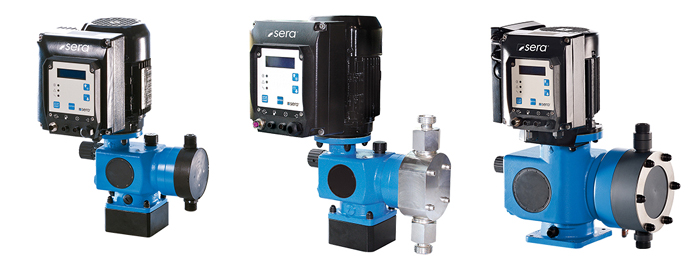
Dosing Metering Pump Working LawHydraulic Diaphragm

A hydraulic diaphragm is similar to a mechanical diaphragm but powered by hydraulics. Changing the hydraulic fluid’s pressure is one way to expand or contract the diaphragm.

The pulsed discharge is eliminated by hydraulic double-diaphragm motors using two diaphragms. Furthermore, the even load distribution on hydraulic diaphragms makes them more durable than mechanically driven ones. This allows them to handle loads that mechanical ones can’t match.

Applications of a dosing metering pump

The water treatment, food, and pharmaceutical industries are just a few of the many that use a dosing metering pump. Injecting precisely measured amounts of the substance into the fluid stream is essential in several industries, and a dosing metering pump is an ideal solution for this.

Factors to consider when selecting a dosing metering pump include:

  • Operating pressure
  • The necessary degree of precision
  • The injectable fluid

How do you control the flow of a dosing pump?

There are a number of methods for controlling a dosing metering flow rate. This is the quantity of liquid given per unit of time to guarantee consistent and precise dosing.

Use a programmable controller

You can schedule the dosing and adjust the flow rate using some dosing pumps‘ programmable controllers. Precise chemical dosing at predetermined intervals can be an easy method to regulate the flow rate.

Control the stroke rate

A dosing pump’s stroke rate is the number of cycles it completes in one second. One way to regulate the flow rate is to alter the stroke rate, which affects the number of pump cycles.

Control the diameter of the orifices

You can adjust the dosing pump’s flow rate by adjusting the diameter of its orifices. Less liquid can move through an opening in the same period of time when its size is smaller.

Control the inlet pressure

The inlet pressure of a dosing metering pump is the pressure of the liquid entering the pump. A change in the inlet pressure causes a corresponding change in the liquid’s pressure entering the pump. This, in turn, controls the flow rate.

Use a flow meter

One way to measure how fast liquids are moving through a system is with a flow meter. To make sure the right amount of chemical distribution, attach a flow meter to the dosing metering pump and adjust the flow rate.

Control the stroke length

The stroke length of a dosing pump is the distance it travels in one cycle. You may regulate the flow rate and the quantity of liquid dispensed per cycle by adjusting the stroke length.

Control the outlet pressure

The liquid’s pressure at the point where the dosing pump is removed from the system is known as the outlet pressure. You may change the flow rate by adjusting the liquid’s pressure leaving the pump. Outlet pressure adjustment is the method for doing this.

Conclusion

Due to the fact that different applications call for varied degrees of precision and flow, the definition of dosing changes across all sectors. Consequently, we supply a variety of dosing pumps that support a wide range of flow rates and degrees of precision.

You can get reliable and inexpensive replacements for the old-fashioned, conventional gear pumps with the help of an excellent metering pump. In both high-pressure and low-flow applications, it provides continuous dosing methods. The dosing-metering pump is ideal for both continuous and sporadic tasks. This is because they guarantee smooth pumping with minimal shear and no pulsation.

Regarding industrial dosing metering pumps, our team at Express Drainage Solutions guarantees reliable, long-lasting, and top-notch technology. We provide the top specialists in the industry to help our customers install and maintain these pumps so their industrial production runs smoothly.
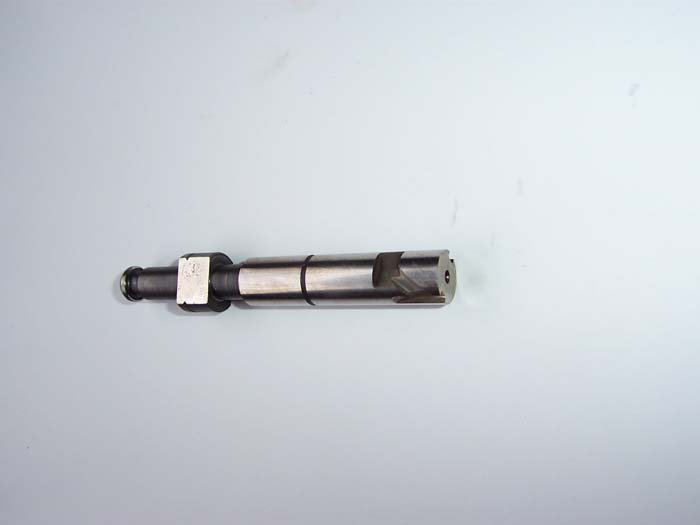
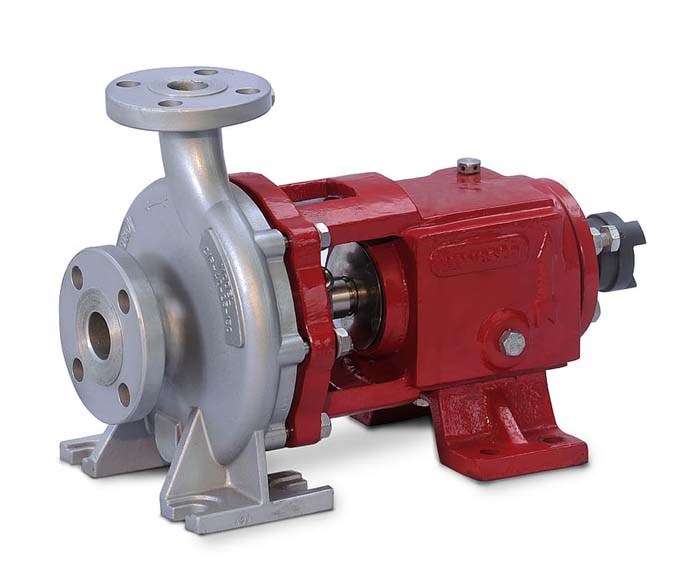
Plunger Pump for Chemical Injection

Plunger Pump for Chemical Injection

By | Pumps | No Comments

Car washes, the oil and gas industries, food processing plants, and wastewater treatment plants all use plunger pumps to control the flow of fluids. The pumping chamber of the pump contains two valves—this helps to regulate the plunger’s response to a suction or discharge force. Solids can pass through the machine’s system without clogging it.

This type of positive displacement pump, which goes by several names, including well service pump or high viscosity pump, builds pressure through a cylinder mechanism. Whatever it is—sludge, liquid, or gas—the pressure pushes it through the plunger pump. The pressure opens the chambers at the inlet and outlet valves. Depending on its function, the plunger’s construction might feature various metals. On offshore oil rigs, a plunger pump with a solid ceramic plunger prevents corrosion from seawater.

The pumps find widespread use in commercial settings for tasks like agriculture, disinfection, cleaning, and pest control, among others. Additionally, you can find them in electricity-powered equipment like sprayers, atomizers, and pressure washers.

How Does a Plunger Pump Work?

The mechanism of action of a plunger pump is as follows:

  • A connecting rod between the pump’s plunger and the crankshaft allows the pump to function properly. An additional connection is made between this crankshaft and an electric motor.
  • The motor’s rotating action changes into a rotating motion as it transfers power to the crankshaft. A connecting rod transfers this additional power from the crankshaft to the plunger.
  • When the cylinder is subjected to a rotating action, the plunger begins to move up and down within.
  • A vacuum emerges within the pump chamber when the plunger begins to descend. Because of the vacuum, there is a disparity in pressure between the fluid pressure outside the cylinder and the fluid pressure inside.
  • The plunger pump will draw fluid into the chamber when this is complete. When it has completed sucking the fluid per the requirements, the suction valve will close, and the plunger will progress higher.
  • The chamber’s volume lowers as fluid pressure builds up as the pump plunger rises.
  • The outlet valve opens to allow fluid delivery into the delivery tank or another specified place. This happens as soon as the internal fluid pressure surpasses the pressure in the delivery tank.

Applications of Plunger Pumps

It is possible to achieve high pressures with a plunger pump. High-viscous fluids and heavy substances are no match for these pumps. It is useful for a variety of tasks because of its features:

  • For testing pressure
  • Misting and odor control are two further uses for these pumps.
  • Water cutting
  • It can help in the production of urea.
  • Use for cleaning applications.
  • Production of oil and gas
  • Drill-cutting injection
  • Liquefy coal with these pumps.
  • Gas dehydration is another application for plunger pumps.
  • Surface preparation is one of its uses.
  • Chemical injection is a common use for these pumps.

Advantages

  • These can move heavy and high-viscosity substances.
  • It’s possible to get extremely high discharge or discharge pressures.
  • The plunger pump is susceptible to variations in pressure and flow rate.
  • Tightening the packing while the pump runs can alleviate the leak without shutting down the pump if your company allows it.
  • They can pump slurries and abrasives
  • When dealing with variable speed, linear capacity control is essential.
  • The pressure they can produce is higher than that of piston pumps.
  • It’s very efficient and can prime itself.

Plunger Pump for Chemical InjectionDisadvantages

  • These pumps can only handle fluids with a modest flow rate.
  • The running costs of these pumps are quite significant.
  • Pulsation is due to irregular flow.
  • The maintenance costs for this plunger pump are substantial.
  • Acceleration head makes it vulnerable to cavitation. This can happen more frequently with lengthy suction pipes.
  • Pumps aren’t designed to provide unrestricted flow that is pulsing.
  • They’re big and hefty.
  • Relatively low flow rate in comparison to axial or centrifugal pumps
  • Reciprocating motion causes inherently greater vibration, even though revolving speeds are often lower than those of dynamic pumps.

Types of plunger pumps

The number of cylinders defines the pump’s power. The pressure of the fluid is directly proportional to the number of cylinders.

The most common varieties of plunger pumps are:

  • Simplex pump
  • Multiplex pump
  • Triplex pump
  • Duplex pump

Simplex Pump

One cylinder is all you need to pressurize the fluid in this pump. Additionally, there is just a single plunger that moves within the cylinder. Pump jacks, water jetting, hand pumps, steam pumps, and hot oils are just a few of the many uses for these pumps.

Duplex Pump

The duplex pump pressurizes the fluid using two cylinders. There is a plunger in every cylinder. Steam, cement, coal slurry, bauxite slurry, ore, slurry, drilling mud, and hot oil are some of the many uses for these pumps.

Triplex Pump

This plunger pump uses three separate cylinders to compress fluid. Three plungers, one for each cylinder, are used.

Multiplex Pump

It comes with more than three cylinders responsible for fluid pressurizing. There are more than 2 plungers contained within this pump.

Conclusion

Depending on your industry’s specific requirements, Express Drainage Solutions may provide you with a high-pressure plunger pump from our extensive inventory. Our plunger pumps’ high-pressure capabilities, longevity, and minimal maintenance needs have earned them a stellar reputation.

We take great delight in providing first-rate assistance and service to our clients. Reach out to us! In addition to providing continuous support for your pumps, we are here 24/7 to address any queries you may have.

How to Choose a Chemical Dosing Pump

How Does Chemical Dosing Pump Work?

By | Pumps | No Comments

When we talk about a chemical dosing pump, we refer to a pump that helps to introduce chemicals and other substances precisely into a water or gas system. Therefore, in order to prevent waste, the pump regulates the rate at which particles, chemicals, and other solutions are discharged.

The chemical is inserted into tanks or pipes that hold the fluid that is being treated. This occurs after a specific volume of liquid enters the chamber by these dosing pumps. A controller guides the pumps (controls flow rate) and turns the power on and off. Electric motors or an aeration actuation element primarily power the pumps.

How does a chemical dosing pump work?

A dosing pump can work in a number of ways, each tailored to a specific brand and model. Injecting a precisely measured quantity of a chemical into a pipe or other comparable device is key to all of these procedures. In order to set up a chemical dosing pump, you’ll need:

The chemical container or tank

The product being closed,

The foot valve.

A suction pipe connects this one-way valve. It keeps the pump primed and goes into the product drum. There should be some weight on it to keep it from falling to the product drum’s bottom part, and occasionally, a float switch triggers an alarm on the pumps if the product runs out.

The pump itself

The materials and sizes vary, although they are typically made of stainless steel, rubber, or chemically resistant plastics like PE or PVC. One end of the device is connected to the inlet via a suction line, while the other is the dosing line.

The dosage line

This is a reinforced hose, a PE or PVC tube, or something similarly rigid. 

Stainless steel is occasionally used for the line in extremely high-pressure, hot water, or steam applications. Typically, it’s merely a line, but it can incorporate various air-release valves, pressure relief, and bleed.

The injector

A product has an injector point where the product is injected into it. The dosing pump may force a certain amount of product into the line. This one-way valve allows it to pass through the delivery pipe despite the pressure. The one-way valve prevents the delivery line liquid from flowing up the dosing line. This is because it can damage the pump once the chemical dosing pump stops or the product shot is released.

Additionally, the injector features a spout that directs the product flow into the center of the flow channel instead of the side walls. The release of some products, particularly oxidizers and acids such as peroxide or chlorine, near the stream’s edge can erode pipe walls over time. To further guarantee an appropriate reaction, releasing the product into the stream’s center generates a vortex, facilitating the product’s mixing.

Control system

The chemical dosing pump is sometimes controlled to activate and deactivate at specific intervals to provide precise dosing. One example is a central control system with chlorine, pH, similar sensors, and variable rate control to raise or lower the dosage level. Others range from a simple timer to a flow switch. A more complicated system for operations may also incorporate it.

What is a Dosing Pump?

A dosing pump can withstand harsh environments, such as extremely high pressures and temperatures. Starting with a set amount of water in its reservoir, a dosing pump will gradually add more water to a pipe or tank until the water is at the dosage level.

3 major types of chemical pumps used

  • Diaphragm pumps

This is a positive displacement pump that makes use of a reciprocating diaphragm to transfer liquids-gas and liquid mixtures. There’s a need for more maintenance for these pumps in comparison to others. Additionally, the risk of fluid contamination and oil vapor leakage is eliminated. This is because they do not have any lubrication, seal, or internal wear components.

  • Positive displacement pumps

A variety of rotary pumps are available, including piston pumps, screws, gear, and rotary vane. When it comes to pumping fluids with high pressure and viscosity, positive displacement pumps outperform centrifugal pumps. Also, these positive displacement models can handle fluids with low vapor pressure. These are more difficult to pump since they move slower, producing greater resistance.

  • Centrifugal pumps

Typically the most cost-effective option, centrifugal pumps are the most prevalent kind of pump. The pumps create a vacuum by sucking liquid into an impeller. Not preparing it properly could result in low suction power, one drawback of this pump.

Chemical gear pumps

Low-viscosity fluids, such as food, industrial chemicals, polymers, pharmaceuticals, hot melt adhesives, prepolymers, and many more, have specific process requirements that they should meet.

These accurate transfer gear pumps are an economical way to increase pressure and stabilize output. They can also handle viscosities ranging from 100 to 250,000 cPs and differential pressures up to 1000 psi. Closely controlled tolerances ensure precise and consistent volumetric production. PSI’s revolutionary, patent-pending lip seal is ideal for adhesive and melt-blown applications. It also performs leak-free in a wide variety of pressures and viscosities, even when placed under vacuum.

Type of pump used for chemical injection

There are two main types of chemical injection pumps: those that run on electricity and those that run on gas. The diaphragm and the piston are the two primary kinds of gas-driven pumps. Pneumatic CIPs are another name for these pumps. Though they use different mechanisms to propel the molecules, they are functionally equivalent.

Chemical injection pumps might be any of several kinds. There are two main types of chemical injection pumps: those that run on electricity and those that run on gas.

Injection pumps that run on gas or pneumatic power

  • The diaphragm chemical pump and the single-head, gas-powered positive displacement pump are two examples. The stroke length is proportional to the gas injection volume.
  • Metering pumps are versatile enough to handle both water and chemical injections. Their ability to operate at high pressures makes them ideal for averaging continuous flow rates. Diaphragm pumps are the most effective metering tools for preventing leaks. Because they are precise and leak-proof, diaphragm pumps are superior. This makes them more efficient and extends their useful life.

Electric Chemical Injection Pumps:

Although they differ in motor and power, electrical chemical injection pumps are piston-driven and have a common design element. By keeping the system’s gas vents sealed, piston-driven injection pumps aid in operations. Current electric chemical injection pumps are ideal where electricity is unavailable, such as in rural regions. From a financial and ecological standpoint, they are an excellent substitute for pneumatic chemical injection pumps.

Plunger pumps for chemical injection

A packed plunger pump applies pressure to the plungers to inject a predetermined chemical into a process. The amount of chemical injected is determined by multiplying the volume per stroke by the number of strokes per minute. Each stroke injects the required amount of chemicals.

The flow rate of a dosing pump

You can better plan the system’s design if you have a rough notion of the target flow rate. A poor investment in the long term would be installing a chemical dosing pump that is either too big or too small for the job if the necessary flow rate needs to be accurately calculated.

Before you can order the correct pumps, you must determine the following three things:

  • The amount of fluid that must be moved during a given time frame
  • The amount of space the fluid must fill
  • Is the fluid you’re pumping clear or thick? Do you know how hot the fluid being pushed is? Etc.

Your industrial requirements will determine these three factors. The amount of fluid you wish to transfer dictates the pump’s flow rate. The maximum allowable flow rate is quite sensitive to the fluid type and the distance traveled. Thus, the necessary pump type and size depend highly on all three parameters.

Conclusion

Many different types of businesses rely on dosing pumps. Accurate fluid supply is essential for process control and product quality assurance, making it possible. Contact us immediately if you have any questions regarding our chemical dosing pump range or would like to talk about your project with one of our technical experts.

How to Choose a Chemical Dosing Pump

How to Choose a Chemical Dosing Pump

By | Pumps | No Comments

For various industries, the production process relies on the precise and correct dosage of chemicals. A product might undergo a radical transformation or become inherently dangerous with just a small adjustment to a single chemical. Dosing chemicals accurately on such a large scale is beyond the capabilities of humans. Consequently, a chemical dosing pump is essential.

A chemical dosing pump is specifically engineered to consistently and precisely inject a predetermined amount of chemical substances into a gas, steam, or water flow. Choosing the best chemical dosing pump can be difficult due to the variety of options available.

Here’s how to choose a chemical dosing pump

If you want your chemical dosing pump to work as efficiently as possible while keeping your system secure and experiencing as little downtime as possible, choose it carefully. When selecting a chemical dosing pump, it is important to keep in mind the following details:

Identifying your needs

You should know exactly what you’ll use the dosage pump for before buying it. For efficient dispersion, you should know the medications or chemicals you will be utilizing, the amount of substance provided, and the required pressure. Using this information, you can select a chemical dosing pump that meets your needs regarding accurate supply ability and capacity.

Materials for construction

Numerous materials help in the production of a chemical dosing pump. Use heavy-duty pumps constructed of materials that can withstand the test of time if your pumps are intended to handle extremely corrosive chemicals in their daily operations.

Fluid temperature

Dosing pumps, such as diaphragm-type pulse injections or peristaltic pumps, should only be chosen after knowing the dose and temperature requirements of the fluid. Due to the high volume and frequency of fluid pumping, this insignificant detail could become a major issue if appropriate components aren’t utilized.

Knowing the pressure

The dosing pump’s inlet and outlet are affected by more than just temperature. Accurate measurement of the pressure level is necessary to select the appropriate equipment. So, the foundation of liquid dosing is selecting pumps capable of handling the required pressure range.

Technical features

When selecting a chemical dosing pump, consider the necessary technical features. Reliability, precision in supply quantity adjustment, working pressure, durability, supply flow rate, and power are all aspects of a pump that must be considered. Make sure the chemical dosing pump you choose can handle the conditions by selecting qualities that are important to you.

Should a leak occur? 

Leaks, especially in industrial equipment like big dosing pump settings, are common over time. A common reason for this is using a dosing pipe unsuitable for the fluid or the fluid’s corrosive characteristics.

More recent dosing pump versions automatically notify the operator when a leak is detected, including leak protection options. Such alert and control mechanisms are typically absent in earlier versions or in cases where the quality of the metering pumps purchased is compromised. Equipment that stays too hot until the leak is found might render the system inoperable. This leads to additional production downtime costs.

Some metering pumps allow you to control the flow rate remotely. This can prevent the introduction of large amounts of unnecessary chemicals into the treated fluid. Other pumps have alarms built into the diaphragm head or are signal-controlled.

Pumping fluid types 

Thinking about the fluids you’ll pump is an important factor in preventing corrosion, wear, and tear. If you need to pump a slurry, a thick mixture of solids and liquids, you should get pumps with specialized injectors, diaphragms, and other parts.

Viscosity does matter

A fluid’s viscosity indicates its resistance to warping at a specific rate. When a fluid is very thick and sludgy, with the possibility of semi-solids or solids, it is said to have high viscosity. For distilleries and water treatment plants, this is of paramount importance. This is because it has a profound impact on the final product.

A powerful dosing pump with long-lasting components is essential for any business that deals with thick or muddy water or fluids.

How to Choose a Chemical Dosing PumpWorking conditions

Think about the things to which they could be exposed while working. Because of this, there are feed pumps that can endure the most extreme conditions. These pumps have characteristics such as stroke brackets and chemically resistant housing and are completely enclosed and encapsulated.

Calculate costs

Before you buy a chemical dosing pump:

  1. Figure out how much money you have to spend.
  2. Think about how much you’ll spend on the pump in the long run, especially on future part replacements, maintenance, and running costs.
  3. Consider the total costs during the usage time, not just the initial fee.

Look at user opinions and reviews

You should read user reviews and ratings of the chemical dosing pump you’re considering before buying it. This will give you a general idea of how well and reliable the product is. Feel free to ask previous users for their thoughts and experiences.

What runs the chemical dosing pump

Whether or not your chemical dosing pump is powered by the same source as your plant or factory is the most basic, yet often disregarded, consideration when selecting the appropriate pumps. The reason is that certain locations do not use any electricity at all, instead relying solely on standard thermal energy, solar power, or natural gas. Ideally, your plant would include connections for every possible power source. However, in practice, it is more common to need to verify that the pump is compatible with the specific power source you intend to use.

Common applications for a chemical dosing pump

There are a variety of industrial applications for chemical feeding pumps. This is because of their capacity to handle high fluid volumes. Numerous industries rely on chemical dosing pumps. These include mining, pharmaceuticals, power generation, horticulture, food processing, oil and gas, breweries, and agriculture.

  • Disinfection and oxidation
  • Relocating activated sludge for use in subsequent treatments
  • Control smell in advanced treatment
  • Incorporating fluoride into the water distribution system
  • Keeping the pH within a predetermined range

4 Pumps often used in the chemical industry

Turbine

As a last resort, businesses often use turbine industrial pumps. The toothed impellers, which resemble turbines, effortlessly transport chemical liquids. They cannot handle fluids containing solid particles despite their efficiency and adaptability.

Positive Displacement

Industrial pumps like these spin on a central shaft. In other words, they have a rotating vane, piston pumps, gears, and screws. Compared to centrifugal pumps, positive displacement pumps are far more effective at transporting chemical fluids with high viscosities. The reason is that they produce large pumping pressures.

Diaphragm

The chemical industry also receives a substantial amount of these pumps from the top distributors of liquid handling equipment. Chemical liquids move using a reciprocating diaphragm, even though it is a positive displacement pump. Nevertheless, these have an important benefit. Their availability in plastic and metal forms makes them suitable for various substances.

Centrifugal

In particular, centrifugal pumps are widely used in the chemical sector. They are simple to use and quite effective. These pumps have a lower operating cost than the other three varieties, which is an additional perk.

This chemical pump type employs suction to drive liquids into a propeller. Cavitation is one possible drawback of centrifugal pumps. That may happen when the intake pressures are low. You may avoid this problem by getting these pumps from a reputable liquid handling equipment dealer.

Conclusion

Express Drainage Solutions offers a variety of chemical dosing pumps that are designed with reliability, quality workmanship, and innovation to meet your specific requirements, even for the most difficult chemical dosing tasks. These pumps are perfect for precisely dosing chemicals into water streams.

From day one, our top priority has been to provide our clients with first-rate service and cutting-edge water treatment technologies that meet or exceed all applicable national and international requirements. We promise to provide our customers with the highest quality products from reputable chemical dosing pump manufacturers. To discuss your chemical dosing pump requirements, contact our staff now. If you need assistance, our team of specialists is here to help.

How to Choose the Best CIP Chemicals

How to Choose the Best CIP Chemicals

By | Water Treatment | No Comments

Keeping the facility clean minimizes corrosion due to hard water minerals left behind from improper chemical treatment. This, in turn, increases efficiency and extends the life of equipment. CIP chemicals play an important role in cleaning, but choosing the right chemical for your operation is critical.

Chemically cleaning the interior of equipment, tubing, and pipelines is called cleaning in place (CIP). Picking the right Cleaning-in-place chemicals requires careful consideration. The CIP method applies to any pipe system, whether a run-around loop, a closed pipe loop, an open-ended pipe, or something else. The system’s high-velocity and high-pressure cleaning fluid flushes out the pipes and other internal surfaces of any buildup. When there is going to be a period of time when no fluid is flowing through your system, including during off-hours or shutdowns, you should apply cleaning-in-place.

When choosing CIP chemicals, it is essential to consider:

  • Usage:

Depending on the construction material (e.g., aluminum, stainless steel, carbon steel, or copper) or the number of tube passes, not all items will work with all piping systems or heat exchangers.

  • Heat Resistance:

Contrary to popular belief, not all chemicals are equally resistant to high temperatures. Fluids used in Clean in place typically have temperatures between 70 and 85 degrees Celsius. You’ll need to select CIP chemicals that effectively clean your surfaces at this higher temperature.

Make sure the CIP chemicals you choose won’t react negatively with any other metal in your system. This includes lots of alloys, stainless steel, and carbon steel and is used to make pipes and tubing for heat exchangers.

Make sure to flush with clean water or another chemical that won’t harm any polymer gaskets or rubber used during shutdown when it’s time to restore product flow through the system.

Chemicals commonly used in CIP operations

Nitric Acid

For CIP tasks, nitric acid is an effective solvent. The primary application is to eliminate external exchanger corrosion. Nitric acid can dissolve oils, fatty acids, grease, and other pollutants.

One of the most universal and versatile compounds is nitric acid. For instance, clean the heat exchanger’s inside tubes of various materials, such as carbon deposits and rust. When used properly, nitric acid is relatively safe. Furthermore, this chemical is non-toxic and may be safely rinsed off with water after use. For CIP tasks, it is among the most often used chemicals.

Hydrogen Peroxide

Chemical cleaning and inspection procedures for industrial heat exchangers might use hydrogen peroxide. Combining it with other chemicals, like bleach or citric acid, is common practice during these procedures. Hydrogen peroxide can shorten the time the cleaning agent comes into contact with the heat exchanger’s metal surface to lessen the likelihood of thermal shock and corrosion.

How to Choose the Best CIP ChemicalsWhen applied to metal surfaces, hydrogen peroxide can aid in the breakdown of organic deposits. This allows other CIP chemicals to access and dissolve them more easily. When compared to other CIP chemicals, hydrogen peroxide often needs less time in contact with the metal surface while still effectively penetrating deep deposits. During inactivity, it shields against corrosion and effectively stops the deposition of new sediments.
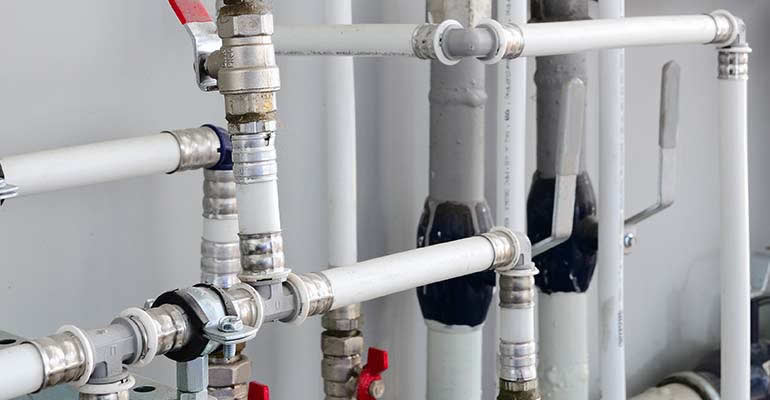
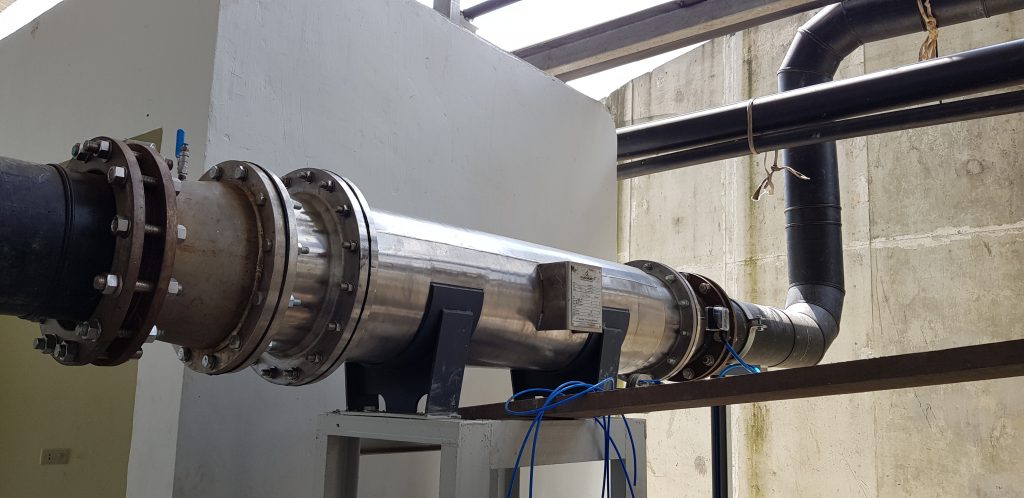
Because of its ability to oxidize metal surfaces and accelerate corrosion, hydrogen peroxide is not a good choice for chemical infiltration procedures (CIP) in situations where organic growths are not an issue. One way to avoid this is by controlling the pace of hydrogen peroxide’s oxidation using pH. The pH of the hydrogen peroxide solution must be less than 12.5 to prevent metal surface corrosion.

Hydrochloric acid (muriatic acid)

Muriatic acid can dissolve surface contaminants such as corrosion, scale, and rust that water leaves behind. Because it does not get too low or too high, hydrochloric acid is an ideal cleaning agent.

Proper use of hydrochloric acid can mitigate some of its negative effects. Surfaces containing copper alloys must first be protected from hydrochloric acid by applying a protective coating. Further corrosion of the heat exchanger surface can spread into the tubing downstream. Although the acid’s corrosivity will be lowered when a surfactant is added, corrosion will still occur.

Phosphoric Acid

Combining oxygen and phosphorus atoms produces phosphoric acid, a weak mineral acid. Its numerous applications include cleaning metal surfaces and the food and fertilizer industries.

It is perfect for CIP procedures since it can dissolve deposits on metal surfaces. Because of its somewhat acidic hydrogen ions, it is a powerful agent for mineral removal from clean-in-place systems. The acid dissolves mineral deposits and carbon, making them easier to wash away. Additionally, it does this by turning them into soluble compounds.

To clean industrial heat exchangers, a liquid solution of phosphoric acid is sprayed onto the surfaces of the heat exchangers. When part of the liquid evaporates due to the surface heat, it dissolves any mineral or carbon deposits that may have formed on the metal.

To minimize chemical interactions with other process chemicals that could lead to less effective cleaning, phosphoric acid cleaning is often done without using other CIP chemicals.

Sodium Hydroxide

The typical industrial preparation of sodium hydroxide involves dissolving sodium carbonate in water using caustic soda and adding calcium hydroxide as slaked lime. The end product is an effective alkaline cleaner that cleans heat exchangers of carbon and mineral deposits.

Since sodium hydroxide dissolves mineral deposits and carbon on metal surfaces by changing their chemical structures like acids, it begins dissolving these deposits as soon as it is applied as an aqueous solution.

When cleaning industrial heat exchangers, sodium hydroxide presents several issues despite being less corrosive than phosphoric acid. First, sodium hydroxide’s high pH makes it susceptible to chemical reactions that could diminish its effectiveness in clean, in-place operations. It is common to use sodium hydroxide with other cleaning agents rather than using it alone.

Still, another issue is that, due to their high pH, sodium hydroxide solutions can corrode equipment if allowed to sit for extended periods of time after application. This is particularly true in metal tubes and pipes with insufficient flow to flush the solution. This is why you must flush it away right after applying sodium hydroxide with hot, high-pressure water.

Sodium Hydroxide (Caustic Soda)

Caustic soda is increasingly used to remove scale accumulation from equipment surfaces that can handle it. However, people are aware of the three major downsides to using caustic soda for clean-in-place cleaning.

  • Caustic soda’s inherent corrosiveness means it threatens equipment when used alone.
  • It’s not easy to neutralize the chemical after the treatment time has passed. An acid rinse is necessary before using any further ingredients. A weak acid rinse is essential following treatment. This is because caustic soda is not a strong enough base.
  • Caustic soda can irritate the skin and eyes, making it difficult to rinse the chemical once treatment has passed. This is due to the extremely small amounts of water required. In addition, staying in contact for too long might cause fabric damage and skin burns.

After the recommended exposure time passes, a standard method for removing scale and any residual caustic soda is to apply an acid rinse with a 12 percent concentration of caustic soda.

Important factors to keep in mind when selecting CIP chemicals

  • Fluid/chemistry compatibility

Heat exchangers made of aluminum, stainless steel, carbon steel, or copper may not be suitable for some chemicals. This is because of the variety of materials used in their construction or the number of tube passes.

  • Dirty solution recycling:

Not all CIP chemicals need recycling since they change color or become cloudy when exposed to filthy solutions.

  • Resistant to Heat: 

While certain compounds are heat-resistant, others are not.

  • Rinsability:

Chemicals have to be easily washable with water or produce very little wastewater, if at all.

  • Erosion and corrosion: 

Metals can be more or less corroded by certain metals.

  • Rinse cycle time:

The quantity of equipment, labor, and time needed to rinse off various chemical cleansers varies.

Conclusion

Choosing the best CIP system for your facility could seem daunting and time-consuming. You should figure out which CIP system is ideal for your facility after considering its automation level, cleaning needs, size, expectations, and budget.

Cleaning in Place Machines and How Does CIP Work

Cleaning in Place Machines and How Does CIP Work

By | Water Quality | No Comments

Without dismantling the process, Clean-in-place machines can automatically clean the inside surfaces of roasters, blenders, spiral freezers, processing vessels, homogenizers, mixers, tanks, and related equipment used in the food and beverage industry.

Food processing facilities, breweries, distilleries, and wineries currently use closed systems called cleaning in place machines. These machines clean different parts of the plant with varying degrees of automation. Thus, cleaning can occur safely, efficiently, and economically. If that weren’t the case, manual cleaning and complicated equipment disassembly would be necessary.

Components of Clean-in-place machines

Clean-in-place machines primarily consist of:

  • Machines that spray cleaning agents into machinery, such as spray balls.
  • Storage tanks hold the detergent solutions at the concentrations recommended. In a typical setup, one tank contains an acidic solution that can dissolve rust and lime. The other has an alkaline solution, typically soda, that can break down proteins and saponify grease.
  • The cleaning solutions are circulated through the equipment using groups of valves and pumps. If needed, they are sent down the drain or recovered in the appropriate tanks.
  • A system for controlling it that uses conductivity, level, and temperature sensors.
  • The tanks’ heating system.
  • Storage tanks holding reclaimed or clean water for use as a rinse.

Clean in place process

The tanks and pipes are drenched with suitable cleaning solutions (disinfectant, detergent, etc.) via the cleaning in place machines.

Clean in place machines require no human interaction throughout the dosing, washing, or rinsing. This is after programming and linking them to sewage, power, and water. Manufacturing processes need optimization in terms of production expenses and profitability. This is done by controlling the concentration of cleaning agents and the quantity of water, temperature, and time.

The Clean in place machines have programs that clean with a variety of agents, disinfect with a final rinse, and then repeat the process. They are good for closed systems, including pipelines linking various tanks and equipment.

In general, the following are the steps involved in a typical Clean in place process:

  1. A process when water and air are drained from the pipes. Because of this draining, there’ll be a need for less cleaning products and effluent.
  2. A preliminary water rinse; reuse this water if needed.
  3. Cleaning takes place using a closed-loop system that circulates hot detergent, either with or without recovery, in a tank. It is common practice to reuse the detergent after adjusting the concentrations.
  4. An immediate rinse may or may not follow recycling.
  5. A second detergent may need cleaning. It is common practice to repurpose this detergent after adjusting the concentrations.
  6. Rinse thoroughly to remove any remaining detergent residue.
  7. Rinse with water one last time to remove any remaining disinfectant. You can reuse this last rinse of water.

Cleaning in place machines can clean which processing equipment?

Automated Cleaning in place machines are the way to go for those tight, hard-to-reach spots. In addition to reducing effort and saving time, it will ensure the safety of your personnel and your goods.

The following surfaces can be effectively cleaned inside using Clean in place machines:

  • Road milk tankers
  • Plate heat exchangers (coolers and heaters)
  • Aseptic tanks
  • Aging vats
  • Flow plates, sanitary product piping
  • Pasteurizers
  • Filling machines
  •  Process vessels, storage tanks, and milk silos
  • Reactors and fermenters

The cleaning mechanism of Clean in place machines

Before the line is ready for its next use, the Clean in place system quickly rinses it with water to remove any remaining contaminants. Because it is a pollutant, the water from the first washing is not recycled in subsequent washings. Following this procedure, a highly effective cleaning solution is injected into the tanks and pipes to ensure thorough line cleaning and prevent microbiological pollution.

Cleaning in Place Machines and How Does CIP WorkThe solution is returned to the tank for reuse after cleaning the line thoroughly. Last but not least, the line is supplied with fresh rinse water. Purge the tanks and pipes of the cleaning solutions used in the previous process; that is the goal of this operation. Collecting and storing rinse water for subsequent use in washing machines is a common practice. It is possible to heat the water and cleaning products to your liking.
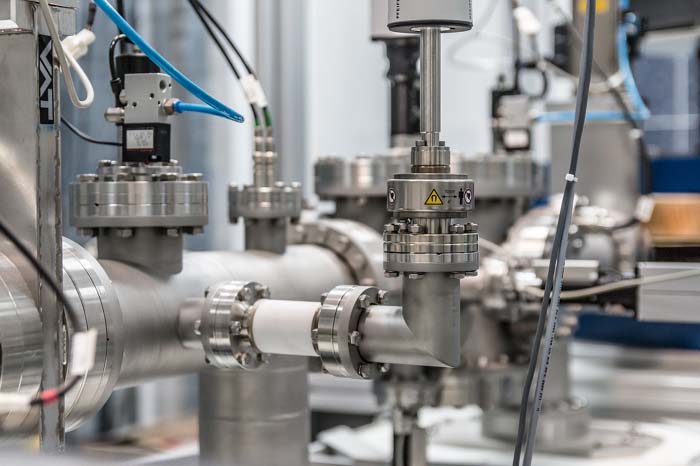
The flow rate is critical to ensuring thorough pipeline cleaning. This issue needs consideration when choosing all the equipment. On the flip side, cip balls are sprayed onto tanks to clean them. These spraying caps are necessary for all tanks in the production process.

Alkaline detergent for Clean-In-Place (CIP)

Among the many sectors that necessitate an efficient, validatable detergent, CIP 100 finds particular application in the dietary supplement, biotechnology, pharmaceutical, and cosmetic sectors.

How CIP 100 works

Potassium hydroxide, a sophisticated surfactant system, and other performance-enhancing elements comprise CIP 100 Detergent. This is a unique combination that offers several cleaning methods. This non-foaming product is perfect for manual, clean-out-of-place, and clean-in-place uses. It eliminates many process residues, including lubricants, silicone emulsions, and fermentation by-products.

Why CIP 100?

  • Cost Savings: 

Thanks to its minimal foaming and excellent rinsing capabilities, it cuts down on water cleaning time and water use.

  • Easy to Validate 

A full suite of supporting paperwork helps facilitate cleaning validation. This material includes reports on substrate compatibility, toxicity, and specific and non-specific analytical procedures.

  • Flexibility 

Manual, clean-out-of-place, and cleaning-in-place applications effectively remove a broad range of pharmaceutical process residues.

The difference between acid CIP and caustic CIP?

A caustic wash and acid wash are the standard steps in a Clean-in-place cycle. Stainless steel has long been the most popular material for surfaces that come into contact with food within the food industry. The most prevalent acid utilized in the sector is nitric acid mixed with other surfactants or acids.

Proteinaceous soils are effectively removed from beverage and food manufacturing facilities using chlorinated alkaline cleaners or sodium hydroxide (caustic). These help to peptize the protein-holding bonds together.

Caustic CIP is a liquid alkaline detergent formulated as low-foam, premium, and concentrated. This chlorine-free product is ideal in demanding CIP situations with a desire for low-foam properties. No matter how soft or hard the water is, caustic CIP can tackle even the toughest dirt and cleaning tasks. You may rinse this product with regular water pressure without any problems. You can make a chlorinated, oxidizing alkaline cleanser by adding chlorine to this product.

Both Caustic CIP and Acid CIP are more alkaline acid washes. Increased use of caustic CIP, which removes lipids, is ideal.

The Benefits of Using an Acid in the Cleaning Process

Some of the benefits of cleaning with acid are as follows: You can use CIP acid cleaning instead of scrubbing or using harsh chemicals. This has a lower environmental impact. 

Acid CIP better serves areas with large quantities of organic residues. It can descale high-food contact surfaces. The acid’s dual function as a corrosion preventative and passivating protects stainless steel from corrosion.

Why is peracetic acid used in CIP?

This one is the most popular and extensively used among food-related applications. You can use a tracer to enable its automatic control by conductivity. Five and 15% active component concentrations are typical in concentrated products.

Why do you need a chelating agent in CIP?

To render metal ions ineffective, chelants bind to them in water-based solutions. A “chelating agent” is a molecule with two or more “claws” that can coordinate around a metal ion.

Conclusion

Every manufacturing facility requires good Cleaning in place machines. These will help to clean and sanitize the storage tanks, filling equipment, and pipes where the products are made.

Clean-In-Place (CIP) - Best Way To Do It in 2024

Clean-In-Place (CIP) – Best Way To Do It in 2024

By | Water Quality | No Comments

Cleaning the process plant by hand is a labor-intensive and dangerous task. It may take a lot of time, money, and effort and may not get the job done well. Automated Clean-in-place systems mechanically clean the entire process plant, including all pipe circuits, tanks, and fittings, to eliminate residues. Without opening or taking apart the equipment, the Clean-in-place system automates this operation. The goal of creating this cleaning technique was to make it fast, effective, and reliable.

The primary objective of these systems is to rinse water through chemical (disinfectant and detergent) solutions. This will help to clean product contact surfaces to a certain standard. With the system in place, operators are protected from potentially dangerous chemicals and from having to enter restricted spaces.

What Is Membrane Clean-in-place?

A CIP technique is one way to keep the inside of RO membranes clean. Cleaning the water treatment system is possible using membrane Clean-in-place without disassembling it. Clean-in-place uses a cleaning solution to clean and rinse. During routine operations, foulants build up on membrane surfaces; this process removes them.

If you want your reverse osmosis system to work properly and safely, you must perform membrane Clean-in-place. For optimal results, using the correct cleansers to eliminate foulants and precisely adhere to the cleaning instructions is essential.

The Steps of Membrane Clean-In-Place?

A 7-step Clean-in-place process includes things like,

  • Pre-Rinse
  • Caustic Wash
  • Acid Wash
  • Intermediate Wash
  • Final Wash
  • Sanitizing Rinse
  • Air Blow

Nevertheless, only some processing lines respond to the same set of instructions. While all Clean-in-place process steps are standard, the specific order in which they work differs from one processing line to the next.

The Steps of the Clean-in-place System are as follows:

Pre-Rinse

As part of the Clean-in-place process phases, internal tank surfaces, fittings, and flushing the lines are strategic steps. The main goal is to get rid of most of the remaining residue. This includes partially melted fats and dissolved carbohydrates.

There is no chemical pressure test for the Clean-in-place flow channel. RO water, deionized water, or potable plant water are excellent choices. Another option is to reuse the water used for the last rinse after the Clean-in-place stage.

Caustic Wash

The caustic wash will soften the fats for easier removal. You can restore the caustic wash multiple times by returning it to its tank. Energy, chemicals, and water can all be significantly reduced by doing this.

Intermediate Wash

Any traces of caustic wash detergent are removed throughout this cycle of wipes. Level probes and transmitters keep an eye on the wash and rinse tank levels.

Flow transmitters make accurate control of the washing and rinsing processes possible. On the other hand, the chemical levels stay within the specified range of the conductivity transmitters.

Final Wash

A last rinse with potable, RO, or deionized water eliminates any remaining chemical residue or material. In the following cleaning cycle, you can save money by recovering and reusing the water from the last rinse as a pre-rinse solution.

Sanitizing Rinse

As the last stage in the Clean-in-place process, this helps destroy pathogens and microbes. Before starting the next production batch, it checks if the food is safe and clean.

These additional Clean-in-place process steps are available as options in the system and can be used as needed during the cleaning process:

  1. Use an air blower to evaporate any excess moisture.
  2. Acid Wash (To Reverse the Caustic Wash’s Alkaline Effect)
  3. Push out the water (the step before pre-rinse that improves cleaning and increases product recovery).

It is possible to automate and optimize many Clean-in-place systems. This makes them a viable and efficient option for preserving cleanliness and hygiene in a variety of industries without causing pipe breakdowns.

How often is CIP done?

There are numerous benefits to Clean-in-place technology for the liquid processing industry. However, many older systems are very resource-intensive. They also waste a lot of cleaning chemicals, electricity, and water. However, this system can still cause substantial downtime, even if it usually doesn’t require extensive disassembly and cleaning.

Production stops for the duration of the Clean-in-place procedure. Typically, it takes about 60 to 90 minutes for one CIP cycle. When the process is repeated several times a day, the costs for manufacturers can add up quickly.

The 4 principles of CIP?

Time

The Clean-in-place process culminates with time as its last pillar. Even a well-designed system will produce subpar results without sufficient time to run.

In contrast to other factors, time is usually objectively determined in the field by tracking the time required to attain the Clean-in-place objective. Before going on to the next phase, each Clean-in-place or rinse solution should be run through the entire circuit at least 5 times to guarantee thorough cleaning.

  • Mechanical Action

Just letting components come into contact with a hot Clean-in-place solution is seldom adequate to remove most soils, even after a good soak. The only surefire way to physically remove dirt from surfaces is to use mechanical action, such as scrubbing. Cascades in vessels and turbulent flow in pipes are common manifestations.

For regions that aren’t water-logged during cleanup, such as vessels, impingement, which involves striking areas with water jets, is another option. Here is where spray balls and other specially designed spray gadgets come in handy for cleaning those inaccessible places.

The measurement of mechanical action occurs indirectly. This is done by keeping an eye on flow rates calibrated to generate the appropriate velocity for the specified pipe length and size.

  • Chemical Concentration

The usual method for monitoring chemical concentration involves using conductivity sensors and timed doses. For Clean-in-place systems, the chemical is mixed in a closed loop. This allows the solution to reach and stay at a certain concentration before the cycle timers for washing the system start.

Conductivity is also important to guarantee chemical removal before the rinse phase finishes its cycle. Even when heated to almost boiling, some substances nevertheless refuse to dissolve. For this reason, in developing these systems, it is essential to use appropriate chemical selection.

Most soils or organic compounds can be broken down by combining caustic solutions with water and then rinsing with water. After the caustic cycle, the surface is acid-washed and rinsed with water to remove any remaining stains, minerals, or inorganic substances. Following the acid and caustic cycles are the sanitation cycles.

Sanitation cycles using hot water usually range from 180 to 200 degrees Fahrenheit. Another option is to use a chemical sanitizer, which can work at room temperature. However, a chemical sanitizer is another chemical that requires more resources (money) to acquire, store, and oversee.

  • Temperature

To make sure heat gets to the whole system, the Clean-in-place circuit return header records and monitors temperatures.

These systems’ typical operating temperature range is 140 degrees F. to 170 degrees F. As a result, the source header’s temperature increases as it exits the Clean-in-place. When planning a system, it’s important to keep temperature in mind.

A greater temperature is produced by increasing the heat input to a system. Better solubility and, by extension, cleaning capability are associated with higher temperatures.

While this may hold water in certain applied disciplines, additional problems crop up when a system gets close to its critical point. Increased operator risk can arise at pump intakes. This is due to cavitation caused by boiling, which is essentially uncontrolled.

Pressure causes boiling to occur. Water, when heated to 212 degrees Fahrenheit in an open pot at atmospheric pressure, will, as is widely known, boil into steam. On the other hand, up to a temperature of 312 degrees Fahrenheit, water at 80psi maintains its liquid state.

Clean-In-Place (CIP) - Best Way To Do It in 2024Your plumbing system will experience a hammer if the circuit pressure drops and this water turns into steam. Another reason pipes don’t last as long as they should is that carbonic forms during the unintended phase between shifts of condensate and steam. This acid damages the pipe wall.
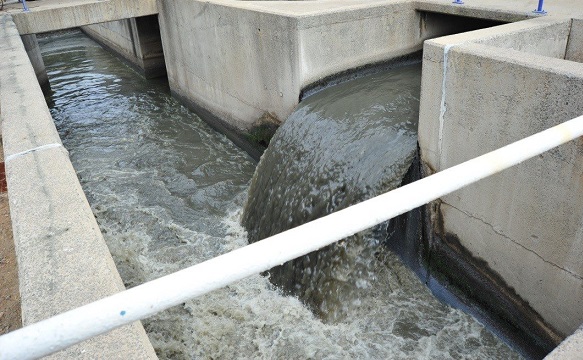
There is more entropy, enthalpy, and internal energy in a system at higher temperatures. Atmospheric pressure allows the liquid to escape if the transport pipe system develops a leak or hole.

In a moment, the water transforms into superheated steam with higher energy. This poses a threat to nearby people, structures, and machinery. Steam has a higher internal energy than water; hence, steam injuries are more severe at a given temperature than water injuries.

The cost and inherent risk of the Clean-in-place process increase. This is because there’s a need to achieve and sustain higher temperatures.

The advantages and disadvantages of the CIP system?

Advantages

Industries that need to clean and maintain their pipelines and equipment on a regular basis might greatly benefit from these systems. Among the many advantages of these systems are:

  • Compliance with Rules: 

Industries, including biotechnology, pharmaceuticals, and food and beverage, have specific cleanliness and hygiene regulations that these systems should meet.

  • Consistent Cleaning: 

To guarantee that pipelines and equipment are always cleaned thoroughly, Clean-in-place systems can provide a consistent and repeatable cleaning procedure.

  • Decreased Downtime

With Clean-in-place systems, there’s no need to disassemble the equipment when cleaning. This keeps production schedules intact and decreases downtime.

  • Enhanced Safety: 

Clean-in-place systems can lessen the likelihood of accidents and injuries sustained by construction workers. This is done by reducing the amount of time spent cleaning by hand.

  • Maximized Effectiveness:

These systems automate the cleaning process, allowing for faster and more efficient cleaning of equipment and pipelines compared to traditional techniques.

Disadvantages

There has to be room in the production area for a Clean-in-place installation. Additionally, it has to be customized to fit the production process. Because of this, it is important to take stock of the manufacturing process and meticulously plan the cleaning stages and quality standards. A specific amount of capital is needed for this. However, it will not hinder the cleanup procedure in any way. It makes it better.

What industries use Clean-in-place systems?

Many different types of businesses use cleaning-in-place systems. This is because they know that hygienic conditions are important to the quality and safety of their products. The following sectors frequently employ these systems:

  • Research Laboratories

These systems are effectively clean research laboratory equipment like filtering systems, chromatography columns, and reaction vessels. This eliminates the possibility of cross-contamination, shortens the time between trials, and guarantees accurate and reliable findings.

  • Pharmaceuticals and Biotechnology: 

The biotechnology and pharmaceutical industries rely on these systems to clean the pipe systems and equipment that produce biologics and drugs.

  • Brewery: 

Brewing and distilling equipment, including that used to make wine, spirits, and beer, can benefit from Clean-in-place systems.

  • Dairy: 

Equipment used to make cheese, milk, and other dairy products can be cleaned using these systems in the dairy industry.

  • Food and Beverage:

The systems are extensively popular in the food and beverage sector. This is to clean all pipes and equipment that come into contact with food items.

The overall goal of Clean-in-place systems is to preserve product quality across all industries by preventing contamination, keeping food at a consistently high standard, meeting hygiene laws, and preventing the growth of bacteria.

Conclusion

Efficient cleaning solutions are essential in the processing, food, pharmaceutical, and beverage industries. Supporting clean processing procedures that adhere to stringent industry standards is made efficient with cleaning in place.

Processing equipment can be rapidly and wholly cleaned using clean-in-place systems without disassembling. Higher output, reduced downtime, and improved product safety are just a few advantages enjoyed by businesses that implement Clean-in-place solutions.

The Most Common Membrane-Based Wastewater Treatment Process

The Most Common Membrane-Based Wastewater Treatment Process

By | Water Treatment | No Comments

One method for cleaning wastewater of suspended particles is membrane filtration. Microfiltration (MF) and ultrafiltration (UF) form the basis of this type of membrane technology, which functions under vacuum and pressure. The membrane can be integrated or included in the wastewater treatment process.

Membrane materials

Synthetic organic polymers make up the majority of membranes. Though they share many common components, the membrane production processes used to make UF and MF membranes result in pore sizes that are vastly different from one another. Metals and ceramics are examples of inorganic materials that can be used to create membranes. Ceramic membranes have several uses, including MF. This is due to their microporous nature, chemical resistance, thermal stability, and durability.

Their mechanical fragility and expensive price tag are two drawbacks that have limited their use. Stainless steel is a common material for metallic membranes, which can have highly tiny pores. Although gas separations are their primary use, they have additional applications such as membrane support and high-temperature water filtration.

The importance of wastewater treatment:

To make better use of water, it is best to separate or purify it from contaminants such as dyes, cyanides, heavy metals, and chemicals. In order to raise the bar for water quality, this is a worldwide challenge that every nation must address.

The most effective method for reusing water for human conception and, with certain restrictions, agricultural activities is membrane technology.

Nanotechnology is an efficient and promising method of treatment to improve water efficacy in wastewater treatment plants. Utilizing safe and modern sources, the technology also enhances the water supply.

Different kinds of membrane processes:

These membrane processes are used in water treatment plants to treat wastewater.

  • Ultrafiltration
  • Reverse Osmosis
  • Nanofiltration
  • Microfiltration
  • Forward Osmosis

Ultrafiltration

This membrane purification method is comparable to reverse osmosis (RO). It involves applying hydrostatic pressure to a semipermeable membrane in order to drive water through the membrane. UF uses a pressure-driven barrier to remove endotoxins, bacteria, suspended particles, viruses, and other contaminants to create water with extremely low silt density and high purity. When subjecting a liquid to hydrostatic pressure, it presses against a semipermeable membrane, a process known as ultrafiltration. The membrane is permeable to water and solutes with low molecular weights. However, it retains suspended solutes and solids with high molecular weights. With the exception of the molecular scale, UF is identical to NF, MF, and RO.

Reverse osmosis

A partially permeable membrane, known as reverse osmosis, is utilized in the water purification process. This is to help isolate water molecules, bigger particles, and ions. The solvent’s chemical potential differences determine osmotic pressure, a thermodynamic property. In RO, the application of pressure helps to overcome this colligative property. The manufacture of drinking water and industrial processes use reverse osmosis. This may remove suspended and dissolved biological and chemical species from the water.

Nanofiltration

One approach to membrane filtration is NF. This makes use of through-pores that are nanometers in size. MF and UF employ membranes with pore diameters greater than 10 nanometers. RO uses membranes with pore sizes somewhat larger than 1–10 nanometers. Polymer thin films are the main material utilized to make the membranes. Materials like metals like aluminum and polyethylene terephthalate are frequently used. The reason nanofilters (NF) are called membrane softeners is that they are able to filter out hardness ions. These have two positive charges, but soft ions, such as potassium and sodium, which only have one positive charge, are able to pass through.

Microfiltration

Through this method, purification removes all impurities, including those as small as microbes. Microns can measure the pore size of filter cartridges. Particulate matter reduces in size when the micron rating decreases. The smallest particle in your water that needs filtration will determine the micron filter size you need. Microfilters can have stainless steel, textile fabric, or plastic surfaces. The choice of material is dependent on the intended use. Modern membranes can withstand feed water fluctuations thanks to their wide surface area format and sturdy construction. This allows them to offer great economy and consistently reliable performance.

The Most Common Membrane-Based Wastewater Treatment ProcessForward osmosis 

One method for separating water from dissolved solutes is forward osmosis. It employs a semipermeable membrane and the osmotic pressure’s natural energy. Water can pass across the membrane thanks to osmotic pressure. However, all the dissolved solutes remain on the opposite side.

Several industrial water treatment applications can benefit from forward osmosis technology. This includes water recycling, product concentration, and wastewater management. This is because of its very effective filtration process, which guarantees the extraction of only pure water from the feed solution. Using osmotic pressure as an energy source makes this wastewater treatment technology more efficient than others that rely on hydraulic pressure.

When discussing its application in the industrial water treatment sector, the term “forward osmosis” is typically used to differentiate it from another membrane-based water treatment technology called reverse osmosis. The latter is more often employed for treating industrial wastes using hydraulic pressure.

How does forward osmosis work?

An RO system has a water membrane on one side and a draw solution with a higher TDS on the other. The feed solution, which might be industrial waste, flows on the other side. Because of the osmotic pressure due to the difference in TDS between the two sides, water flows from the feed solution into the draw solution across the membrane. This keeps all of the pollutants in the feed stream.

Concentrated waste results from water diluting the draw solution and increasing the feed solution concentration as it passes through the membrane. Without the need for extra hydraulic pressure, it is impossible to complete the operation. A basic water and salt mixture or material developed for the task can make up the draw solution.

Advantages of wastewater treatment:

Several benefits come with wastewater treatment, an important part of running an industry. When treating wastewater correctly, it can have a positive impact on the health of various environments. Here are some instances in which wastewater quality and efficiency improvements are beneficial:

  • Enhances the likelihood of processing water that is both clean and safe.
  • The technique also improves byproduct recovery.
  • It protects people’s health and safety.
  • It contributes to reducing waste.
  • It makes water use more efficient.
  • It’s cost-effective.
  • The technology helps keep water clean and disease-free.
  • It keeps industrial machinery in good working order.

The Role of Membrane Filtration in the Wastewater Treatment

  • As a preliminary stage in the treatment of water.
  • Use the best pore-size membranes to filter ground or surface water that surface water is affecting.
  • The principal use of membrane filtration is still desalinating salt water to make drinkable water.

Manufacturing units and other industrial needs greatly benefit from wastewater treatment. Using effective techniques and efficient industrial operations, wastewater treatment increases production.

Wastewater contains hazardous and other poisonous substances. This technology is essential for protecting people and the environment from these dangers. Water purification is an inherent process that can be accelerated with membrane technology.

Also, to accommodate the growing population’s water needs, water consumption has risen significantly. Using technological processes, wastewater treatment enables human civilization to meet its water demands. Therefore, membrane technology is a top technology that helps the world by providing processed water that is safe, clean, and of high quality.

Conclusion

A semipermeable membrane is a very thin layer of material that, when subjected to a driving force, separates substances. There has been a recent increase in the use of membrane processes for water purification by removing organic matter, microorganisms, bacteria, and particles. These contaminants can change the water’s smell, taste, and color. Additionally, when combined with disinfectants, they can produce disinfection byproducts. One of the most exciting and rapidly expanding membrane applications in the water industry is wastewater reuse, which is only starting to gain traction.

The Difference between Membrane Backwash and Flush

The Difference between Membrane Backwash and Flush

By | Water Treatment | No Comments

Backwash filter systems can self-clean to eliminate pollutants caught by inverting the water flow within the filter, a process known as backwashing. You can set an electronic control valve to backwash on specific days in response to variations in pressure or based on the amount of water that has gone through the system. It also controls the flow of water. Depending on the medium, they can also use an upward flow or downhill flow setup.

The filter tank often contains granular filter media, which can be carbon, anthracite, sand, or other minerals. Traditional bag and cartridge filters necessitate human intervention for replacement or cleaning. This is a major drawback of backwashing filters. When the weather is terrible, or the temperature drops, cleaning by hand can be a real pain. Over many years, a backwashing filter needs almost no maintenance. This makes it a more hands-off approach.

To further decrease the number of particles downstream of the filter assembly and the number of leachables from the filter, it is best to flush the filters before each use. All of these aspects of filtration may be handled with a well-planned flushing schedule.

How do you backwash filters?

Backwash water filters typically have two distinct phases of operation. A service water filter, often a forward filter, is the first. Backflush, often known as waste removal, is the second stage. The following procedures play an important role in the general operation of backwashing filters.

Forward Water Filtration

  • The water from the source flows into the back port of an electronic valve during the forward filtration process. You may find this valve at the very top of the vertical filter tank. The filtration media encircles a riser tube, which the water runs through.
  • Particles of pollutants are either suspended in or attached to the filter media. This happens as they go through the water and eventually settle at the tank bottom.
  • Other filtration procedures are similar to this one. Nevertheless, combining multiple filter media to filter out diverse contaminants using a single system is possible.

Backflush

  • The backwash cycle is the initial one out of three. As said before, the water flow is the inverse of that. The source port remains the same as when the water was flowing into the valve. But the water from the source goes down the riser to the tank bottom. Then, it rises through the media, raising the media and releasing the trapped pollutants. On top of the electronic valve is a third port that allows the rinse water and pollutants to flow out.
  • The second cycle follows the same path as the forward water filtration stated earlier and is a quick rinse that resets the media bed. On the other hand, instead of going out of the treated port, the water goes out of the waste port.
  • For the last cycle, you’ll want to use a low-flow rinse for about two minutes to let everything settle. Although the filter media has been cleaned and all pollutants have been removed, the valve is still not ready for service.

Note: On average, every 12–20 minutes, the backwash or flush cycle is activated. Depending on the filter medium and contaminants you want to eliminate, many valves offer additional cycles, such as a chemical draw or a second backwash cycle.

Flushing the system helps remove debris and other contaminants from the water before it passes through the filter, making it safe to drink. Let’s highlight three key points:

  • Air removal: 

Flushing also aids in releasing trapped air from the water lines and filter. This ensures a constant water flow and keeps the filter in good working order by removing air pockets.

  • Sediment removal: 

If the filter has collected debris or sediment during production, packaging, or shipping, flushing it will eliminate it.

  • Carbon fines: 

When first turned on, carbon filters—a typical component of water filtration systems—may leak minute carbon particles into the water supply.

What is the significance of a backwash?

The filtration bed is susceptible to impurities and dirt buildup after a certain volume of treated water. As tiny pollutants make their way through the bed. Bleed through, or pressure drops could occur as a result of this. When pollutants build up in the filter, they can eventually bypass the filter bed and wind up in the clean water supply. It is essential to use an automated POE backwashing filter to prevent these kinds of situations. Some of the reasons why backwashing is essential for self-cleaning cycles are as follows:

  • Two of its key benefits are keeping the filtered water flow steady and minimizing pressure variations.
  • It aids in reactivating the filtration media by aerating and releasing the filtration area in the filter bed. After repeated use, this aids in improving filtration effectiveness.
  • When it comes to ultrafilters, they clean the membranes of any infectious pollutants. As a result, the treated water utility sources are less likely to harbor infections.
  • Filter renewal is achieved through backwashing. It cleans the media surface and aids in eliminating trapped contaminants. This helps to restore the filter’s original efficiency.

Conclusion

Flushing a freshwater filter is important for optimal water quality and filtration. By filtering out dirt and other contaminants, including bacteria, it guarantees that the water is pure and tastes good. A filter is an economical option for long-term use. This is because regular flushing increases its effectiveness and durability. Your water filter will be reliable and clean by following the proper procedures and ensuring no leftover debris or particles. This allows you and your family to enjoy safe, filtered water.

How Often Should You Clean Your Reverse Osmosis Membrane?

How Often Should You Clean Your Reverse Osmosis Membrane?

By | Water Filtration | No Comments

When it comes to water filters, an RO system is among the best options to have to enjoy treated and filtered drinking water. Maintaining a clean reverse osmosis membrane is essential for the continued production of safe drinking water from a reverse osmosis system.

Due to scaling and fouling, which take place over time when the reverse osmosis membrane rejects contaminants from the feed water, all the membranes will need cleaning regularly. Operational costs rise, operational pressures rise, output falls, and quality suffers as a result. Depending on the application, a typical RO system requires membrane cleaning every three to one year. Regular cleanings may not be as effective if they don’t occur regularly.

How to know if my reverse osmosis membrane is bad?

In order for a reverse osmosis system to work properly, the reverse osmosis membrane must be in good condition.

The efficiency of the system in filtering out pollutants drops when there’s wear or damage to the membrane. This, in turn, lowers the water quality. If you want to get a broken reverse osmosis membrane replaced or fixed quickly, you need to know how to recognize the warning signs.

Lukewarm water

When a reverse osmosis purifier is operational, the water it produces should have a normal temperature.

If the water is warmer than usual, or even lukewarm, it could be because of increased pressure within the RO water system. If this is the case, you should get a new membrane because it will likely fail soon.

The water smells or tastes bad

The indications are often really obvious. When water begins to smell funny, even a novice may tell something is amiss.

It may be time to replace the filter components and membrane if the filtered water starts to smell or taste funny.

Examine the system for any signs of water leaks

Checking for water leaks helps identify a problematic reverse osmosis membrane. The presence of leaks may suggest that the membrane is either about to fail or is damaged. The storage tank, faucets, and tubing connections are all potential locations of leakage. Look for moisture, pooling, wet spots, or other obvious indications of water.

Membrane discoloration

Taking the reverse osmosis membrane out of its filter housing reveals the telltale sign of a defective membrane.

A new RO membrane usually has a transparent white hue. Contrarily, pollutants accumulate on the surface of a worn and utilized membrane, giving it an orange, gray, or brown undertone. If your reverse osmosis membrane has become substantially darker since installation, it is time to replace it.

The membrane being cloudy

One sign that minerals are contaminating your reverse osmosis membrane is if you see it starting to get a cloudy look. Pulling minerals out of the feed water could cause them to accumulate on the membrane, which in turn lowers performance.

It is best to replace or clean the membrane before it causes harm to the remaining components of the system if the pollution is due to minerals.

Total deterioration of water quality

The general purity of the filtered water is also of utmost importance. Another indicator that something might be wrong with your reverse osmosis membrane is if the water suddenly starts to taste funny or looks dirty. There is a clear cause for alarm when water tastes bad, is yellowish, cloudy, or murky.

Can you remove the reverse osmosis unit in a water filter?

Removing the RO unit from a water filter may reduce the system’s filtration capacity, but it is possible to do so. One important part that gets rid of contaminants and dissolved solids is the reverse osmosis unit.

How are RO membranes cleaned chemically?

Acidic and alkaline cleaning are the two primary chemical categories that can clean membrane systems. To eliminate inorganic pollutants, such as iron pollution, one uses an acidic cleaning solution. This will help to eliminate organic contaminants, such as microbes; one uses an alkaline cleaning agent.

Choice of cleaning agent

The best way to clean up various pollutants is with specialized chemicals. In most cases, there is more than one pollutant present when pollution takes place. Hence, conventional chemical cleaning must consist of two stages: cleaning with a high pH value and cleaning with a low pH value. A high-pH cleaning solution frequently works best to remove bacterial and oil contaminants, while a low-pH solution works best to remove metal oxides and inorganic scale. There are cases where only one cleaning chemical is employed or when it is acid-washed first and then alkaline-washed.

How Often Should You Clean Your Reverse Osmosis Membrane?Cleaning using chemicals

  • Flushing membrane elements:

A few minutes should be spent flushing with water produced using ion exchange, or RO.

  • Prepare the medicine:

Mix the medication thoroughly until it dissolves.

  • Circulation:

Change the low-flow water in the membrane element, release some of the cleaning solution, and then turn it back on. Starting at five minutes, the cycle operates at a flow rate of 1/3 of the programmed flow. It cycles every 5 to 10 minutes at a rate equal to two-thirds of the programmed flow. It starts to circulate after ten minutes, depending on the flow needed. Each instance is evaluated individually to ascertain the cycle time. On average, it takes about an hour. Keep an eye on the pH level to see whether it changes throughout this time. Maintaining low pressure with minimal permeability is possible. Keep an eye out for any changes in the pressure difference.

  • Immersion and recirculation:

Gradually shut off the circulation pump as the volume of circulation approaches zero. After that, shut off the valve at the entrance of the reverse osmosis membrane element. When submerged, the appropriate valve can be closed to stop the liquid from escaping the pressure container. It often takes between one and twelve hours. Recycle after soaking by opening the appropriate valve;

  • Flushing:

To rinse the chemicals and membrane components of the cleaning equipment, use ion-exchange water or water from an RO system. You should change the system from being in the circulating state to being in the discharging state. Use water from the supply line to flush the RO membrane system. This process typically takes 20 to an hour. Checking the drainage’s conductivity and pH can tell you if the flushing is complete or not. When there’s no change, stop the flushing. The conductivity and pH levels are comparable to those of the incoming water.

  • Test run:

It is best to release the initial produced water until the water quality satisfies the standards when the system is started properly.

How does chlorine in water damage RO membranes?

The amount of chlorine that remains in the water can have a significant impact on the effectiveness and longevity of reverse osmosis membrane components. The rate at which the membrane rejects salt can decrease if it comes into contact with residual chlorine, which can induce oxidation. Effectiveness drops, and water quality suffers as a result of this performance drop.

Defending the membranes against chlorine

Having a carbon pre-filtration step in your system is your best bet for protecting your membrane against chlorine attacks. Before free chlorine can reach the reverse osmosis membrane, it will be trapped in its pores.

The good news is that this functionality is standard in the vast majority of reverse osmosis systems. You might also dechlorinate the water that enters your house by installing a point-of-entry carbon filter.

How to tell that my RO membrane is clogged

A decrease in water output and quality can be the first indication that there’s clogging in your reverse osmosis membrane. Presented below are a few specific signs:

  • Colloidal Scaling

The desalination rate and water production reduce when the membrane is operating. This is because changes in the concentration of pH and metal ions cause hydroxide to accumulate.

  • Coarse discolorations

Coarse discoloration and reduced water output might result from ineffective filters letting particles into the system.

  • Decrease in water production

When the amount of water produced begins to decrease, even at standard pressure, it could be an indication that there’s clogging in your reverse osmosis membrane.

  • Biological Fouling

Carbonaceous compounds, hydrocarbon derivatives, and microbes can all work together to reduce water production while speeding up the desalination process.

  • Changed pressure

A clog may be present if the pressure differential between the concentrated water and the entering water drops significantly.

  • Increased operating pressure

If you need to raise the operating pressure to keep the water production volume at the standard level, the membrane can become clogged.

  • Water overflow

If water spills after removing the reverse osmosis membrane and pouring it into the inlet side, it means there is a full clog.

  • Chemical Fouling

Scales will form on the surface of the membrane due to high quantities of magnesium and calcium ions, which will decrease efficiency.

  • Weightier membrane

The accumulation of pollutants and particles causes a clogged membrane to grow heavier than its ideal weight.

  • The removal rate fluctuates

An alarming change in the reverse osmosis membrane’s removal rate needs serious consideration.

How do you unclog an RO membrane?

Clean frequently 

To keep impurities from building up and to maximize water output, clean the membrane often.

Get familiar with your water

Get to know the hardness index and other indicators of water quality in your area. The reverse osmosis membrane can be damaged by high hardness, regardless of a low total dissolved solids index. In order to prolong the membrane’s life, consider adding a water softener beforehand.

If the blockage still happens after taking precautions, here are the steps to take:

  • Cleaning using negative pressure

This technique effectively removes pollutants by applying pressure to the membrane’s surface using vacuum suction.

  • Cleaning using chemicals

This approach efficiently cleans the membrane by using specific chemical agents.

  •  Backflush

The process of backflushing involves using a powerful liquid or gas to clean both the outside and inside of the membrane, making it clean again.

Tips on cleaning a reverse osmosis filter system

  • Rinse your hands well to remove any debris, and disinfect the surface you will be working on before beginning to clean up the system.
  • Draining the chemical cleaner is insufficient. Completely rinsing the system is a must. Make sure the cleaning process does not leave any residue of detergent or chemicals.
  • It is important to turn off the water supply to the reverse osmosis system. Turn off the water supply to any other devices that may be using the system until you have finished cleaning.
  • Remember to clean the housing for the membrane. Bleach, detergents, and even soaps will work for this. Opt for a bottle brush.
  • There are two ways to empty the purifier container: either use the release channel or pour water out of the device directly.
  • Reconnect all the lines and reinstall the system. Find any signs of leaks. Always remember to change the filters and membranes.
  • Keep the parts together until it’s time to change the filters; otherwise, you can lose them.
  • When using chemical cleaners to clean the reverse osmosis, make sure to wear gloves. Pay close attention to the pH value. Get everything set up so that you can administer the optimum amount of chemical cleaner at the correct temperature.

Conclusion

Hiring an expert to clean the reverse osmosis system is the easiest option. Visiting our website will put you in touch with a skilled expert who can assist you with the maintenance of your reverse osmosis membrane. For additional information, feel free to get in touch with us.