Express Drainage Solutions

A Solution for Sanitation, Wastewater Treatment & Renewable Energy

Njengi House

2nd Floor Suite 6, Tom Mboya St.

8:00AM - 5:00PM

Monday to Friday

+254742781455

info@expresswatersolutions.com

All Posts By

Antony Muya

Best Filters for Brackish Water

Best Filters for Brackish Water

By | Water Treatment | No Comments

One method to purify brackish water into drinkable water is water desalination. A greater effort must be made to ensure everyone has access to clean drinking water as the global population continues to rise.

The three primary methods for desalinating brackish water are electrodialysis, distillation, and reverse osmosis. Desalinating is the main step. Reverse osmosis desalination is popular for its dependable operation, minimal footprint, and low energy use. Consequently, the reverse osmosis desalination procedure is typically employed for brackish water desalination.

Here are the best filters for brackish water.

Reverse Osmosis Filtration

The heart of every desalination process for brackish water should be reverse osmosis. The primary step in desalinizing brackish water into fresh water is reverse osmosis. This can trap viruses, heavy metal ions, dissolved salt, and bacteria in the water.

Microfiltration

Filtering consumables and security filters make up the bulk of the microfiltration system. Brackish water has a very high salt concentration. Hence, security filters often use corrosion-resistant FRP filter housings. Depending on your needs, you can choose between FRP bag filter housings and FRP cartridge filter housings.

Both the available land space and the need for water flow on site can help determine the filtration consumables. Selecting high-flow filters is an option when dealing with high water requirements and limited land area. Alternative options include liquid filter bags, string-wound cartridges, and melt-blown cartridges where water flow and land area are unnecessary.

Sedimentation, Coagulation, Disinfection

Viruses, bacteria, and other microorganisms are present in brackish water. For this reason, it’s important to disinfect it with sodium hypochlorite before adding medicine and coagulation. Then, to reduce the turbidity of the brackish water, add flocculant and coagulant to the mixer to settle the colloids and suspended substances.

Coarse Filtration

An activated carbon filter and multi-media filter make up the bulk of the coarse filtering. The multi-media filter eliminates manganese, suspended matter, large particles, iron, and colloids for brackish water. The primary function of an activated carbon filter in brackish water treatment is to remove any lingering chlorine, colloid, organic contaminants, or off-putting odors. In order to prepare the water for the next stage of filtration, the coarse filter primarily works to decrease the water’s chromaticity and turbidity.

Can you use table salt for brackish water?

Table salt cannot be used for brackish water due to the absence of these extra-dissolved substances.

The cheapest way to desalinate water

The fact that all living things require water as a resource is common knowledge. However, freshwater accessibility has become a significant concern. This is due to the world’s growing population and the negative consequences of climate change. Desalination, which involves filtering salt and other contaminants out of brackish water to make it drinkable, is a new and exciting development in this area. However, how can we desalinate water at the lowest possible cost? 

  • Reverse Osmosis:

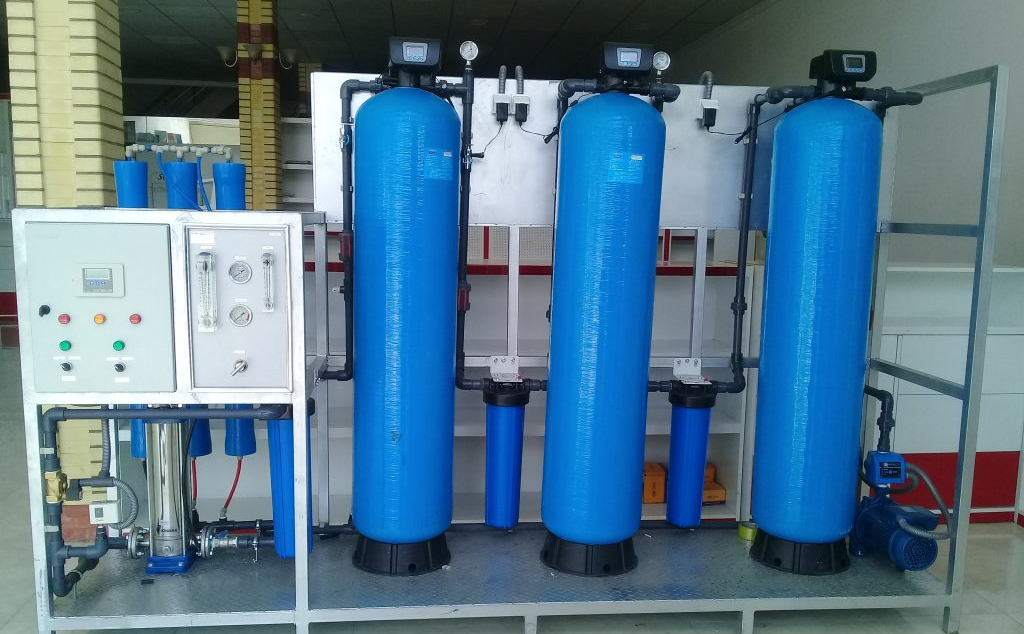
Because it is both practical and effective, reverse osmosis has quickly become the desalination method of choice. The process involves forcing saltwater through a semi-permeable membrane. This allows molecules of water to pass through but prevents salt and other contaminants. The widespread availability of reverse osmosis systems makes their installation cheap. Another advantage is that the procedure uses less energy than other desalination technologies. On the other hand, maintaining and replacing membranes can raise operational costs.
  • Best Filters for Brackish WaterElectrodialysis:

One such desalination process that uses an electric field to extract salt ions from saltwater is electrodialysis. This method efficiently removes salts by employing a succession of ion-exchange membranes that let only certain ions flow through. This method has unique ion removal capabilities, which make it useful in several industrial contexts. Nevertheless, the operational costs increase due to the regular cleaning of the membrane and the relatively poor water collection rates. Also, electrodialysis plants have a hefty initial investment.

  • Pressure-retarded osmosis:

Using the difference in osmotic pressure between saltwater and a concentrated solution, a new desalination technology called pressure-retarded osmosis can produce drinkable water. The process uses a semipermeable membrane to create clean water by allowing freshwater molecules to flow, especially from the salty side, to the concentrated solution. One possible benefit of PRO is that it can take advantage of the salinity gradient that exists between freshwater and saltwater. Nevertheless, additional study is necessary to improve the technology’s effectiveness and lower operational costs, as it is still in its early phases.

  • Solar Desalination:

Solar desalination, which uses the sun’s energy to produce salt, is gaining popularity as a green and economical option. Solar stills gather the condensed vapor as freshwater by evaporating seawater using the sun’s heat. Solar desalination uses renewable energy sources.

This means there’s a need for less fossil fuels. Not to mention that it may work even in the most remote places, and it just takes very simple technologies. However, not all places are appropriate for solar desalination. This is because it is so dependent on favorable weather conditions. Another potential deterrent to solar desalination plants’ broad use is their high startup and ongoing maintenance costs.

Can you boil brackish water?

No. Even less drinkable after boiling, brackish water retains a higher salt percentage. The removal of pathogens and bacteria from boiling the water makes it partly decontaminated. Before drinking, it must still undergo reverse osmosis or distillation to remove the salt.

As the water in the container starts to evaporate when heated, the volume of water decreases, and the salt remains behind. Heated seawater will retain its saltiness unless this vapor is eliminated.

The disadvantages of desalinating brackish water

Building and running it is expensive.

A seawater desalination plant has exorbitant startup and running costs. A manufacturing facility’s construction budget may be as high as $2.9 billion. After it’s up and running, the factory is somewhat energy-demanding. Energy costs make up around a third to half of the total production cost. Since energy is a major component, fluctuations in energy prices significantly impact the whole cost.

Environmental impact.

Another drawback of the desalination of brackish water reverse osmosis plants is their influence on the environment. Eliminating salt from water is a significant challenge. Brine is a type of discharge that has the potential to alter the salinity and oxygen levels in the treatment site’s water. When desalinating brackish water, a great deal of potentially dangerous chemicals are either utilized or created, such as hydrochloric acid, carbon dioxide, and chlorine.

Conclusion

Finding the most cost-effective desalination method can be somewhat challenging despite multiple options. Due to its efficiency and low cost, reverse osmosis is currently a popular choice. More cost-effective alternatives may become available in the future, though, as a result of continuing research and development in technologies like electrodialysis, pressure-reduced osmosis, and solar desalination.

A desalination plant’s initial investment, energy needs, ongoing operating costs, and maintenance need careful consideration. To guarantee a long-term and cost-effective remedy for water shortages, additional research and funding into desalination technology are essential, especially in light of the ever-increasing worldwide need for freshwater.

The Potential Benefits of Brackish Groundwater

The Potential Benefits of Brackish Groundwater

By | Water Treatment | No Comments

New water sources are not easily accessible. This makes it difficult for many regions of the world to meet the water needs of their fast-expanding populations. Some have suggested tapping into unconventional water sources, such as brackish groundwater, to address these new needs.

Growing demands on freshwater resources can be mitigated through the responsible development of brackish groundwater, which can increase supply. Water providers, including water utilities and municipalities, find that brackish groundwater, which requires salt removal before distribution, is economically advantageous.

Some cities have opted to pay for cutting-edge treatment rather than more water rights or construct more infrastructure (such as pipelines, canals, and dams) to store and transport water.

Where is brackish groundwater most commonly found in nature?

The most common locations for brackish surface water are where rivers carrying freshwater meet the ocean’s saltwater. Seas, estuaries, mangrove forests, and brackish marshes are just a few diverse habitats formed by this combination of salty and fresh water. Another form of brackish water is groundwater.

Is it okay to water a garden with brackish water?

There are a few exceptions, such as plants found in the ocean, but salt severely damages the majority of garden plants. Never water your plants with salt water; avoid anything that could contain too much salt and harm the plants.

Effect of brackish water on plants

Irrigating your landscape or garden with salt water can severely harm plants with its high salt content. The plants could get leaf burns if the salt water touches them.

The effects of brackish water on soil are considerably more detrimental. The plant may be unable to absorb water and nutrients if the soil is too salty. The soil might be sucking water out of the roots if the salinity levels are high enough. Salt damage can also cause dying tissue on the surface of the leaves, burnt leaves, and stunted growth, among other signs. Crops that are damaged will have lower yields.

4 Plants that do well in brackish water

It is not easy to make a house in brackish water. Fluctuating acidity levels and low oxygen levels for plants are consequences of ecosystems being entangled with the tides, which flood and drain the environment twice every day. Water currents and harsh winds also harm plants. However, the most difficult part might be dealing with the high salt concentrations.

Use only pure tap water while watering houseplants. This keeps the water flowing into the plant cells, which in turn causes them to stand upright. The reverse is true when it comes to watering plants with salt water. Osmosis causes water actually to evaporate from plant cells. This leaves them even more dehydrated than before you added the salt water. All plants that thrive in brackish water have evolved unique mechanisms to withstand high salt levels. Next, we will examine a few examples.

  • Black Needlerush

Upon initial observation, this plant might appear devoid of leaves and comprised solely of underground stems. However, close inspection reveals that the black needlerush gets its name from the fact that it is covered in little, needle-shaped gray leaves.

The brackish water’s salinity determines the growth rate of this plant, which is native to salt marshes. This tall plant can reach a height of 7 feet in areas with slight salinity. However, it can only reach a height of one foot in areas with higher salt concentrations.

  • The Potential Benefits of Brackish GroundwaterSmooth Cordgrass

Estuaries are abundant throughout the US East Coast, where freshwater streams and rivers meet salty oceans to form brackish water ecosystems. The long grasses that line the shore are notable in these habitats. Smooth cordgrass is one type of these grasses.

This multipurpose grass has evolved a number of strategies to thrive in the harsh brackish water environment, where it can reach heights of 6 to 7 feet. To begin with, it can withstand the regular assaults of the tides on the sandy soil it grows in, thanks to its intricate root structure. This aids its stability on a coastline eroded by waves and currents. In addition to the usual root-based water absorption capabilities, smooth cordgrass may, if required, draw freshwater from the saltwater that swamps its environment.

  • Seaside Brookweed 

Stream banks, seeps, and tidal marshes are places to find seaside brookweed, a perennial flowering plant. This is an intriguing plant for the paludarium and works well as a foreground accent in brackish water and freshwater tanks.

This aquatic plant’s tiny, rosette-shaped leaves are oval to broad, have rounded ends, and are pale green, while the white blooms are carried on long stalks. Underwater, seaside brookweed can reach a height of 15 cm, though this might vary greatly depending on the growing conditions.

A small number of plant species can withstand extremely high salt concentrations, and brookweed is among them. Before you buy this plant for your brackish tank, keep in mind that it may not be able to survive very long periods completely submerged, no matter how perfect the water chemistry is.

  • Java Fern

When it comes to aquatic plants, Java fern is among the best. This species can thrive in brackish and freshwater environments and is reasonably easy to grow.

Submerged or partially submerged, this slow-growing plant flourishes along freshwater rivers and streams in coastal brackish areas and tropical rain forests. Java ferns may make it in cheap brackish tanks with salinity up to 7 ppt, while some species may struggle in environments with greater specific gravity.

However, before placing the plant in an already brackish tank, it is important to acclimate it to the environment gradually. As an epiphytic species, it thrives when attached to rocks, driftwood, and other hardscape elements with fishing wire or adhesives.

Does brackish water have bacteria?

The bacteria Vibrio vulnificus is typically found in salt, warm, and brackish water environments and shellfish during hot conditions. It has the potential to produce an uncommon but severe disease if it is contracted.

How can you get it?

  • Putting exposed scratches, cuts, or wounds in contact with saltwater or brackish water.
  • Consuming raw crabs, shrimp, oysters, or serving without proper cooking.

Who is at risk?

  • A minor infection can occur in otherwise healthy individuals.
  • People with weak immune systems, especially those dealing with long-term liver illness.

Conclusion

The high salt content of brackish groundwater requires extensive treatment before it can be used for most purposes. Reverse osmosis, where water is pushed under high pressure across a salt-rejecting membrane, is typically used to treat brackish groundwater.

How to Filter River Water for Home Use

What is Brackish Water and How Do You Treat It?

By | Water Treatment | No Comments

The saltiness of brackish water is between fresh water and saline water, with the former being less salty. In terms of salt content, brackish water can have anything from half a gram to thirty grams per liter. In addition to being salty and hard, it can contain large amounts of magnesium and calcium.

Because of its high salt concentration, this water is unfit for human consumption unless treated. However, slightly brackish water is suitable for cattle. Industrial, governmental, agricultural, community and horticultural uses abound. This water is also readily available in both surface and groundwater forms. Membrane desalination, specifically reverse osmosis, is the primary method for treating brackish water.

How do you treat brackish water?

A desalination-rated water treatment system helps treat brackish water. The term “desalination” refers to purifying salty water by removing the dissolved mineral salts. Two main desalination processes help to purify brackish water: Distillation and reverse osmosis (RO). Although distillation and reverse osmosis are other methods for desalinating seawater, the increased salt concentration of seawater makes this process less effective.

  • Distillation

One way to remove salt from water is by distillation. This is similar to how water evaporates in the air. Heat is applied to brackish water until steam is generated. Because minerals and salts are not as soluble in water as water, the process of purifying saltwater involves allowing the water to condense before returning to its liquid state.

Solar distillation and multistage flash distillation are the two main techniques to remove salt from brackish water. Solar distillation is employed in small communities and small-scale operations, whereas multistage flash distillation is ideal for large-scale operations.

Pros:

  • High-quality desalinated water, easy operation, and a simple design.

Cons:

  • Power usage, exorbitant running expenses, scaling, and corrosion are easy.

Reverse osmosis

When it comes to desalination, reverse osmosis is matchless. The process of reverse osmosis involves pushing salt water through a semipermeable membrane by means of pressure. By allowing just water to pass through, the membrane purifies brackish water by preventing the passage of dissolved salts and other pollutants. On a daily basis, Israel’s one of the biggest reverse osmosis desalination plants can generate over 165 million gallons of fresh water.

Electrodialysis:

An ion exchange membrane is used in electrodialysis, a separation technique, to separate anions and cations in brine. The process uses an electric field to decrease the salt concentration in the freshwater chamber and get fresh water. Electrodialysis can be assembled in three different ways: one stage and one section (for large and medium-sized water production), one stage and multi-section (for high desalination rate and modest water output), and multi-section and multistage. Both vertical and horizontal installations are possible.

Drawbacks:

  • Because of the high amount of energy required to keep the equipment running, its use in the brackish water desalination project is restricted.
  • Cannot get rid of all bacteria and organic matter in water.
  • Electrodialysis is better suited for desalinating low-salt brackish water. This is because energy consumption increases with feed water salt concentration.

What Is Brackish Used For?

Both the desalinated and naturally salty forms of brackish water have their uses. In its raw form, water finds widespread application as a coolant in the mining, gas, oil, and thermal power sectors. Furthermore, brackish water can be ideal for irrigation in salinity agriculture.

With salty conditions and brackish water irrigation, you can grow salt-tolerant crops like oats and cabbage on land. More food security and less strain on limited freshwater resources are two benefits of saline agriculture, which is common in the Middle East.

What are the brackish water ecosystems?

You can find  water in a variety of places, including underground aquifers, lakes, estuaries, and artificial streams and pools. Worldwide, you can find estuaries and other bodies of brackish water.

Some examples of artificial brackish water sources include marshes for prawn farming and the streams and pools formed by dikes that were constructed to restrict water flow from seas and rivers.

Last but not least, deep fossil aquifers include brackish groundwater. The presence of saltwater intrusion in coastal regions or the accumulation of minerals like chloride and sodium in groundwater can cause it to be brackish. Alternatively, brackishness in groundwater can be a product of ancient seas. New Mexico has a lot of brackish groundwater—about 75% of it. If a private well gets water from a brackish well, it will taste brackish. The water in question must undergo treatment prior to its utilization in this instance.

Two examples of brackish water

The most well-known body of brackish water is an estuary, which is a river’s mouth at sea level.

When the salty ocean waters mix with freshwater lakes and seas, the result is brackish water. The Baltic Sea is one such example.

The problem with brackish water?

The amount of salt and other dissolved substances makes it unfit for human consumption; the cost of treatment is high, and controlling its withdrawal is difficult enough.

What is Brackish Water and How Do You Treat It?Can brackish water be purified?

Solar distillation and multistage flash distillation are the two main techniques to remove salt from brackish water. Solar distillation is employed in small communities and small-scale operations, whereas multistage flash distillation is used in large-scale operations.

  • Solar distillation

A plastic or glass dome helps to cover a pool of brackish water in solar distillation. The water evaporates and condenses on the cover as sunlight passes through it. Next, the freshwater condensation drains into a collecting basin via the cover.

  • Multistage flash distillation

Multistage flash distillation involves subjecting brackish water to high pressure and heat in a series of chambers. The water boils quickly because the pressure drops in each chamber. After each chamber produces vapor, it is cooled and collected as fresh water. The daily production of fresh water in Saudi Arabia is over 200 million gallons, thanks to one of the world’s largest multistage flash distillation facilities.

How do you treat brackish water?

A rising population threatens freshwater supplies, particularly in dry areas. Treating the water could be one way to alleviate this problem. One possible solution to the problem of water shortage is the widespread availability of brackish water sources. The responsible use of this water is essential to continue providing lasting solutions, as with any natural resource.

The severe freshwater state in most countries could be greatly improved if the water could be desalinated and transformed into drinking water using simple, effective, and practical methods. This would solve many problems, including industrial production, irrigation for industry and agriculture, and the health of people drinking the water.

The most effective techniques for desalinizing the water are reverse osmosis, electrodialysis, and distillation.

Is it okay to consume brackish water?

Because of its high salt content, the water is not suitable for human consumption. Dehydration can occur if you consume salty water. This is because your kidneys will generate more urine than is necessary to flush out the excess salt. Desalination and treatment make the water drinkable, though.

Consumption of this water for long periods of time can have devastating effects on human health. This includes potential cancer and kidney stones, compromised immunity, and gastrointestinal problems.

How deep do you have to go to find brackish water?

The location of brackish groundwater is typically at enormous depths of four thousand feet or more, though this is only sometimes the case (for example, in certain aquifers near the shore).

Conclusion

Brackish water is perfectly safe to drink despite its misleading name. It is a naturally occurring semi-salty, semi-fresh water variety found in many regions of the globe. Like any other place on Earth, it’s not kind to some organisms while being ideal for others. But things can get dicey when the water is the result of humans. Water contamination can cause brackish water, which, if ignored, can harm the environment more.

Feel free to get in touch with any additional questions regarding brackish water and our collective responsibilities in light of the possibility that its salinity results from human activities.

How to Setup a Brackish Tank

How to Setup a Brackish Tank

By | Water Treatment, Water Quality | No Comments

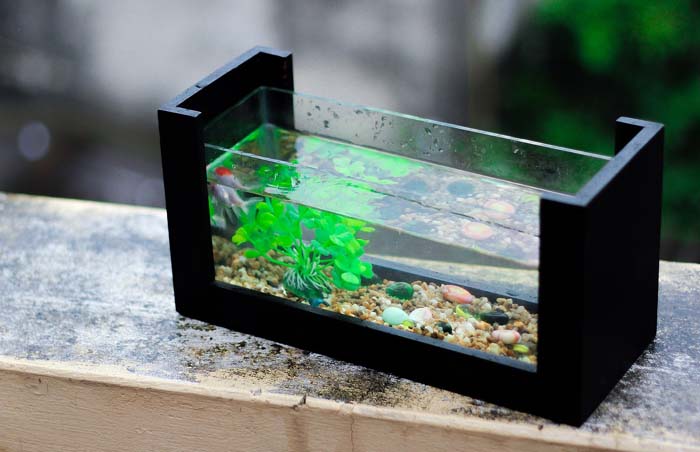
The sheer variety of aquariums available could overwhelm someone new to the hobby. There are a few other choices besides the obvious freshwater vs. saltwater dichotomy. The brackish tank is among the most popular choices. Saltwater swamps, estuaries, and coastal streams are natural habitats for brackish water, a mixture of saltwater and freshwater. Start a brackish tank if you’re an experienced aquarium hobbyist seeking a new challenge or if you’re seeking a novel setup for your next aquarium.

Here’s how to setup a brackish tank

Almost all the steps in setting up a freshwater tank also apply to a brackish tank. Anyone can accomplish it with a basic understanding of cycling and the nitrogen cycle. You’ll only need a tank, lighting, marine salt, and a filter (HOB, reverse flow undergravel, undergravel, or canister are all good options). It all comes down to personal preference and a way to cover or structure the tank.

Like any other aquarium, a brackish tank filtration system requires biological and mechanical filters. It is up to you to figure out how to do this. Once you’ve cycled the tank, you’re good to go. The procedure is the same when using a brackish tank. The difference is that you must adjust the salt concentration before getting the target’s specific gravity.

Regular table salt or aquarium salt is a common blunder when creating a brackish habitat. Doing so is different from employing a genuine marine mix. Sodium chloride, sometimes with iodide added, is the standard salt for aquariums. The long-term health of your aquarium depends on natural saltwater, which is a more complicated solution, including many other trace elements.

  1. If necessary, set up the aquarium stand and locate a suitable place for the tank.
  2. Wash the tank and its parts with soap-free water. Make sure to rinse the substrate numerous times if you’re using crushed coral or aragonite. This will help reduce cloudy water problems.
  3. After assembling the stand, set up the aquarium and fill it with decorations, equipment, and substrate.
  4. Add dechlorinated water to the tank.
  • To gradually transition plants and fish from fresh to brackish water, add regular drinking water without salt, as with any other water.
  • Add two tablespoons of reef salt per gallon of water to 80% of the tank’s fresh water if you’d like brackish water right away. Allow the salt to dissolve through the powerhead circulation or filter for about eight hours, then measure the specific gravity.

To attain the appropriate specific gravity, keep adding marine salt and fresh water according to the refractometer measurement.

  1. Install the aquarium lid and light.

To ensure the aquarium’s ecosystem can handle the harmful ammonia that fish will produce, you should cycle the tank before introducing any fish if it is a new setup. Although plants may be less readily utilized in brackish water, the procedures for cycling a freshwater tank are identical to those for a brackish tank.

How to Setup a Brackish TankHow much salt do I need for a 10-gallon brackish tank?
Use one tablespoon for every ten gallons of water in a brackish tank housing plants or sensitive species to be safe.

What is the use of salt?

Of utmost importance, salt in aquariums aids freshwater fish in maintaining proper osmoregulation. The physiological mechanism by which fish manage their internal water and salt levels is osmoregulation. There is a greater concentration of salt within fish than in their natural habitat. Due to osmosis, a dissolved material (salt) moves from a high-concentration area (the fish) to a low-concentration area (the water) through a semipermeable surface. As a result, freshwater fish quickly lose salt and take in water. Because of this constant give-and-take, adding aquarium salt to a tank improves the health of freshwater fish.

The slime coat of fish in freshwater is strong and healthy because of aquarium salt. Like human skin, a fish’s slime coat is a first line of defense against parasites and bacteria.

The Pros and Cons of a Brackish Tank

Placing some livebearers in a brackish tank can provide them with all the essential water parameters and trace minerals for their maximum health. Brackish water also makes many freshwater parasites and diseases impossible to live with. So, to keep expenses down and produce healthier fish, fish farms frequently breed livebearers in a mixture of salt and fresh water.

Furthermore, you can relax knowing that a brackish tank does not need an exact quantity of salt. Estuaries are places where streams and rivers meet the ocean; hence, brackish corals are accustomed to changing conditions, in contrast to saltwater reef corals. In a single day, they may encounter completely salt water and completely freshwater, depending on the weather and the tides. Your fish should be alright if the salt content is minimal.

On the flip side, a brackish tank does restrict your plant and animal choices. Additionally, most fish stores specialize in something other than brackish water. Thus, these species can be hard to find at times. Adding the correct amount of salt and measuring the water’s specific gravity are two more processes necessary for tank maintenance. Lastly, you can use a moist cloth to wipe off any remaining salt residue or salt creep in locations where water splashes out of your tank. Another option is to add craft mesh over the holes in the tank lid to reduce this problem.

Tips for setting up a brackish tank 

Ensuring an optimal salinity level is crucial for the smooth operation of a brackish tank. Live plants and fish might not do well in an extremely high-salinity aquarium. However, species such as fiddler crabs might need more salt in environments with insufficient salt. You can keep an eye on the salt level in your aquarium in several ways. If you want to know the specific gravity of the water in your aquarium, you can use a hydrometer or a water test kit. Make sure you receive the correct hydrometer for your needs by researching several brands before you buy.

Choosing the right fish is another key to keeping a brackish tank alive and well. The combination of saltwater and freshwater is not optimal for tropical saltwater species. Also, not all freshwater fish species do well in brackish conditions. Be careful to read up on each species to ensure they can thrive in the specific conditions you have in mind for your brackish tank before you add any fish. Fish such as pufferfish, gobies, loaches, and catfish are suitable for brackish tanks. Platies, swordtails, and mollies are just a few livebearers that thrive in a brackish tank setting.

To keep a brackish tank in good working order, follow these steps on a regular basis.

  • Check and maintain the water quality every day, week, and month.
  • Filtration equipment needs weekly servicing.
  • Always add warm freshwater to maintain the necessary salinity levels.
  • Maintain a regular water-changing schedule.
  • Use a UV steriliser to treat the water to protect your aquarium from potentially dangerous bacteria and viruses.
  • Use a hydrometer or refractometer to ensure the salinity stays within the specified range.
  • To clear your tank of algae, you should scrub the glass often.
  • Since evaporation can raise the salinity in a brackish tank, monitoring the water’s salinity regularly is important.

Conclusion

When you think about all the interesting species you can start maintaining in a brackish tank, you’ll realize how much fun it can be. You may easily keep brackish tanks if you are good at maintaining freshwater aquariums. They are far easier to maintain than saltwater reef tanks.

Maintaining a brackish tank is a challenging task. Maintaining constant parameters requires some work. You must constantly acquire the appropriate tools and adhere to the recommended procedures.

LifeStraw Water Filter or Brita - Which is Better?

LifeStraw Water Filter or Brita – Which is Better?

By | Water Filtration | No Comments

When you need to stay hydrated while on the move, two popular choices are the LifeStraw water filter or Brita. Ideal for those who go on outdoor adventures and fill up on natural water sources, the LifeStraw bottle has a microfiltration membrane that gets rid of microplastics, parasites, and bacteria.

Better suited for regular use with tap water, Brita bottles usually have a carbon filter that enhances flavor while reducing chlorine and other impurities. Think about the functionality and filtration method when you compare the LifeStraw water filter or Brita:

LifeStraw water filter or Brita – Which is Better?

Brita:

  • Optimal for regular usage at home, the workplace, or city environments.
  • Not made to purge water supplies of parasites and bacteria.
  • Enhances the smell and taste of water.
  • Reduces tap water chlorine and other common pollutants using activated carbon filters.

LifeStraw:

  • Great for those who frequent areas with doubtful water supplies, such as travelers, campers, and hikers.
  • Reduces the amount of chemicals in water without noticeably altering its taste.
  • Lowers turbidity (cloudiness) and gets rid of microplastics.
  • A hollow fiber membrane in the first of two stages of the filtration process removes 99.9 percent of parasites and 99.99 percent of bacteria.

A water bottle, such as a Brita or LifeStraw, can help you keep hydrated with clean water specifically suited to your location, whether commuting to work or hiking in the backcountry.

Features and Benefits of LifeStraw:

The LifeStraw water filter has quickly become a household name thanks to its innovative design and many useful functions.

If you’re getting ready for an emergency or camping trip, a LifeStraw is a great portable water filter.

  • Lasting filter lifespan

The lasting filter lifespan of Lifestraw is one of its unique properties. A single unit can filter an astounding four thousand liters of water before it needs replacement. So, you won’t have to worry about continually replacing filters—LifeStraw will last a long time.

LifeStraw is a great option for those concerned about the environment. This is because of its lengthy filter lifespan, which helps you save money and reduces plastic waste.

  • Cutting-edge filtration technology

To ensure that all water sources are free of parasites and bacteria, LifeStraw employs cutting-edge filtration technology. It filters the water safely by removing 99.9 percent of protozoan parasites and 99.99 percent of bacteria.

The technology behind its filtration system, known as hollow fiber membrane technology, effectively catches and stops impurities from flowing through. This results in water that’s clean and purified.

  • LifeStraw Water Filter or Brita - Which is Better?Compact and portable design

Because of its low weight and small size, LifeStraw is perfect for taking with you wherever you go. Its compact size makes it easy to carry in a pocket or backpack, so you may always have access to potable water.

Anyone who loves being outside, whether adventuring, hiking, or traveling, and wants to stay hydrated will love LifeStraw because it is portable.

Appropriate for use in emergencies and outdoor activities

  • A LifeStraw can save your life in an emergency, whether traveling to a place without access to safe drinking water or experiencing a natural disaster. Its capacity to filter out pollutants from water sources is a lifesaver and a source of tranquility.
  • An adaptable water filter, the LifeStraw is great for a wide range of emergencies and outdoor pursuits. No matter where your adventures take you—backpacking, camping, trekking, or just a day at the beach—it guarantees you never run out of clean water.

It is perfect for emergencies and outdoor activities thanks to its portability, cutting-edge filtration technology, and lasting filter lifespan. LifeStraw makes it possible to drink clean and safe water whenever and wherever you need it.

Features and Benefits of the Brita Water Bottle:

For those seeking a dependable and hassle-free method to savor pure and revitalizing water while on the move, the Brita water bottle is a beloved option.

Its many useful features, advantages, attractive appearance, and easy mobility set it apart.

  • Perfect for travel and daily use:

The Brita water bottle can go anywhere you go. It’s perfect on vacation, in the office, or at home. Use it on a daily basis, and you’ll never have to worry about finding clean, tasty water again.

  • A flip-top lid and a built-in straw:

There are a lot of helpful features on the Brita water bottle that make it simple to use. Hydrate effortlessly with the built-in straw. This eliminates the need to tip or tilt the bottle.

When you’re on the go and want a sip of water, this container is perfect because the flip-top cover makes it easy to access.

  • Filtration system to lessen the smell and taste of chlorine:

The Brita water bottle has an integrated filter, one of its key features. Thanks to this cutting-edge technology, you may enjoy clean, refreshing water with every drink that lessens municipal water systems’ chlorine taste and smell. It’s a fantastic method for enhancing the flavor of water wherever you are.

  • Convenient portability and sleek appearance:

Sleek and fashionable, the Brita water bottle is the perfect size to tote around in your purse or hand.

Those who are constantly on the go will love it because of how portable it is, thanks to its lightweight design.

Conclusion

You need to choose whether you want a LifeStraw water filter or Brita. You can filter water on the move with either product, but several vital distinctions might make you choose one. The LifeStraw is an excellent pick if mobility and ease of use are paramount.

Because of its small form factor and lightweight, it is convenient to bring along on any adventure. In addition, you can drink straight from the water source with its straw-like design. This eliminates the need for a separate container.  But the Brita water bottle is a good pick if you’re looking for something that can handle more than one usage.

It is great for regular usage because the filters are easily replaced. They can also eliminate impurities while improving the flavor of tap water. The LifeStraw water filter or Brita are solid portable water purification system choices. Making an educated choice that works for you requires thinking about what’s most important to you and taking into account the details of each product.

How to Choose a Portable Water Filter

How to Choose a Portable Water Filter

By | Water Filtration | No Comments

A wide range of sizes and kinds of portable water filters are available. The number of people you need to serve and the location where you intend to use the portable water purifier will determine which model is ideal for your needs. An inexpensive water bottle filter can be all you need to stay hydrated at the gym or the workplace. A larger portable water filter is necessary to guarantee that all family members can access clean drinking water when camping.

Considerations when choosing a portable water filter

When looking to purchase a portable water filter, it is important to keep in mind the following details:

Filtration Technology

An essential factor to take into account is the filtration method a portable water filter uses. To filter out impurities, various systems use different approaches. Here are a few examples of popular filter technologies:

  • Reverse Osmosis:

This cutting-edge technology uses a semi-permeable membrane to remove heavy metals, dissolved solids, and other impurities.

  • Ultrafiltration:

Ultrafiltration is a technique that uses holes that are even smaller than microfiltration to remove even the tiniest particles and viruses.

  • Microfiltration:

This method prevents the passage of protozoa, bacteria, and particles by means of a physical barrier.

  • Activated carbon filters:

These water filters eliminate unpleasant smells, chemicals, and chlorine by adsorbing impurities using activated carbon.

The benefits and drawbacks of each filtration method are unique. For instance, reverse osmosis systems offer thorough filtration, and activated carbon filters enhance odor and taste. When planning your portable water filter, it’s important to consider your demands in detail and the types of water you’re likely to encounter.

Longevity and maintenance

Regular maintenance is key to keeping a portable water filter running smoothly. Think about the accessibility of replacement filters or parts and how easy they are to maintain. While some filters are disposable and need replacement on a regular basis, others feature washable and reusable filters. Before settling on a system, take stock of your maintenance tasks and whether or not you’re comfortable with them.

Think about how long the system will last as well. Choose models that are well-known for their long-term reliability and sturdy construction. You may learn a lot about the system’s durability by reading customer reviews and looking into the brand’s reputation.

Portability and durability

Because of their intended use in outdoor settings, portability and durability are two of the most important characteristics of portable water filters. Filters that feature high-quality materials are better able to endure harsh environments. Think about how big and heavy the filter is as well. Its small size and light weight make it ideal for outdoor adventures like camping and trekking.

In addition, make sure the system is not difficult to assemble or take apart. Easy and fast setup is possible with some systems because of their user-friendly designs. When every second counts, such as in an emergency, this item can be a lifesaver.

Capacity and flow rate 

The portable water filter’s capacity and flow rate are additional essential factors. The flow rate refers to the system’s ability to filter water quickly. A system with a greater flow rate is preferable if you urgently need to filter a substantial amount of water. However, a system with a reduced flow rate can be sufficient if portability and compactness are your top priorities.

The system’s capacity is the maximum volume of water it can filter before it needs maintenance or servicing. While some systems are permanently set at a specific capacity, others are washable or feature-replaceable filters. If you want to know what capacity you need, think about how often you use it or how long your trips are.

Affordability

Your financial situation may play a deciding factor in the end. Find the solution that suits your needs the best without breaking the bank. Also, it stays within your budget without sacrificing quality. The most cost-effective choice may not be the one with a cheap, poorly built water filter.

Most effective portable water filtration system

Whether you’re going on a camping trip, trekking, backpacking, or want to be ready for everything, a portable water filter is essential.

Sawyer Products MINI Water Filtration System

Enjoy your time outdoors even more with this compact and user-friendly filter. You may easily use it by attaching it to a drinking pouch, hydration bladder, or even a standard water bottle. More than 99.9 percent of harmful protozoa and bacteria are successfully eliminated. Features a reusable Sawyer squeeze pouch for simple sipping. It is also easy to clean after use and has a capacity of up to 100,000 gallons of water.

Pros

  • With a 0.5-liter capacity for filtration.
  • The ability to filter out particles as small as 1 micron.
  • The maximum capacity is 100,000 gallons.
  •  Small and lightweight construction.

Insulated Stainless Steel Filtered Water Bottle

This portable water filter bottle is a great choice for one-time use only. Hydration is guaranteed wherever you go, with its capacity to hold up to half a liter of water. Plus, it has a contaminant-filtering capability of up to 99%.

You can use this water bottle everywhere—on the trail, at the restaurant, and even at the gym. Therefore, your search for a flexible and transportable filtering system ends here.

The double-walled filtering mechanism will keep the water cool for up to a day. Also, the silicone mouthpiece is soft and detachable, making it easy to clean and sipping a breeze.

Pros

  • Chill the water for at least one day.
  • Ideal for personal use.
  • An easy-to-use mouthpiece for drinking.
  • Protozoa and bacteria can be filtered out to 99.9%.
  • You can choose from a variety of colors.

Cons

  • Limited storage space.

pH On-the-Go Portable Water Filter

People who are always on the move will find this portable water filter beneficial. Put one of these pouch filters into a water bottle or glass, and it will immediately filter out any harmful substances. You can purify up to 416 glasses of water with just one bag. To make sure you get the most out of every mouthful, the filter beads in each pouch make the water more alkaline and add trace elements and minerals.

Pros

  • Contains additional elements and trace minerals
  • Fast filter choice

LifeStraw Personal Portable Water Filter

One of the best options is the LifeStraw, a simple and effective portable water filter. Just submerge one end of the filter in water from any natural source and drink the water from the other end. Thanks to the inside filter, you can stay safe while on the go, which can remove harmful impurities, including bacteria, sand, and silt. Because it is so small, this is the ideal camping accessory.

Pros

  • Simple to operate
  • Convenient and compact
  • A minimalist style

Cons

  • Designed for use with lesser amounts

Platypus Gravity Water Filter

Portable and powerful, this system is ideal for on-the-go use. In the event of an emergency or when camping with a large party, it is a great choice. You can choose between a four-liter and a six-liter version of the system. This set includes a dirty reservoir, a clean reservoir, hoses, a bag for storage, and a microfiber cloth.

The system complies with NSF and EPA standards and is gravity-fed only. Bacteria and protozoa can be eliminated to an extent of up to 99.99%. You can fill the reservoir rapidly and without pumping.

In only a few minutes after hanging it from a tree, you will have four liters of water available for washing, cooking, or drinking.

Pros

  • Great for camping tours with a large team.
  • Gravity-fed design.

Best commercial water purifiers

Aquaguard Geneus Water Purifier

Commercial water purifiers like the Aquaguard Geneus are great for large households or companies that use water. It uses a 7-stage purification process incorporating UF, UV, and RO to remove impurities from the water. A total dissolved solids regulator ensures the water is fit for human consumption.

How to Choose a Portable Water FilterLight Commercial Reverse Osmosis Water Filtration System
Because of these three features, it is perfect for business use. Commercial properties might benefit from its included booster pump, which allows for water pressure adjustments. It can provide 30,000 gallons of water thanks to its 20-inch pre-PO filters.

Thirdly, you won’t have to worry about replacing the filters for long. This is because they are twice as big as the normal filter in the industry. You can be confident that the water it produces is safe to drink because of its 5-stage filtration technology. A low-pressure membrane achieves a daily processing capacity of 400 gallons of water.

This water filter is considered to be environmentally friendly. A 20-inch-quality filter guarantees reduced maintenance expenses and a long-life filter.

Neo commercial 25 LPH RO + UV water purifier

Businesses can benefit from this large-capacity water filter. A UV sterilizer, post-carbon filter, RO membrane, and pre-filter are all part of the system for complete purification. With its automated flushing mechanism, this system may prolong the life of the membrane and is easy to use and maintain. An organization needing a reliable, high-capacity water filter would benefit from its long lifespan and sturdy construction.

Kent Ace Mineral Water Purifier

This system eliminates contaminants from water by using reverse osmosis and ultraviolet technologies. A total dissolved solids controller ensures that the water’s beneficial minerals remain undrinkable and safe to consume.

Lead and chromium are two heavy metals that the RO treatment sieve can capture. It outperforms the average commercial water filter, which only manages 300 GPD, by producing 500 GPD. The amount of water here is sufficient for uses such as breweries.

The majority of the parts of this unit are already put together, so installing it is a breeze with just a few common household tools. All you need to do to get it going is connect it to your water pipes and the atmospheric tanks that come with it.

Livpure Glo Water Purifier

One affordable commercial water purifier that uses a six-stage process including UF, UV, and RO to remove impurities is this unit. The presence of a total dissolved solids controller further guarantees that the water is fit for human consumption.

WECO HydroSense Reverse Osmosis Water Filter

This unit has all the features you desire in a business water filter. An electric booster pump operates automatically to maintain the system in peak operating condition at all times. Its purification procedure can render water odorless by removing particles as small as 0.5 microns.

APEC Water Systems RO-Lite

There are five stages to this model’s filtration system, and the high-capacity filters extend the system’s life and make the water better. A polypropylene sediment filter will remove rust and particles in the first step.

Cloudiness, bad taste, chlorine, and smell are all taken care of by the second and third stages of the water filter, which employ activated carbon. At this point, it also gets rid of the VOCs.

Stage four, an RO membrane filter, can purge water of dissolved solids by as much as 99 percent. The extremely high pressure of this step can remove viruses, lead, arsenic, and germs.

Pureit Classic Water Purifier

One affordable commercial water purifier that uses a six-stage process including MF, UV, and RO to remove impurities is this unit. Plus, it contains a total dissolved solids modulator, so you know the water is safe to drink.

Benefits of using a portable water filter

You can ensure the water’s safety by purifying it using a portable water filter. This includes water from any source, such as dams, streams, taps, or ponds. This eliminates the need for a bulky and cumbersome drinking water supply on outdoor adventures like boating, hiking, camping, and riding. This allows you to remain hydrated safely and practically.

By switching to a portable water filter, you may lessen your environmental impact by eliminating the need to buy bottled water in single-use plastic bottles. Ultimately, it’s better for the environment, more convenient, and cheaper long-term.

Conclusion

Finally, consider the filtering technology, capacity, flow rate, portability, durability, maintenance, and lifespan when buying a portable water filter. Picking a system that works for you and provides safe drinking water no matter where you are requires careful consideration of these important elements.

How to Maintain Your Shower Filter

How to Maintain Your Shower Filter

By | Water Filtration | No Comments

A shower filter is a must-have for every bathroom since it cleans the water by removing harmful substances like heavy metals, chlorine, and other pollutants. You may enjoy a healthier and more pleasant showering experience with these filters. This is because they protect your hair and skin from the damaging effects of unfiltered water. Performing routine maintenance on your shower filter is essential if you want it to keep working well.

Here’s how to maintain your shower filter

Check the water quality on a regular basis

It is best to inspect the quality regularly. This is to ensure that your shower filter is functioning properly. One can find water testing kits at hardware stores or on the internet. Using these kits, you may test for heavy metals, chlorine, and other pollutants. You can keep your shower filter in good working order and deal with any problems as soon as they emerge if you test the water on a regular basis.

Change the filter cartridge.

At its core, your shower filter is the filter cartridge. It houses the filtering material that cleans your water by removing impurities. The media loses some of its effectiveness with time, necessitating the replacement of the cartridge.

The frequency with which various shower filters need changing varies with the kind and grade of the media used for filtration. For instance, you might have to change your vitamin C shower filter more often.

If you want your shower filter to work as well as possible and keep the water clean, be sure to follow the manufacturer’s instructions.

Cleaning your shower head regularly

Even though the shower filter gets rid of a lot of nasty stuff in the water, the shower head can still have mineral deposits from time to time. Cleaning your shower head on a regular basis can keep it clear of debris and ensure that water flows freely. First, remove the showerhead’s filter. Then, soak it for half an hour to an hour in a solution of white vinegar and water. After that, get a gentle brush and scrub off any leftover mineral buildup. Then, put it back on the filter.

Document all maintenance

Make a quick note of the dates you changed the filter cartridge, cleaned the filter screen, or did any other maintenance. This to make sure you’re keeping up with the shower filter maintenance. Staying organized and not missing any important maintenance activities is possible with this method.

Track the flow and pressure of water

It may be time to replace or repair your shower filter if you notice a water flow or pressure drop. Be vigilant in monitoring your shower’s water flow and pressure; respond promptly to any noticeable changes. You may need to change the filter cartridge, clean the filter screen, or take care of any other problem that might be influencing your shower filter’s function.

Pick an appropriate filter

To make maintenance effective and easier, choose a shower filter suitable for your water conditions. For instance, a shower head filter that removes minerals from hard water is one example. If chlorine is your main worry, a shower head filter that removes chlorine is the way to go.

Keep the filter screen clean and inspected frequently

The shower filter’s filter screen acts as an initial barrier. It stops bigger pieces of trash and silt from getting into the filtering system. Checking and cleaning the filter screen on a regular basis can keep it running at its best. Just remove the screen and rinse any buildup under running water with a soft brush to remove any buildup.

Keep an extra set of filter cartridges on available

If you keep extra filter cartridges on hand, you can quickly swap them out if necessary. Doing so will guarantee you access to clean, filtered water and prevent your shower filter from experiencing any downtime. You can get new cartridges for a variety of shower filters at any hardware store or even on the internet.

Read the manufacturer’s instructions

For particular maintenance guidelines and recommendations, always check the manufacturer’s specifications. If you want your shower filter to last as long as possible and work as well as possible, it’s important to follow the maintenance instructions that come with your filter.

Inspect All Parts of the Shower

You must not overlook other parts of your shower system. If you want your shower system to last as long as possible and smell great, you should clean and maintain the fittings, hose, and accessories on a regular basis

What happens if you don’t replace shower filter?

If you don’t change your water filter regularly, impurities will build up and eventually clog it. This will allow chemicals and particles to pass through unimpeded.

You’ll lose the benefits of filtration. Instead of removing potential pollutants from your water, the filters you’re using now will be a breeding ground for microbes that could seriously damage your health.

How often do you need to clean your shower filter?

Regular weekly cleanings are the key to preventing significant buildup, although experts recommend giving your shower head a good scrub at least once a month. An easy way to clean your shower head once a week is to spritz it with a vinegar-based solution just as you step out of the shower.

As a result, you won’t have to worry about slime accumulating and creating an ideal environment for mold and bacteria to flourish.

How long do shower water filters last?

Roughly 10,000 gallons of water can be filtered before a standard shower filter needs replacement. With an average daily shower duration, this quantity of water is enough to last for around six months.

How to Maintain Your Shower FilterA shower filter cartridge’s durability is impacted by:
  • Filter size and type

The capacity of a shower head filter to capture impurities and the amount of area it has to work with are both determined by the filter’s size and type.

A high surface area gives some filter types, such as carbon filters, more room to hold impurities while letting water particles pass through. This, in turn, helps them last longer.

Filters from different media types or with more intricate filter media may capture more pollutants. This will help to speed up the accumulation and shorten the filter’s lifespan.

  • Water quality

The rate of filter clogging and subsequent replacement for a shower head depends on the water quality in your area.

The rate of media clogging is directly proportional to the concentration of pollutants in your water. When the water pressure in your shower drops because the filter is clogged, it’s time to get a new one.

  • Water use

You may not see 10,000 gallons of water used in the shower in the same way that other people do. A larger family means more people use the shower daily, meaning more water is used up. That implies 10,000 gallons might only last you four months instead of six.

Signs you need a shower filter replacement

The following are some of the most common indicators that it’s time to replace your shower filter:

Changes to water smell

If your shower filter is doing its job, you shouldn’t be able to detect the slight chemical odor of chlorinated water. There is a limit to how much free chlorine a shower water filter can remove from tap water, and if the filter is worn out, the water may once again smell like chemicals.

Increase in hair and skin problems

Chlorine is a recognized hair and skin irritant. Shower head filters are designed to remove it. So, if you’re seeing more problems with your hair or skin, it could be time to get a new shower filter, as the old one isn’t doing its job.

Decreased flow of water

Even though filtered shower heads reduce water flow to a certain extent, a significant decrease—less than 50%—in water pressure indicates that the filter media is becoming excessively clogged with impurities and that you need a new filter.

The medium becomes more clogged as the water pressure drops and the flow rate slows down. At some point, the water pressure in your shower will drop to a trickle because the filter will get clogged.

Conclusion

If you want your shower filter to continue producing clean, filtered water for your hair and skin, it is essential that you maintain it. Protect yourself from the dangers of unfiltered water by keeping your shower filter in tip-top shape with the help of these helpful hints. Keeping up with routine maintenance will do double duty: extend the life of the shower filter and make your showering experience more pleasant and healthier.

How Shower Filter Helps To Prevent Hair Fall

How Shower Filter Helps To Prevent Hair Fall

By | Water Filtration | No Comments

A lot of ladies are dealing with hair loss these days. This is due to a number of factors. Water pollution and neglecting hair maintenance are two examples. Because women care so much about their hair, we’ll go over the benefits of using a shower filter to prevent hair fall, and how to use it properly so you get the most out of it. Shower filters safeguard health and prevent hair fall by eliminating water pollutants.

How does a shower filter work?

The shower filters primarily employ filtration as their approach. To clean a shower filter, there are four common approaches. Kinetic Degradation Fluxion is the most popular and effective filtering method. With the greatest count of any copper-zinc alloy, you can find it in nearly every home shower filter. In the presence of moving water, this contributes to generating an electric charge. 

The generated electric charges eventually make their way through the water, where they aid in purifying it by eliminating contaminants and chlorine. Even in trace amounts, Kinetic Degradation Fluxion can eliminate dangerous contaminants in running water, such as lead, iron, and other compounds. Additionally, this stops fungi and algae from developing in the shower nozzle’s piping.

Thus, with the help of a shower filter, even minute amounts of the most harmful metals in your water can be removed. The water is then chlorine-free, so there’s no need to worry about further hair dryness or fall due to the shower, even if the scalp’s pores are opened up.

How does it help in decreasing hair fall?

Hot showers boost chlorine absorption since they open up the scalp’s pores. This leads to an increase in both the severity of scalp dryness and the rate of hair loss. The effects on hair are long-lasting, weakening until it breaks down and falls out.

Instead of taking a regular shower containing harmful chemicals like chlorine, bacteria, and minerals, you should use a shower filter to alleviate dry scalp and damaged hair. These water filters won’t break the bank, which is a major plus. Therefore, shower filters are an affordable solution that won’t break the bank and effectively eliminate all elements contributing to excessive hair fall.

Hard water and relation to hair thinning

Hair thinning and loss can occur after prolonged contact with hard water. Hair loss may be more severe in areas with hard water since it is harsh on the scalp. People with hard water who also suffer from psoriasis or eczema are more likely to notice hair loss, although it isn’t the most prevalent symptom.

How Shower Filter Helps To Prevent Hair FallHow to regrow hair loss due to hard water

Hair can be damaged by hard water. Your follicles’ blood supply could be compromised. This may impede the development of new hairs. You can fix hard water by switching water systems or utilizing treatments that counteract its effects; it won’t cause permanent hair loss.

Chelating Shampoos

With a chelating shampoo, you can protect your hair from the damaging effects of hard water and enjoy a lighter, cleaner, and grease-free scalp. The molecules they leave behind on the hair and scalp are what do the lifting for the residue and dirt.

If you want to protect your hair from the damaging effects of hard water, you should get a chelating shampoo. Product residue and mineral deposits can be effectively removed with their assistance. They eliminate oil and dirt from your hair, making it seem lighter and cleaner. Unfortunately, not everyone can afford chelating shampoos because they are expensive.

Try a citrus and vinegar rinse

To address the issue of hard water damage, it is best, to begin with the scalp. A natural remedy that works well is a combination of citrus juice, vinegar, and water.

Because it includes vitamins beneficial for hair, such as B and C, and because it lowers the hair’s pH, apple cider vinegar is a decent choice. You can soften and lighten your hair while removing mineral buildup by using vinegar. It keeps hair color from fading as well.

Demineralizing Products

A demineralizing shampoo targets the buildup of minerals in hard water and removes them from the hair. After only two or three washes, you will see a difference in the smoothness and gloss of your hair thanks to these products.

Rainwater

Rinse your hair with rainfall if you so want. It is often mineral-free and has a naturally pliable texture.

Install a water softener shower head

To put it simply, soft water is not hard water at all. It has minerals, but not nearly as much as in hard water.

So, it’s better for you and the environment. Installing a water softener in your home is the best way to filter your water, but it may be costly. An affordable substitute would be to acquire a shower head with a water softener. In order to eliminate minerals from the water before it reaches the hair, these shower heads contain carbon cartridges.

Apply a hair mask

Use a moisture-and shine-restoring hair mask at least twice weekly to restore your locks’ natural luster and health. Before you reach the ends of your hair, give your scalp a good massage. Another option is to use a low-pH leave-in conditioner to smooth out the hair. This will aid in re-closing the cuticles, which will prevent minerals from penetrating and retain moisture.

Hard water while washing your hair might also cause additional symptoms, such as:

  • frizziness
  • dry scalp
  • tangles
  • dullness
  • breakage
  • Green color or brassiness

Advantages of using a shower filter

  • The house has a brand-new, well-preserved atmosphere.
  • The likelihood of acquiring cancer and other serious illnesses is minimal.
  • Prevent skin damage
  • State of complete physical and mental health.
  • Eliminate contaminants and chemicals fast

Conclusion

The most cost-effective way to stop hair loss and scalp dryness is to use a shower filter. Furthermore, it eliminates dangerous substances in the water. This has many positive effects on human health. So, shower filters are useful for more than just cleaning the water. They improve the health of everyone in the family. A lot of potential health problems may have been avoided if people had used shower filters.

Benefits of Using Shower Head Filters

Benefits of Using Shower Head Filters

By | Water Filtration | No Comments

Modern innovations in water purification technology have resulted in shower head filters. Their primary function is to purify tap water supplies so that people can make healthier, cleaner showers.

In order to eliminate various impurities that could affect the water quality, these shower head filters use cutting-edge technologies, including activated carbon and KDF filters. Activated carbon is a powerful contaminant adsorbent, in contrast to KDF types, which neutralize chlorine and other metals using a mixture of zinc and copper.

Together, these innovations make for a revitalizing and stimulating shower by reducing the concentration of harmful chemicals in the water. Besides the obvious physical benefits to hair and skin from cleaner water, users may also enjoy the psychological benefits of a shower devoid of unwanted contaminants. Therefore, shower head filters are essential for those who wish to have a healthier and more pleasant bathing experience.

Here are some benefits of shower head filters:

  • Improved respiratory health

Have you ever stepped into a shower and detected a strong chlorine odor? It’s not just annoying but potentially dangerous as well. The elimination of chlorine guarantees that you will be breathing air that is free of irritating fumes. This is good for your respiratory health.

  • Hard water problems? Not Anymore!

Have you had enough of dealing with the unsightly buildup of limescale on your bathroom fixtures and shower walls? Cleaning hard water stains can be a real pain, but shower head filters can be your savior. Get a spotless shower every time without the bother of scrubby sticks.

  • Minimizes contact with bacteria

While chlorine does an excellent job of reducing bacterial populations in water, it is not foolproof. You do not need to worry about accidentally exposing your skin to microorganisms when you shower. This is because shower head filters will handle the remaining particles. With this supplement, you can be confident that your water is completely contaminant-free.

  • Plumbing fixtures’ extended service life

The buildup of minerals in the plumbing fixtures, caused by unfiltered water, can shorten their lifespan and increase the likelihood of corrosion. In addition to protecting your skin, shower head filters can prolong the life of your other bathroom essentials.

  • Eco-friendly option

Are you worried about the impact you have on the environment? One way in which shower head filters help the environment is by lowering water waste and the demand for powerful chemical cleansers.

  • Decreased cancer risk

Elevated cancer risk has been associated with chlorine exposure. This risk can be mitigated with the use of a shower filter, which removes chlorine from the water.

  • An affordable investment

Think a shower head filter would be too expensive? Think of it as an affordable investment in your health. Healthier hair and skin, as well as lower cleaning costs, are just a few of the many advantages that more than cover the price of the filter.

Clean water hydrates your skin

Damaged and parched skin often results from hard water. A lot of people like using minerals because they leave a deposit and remove the skin’s natural oils. From your head to your toes, you may feel and see the results. A shower filter is the sole solution to the problem of mineral buildup.

Benefits of Using Shower Head FiltersShower filters affect water pressure

A shower water filter may not actually change your flow rate or water pressure, despite popular belief to the contrary. Properly installing shower head filters allows it to process 2.5 gallons per minute. This is equivalent to that of a regular shower head. Furthermore, most shower head filters are compatible with pressure ratings ranging from 40 to 80 psi. This is an ideal range for the majority of individuals.

Do shower filters make hard water soft?

If your home has hard water, a shower filter helps soften the water for a more comfortable bathing experience. In the conventional sense, the filters won’t soften the water. Still, they can get rid of magnesium, minerals, chlorine, and calcium clogs. It’s important to know that hard water may affect the performance of certain shower water filters.

Can shower filters really help skin improvement?

  • Enhanced hydration

After using filtered water, your skin will seem healthier and younger since it retains more moisture. This is due to the fact that filtered water does not include any contaminants or chemicals that could cause skin dryness. A shower filter can help your skin look and feel healthier by moisturizing it. This, in turn, makes it less likely to break out or be irritated.

  • Consistently regulates pH

Water from the faucet tends to upset the skin’s natural pH balance. Your skin’s pH level can be better managed with the use of a shower filter. This leads to the appearance of healthier skin. People who suffer from eczema or other dry skin issues often find that maintaining a balanced pH helps alleviate dryness.

  • Filtering bacteria and contaminants

Water that is free of bacteria and other contaminants is better for your skin, and a shower filter can help with that. Contaminants such as rust, sediment, and dirt have the potential to irritate the skin and block pores. This results in breakouts and inflammation. A shower filter can help enhance your skin’s health and protect it from future problems by removing these contaminants.

  • Minimizes the buildup of hard water

When minerals from hard water accumulate on the skin, it can lead to dryness and discomfort. In addition to making your face more oily and acne-prone, this accumulation can block your pores. Your skin will feel softer and smoother after using a shower filter to reduce the buildup of hard water.

  • Removes chlorine and other chemicals

Water from the faucet, which often contains chlorine and other chemicals, can be irritating and even harmful to the skin. Skin becomes smoother and softer after using a shower filter to remove these pollutants. People with eczema and other sensitive skin disorders benefit significantly from reduced skin irritation. This is because it lessens the likelihood of their skin breaking out in acne or rashes.

Shower filter that is dermatologist approved

Aquasana shower water filtration system

This dermatologist-approved filter can get rid of lead, chlorine, and other contaminants. Additionally, it can filter 10,000 gallons of water before needing a replacement filter due to its large capacity.

Conclusion

A little investment in shower head filters can go a long way. This is because they have the ability to improve the health of your skin and hair, your respiratory system, and the environment. The next time you hop in the shower, feel the advantages wash over you as you welcome the change. Both your health and the planet will be grateful. Therefore, think about getting a shower filter right now if you want to add a natural and inexpensive touch to your skincare routine.

How to Know That You Need a Shower Filter

How to Know That You Need a Shower Filter

By | Water Filtration | No Comments

Just as you should be careful about the water you drink, you should also be cautious about the water you apply to your skin. Showering is an even more efficient way for the human body to absorb water than drinking it. Some may believe that their skin can protect them from environmental pollutants like water. But in reality, it acts like a sponge, soaking up whatever comes into contact with it before transferring it to your internal organs and eventually building up in your system. You can get rid of all that and more with a shower filter.

Shower Head Filter

Installed in the shower head, a shower filter improves the water quality for healthier skin and hair. This removes contaminants, including bacteria, heavy metals, and chlorine.

Water Softener

These use ion exchange in water to get rid of hardness-causing minerals. This results in softer water, which is better for appliances and pipes since it lasts longer.

Here’s how to know that you need a shower filter

  • Unfiltered shower water might contaminate the air in your home.

Although chlorine is among the most dangerous compounds in your water, it is far from the only one. Shower water may also include chloramine and other trihalomethanes. In other words, those toxins are evaporating into your home’s air as you relax in that hot shower.

  • Your unfiltered shower head contains bacteria

New research shows that the majority of shower heads include bacteria, some of which can cause serious health problems like lung infections. A shower filter will ensure that your water lacks microbes or bacteria.

  • You might be aging too quickly if you use unfiltered shower water

In addition to drying out your skin and increasing its sensitivity to the signs of premature aging, the chlorine in unfiltered shower water can harm skin cells and bring on wrinkles at an earlier age. What feels like a renewing and invigorating shower at the end of the day is aging your skin.

Other Signs You Require a Shower Filter

  • You may have the following symptoms after getting out of the shower: dizziness. lethargy, tiredness, or lightheadedness.
  • Unhealthily frizzy, dry, or brittle hair.
  • The shower glass has scale.
  • Itchy or scaled scalp
  • Hard time breathing in the shower.
  • Red or dry eyes.
  • Stinking shower water.
  • Irritated, dry skin (results in wrinkles and premature aging).
  • Injuries that worsen preexisting skin problems, such as rosacea, eczema, or psoriasis, particularly in newborns and young children.

Is there a need for a shower filter if I have a water softener?

A shower filter, even with a water softener, could be a good investment. Some contaminants, such as specific bacteria, heavy metals, and chlorine, remain in the water after a water softener has removed the minerals that cause hardness. If you use a shower filter to remove these extra impurities, the water in your shower may be healthier for your hair and skin.

The advantages of water softeners

You can install whole-house water softeners to soften the water before it reaches your home. Removing the minerals may prevent clogs due to mineral accumulation in your appliances and plumbing. It contains the water from rinsing away the soap and drying out your skin too much or making it itchy.

Another option is to use a shower head water filter to isolate the water from that specific shower head and eliminate contaminants. The water will remain hard unless other fixtures in your home have their own water softeners or if yours is a whole-house system.

Still, water softeners aren’t a solution for all water problems. Even when the mineral content has been reduced, there may still be contaminants in the water, such as excessive sediment, chlorine, and others, that might harm your skin and health in general. As a result of its drying effect on the skin, chlorine worsens diseases such as rashes, psoriasis, eczema, and acne. By getting rid of it, you can maintain clear and supple skin.

The advantages of water filters

To improve the quality of the water you use for bathing, install a water filter shower head to lower the chlorine levels. Even though a water softener isn’t necessary if your house doesn’t have hard water, a shower head water filter will help you enjoy the purest water as you wash. To avoid harming your skin when you bathe, use a water filter and softener if your house has hard water.

Conclusion

Installing a water softener is the only option to enjoy the advantages of soft water in the shower if your water supply is hard. But there are many more uses for softened water than just a shower. Hard water speeds up the deterioration of appliances like washing machines and dishwashers.

The buildup of scale in pipes and the appearance of soap scum on fixtures in the bathroom and kitchen are both due to hard water. You can’t get the same benefits for your hair and skin from softened water as a standard shower filter. When used in conjunction with a water softener, a shower filter may significantly improve the quality of your shower water if it is very hard and severely chlorinated.