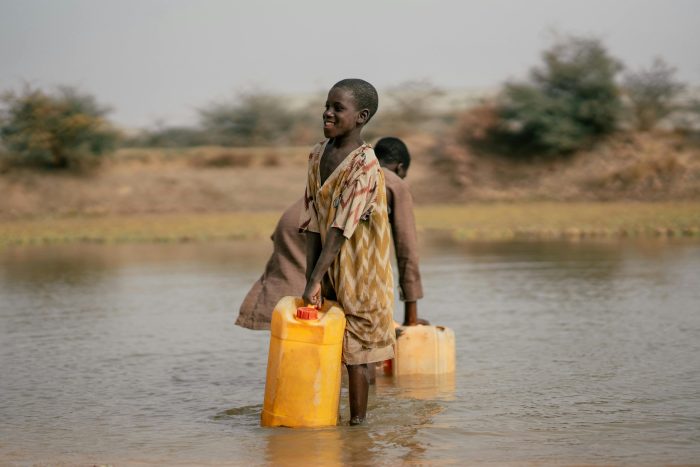
To make the water in rural areas fit for household use and human consumption, a variety of techniques and procedures are employed in rural water treatment. Rainwater, wells, rivers, springs, and lakes are some of the natural water sources used by many rural regions. However, poor sanitation practices, sediments, microbes, and agricultural runoff can contaminate these sources.
Water treatment systems in rural areas tend to be more basic, inexpensive, and easy to maintain because of the scarcity of funds, power, and infrastructure. Solar disinfection, chlorination, boiling, sedimentation, and filtration are some of the most common treatment procedures. To safeguard public health, enhance the quality of life in rural areas, and avoid waterborne diseases like cholera and typhoid fever, effective rural water treatment is crucial.
Common Rural Water Treatment Method
To make water fit for human consumption and other household uses, rural areas often turn to inexpensive and easy water treatment methods. These techniques are useful for purifying water supplies in rural areas by removing suspended particles, harmful microbes, and contaminants.
Solar Disinfection
- Sunlight reaches water in transparent bottles
- Ultraviolet rays are useful for killing germs
- Inexpensive and ideal for sunny rural locations
Boiling
- Harmful microbes are killed by boiling water
- Capable of eliminating parasites, viruses, and bacteria
- An easy way to treat water for use in the home
Chlorination
- Water is disinfected by adding chlorine
- Destroys infectious viruses and bacteria
- Offers some level of security even while it’s in storage
Filtration
- Cloth filtration, ceramic filtration, or slow sand filtration are some of the filtering materials that water passes through to remove contaminants
- Gets rid of microbes and suspended particles
- Makes water easier to see
Sedimentation
- Because the water is not mixed, the heavier particles sink to the bottom
- Prevents additional treatment by reducing suspended solids and turbidity
Harvesting Rainwater
- The process of collecting and storing rainwater for internal use
- Offers another way to get clean water
Filtration Using Activated Carbon
- Activated carbon can purify water by removing taste, smells, and even certain chemicals
- Makes water safer and more palatable
Coagulation and Flocculation
- Alum and other chemicals are used to facilitate the settling and combination of small particles
- Enhances turbidity and suspended solids removal
Storing and Safely Handling Water in the Home
- To avoid recontamination, store in clean containers
- Keeps treated water safe to drink
Ultraviolet Light
- UV light kills microbes
- Chemical-free antimicrobial that effectively targets viruses and bacteria
 Common Sources of Rural Water
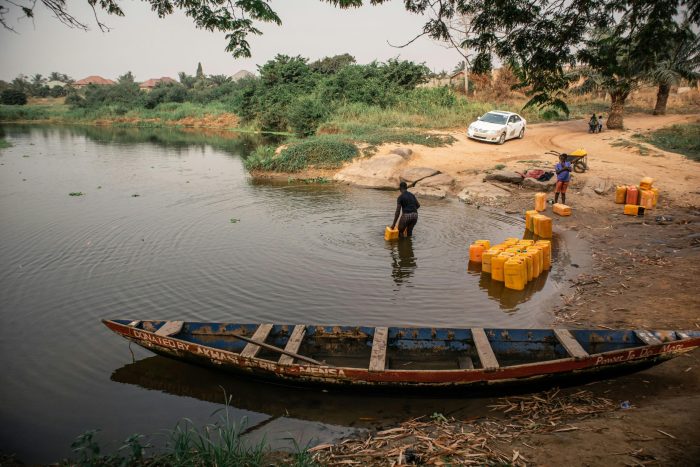
People in rural areas get their water for domestic activities, cooking, drinking, and farming from various natural and artificial sources. These water sources’ accessibility and quality could change as a result of human activities and environmental conditions.
1. Wells
- Boreholes, tube wells, hand-dug wells, and other similar structures drilled to reach groundwater
- A popular water supply for rural residents
2. Reservoirs and Dams
- Man-made water storage for use for livestock, irrigation, and household supply
- Pollution and sedimentation can degrade water quality
3. Ponds and Lakes
- These are water sources commonly used for livestock and domestic use
- Suspended particles, algae, and microbes are all things that could be present
4. Boreholes
- Pump-equipped, deep-drilled wells
- Get to cleaner aquifers deep beneath
- Reliability is better during the drought
5. Streams and Rivers
- Water from the surface that is often used in rural regions
- Easy to access for farming and household use
- Waste disposal, agricultural runoff, and sewage pose a threat of contamination
6. Harvesting Rainwater
- Rainwater collecting and storage from various surfaces
- Alternative source when both surface and groundwater supplies are low
7. Wetlands
- Rural areas occasionally draw water from swamps and marshes
- Prior to usage, water could need thorough treatment
8. Springs
- Groundwater that is naturally occurring
- Most rural areas rely on this supply
- Lower in contaminants than water from surface sources
9. Groundwater
- Aquifers, which are subsurface reservoirs of water in rock and soil
- Relatively untouched by pollution and typically cleaner than surface water
Importance of Rural Water Treatment
Improved water quality and safety for residential uses (sanitation, cooking, drinking, etc.) are major reasons why rural water treatment is vital. To protect environmental and human health, it is important to treat wastewater properly to eliminate impurities, harmful microbes, and pollutants.
Improved Living Standards
- Ensures people in rural regions can always get water, which improves their quality of life
Providing Potable Water
- Makes sure water is fit for human consumption and domestic use
Lowering Health Care Costs
- Reduces the number of cases of water-related diseases, which means less money spent on healthcare by communities and families
Improved Water Quality
- Eliminates hazardous chemicals, smells, microbes, and suspended solids
- Enhances the water’s clarity, color, and taste
Advancement of Hygiene and Sanitation
- Supports personal hygiene and calls for improved sanitation
Protect the General Population
- Protects against cholera and typhoid fever, two water-related diseases
- Decreases the likelihood of disease transmission due to water contamination
Supports Development in the Community
- Higher levels of economic, agricultural, and educational output are associated with healthy communities
Protect the Environment
- It promotes the responsible use and preservation of water resources
Reducing Issues with Water Scarcity
- Encourages the treatment and reusing of existing water supplies
Raised Conscience in the Public
- Promotes water safety and the preservation of water sources
Promoting Long-Term Sustainability
- For generations to come, it guarantees that clean water will be available
Challenges of Rural Water Treatment
The accessibility, purity, and longevity of rural communities’ access to potable water are all impacted by the various challenges encountered in rural water treatment. Common causes of these challenges include lack of technical support, poor infrastructure, unfavorable environmental conditions, and few resources.
Waterborne Diseases
- Water that isn’t fit for human consumption can cause diseases like cholera and typhoid
Scarce Facilities
- Water treatment is made more challenging by inadequate water delivery infrastructure and an absence of treatment plants
Poor Hygiene Practices
- A rise in disease risks is associated with contamination of water sources by inappropriate waste disposal and open defecation
Shortage of Knowledgeable Workers
- Problems with water treatment and a lack of qualified professionals in remote regions
Pollution of Water Sources
- Water quality can be negatively impacted by pollution that originates from several sources, such as industrial activities, sewage disposal, agricultural runoff, or animal waste
Limited Electricity Access
- In remote areas, you might not have access to consistent or affordable power, which can render some treatment systems useless
Not Enough People Know About It
- Not all communities have the same level of education when it comes to proper water treatment, hygiene, and safe water handling practices
Exorbitantly Priced Treatment Equipment and Chemicals
- Some treatment materials, such as pumps, filters, and chlorine, can be expensive or hard to get your hands on
Population Growth
- Water resources and treatment systems are becoming increasingly constrained due to the growing human population
Poor Treatment Systems’ Maintenance
- Inadequate repair and maintenance services might cause water treatment plants to fail
Global Warming
- Water supply availability is reduced by droughts
- Water sources are even more contaminated as a result of floods
Problems with Water Quality Monitoring
- It is challenging to regularly monitor water quality due to a lack of labs and testing equipment
Constrained Budgets
- Construction of treatment facilities, acquisition of equipment, and repair and maintenance costs are often out of reach for many rural areas
Seasonal Water Scarcities
- Water supply is reduced in many rural regions due to droughts and dry seasons
Conclusion
The removal of contaminants and the improvement of water quality are two of the most important functions of rural water treatment in ensuring that rural people have access to safe drinking water. Solar disinfection, sedimentation, filtration, boiling, and chlorination are some of the simple and inexpensive treatment procedures that can protect individuals from waterborne diseases, including cholera and typhoid. Sustainable water resource management is just one of the many benefits of efficient rural water treatment, which also boosts community development, sanitation, and public health. Rural communities can achieve better access to safe drinking water for current and future generations with the help of organizations.