Express Drainage Solutions

A Solution for Sanitation, Wastewater Treatment & Renewable Energy

Njengi House

2nd Floor Suite 6, Tom Mboya St.

8:00AM - 5:00PM

Monday to Friday

+254742781455

info@expresswatersolutions.com

All Posts By

Antony Muya

The Pros and Cons of Reverse Osmosis Water Filtration Systems

The Pros and Cons of Reverse Osmosis Water Filtration Systems

By | Water Filtration | No Comments

Among the most efficient water filtration methods, reverse osmosis water filtration systems work by forcing water through a very tiny filter material instead of carbon or chemical filters that use specific materials to target or draw the contaminants in the water.

Nevertheless, there are benefits and drawbacks to using reverse osmosis water filtration systems as a water filtering method. To assist you in making a well-informed decision regarding the suitability of a reverse osmosis system for your house, this article will discuss the pros and cons of such systems.

The Pros and Cons of Reverse Osmosis Water Filtration SystemsHere are the pros and cons of reverse osmosis water filtration systems

Pros of reverse osmosis water filtration systems

With their many benefits, reverse osmosis water filtration systems stand out as an excellent method for water purification and are a popular choice for both homes and industries.

Removing contaminants effectively

The remarkable ability of reverse osmosis water filtration systems to remove contaminants is one of their main advantages. The procedure uses a semipermeable membrane that efficiently removes numerous contaminants, such as pesticides, nitrates, lead, fluoride, sulfates, arsenic, and chlorine. This will guarantee that you will always consume water free of harmful contaminants.

Improved odor and taste

Reverse osmosis filtration systems improve water’s taste by filtering out most impurities. For instance, fluoride and chlorine are commonly added to municipal water supplies for water filtration. Regrettably, they impart an off-putting taste to the water. By removing these chemicals, a reverse osmosis water filter restores the water’s original, clean taste.

Preserves essential minerals

Reverse osmosis water filtration systems are able to leave helpful minerals in the water while selectively removing harmful chemicals, unlike other filtration technologies that remove both important minerals and impurities. This guarantees that the minerals consumed are in a more balanced form.

Space efficiency

Because of their small size, reverse osmosis water filtration systems do not require much room during installation. Under-sink models are a great way to take advantage of that extra space under your sink without sacrificing style.

Energy efficiency

Generally, reverse osmosis filtering uses less energy than other water-purifying technologies. It’s an economical and environmentally friendly option because it does not use a lot of energy when running.

Great performance

Over time, reverse osmosis water filtration systems consistently and reliably perform. They may keep producing high-quality water with little to no loss in efficiency as long as they get proper maintenance.

No worries about maintenance

A reverse osmosis system has a high initial cost. After covering the initial costs, the maintenance costs are minimal. The overall cost per gallon is also relatively inexpensive. This becomes much more apparent when contrasted with the expense of buying water in bottles. The system can go without saying, but it can be pricey when it does need maintenance. Some things to expect from maintenance are:

  • Semipermeable membranes need replacement every two to three years.
  • Once a year, change out the filters.
  • Your reverse osmosis system needs annual cleanup.

Enhances how your food tastes

All you do when you cook combines various chemical substances and reactions! What comes out of it is a tasty meal. The use of reverse osmosis water filtration systems improves the flavor of food because they eliminate impurities like fluoride and chlorine.

The cons of reverse osmosis water filtration systems

Despite the many benefits of reverse osmosis filtering, it is important to consider the following drawbacks:

Generating wastewater

Unfortunately, reverse osmosis water filtration systems lose a lot of water. A portion of the water is removed as wastewater during the filtration process. Particularly in regions with scarce water, this can lead to considerable water loss. On the other hand, some newer models use permeate pumps or other water-saving technologies to reduce water waste.

Slow filtration rate

When you compare this method to other filtration technologies, the filtration rate of reverse osmosis water filtration systems can be slow. The process slows the flow velocity since water must travel through the semipermeable barrier. This might be a pain when people need filtered water or when filling bigger containers at once. The decreased flow rate can be compensated for using built-in storage tanks in some systems.

The price of the initial installation

The initial investment in RO filters could be more than other water filtering techniques. Nonetheless, reverse osmosis water filtration systems are now available on subscription from a number of brands.

Decreased pH of water:

Because RO filters remove alkaline minerals, the water is typically slightly acidic. Some may prefer water with a higher pH level for specific health or nutritional needs, while this may not be a big deal for the majority of people. To fix this, you can add remineralization cartridges or pH-neutralization filters to the system.

Regular maintenance

Regular maintenance, including filter replacements, is essential for reverse osmosis water filtration systems, as with any filtration system. Some might find this a little bothersome, but it guarantees it will continue to work.

The Pros and Cons of Reverse Osmosis Water Filtration SystemsRemoves essential minerals

Since RO systems filter out so much water, they also get rid of all the beneficial minerals. In simpler terms, the filtration process eliminates salt, magnesium, and calcium. These are vital minerals the body needs for normal function.

Conclusion

A reverse osmosis system is a great health investment if you are worried about the water quality of your faucet. Having one in your home is like having your very own water purifier. Looking at the benefits and drawbacks of RO filters side by side, you’ll see that the pros are far more significant.

Reverse osmosis water filtration systems provide an all-inclusive answer to the problem of getting potable water that is free of contaminants. Because of its effectiveness, low maintenance requirements, and low energy consumption, reverse osmosis is the best method for people looking for a dependable water purifier.

Advantages and Disadvantages of a Whole-House Water Filter System

Advantages and Disadvantages of a Whole-House Water Filter System

By | Water Filtration | No Comments

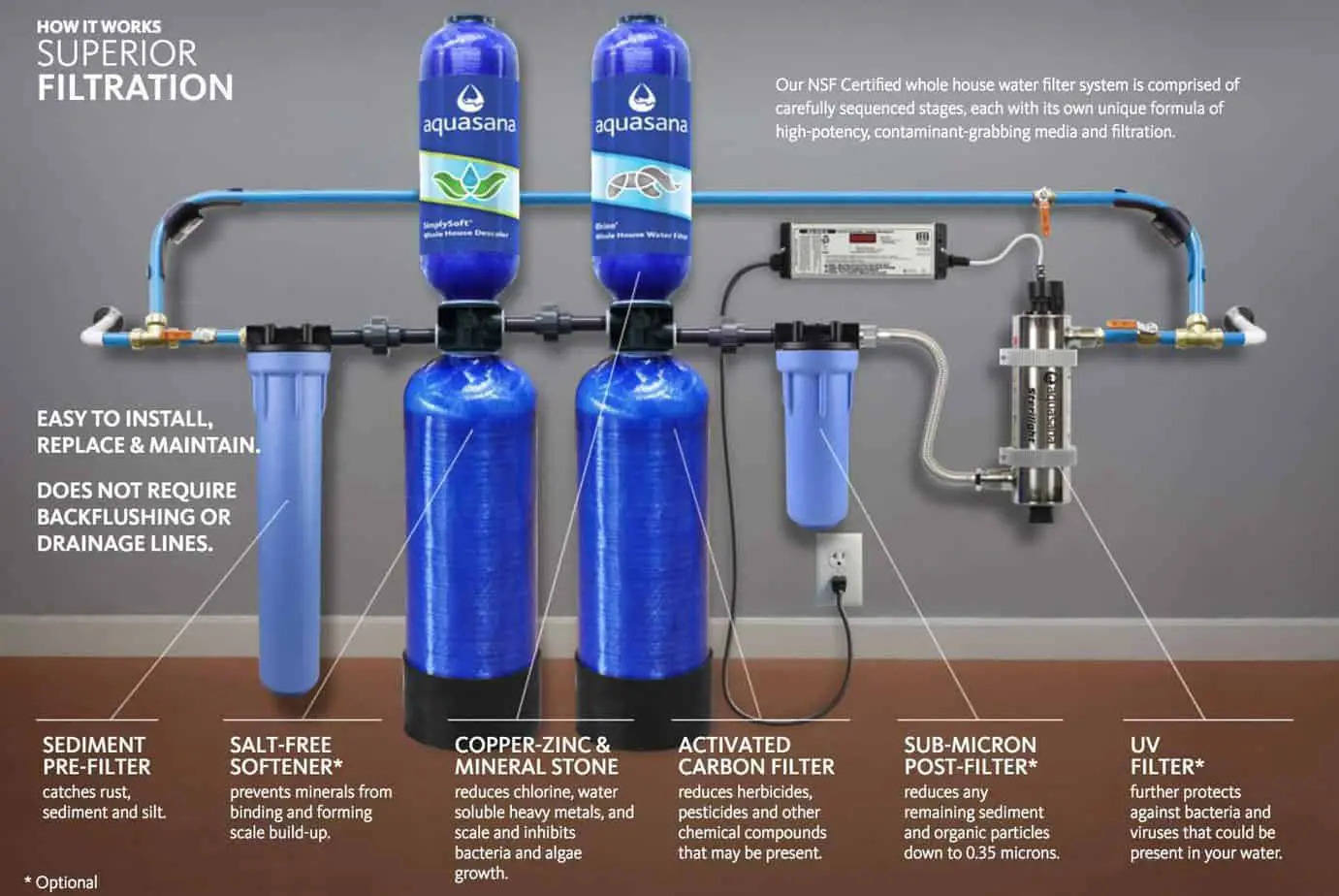
Because of the potential presence of bacteria, chlorine, and lead in municipally supplied water, it is wise to install a full house-water filter system. The health benefits of filtered water are well documented. However, additional benefits include improved flavor, softer hair and skin, and reduced dryness after a bath. Both you and the planet will benefit from installing a whole-house water filter system.

Fewer plastic water bottles will be sent to landfills annually if you filter them by where they come from. You may avoid spending money on expensive bottled water and safeguard your plumbing fittings from toxins that can damage them.

Advantages and Disadvantages of a Whole-House Water Filter SystemHere are pros and cons of a whole-house water filter system

Pros of a whole-house water filtration system

  • One-stop solution

With a whole-house water filter system, you won’t have to worry about placing separate filters in different rooms. Because you will install the filter in the kitchen faucet, there is no need to worry about your family or kids drinking from the bathroom faucet. In order to prevent any potential pollutants from entering indoor sources available for use in homes, they will be contained.

It also makes maintenance and replacement much easier to keep up with. Using a single filter is more convenient and, who knows, even more cost-effective. Filters that are cumbersome to store on the taps, in the shower, or under the sink are a cosmetic and functional nightmare.

  • Your family gets safe water

Having a plentiful supply of clean, safe drinking water for the whole family is the number one reason why installing a whole-house water filter system is a great investment.

Additionally, there are dangerous pollutants and chemicals in municipal water sources. Chemicals, including chlorine, fluoride, and lead, are commonly found in drinking water.

A whole-house water filter system is an efficient way to rid your water supply of harmful substances like lead and chemicals.

  • Peace of mind

The assurance that comes from knowing your water is clean and safe is, without a doubt, the greatest advantage of installing a whole-house water filter system. The family’s health will improve when you clean and cook at home. You can also get safe water for bathing pets, taking showers, and washing clothes.

  • Plumbing and appliances last longer

When installing a whole-house water filter system, your pipes and appliances will last longer. Damage to the pipes and appliances from buildup and corrosion caused by minerals and harmful substances in your water supply can result in expensive replacements and repairs. You can protect your home systems from harm and extend their lives by getting rid of these pollutants. Doing so can lessen the financial and ecological burden of replacing plumbing and appliances too soon.

  • Improved smell and taste

A whole-house water filter system has many advantages, including this. Water may have an off flavor or an unpleasant odor if it contains contaminants.

Some dissolved particles, like hydrogen sulfide, can make water smell rotten, while others might impart a muddy or woodsy aroma. You can notice a metallic taste or smell if arsenic, iron, or lead are present.

Not only are none of these flavors or aromas appealing, but the extra pollutants are also not welcome. A whole-house filter system can remove these dangerous contaminants from well water. As a result, not only will your water smell nice, but the entire house will.

  • Water with a better taste

A whole-house water filter system is a great investment if you want your water to smell and taste better and be safer to drink. Various impurities and pollutants might negatively impact your water’s odor and taste. This will render it unappealing to use or drink in the kitchen. A whole-house water filter system can eliminate these impurities. This will allow you to enjoy clean, odorless water that tastes great. If you want to drink more water during the day and enjoy it more generally, this can help.

  • Environmentally friendly

Installing a whole-house water filter system has numerous environmental and health benefits. The amount of plastic ending up in water sources and landfills is a major worry.

Reduce your reliance on bottled water—widely thought to be the root cause—by installing a whole-house water filter.

Reusable water bottles are easily adaptable to your specific needs and convenient to bring anywhere you go. A whole-house water filter is something to think about seriously, especially if you’re building a new home.

Cons of a whole-house water filter system

  • Water pressure is dropping

There may be a temporary drop in water pressure due to filtration, which can take some time. There is a little drop in water pressure, especially when filters become clogged.

Still, if you accurately measure your daily water use, homeowners can greatly prevent this problem by installing whole-house water filter systems.

  • Advantages and Disadvantages of a Whole-House Water Filter SystemSpace

Space is always an issue when choosing a new appliance, and anyone who lives in an apartment or rental property knows this all too well. These units are somewhat bulky. You can cross them off the list if you don’t have an appropriate location to put them up.

  • Initial costs

The costs of whole-house water filter systems range from $300 to $2,000. The initial expenses can quickly add up when you factor in installation fees. This extra work may be a luxury for those moving into a new house.

Conclusion

You shouldn’t drink unfiltered water anymore after learning about all the benefits of installing a whole-house water filter system.

You take extra precautions to ensure that your water is free of harmful chemicals. Additionally, you should address your worries about polluted drinking water.

Is a Whole House Water Filtration System Worth It?

Is a Whole House Water Filtration System Worth It?

By | Water Filtration | No Comments

Getting clean, safe water is not a luxury but a necessity. Still, many homes have doubts about the purity of their water supply. You can get filtered water from every tap in your house with a whole house water filtration system. It makes it the ideal choice if you’re looking to upgrade tap water quality.

But the high price tag makes some people think twice before buying these devices. To assist you in deciding if it is worth it, we will explain why investing in a whole house water filtration system is important.

Is a Whole House Water Filtration System Worth It?What is a whole house water filtration system?

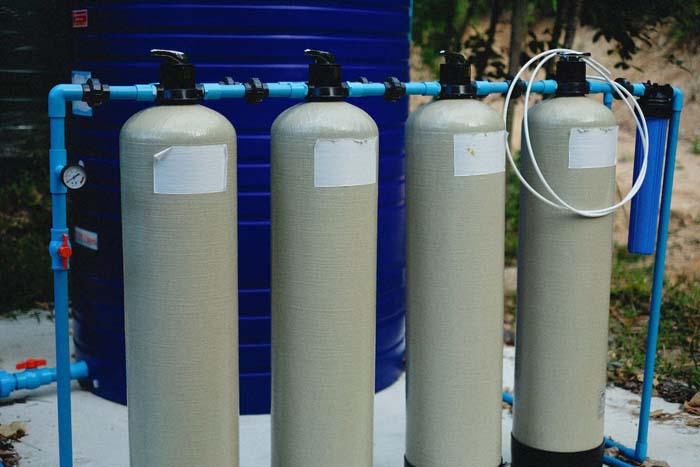
Installing it at your home’s main water line allows you to treat water before it goes through taps, appliances, and pipes. Homeowners can enjoy filtered tap water for various uses, such as bathing, cleaning, and drinking when they take this step.

It is more expensive than a countertop, shower, or under-sink filter. Nevertheless, these smaller filters only connect to a single point of use or tap. So, if you need water filtration from more than one faucet, they’ll have to purchase and maintain multiple systems.

Advantages of a whole house water filtration system

  • Improves water quality

You may use the purified water from a water filtration system for everything from doing laundry to taking showers to cooking and cleaning, among many other uses.

  • Water tastes better

The water from a whole house water filtration system is not only of higher quality, but it also tastes better.

  • Eliminates bad tastes and smells

When you drink water from the faucet, has it tasted or smelled like chlorine or fish? Impurities are the cause of water that smells or tastes foul. There may be microorganisms in the water that cause unpleasant tastes or smells. Disgusting odors, tastes, and stains are all things a water filtering system can help you eliminate.

  • Filters potentially hazardous pollutants

The tap water in many houses is unfit for human consumption due to contamination and pollution. Fortunately, a whole house water filtration system can remove numerous harmful pollutants, such as pesticides, chlorine, and other chemicals and toxins, from the water supply.

  • It keeps your appliances and plumbing running for a long time

Chemicals, chlorine, sediment, and heavy metals thrive in untreated water. They also accumulate in pipes and eventually cause harm. But with a water filtering system, you won’t have to worry about those nasty contaminants. Your appliances and pipes will have a substantially longer lifespan as a result.

  • Environmentally friendly

If you install a whole house filtration system, you only need a few plastic water bottles. This helps the planet and, more importantly, your wallet in the long term.

  • Keep good minerals after removing heavy metals

Did you know that while removing harmful metals from water, a filtration system preserves the beneficial minerals? It only removes the things you don’t want—not everything!

  • Decreases corrosion

If you ignore pipe corrosion and rust, it could lead to health issues. Beyond that, it has the potential to discolor many surfaces, including the area surrounding sinks, fixtures, and appliances. Is there any discoloration in your water right now? The pipes may be corroded if this happens. Installing a whole house water filtering system eliminates worrying about corrosion.

The cost of whole house water filtration system installation

There’s a wide range in price for a whole house water filtration system due to the different technologies utilized. Some examples of frequent types are:

  • UV Sterilization Systems:

Though more dependable point-of-entry UV water purifiers can cost $550+, they start at $200 and purify water throughout the house.

  • Reverse Osmosis Systems:

They begin at $150 to $15,000 and are famously efficient filters.

You can buy a point-of-use ultraviolet water filtration system for approximately $70 to $200. This system helps filter water for a single faucet.

  • Activated Carbon Filters:

To remove impurities, these systems employ carbon adsorption. The price of an automatic whole house filtration system starts at $10 to $50 and goes up from there based on the features and capacity.

  • Water Softeners:

The water softener type, capacity, and installation site are three of the most important variables in determining the final price of your system. A water softening system can cost around $200 to $11,000, with the average household spending around $1,500.

Installation Complexity

To make sure everything is set up correctly and in accordance with local rules, it is highly suggested to have a professional install a whole house water filtration system. Included in the factors that can impact installation costs are:

  • Electrical Work:

The installation cost can increase if the equipment requires electrical connections to function.

  • Plumbing Modifications:

A rise in price tag could be in store if the filtering system necessitates plumbing system modifications.

Can I install a water filtration system myself?

Setting up a water filtration system takes more than just following the directions. You should hire a professional to ensure everything is per local standards and grasp the complexities of your home’s plumbing. You don’t want to deal with incorrect filtration and water leaks. Do-it-yourself water filter installations are not without their risks. In the short term, you could save money, but what about the long-term consequences? Avoid them at all costs. Let me explain:

  • Efficiency of the System

Poor water quality can result from a filter system that isn’t properly installed.

  • Issues with Compliance

Warranty and insurance problems may arise due to improper installation.

The Benefits of Hiring an Expert

If you want sparkling water, having a professional install it is your best bet. These specialists are on top of their game when optimizing your system’s performance and adhering to safety rules.

Advantages over time

The time and effort saved in the long term are directly proportional to the quality and longevity of the system’s performance after proper installation.

Reassurance

You can rest easy knowing your system is fully functional when you let the experts handle it.

How to know when my water filter needs replacement

  • You hate the odor of your water

If you detect a metallic aftertaste in your water or any other unusual taste, it’s time to update your water filter. Water with a buildup of minerals like magnesium and calcium is known as hard water, and it’s the source of that distinct flavor. These minerals contribute to the buildup of scale in the filter, which gives your water an off flavor.

  • Sound

Like an old water pump, a water filter about to die could make a laborious noise. You should consider replacing your water filter before it breaks down if you hear strained sounds coming from it.

  • Slow filtration

If your house water filtration system used to work fast but is now taking an eternity, it’s probably becoming clogged and needs cleaning or replacement.

  • Dirt or mold

You’ve noticed black mold or “floaty particles in the filtered water.” The fungal disease known as black mold can cause a wide range of negative effects on human health.

When installing your new filter, you must wash your hands thoroughly after handling your old filter. This will prevent the new filter from becoming contaminated with alkaline water.

  • Is a Whole House Water Filtration System Worth It?Smell

Improperly filtered water often takes on a strange and off-putting odor. When water has an unpleasant odor, it’s usually because of a clogged, unclean, or ineffective filter. This renders the water unfit for human consumption or other uses.

It may be necessary to fix, replace a component of, or replace your whole house filtration system entirely if it generates water with an unusual smell. If fixing or getting new parts does not work, you should get a new system.

How often should you change your whole house water filter?

You must replace your whole house water filtration system every 3 to 6 months. This keeps it in the best possible condition and ensures its dependability. For the sake of your appliances, your home’s plumbing, and your health, this helps to ensure that the water is free of toxins and impurities.

Conclusion

The type of system, the difficulty of installation, and the frequency of maintenance are a few of the variables that affect how much a whole house water filtration system will cost. For many homeowners, though, the environmental benefits, possible savings, and peace of mind from knowing their water is safe to drink throughout the house make these systems an excellent investment. To make the best choice, it’s important to do research, seek professional advice, and carefully examine your budget and specific needs.

5 Types of Water Filters and How They Operate

5 Types of Water Filters and How They Operate

By | Water Filtration | No Comments

Water filters improve the quality of water by removing impurities such as germs, odor, sediment, and taste. From improving the taste of drinking water to making clear ice to brewing coffee, there is a water filter for every water-related problem.

Water filtration could eliminate chlorine odor and taste and stop limescale buildup, two of the many typical problems with water.

5 Types of Water Filters and How They Operate

Here are 5 types of water filters

1. Reverse Osmosis Filters (RO)

Through pressure and a semipermeable membrane, reverse osmosis (RO) can remove inorganic particles from water, including calcium ions and magnesium. This makes it such that only water, free of pollutants, may flow through.

Since they are so effective at filtering out harmful contaminants, reverse osmosis filters have skyrocketed in popularity. Another benefit is that water softeners may remove salt from drinking water, which is a great feature in a home.

This method gets rid of many harmful substances in water. These include salt, radium, nitrites and nitrates, arsenic, hexavalent chromium, fluoride, and copper.

Combinations of reverse osmosis and other filters, such as absorption (activated carbon) and mechanical sediment filters, are common.

Pros:

  • Can purge water of up to 99% of impurities
  • Effectively eliminates viruses, bacteria, and contaminants.

Cons:

  • Lots of wastewater
  • Costly.

2. Ion Exchange Filters

By exchanging ions such as hydrogen or sodium for ions such as calcium or magnesium, ion exchange can soften hard water. These water filters may effectively remove radioactive materials and hard water.

The ion exchange process physically removes hard minerals to prepare water for uses requiring a steady high temperature, which reduces limescale.

The use of ion exchange resin, often in the shape of tiny beads, is the most common way of ion exchange. There are water softeners that use a similar type of resin. This resin, in turn, uses sodium ions, which need frequent refilling to ensure the resin doesn’t run out.

Because hard water can cause pipes to harden, shortening the lifespan of some kitchen appliances, this sort of filter can be useful for your pipes. The one drawback of this filter type is that it isn’t the most effective at removing bacteria, particles, or organic matter. As a result, you may use it in conjunction with other filters.

Pros:

  • Simple to use and reasonably priced
  • Very efficient in getting rid of heavy metals like magnesium and calcium.

Cons:

It is possibly not as effective as other types of water filters when it comes to removing various contaminants.

3. Activated Carbon Filters

These effectively remove sediment, magnesium, chloroform, chlorine, organic substances, and agricultural chemicals.

The process of adsorption is fundamental to understanding the operation of activated carbon. Adsorption refers to the process by which one material clings to another as it passes through, in contrast to “absorption,” which occurs when one material takes up another.

Organic materials with a high carbon content, such as coconut shells, coal, or wood, can be transformed into activated charcoal. This is done by subjecting them to heat that causes charring rather than burning. Toxins and contaminants are bound to the porous substance created by treating the char. That, along with any pollutants, is drained from the water.

Pros:

  • Excellent at neutralizing unpleasant water flavors and odors
  • Simple installation
  • Less expensive

Cons:

  • Compared to other water filters, it might also be unable to get rid of viruses and bacteria.

4. Mechanical Filters

Mechanical filtration uses a barrier to physically filter out debris, sediment, and other particles from your water. One kind of water filter is a mesh, which traps larger particles. Another is a ceramic filter, which traps even more dangerous organisms thanks to its intricate pore structure.

Mechanical water filters often carry out the pre-filtration process. Waste materials will become entangled in pads, synthetic foam, or nylon floss when water passes through the filter. Mechanical filters have the advantage of capturing all of the unwanted pollutants while avoiding any beneficial ones.

The micron rating is a common way to measure the effectiveness of mechanical filters in eliminating particles of a particular size.

5. UV Water Filters

These have a shorter wavelength than visible light and is electromagnetic radiation. Microbes like viruses and bacteria have their cell walls penetrated when water is exposed to ultraviolet light. It renders them harmless by damaging their DNA, which prevents them from reproducing.

Ultraviolet water filters kill 99.9% of viruses, bacteria, and other potentially harmful microbes. They are a popular chemical-free and low-maintenance water filtration option in industries, commercial settings, and homes. On the other hand, ultraviolet water filters do not remove chemicals, chlorine, or sediment. In order to get the water clean enough to go through the ultraviolet light, a pre-filter will help.

Pros:

  • Low initial investment and low ongoing maintenance costs
  • Works wonders in water disinfection

Cons:

  • Can’t function without power
  • Leaves behind traces of minerals and chemicals

Which water filter removes the most contaminants?

Reverse osmosis (RO) gets rid of pollutants better than any other filter. Distillation, a type of water purification that does not use water filters, gets rid of even more. Choosing the best water filter for your home is much more challenging, even though knowing which pollutants various filters remove may seem straightforward.

Distillation removes the most pollutants from all the methods used to filter or purify water. Distillation kills viruses and bacteria while removing mineral ions, organic compounds, heavy metals, and microplastics. While it doesn’t eliminate viruses and microbes, reverse osmosis removes many of the same pollutants.

The healthiest way to filter tap water?

By removing as much as 99.5% of dissolved solids and other dangerous pollutants, reverse osmosis filters are incredibly efficient at cleaning water of impurities. Reverse osmosis filters can successfully remove viruses and bacteria from water supplies. When it comes to purification, reverse osmosis is above the competition. Because it is able to target more impurities and remove them more efficiently, it is superior to sediment filters and basic carbon filters.

Best place to put a whole house water filter?

This method ensures you and your family can always access clean water for household needs. For example, washing dishes, taking showers, and cooking. In contrast to water filters installed under sinks, which primarily target water for cooking and drinking, this one will purify all water entering your home.

The answer depends on the brand and model of your whole house water filter. For instance, a cartridge-based system must be set up before the water heater. The heater can potentially reduce the cartridge’s effectiveness by causing silt and other impurities to accumulate. It is possible to add a reverse osmosis system after the water heater.

The placement of your main water pipe is another consideration. The filter’s effectiveness increases as its proximity to the entrance increases. This is because the water will undergo filtration to remove pollutants and sediment before reaching your home. On the other hand, put the filter closer to the area that will use it the most if the main water line is in an inconveniently placed spot.

How long do home water filtration systems last before I can replace them?

Installing a full water filter is one of the best ways to guarantee water flows out of every tap in your house. Replacement of filters prior to excessive wear and tear or clogging is an important part of any water filtration system maintenance plan. This is to ensure the system continues to function correctly.

5 Types of Water Filters and How They OperateMany things affect how long a whole house water filter lasts. Here are several examples:

  • The concentration of sediment and minerals in your water supply
  • The filter’s capacity and size
  • How much water do you typically use each day?

Depending on your needs, you can get water filters in a range of sizes, making them more economical or extending their lifespan. A water filter’s capacity is defined by how much water it can filter before requiring replacement. For example, a filter’s capacity to process 100,000 gallons of water over its lifetime could be mentioned.

The following are the typical lifespans of whole house water filters:

  • Post-Filter: Up to 12 Months
  • Carbon Filter: 1 Year
  • Pre-Filter: 3–6 Months

What happens if the filter isn’t changed?

A filter can capture your water’s chemicals, minerals, and sediments. A buildup of debris causes these filters to become inoperable eventually. Filters get more clogged the longer you let them go without replacement.

Your tap water may revert to its original condition if your filter stops collecting sediments after a certain amount of time. Water safety, taste, and purity might be compromised if mold and other bacteria grow inside the filters.

Conclusion

There are a variety of water filters on the market, and each one has its own set of pros and cons. Consider what you need the water for and what kinds of impurities are in your water before buying a water filter. It is important to investigate the abilities of each filter before buying one, as some may be better at removing particular impurities than others. Clean, safe drinking water can last years with the correct water filtration system.

How worried are you about the safety of the water you drink? When you need water filtration, look no further than Express Drainage Solutions! We have installed cutting-edge water filters to ensure our customers can access safe drinking water. Contact us today to find out how our goods can help you and your loved ones. Choose our dependable and efficient water filtering systems if you refuse to settle for subpar water for human consumption.

Meaning of TDS in Water - Why You Should Measure It

Meaning of TDS in Water – Why You Should Measure It

By | Water Filtration | No Comments

The total dissolved solids (TDS) level is a way to find out how many particles are dissolved in a specific volume of water. Water is a universal solvent because it can dissolve and absorb molecules from almost any substance. Both organic and inorganic total dissolved solids are possible. One way to get a feel for the water quality is to measure the total dissolved solids (TDS) level and identify which TDS are present.

Meaning of TDS in Water - Why You Should Measure ItWhat is TDS in water?

In a given volume of water, the amount of organic and inorganic molecules dissolved is TDS. This includes ions, minerals, metals, salts, and anything else that isn’t an H2O molecule. Total dissolved solids appear when soluble materials come into contact with water, as the latter acts as a solvent and absorbs the particles of the former. Water with total dissolved solids can originate from a variety of sources. This includes your home’s plumbing system, municipal water purifying chemicals, natural water springs, and runoff from yards and roads.

Sources of TDS

There are numerous man-made and natural sources of TDS. Sources of total dissolved solids in nature include soil, plants, rivers, lakes, and springs. Minerals like potassium, magnesium, and calcium dissolve into the water as it runs underground in a natural spring.

Conversely, TDS in water can also be an outcome of human activities. Farm runoff can contain herbicides and pesticides; lead from outdated plumbing can be a source; and chlorine from water treatment plants can be another source. You might get bottled mineral water in the grocery store with mineral additions. This means TDS are occasionally intentionally added to water.

Here’s why you should measure total dissolved solids:

Measuring total dissolved solids (TDS) in water allows for the assurance of water suitability, quality, safety, and suitability for a variety of uses. This measurement serves multiple vital purposes. The key reasons why TDS measurement is crucial are as follows:

  • Plant Growth and Agriculture:

Soil salinity and plant growth are both affected by total dissolved solids. In order to avoid soil degradation caused by an excess of minerals, it is helpful for gardeners and farmers to measure the total dissolved solids in irrigation water. This allows them to control nutrient levels properly.

  • Regulatory Compliance:

Total dissolved solids limitations for various water uses are part of the water quality regulations set by many regions. Water providers and regulatory organizations can use TDS measurements to ensure everyone follows the rules.

  • Indication of Contaminants:

High TDS levels might indicate pollutants in the water. A high total dissolved solids measurement may necessitate additional testing. This is to detect potentially dangerous contaminants such as nitrates, heavy metals, and other pollutants. Nevertheless, TDS does not identify the kinds of dissolved chemicals.

  • Nutrient Content:

Essential minerals such as potassium, magnesium, and calcium are included in total dissolved solids. Important for human nutrition and health, these minerals can be better understood by keeping an eye on the levels of total dissolved solids. However, health concerns may be associated with excess minerals if the total dissolved solids are very high.

  • Industrial Processes:

Measuring total dissolved solids is essential for water-dependent industries like food processing and manufacturing. This will help to keep product quality and process efficiency high. Problems with corrosion, scaling, and other operations can result from high levels of total dissolved solids.

  • Impact On the Environment:

Because they alter the chemical composition of water and impact the species that live there, aquatic ecosystems can suffer damage when total dissolved solids are high. It is possible to gauge possible effects on marine life by keeping track of TDS.

  • Health Considerations:

Total dissolved solids can impact water’s aesthetics, smell, and taste. Keep the water tasting good and free of any weird or unwanted things that can make people not drink it by keeping an eye on the total dissolved solids (TDS).

  • Water Treatment and Filtration:

Desalination and filtration, among other water treatment procedures, can suffer from levels of total dissolved solids. Treatment facilities can improve the efficiency of dissolved substance removal by measuring the total dissolved solids.

  • Meaning of TDS in Water - Why You Should Measure ItAssessment of Water Quality:

The total dissolved solids (TDS) measurement is a great tool for understanding the water’s chemical makeup. It is useful for determining if water is fit for aquatic ecosystems, irrigation, industrial processes, or consumption.

A key component of water quality management is the measurement of TDS. The chemical makeup of water can be better understood, possible problems can be easily identified, and this information can better inform choices about environmental protection, consumption, and water treatment.

Dealing with an elevated TDS level

A variety of options are available to you for lowering high TDS levels. A water filtration system can be installed as an alternative. Filtration systems are capable of removing TDS and other pollutants from water. Boiling water is another alternative. Killing microorganisms and lowering total dissolved solids are two benefits of boiling water.

Conclusion

Total dissolved solids are an important parameter for evaluating water quality and comprehending the makeup of dissolved substances. Overall, total dissolved solids aren’t necessarily harmful to human health. But they can be an early warning sign of water quality problems. It is important to monitor TDS in several types of water, including industrial discharges and drinking water. This will help keep ecosystems healthy and ensure that people and the environment are okay. Learning about total dissolved solids and what it means is an important first step. It will ensure that everyone has access to safe and clean water.

How Do You Tell If There Is Bacteria In Your Water?

Water Quality and Best Testing Equipment

By | Water Quality | No Comments

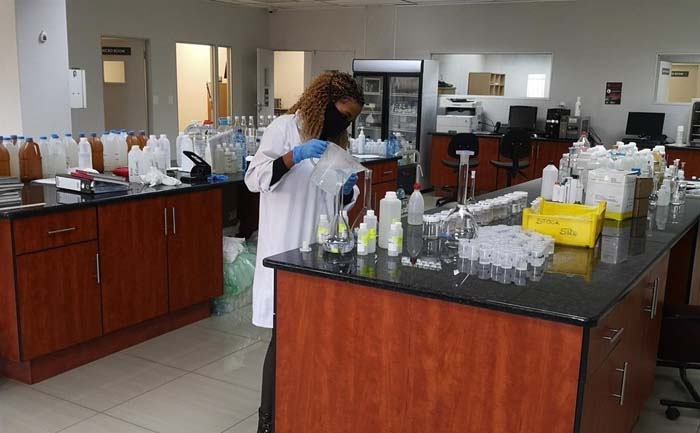
Although there are several potential justifications for conducting a water quality examination, the most common is determining the water’s purity level. Several factors contribute to water quality changes. They include the need to understand the components that contribute to these changes. After that, develop effective strategies to minimize water pollution and adhere to strict regulations and controls to limit water contamination. Biological and chemical contaminants in water are easily detected using various modern water quality testing equipment.

You can use them to identify turbidity, nitrogen, pH value, rate of movement, conductivity, oxygen, total dissolved solvents (TDS), and other factors. You may use these tools to check all sorts of things in the water.
Water Quality and Best Testing EquipmentTypes of Water Testing Equipment

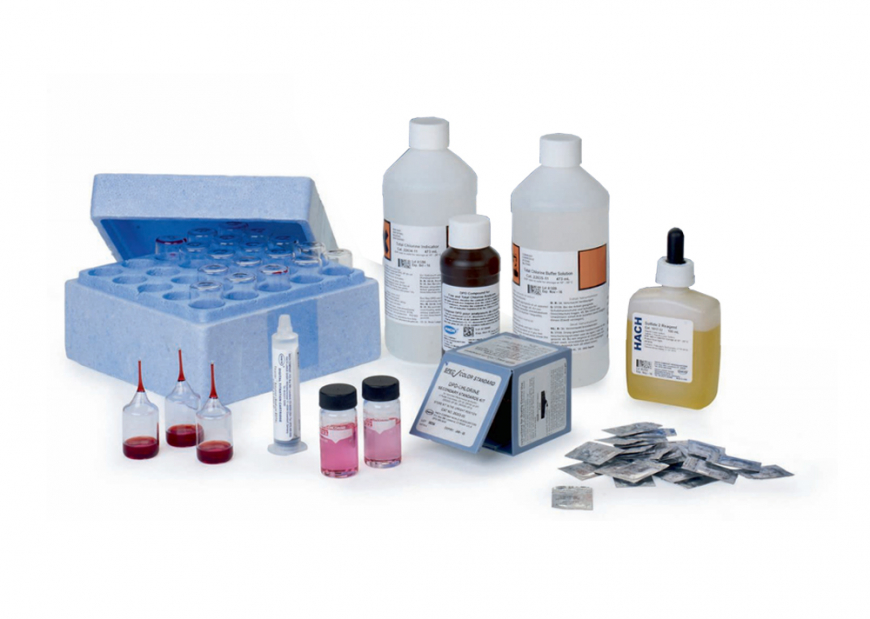
Chemical test kits:

You can measure various compounds in water using these test kits, which include chemical reagents. This water quality testing equipment is sold as a whole kit, though the components may differ among brands. All necessary testing equipment will be available to carry out the test. Additionally, the kit includes a list of simple-to-follow instructions. These direct the user to the tasks that they should do. There are a lot of test kits that come in a box-carrying container. This makes it simple to store and transport them. Typically, the following tests are available in chemical test kits:

  • Iron
  • Phosphate
  • Sodium nitrite
  • Copper
  • Sulfate
  • Total Calcium and Hardness
  • Silica
  • Chloride

To determine the water quality, two distinct chemical test kits are available:

Colorimetric Test Kits:

These test kits aid in understanding the concentration of the chemical through particular colors. Dark colors often depict high concentrations, and vice versa.

Titrimetric Test Kits:

Titrimetric test kits can help find the solid concentration in water samples. A standard titrant will treat the sample and provide an indication. You keep adding this titrant until you see a change in color. The titrant concentration determines how much of the substance is dissolved in water.

  • Buffer and Calibration Solutions:

Professionals use conductive standard solutions to calibrate ORP, TSD, and pH testers in the factory. Additionally, to guarantee the accuracy of the instruments, you should use these solutions in accordance with the set criteria. The regular use of these machines will determine how often they need adjustments. Recalibrating pH models every 1 or 2 weeks using a pH 7 buffer is best. Additionally, you need to use a 10 buffer or pH 4 to test them.

  • Portable Total Dissolved Solids (TDS) Testers:

Chlorides, sodium bicarbonates, potassium, magnesium, sulfates, and calcium are all part of these inorganic salts. Numerous small, handheld total dissolved solids meters with numerical displays can measure concentrations of total dissolved solids in water up to 9,990 ppm. This TDS meter is as simple as any other portable pH meter. You can submerge these testers in water to obtain the reading.

  • Portable pH Meters:

A portable pH meter is optimal for measuring water pH levels in the 0–14 pH range. The majority of handheld digital meters include numerical displays. You have to power them on and submerge them in the solution you want to test. You can give them a little stir until the pH level becomes stable.

  • Pocket Oxidation-Reduction Potential (ORP) Testers:

Electrolysis is when a molecule or ion loses or gains an electron. It also occurs in commercial and residential water treatment systems to prevent contamination, which is a typical occurrence in pool and spa water treatment systems. A high oxidation-reduction potential value makes water more effective as a disinfectant. Measurements of water’s ORP up to 1000 mV are commonly performed using compact-sized ORP testers. Their functionality is comparable to that of portable TDS testers and pH meters.

  • Turbidimeters or Turbidity Meters:

The turbidity of water is a factor that influences its clarity. Several suspended particles can cause water to lose some of its clarity. Water gets murkier as the concentration of suspended particles rises. An essential indicator of water quality is turbidity. When suspended solids scatter light at a right angle, a turbidity meter or turbidimeter can detect this and record the amount of scattered light. Light scattering could be different for particles of different sizes.

If you are familiar with the common applications of various water quality and testing equipment, you should be able to choose the right tool for the job.

Three types of water quality testing

Possible contamination, pH, temperature, and hardness are just a few of the water factors that may be checked with water testing.

Digital Instruments

You can check the quality of your water with one of several portable digital instruments. Although more expensive than the other two tests, these yield reliable results. Only trained experts should handle the instruments. This is because they must be calibrated correctly in order to produce reliable data. Quick bacterial screening is possible with luminescence testing instruments. Additionally, electrochemical testers help evaluate the water’s electrical conductivity, dissolved salt and solids, pH, and dissolved oxygen.

Test Strips

You can test your water using these strips. The color-changing strips can help detect the presence of specific compounds. Comparing them to a chart will help you determine the quantity of the chemical. One common purpose of these tests is determining how much chlorine or pH is in the water. These tests are cheap and quick to get but aren’t as precise as others. This is because of their poor resolution and difficulty understanding the implications for your safety and health.

Professional Lab Tests

Sending your water sample to a certified water testing lab will provide the most accurate results. These businesses offer a variety of water testing options. This includes basic scans to compare your water to EPA guidelines and more in-depth health scans to find out if your water needs more filtering. A professional testing facility may use photometric test kits, spectrophotometers, or more sophisticated colorimetric comparison tests. This will give a more accurate reading of the pollutants in your water and their concentrations.

Water quality testing parameters

Chemical

The presence and amounts of various chemicals are measured as part of the chemical drinking water testing parameters.

  • Radium, radon, other radioactive materials, and runoff from nuclear and industrial facilities.
  • Water’s pH, which indicates its alkalinity or acidity, should be between 6.5 and 8.5.
  • Arsenic, mercury, lead, and cadmium are toxic inorganic metals.
  • Sodium bicarbonate is in water and acts as a laxative.
  • While zinc, manganese, iron, and copper are present in nature, industrial waste can increase their concentrations.
  • Nitrogen from fertilizers.
  • Disinfectants, detergents, pesticides, and herbicides are among over a hundred man-made pollutants that are toxic organic chemicals.
  • Residual chlorine and chloride are left over after disinfecting water for human consumption.
  • Minerals in solution, such as magnesium and calcium (water hardness).
  • Although specialists inject a small amount of fluoride into water to prevent tooth enamel from wearing away, excessive amounts threaten human health.

In order to establish what water quality standards are necessary to safeguard human health and maintain a healthy ecosystem for aquatic plants and animals, it is usual practice to test for at least one of these substances.

Physical

The following physical factors are the most essential in determining water quality:

  • When pollutants are present at extremely dangerous levels, the smell, taste, and color change noticeably or become unpleasant. You can’t smell or see any color in pure water. Color, smell, and taste can originate from dissolved gases, organic compounds, or different metals; thus, they do not necessarily pose a health risk.
  • The oxygen-holding, flavor, and palatability of water and the ease with which certain chemical reactions can occur are all affected by temperature.
  • Water turbidity is the degree to which light is able to flow through it and is a measure of how murky the water is. Water with a cloudy appearance is unsightly, can conceal dangerous bacteria, and makes heavy metals easier to dissolve.

Biological

There are millions of microbes in our water supply, the vast majority of which are perfectly safe to consume. On the other hand, the likelihood of others getting sick increases dramatically when infectious disease patients’ waste gets into the drinking water system. When evaluating water quality, the following biological indicators are paramount:

  • Protozoa:

Giardia and Cryptosporidium can resist disinfection and exist in water for a long time; thus, they need regular monitoring.

  • Algae:

Algae cause water to have an off flavor and smell; some of them, such as blue-green algae, can harm people’s health.

  • Viruses:

To eradicate waterborne viruses like hepatitis, which are far smaller than bacteria, treatment facilities use disinfectants.

  • Bacteria:

When it comes to waterborne bacteria that cause infections, E. coli is by far the most frequent. Diseases such as typhoid, cholera, leptospirosis, salmonella, and coli. It is possible to boil or treat the water if it contains excessive levels of these germs. Another way to lessen the occurrence of bacterial infections is to wash your hands frequently with soap.

Tools used to test water quality

In the field or laboratory, probes and electrodes can detect sulfites, heavy metals, pH, solvents, and ions in water. Different liquids can have special uses, and standard parameters are determined using hydrometers. ORP meters measure the purity of the water and its capacity to remove pollutants. In environmental treatment, aquariums, aquaculture, fish ponds, and salinity meters detect the level of magnesium salts or alkali metal salts.

How can I test my water quality without a kit?

Checking the water’s purity is a good idea. Because drinking contaminated water poses serious health risks, it is necessary to conduct water testing.

It can cost you a pretty penny to fix your system if you don’t test the water and allow untreated water to flow through it.

Furthermore, it is important to know the water quality before installing a water filtration system. If not, you risk damaging the regular water system, spending more money than necessary, or worse, not being able to prevent the spread of harmful pollutants. This is why it’s crucial to check the water quality.

Here’s how to do water quality tests at home without a kit.

Water hardness test

The amount of magnesium and calcium dissolved in a given sample of water is known as its water hardness.

Every day, you could feel the following effects if your home’s water is hard:

  • A dry, chalky sensation when doing the dishes or washing the body or hands
  • The water pressure is low.
  • Wherever you use soap, such as in the bathroom (sinks and showers), there will be soap scum.
  • Countertops, faucets, and dishes with chalky stains

If you don’t have a water hardness test kit, here’s a surefire way to find out:

  • Pour water from the faucet into a large spoon.
  • Do not move the spoonful of water from its spot on the countertop for at least two days.
  • Check the spoon for any sticky residue or white spots after evaporating water.

There can be hard water issues in your house if you notice residue after the water evaporates. A safer water supply may depend on filtering hard water.

Smell, taste, and color test

You can tell if your home’s water supply has hard water by looking for three telltale signs:

  • Smell
  • Color
  • Taste

Finding the root causes of taste, color, or smell issues can be challenging. However, it is essential to identify problems to implement solutions.

To better understand how these quality issues impact your water supply, compare it to distilled bottled water, one of the purest products available.

If you want to know how tap water tastes, looks, and smells, you can compare the two with distilled water samples. Your home may have polluted water if the tap water doesn’t smell, look, or taste the same as the regulated distilled water.
Water Quality and Best Testing EquipmentMagnifying Glass

Keep an eye out for any problems with the water’s quality the moment it leaves the tap if you’re trying to assess the water quality in your house without a testing kit.

Relying on your senses is crucial for identifying and resolving issues with drinking water quality. This is because not all contaminants are visible to the naked eye.

Clean and dry a transparent drinking glass or glass bowl completely to conduct a visual test. Pour water into the container, set it in a well-lit area, and examine it under a magnifying glass.

There may be contaminants in your home water supply if you observe foam, clouds, or floating particles that persist for more than a few minutes. Even though not all contaminants are dangerous, it’s still a good idea to set a standard for how clear your water is before you try any water treatment solutions. That way, you’ll know how well they worked.

For the dissolving solids test, bring water to a boil.

While it may be challenging to detect dissolved solids, other ways to check for water contamination don’t require a special kit. You can do tests at home. Simply apply the cooking technique.

  1. Wash and dry a small pot or saucepan completely.
  2. Put one cup of water into the saucepan.
  3. Bring the water to a boil in a covered saucepan over medium heat.
  4. Remove the pot from the heat once most of the water has evaporated.
  5. Be patient and let the pot cool down entirely.

Run your fingertips along the pan’s base after the water has boiled and the pan has cooled. Your household water supply likely contains dissolved solids if it leaves a chalkier, stickier, or grittier odor.

Take away

You should know what to test for before consulting a specialist. Bacteria, including E. coli and total coliform bacteria, are among the most basic pollutants you should test for. You may find out what’s affecting your water’s smell, hardness, and taste by getting a mineral test. You should also check the pH and acidity levels of your water. Arsenic and radon are two potentially harmful substances that could be present in your water supply. To find out what is involved in each water test, call Express Drainage Solutions today.
How Do You Test If Water Is Safe To Drink at Home?

How Do You Test If Water Is Safe To Drink at Home?

By | Water Quality | No Comments

Never let your guard down when it comes to your household’s health. Doing so might set off a domino effect of problems for you and your loved ones. A potentially sneaky threat to our health is the unchecked water supply. Water, essential for drinking and washing up, can become useless for various reasons despite its importance to human life.

Many things can lead to water shortages, such as pollution, incorrect chemical treatment, broken pipes, etc. Many different diseases, including dysentery, cholera, and diarrhea, can be contracted from drinking contaminated water. You should know how to test your water for signs of fishiness, even if it seems fine now.

Here’s how to test if water is safe to drink at home

Even if treated water is available from the tap, people still need to take precautions to make sure it’s safe to drink. In the convenience of your own home, you may verify the safety of your water in seven different ways:

Texture Inspection for Hard Water

If you use hard water, a white film may remain on faucets and surfaces. Such a film indicates that your water has a high mineral concentration. The long-term effects of hard water on human health are uncertain, but they could be devastating.

Home Water Testing Kits

Is the water you drink safe? This is a good method to find out. You can find a variety of thorough testing kits at local retailers or online. Many different types of pollutants, such as pesticides, lead, bacteria, and others, can be examined with these kits. It is important to remember that the tests typically yield more precise results than simple visual assessments.

Smell Test

If the water has an unusual odor, contaminants may be present. A musty odor could indicate the existence of undesirable substances, whereas a strong chlorine smell could be the consequence of oversanitization.

TDS Test

You can use a cheap device called a Total Dissolved Solids meter to find out how many minerals are dissolved in your water. High total dissolved solids levels may indicate an overabundance of pollutants or minerals. However, the tests are a useful indication of changes in water quality and help to identify contaminants.

Taste Test

It could be a sign of pollution if the water tastes funny. Indicators of contaminants or minerals include a bitter or metallic taste.

pH Testing

Its pH level influences the taste and mineral absorption capabilities of water. The pH for drinking water should be between 6.5 and 8.5, and test kits to determine this range are easily accessible. Additional testing is necessary because pH values that are too high or too low are not optimal.

Visual Examination

To begin with, conduct a visual inspection of your water. Impurities may be visible if they have noticeable particles or a discolored appearance. Clear water does not necessarily indicate that it is safe to drink. Nevertheless, strange-looking water signifies something is wrong with the water you are drinking.

Do water test strips work?

While test strips are useful for early screenings (they show water hardness and pH), they don’t give a good idea of the degree of contamination.

The cheapest way to test water quality

Assuming lead is your sole concern, do-it-yourself lead test kits are a fast and cheap approach to determining if there is an issue. However, lab testing is worthwhile if you desire a more comprehensive evaluation of the contaminants in your water.

Are DIY water testing kits accurate?

Using this do-it-yourself water test kit is a great way to save money and time and get accurate results without leaving your house. If you want to know what toxins are in your water, use these quality test strips. It is not recommended to rely on test strips as the only basis for determining water purity.

There is some inaccuracy in these water kits. They would indicate significant concentrations of some toxins in the water. But they don’t provide a high level of assurance that the water you consume is safe.

Seek out a trustworthy, impartial expert laboratory if you are worried about your water’s quality.

How often should you test your water?

You should test the water based on your present circumstances. If you’re having a child or move in with one, you must do a nitrate test. Additionally, within the first 6 months of bringing them into a household, you should repeat this test in case the problematic contamination shows again.

How Do You Test If Water Is Safe To Drink at Home?It is wise to conduct a thorough test on the water without delay if you notice any unusual color or smell. These problems can arise from a variety of sources and then resurface. They can originate from manganese, chloride, sulfate, iron, etc. As a result, you need to conduct follow-up tests every three years, at the very least.

Always keep an eye on the news to learn whether any of the abovementioned problems have affected your water supply, even if they haven’t occurred in your home. If you do this, you can avoid any health problems these could cause. Ensure no sediment accumulates in your pipes by testing the water once a year.

Conclusion

If you use these techniques on a regular basis, you can find problems with your water supply before they become serious. It is best to use a mix of tests for a more comprehensive assessment, as some pollutants may not be apparent to the taste buds, nose, or naked eyes.

Your responsibility for the quality of the water that flows into your home depends on your family’s health and safety. Make these seven habits a regular part of your life to ensure water purity and the absence of harmful contaminants. Contact experts or your local water authority if you have questions regarding the findings or think there’s a lot of contamination.

How Do You Tell If There Is Bacteria In Your Water?

By | Water Quality | No Comments

The vast majority of freshwater sources have bacteria. Whether your water supply comes from municipal water, a spring, or a private well, ultraviolet light, chloramines, or chlorination can disinfect and remove bacteria in your water.

Viruses and bacteria can enter your water supply through various pathways, such as poorly built springs and wells, septic systems, runoff, and animals. If testing the spring or well wasn’t part of the inspection process when you purchased your home, you should do it right away.

Common bacteria in your water

  • Cryptosporidium and Giardia:

Worldwide, parasites like Cryptosporidium and Giardia can wreak havoc on an unsuspecting host’s digestive system. The overflow of water treatment and infrastructure facilities in agricultural areas can lead to these problems. These are also associated with untreated water, waste contamination, or poor sanitation.

  • Fecal Coliform:

Water contaminated with fecal coliform usually results from high runoff near agricultural areas or other sources of animal or human waste. Ingesting fecal coliform infection can cause gastrointestinal issues, with healthy adults experiencing only mild discomfort and the seniors, pregnant women, kids, and those with compromised immune systems experiencing more severe symptoms.

  • Legionella:

This is another prevalent bacterium. The problem arises when it gets airborne, like when water infected with legionella is used in a shower or for an air conditioner (where the bacteria can produce steam that you can inhale). Floods, storms, water infrastructure failures, or other times of high runoff are common sources of legionella contamination, similar to coliform contamination.

  • E.coli:

Because of all its news coverage, E. coli might be the most famous water bacterium. The symptoms and causes of E. coli in water are similar to those of other forms of fecal coliform bacteria, such as those found in water or well infrastructure breakdowns, septic malfunctions, agricultural runoff, etc. Particularly for susceptible populations, certain strains of E. coli can cause more severe illness than common fecal coliforms.

  • Total Coliform:

Coliform bacteria are abundant in nature and typically pose little threat to humans or other organisms. While not necessarily a sign of water contamination, they can indicate the presence of other coliforms, such as fecal coliforms, in the supply.

How to Detect Bacteria in Your Water

A good way to describe murky water with particles floating in it is by its turbidity. Although water is not inherently dangerous to humans, suspended particles can obstruct disinfection and foster bacterial development.

Although having your water tested is the gold standard for determining bacterial contamination, there are symptoms to look out for:

  • Stained or cloudy appearance of the water
  • The water starts to smell musty, like mold or rotten eggs.
  • Water seepage causes heavy or unusual stains, sometimes rust-colored, to appear around drains and fixtures.
  • Contact your local water authority without delay if you notice any of these signs in your water supply.

Always check your water supply for contaminants at least once a year, even if there are no obvious symptoms. To be sure the water you use from a well is safe, you should test it every six months. Make sure you schedule a water test at the same time as you plan septic upgrades or repairs.

Treatment of bacteria in your water

Boiling water kills many common bacteria, including cryptosporidium and giardia. But it leaves behind other, more stubborn germs that can make water unsafe to consume. Treating water using a reverse osmosis filter system is important in such situations. This will help to eliminate harmful bacteria properly.

Whether you’re looking for a solution that filters water at the sink or want to purge your entire home of harmful bacteria, there are a number of solutions to safeguard your family from tap water.

Numerous factors can determine the specific form of treatment required. UV light is another prevalent method of disinfection. Add Culligan’s UV Disinfection System to your softener or filter to kill 99.99% of mold, viruses, bacteria, and other waterborne pathogens, like protozoa.

How Do You Tell If There Is Bacteria In Your Water?Shock chlorination treatment may be sufficient when positive bacterial tests result from accidental contamination. This necessitates testing for coliform bacteria and then repeating the process every 2 to 3 months. A longer-term fix will be necessary if this fails.

Because the water flows through the spring at too high a rate for the chlorine to reach, shock chlorination is usually ineffective for private springs when trying to kill bacteria.

Conclusion

In a perfect world, everyone’s water supply would be clean and readily available in their homes. If you want to know what’s in your water, Express Drainage Solutions can help you. We can purify your water safely and effectively if you find it contains bacteria or any other kind of contamination. You want to make sure that your loved ones are safe and healthy whenever they drink water, and we can assist you with that. Get in touch with us if you want to know how our water experts can put your worries to rest and guarantee the safety of the water in your house.

What is ORP in Water Treatment and How to Measure It?

What is ORP in Water Treatment and How to Measure It?

By | Water Treatment | No Comments

Oxidation-reduction potential (ORP) is very important in many industries, such as food processing, swimming pools, and water treatment. If we have a good understanding of ORP, we can evaluate the state of a system. This will help create the most favorable conditions for achieving our goals. If you are curious about the concept of ORP and how it influences many processes, you should continue reading this article.

What is ORP?

The ORP of a solution or substance is its capacity to decrease or oxidize another material. Basically, it’s a way to quantify how likely a system may lose or gain electrons. The millivolt (mV) value of the oxidation-reduction potential indicates the system’s electrical potential. A positive oxidation-reduction potential number indicates an oxidizing environment, whereas a reducing environment appears as a negative value.

The following are some of the reasons why the measurement of oxidation-reduction potential (ORP) is so important in the process of processing drinking water:

  • Keeping the infrastructure and distribution system free of corrosion
  • Trucking the number of metals in water from the ground or the surface
  • Making sure the anticipated oxidation-reduction potential of the discharged water is satisfactory to the end user
  • Keeping track of the disinfection procedure

Understanding the importance of ORP in water treatment

Oxidation-reduction potential is a measurement that works well in wastewater treatment systems, and pools. This will help to determine the oxidation state of the water. For the purpose of determining how efficient a disinfectant is in water, redox potential is occasionally used as a measurement.

If the user knows that the particular sample component is primarily responsible for the values received, ORP can be a useful measurement. Take chlorine as an example; when there’s too much of it in wastewater, the Oxidation-Reduction Potential value will be very positive, and when hydrogen sulfide is present, it will be very harmful.

To compare the results, it is necessary to record the ORP with each measurement because it is temperature-dependent. Oxidation-reduction potential (ORP) readings are sensitive to temperature and the solution’s pH. As an example, hypochlorous acid is the liquid form of chlorine. The amount of free chlorine it produces is pH dependent. More chlorine is produced at lower pH values.

The pH of water can be easily measured in three easy steps:

  • Calibration

Determine the oxidation-reduction potential in millivolts using a calibration solution. Dip the sensor into the calibration solution. After the oxidation-reduction potential values have been set, execute the calibration command.

  • Measurement

The oxidation-reduction potential meter will show the mV value when you immerse the electrode in water.

  • Calibration repeat

For each occasion, a different sample is used for analysis.

The significance of measuring ORP

Any material that may undergo an electron exchange is required for ORP. Bacterial survival in water is remarkably sensitive to redox potential.

Bacteria and other microbes need dissolved oxygen to decompose harmful chemicals in water. Thus, water sources with lower oxidation-reduction potential levels are more contaminated. This is because they contain the same oxidizing agents but less oxygen.

A higher oxidation-reduction potential value indicates more sanitary water. On the oxidation-reduction possible scale, the level of disinfection for drinking water will be approximately 650 mV. Additionally, the level of disinfection for pool water will be between 700 and 750 mV. This is because chlorine, an oxidizing agent, will be present in pool water.

Therefore, knowing the basic levels of oxidation-reduction potential in water is essential for any application. Because it shows how pure water is based on its reducing and oxidizing properties, the oxidation-reduction potential is typically one of the water analysis parameters included in most applications. Water with an ORP that is too low or too high could be useless. This is because it contains too much of a particular ingredient. For instance, when the oxidation-reduction potential result is high, the water is completely saturated with ferric and chloride ions. Organic degradation products and sulfides can contaminate water, leading to low ORP values. If you check the oxidation-reduction potential levels on a regular basis, you may see how well the disinfection is working and change up your water treatment routine as needed.

Conclusion

Oxidation-reduction potential, or ORP, is an important metric affecting many environmental monitoring procedures and industries. Learning about and quantifying ORP can improve food processing, optimize industrial processes, and keep water quality high. We can better use ORP by considering how it interacts with other water quality parameters and debunking popular fallacies.

How pH Level Affects Water Quality

How pH Level Affects Water Quality

By | Water Quality | No Comments

As the pH level rises, the water becomes too sour to drink, and deposits form on plumbing, appliances, and supplies. Furthermore, chlorine’s disinfecting effectiveness is reduced in water with a high pH. Conversely, extremely acidic or basic water can dissolve or corrode metals, making them more hazardous.

Groundwater systems typically have a pH of 6.5–8.5, while surface water systems often vary from 6.5-8.6. Drinking water sources typically range from 7.0 to 8.5. A water pH test can tell you how soluble and bioavailable heavy metals and nutrients are in the water and how corrosive they are. One way to find out if water is habitable for aquatic life is to measure the pH level.

How pH Level Affects Water QualityThe areas where the pH level affects water quality include.

  • Corrosiveness

One variable that affects how corrosive water is is its pH. As the corrosiveness increases, metal ions can seep into the water. Water is corrosive to different degrees depending on its pH, but that is only one component. Factors such as minerals, oxygen concentration, electrical conductivity, and temperature are involved. Distilled water has a neutral pH, no minerals, and is corrosive. This is because it soaks up everything it touches, including metals.

  • Taste

Water with a low pH tastes metallic or sour, while water with a high pH level tastes like baking soda or is bitter. Even beverages like tea and coffee take on that harsh flavor.

  • Aesthetic characteristics

Either too-high or too-low pH levels impact water’s taste, smell, color, and turbidity. This happens very rarely and usually in conjunction with other variables like corrosiveness, but it does.

What is the normal pH level of water?

Most drinking water falls somewhere between 6.5 and 8.5 on the pH scale. Acid rain or places rich in limestone can cause naturally occurring waters to have a lower pH. Electrometric measurement of the pH of a liquid sample is commonly performed using a glass electrode.

How to measure the pH level of water

To determine the pH level of drinking water, one can use one of various techniques, such as:

Chemical titration tests

When doing a chemical titration test, one step is to add a chemical agent to a sample of water. Then, another reagent is added slowly until the solution changes color. When determining the pH level of the water, it is possible to utilize the amount of reagent that is required to bring about a change in color.

Digital pH meters

A digital pH meter is an electronic gadget that measures the water’s pH level and shows the value on a monitor. Although the meters can be more costly than other tests, they are also more accurate than pH test strips.

Strips for testing pH

pH test strips are little pieces of paper or plastic that change color when submerged in water. A color guide comes with these strips to match the strip color to the pH value.

Adhere strictly to the guidelines provided for each testing method. Also, keep in mind that the accuracy of various testing procedures may vary. It is also important to use testing instruments ideal for the particular pH range of the water you’re testing. If you feel uneasy doing it yourself, you can hire a professional testing service to check the pH level of your water supply.

Best pH for drinking water?

Everyone and everything on Earth needs access to clean drinking water, which is essential to life. It is important to seek the best sources because they keep our bodies alive. The term pH, which describes quality, may be familiar to you. The same holds for water; it must be drinkable if its pH is below a certain threshold.

Water should always have a pH of at least 6.5. If it is too acidic, it may contribute to acidosis by raising blood acidity levels. Fatigue, headaches, a racing heart, and difficulty breathing are some of the terrible symptoms of acidosis. Because of this, it is highly recommended that you consume water with a pH of at most 6.5. In addition, improper filtration is generally associated with water with an excessive acidity level. This means that chemicals, pesticides, contaminants, etc., may still exist.

The pH range of 7–8.5 is typical for most drinking water types. Accordingly, their pH is either slightly acidic or neutral. A lot of the water you drink, whether from a filter, a tap, or a bottle, has this pH. Acidity levels between 7 and 8.5 are typical and do not harm human health. You shouldn’t have any problems as long as the pH level of your water is within this range. As opposed to a pH below 6.5, a range of 7 to 8.5 will keep your body adequately hydrated without causing a pH imbalance.

The healthiest water to drink?

If you want your body to work properly, you need water. The digestive process, the transfer of oxygen and nutrients, and the removal of waste products all rely on it. Also, it makes up over 60% of an adult’s body weight. The quality and health advantages of different kinds of drinking water vary.

  • Alkaline water

Alkaline water has a higher pH level than ordinary water and is believed to provide numerous health benefits, including boosting immunity, improving digestion, and neutralizing acid in the body. Natural or artificial sources of minerals, including potassium, calcium, and magnesium, can help create alkaline water. However, the health benefits of alkaline water have yet to be well documented. For this reason, there is concern that drinking too much of it could have negative effects on one’s health.

  • Purified water

“Purified water” refers to water treated further to eliminate contaminants such as minerals, viruses, bacteria, and chemicals. It is ideal for both lab and medical uses. It is also usually produced via deionization, reverse osmosis, or distillation. While most people can safely drink purified water, it may lack some good minerals.

  • Bottled water

This is marketed water that comes in glass or plastic bottles. The water that goes into making bottled water goes through a series of filters and treatments. This makes it better than tap water from municipal supplies, underground, or springs. Nevertheless, bottled water’s purity is only sometimes assured, and it can be costly and harmful to the environment.

  • Tap water

In most public places and homes, tap water is the water source of choice. Once drawn from either surface water or groundwater, chemical treatment improves its purity and quantity. Location, method of treatment, and storage all have a role in the quality of the water available to the public. But most people don’t worry about drinking tap water. This is because it contains minerals like fluoride, which are suitable for your teeth.

Which type of water is the healthiest?

Although alkaline water and mineral water are among the healthiest options, this is because they supply your body with vital nutrients. The most important thing is to consume water that is free of contaminants.

Advantages of Drinking Water

Water is paramount when it comes to the nutrients our bodies require to stay alive. Water is essential for nearly every process in the human body and makes up about 60% of our total mass. Thus, drinking water is essential to one’s health and wellness.

  • How pH Level Affects Water QualityBoosting the function of the brain

Enhancements to cognitive function, such as enhanced memory, concentration, and focus, have been associated with regular water consumption.

  • Helping with weight loss

Drinking water can aid in weight loss by reducing calorie intake through appetite suppression and boosting sensations of fullness.

  • It helps the body retain water

To maintain proper hydration, it is best to drink a sufficient amount of water. This aids in delivering oxygen and nutrients to cells, lubricating joints, and maintaining a steady body temperature.

Conclusion

Too-acidic water makes disinfectants like chlorine bad, builds up scale in pipes, and tastes bad. Increased toxicity brought on by metal corrosion or dissolution at high pH values results in a decline in water quality.

A professional team member at Express Drainage Solutions would happily answer any questions regarding pH and the pH kits we provide. If you have any questions, we are happy to answer them.