Express Drainage Solutions

A Solution for Sanitation, Wastewater Treatment & Renewable Energy

Njengi House

2nd Floor Suite 6, Tom Mboya St.

8:00AM - 5:00PM

Monday to Friday

+254742781455

info@expresswatersolutions.com

All Posts By

Antony Muya

Meaning of TDS in Water - Why You Should Measure It

Water Quality – What to Look Out For?

By | Water Quality | No Comments

Water is essential for the survival of all known living things. There is no shortage of water on Earth, but water quality is an additional important factor in meeting this basic requirement. Contamination and pollution in various water distribution mechanisms, both mechanical and natural, can jeopardize the integrity of water purity.

Not only does this contamination affect people’s ability to consume water, but it also makes life difficult for essential microbes, organisms, and animals vital to maintaining a balanced ecosystem.

Ensuring a healthy and pleasant living environment begins with water quality. Your family’s health and safety depend on having access to clean water, and Express Drainage Solutions gets that. In this article, we will discuss the main elements that affect water quality.
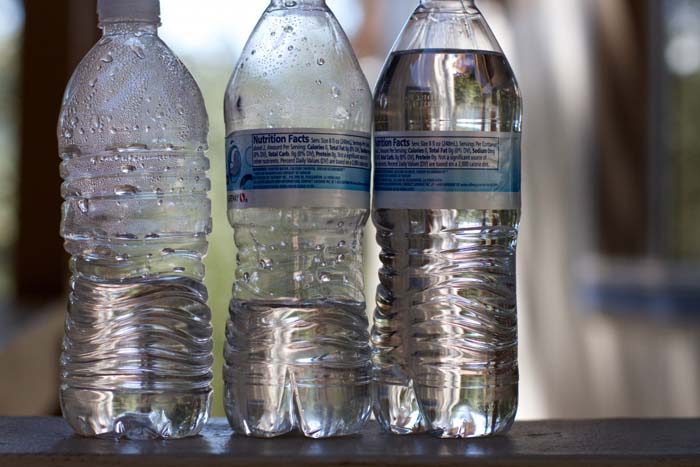
Water Quality - What to Look Out For?What makes water quality so crucial?

Staying hydrated is essential for maintaining a good body temperature and overall well-being. First and foremost, it keeps you from becoming dehydrated, which causes constipation, mood swings, disorientation, and excessive heat. Maintaining an adequate fluid intake aids bodily function by lubricating joints and the spinal cord. In addition to facilitating the elimination of waste and toxins through urine or sweat, consuming water aids in this process. Harmful pollutants, such as viruses and bacteria, can be introduced to the body by consuming dirty water. A basic human right is the availability of safe water quality. This is because it is essential to maintaining good health and normal bodily functions.

5 qualities of good water

Water that is both safe to drink and rich in minerals is quality water. Maintaining a stable pH and being devoid of potentially dangerous substances such as chemicals, viruses, and bacteria are essential.

1. Clean and clear

Pure, uncolored water is ideal. It must be clear and devoid of cloudiness, sediments, or particles. In most cases, you won’t need to filter crystal-clear water before drinking it. Quality water doesn’t contain chemicals, viruses, or bacteria.

2. Balanced pH

Examining its pH level is one way to determine whether water is alkaline or acidic. The ideal pH range for water is between 6.5 and 8.5; however, any water will do. Too much acidic or alkaline water can irritate the digestive tract and impair health.

3. Fluoride addition

To combat tooth decay, fluoride is a mineral that specialists add to water supplies. Fluoride is a great preventative measure against tooth decay. This is because it fortifies tooth enamel and stops harmful bacteria from multiplying. Too much fluoride, though, can lead to dental fluorosis. This condition discolors teeth and leaves them with white or brown patches. As a result, you should check the fluoride levels in the water you consume to make sure they are enough for good oral hygiene.

4. Source

An important component in defining water quality is its source. Good water typically comes from a natural, untreated source like a well or spring. However, water from contaminated lakes or rivers could have dangerous toxins that people shouldn’t drink. Consequently, you should always check the water’s safety and quality to make sure you know where it comes from.

5. Mineral content

The optimal mineral content in water includes the health-promoting potassium, magnesium, and calcium trio. These minerals aid immune system support, bone health, and cardiovascular disease prevention.

Factors that affect water quality

The two main water sources that have the potential to impact the water quality that is accessible to us are:

  • Surface water

Such is gathered from waterways such as streams, lakes, and rivers. Contaminants that can end up in surface water include things like sewage, agricultural runoff, and industrial waste. Neglected exposure to these contaminants poses a significant threat to human health. This increases the likelihood of gastrointestinal and respiratory problems.

  • Groundwater

This comes from underground water sources called aquifers. While surface water isn’t immune to pollution, groundwater is typically better protected. This is due to its underground storage location.

Industrial waste and agricultural runoff are surface pollutants that can seep into groundwater. On the other hand, leaking underground storage tanks and septic tanks are examples of underground water contaminants.

A number of variables, including sedimentation, pH, and temperature, can diminish the quality of the water, whether it is groundwater or surface water.

Here are factors that affect water quality:

Water quality factors impact the water that flows from your taps. For example, your city’s capacity to maintain safe standards for public drinking water, the condition of your local watersheds, and the geological features of your region all contribute to quality water for drinking.

Water contaminants pose a threat to human health. Potentially vulnerable populations include individuals with compromised immune systems, the elderly, pregnant women, young kids, and those experiencing reproductive issues, neurological issues, or gastrointestinal diseases.

  • Treatment procedures

Public water treatment plants employ several procedures to remove contaminants from the water supply before it reaches your house. These procedures may include disinfection, chlorination, and filtration. The water must undergo sufficient treatment to ensure it is free of contaminants and dangerous microbes.

  • Water source

The quality of water is greatly affected by where it comes from. Contaminants, pollutants, and the mineral content of surface water from bodies like reservoirs, lakes, rivers, and groundwater from wells can differ. The initial stage in evaluating possible water quality concerns is to become familiar with your water source.

  • Material and age of pipes

This aspect affects a family’s water supply. The water that reaches your home’s pipes is sometimes of low quality. The water in your taps and other plumbing fixtures depends on age and condition. Lead can be present in water from older fixtures and pipes.

Additionally, mineral and metal particles can collect at faucet openings and contaminate the water supply. Water heaters are another common residential item that might affect water quality. To keep harmful microbes and sediment from building up in water heaters, they must be serviced and drained once a year. Modern pipes composed of materials such as PEX or PVC are less likely to impact water quality. Finding problems early is possible with routine inspections and maintenance.

  • Contaminants and nitrates

Industrial chemicals, pesticides, and nitrates commonly found in agricultural runoff can seep into water sources. Pregnant women and babies are especially vulnerable to the health hazards posed by these substances.

  • Use

Excessive use puts pressure on the water system, lowering water quality. Other people in your area use the same water source as you do. When everyone uses water at once, it overwhelms the system. Declining groundwater tables may result in higher levels of both natural and man-made contaminants.

  • Ecological factors

We must consider ecological considerations when discussing the elements that influence water quality. Overloading water treatment plants and increasing the danger of contamination are consequences of natural disasters such as quick snowmelt, flooding, or severe rainfall. Conversely, droughts can diminish water availability and concentrate contaminants. This will impact the quality of water sources that are accessible.

  • Minerals and hardness

Problems like scale formation in pipes and appliances are symptoms of water hardness. This is due to minerals such as magnesium and calcium. Fixing water hardness won’t make you sick, but it will make your appliances and plumbing work better.

  • Corrosion and scaling

The way water looks, smells, and tastes can be changed due to scaling and corrosion in pipes. Because of the potential discharge of copper or lead into the water supply, the water’s safety is compromised when pipes corrode. In order to keep water quality high, it is necessary to treat water properly and deal with corrosion in plumbing systems.

  • Organic contaminants

When water is contaminated with bacteria and other microbes, its quality suffers. Water with a bad odor indicates the presence of organic pollutants. While simple water treatment methods and filters can handle organic contaminants, tackling certain microorganisms can be more of a challenge, and ignoring them could put people’s health and safety at risk.
  • Water Quality - What to Look Out For?Presence of particles and sediment

Water that contains debris, particles, or sediment will have diminished quality and clarity. A good filtering system can enhance the flavor and look of your water and remove these contaminants.

  • Levels of pH

You can tell how acidic or alkaline water is by looking at its pH level. Extremely acidic or basic water can alter its flavor, susceptibility to corrosion, and efficacy of treatment procedures. Ensure the pH is right for best system performance and water quality.

  • Water pollution

Chemicals used around the house, such as pesticides, cleaning products, and decomposing organic matter (leaves, etc.), are major contributors to water contamination. Everything you flush down the toilet eventually returns to the water system.

Take away

For several reasons, it is important to understand the elements that influence water quality. Water is essential for life on Earth, and its purity has far-reaching consequences for human and environmental health. Protecting ourselves and our families requires an awareness of the elements that influence water quality so that we may make knowledgeable decisions. With this information, we can evaluate the quality of our input water and decide whether to rent or purchase a water filter.
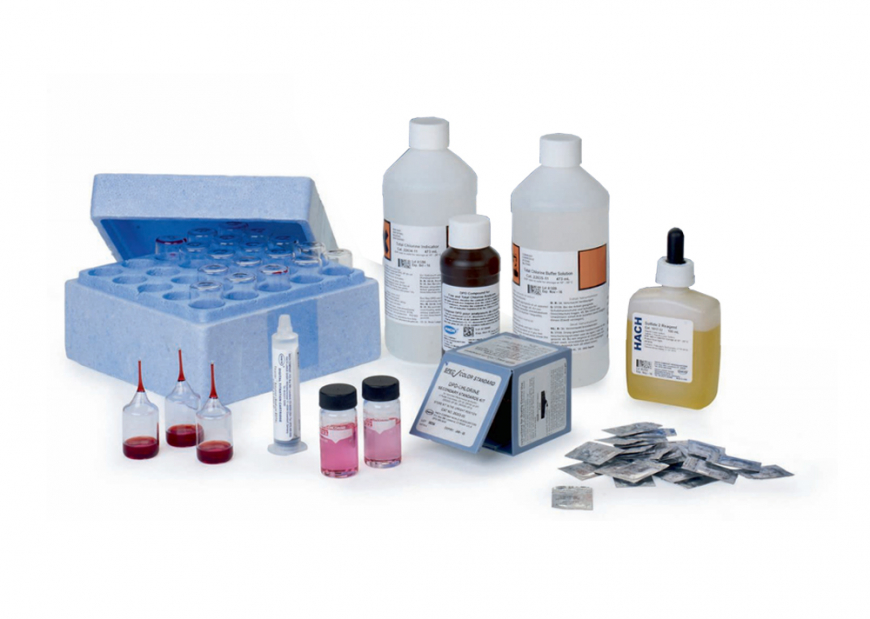
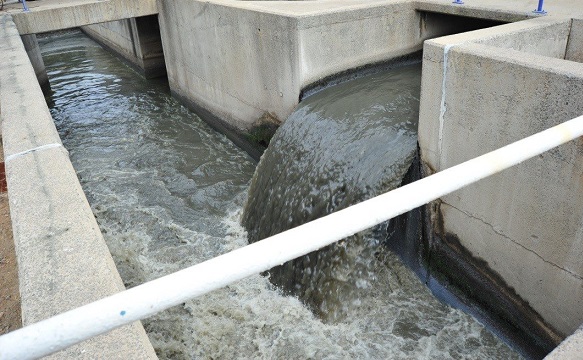
Meaning of TDS in Water - Why You Should Measure It

7 Major Signs That Show You Have Polluted Water

By | Water Treatment | No Comments

If you suspect that you have polluted water, you must act promptly. The dangers of consuming polluted water are well-known. But keep in mind that polluted water is only sometimes easy to spot. Water gets into people’s homes in two ways, but only some know. A private well is the first source; however, many homes get water from their local council. This is because of the infrastructure that is now in place.

The technique is straightforward: the city collects water from various sources above and below ground. After that, it is treated and filtered in a water treatment plant. You may rest assured that the water in your home’s plumbing system will be clean once this process has removed any microbes, chemicals, and other pollutants.

7 Major Signs That Show You Have Polluted WaterBut this treatment method isn’t guaranteed; drinking water is sometimes unsafe. Water still has additional entry points for contaminants. This is because it travels a great distance through many pipes before it reaches your house, where it can pick up unexpected microorganisms.

Here are some major signs you have polluted water

1. Sulfur smell

You may occasionally find trace amounts of sulfur in your water. This is because it is an element that occurs naturally in the earth. This chemical should never be at detectable levels because it is removed during water treatment.

Sulfur is extremely harmful to your health. It can cause intestinal stress and dehydration at high enough concentrations. It is important to look into this immediately if the water smells like spoiled eggs. Thankfully, increasing water filtration can resolve this issue.

2. Discoloration

Even though it may appear slightly tinted at times, your water should be clear. Stop drinking the water immediately if it becomes colored or stained in any way, no matter how little. When water turns orange or brown, it usually means too much magnesium or iron.

This is usually because of rusty or old pipes in your home’s plumbing system. However, it can also happen if there’s drilling or mining close to the water source. Put a stop to drinking the water and get an investigation scheduled right away if you see any change in its color.

3. Change in taste

While pure water lacks flavor, polluted water may have a distinct aftertaste. This is mostly because the water’s mineral composition has changed. This might occur after a recent flood or other incident that has impacted your household’s water supply. It would help if you got your water tested for impurities as soon as you detected a change in flavor. This way, you won’t have to worry about your family’s safety or the quality of the water in your home.

4. The water is cloudy

Water that appears murky or unclean could be due to dirt, sediments, or other contaminants. Contamination of this kind can occur if water from a nearby factory or a recent flood leaks into your water supply. There have been several instances of major corporations polluting water supplies, with terrible results for people’s lives, both in the past and the present.

Fill a glass halfway with tap water and set it aside for a few minutes to see if it is murky or unclean. The presence of dirt, sediment, or other particles indicates polluted water.

5. Reduced water pressure

Clogged pipes will cause your tap to run more slowly than usual. The corrosion of pipes and the accumulation of sediment and limescale deposits cause this widespread and gradual problem.

Sediment is a potential health risk to you and your loved ones; therefore, this is a major concern. Your home’s pipes will require replacement in the event of pipe corrosion.

Water for human consumption is normally odorless and should not smell. Because chlorine helps to destroy bacteria in the purification process, some people may notice a chlorine odor in the water. There shouldn’t ever be enough chlorine in your water to make it smell bad, even after this procedure.

6. Smell of chlorine

You and your family’s health are at risk if you detect chlorine in your water, regardless of how strong the scent may be. It is imperative that you have it tested.

7. Look for any signs of tarnished or rusted silverware

One common red flag is too much iron in the water supply. For instance, the iron clings to the silver and rusts when exposed to air. This causes rust to appear as streaks or spots on silverware. Although the water in some houses may seem straightforward, the silverware in others may start to rust. If rust is visible, it is probably also present in the interior components of household appliances. Problems with household appliances can necessitate expensive repairs or shorten their lifespan.

How to Deal With Polluted Water

  • Don’t use or consume untreated water

It is best to use purified water for cooking and drinking if available. Never assume that your water will be completely safe just because you’re using chemical treatments or a filter.

  • 7 Major Signs That Show You Have Polluted WaterUsing a water filter

A water filter is an excellent tool for purifying water. Picking a quality water filter to remove the impurities from your water is vital, as there are several to select from. Due to the short lifespan of many filters, it is important to replace the filter frequently.

  • Use chemical treatments

To chemically treat polluted water, you can use either iodine or chlorine. While iodine can treat water for drinking and cooking, chlorine is commonly used to disinfect water for consumption. Be careful to use the appropriate dosage for the quantity of water you are treating, as directed on the product label.

  • Make sure you test your water

Get an expert’s opinion before treating the water’s pollution level. By doing so, we can identify the water’s pollutants and assess their contamination levels. To determine the best course of treatment, you must first determine the precise type of pollution.

In summary

A water filter should be considered if you are worried about the quality of the water or see any contamination symptoms. You should always stop using water if you have any reason to believe it may be polluted. The substances in the water can pose health risks to you and your family.

How pH Level Affects Water Quality

How to Find the Water Quality in Your Area

By | Water Quality | No Comments

Water source, location, and testing frequency all play a role in determining water quality. Physical qualities, including taste and smell, indicate water quality, but other, less obvious elements exist. Many pollutants from outside sources seep into the water supply and may not be adequately filtered before reaching your tap. The following are some of the telltale signs of water contamination:

  • There is no flavor at all, possibly fishy or metallic
  • Sulfur or chlorine odor, which is unpleasant
  • Seawater that is hazy or contains particles suspended in it

You should find out what’s in your tap water, think about having it tested at home, and figure out another way to stay hydrated daily for any of these signs.

Numerous factors contribute to the degradation of the quality of water. Global warming, fuel spills, industrial and agricultural operations, wastewater and sewage discharges, fishing, and shipping contribute to water contamination.

How to Find the Water Quality in Your AreaHere’s how to find water quality in your area
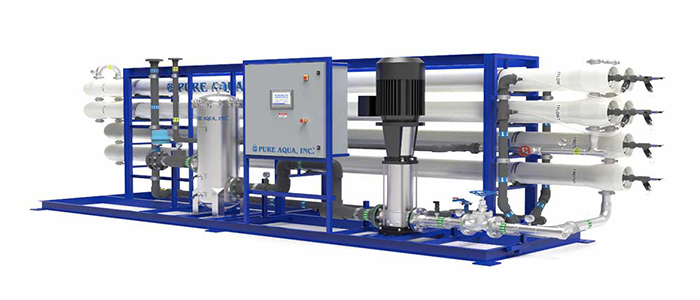
Monitoring, accessing, and understanding water quality indicators and their primary parameters is important to meet standards. Water temperature, bioindicators, dissolved oxygen, turbidity, pH, and nitrate chemicals are the six leading water quality indicators. This, in turn, includes a wide variety of physical, chemical, and biological characteristics. Professionals collect samples to evaluate and track water quality. This information provides crucial clues about pollution levels and deviations from typical behavior patterns.

Bioindicators

The amount of microalgae in water is a bioindicator that will help track an ecosystem’s state. These species, which include bacteria, plankton, plants, and animals, are a great way to gauge the water’s cleanliness and a natural sign of pollution. This is because they are organic and occur naturally in the ecosystem.

A number of environmental variables affect bioindicators, such as temperature, water, light, and the concentration of suspended water particles. If we want to know how our actions affect our natural ecosystems, one way to do that is to look at how bioindicators have changed over time.

Water temperature

Many aquatic creatures have very particular temperature and pH requirements for survival, so water temperature is also a good measure of water quality. Water temperature similarly impacts other water quality indicators, such as dissolved oxygen and organism susceptibility to contaminants, diseases, and parasites.

Another consideration is the time of year since seasonal changes bring noticeable temperature shifts.

pH scale

The pH scale is a logarithmic measurement of alkalinity that shows how basic or acidic a body of water is. A scale ranging from 0 to 14 helps to express the pH value. The more basic the water is, the lower the number, which indicates the acidity level. Seven is considered to be neutral.

What factors influence the change in water pH? Some factors include accidental spills, car pollution, acid rain, farm runoff, and sewer overflows. Aquatic life, fish, and water are vulnerable to drastic shifts in pH levels, making this another important measure of water quality.

Dissolved oxygen

The presence of oxygen in water is fundamental for all living things. When oxygen levels are incredibly high, things can get dangerous for aquatic life-support systems. For this reason, it is crucial to monitor the dissolved oxygen concentration, or the amount of oxygen accessible to marine life. One important measure of water quality in lakes and streams is the amount of dissolved oxygen. Temperature and the presence of specific microorganisms are just two factors that affect the amount of dissolved oxygen in water.

Nitrates

All living things rely on nitrogen for their essential nutrients. High nitrate concentrations can result from algae blooms, decreased dissolved oxygen levels, and fish and other aquatic life mortality. Agricultural activity, industrial contaminants, and animal and human waste runoff frequently cause these. Humans also suffer from the negative effects of high nitrate levels. Therefore, health promotion efforts and marine life protection depend on monitoring nitrate levels.

Steps to overcome bad-quality water in your area

  • Find any impurities in your water supply by inspecting it.

You must determine whether your water is of poor quality before you can consider a solution. Examining the water is a good place to start, and certainly, a simple inspection isn’t hard to do.

When unsure, always ask yourself these questions: Does it have any silt? Does it smell, look, or taste strange?

Alternative inspection means can be employed if you prefer not to taste or smell it. Find out if it’s discoloring your clothing, kitchenware, or home fixtures.

Naturally, there will be instances when neither sight nor smell are available. But the water may still be quite microbially rich. Here, having your water analyzed by an expert is your only option.

  • Obtain accurate data.

It is always wise to know the source of your drinking water, no matter where you reside. Does the municipality supply the water? Is it your well that supplies it, though? Monitoring this can teach you a lot about your water quality and whether or not it’s safe to drink.

For example, information on the quality and reports about contaminants are much easier to obtain if your water originates from a public source, such as your municipality’s water reservoirs. Importantly, unless someone gets sick or the water is odd in its properties, you don’t need to do anything major to have the municipal water analyzed. The plumbing is the culprit here.

But if your water comes from a private well, it could be difficult to determine where and what kinds of impurities might be in it. Even though it seems like a natural well, it might be linked to another groundwater pocket containing heavy metals. Therefore, you might begin by conducting some independent research. The city’s water board can provide relevant information about the water bodies in your city.

But you can always buy a DIY water testing kit or employ a lab specialist if you’re busy or don’t have the time to figure it out.

  • Do a water test.

You must not skip this step. There is no way around having your water tested if you discover a problem. In particular, if you notice a noticeable shift or the smell is too strong.

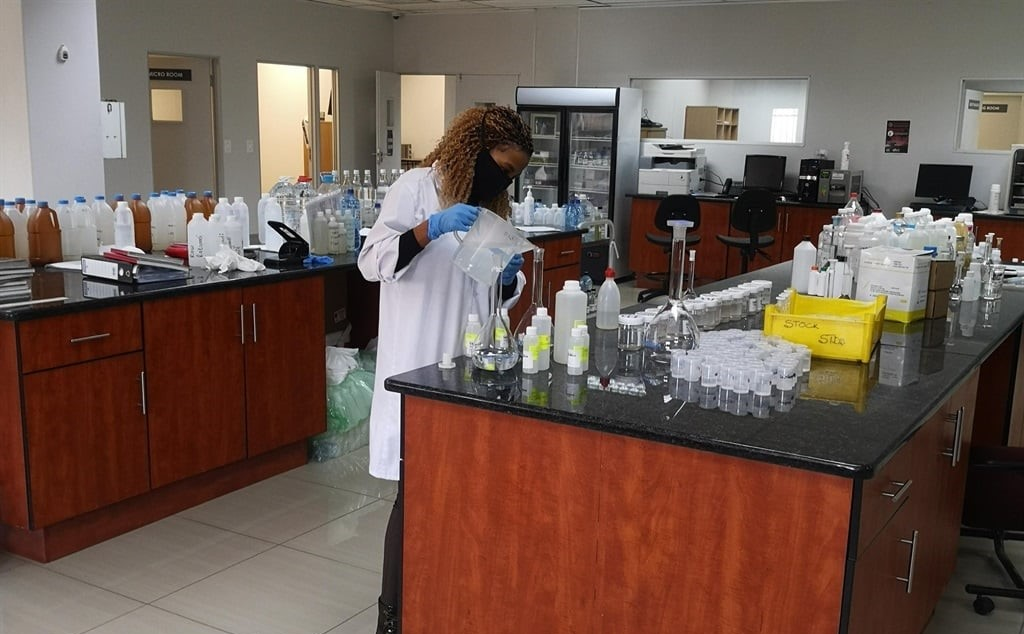
Even heating the water before drinking won’t solve this problem. Hiring a specialist to test the water is best to determine what to do next. Extreme changes in water quality should prompt you to seek the assistance of a competent laboratory. The lab will dispatch experts to gather water samples. They will then test for toxins to determine the water’s safety for human consumption.

But there’s no need to worry if you want to get a water purifier. A professional from a reputable water purifier company will run some basic tests to ensure the water is safe to drink. The water board is another resource that you have at your disposal.

If you notice a chemical smell or a noticeable change in color, you should only contact the water board or a laboratory in emergencies. A water purifier can handle low levels of total dissolved solids and sediments.

  • Invest in a water purifier.

Depending on a water purifier to eliminate impurities is the best option when dealing with water quality issues. But if the pollutants are few, boiling the water should be enough. Of course, you’ll need to set aside a good chunk of time each day to bring the necessary water to a boil.

How to Find the Water Quality in Your AreaHowever, water treatment equipment will be necessary if heavy metals, unpleasant smells, sediments, rust, or other harmful substances are present. Potable water bottles or cans are one alternative, although none of these options is safe or sustainable.
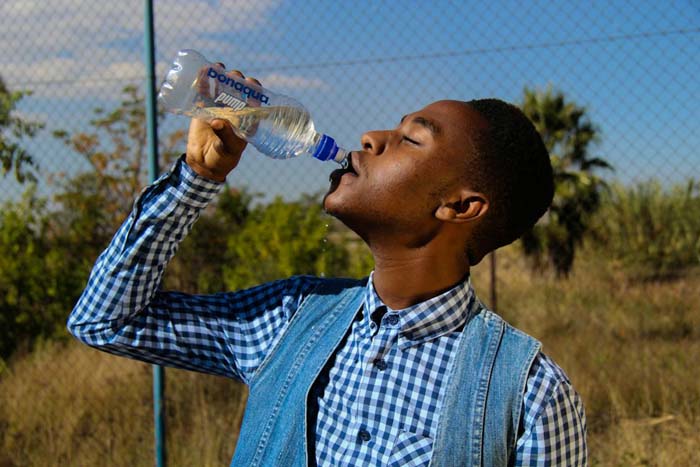
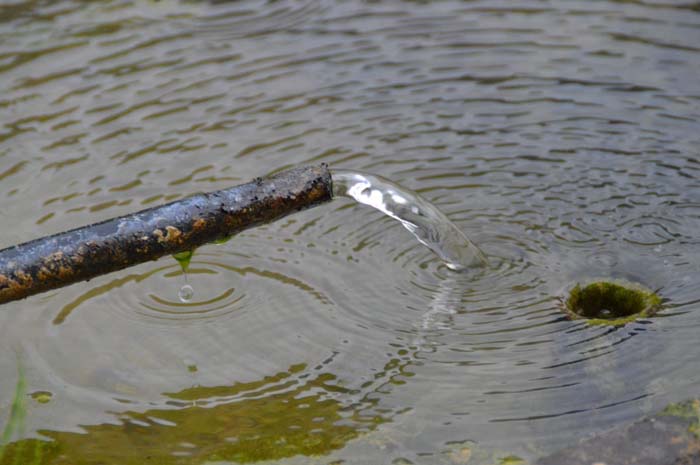
Thorolastic cans may appear a cheap alternative, but the water inside does not originate from a reliable source. Your carbon footprint can be greatly increased if you often use single-use water bottles. Additionally, a seal on a bottle does not guarantee it is clean and risk-free.

Conclusion

Water quality is a significant factor in preserving the delicate balance within ecosystems. The water quality directly affects the health of the microbes, animals, and plants in water ecosystems, whether small streams or vast seas. Healthy water systems provide crucial habitats and resources and increase biodiversity.

Water quality monitoring has exciting potential in the future because of ever-improving technologies. Integrating big data analytics, machine learning, and AI may make more precise trend predictions of water quality possible. This would allow for proactive decision-making to protect human health and aquatic ecosystems.

Express Water Solutions now provides a number of digital tools that will help improve water quality. These tools provide you with access to accurate and reliable real-time data. Additionally, you get processed and analyzed data, which lets you make decisions quickly.

How Do You Tell If There Is Bacteria In Your Water?

Easy Steps to Take to Protect Your Drinking Water Sources

By | Water Treatment | No Comments

It is important to prevent pollution of the drinking water sources, whether underground, in rivers, lakes, or reservoirs. Eliminating potential sources of contamination is an important step. It will ensure the safety of your drinking water. As a result of runoff pollution, your drinking water could end up contaminated with things like gasoline, herbicides, fertilizer, motor oil, and animal waste.

What is source water?

The water that supplies a public water system comes from:

  • The source of the water it draws from could be an underground aquifer, a stream, or a lake.
  • The source facility could be a roof/rain catchment, infiltration gallery, spring, well, or intake.

Types of contamination

Environmental contamination of groundwater and surface water falls into two categories: pollution from point sources and non-point sources.

When pollution comes from a single, easily identified location, it’s a point source.

  • Underground gas and oil storage tanks that have leaked;
  • Wastewater discharged by municipalities;
  • Septic tanks installed on the property;
  • Ore and gravel from active and former mines;
  • The liquid at a landfill; and,
  • Discharges from industrial processes, including chemical leaks and spills.

Diffuse sources are the main culprits in non-point source pollution. When water runs off of land and carries pollutants—both natural and man-made—into surface waters or, through percolation, into groundwater, this is what we call non-point source pollution. Here are a few examples:

  • The deposition of air pollutants, such as acid rain, onto land and surface waters;
  • microorganisms and petroleum byproducts from boats used for recreational activities;
  • Pesticides, metals, bacteria, sediment, chemicals, oil, nutrients, pet waste, road salts, and urban runoff from sidewalks, buildings, and roadways;
  • Agricultural runoff, which may include petrochemicals, animal waste, pathogens, pesticides, fertilizers, and oils; and,
  • Seepage of saltwater.

Here’s how to easily protect your drinking water sources

Properly maintain your septic system

Untreated or inadequately treated domestic waste has the potential to contaminate groundwater. This endangers both humans and the environment. When septic systems aren’t working correctly, they dump chemicals, viruses, and germs into nearby drinking water sources. A septic service expert should check the typical home septic system every three years. Every 3 to 5 years, it is common practice to pump out a household’s septic tank. Monitoring alternative systems with electrical components, pumps, or electrical float switches frequently is important at least once a year.

Easy Steps to Take to Protect Your Drinking Water SourcesDon’t pour paint, gasoline, or other potentially harmful household waste down the drain

Keep in mind that you should never dump gasoline, paint, or any other potentially harmful domestic trash down the drain or into a storm drain. Having these substances on hand can seriously compromise the safety of your water supply.

Your home’s soil and groundwater supplies are susceptible to contamination from these substances. This happens when you let them run into storm drains or flush them down the toilet. Over time, lakes and rivers will become contaminated with the chemicals included in these items. Those who use this water in the future may experience negative consequences, such as cancer.

Recycle Rainwater

When it rains, people often collect and store the water to use later for things other than drinking. This method is called rainwater harvesting. The process involves collecting rainwater through rain barrels, downspouts, and gutters from land, rooftops, or other impermeable surfaces. Another option is to build man-made ponds that you can fill with water during rainy seasons in order to collect rainwater. Storage tanks will help collect rainwater for washing, irrigation, and cleaning later.

One of the many advantages of rainwater harvesting is that it helps maintain the health and integrity of municipal supply lines. It lowers the demand on those lines from individual households. These lines would otherwise have to transport water over great distances. It improves the health of local watersheds and decreases erosion by minimizing the amount of storm water runoff that enters rivers and lakes.

Make safe use and proper disposal of dangerous materials

Never dispose of toxic or biohazardous materials in storm drains, the ground, or the toilet. The area’s soil, groundwater, and surface water could all be contaminated.

Many common household items include harmful or poisonous substances that have the potential to pollute surface or groundwater sources, including:

  • A number of medicines
  • Pesticides
  • Mothballs
  • Household cleaners
  • Leftover paint cans or paint
  • Motor oil

Inspecting the septic tank regularly

It is important to schedule frequent inspections for septic tanks if you own a property with one. How often these checks are needed depends on your system and your household’s water consumption. For instance, if you’re using water from a well, your septic tank won’t have to treat as much wastewater. If that’s the case, then it should be enough to do an examination every two years.

The industry standard for septic tank inspections is 3 to 5 years. This is particularly true if you reside in a region prone to heavy rainfall or flooding or have observed any tank functionality issues. These events can eventually damage a system that isn’t well-maintained. Lack of adequate maintenance might cause the waste to seep into the soil. This, in turn, can contaminate your local water source.

Medications must be properly disposed of

When people flush medications down the toilet, whether prescription or OTC, they can contaminate the groundwater supply if their homes have septic tanks. The wastewater treatment system in cities and towns allows over-the-counter and prescription medications to be poured down the drain or toilet to eventually make their way into lakes and rivers. The downstream flow of these drinking water sources could have an impact on the community’s water supply. In most cases, water treatment plants lack the necessary equipment to get rid of medications regularly.

Opt for eco-friendly cleaning supplies

Natural cleaning products are one of the best ways to keep drinking water safe. They are better for the planet, your wallet, and the health of your family. They are less expensive and don’t leach toxins into your water supply.

In addition to being safer for the environment, natural cleaning products are preferable. This is because they do not include chemicals that could harm local water sources. One of the primary reasons people no longer trust their drinking water sources is contamination.

Limiting chemical use

Do not use any cleaning products that contain harsh chemicals. Make your all-natural cleaning supplies using items you already have instead of purchasing commercially available goods.

It is best to use biodegradable items whenever possible to reduce their environmental impact. These products break down more quickly and produce less waste when discarded. Only buy something after first reading the label. Many additives are toxic to both people and animals.

Conclusion

Being careful of your environmental impact at all times would be helpful. Because of this, safeguarding sources of drinking water is important. There are many ways to achieve this, but one of the most effective is balancing your needs with the environment. Remember that our drinking water sources will only be able to supply us with clean water in the future if we do something to prevent their contamination and allow them to become corrupted.

We must take immediate action to safeguard our drinking water sources since our very survival is at stake. What we do now may determine how far we go in the future. It is high time we reevaluate our perspectives on fresh water and figure out how to keep it safe by minimizing pollution.