Express Drainage Solutions

A Solution for Sanitation, Wastewater Treatment & Renewable Energy

Njengi House

2nd Floor Suite 6, Tom Mboya St.

8:00AM - 5:00PM

Monday to Friday

+254742781455

info@expresswatersolutions.com

All Posts By

Antony Muya

Nanotechnology in Water Monitoring

Nanotechnology in Water Monitoring

By | Water Monitoring, Water Quality | No Comments

Nanotechnology has become an invaluable tool for water monitoring, enabling the fast and accurate detection of toxins at ultra-low concentrations. This technology improves the capacity to detect biological, chemical, and physical contaminants in water systems by making use of nanoscale devices and materials, such as sophisticated probes and sensors.

Real-time analysis, increased sensitivity, and portability are just a few of the many benefits that nanotechnology-based monitoring technologies provide over more traditional approaches. Integrating nanotechnology into water monitoring systems is essential for guaranteeing safe and sustainable water supplies, which is becoming more important as public health concerns about water pollution rise.

Exploring the Role of Nanotechnology in Water Monitoring

When it comes to monitoring water quality, nanotechnology is crucial since it allows the identification of contaminants to be done faster, more sensitively, and in real-time. It improves upon conventional monitoring techniques in terms of efficiency and precision by making use of nanoscale manufactured materials.

1. Nanosensors for Pollutant Detection

The usage of nanosensors is a crucial application. The nanomaterials used to make these little gadgets allow them to detect pollutants in water at extremely low concentrations.

  • Industrial chemicals and pesticides are organic contaminants that can be detected
  • Identify infectious diseases caused by viruses and bacteria
  • Detect mercury, arsenic, lead, and other heavy metals.

Nanosensors are ideal for early warning systems due to their extreme sensitivity, which allows them to detect contaminants at incredibly low concentrations.

2. Use of Nanomaterials

The use of nanomaterials has greatly enhanced water monitoring. These allow for the detection of contaminants to be exceedingly sensitive, quick, and precise. Nanomaterials are perfect for sensing applications. This advantage is due to their enormous surface area and unique chemical and physical properties, which allow them to interact effectively with contaminants.

Types of Nanomaterials Utilized

1. Titanium dioxide nanoparticles (TiO₂)

Photocatalytic sensing and monitoring make use of these.

  • Assist in the breakdown of pollutants
  • Be more detectable by reacting to light
  • Detect organic contaminants

2. Silver Nanoparticles

The antibacterial capabilities of these nanoparticles are well-known.

  • Boost the efficiency of biosensors
  • Inspect for the presence of microorganisms
  • Identifying and managing waterborne microorganisms

3. Quantum Dots

Quantum dots are utilized in monitoring systems that rely on fluorescence.

  • Beneficial for chemical and biological sensing
  • Make it possible to identify extremely minute amounts of contaminants
  • When exposed to harmful substances, emit light

4. Carbon Nanotubes

Because of their large surface area and high electrical conductivity, carbon nanotubes find extensive application in water monitoring.

  • Offer prompt responses
  • Detect organic contaminants and heavy metals.
  • Make electrochemical sensors more sensitive

5. Gold Nanoparticles

Optical sensing frequently employs gold nanoparticles.

  • It is dependable and very stable
  • Heavy metals and toxins can be detected using this method.
  • Allow for colorimetric detection, which involves a change in visible color

Nanotechnology in Water Monitoring

How Nanomaterials Improve Water Monitoring

Because they improve detection methods in terms of speed, sensitivity, and reliability, nanomaterials substantially improve water monitoring. To improve monitoring performance, they interact efficiently with pollutants thanks to their unique nanoscale features, which include a high surface area, robust reactivity, and enhanced optical and electrical behavior.

1. Improved Durability and Stability of Use

Sensors made of nanomaterials tend to be more reliable and durable.

  • Can withstand shifts in their natural habitat
  • Keep results consistent across time

2. Small Size and Portability

The development of compact, handheld devices is made possible by nanotechnology.

  • Field tests that don’t require elaborate laboratory apparatus
  • Practical in rural and remote locations
  • Assists with water quality monitoring at the site

3. Real-time monitoring allows for faster detection.

Sensors based on nanotechnology deliver fast results, enabling immediate responses to any detected changes in water quality.

  • Quickly identifying when water quality is changing
  • Well-suited for systems that require constant monitoring
  • The amount of time needed for laboratory analysis is decreased

4. Enhanced Electrical and Optical Signals

Sensor signals are amplified by nanomaterials.

  • Colorimetric and fluorescence responses that are more robust
  • Electrochemical sensors that provide better electrical signals
  • Pollutants can be more easily detected and measured

5: Detection of Multiple Contaminants

With nanomaterials, it is possible to detect several contaminants simultaneously.

  • A combination of physical, chemical, and biological characteristics being monitored at the same time
  • It helps save both time and money

6. Increased Sensitivity

Even at extremely low concentrations, nanomaterials can pick up contaminants that more conventional approaches would overlook.

  • Allows for earlier detection of water pollution
  • Allows for the detection of chemicals, heavy metals, and microorganisms at trace levels
  • Greater contact with pollutants is possible due to the large surface area

7. Highly Selective and Accurate

Certain pollutants can be targeted using custom-designed nanomaterials.

  • Identify specific microbes, molecules, or ions
  • Lower the rate of inaccurate findings
  • Make water quality data more trustworthy

Applications

Nanotechnology can rapidly and precisely detect pollutants at extremely low concentrations, leading to several real-world applications in water monitoring. Here are the main applications:

1. Monitoring of Industrial Wastewater

Industries are increasingly turning to nanotechnology as a means of tracking wastewater discharge.

  • Detects harmful substances before they’re released into the environment
  • Verifies adherence to environmental regulations

2. Monitoring Contamination by Microbes

Nanotechnology is a powerful tool for finding dangerous microbes in water.

  • Allows for quicker identification when compared to conventional culture techniques
  • Helpful for public health and water safety
  • Detect pathogens, viruses, and bacteria

3. Monitoring Groundwater Levels

Nanotechnology aids in the detection of pollutants in subterranean water sources.

  • Detects toxins, heavy metals, and nitrates
  • Facilitates the early detection of sources of contamination

4. Organic Pollutant Detection

When it comes to organic pollutants, nanotechnology is used to identify things like

  • Natural gas, petroleum, and coal
  • Chemicals used in industry
  • Pesticides

5. Applications in Optical Sensing

In optical sensors, which detect pollutants by changes in light, nanomaterials play a role by enhancing sensitivity and selectivity, allowing for more accurate detection of specific pollutants.

  • Sensing based on fluorescent light
  • Visual color change detection using colorimetry

6. Lap-on-a-Chip Devices

Compact gadgets include many testing capabilities.

  • Ideal for use in real-world experiments
  • Deliver precise results in a short amount of time
  • Minimal water samples are needed

7. Heavy Metals Detection

Arsenic, mercury, and lead are just a few of the harmful metals that can be detected in water by nanotechnology.

  • The outcomes are quick and dependable.
  • Assists in avoiding potential health hazards associated with water contamination
  • Trace amounts of metals can be detected by nanosensors

8. Monitoring Water Quality in Real Time

Systems for continuous monitoring are made possible by nanotechnology.

  • Great for water purification facilities, lakes, and rivers
  • Works with wired and wireless networks
  • It provides immediate information about the current state of the water

Advantages of Nanotechnology in Water Monitoring

The use of nanotechnology has numerous significant benefits that improve the efficiency, accuracy, and reliability of water quality monitoring:

1. Minimal Sample Needed

The volume of water required for testing is minimal.

  • Helpful in places with few resources or those that are far away
  • Streamlines the sampling process

2. Enhancement of Monitoring Effectiveness

Nanotechnology enables automated and continuous monitoring systems.

  • Improves ecological management
  • Permits gathering data and remote sensing

3. Efficient and Instantaneous Detection

You get quick results with sensors that are based on nanotechnology.

  • Lessens the time needed for laboratory testing
  • Permits constant checking of water quality

4. Improved Signal Detection

Sensors that use nanomaterials produce better electrical and optical signals, which enhances their ability to detect even the smallest changes in water quality parameters.

  • Results can be more easily understood
  • There is increased sensitivity and improved clarity in detecting contaminants

5. Highly Selective and Accurate

It is possible to create nanomaterials that can identify particular contaminants.

  • Enhances the credibility of information
  • Helps reduce the number of inaccurate findings

6. Detection of Multiple Threats

Multiple contaminants can be detected at once using nanotechnology.

  • Offers thorough analysis of water quality
  • Cuts expenses and saves time

7. The Affordability (In the Long Run)

While the initial setup could be pricey, using it in the long run actually saves money.

  • Operating and maintenance expenses are minimal
  • Prevents the necessity for additional laboratory testing

8. Convenience and On-site Testing

Nanotechnology enables the development of small and portable gadgets.

  • Cuts down on the requirement for elaborate laboratory apparatus
  • Facilitates water testing in the field

9. Extremely Sensitive

Thanks to nanotechnology, even very small amounts of pollutants can be detected.

  • Useful for identifying pollution levels at an early stage
  • Identifies small concentrations of pathogens, chemicals, and heavy metals

Challenges

Despite the numerous advantages of nanotechnology for water monitoring, several obstacles hinder its widespread and effective use:

1. Issues with Regulation and Ethics

  • Few guidelines for the safe disposal of nanomaterials in water treatment facilities
  • Problems with proper disposal and potential effects on the environment
  • The necessity for well-defined rules and regulations

2. Hazards to Human and Environmental Health

  • Release of nanoparticles carries the potential danger of secondary contamination
  • The long-term effects of nanoparticles on water systems remain unknown
  • Nanomaterials have the potential to be harmful to both humans and aquatic life

3. Level of Technical Intricacy

  • Proficiency in sensor technology and nanoscience is necessary
  • It could be difficult to operate and maintain
  • Effective use requires training

4. Constrained Application on a Large Scale

  • Numerous places with inadequate infrastructure
  • Problems with scaling up for use in actual water monitoring infrastructure
  • Most uses of nanotechnology are in their early phases, either as pilot stages or in the lab

5. Lack of Standardization

  • Data comparison between systems is challenging
  • Distinct equipment and procedures may provide different results
  • There is a lack of consensus on criteria for water monitoring systems that use nanotechnology

6. The Danger of Interference

  • The sensor’s accuracy could be compromised if there are several pollutants present
  • Signal detection can be affected by intricate water matrices
  • Unnecessary alarms or incorrect results could occur

7. Development Costs Are Exorbitant

  • Difficult to justify the high cost for widespread implementation in underdeveloped areas
  • Necessitates trained workers and specific machinery
  • The production of advanced sensors and nanomaterials can be somewhat costly

8. Problems of Longevity and Stability

  • It could be necessary to calibrate or replace it frequently
  • Environmental variables, such as pH and temperature, can impact performance
  • Nanomaterials might slowly degrade

High prices, environmental hazards, and technological constraints are some of the problems that nanotechnology in water monitoring encounters, despite its benefits. For it to be used safely and effectively, these concerns must be addressed through research, regulation, and technology advancements.

Conclusion

When it comes to water monitoring, nanotechnology has become a game-changer, greatly enhancing the ability to identify and analyze pollutants in water systems. Using advanced nanosensors and specially designed nanomaterials makes it possible to quickly and accurately find pollutants like organic chemicals, germs, and heavy metals. Public health and environmental protection can be better ensured with this kind of real-time monitoring.

High prices, significant environmental concerns, and limited large-scale application are still obstacles that must be overcome, despite the immense potential of this technology. To effectively harness the potential of nanotechnology for future water resource safety and sustainability, there must be ongoing study, appropriate legislation, and technological innovation. Contact us today.
Real-time Water Quality Monitoring

Real-time Water Quality Monitoring

By | Water Quality | No Comments

An innovative method for evaluating the state of water resources is real-time water quality monitoring, which involves collecting and analyzing data continuously. It enables the instantaneous measurement of critical parameters, including dissolved oxygen, temperature, pH, and turbidity through the use of modern sensor technologies and systems based on the Internet of Things. By doing so, pollution happenings, such as industrial discharge and fertilizer contamination, can be detected more quickly than with the old-fashioned periodic monitoring procedures.

To safeguard ecosystems, provide safe drinking water, and support educated environmental management decisions in the face of mounting demands from climate change, agriculture, and urbanization, real-time water quality monitoring has emerged as a crucial instrument.

Here is What You Should Know About Real-time Water Quality Monitoring

How it works

Continuous measurement of water conditions utilizing automated sensors and immediate data transmission for analysis and response constitute real-time water quality monitoring.

1. Control and decision-making

In certain instances, it’s linked to automated controls. It can perform things like shut off polluted supply sources or adjust water treatment processes to make sure nobody gets hurt.

2. Logging of data

In a data logger, the readings are recorded at systematic intervals (every few seconds or minutes) based on the signals sent by the sensors. This guarantees that you will always have access to the most recent data.

3. Analyzing and processing data

Software is used to process and evaluate the data after it is received. So, the system is able to:

  • Provide data shown on dashboards
  • Check values against acceptable ranges
  • Seek out out-of-the-ordinary patterns or abrupt shifts

Future trends in water quality can be predicted by advanced systems using algorithms that analyze historical data, environmental factors, and current measurements to provide accurate forecasts.

4. Transmission of data

The data is sent in real-time to cloud platforms or distant servers using communication systems such as satellite, radio, or cellular networks. The Internet of Things typically makes such communication possible by linking devices and enabling automatic data sharing.

5. Notifications and action

The system notifies users automatically through apps, email, or SMS if any parameter surpasses safe limits, such as excessive contamination levels or low oxygen. Because of these alerts, operators or authorities can act instantly.

6. Collecting data through sensing

Water sources such as treatment plants, lakes, rivers, and pipelines are monitored using specialized sensors that are submerged in the water. Vital parameters like nutrition levels, turbidity, pH, dissolved oxygen, and temperature are measured by these sensors.

The physical or chemical qualities are transformed into electrical signals by each sensor.
Faster, more accurate, and more effective water management is possible with real-time water quality monitoring. This is because it eliminates the need for delayed laboratory testing and provides continuous insights in real-time.

Sensors quantify variables such as the following:

  • Nitrates and phosphates, among other nutrients
  • Water clarity, or turbidity
  • Temperature
  • Electrical conductivity, which shows the presence of salts in solution
  • pH measures the acidity or alkalinity of a substance
  • Dissolved oxygen in solution is vital for marine life

Data loggers and communication networks, such as Internet of Things (IoT) devices, satellite systems, or cellular platforms, are linked to these sensors. Dashboards allow for the visualization and analysis of data in real time.

Real-time Water Quality Monitoring

Key technologies

Several critical technologies allow for the continuous measurement, transmission, and analysis of data, allowing for real-time water quality monitoring:

1. Power supply technologies

Particularly in off-grid or remote locations, water quality monitoring stations cannot function without dependable power sources like long-life batteries and solar panels.

2. Online storage and processing

With cloud computing, customers may access their data from any location and store massive amounts of incoming data. Additionally, they facilitate integration with other systems and real-time processing, which allows for more efficient data management and immediate insights that can enhance decision-making.

3. IoT, or the Internet of Things

The Internet of Things links sensors to networks, enabling them to autonomously gather and transmit data without any human involvement. This paves the way for remote monitoring across expansive or inaccessible bodies of water.

4. Geography-based information systems

Environmental planners, pollutant trackers, and pattern monitors can all benefit from GIS-aided data visualization of water quality on maps.

5. Analytics based on data and ML

Advanced analytics systems that process continuous data streams can anticipate trends, outliers, and possible water quality problems. Early warning systems and forecasts can

6. Systems that notify automatically

In the event that water quality parameters rise above acceptable levels, these systems will promptly alert users through various means such as apps, email, or SMS.

7. Technology-based sensors

State-of-the-art sensors form the backbone of these systems, measuring the water quality. They take readings of things like nutrient levels (such as phosphates and nitrates), turbidity, pH, temperature, and dissolved oxygen. The capacity to function constantly in challenging settings, along with improvements in accuracy and durability, has been brought about by advancements in optical and electrochemical sensors.

8. Systems for wireless communication

Even in remote areas, data can be transferred in real-time from field sensors to central systems through technologies like satellite communication, radio frequency (RF), and cellular networks (3G/4G/5G).

These technologies work in tandem to provide a unified system that provides real-time, accurate, and actionable data on water quality.

Why Water Quality Monitoring in Real Time Is Beneficial

By giving constant, current data regarding water conditions, real-time water quality monitoring offers numerous significant advantages:

1. Preserving the environment

By keeping track of changes in water conditions as they happen, real-time systems help maintain ecological balance and prevent issues like eutrophication that can harm aquatic life.

2. Improved adherence to regulations

By keeping precise, up-to-the-minute records of water quality and proving compliance, organizations can more readily meet environmental standards.

3. Enhanced ability to make decisions

Instead of waiting for test findings, water managers, industries, and governments can act swiftly and make well-informed decisions with access to real-time data.

4. Collecting data continuously

The data provided by real-time monitoring is continuous, in contrast to periodic testing. This continuous data collection allows for a better understanding of patterns, trends, and changes in water quality over time.

5. Long-term cost effectiveness

Continuous monitoring lowers operational expenses in the long run by reducing the need for regular manual sample and lab testing, which can be expensive during setup.

6. Automated processes and quick responses

Automated alert systems notify users when the water quality exceeds safe levels, enabling them to respond promptly. Some systems even have the capability to automatically activate corrective measures.

7. Pollution detection at an early stage

Constant data collection allows for instant detection of contamination incidents, such as fertilizer runoff or chemical spills. In doing so, we lessen the likelihood of catastrophic ecological and water contamination.

8. Ensuring the well-being of the general population

Ensuring that water is safe for human consumption involves monitoring important indicators such as pollutants, pH, and dissolved oxygen. This helps to reduce the likelihood of waterborne infections and exposure to dangerous substances.

Modern environmental management relies on real-time water quality monitoring. This is because it improves the safety, efficiency, and sustainability of water resource management.

Challenges

While there are many benefits to monitoring water quality in real-time, there are also a number of technical and practical hurdles that can reduce its efficiency:

1. Analyzing and managing data

Continuous monitoring produces massive amounts of data. The efficient management, storage, and analysis of such data necessitates state-of-the-art tools and infrastructure, frequently incorporating cloud-based systems and the Internet of Things.

2. Combination with pre-existing systems

When dealing with outdated regulatory frameworks or water management systems, it might be challenging to integrate new real-time water quality monitoring technologies, which can lead to delays in improving water quality and compliance with modern standards.

3. Accuracy and dependability of sensors

Deployed sensors in natural bodies of water face challenging environments such as corrosion, sediment accumulation, and biofouling (microbe and algae growth). Because of these issues, accuracy may suffer, and regular cleaning and recalibration may be necessary.

4. Making sure everything is in sync

Consistent and comparable data across several sensors and locations can be challenging. Incorrect measurements and untrustworthy findings could result from sloppy calibration, which can lead to significant errors in data analysis and decision-making processes in various applications.

5. Problems with data transmission

Communication networks must be stable for real-time systems to function. Weak satellite or cellular signals can cause data delays or loss in rural or distant places.

6. Level of technical knowledge needed

Skilled workers are needed to operate and maintain these systems. Monitoring programs may not be as effective or long-lasting if there is a shortage of trained workers, which can lead to inadequate system maintenance and increased downtime for remote monitoring stations.

7. Limitation on power sources

Power outages are a common problem for remote monitoring stations. Even with the usage of batteries and solar panels, power outages might still halt the constant data collecting.

8. Environmental factors and site-specific obstacles

Factors such as floods, vandalism, or extremely bad weather could complicate or even prevent the installation and maintenance of equipment.

9. Expensive up-front and ongoing expenses

It may be costly to install data platforms, communication systems, and sensors. Regular maintenance, calibration, and occasional sensor replacement further increase the long-term expenses.

To guarantee accurate, dependable, and long-term water quality management, it is crucial to tackle these obstacles, even though real-time monitoring is powerful.

Real-world application

To enhance resource management, safeguard ecosystems, and guarantee safe water, real-time water quality monitoring is extensively utilized across several sectors. Presented below are a few important practical uses:

1. Preserving ecosystems and wetlands

To keep biodiversity-supportive environments in place and to spot potentially disastrous changes in a timely manner, conservation groups utilize real-time data to track delicate ecosystems.

2. The control of urban runoff

Cities monitor the water quality of their drainage systems during rainstorms through real-time monitoring. Pollution loads can be better managed, and the contamination of adjacent lakes and rivers can be reduced in this way.

3. Farming fish/aquaculture

To keep aquatic life under optimal conditions, fish farms constantly monitor levels of ammonia, temperature, and dissolved oxygen. Early detection of sudden changes can prevent fish deaths and economic losses.

4. Monitoring lakes and rivers

To continuously monitor the water conditions, environmental organizations install sensors in water bodies like rivers and lakes. This aids in the detection of industrial, urban runoff, or agricultural discharge and the prevention of issues like eutrophication.

5. Systems for irrigation and agriculture

In regions where salt and fertilizer runoff are problems, farmers utilize monitoring equipment to determine how beneficial the irrigation water is. This aids in the betterment of soil management and crop health.

6. Response to disasters and pollution

Monitoring equipment provides immediate data on water conditions during catastrophes such as floods or chemical spills. This enables the necessary authorities to respond promptly to limit pollution and safeguard communities.

7. The purification and distribution of potable water

Utilities in the water industry monitor turbidity, chlorine, pH, and other characteristics in real-time as they go through the treatment and distribution processes. This permits quick action in the event of pollution and guarantees that the water is safe to drink.

8. Managing industrial effluent

Prior to discharging wastewater, industries utilize real-time technology for quality monitoring. This lessens the likelihood of damaging natural water sources and guarantees conformity with environmental requirements.

When it comes to protecting water resources in agriculture, industry, homes, and the environment, real-time water quality monitoring is crucial.

Conclusion

An important step forward in water resource management and protection is the ability to monitor water quality in real-time. It allows for the quick detection of pollution incidents and the ongoing monitoring of critical water parameters by utilizing technologies like the Internet of Things.

Quick access to reliable data enhances decision-making, safeguards public health, and preserves aquatic ecosystems. The long-term advantages of real-time water quality monitoring outweigh the short-term drawbacks. This makes it an indispensable tool for sustainable water resource management in a world where complexity and scarcity are ever-present. Contact us today.

Color Assessment in Water Samples

Color Assessment in Water Samples

By | Water Quality, Water Treatment | No Comments

To identify dissolved compounds and potential contaminants, color assessment in water samples is a crucial part of water quality assessments. Both natural and man-made factors, such as the presence of rotting vegetation and industrial discharge and wastewater pollution, can affect the color of water. The color of water is a good indicator of its safety, purity, and environmental, industrial, and household use. Color assessment is a common indicator for routine water quality monitoring since it is easy and effective.

One important physical metric for water quality evaluation is color assessment in water samples. Its assistance can determine the presence of dissolved compounds, pollution, and the overall suitability of water for industrial, ecological, or drinking purposes.

How organic and inorganic compounds dissolve in water determines their color. The standard way to measure it is by comparing the color after particles are removed from suspension with the color when particles are still present.

Here are some things you should know about color assessment in water samples

Color sources:

Both naturally occurring and artificially added substances can cause water to change color:

  • Sites characterized by peat and marsh environment:

Tannins are commonly absorbed by water moving through wetlands, resulting in a dark tea-like hue.

  • Water plants and algae:

Water can take on a brownish or greenish hue when algae are present in excess, either as they grow or decompose.

  • Wastewater from homes:

Organic materials added by sewage and household waste can darken the color of water.

  • Sediments and soil:

Particles of organic and mineral substances can be carried into bodies of water by erosion, changing their color.

  • Effluents from manufacturing:

Industrial effluent from the chemical, dye, and textile industries, for example, can add strong artificial hues to waterways.

  • Runoff from farms:

Agricultural chemicals like pesticides, fertilizers, and organic waste can exacerbate discoloration.

  • Decaying organic matter:

Fulvic and humic substances are released into water as organic matter, such as plants and leaves, decompose. These substances give water a brownish or yellowish color.

  • Compounds containing manganese and iron:

Metals found in rocks and soil can change color when dissolved in water, going from reddish brown to black.

An essential indicator of water quality, water color is the product of both pollution sources and natural processes.

Color Assessment in Water Samples

Water color types:

Based on the colors used, there are primarily two categories of water color:

  • Apparent color:

Suspended particles and dissolved substances both contribute to its color. It is an actual depiction of the colors observed in algae, sediments, and other visible particles found in unfiltered water samples.

  • Real color:

Once the suspended particles are removed, the color of the water that remains is solely caused by dissolved substances. Usually, it’s because of dissolved metals like manganese and iron or organic matter like humic chemicals from dead plants.

The ability to differentiate between pollution from suspended materials and dissolved chemicals makes these two kinds crucial in water quality analysis.

Assessment techniques:

Several established procedures are used to assess the color of water samples in order to ascertain its quality and identify any potential contaminants:

  • Visual inspection:

One easy way to check for colors on the spot is to just look at a clear container of water set against a white background.

  • Method for diluting:

The water samples are diluted with distilled water until the color disappears, and the color concentration is estimated by measuring the degree of dilution.

  • A technique that uses spectroscopy:

A more precise technique that involves using a spectrophotometer to detect the water’s absorption of light at certain wavelengths. The color intensity is proportional to the absorption level.

  • The Pt-Co scale method measures the concentration of platinum and cobalt in the water

The color of the water is compared to reference solutions of produced platinum and cobalt, which is a commonly used standard procedure.

  • Visual comparisons:

A platinum-cobalt standard is typically used to compare the water sample with standard color solutions. You can use Pt-Co or Hazen units to measure the color intensity.

These techniques are useful for finding out if water is contaminated, safe, or needs treatment before consumption.

Importance to Water Quality:

  • Industrial use:

Pharmaceuticals, textiles, and food production are just a few of the many businesses that rely on color-free water.

  • Sign that treatment is necessary:

You can see how much and what kind of water treatment is needed by looking at the color level.

  • Aesthetic quality:

Clear, colorless water is preferred for household and consumption purposes. This preference is due to its aesthetic qualities, as colored water is typically viewed as unappealing and hazardous.

  • Tool to help monitor the environment:

When water color changes, it might be an indication of pollution or an ecological disturbance like the growth of algae.

  • Pollutant indicator:

The water’s color may indicate the presence of sewage pollution, industrial effluents, or organic waste.

  • Significance to public health:

Any substance with an unusual color could be a potential health hazard, whether it be decaying organic matter, dyes, or heavy metals.

One easy way to tell if water is safe to drink, whether it contains pollutants, and how to treat it effectively is by looking at its color.

The Effect of Unusual Colors:

  • Limitations within the industry:

Industries such as textiles, beverages, and food rely on water that is free of impurities and has a clear color to ensure high-quality products.

  • Higher expenses for water treatment:

It is necessary to employ additional procedures, including chemical, coagulation, and filtration treatment, in order to eliminate color.

  • Possible sign of environmental contamination:

Any discoloration could be an indication of the presence of decomposing organic matter, sewage, or industrial waste.

  • Water that is unsafe to drink:

The smell and taste of colored water can be off-putting, making it unfit for human consumption.

  • Environmental stress:

An imbalance in the ecosystem, like pollution of aquatic systems or algae blooms, could be the cause of an unusual color.

  • Decreased visual appeal:

Because of its unsanitary appearance, water with an unusual tint is not fit for household use and human consumption.

  • Potential dangers to human health:

Dyes, heavy metals, and other elements that impart color can pose serious health problems, including gastrointestinal issues, neurological damage, and long-term chronic conditions.

An essential indicator of contamination and low water quality, abnormal water color necessitates thorough investigation and remediation.

How Smell and Taste Affect Water Quality

Among the many aesthetic aspects of water, its taste and odor have a significant impact on whether or not people would drink it and utilize it around the house. If water has a bad taste or smell, people may think it’s unsafe, even if it meets safety standards. On a more critical note, these characteristics frequently point to contamination or treatment problems, which can lead to public health concerns and a lack of trust in water quality.

1: Social and Psychological Impacts

Even after treatment, people may still suspect water that has an unpleasant smell or taste is harmful to drink. There may be more complaints or mistrust as a result of the public’s diminished faith in water delivery systems.

2. Contamination Indicators

  • Pesticides or industrial contamination could be the cause of a chemical taste
  • Microbes and algae can cause a musty or earthy smell or taste
  • Anaerobic decay produces hydrogen sulfide gas, which is detected by rotten egg odor
  • A metallic aftertaste caused by copper, manganese, or iron
  • Disinfecting procedures that leave a chlorine smell or taste

Early detection of water quality issues can be aided by these signals.

3. Effect on the Efficient Treatment of Water

Chemicals that produce a distinct smell or taste:

  • Has the potential to produce disinfection by-products (DBPs) when combined with disinfectants.
  • Call for supplementary procedures like aeration or activated carbon adsorption
  • Make treatments more complicated and expensive

4. Possible Risks to Health

Smell and taste aren’t always dangerous on their own, but they may be associated with:

  • Toxins produced by algae
  • Heavy metals or compounds that are toxic
  • Bacteria that cause illness

Hence, unsavory smells and tastes might indicate potential health hazards that necessitate additional research.

5. Impact on Commercial and Residential Uses

  • Causes problems for commercial uses, particularly in the pharmaceutical and food industries.
  • Makes water unfit for human consumption
  • Influences the quality of food and beverage

6. Impact on Consumer Perception

Water is not ideal for cooking and drinking if it has an unpleasant odor or an unpleasant taste (salty, metallic, bitter, chemical, rotten-egg, or musty). This may cause people to use less water or to seek other, potentially riskier, sources.

From the user’s perspective, the most important factors in determining the water quality are its taste and smell. Although their primary function is cosmetic, they can frequently serve as early warning signs of contamination or issues with treatment, indicating that consumers may need to take action to ensure their water is safe for use. The public’s health and consumer trust depend on water that is free of odor and taste contaminants.

In summary

Analyzing the colors of water samples is a straightforward way to tell how clean or polluted the water is, as well as its general state of health. When the color of water changes, it’s usually because of naturally occurring chemicals like manganese and iron, industrial runoff, or dissolved organic matter.

The chemical and aesthetic qualities of water, as well as any health concerns, can be revealed by abnormal color, which might be a sign of pollution. Thus, to guarantee potable water, efficient treatment methods, and aquatic habitat protection, water color monitoring on a regular basis is essential. Contact us today.

Impact of Erosion in Water Quality

Impact of Erosion in Water Quality

By | Water Quality | No Comments

Accelerated erosion, which takes place naturally as soil and rock are eroded away and carried by water, wind, or human activity, can have a major impact on water quality. The pollutants, nutrients, and sediments introduced to water by eroding materials change its physical, chemical, and biological properties. This happens as they make their way into water bodies, including reservoirs, lakes, and rivers.

When sediment loads increase, turbidity rises, light penetration drops, and aquatic organisms experience impediments to photosynthesis. Soil changes the water’s physical and chemical properties when it is washed or blown into streams.

Straightforward things to keep in mind regarding how erosion affects water quality:

1. More cloudiness, or turbidity

The degree to which water is turbid, or foggy or muddy, affects its quality in numerous significant ways:
Raise the cost of treatment:

  • More chemicals and filtration is needed to cleanse water with high turbidity so that it is fit for human consumption.

Pulls dissolved oxygen levels down:

  • Oxygen levels fall, putting stress on fish and other aquatic creatures, as photosynthesis decreases and organic particles decompose at a faster rate.

Endangers aquatic life:

  • Fine particles can clog fish gills, reduce feeding effectiveness, and smother eggs and other organisms living on the bottom.

Carries contaminants:

  • Turbid water deteriorates the general water quality. This is because it frequently has contaminants, including pesticides, nutrients, bacteria, and heavy metals, clinging to it.

Cuts down on light penetration:

  • Particles in suspension reduce the amount of light that algae and aquatic plants can use for photosynthesis. Because of this, the water’s oxygen production drops.

Raises the temperature of water:

  • Lower levels of light entering the water can change the way heat is distributed. This can lead to higher surface temperatures and more stress for aquatic organisms.

Signs of contamination:

  • Release of waste materials, runoff, or erosion into the water can cause turbidity levels to rise.

2. Less light getting through

Since sunlight is necessary for numerous biological processes in aquatic systems, decreased light penetration has various significant impacts on water quality:

Impacts the distribution of water temperatures:

  • Low light levels affect the absorption and distribution of heat in aquatic creatures.

Reduces levels of dissolved oxygen:

  • Invertebrates and fish living in water may feel threatened or perhaps killed if oxygen production drops too low.

Shortens the life of plants:

  • A loss of habitat for numerous aquatic species could result from submerged flora dying off from a lack of sunshine.

Endangers aquatic food chain:

  • Reduced plant and algae development impacts higher trophic levels because herbivores have less food.

Alters the delicate balance of the ecology:

  • The composition of species that can survive in low-light environments can change as a result of changes in light availability.

Cuts down on photosynthesis:

  • Algae and water plants are unable to produce as much oxygen when there is insufficient light for photosynthesis.

Accelerates decomposition of organic matter:

  • As plants rot away, the biological oxygen demand (BOD) rises and oxygen levels fall even further.

Impact of Erosion in Water Quality

3. Sedimentation

Sedimentation negatively impacts aquatic ecosystems and water quality; it is the process by which suspended soil and particles settle in water.

Causes a decrease in oxygen levels:

  • When organic sediments break down, the levels of dissolved oxygen decrease and the biological oxygen demand (BOD) rises.

Makes water less clear:

  • Particles do settle with time, but continuous sedimentation frequently maintains water turbidity, which limits photosynthesis by lowering light penetration.

Kills off natural species:

  • Reduced biodiversity is a direct result of the fact that many aquatic species are unable to thrive in environments where silt accumulates.

Carries contaminants:

  • Sediments can attach to heavy metals, pesticides, and nutrients, negatively impacting water quality.

Destroys aquatic ecosystems:

  • Lake bottoms and riverbeds are covered by settling silt, which can bury species that live on the bottom, including fish eggs.

4. Nutrient and pollutant transport

Runoff and erosion are two common pathways for pollutants and nutrients to enter water bodies. These processes can have far-reaching negative effects on water quality:

Treatment costs have gone up:

  • The safe use of polluted water necessitates a more involved and costly process, including advanced filtration and treatment methods to remove harmful contaminants and ensure it is safe for consumption and agricultural use.

Green algae blooms

  • Algae blooms obstruct light, which hurts aquatic plants and decreases photosynthesis in deeper water.

Dangerous pollution:

  • Pollutants, including pesticides and heavy metals, pose health risks to humans and aquatic life alike.

Low oxygen levels:

  • Fish kills can occur when dissolved oxygen levels drop due to an increase in biological oxygen demand (BOD) caused by dead algae.

Disease transmission:

  • Runoff can introduce bacteria and other microbes, increasing the risk of waterborne infections.

Optimal nutrition:

  • Rapid algal growth, caused by an excess of nitrogen and phosphate, causes eutrophication.

Water chemistry changes:

  • The natural balance of an ecosystem can be upset when pollutants introduce dangerous compounds and change the pH, leading to harmful effects on aquatic life and disrupting food chains.

Buildup of biological materials:

  • Toxic compounds have the potential to accumulate in aquatic organisms. This can then impact larger animals and eventually people as they progress up the food chain.

5. Emergence of algae blooms and eutrophication

Algal blooms and eutrophication significantly degrade water quality by upsetting the delicate ecological balance of water bodies.

Rising expenses for water treatment:

  • More intricate and costly treatment procedures are needed to remove organic matter, toxins, and algae, which can significantly increase the overall expenses for water treatment facilities and impact the affordability of clean water for communities.

Less light getting through:

  • Sunlight cannot reach deeper water because of thick layers of algae, which limits photosynthesis in plants that are submerged.

Flavor and aroma issues:

  • Water becomes unfit for consumption and recreational use when algal blooms cause unpleasant tastes and odors.

Toxin production:

  • Toxins released by certain types of algal blooms can be toxic to humans, livestock, and aquatic life.

Low oxygen levels:

  • Hypoxic or anoxic conditions result from the consumption of dissolved oxygen by the decomposition of dead algae. This causes low oxygen levels or no oxygen at all.

Overgrowth of algae:

  • Quick algal growth, brought about by eutrophication, results in dense blooms on the water’s surface.

6. Less oxygen in the water

Dissolved oxygen (DO) decline is a major sign of water pollution since oxygen is necessary for the survival of aquatic organisms and numerous water treatment processes.

Toxicity has side effects.

  • Low oxygen levels can negatively impact water quality. This occurs because sediments release hazardous compounds like ammonia and some metals more readily.

Lack of effective water purification:

  • The decomposition of organic waste requires oxygen. Due to the slowed decomposition process caused by low dissolved oxygen (DO) levels, pollution can accumulate.

Dead zone formation:

  • The vast majority of aquatic life is wiped out in “dead zones” caused by incredibly low oxygen levels.

Improving decomposition issues:

  • Decomposition of organic matter is inefficient, leading to an increase in unpleasant smells, the creation of sludge, and a general decline in water quality.

Heightened levels of oxygen deprivation:

  • The presence of anaerobic bacteria, which decompose organic matter in the absence of oxygen and release toxic gases like hydrogen sulfide, causes a foul odor when oxygen levels are low.

7. Heavy metals and pesticides

Due to the toxicity, persistence, and harm caused by even small concentrations, heavy metals and pesticides significantly degrade water quality when introduced to bodies of water.

Perseverance over time:

  • Because they are slow to decompose, heavy metals have a lasting impact on water quality because they accumulate in sediments and lakes.

Pollutants that harm aquatic organisms:

  • These contaminants are toxic to invertebrates, algae, and fish and can cause death, stunted growth, abnormalities, and disease.

The devastation of aquatic habitats:

  • When sensitive species disappear, biodiversity drops and tolerant creatures take over the ecosystem.

Interference with development and reproduction:

  • Reproduction rates decrease, weakening populations. This phenomenon is because several metals and pesticides disrupt biological and hormonal functions.

Dangers to human health:

  • Contaminated water can cause significant illnesses such as kidney damage, neurological issues, and chronic diseases like cancer.

Pollution of water sources:

  • Heavy metals and pesticides, if applied, can dissolve or stay suspended in water. Such contamination renders it unsafe for irrigation, consumption, and various other purposes.

Disruption of water treatment processes:

  • It is more difficult and costly to purify water to safe standards when chemicals and heavy metals are present, which can lead to increased health risks for the population relying on that water supply.

Biomagnification and bioaccumulation:

  • As they progress up the food chain, they build up in the tissues of creatures and become more concentrated, eventually impacting people and bigger animals.

8. Increased BOD (biological oxygen demand)

When the BOD rises, it means that microbes are consuming more oxygen to break down the organic matter in the water. The impact on water quality is detrimental in multiple ways:

Adds to the impacts of eutrophication:

  • An excess of organic matter can further deteriorate water quality, exacerbating eutrophication conditions.

Resulting in water that is dirty:

  • Aquatic ecosystems are unable to thrive when water quality declines.

Has a negative impact on marine life:

  • Less biodiversity results from the extinction of sensitive species, which forces the remaining creatures to be more tolerant.

Marks the presence of organic contaminants:

  • Contamination from industrial waste, agricultural runoff, or sewage is a common cause of a high BOD.

Works to create anaerobic environments:

  • Anaerobic bacteria, which thrive in an oxygen-poor environment, release sulfur fumes and other unpleasant odors when oxygen levels drop.

Brings down the quantity of dissolved oxygen:

  • A high BOD indicates that microorganisms are consuming more oxygen than is available for aquatic life.

9. Changes to the chemical make-up and pH of water

Water quality is greatly affected by changes in pH and chemical composition, as stable conditions are essential for aquatic life and chemical balance.

Water that is unsafe to drink:

  • Unsafe conditions for human ingestion, as well as changes in smell and taste, can result from changes in chemical composition, such as increased levels of contaminants or alterations in mineral content that affect water safety and palatability.

Biodiversity decline:

  • Ecosystem diversity is reduced as sensitive species go and only tolerant creatures remain when pH changes.

Decreased chances of surviving and reproducing:

  • In aquatic creatures, changes in pH can disrupt biological processes like metabolism, growth, and reproduction.

Elevated toxicity of contaminants:

  • Water becomes increasingly hazardous for life as the pH fluctuates. This phenomenon is because of the toxicity of some heavy metals and chemicals.

Deterioration of infrastructure and corrosion:

  • Corrosion of tanks, pipes, and other water systems can occur with acidic water. This in turn affects the safety and purity of drinking water.

Chemical balance upset:

  • Nutrients and minerals behave differently in water when the pH is changed. Such changes disrupt the natural processes of ecosystems.

Endangering marine organisms:

  • All living things have a very specific pH range in which they thrive. Water can kill or harm microbes, plants, and fish if its pH level rises too high or falls too low.

Conclusion

The introduction of dangerous contaminants, nutrients, and sediments into water bodies through erosion has a profoundly detrimental effect on water quality. Aquatic ecosystems are impacted by these inputs because they raise turbidity, decrease light penetration, and interfere with vital activities like photosynthesis. Destroying habitats, reducing biodiversity, and contaminating water supplies are all consequences of erosion. This process also causes oxygen depletion, sedimentation, and the spread of harmful substances.

Water treatment costs go up, and water resources aren’t as useful as they could be because of it. Proper conservation practices and land management are crucial for minimizing erosion and safeguarding and sustaining high water quality.

Industrial Wastewater Treatment

Industrial Wastewater Treatment

By | Water Treatment, Waste Management | No Comments

Water that is produced by industrial processes, such as manufacturing and processing, must undergo industrial wastewater treatment. This is to help remove pollutants before they may be either reused or discharged into the environment. The complex variety of pollutants found in industrial effluent, as opposed to home sewage, can be extremely harmful to ecosystems and human health if not treated. These pollutants include toxic substances, oils, heavy metals, suspended solids, and chemicals.

To decrease contamination, conform to regulations, and encourage sustainable water usage, effective treatment systems integrate physical, chemical, and biological approaches, such as sedimentation, filtration, and biological degradation methods. Improper industrial wastewater treatment, which has become increasingly important as industries continue to grow, significantly affects environmental protection, resource conservation, and regulatory compliance.

Here are Some Industrial Wastewater Treatment Solutions

1. High Suspended Solids (Causes and How to Solve It)

Organic debris, fibers, silt, and metal particles that do not dissolve in water are collectively known as suspended solids (TSS). They contaminate and cloud water when present in large quantities.

Causes

a. The Process of Erosion and Runoff

  • Debris and soil that find their way into industrial drainage systems

b. Cleaning and Washing Operation

  • Washing off solid materials from equipment and surfaces
  • Enter streams that hold wastewater

c. Improper Proper Treatment and Filtration

  • Wastewater treatment that is not efficient
  • Ineffective systems for settling and screening

d. Incorrect Disposal of Industrial Waste

  • Mixing wastewater and solid waste
  • Discharging litter and other solid waste into sewers

e. Industrial Processes

  • Organic particles in food processing
  • Clay, silt, and sand for use in building and mining
  • The fiber and lint industries in textiles

3. Effects of High Suspended Solids

a. Problems with Sedimentation

  • Sludge building up in water bodies changes the way water naturally flows

b. Damage to Water Life

  • Blocks the gills of fish

c. Turbidity

  • Prevents access to direct sunlight
  • Has an effect on how aquatic plants do photosynthesis

d. A Surge in Pollutants

  • Contaminated substances and microbes can be carried by suspended solids

4. Solutions / Prevention Steps

Effective Management of Industrial waste

  • Keep liquid and solid waste separately
  • Dispose of solid waste separately from wastewater

Sedimentation

  • Let the solids sink to the bottom
  • Makes water clearer

Filtration

  • Fine matter can be filtered out by using sand or membrane filters.

Recycling and Reusing

  • Recycle and reuse solids whenever possible

Screening

  • Utilize screens to remove big particles
  • Maintains treatment systems free of clogs

Flocculation and Coagulation

  • Incorporate chemical binding agents to transform smaller particles into larger ones
  • It facilitates their removal

Industrial Wastewater Treatment

2. Toxic and Hazardous Substances: Causes and Solutions

Even at extremely low concentrations, these dangerous chemicals found in industrial effluent can have devastating effects on humans and the environment. They tend to be tenacious and tough to break down.

2. Dangerous and Toxic Substances Include

  • Petroleum-derived substances, including hydrocarbons and oils
  • The use of herbicides and pesticides
  • Formaldehyde, cyanides, and phenols are examples of industrial chemicals.
  • Benzene and toluene are examples of organic solvents
  • Chromium (Cr), lead (Pb), mercury (Hg), and cadmium (Cd) are heavy metals

Causes

a. Activities Related to Maintenance and Cleaning

  • Drainage water that contains harmful substances
  • Powerful detergents and solvents often used in industrial settings

b. Incorrect Disposal of Industrial Waste

  • Contaminating regular wastewater with hazardous waste
  • The release of untreated industrial effluents into the environment

c. Methods Used in Industrial Production

  • Usage of toxic raw materials
  • Processing of metals, mining, and chemical production

d. Accidental Spills and Leakages

  • Chemicals not being handled properly
  • Leaks in pipelines and storage tanks

4. Harmful Substances’ Impact

a. Degradation of Water Quality

  • Makes water unfit for human consumption and agricultural use
  • Treatment is challenging and costly

b. Harm to the Environment

  • Bioaccumulation in the food chain
  • Pollution of aquatic bodies over an extended period of time
  • Fish and aquatic animal deaths

c. Effects on people’s health

  • Skin burns and breathing issues are some of the acute impacts.
  • The dangers of cancer due to prolonged exposure
  • Potential harm to vital organs including the neurological system, kidneys, and liver

5. Solutions / Prevention Steps

Safe Handling and Storage

  • Leak-proof pipelines and tanks
  • Chemical storage solutions that are up to code

Sorting Waste Correctly

  • Separate harmful substances from other effluents
  • Hazardous waste should be kept apart from regular wastewater

Revolutionary Methods of Treatment

  • Cutting-edge oxidation processes
  • Membrane filtration (also known as nanofiltration or reverse osmosis)
  • Removing organic toxins using activated carbon

Physical Treatment

  • Removing solid toxic particles by filtration and sedimentation
  • Systems for separating oil and water

Biological Treatment

  • Toxin absorption by plants, a process known as phytoremediation
  • Microorganisms used in bioremediation to break down contaminants

Reducing the Source

  • Reduce the amount of chemicals used in processes
  • Cleaner production technology should be utilized
  • Replace harmful chemicals with less harmful ones

Chemical Treatment

  • Neutralization for hazardous trash containing acids or bases
  • Heavy metals are removed by precipitation
  • Toxic compounds are broken down through oxidation

3. Oil and Grease Content (Causes and How to Solve It)

Wastewater from industries sometimes contains hydrophobic (insoluble in water) substances such as lubricants, fats, and petroleum oils.

Causes

a. Improper Handling of Industrial Waste

  • Washing machines that don’t have solutions to separate oils
  • Poor used oil disposal

b. Industries Involved in Food Processing

  • The release of vegetable oils and animal fats
  • Frying, dairy, and meat processes

c. Petroleum and Refinery Operations

  • Extraction of oil, refining, and fuel processing
  • Leaks and spills involving petroleum

d. The Manufacturing and Mechanical Sectors

  • Industries related to automotive and metalworking
  • Lubricating oils are used in machinery

3. The Impact of Grease and Oil

a. Damage to the Aesthetic and Environment

  • An unpleasant look and odor
  • Causes water and land pollution

b. Treatment Systems Getting Clogged

  • Biochemical wastewater treatment is hindered
  • This can lead to clogs in equipment and pipes

c. Harming Water life

  • Decreases dissolved oxygen, which suffocates aquatic life, including fish

d. Surface Water Contamination

  • Prevents air and water from exchanging oxygen
  • It makes a thin layer on top of water

4. Solutions / Prevention Steps

Cutting-Edge Treatment Procedures

  • Activated carbon adsorption
  • Methods involving membranes such as reverse osmosis and ultrafiltration

System for Separating Oils

  • To remove oils that float in water, oil-water separators (API separators) are used
  • Oil can be skimmed off the surface in gravity separation tanks

The Right Kind of Management and Maintenance

  • Safely storing and disposing of oil
  • Keeping out spills and leaks
  • Maintaining clean equipment regularly

Physical Treatment Methods

  • Systems for filtering out very small oil particles
  • Equipment for removing surface oil through skimming

Biological Treatment

  • Bioremediation is the process by which microorganisms break down oil in wastewater.
  • Works well for oils that break down naturally

Reducing the Source

  • Look for ecologically friendly lubricants and substitutes
  • Decrease reliance on oil in manufacturing

Chemical Treatment

  • Chemical demulsifiers for use in oil-in-water separation
  • To separate oil emulsions, coagulation and flocculation are employed

4. Color and Odor (Cause and How to Solve It)

Discoloration that can be seen in water as a result of things either dissolved or suspended in it is what we call color. Industrial wastewater odors are the result of biological or chemical reactions and are generally unpleasant. Both point to the fact that the water is polluted and of low quality.

Causes

a. Industrial Waste and Metals

  • Metal compound-containing industrial effluent
  • A brownish-black color can be achieved by combining iron with manganese

b. Chemical and Organic Compounds

  • Organic matter decomposition
  • Chemicals such as tannins and phenols

c. Colorants and Industry-Grade Dyeing

  • The printing and paint industries provide strong colors
  • Dyeing and the textile industry release chemicals with a variety of colors

3. What Makes Industrial Wastewater Smell Bad

a. Anaerobic surroundings

  • Problems with wastewater oxygen levels
  • Produces odorous gases, such as ammonia and methane

b. Chemicals Used in Industry

  • Persistent and powerful chemical odors
  • Phenols, petroleum byproducts, and solvents

c. Organic Matter Decomposition

  • Decomposition of lipids, carbs, and proteins
  • Gases such as hydrogen sulfide (the odor of spoiled eggs) are produced

4. Odor and Color Impacts

a. Impact on Health

  • Hydrogen sulfide is one example of a poisonous gas that causes an odor
  • May irritate the respiratory tract

b. Impacts on the Environment

  • Has an effect on photosynthesis in aquatic plants
  • Light passes through water more slowly

5. Solutions / Prevention Steps

Cutting-Edge Treatment Technologies

  • Complex oxidation procedures for persistent colors
  • Membrane filtration, which includes ultrafiltration and reverse osmosis

Physical Treatment Methods

  • Reduce odor-causing gases via aeration
  • Colored particles can be removed by using filtration and sedimentation

Biological Treatment

  • Gases with a bad odor are eliminated through aerobic treatment
  • Odors produced by microbes that break down organic matter

Chemical Treatment Methods

  • Molecules of smell and color can be removed by activated carbon adsorption
  • Using coagulation and flocculation, colored matter in suspension can be removed
  • Chlorine and ozone are oxidants that break down chemicals that cause color

Addressing the Root Causes

  • Correctly managing and storing industrial waste
  • Make manufacturing processes more effective
  • Apply chemicals and dyes with a low toxicity level

Managing Wastewater Correctly

  • Keep wastewater tanks from becoming anaerobic
  • Keep treatment systems’ oxygen levels steady

Conclusion

Assuring sustainable industrial expansion, maintaining public health, and preserving the environment are all greatly aided by industrial wastewater treatment. Industries are able to meet environmental regulations and reduce their ecological impact using treatment methods. This effectively removes dangerous pollutants and reduce contamination.

Adopting industrial wastewater treatment technologies that are inventive, efficient, and environmentally friendly is becoming more and more necessary as water scarcity and environmental concerns mount, particularly in industries that rely heavily on water usage and face increasing regulatory pressures. In the end, sustainable wastewater management helps maintain both the economy and the environment in the long run by preserving our precious water supplies. Contact us today.

Principles of Water Quality Monitoring

By | Water Quality | No Comments

The goal of water quality monitoring is to consistently assess the state of water to guarantee it is fit for human consumption, ecological support, and other uses. The following principles guide the planning, execution, and interpretation of water quality monitoring:

Here is What You Should Know About Water Quality Monitoring

1. Clear Intentions

The purpose of the water quality monitoring must be specified before sampling can commence.

Examples:

  • The preservation of natural habitats
  • Detecting contamination
  • Water safety for consumption

Objectives dictate the parameters to be measured and the frequency of their measurement.

2. Representative Sampling

The samples taken ought to precisely reflect the body of water. Meaning:

  • Proper site selection (close to pollutant sources, downstream, upstream)
  • Timed and depth-appropriate sampling
  • Making sure there is no contamination when collecting

3. Choosing the Right Parameters

The three primary methods for determining water quality are the following:

  • Physical: color, turbidity, and temperature
  • Chemical: heavy metals, dissolved oxygen, pH, and nitrates
  • For the biological category, we have bacteria (such as coliforms), algae

Goals for monitoring will determine the option

4. Quality assurance and control

A focus on precision:

  • Maintain rigorous laboratory standards
  • Make use of both blanks and copies.
  • Maintain consistent instrument calibration

Therefore this reduces mistakes

5. Timing and Frequency

Carry out monitoring:

  • Monitor when significant events, such as rainfall or industrial waste discharges, occur
  • On a consistent basis (daily, weekly, seasonal)

Time is of the essence because water quality can fluctuate fast, often changing significantly within hours due to factors such as rainfall or industrial waste discharge.

6. Analyzing and Managing Data

What you should do with the collected data:

  • Use statistical techniques to analyze
  • Kept in an accurate and safe place
  • Compared against guidelines and standards

7. Compliance with Standards

  • Compare the results to national or international guidelines, such as requirements for drinking water, to see how they stack up.
  • By doing so, you learn whether the water is clean or polluted

8. Interpret and Report

Meaningful conclusions should be drawn from data:

  • “Is it safe to drink this water?”
  • Is there a rise in pollution levels?

Making decisions is aided by transparent reporting.

9. Long-Term Viability and Constant Monitoring

Ensuring the water’s quality is an ongoing process:

  • Programs need to adapt depending on findings
  • It should be continuous

10. Safety and Ethics

  • Ecosystems should not be harmed
  • Maintain open and truthful reporting
  • Make sure that workers use protective gear when sampling

Objectives of Water Quality Monitoring Programs

Beyond simple sample testing, the overarching purpose of water quality monitoring is to track trends over time. Among their primary goals are the following:

1. Promoting Public Awareness

  • Notify locals about the current water quality situation
  • Inspire others to join environmental initiatives

2. Identify Trends and Changes

  • Keep track of changes in water quality over time
  • Determine whether there are seasonal changes or if there has been ongoing decline or improvement

3. Locate the Sources of Pollution

  • Locate sources that are not points of origin, such as agricultural runoff.
  • Identify specific sources (such as sewage discharge or manufacturing facilities)

4. Provide Prior Notice of Emergencies

  • Find changes, pollutants, or unintentional spills
  • Permit prompt remedial measures

5. Evaluate Compliance with Standards

  • Know and follow all applicable environmental and legal regulations
  • Verify findings against standards set by organizations like the WHO

6. Assess the Efficiency of Control Mechanisms

  • Make sure that the measures in place to prevent or treat pollutants are functioning properly
  • Find out how things have changed following interventions

7. Guide Water Resource Management

  • Help with water allocation decisions (using it for industrial, irrigation, or drinking purposes)
  • Encourage the responsible management of water resources

8. Ensuring the Safety of the Public’s Health

  • Keep diseases such as typhoid and cholera from spreading
  • Make sure the water can be safely consumed and used around the house

9. Assist with Policy and Research

  • Supply credible information for research
  • Assist governments in formulating rules and policies pertaining to the environment

10. Establishing Baseline Conditions

  • Ascertain the original or natural condition of a body of water
  • It gives people something to compare in the future

11. Back efforts to safeguard the environment

  • Keep ecosystems healthy and diverse
  • Preserve habitats and aquatic life

Methods of Water Quality Monitoring

Depending on the goal, resources, and level of precision needed, there are a variety of approaches to water quality monitoring. In general, these methods can be categorized into four main areas: Technological, lab-based, field-based, and biological:

1. Physical Monitoring Methods

These center on aspects of water that are visible with the naked eye.

  • Simplified visual and sensory assessments based on color and smell
  • The use of Secchi disks or turbidity meters for determining turbidity
  • Taking readings from probes or thermometers to determine temperatures

For many people, these are the initial signs of pollution.

2. Biological Methods

In water, they evaluate living organisms.

  • To rate the quality of water, biotic indices look at the species that live there
  • Insects, fish, and algae are examples of bioindicators.
  • Bacterial analysis using microbiological tests, including coliforms

3. Chemical Monitoring Methods

They help find out how much of a chemical dissolve in water.

  • Heavy metals—assessed with state-of-the-art laboratory equipment
  • pH indicators or meters for measuring pH
  • The presence of phosphates and nitrates is crucial for the detection of eutrophication.
  • Using titration or DO meters to measure dissolved oxygen

For instance, the presence of sensitive species typically indicates clean water.

4. Field Measurements

Measurements performed on-site using mobile measuring devices:

  • Portable test kits
  • Probes that measure more than one parameter (e.g., conductivity, temperature, pH, and DO)

Benefit: Instant results and continuous tracking.

5. Community Monitoring / Citizens Science

Communities at large take part in the monitoring process:

  • Observation basic kits
  • Documenting instances of pollution

Boosts coverage and awareness.

6. Sampling Methods

The method of sample collection impacts precision:

  • Machines that automatically gather samples at predetermined periods
  • Composite sampling, which involves collecting samples from different places or times
  • One sample taken at a certain moment—grab sampling

7. Lab Analysis

 For in-depth analysis, water samples are sent to a laboratory.

  • For metals, there is atomic absorption spectroscopy.
  • Chromatography (to detect contaminants such as insecticides)
  • The use of spectroscopy to determine concentrations of chemicals

While this approach yields better results, it is labor- and material-intensive, which can limit its practicality for routine analysis in large-scale environmental monitoring.

8. Systems that monitor in real-time

Systems programmed to operate in bodies of water:

  • Continual parameter tracking is performed by sensors.
  • Data is sent instantly

Rivers and water treatment facilities often use it.

9. GIS and Remote Sensing

Thanks to today’s technology, extensive monitoring may be done:

  • Pollution mapping using Geographic Information Systems
  • Images captured by satellites to identify levels of sediment or algal blooms

Great for coastal areas, river systems, and lakes.

10. Rapid Test Kits

Test kits that are simple:

  • Nitrate, chlorine, and pH color-change strips
  • Affordable and simple to use

Works well for rapid evaluations but lacks precision, making it less suitable for detailed scientific analysis or regulatory compliance.

Principles of Water Quality Monitoring

Importance of Water Quality in Public Health

Water quality is an important factor in community health due to its many uses in human health, including sanitation, cooking, drinking, and hygiene. A rapid spread of disease and other health complications might result from water of low quality.

1. Controlling of Vector-Borne Diseases

The likelihood of diseases like malaria can increase when water is not properly managed. This is because improper water management creates ideal conditions for mosquitoes and other disease vectors to thrive.

2. Preventing Chemical Exposure

There could be dangerous chemicals in water with poor quality, such as:

  • Nitrates or fluoride in excess
  • Mercury and lead, two heavy metals

These can lead to long-term health problems like organ damage, poisoning, or diseases such as fluorosis.

3. Support for Healthy Eating and Safe Food Production

You can’t do without clean water for the following:

  • Rinsing produce items
  • Properly preparing food

The risk of food poisoning increases when water is contaminated.

4. Better Sanitation and Hygiene

High-quality water supports:

  • Clean living environment
  • Food preparation
  • Handwashing

This decreases the transmission of diseases in households and neighborhoods.

5. Safeguarding Vulnerable Populations

The elderly, pregnant women, and children are particularly vulnerable to the effects of water contamination. Ensuring access to clean water safeguards these vulnerable communities.

6. lowering the infant mortality rate

Major causes of child mortality, particularly diarrheal illnesses, include poor sanitation and unclean water. Improved child survival rates are a direct result of access to clean water.

7. Social and Economic Advantages

Water of high quality:

  • Reduces absenteeism and boosts output.
  • Saves money on medical treatment
  • Improves people’s lives generally

8. Ensuring Health Standard Compliance

Communities can be assured that water quality is being maintained in accordance with standards.

9. Eliminating the Risk of Waterborne Diseases

Safe water can prevent infections caused by parasites, viruses, and microbes.

  • Dysentery
  • Typhoid fever
  • Cholera

A major vector for the spread of many diseases is contaminated water.

10. Controlling the Spread of Diseases

The early identification of pollution through water quality monitoring helps to avert widespread public health disasters, such as outbreaks of waterborne diseases like cholera and dysentery, which can have devastating effects on communities.

Conclusion

Improving public health and well-being, safeguarding vulnerable groups, promoting hygiene, and preventing disease all depend on water quality. To ensure reliable results, water quality monitoring relies on precise sampling, uniform procedures, appropriate analysis, and well-defined goals.

Visual inspections are one kind of water quality monitoring, while more sophisticated approaches, including laboratories and satellites, are another. Accurate and reliable outcomes are often the consequence of combining various procedures, such as visual inspections, laboratory analyses, and satellite monitoring techniques. To safeguard health, identify contamination, monitor changes, guarantee compliance, and promote sustainable water management, water quality monitoring systems are implemented. Contact us today to obtain more information.

Characteristics of Industrial Wastewater Pollution

Characteristics of Industrial Wastewater Pollution

By | Waste Management, Water Treatment | No Comments

The characteristics of industrial wastewater set it apart from other types of water, including those found in homes and the environment. The specific traits of industrial wastewater pollution are dictated by the type of industry, whether it is textile, chemical, or food processing; however, in general, it has the following characteristics:

Here are some characteristics of industrial wastewater pollution and solutions

1. High Chemical Content (Causes and How to Solve It)

The usage of raw materials and the handling of wastes during production are the primary causes of chemical pollution in industrial wastewater.

Causes

a) High Water Use

  • More dissolved contaminants end up in effluent streams as a result of excessive water usage.

b) Production Procedures That Aren’t Efficient

  • Wasted raw materials are the result of ineffective production procedures
  • More chemicals are wasted due to low efficiency rather than being use

c) Using Non-Biodegradable and Harmful Materials

  • Heavy metals and pesticides are examples of persistent chemicals that do not decompose quickly.
  • Accumulation tends to occur in water bodies

d) Insufficient Facilities for Waste Treatment

  • Greater pollution occurs when effluent treatment plants (ETPs) are not present
  • Untreated wastewater is discharged by some industries

e) Washing and Cleaning Operations

  • Solvents and detergents are used for equipment.
  • These chemicals are discharged into drainage systems through the water supply

f) Inadequate Methods for Waste Management

  • Hazardous waste and wastewater mixing
  • The incorrect handling of waste from factories

g) Chemical Use in Excessive Amounts

  • Solvents, acids, alkalis, dyes, and reagents are essential in many industrial processes
  • Sewage contains chemicals that have either been over- or under-reacted

h) Spills and Equipment Leaks

  • Spills that occur unintentionally while in transit or handling
  • The release of chemicals into wastewater occurs due to leaking valves, tanks, and pipelines

Characteristics of Industrial Wastewater Pollution2. Ways to Address and Resolve the Problem
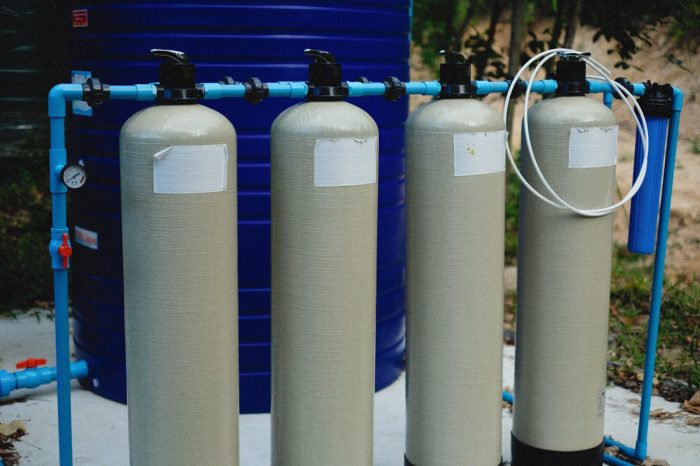
A. Optimization of Processes

  • Reduce chemical waste by improving efficiency
  • Use raw material recycling throughout the production process

B. Reliable Waste Disposal

  • Maintain a barrier between wastewater and hazardous waste
  • Proceed with chemical disposal in accordance with established regulations

C. Treating Wastewater Properly

  • Set up and keep running effluent treatment plants
  • Biological approaches include microbial treatment. Coagulation and neutralization, as well as chemical methods. Sedimentation and filtration use physical methods

D. Recycling and Reusing

  • Recycle treated wastewater for use in manufacturing
  • Whenever possible, retrieve valuable chemicals

E. Monitoring Things and Putting Rules in Place

  • Consistent monitoring of effluent quality

F: Prevention through Source Control

  • Use greener manufacturing methods
  • Reduce waste by modifying production processes
  • Minimize or switch to more environmentally friendly chemicals

G. Recommended Methods for Housekeeping

  • Educate employees on how to safely handle chemicals
  • Keep spills and leaks from escaping
  • Equipment maintenance and inspections on a regular basis

2. Presence of Heavy Metals (Causes and How to Solve It)

Industrial wastewater often contains heavy metals, which pose a significant threat. This is due to their toxicity, inability to break down in the environment, and tendency to accumulate in living things.

1.Potential Heavy Metal Sources

  • Industries dealing with chemicals, dye, and paint
  • Manufacturing of batteries
  • Activities related to smelting and mining
  • Industries engaged in metal finishing and electroplating

2. Popular Heavy Metals

  • Arsenic (As)
  • Mercury (Hg)
  • Chromium (Cr)
  • Lead (Pb)
  • Cadmium (Cd)

3. Harmful Impact of Metals

a. The Effect on Water Quality

  • Persistence leading to long-term pollution
  • Makes water unfit for human consumption and agricultural use

b. Impact on Human Health

  • Cancer due to certain metals
  • Child development issues
  • Problems with the brain, liver, and kidneys as well as poisoning

c. Impacts on the Environment

  • Build up in food chains and sediment
  • Cause havoc on ecosystems
  • Harmful to aquatic organisms and fish

Solutions / Prevention Steps

A. Chemical Treatment Methods

  • Metal removal efficiency is enhanced by adjusting the pH
  • Metals that are dissolved in water can be removed via precipitation, which solidifies them
  • The settling of metal particles is aided by coagulation and flocculation

B. Biological Methods

  • Metal absorption by microbes or plants (bioremediation)

C. Regulation and Appropriate Disposal

  • Metal-containing sludge disposal in a safe manner

D. Cutting-Edge Treatment Technologies

  • Metal ions are efficiently removed by ion exchange
  • Membrane filtration, which includes ultrafiltration and reverse osmosis
  • Activated carbon and other materials for adsorption

E. Recovering and Recycling

  • Utilize reclaimed water for manufacturing purposes
  • Recover precious metals from effluent

F. Reducing the Source

  • Decrease reliance on metals in operations
  • Cleaner production technology should be utilized
  • Switch out harmful metals for less dangerous ones

G. Physical Treatment Methods

  • Metals are able to settle thanks to sedimentation
  • Solid metal particles are removed via filtering

3. High Biological Oxygen Demand (Causes and How to Solve It)

There is a great deal of organic, biodegradable material in the effluent, which indicates a high biological oxygen demand. Microbes decompose the organic material, leading to diminished dissolved oxygen levels for aquatic species.

Causes

a. Inefficient Manufacturing Methods

  • Biosolids make up a larger percentage of wastewater
  • Raw material waste

b. Effluent Discharge Without Treatment

  • Water bodies are contaminated with a high amount of organic contaminants
  • Untreated wastewater discharged into the environment

c. The Industrial Sector’s Organic Waste

  • Industries dealing with paper and pulp (cellulose)
  • Dairy products and meat processing plants (blood, gluten)
  • Food processing (including fats, starch, and sugars)

d. Poor Waste Management

  • Garbage seepage into sewer systems
  • The incorrect handling of biological waste

3. Effects of High BOD

a. Damage to the ecosystem

  • May cause environmental imbalance and the extinction of aquatic species

b. Bad Smell

Gases with a strong odor are produced when oxygen levels are low

c. Depletion of Oxygen

  • The use of dissolved oxygen by microorganisms
  • Suffocates fish and other aquatic creatures

d. Pollution of Water

  • Difficulty in using the water for irrigation, drinking, or recreational purposes

4. Solution / Prevention Steps

a. Primary Treatment

  • Determining the size of solids by screening and sedimentation
  • Decreases the initial organic load

b. Reducing the Source

  • Cut down on production-related waste
  • Make better use of raw materials

c. Innovative Treatment

  • Methods involving oxidation that further decrease organic matter
  • If necessary, membrane filtration

d. Biological Treatment (Significant)

Anaerobic Treatment

  • Using oxygen-loving microbes
  • Produces biogas (energy recovery)
  • Suitable for very high BOD wastewater

e. Proper Management of Waste

  • Keep organic waste from leaking by frequent system maintenance

4. High Chemical Oxygen Demand (Causes and How to Solve It)

There are likely many oxidizable pollutants in the wastewater. These include both biodegradable and non-biodegradable ones, as indicated by the high chemical oxygen demand

Causes

a. Synthetic compounds are used extensively

  • Artificial chemicals that are resistant to biodegradation

b. Chemicals Used in Industry

  • Detergents, phenols, and pesticides
  • Not biodegradable most of the time

c. Organic Pollutants Being Present

  • Solvents, greases, oils, dyes
  • Used frequently in the food, petrochemical, and textile sectors

d. Poorly Treated or Untreated Wastewater

  • Systems that do not effectively address
  • Discharging industrial wastewater directly

3. Effects of High COD

a. Environmental Deterioration

b. Toxicity

  • Impacts aquatic life as well as humans

c. Depletion of Oxygen

  • Depletes aquatic environments of dissolved oxygen
  • Destroys marine life

d. Water that isn’t up to par

  • Bad taste, smell, and color
  • Not recommended for usage in homes or farms

4. Solutions / Prevention Steps

a. Recycle and Reuse

b. Biological Treatment

  • Suitable for use with COD biodegradable components

c. Physical Treatment

  • Solids are filtered and screened out
  • Removal of oils and grease using oil-water separation

d. Cutting-Edge Medical Procedures

  • Absorption of Activated Carbon
  • Reverse osmosis-mediated membrane filtration
  • Advanced Oxidation Processes (AOPs)

e. Reducing the Source

  • Eco-friendly substitutes should be used in place of non-biodegradable material
  • Keep the use of dangerous chemicals to a minimum

f. Chemical Treatment

  • Adjusting the pH through neutralization
  • Using flocculation and coagulation to filter out dissolved substances
  • By using oxidants (such as chlorine or ozone) to break down contaminants

5. Extreme pH Levels (Causes and How to Solve It)

Water with an extreme pH is toxic to all forms of life and has no practical use since it is either excessively acidic or too basic

Causes

a. Cleaning Operations

  • Cleaning using powerful cleaning detergents and agents

b. Processes in Industry

  • The soap and textile industries
  • Pickling and metal plating
  • Manufacturing chemicals

c. Using strong bases and acids

  • Bases: ammonia, sodium hydroxide
  • Acids: hydrochloric and sulfuric acid

d. Careless Disposal of Waste

  • Not properly neutralizing substances before disposal
  • The direct release of wastewater without treatment

3. Negative Impact of Very High or Low pH

a. Health Risks

  • Makes water unfit for human consumption and household usage
  • Skin irritation and burns can occur

b. Deterioration and Corrosion

  • Scaling can occur in water with an alkaline pH
  • Pipes and infrastructure are weakened by acidic water

c. Damage to Water Bodies

  • Hypochlorite environments are inhospitable to fish and microbes
  • Causes havoc on marine environments

d. Least Effective Treatment

  • For biological treatment operations, a pH close to neutral is ideal
  • Live microbes are killed off by extremely acidic or basic pH

4. Solutions / Prevention Steps

a. Proper Treatment of Wastewater

  • Include physical, chemical, and biological treatments in a unified approach
  • Before discharging, make sure the pH is appropriate

b. Management of Processes

  • If at all possible, use less harsh chemicals
  • Reduce the creation of excessive pH by optimizing industrial operations

c. Automatic pH Monitoring and Control

  • Make constant adjustments with the help of dosing systems and sensors
  • Keeps pH levels consistent

d. Neutralization (Significant)

  • Bases (such as sodium hydroxide or lime) should be added to acidic wastewater
  • Acids (such as CO₂ or sulfuric acid) should be added to alkaline wastewater
  • Create a pH level that is close to neutral, ideally between 6.5 and 8.5

e. Tanks for Equalization

  • To maintain a constant pH, mix the various wastewater streams
  • To avoid unexpected changes in pH

Conclusion

Without adequate treatment, industrial wastewater pollution poses risks to human and environmental health due to its chemical complexity, toxicity, and high pollutant content. For further details regarding industrial wastewater pollution and control, get in touch with us today.

Water Filtration Systems for Your Home

Water Filtration Systems for Your Home

By | Water Filtration | No Comments

A water filtration system can maintain the cleanliness, safety, and high quality of your home’s water supply. This system consists of one or more devices that work together to remove pollutants, impurities, and other undesirable elements. These water filtration systems are essential for purifying water, enhancing its taste, and preventing health problems. Your demands and preferences will determine the best location for their installation in your water system.

Types of Home Water Filtration Systems:

Different pollutants and water quality requirements necessitate different kinds of household water filtering systems.

  1. Ceramic Filters

Ceramics have microscopic pores that allow water to pass through while retaining all other contaminants. The process flushes out sediment, cysts, and bacteria. Additionally, certain ceramic filters undergo treatment to eliminate chemical pollutants. This filter is ideal for houses that require the removal of biological pollutants. Portable filtration systems and countertop models are common types.

  1. Water/Alkaline Ionizer Filters

These water filtration systems utilize electrolysis to convert water into an alkaline state. The main goal of ionizers is to raise the pH of water and add minerals such as magnesium and calcium; however, they also filter pollutants. They are an ideal choice for those looking to enhance their health with alkaline water. Common types are undersink or countertop models.

  1. RO Systems

Reverse osmosis systems work by forcing water through a semi-permeable membrane, which filters out contaminants depending on their size. It gets rid of heavy metals such as mercury and lead, viruses, nitrates, fluoride, bacteria, and other dissolved substances. These systems are perfect for homes situated in areas with poor water quality or elevated pollution levels. These water filtration systems commonly come in two types: whole-house and under-sink.

  1. Ion Exchange Resin Filters

These filters use ion exchange resins to replace calcium and magnesium, which are undesirable ions in the water, with sodium and other desired ions. These filters are designed to remove specific dissolved ions, heavy metals, and water hardness. They are perfect for selectively eliminating heavy metals and enhancing the quality of hard water. Whole-house systems and undersink filters are two common types.

  1. Ultraviolet Purification Systems

It utilizes UV light’s power to eliminate or deactivate specific microbes. Biological pollutants, including pathogens, are eliminated. These water filtration systems are best for well water or places where water-related illnesses are common. Point-of-entry or whole-house water filtration systems are common types. In addition, they frequently work in tandem with other types of filters, such as sediment or reverse osmosis filters.

  1. Water Softeners (Ion Exchange Systems)

To soften water, these systems use an ion exchange mechanism to eliminate hardness-causing magnesium and calcium ions. Appliances and pipes can’t withstand the development of hard water minerals like magnesium and calcium. Households with hard water issues benefit the most from this. Common types are whole-house systems.

  1. Distillation Systems

Boiling water and then condensing the steam into clean water removes the majority of impurities. These processes eliminate salts, heavy metals, and various pollutants such as viruses and bacteria. Water that is free of minerals is ideal for residential use. Common types include distillation machines that sit on a countertop.

  1. Multi-Stage Filtration Systems

To completely purify water, these water filtration systems use a combination of filtration methods, such as RO, carbon, and sediments. Eliminate a broad range of pollutants by utilizing different steps. For households that require extremely pure water, this is the ideal option. Three common types are whole-house, countertop, and under-sink.

  1. Activated Carbon Filters (charcoal or carbon filters)

These filters use activated carbon to remove contaminants from water. These filters eliminate VOCs, sediment, chlorine, unpleasant taste, and smells. If your local water supply emits an unpleasant taste or odor, consider using these filters. Under-sink filters, faucet-mounted filters, and pitcher filters are the most common types.

  1. Sediment Filters

A physical barrier can contain rust, dirt, and other large debris and particles. Debris, dirt, sediments, rust, and other material can be removed. This will benefit well-water or visible-particle homes most. Common types include pre-filters used in whole-house or multi-stage systems.

Water Filtration Systems for Your Home

Benefits of Home Water Filtration Systems

Installing a water filtration system in your home can improve the taste, safety, and overall quality of your drinking water. Here are some of the main benefits:

  • Peace of mind

You can ensure that the water you drink is safe from harmful toxins and corrosion caused by city water systems by installing a water filtration system in your home.

  • Customizable filter choices

The impurities in your water and your individual demands will determine which of several filtering systems—ultraviolet filters, activated carbon, or RO—you should use.

There are both point-of-use systems designed to treat water at the source, such as appliances or faucets, and whole-house filtration systems available.

  • Affordable

Having a water filtration system at home helps cut down on the wasteful and costly practice of buying bottled water.

Because it reduces mineral deposits and sediment accumulation, filtered water can help appliances like water heaters, washing machines, and dishwashers last longer.

  • Health benefits

When exposed to tap water for a long time, fluoride and chlorine can harm health. Filtration is a beneficial way to reduce or eliminate harmful pollutants.

To minimize the likelihood of eating dangerous pathogens and bacteria that could otherwise go undetected, a reliable filtering system is essential.

  • Eco-friendly

Water filtration systems help reduce environmental pollution and plastic waste by minimizing dependency on bottled water.

Passive water filtration systems, such as carbon filters, use very little energy compared to the production and delivery of bottled water.

  • Easy to maintain

The majority of today’s water filtration systems are low-maintenance because they simply need to have the filters changed at regular intervals.

  • Better water quality

Most municipal water systems contain contaminants such as bacteria, heavy metals, pesticides, chlorine, and lead. However, water filtration systems can remove or greatly reduce these contaminants.

In addition to ensuring the water’s safety for drinking and cooking, many filters also eliminate bacterial pollutants.

  • Better smell and taste

Removing chlorine and other contaminants greatly enhances and makes water more drinkable.

The presence of pollutants or excessive chlorine levels can cause some municipal water systems to smell bad. Filtration can remove these smells.

Investing in water filtration systems has many advantages, including better water quality, less waste from disposable bottles, and increased safety for you and your family.

Choosing the right water filtration system for your home

Considerations such as specific home filtration needs, pollutants, water sources, and budgets should be considered when selecting appropriate water filtration systems. You can make a well-informed choice by following this guide:

  1. Test Your Water

It is important to identify the contaminants before choosing a system.

  • Get a water testing kit for your house or have a professional check your well water.
  • If you use municipal water, contact your city’s water provider to get a water report.

Common contaminants include:

  • Viruses and bacteria
  • Pesticides
  • Volatile organic compounds (VOCs)
  • Chloramine/ Chlorine
  • Lead
  • Sediment
  • Hard water minerals (magnesium, calcium)
  1. Consider Your Filtration Needs
  • To avoid scale formation in mineral-rich water, a water softener can remove magnesium and calcium.
  • Activated charcoal systems or carbon filters are effective for smell and taste.
  • Consider a UV purifier, water softener, or sediment filter for whole-house filtration.
  • Carbon filters or RO systems work wonders for potable water.
  1. Consider Your Filtration Needs
  • To avoid scale formation in mineral-rich water, a water softener can remove magnesium and calcium.
  • Activated charcoal systems or carbon filters are effective for smell and taste.
  • Consider a UV purifier, water softener, or sediment filter for whole-house filtration.
  • Carbon filters or RO systems work wonders for potable water.
  1. Identify Your Water Source

Although purified, water from cities and municipalities may still have toxins like fluoride and chlorine.

Untreated water from a water well often includes sediment, bacteria, and minerals such as arsenic, magnesium, or iron.

  1. Other Considerations
  • Some water filtration systems need expert installation and frequent maintenance, such as filter changes.
  • RO, or whole-house systems, are more expensive than faucet filters and pitchers.
  • Make sure there’s enough water in the system to meet your needs.

Conclusion

Before settling on a water filtration system, it’s wise to take stock of your water supply’s quality, your individual water needs, and the contaminants you wish to eliminate. To begin the process of choosing the correct system, water testing can serve as a solid foundation.

Demineralization of Water

Demineralization of Water

By | Water Filtration, Water Treatment | No Comments

The process of removing salts and other inorganic ions dissolved in water is known as “demineralization”. Many scientific, medical, and industrial processes require purified water, so this is a common method to produce it. Membrane filtration and ion exchange resins are the usual tools for demineralization, which involves filtering out pollutants and unwanted minerals.

Key Concepts of Demineralization of Water

Emphasizing the removal of dissolved mineral ions to create water with a high level of purity is central to the demineralization process. When minerals are present, they can lead to problems like scale and corrosion; therefore, these processes are essential in many different sectors. The key concepts are as follows:

  1. Electrodeionization (EDI)

This is a continuous ion removal method that uses electrical currents in conjunction with ion exchange resins. The use of electrical currents to transport ions across membranes eliminates the need for chemical regeneration in this process. EDI is commonly employed in industries such as pharmaceuticals and electronics production. This is attributed to its ability to achieve exceptionally high levels of water purity.

  1. Water Quality Measurement

Electrical conductivity, or resistivity, is the standard way to determine the quality of demineralized water. A high resistance (or low conductivity) suggests that there are fewer dissolved ions since pure water does not transmit electricity very well. Water quality can also be evaluated by measuring Total Dissolved Solids (TDS).

  1. Mixed Bed Demineralization

A mixed bed unit is a vessel that combines anion and cation exchange resins. This enables much more comprehensive ion removal, leading to even more pure water. It typically serves as the final polishing step after a two-bed ion exchange system.

  1. Regeneration Process

Ion-exchange resins become ineffective after a certain amount of time because they become saturated with ions. A strong acid is required to restore cation resins, and a strong base is required to regenerate anion resins in order to restore their functionality. This procedure restores the resin’s ion exchange capacity by exchanging the undesirable ions for hydroxide and hydrogen ions.

  1. Reverse Osmosis (RO)

In reverse osmosis, pressure pushes water through a semi-permeable membrane. The membrane is permeable only to water molecules. This prevents the passage of any other contaminants, such as ions or dissolved salts. Combining reverse osmosis with ion exchange to increase water purity and decrease demineralizer load is common, although reverse osmosis is not usually considered demineralization on its own.

  1. Feed Water Pre-Treatment

In many cases, pre-treatment is required to safeguard the ion exchange system. Methods such as occasionally adjusting pH to maximize ion exchange efficiency, softening out hardness (calcium and magnesium), and filtering out suspended particles are all part of this process. When using EDI or RO, pre-treatment becomes even more crucial.

  1. Ion Exchange Process
  • Strong Base and Strong Acid Resins

Because of their versatility in ion exchange, these resins find widespread application in demineralization and are capable of generating water of exceptional purity.

  • Anion Exchange

An anion exchange resin is used to swap the following cations for hydroxide ions: bicarbonate (HCO₀⁻), sulfate (SO₄²⁻), chloride (Cl⁻), and nitrate (NO₀⁻). These are all negatively charged ions. Water (H2O) is formed when the resultant H⁺ and OH ions mix, thus eliminating salts from the water.

  • Cation Exchange

Here, hydrogen ions (H⁺) are swapped out for positively charged ions (cations) in the water, such as potassium (K⁺), magnesium (Mg²⁺), calcium (Ca²⁺), and sodium (Na⁺). A cation exchange resin is utilized for this purpose.

Demineralization of Water

By manipulating these critical parameters according to the requirements of the application, demineralization can produce water of different purity levels.

Benefits of Demineralization of Water

Demineralization, also known as deionization, is a method for purifying water by eliminating salts and minerals. The following are some of the many fields and uses for which this method is useful:

  1. Cosmetic Industry

Skincare and cosmetic goods frequently use demineralized water as a basis to prevent mineral pollutants from changing the product’s qualities or irritating the skin.

  1. Cleaning and Car Wash Industries

The fact that demineralized water dries without leaving behind residues or mineral stains makes it a popular choice for window cleaning and automobile washes.

  1. Medical Use and Pharmaceutical

Pharmaceutical production and medical settings use demineralized water to prevent ions and minerals from disrupting these environments.

Laboratory tests, autoclaves, and dialysis machines all use demineralized water to eliminate contaminants that could damage delicate machinery or compromise results.

  1. Electronics Manufacturing

Cleaning and manufacturing operations involving electronic components (such as semiconductors) require demineralized water. This is to ensure the components are free of flaws or short circuits due to minerals.

Electronic devices can also benefit from mineral-free water’s improved heat transmission and reduced likelihood of damage when utilized for cooling purposes.

  1. Power Generation

Demineralized water is essential for power plants, particularly those that use steam turbines. This is because it keeps mineral scales from accumulating and guarantees safe and efficient operation.

In the power generation sector, demineralization plays a significant role in controlling conductivity and preventing scaling in electricity production.

  1. Lab Use

If you want your results from a biological or chemical experiment to be accurate and repeatable, you need to use pure water to prevent reactions or interference from trace minerals.

  1. Industrial Applications

Cooling towers, boilers, and other machinery can endure less wear and tear and maintenance expenses thanks to demineralized water, which stops mineral deposits and scale from forming. For instance, turbines and steam boilers run more efficiently and with less power when there are no mineral deposits in the way.

Demineralized water protects pipelines and other metal surfaces from corrosion by removing ions that cause oxidation and rust.

  1. The Food and Beverage Industry

Demineralized water ensures the absence of minerals in processed foods, soft drinks, and bottled water. This makes them taste better and last longer.

The procedure ionizes the water to remove heavy metals like arsenic and lead, ensuring it is safe to drink.

Disadvantages of Not Demineralizing Water

Depending on the application, there are a number of drawbacks to not demineralizing water. Here are a few major drawbacks to consider:

  1. Health Concerns in Certain Uses

While it’s true that some water minerals are beneficial for you, it’s also true that minerals like copper, iron, and lead can be dangerous in high doses. This becomes particularly concerning when people use the water for cooking or drinking without adequate supervision.

  1. Spots and Stains

When used for rinsing or washing, the mineral deposits in untreated water might stain or leave spots on glassware, dishes, and surfaces.

  1. Decreased Effectiveness of Water Treatment Methods

Ion exchange resins, RO membranes, and water softeners may not work as well with hard water, which is water with a high mineral concentration. More regular cleaning or component replacement could be necessary as a result, which would increase operational costs.

  1. Taste and Aesthetic Problems

A metallic aftertaste or discoloration in drinking water might be due to a high mineral concentration. Customers find this unpleasant, but businesses that depend on clean water, such as those producing food and drinks, find it particularly problematic.

  1. Detergents and Soaps’ Ineffectiveness

Hard water’s mineral content makes detergent and soap less effective since they react with one another. Soap scum can form on skin, clothing, and surfaces, and detergent usage increases as a result.

  1. Equipment Scaling and Corrosion

Scaling can occur in sectors that utilize machinery, such as cooling towers and boilers. This is due to untreated water containing minerals such as iron, magnesium, and calcium. The buildup of scale in pipes and heat exchangers causes them to work less efficiently, leading to higher energy bills and more frequent maintenance requirements.

It’s possible for certain minerals to encourage corrosion in equipment and pipes, which can cause expensive breakdowns and repairs.

  1. Interference with Chemical Reactions

Minerals can hinder chemical reactions, leading to contamination or incorrect outcomes in processes where water purity is crucial, such as in laboratory settings and pharmaceutical industries.

Because of these problems, demineralization is crucial, especially for procedures or industries that demand very pure water.

Conclusion

Demineralized water is an indispensable resource for businesses that need a high level of consistency, accuracy, or cleanliness. It provides numerous advantages, including the improvement of safety, protection of machinery, and the enhancement of product quality.

The Pros and Cons of Different Pipe Materials

The Pros and Cons of Different Pipe Materials

By | Plumbing | No Comments

Materials used to make pipes are the backbone of any plumbing system; it is their job to transport fluids like water and gas in an efficient and secure manner. We select these pipe materials from the many available options, taking into account factors like local building codes, cost, durability, and intended usage.

Here are some of the pros and cons of different pipe materials.

  1. CPVC Pipes

Plumbing systems frequently use CPVC pipes, especially for cold and hot water applications in homes and businesses.

Pros:

  • Smooth Internal

The smooth inside surface of CPVC pipes ensures a strong and consistent water flow by minimizing friction and the accumulation of sediment or scale.

  • Heat Resistance

Hot water applications are perfect for CPVC since it can withstand temperatures up to 200°F without deforming. Compared to standard PVC pipes, which can’t handle hot water, this is a vast improvement.

  • Easy to Install

CPVC doesn’t require any particular tools or expertise to cut, shape, or put pieces together using solvent cement; it’s also quite lightweight. This allows for faster and less effort-intensive installation.

  • Chemical Resistance

Because of its high chemical resistance, CPVC is less prone to react with substances found in water. This includes organic chemicals, bases, acids, and salts.

  • Cost-Effective

When compared to other metal pipes, such as copper, CPVC is often the more economical choice, both in terms of material prices and installation fees.

  • Durability

CPVC pipes, when properly cared for, can endure for fifty years or even longer. They can withstand the pressure and wear and tear of regular use for an extended period of time.

  • Corrosion Resistance

Copper and other metal pipes rust and corrode, while CPVC pipes are impervious to these elements and can withstand water with a high mineral content.

  • Low Thermal Conductivity

When contrasted with metal pipes, CPVC exhibits poor thermal conductivity. Less condensation on cold water pipe materials and less heat loss from hot water improve insulation and decrease energy loss.

Cons:

  • Accelerated Growth

Because CPVC expands and contracts in response to variations in temperature, improper installation can put unnecessary strain on the pipe, increasing the likelihood of cracks or leaks.

  • Sensitivity to Ultraviolet Light

Because of its deterioration under ultraviolet radiation, CPVC pipes should not be installed outdoors without adequate protection or insulation.

  • Limited Flexibility

When working with tight or complex places that require flexibility, CPVC’s greater rigidity makes it a less than ideal material choice. PEX is one alternative that comes to mind.

  • Potential for Chemical Leaching

Though CPVC pipes are typically safe to drink, some worry that they may leach toxins into the water, especially when they are brand new.

  • Joint Weakness

Solvent cement creates chemical bonds that facilitate the connection of CPVC pipes. These joints can fail or weaken if not installed properly, which can cause leaks to develop over time.

  • Environmental Concerns

There are valid worries regarding the environmental impact of chlorinated polyvinyl chloride during its manufacture and disposal processes because it is a byproduct of plastic.

  • Brittleness

Extreme cold, ultraviolet radiation, or repeated hits can cause CPVC to become brittle. Because of its fragility, it can break easily under specific circumstances.

  • Sensitivity to Temperature

Although CPVC works admirably in warmer regions, it might not hold up so well in places where the weather becomes really cold since the material is more likely to shatter due to the freezing temperatures.

The Pros and Cons of Different Pipe Materials

  1. PVC Pipes

Pros:

  • Low Maintenance

Because they are resistant to scale and corrosion, PVC pipes don’t need much maintenance over time.

  • Lightweight

The reduced weight of PVC pipes compared to metal ones makes them more convenient for installation, transportation, and handling.

  • User-friendly

Fittings and solvents make short work of cutting, shaping, and connecting PVC pipes; welding or other complex instruments are unnecessary.

  • Corrosion-Resistant

Metal pipes corrode and deteriorate when exposed to damp, but PVC remains unaffected. Drainage systems and water supply lines are perfect applications for this material.

  • Durable and Long-lasting

The pipes provide reliable plumbing for a long time since they are resistant to rust, biological accumulation, and chemical reactions. They can live for half a century or longer in certain instances.

  • Non-Toxic (for Potable Water)

Because they do not release any dangerous substances into the water, PVC pipes can be used to supply potable water once they have received the necessary certifications.

  • Cost-Effective

For many plumbing jobs, PVC pipes are a cost-effective alternative to more expensive materials such as galvanized steel or copper.

  • Smooth Internal Surface

Water flows smoothly and efficiently through PVC pipes because their smooth interiors minimize friction, which in turn prevents substantial pressure loss and clogs.

Cons:

  • Restrictions in Certain Codes

Local building rules restrict or limit the use of PVC in specific plumbing applications in certain regions, such as high-rise buildings or those requiring fire-resistant materials.

  • Fragility

Although PVC pipes are typically long-lasting, they can become fragile when subjected to extremes of heat, cold, or physical stress, which can increase the likelihood of cracking.

  • Pressure Sensitivity

Since PVC pipes are typically used in systems with low to moderate pressure, they might not be the best choice for dealing with high pressure or situations where there are abrupt changes in pressure, such as water hammer.

  • Ecological Concerns

There are environmental problems around the production and disposal of PVC pipes. Manufacturing and combustion release dioxins and other harmful compounds.

  • Noise

Due to their tendency to accentuate the sound of flowing water, PVC pipes are noisier than metal pipes when water flows through them. This makes them less suitable for some indoor applications.

  • Joint Failure

Leaks may develop in the future due to the solvent-welded joints failing, particularly in cases of improper installation.

  • Limited Temperature Tolerance

If subjected to temperatures higher than 140°Fahrenheit, PVC pipes would soften and distort. This makes them unfit for use in high temperature environments. This means that systems handling hot water or heat shouldn’t use them.

  • Non-Biodegradable

PVC pipes, due to their lack of biodegradability, can contribute to the problem of plastic waste over time if they are not recycled correctly.

Although PVC pipes are cost-effective and versatile, they aren’t always the best choice due to issues with durability and heat resistance.

  1. Steel Pipes

The strength and longevity of steel pipes made them an early standard in the plumbing industry.

Pros:

  • Fire Resistance

In the event of a building fire, steel’s non-combustibility offers an extra layer of protection, especially in commercial and industrial environments.

  • High Heat Resistance

Steel pipes are ideal for heating systems and hot water lines because they do not melt or distort when exposed to high temperatures.

  • Recyclable

Steel is environmentally friendly at the end of its useful life because it is easily recyclable.

  • Longevity

As a long-term plumbing solution, steel—and galvanized steel in particular—can endure for decades under specific conditions.

  • Strength and Durability

When it comes to strength and durability, steel pipes are unmatched. They are perfect for commercial and industrial plumbing systems due to their ability to handle high pressures.

Cons of Steel Pipes:

  • Maintenance Problems

Rust and corrosion are more common problems with steel pipes, making maintenance a more frequent necessity. They could also be more troublesome to fix than flexible pipe materials.

  • Weight

Steel pipe installation takes longer and costs more than PEX or PVC due to their weight.

  • Reduced Flow Over Time

Deposits formed by corrosion inside steel pipes eventually narrow the pipe’s diameter, reducing the water flow capacity.

  • Difficulty in Installation

Cutting, threading, and fitting steel pipes requires specialized tools, which makes installation more complex and calls for professional experience.

  • Corrosion

Among the many problems with steel is its susceptibility to rusting. This is particularly severe in regions where the water is somewhat acidic or contains a high concentration of minerals. This is particularly true with non-galvanized pipes.

  • Cost

When compared to other pipe materials and installation methods, steel pipes are costlier. Due to their weight and relative cheapness, they can’t compete with alternatives like copper or plastic pipes.

  1. PEX Pipes

The versatility, longevity, and simplicity of installation of PEX pipes make them a popular choice for plumbing systems. However, as with any material, there are advantages and disadvantages to their use.

Pros of PEX Pipes:

  • Fast Installation

The availability and flexibility of PEX’s crimp or clamp devices for pipe connecting enable faster installation than rigid piping systems.

  • Cost-Effective

Compared to galvanized steel or copper, PEX piping is typically less expensive. The ease of installation also leads to cheaper labor expenses.

  • Fewer Connections

Minimizing the likelihood of leaks and installation mistakes, the flexibility permits fewer fittings and joints.

  • Resistance to Corrosion

Particularly in regions with hard or acidic water, the fact that PEX pipes do not scale or corrosion makes them last longer than metal pipes.

  • Quieter

PEX pipes are quieter than copper pipes because they don’t produce as much noise when water flows through them.

  • Flexibility

The exceptional flexibility of the material allows for easy installation in confined areas and around corners, requiring minimal fittings. This minimizes the likelihood of leaks.

  • Freeze and Temperature Resistance

Since PEX is temperature-resistant, it is suitable in environments with both cold and hot water. Because it can expand and contract in response to variations in temperature, it is also less prone to bursting when frozen.

Cons:

  • Initial Smell

Flushing the system usually eliminates the plastic smell that some people initially notice in the water after installation.

  • Possibility of Chemical Leaching

Some worry has been raised about the possibility of chemical leaching from certain PEX pipe varieties into water supplies, particularly in the initial year. Although the majority of PEX pipes are safe, this could potentially pose a problem for systems that handle drinking water.

  • Limited High-temperature Resistance

Compared to CPVC or copper, PEX has a lower temperature tolerance. This makes it unsuitable for high-temperature applications such as industrial systems or specific heating systems, while it can manage most water temperatures for residential use.

  • Not Recyclable

Concerned homeowners about the environment may find that PEX is less recyclable than copper or other materials.

  • Rodent Damage

Rodents may cause leaks in certain regions by gnawing through PEX pipes.

  • Ultraviolet Sensitivity

Exposure to ultraviolet light can degrade the material due to its sensitivity. Therefore, avoid leaving it unprotected from direct sunlight or using it in outdoor settings.

  • Barrier to Water Flow in Older Homes

Incorporating PEX with conventional materials may necessitate extra effort when renovating an older property due to the stiffness of the plumbing systems.

  1. Cast Iron Pipes

Pros:

  • Eco-Friendly

Cast iron is more environmentally friendly than plastic because it is easily recyclable.

  • Strength

Underground installations or places with considerable traffic above can benefit from cast iron’s ability to support heavy loads without breaking or bending.

  • Noise Reduction

For residences or buildings with multiple stories where noise reduction is of utmost importance, cast iron pipes are an excellent choice because of their inherent sound absorption properties.

  • Fire Resistance

For added peace of mind, particularly in commercial or multi-unit buildings, cast-iron pipes do not burn or emit harmful odors when exposed to fire.

  • Durability

These pipe materials typically have a lifespan of fifty to one hundred years or more, making them a famously long-lasting choice for plumbing systems.

When it comes to environmental conditions and tree roots, cast iron has an incredible resistance.

Cons:

  • Not Perfect for Acidic Water

Corrosion and a shorter lifespan are consequences of exposure to extremely acidic water, which can damage cast iron pipes.

  • Corrosion

Clogs, cracks, and leaks can result from cast iron corroding over time, particularly when exposed to specific kinds of water or chemicals. Corrosion can also reduce the interior diameter, thereby impacting the water flow.

  • Maintenance

Cast iron pipes are more difficult and expensive to repair than newer materials in the event of a crack or other damage. The pipe is heavy and stiff, making it difficult to replace pieces.

  • Cost

Compared to alternative pipe materials, such as PVC, cast iron is usually costlier. The price goes up because of the material and the labor needed to put it together.

  • Weight

Modern substitutes, such as copper or PVC, are substantially lighter than cast iron pipes. Due to the increased difficulty of installation, more manpower is required, and transportation and handling expenses rise.

  1. Copper Pipes

Plumbing systems frequently use copper pipes due to their longevity and dependability.

Pros of Copper Pipes:

  • Resistant to UV Damage

Copper pipes are impervious to the sun’s ultraviolet radiation, making them suitable for outdoor installation.

  • Temperature Tolerance

Because of their remarkable resistance to thermal expansion and contraction, copper pipes are suitable for use in systems that transport both hot and cold water.

  • Fire Resistance

Copper, being non-combustible, enhances a building’s fire safety.

  • Non-toxic

Copper does not release any toxic substances into the water because it is a naturally occurring substance. Because of this, the water supply is now safer to consume.

  • Recyclable

Because it is easily recyclable, the material is a wonderful choice for those who care about the environment.

  • Low Maintenance

Copper, unlike other materials, lasts a long time and needs little maintenance.

  • Durability

Copper, a long-lasting alternative, has a high resistance to corrosion and a lifespan of fifty years or longer.

  • Biocidal Properties

The inherent antimicrobial properties of copper make it an ideal material for pipes, as they prevent the accumulation of harmful germs and biofilms.

Cons of Copper Pipes:

  • Noisy

Extreme pressure can force water through copper pipes, making the sound quite audible.

  • Challenging Installation

Installations and repairs might be more time-consuming and expensive due to the need for soldering and specialized tools.

  • Susceptibility to Theft

The construction industry is particularly vulnerable to the theft of copper because of the metal’s high monetary value.

  • Prone to Corrosion in Particular Conditions

Copper is generally corrosion-proof; however, it can corrode in extremely acidic or alkaline situations, such as very acidic water.

  • Thermal Conductivity

One potential issue with copper in plumbing is that it is a good heat conductor, but it loses heat from hot water rapidly, so it isn’t very good at keeping water at a constant temperature across long distances.

  •  Cost

At first glance, copper pipes may seem like a costlier option compared to galvanized steel, PEX, or PVC.

Conclusion

Many things must be considered while deciding on pipe materials, including the system’s purpose (drainage, water supply), available funds, and local climate. Modern plumbing systems utilize a variety of materials to enhance efficiency, prolong life, and save costs. A long-lasting and dependable plumbing system requires careful consideration of the benefits and drawbacks of each material.