Express Drainage Solutions

A Solution for Sanitation, Wastewater Treatment & Renewable Energy

Njengi House

2nd Floor Suite 6, Tom Mboya St.

8:00AM - 5:00PM

Monday to Friday

+254742781455

info@expresswatersolutions.com

All Posts By

Antony Muya

Greywater Management

Greywater Management

By | Wastewater | No Comments

The term “greywater management” describes the processes involved in collecting, treating, reusing, and disposing of wastewater from non-potable sources, such as outdoor runoff from showers, clothes washing, and food preparation. An important technique for conserving freshwater resources and lowering the quantity of wastewater released into the environment is good greywater management. This is because water scarcity and environmental pollution are becoming more common in many regions of the world. Treating and reusing greywater correctly can reduce pollution and improve sanitation while supporting non-drinking uses like cleaning and irrigation. Safe greywater management also aids in public health protection by lowering levels of environmental pollution and diseases linked to poor hygiene.

Objectives of Greywater Management

Protecting environmental and public health is the primary goal of greywater management, which seeks to accomplish this goal through the safe collection, treatment, reuse, and domestic wastewater disposal.

Assist with Landscaping and Agricultural Activities

  • Offer a backup system for watering plants and irrigation

Enhancement of Personal Hygiene and Sanitation

  • Encourage places of residence that are cleaner and healthier

Lessening the Impact on the Environment

  • Ensure that groundwater, rivers, lakes, and soil aren’t contaminated by untreated greywater

Advancement Towards Eco-friendlier Wastewater Management

Safe Water Reuse

  • Make treated greywater usable again for things like gardening, toilet flushing, irrigation, and cleaning purposes

Decreasing the Amount of Wastewater

Reduce the Cost of Water Treatment

  • Decreased need for wastewater treatment services and supply of fresh water

Conserving Water

  • By reusing treated greywater, we can decrease our reliance on freshwater
  • Ensures water is used in a sustainable way

Protect the Public’s Health

  • Minimize the prevalence of waterborne diseases, including cholera and typhoid, due to poor sanitation

Water conservation, pollution reduction, safe water reuse, public health protection, improved sanitation, and sustainable environmental management are the objectives of greywater management.

Greywater Management

Characteristics of Greywater

What sets greywater apart from other forms of wastewater are its unique physical, chemical, and biological properties. The origin and nature of the greywater-generating activities in the home determine these features.

1. Physical Characteristics

Suspended Solids

  • Included are things like fabric fibers, food particles, hair, and dirt

Temperature

  • Water from sources such as washing dishes, taking showers, and washing clothes is typically warmer than tap water

Smell

  • There is almost no odor to fresh greywater
  • The decomposition of organic matter in stagnant greywater might cause it to acquire undesirable smells

Color

  • The typical look of greywater is a cloudy or light grey color
  • Food particles, dirt, and detergents can alter the color

2. Chemical Characteristics

COD and BOD

  • The organic substances included in greywater can elevate the concentrations of COD and BOD
  • When these numbers are high, it means that biodegradable contaminants are present

Nutrients

  • Potentially includes nitrogen and phosphorus, among other nutrients
  • Food residues and detergents are the primary sources of these nutrients

Organic Matter

  • Composes biodegradable materials such as food waste, grease, and oils

pH

  • Because of the detergents and soaps used, greywater typically has a slightly alkaline pH

Laundry products and soaps

  • This set includes laundry detergents, shampoos, and soaps

3. Biological

Pathogens

  • Lack of proper management of greywater, despite its lower concentration compared to blackwater, increases the risk of disease outbreaks, including cholera and typhoid fever

Microbes

  • Domestic activities can introduce viruses, bacteria, and other microbes into the environment

Variability

  • The type of cleaning products used, water use patterns, and domestic habits determine the characteristics

Sources of Greywater

When it comes to wastewater, greywater refers to the kind that originates from non-potable sources, such as homes and certain businesses. Activities that use water on a daily basis are the primary sources.

1. Laundry activities

  • Laundry activities run off
  • Included are fabric particles, dirt, detergents, and oils

2. Tasks Involving Cleaning

  • Runoff from household cleaning, washing surfaces, and mopping floors

3. Sinks and Basins for Handwashing

  • Facial and hand-washing water
  • Small organic particles, toothpaste, and soap could be present

4. Business-Related Sources

  • Laundry facilities, schools, hotels, and restaurants are additional potential sources of greywater
  • The effluent from these sources is comparable to that of household greywater

5. Kitchen Sinks

  • The water used for food preparation and dishwashing
  • Includes oils, food particles, grease, and soap

6. Machines for Cleaning Dishes

  • The water that runs off as a result of automated dishwashing machines

7. Showers and Bathrooms

  • Water from showering and bathing
  • Has small quantities of dirt, skin particles, shampoo, and soap

Methods of Greywater Management

Protecting environmental and human health is the primary goal of greywater management, which encompasses a wide range of practices for the safe collection, treatment, reuse, and disposal of greywater.

Greywater Collection

  • The collection of greywater is independent of blackwater, which is the effluent from toilets
  • There’s use of separate storage tanks and pipes

Importance

  • Removes the possibility of sewage contamination
  • Reduces the difficulty of treatment and reuse

Sedimentation

  • The purpose of storing greywater in tanks is to let sediments and heavy particles sink to the bottom

Filtration

  • Membranes, gravel, sand, and charcoal are the materials that go through the filters that process greywater

Importance

  • Gets rid of impurities, including grease and suspended particles

Biological Treatment

  • Organic matter breaks down in greywater due to microorganisms

Methods Include:

  • Aerobic treatment systems
  • Biofilters
  • Constructed wetlands

Importance

  • Minimizes smells and organic contaminants

Disinfection

  • Reduces the number of dangerous microbes by utilizing ozone, UV light, and chlorine

Reusing Treated Greywater

  • Greywater has multiple potential uses, including cleaning cars and floors, toilet flushing, gardening and landscaping, and irrigation

Importance

  • Conserves the resources of freshwater

Constructed Wetlands

  • To naturally treat greywater, artificial wetlands use soil, microbes, and plants

Importance

  • A treatment method that is both inexpensive and eco-friendly

Infiltration Systems and Soak Pits

  • To ensure the safe disposal of greywater, it is directed to infiltration trenches or soak pits

Importance

  • Maintains clean water sources near the surface

Storage and Controlled Distribution

  • Tanks are used to store treated greywater for regulated reuse

Importance

  • Recycled water is used efficiently

Importance of Greywater Management

Safely processing, treating, reusing, and disposing of domestic wastewater is an important part of greywater management, which also helps decrease pollution, conserve water, and enhance hygiene and public health.

Hygiene and Sanitation Improvements

  • Encourages Less Pollution and More Efficient Waste Management

Protect Water Environments

  • Natural water bodies are less likely to be polluted as a result
  • Assists in keeping aquatic habitats in better health

Lessening the Impact on the Environment

  • Keeps untreated wastewater from polluting surface and underground water sources, as well as rivers and lakes

Reduce the cost of Treatment and Water Bills

  • Reusing greywater helps homes and institutions save money by reducing water consumption

Decreasing the Amount of Wastewater

  • Reduces the volume of wastewater that enters treatment plants and sewer systems
  • The strain on wastewater infrastructure is lessened

Protect the Public’s Health

  • Diseases like cholera and typhoidtyphoid fever can be lowered by proper greywater management, which decreases exposure to polluted water

In favor of Long-Term Sustainability

  • Promotes reusing and conserving water resources
  • Helps ensure the long-term viability of the environment

Conserving Water

  • The demand for freshwater is decreased by the reuse of treated greywater
  • Helps save scarce water supplies, which is particularly important in arid regions

Safe Water Reuse

  • Gardening, toilet flushing, irrigation, and cleaning activities are some of the many possible uses for treated greywater

Challenges of Greywater Management

The safe collecting, treatment, reuse, and disposal of greywater is jeopardized by a number of obstacles that greywater management must overcome.

Changes over the year

  • The quantity and treatment performance of greywater can be impacted by climatic and water use changes

Blockages in Systems

  • Irrigation systems, pipes, and filters are susceptible to clogging from suspended solids, soap, and grease

Possible Harm to the Environment

  • Groundwater, rivers, soil, and lakes can be polluted by improperly handled greywater
  • Chemicals, oils, and detergents pose a threat to aquatic ecosystems

Space Constraints

  • There might not be enough room for treatment units like soak pits or wetlands in urban areas

Concerns for the Health of the public

  • Contaminants and microbes that are dangerous to humans could be present in greywater
  • Cholera and typhoid fever are two diseases that can be spread by improper usage

Nobody is Talking About It

  • Reusing and properly handling greywater is something that many individuals aren’t well-versed in

Smell Issues

  • If not handled or disposed of correctly, stagnant greywater can emit foul odors

Existence of Hazardous Chemicals

  • The chemicals in some cleaning products can be harmful to soil and plants

Costs for Setup and Maintenance Are High

  • Costs can add up quickly when dealing with treatment systems, separate piping, and storage tanks

Limited Enforcement and Regulations

  • The enforcement of greywater management standards is lacking or policies are inadequate in certain places

Technical Challenges

  • Water safety and treatment efficiency might be compromised due to poor system design and operation

Inadequate Methods for Treatment

  • Inadequate greywater treatment facilities are present in many communities and homes
  • It is possible to release untreated greywater into the environment

Conclusion

The safe collecting, treatment, reuse, and disposal of water produced by household activities like washing dishes, taking showers, and running the water heater are all aspects of greywater management that contribute to sustainable water and wastewater systems. Less wastewater entering treatment plants, less pollution, and more freshwater resources are all results of well-managed systems. In addition to reducing water costs and encouraging sustainability, it supports the safe reuse of water for uses like cleaning and irrigation. Furthermore, by decreasing the likelihood of pollution and water-borne diseases, efficient greywater management safeguards public health. Contact us today.
Screening in Wastewater Treatment

Screening in Wastewater Treatment

By | Wastewater | No Comments

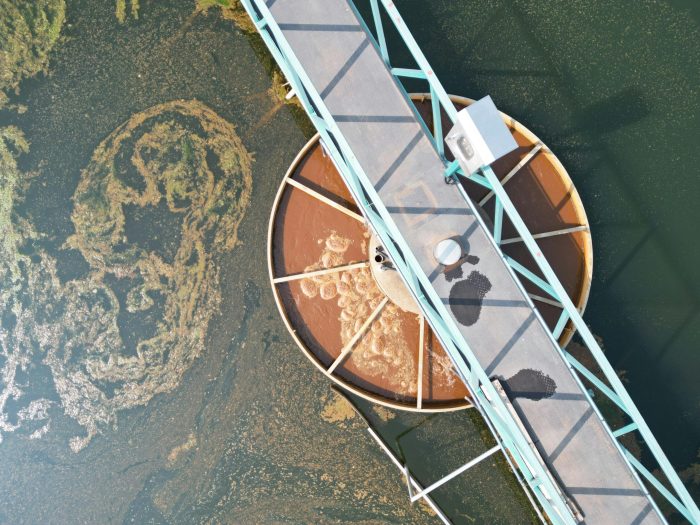
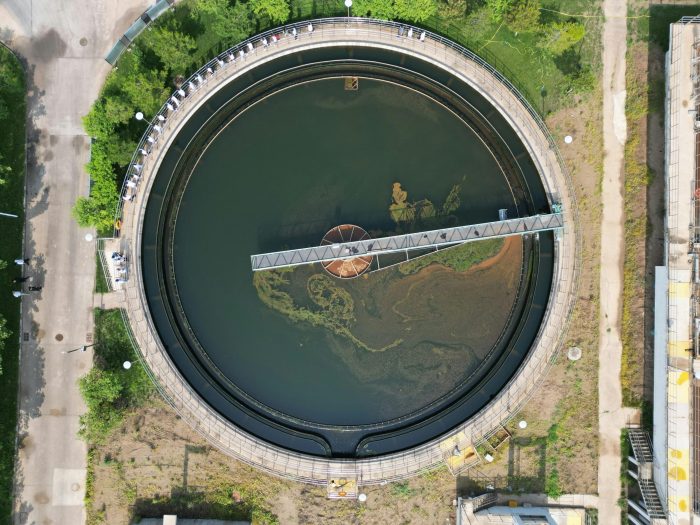
To prepare incoming wastewater for further treatment stages, screening is the initial and arguably most critical step in the process. Screening is designed to eliminate debris and large solid objects. Paper, rags, plastics, sticks, and other large objects are common in wastewater from commercial areas, industries, and homes; if not removed promptly, these materials can harm machinery or clog pipes. While the water flows through the treatment system, the undesired items are trapped during screening as the wastewater flows through mesh screens or metal bars. Wastewater treatment becomes more efficient with effective screening, which also decreases the cost of maintenance, protects treatment equipment, and helps to protect the public’s health and the environment.

Objectives of Screening in Wastewater Treatment

Wastewater treatment plants rely on screening as a crucial initial treatment step. Its primary functions are material removal and protection of the treatment system from operational issues involving big solids.

Removing Large Solids

  • Sort through and discard big items like paper, rags, plastics, sticks, and cans and bottles

Reduce the Cost of Maintenance

  • Reduce the frequency and cost of equipment failure and repairs
  • Minimize disruptions in operations

Protect the Equipment

  • Decrease damage from solid materials
  • Preventing damage to pipes, valves, pumps, and other treatment equipment

Improve the Efficiency of Treatment

  • Remove anything that could get in the way of later treatments
  • Enhance efficiency in both the primary and secondary stages

Ensure the Plant Runs Safely

  • Maintain wastewater treatment systems in a consistently reliable state of operation

Prevent Clogs

  • Prevent big objects from getting stuck in the treatment units and pipe
  • Make sure the plant’s wastewater flows smoothly

Protect the Environment

  • Raise the standard of effluent treatment prior to release into the environment

Decrease Floating Substances

  • Remove waste that’s floating around, which could be an eyesore or generate a bad smell

Types of Screens Used

In the initial stage of wastewater treatment, screens are employed to filter out large solids. Screens are utilized in treatment plants based on the size of the solids that need to be removed.

Rotary Drum Screens

  • Cylindrical screens that spin and have tiny holes punched into th
  • Get rid of fine suspended solids

Importance

  • Works well for screening processes that are ongoing

Travelling Screens

  • Automatically collecting and removing trash with continuously moving screens

Importance

  • Appropriate for use in large-scale wastewater treatment plants

Fine Screens

  • Typically use smaller holes, ranging from 1 to 25 mm in diameter
  • Get rid of smaller suspended debris and solids

Importance

  • Make subsequent phases of treatment more effective

Micro Screens

  • Ultra-fine screens that trap and remove minuscule suspended particles

Importance

  • Prior to advanced treatment, provide better water quality

Bar Screens

  • Use a pair of metal bars set parallel to one another and put across the wastewater flow

Types

  • Mechanical bar screens
  • Manual bar screens

Importance

  • Typically employed for removing substantial waste

Mechanical Screens

  • Cleaned mechanically and autonomously
  • Well-suited for use in sprawling wastewater treatment facilities

Importance

  • Minimize the need for physical effort while enhancing operational efficiency

Manual Screens

  • Typical of undersized treatment systems
  • Tools or rakes help in manual cleaning

Importance

  • Easy and inexpensive approach

Step Screens

  • To remove screened materials, use moving steps to lift them

Importance

  • Capable of efficiently managing substantial quantities of waste

Coarse Screens

  • Have big holes, often 25-100 mm
  • Take out any bulky items like bottles, plastics, sticks, and rags

Importance

  • Prevent damage to and clogs in pipes and pumps

Screening in Wastewater Treatment

How Screening Works in wastewater Treatment

Before wastewater proceeds to the next stage of treatment, it must first undergo screening, which involves the removal of debris and large solid objects using screens.

Wastewater Makes Its Way into the Screening Chamber

  • Channels and pipes carry incoming wastewater to the treatment facility
  • It transports solids including bottles, cans, paper, rags, plastics, sticks, and more

Wastewater is filtered by Screens

  • The wastewater is passed through screens constructed of mesh and metal bars
  • Water can enter through the spaces between the bars, but big particles can’t escape

Trapping Large Solids

  • Large solids are still visible on the screen
  • The next stage of treatment is only for wastewater and tiny particles

Remove Screened Materials

a. Manual Cleaning

  • Using rakes or other tools, workers extract the trapped materials

b. Mechanical Cleaning

  • Robots remove debris from screens by scraping and lifting them
  • After collection, the trash is taken to the dump

Screening Disposal

  • To avoid contamination, the removed solids are either disposed of correctly, burned, or buried in landfills

Advance to the Next Stage

  • Primary treatment and grit removal units receive wastewater after screening

Importance of Screening

To prevent operational issues with the treatment system and to eliminate large solid pollutants, screening is a crucial initial step in wastewater treatment.

1. Minimizing Operational Issues

  • Prevents plant operating disruptions, equipment failure, and overflow

2. Protect the Environment

  • Makes wastewater treatment more effective before it is released into the environment
  • A less polluted river and lake environment is one benefit

3. Prevent Clogs

  • Prevents solids from clogging treatment units and pipes
  • The plant’s wastewater flow is maintained smoothly

4. Remove Visible and Floating Waste

  • Makes the wastewater that is being fed into the plant look cleaner and more presentable

5. Enhance the Efficiency of Treatment

  • Removes anything that could get in the way of the primary and secondary treatment processes
  • Improves the effectiveness of later treatment phases

6. Sludge Management Support

  • Minimizes the amount of solids that should enter sludge treatment units
  • Enhance the efficient handling of sludge

7. Protect the Public’s Health

  • It lessens the likelihood of water contamination and diseases like cholera and typhoid fever, and it helps with wastewater treatment

8. Prevention of Damage to Treatment Equipment

  • Removal of large debris, including bottles, rags, sticks, and plastic
  • Protects pipes, valves, and pumps from harm

9. Reduce the Cost of Maintenance

  • Reduce wear and breakdown of equipment
  • Cuts down on maintenance and running costs

Screening Limitations

Screening is a crucial first step in treating wastewater, but it has its limits since it mostly filters out large solids.

Potential Mechanical Breakdowns

  • Maintenance and repairs might drive up the cost of operation
  • Operational issues or breakdowns with mechanical screens are possible

Limited Environmental Protection

  • Wastewater still necessitates additional treatment due to the persistence of several contaminants even after screening

Does Not Work Against Microbes

  • The screens allow harmful microbes like viruses, parasites, and bacteria to pass through.
  • Diseases like cholera and typhoid fever necessitate extra disinfection and treatment

Solid Waste Production

  • Environmental pollution can occur as a result of improper disposal
  • Sorting, collecting, and disposing of screening materials correctly is essential

Doesn’t Decrease COD or BOD Noticeably

  • While screening does a good job of removing larger solids, it has minimal impact on the levels of biological and chemical oxygen demand

Minimal Extraction of Fine Particles

  • It is possible for fine particles and suspended solids to flow through the holes in the screen

Issues with Odor

  • If waste is not removed promptly from screens, it might accumulate and cause unpleasant smells

Need for Further Steps in the Treatment Process

  • Water treatment using screening alone is insufficient
  • For full purification, it is important to undergo primary, secondary, and tertiary treatments

Unable to remove Dissolved Contaminants

  • This process cannot remove organic substances, salts, or dissolved chemicals in effluent

Clean Regularly

  • Trapped materials have the potential to obstruct screens
  • Needs regular maintenance and cleaning

Conclusion

An important first step in treating wastewater, screening helps filter out big solids, including sticks, rags, plastics, and other debris. This procedure enhances the effectiveness of later stages of treatment, safeguards treatment equipment, and keeps pumps and pipes clear of obstructions. Sewage treatment systems rely on screening to keep things running smoothly, even if it can’t get rid of fine suspended particles, microbes, or dissolved contaminants. Safety for the public, preservation of the environment, and conformity with regulations are all aided by efficient screening. Contact us today.

Wastewater Treatment Process

Wastewater Treatment Process

By | Water Treatment | No Comments

Prior to disposal or reuse, wastewater undergoes a crucial treatment process to eliminate biological, chemical, and physical pollutants. The toxic chemicals, organic matter, dangerous microbes, nutrients, and suspended solids found in agriculture, industries, homes, and other commercial activities pose a threat to aquatic ecosystems and human health if not cleaned. A multi-stage process addresses water quality and pollution, starting with preliminary treatment and progressing through primary, secondary, and tertiary treatment.

Main Stages of Wastewater Treatment

In order to prepare wastewater for reuse or discharge, it undergoes a series of treatments that aim to eliminate biological, chemical, and physical pollutants.

1. Preliminary Treatment

To treat wastewater, the first step is preliminary treatment. Prior to entering the primary treatment units, it filters out wastewater that contains heavy materials, debris, and large solids.

Processes include:

  • Screening to remove large debris, sticks, and plastics
  • Grit removal to get rid of small stones, gravel, and sand

Importance of Preliminary Treatment

Backs Efforts to Protect the Environment

  • Lessens the likelihood of water contamination in water bodies
  • Prior to release into the environment, it enhances the overall efficiency of wastewater treatment

Protection of Treatment Equipment

  • Preventing debris, including stones, plastic, sticks, and sand
  • Protects machinery, including pipes and pumps, from harm

Cuts Down on Maintenance Costs

  • Reduced operational costs and less maintenance due to less equipment damage

Wear and Tear Reduction

  • Prevents gravel and sand abrasion by removing grit
  • Makes equipment last longer

Controls Smells

  • Septic conditions can be avoided with pre-aeration
  • Eliminating odor-causing substances like oil, grease, and biodegradable solids

Prevention of Blockage and Clogging

  • Grinding and screening lessen the likelihood of treatment units and pipeline obstruction
  • The plant’s wastewater flow is maintained smoothly

Improvement of Sludge Management

  • Lessens the amount of foreign substances that make it into later stages of treatment
  • Facilitates and improves the efficiency of sludge treatment

Makes Later Treatment Stages More Efficient

  • Gets rid of anything that could get in the way of primary and secondary treatments
  • Makes chemical and biological treatment procedures more effective

Prevention of Operational Issues

  • Reducing the likelihood of poor plant performance, overflow, and malfunctions

Wastewater Treatment Process

2. Primary Treatment

This phase is the second stage that mostly uses processes including skimming and sedimentation to remove floating materials and suspended solids from wastewater.

Processes Include:

  • Primary settling tank sedimentation
  • Removing floating grease and oil

Objectives of Primary Treatment

  • Make later stages of treatment more effective
  • Filter out wastewater containing settleable solids
  • Decrease the burden of biological oxygen demand prior to secondary treatment
  • Decrease organic matter and suspended solids

Importance of Primary Treatment

Primary treatment is an important stage in wastewater treatment. This is because it removes a large amount of organic matter and suspended solids before secondary treatment.

Enhances the Overall Quality of Wastewater

  • Prevents discharge or additional treatment by removing a large quantity of contaminants

Backs Efforts to Protect the Environment

  • Less contamination of water sources (such as rivers and lakes)
  • Assists in protecting aquatic habitats

Reducing Biochemical Oxygen Demand

  • Depletes the water of some of the organic matter that contributes to high BOD levels
  • Prior to biological treatment, it aids in improving water quality

Collecting and Managing Sludge

  • Assists in managing the treatment plant’s solid waste
  • Makes a distinct, treatable byproduct known as primary sludge

Enhances Secondary Treatment Efficiency

  • Biological treatment systems are not overburdened
  • Makes it easier for microbes to do their jobs in secondary treatments

Cuts Down on the Cost of Treatment

  • Operational and energy requirements in later stages are reduced due to a lower pollution load
  • Helps in keeping maintenance costs down

Removing Suspended Solids

  • Decreases the concentration of suspended particles in effluent
  • Debris-settling and oil-and-grease-removal capabilities

Protecting Treatment Equipment

  • Minimizes damage to aeration systems and pumps
  • Maintains later treatment units free of operational issues and blockage

3. Secondary Treatment

After primary treatment, the leftover organic matter in the wastewater is biologically broken down and removed during secondary treatment by means of microbes, primarily bacteria.

Objectives

  • Improved the quality of water before further treatment or discharge
  • Reducing suspended solids and biological oxygen demand
  • Get rid of organic matter that can be broken down by nature

Common Processes in Secondary Treatment

Activated Sludge Process

  • In aeration tanks, air and microbes are mixed with wastewater
  • Organic stuff is broken down by bacteria
  • Settlement tanks are the next locations for treated water to go once sludge has settled

Trickling filters

  • Microorganism-covered plastic media or stones help to filter wastewater
  • Bacteria decompose organic contaminants as wastewater slowly makes its way through

Rotating Biological Contactors

  • As they spin, discs partially submerged in wastewater promote microbial growth.

Oxidation Ponds

  • Big shallow lagoons that naturally filter wastewater using algae and bacteria

Importance of Secondary Treatment

The use of microbes, particularly bacteria, in secondary treatment is crucial in wastewater treatment. This process is because it eliminates biodegradable organic matter and dissolved solids that remain following primary treatment.

Improves the Effectiveness of Further Treatment

  • Enhances the efficiency of tertiary treatment procedures
  • The strain on modern filtration and disinfection systems is lessened

Improves Water Quality

  • When compared to primary treatment, this method yields significantly cleaner wastewater
  • Gets water ready for safe discharge or disinfection

Protecting the Public’s Health

  • Lessens the amount of hazardous microbes and other contaminants in wastewater
  • Assists in the prevention of water-related diseases like cholera and typhoid

Protect Water Environments

  • Keeps water bodies free of harmful organic contaminants
  • Ensures that aquatic bodies have adequate, healthy oxygen levels

Supports the Sustainability of the Environment

  • Reduces water waste, which means more water for other uses

Significant Decrease in Organic Contamination

  • The majority of organic matter that is biodegradable is removed from wastewater
  • Decreases pollutant levels significantly

Biochemical Oxygen Demand Reduction

  • A decrease in BOD levels occurs when microorganisms break down organic waste
  • Reducing oxygen depletion and improving water quality are two benefits

4. Tertiary (Advanced) Treatment

Following secondary treatment, wastewater undergoes tertiary treatment, the last stage of treatment, which further purifies the water. Its purpose is to generate first-rate effluent by removing any lingering contaminants, including trace chemicals, fine particles, nutrients, and pathogens.

Objectives

  • After secondary treatment, the water quality is improved even more
  • Remove any residual harmful pathogens
  • Remove phosphorus and nitrogen, among other nutrients
  • Get water ready for reuse or safe discharge

Processes Involved

Filtration

  • Gets rid of any lingering fine suspended particles from the secondary treatment process
  • Two popular approaches are membrane and sand filtration

Removing Nutrients

  • Removes surplus phosphorous and nitrogen
  • Prevents issues like eutrophication in rivers and lakes

Disinfection

  • Uses ozonation, ultraviolet radiation, and chlorination to kill dangerous microbes
  • This aids in the eradication of pathogens that cause diseases like cholera and typhoid

Cutting-edge Chemical Treatment

  • Removes toxic substances, heavy metals, and trace chemicals
  • Enhances water safety in general

5. Adsorption (activated carbon)

  • Removes dissolved organic compounds, color, and bad smells using activated carbon

Importance of Tertiary Treatment

This process is an important stage as it offers the last step of wastewater treatment, polishing the effluent to an acceptable level for disposal or reuse following secondary treatment.

Remove Toxic Substances

  • Decreases levels of heavy metals, persistent pollutants, and trace chemicals
  • The treated water is generally safer now

Backs Eco-Friendly Water Management

  • Demand for freshwater sources decreases
  • Advocates for water resources’ recycling and conversion

Remove Nutrients

  • Removes surplus phosphorus and nitrogen
  • Maintains water quality by preventing the process of eutrophication in aquatic environments

Allows for the Reuse of Water

Removal of Pathogens

  • Harmful microbes are killed by disinfection
  • Assists in the prevention of water-related diseases like cholera and typhoid

Protect the Environment

  • Prevents both surface and groundwater sources from contamination
  • Keeps aquatic habitats and species rich and diverse

Further Improve Water Quality

  • Gets rid of any lingering trace contaminants, dissolved substances, and fine particles
  • Produces wastewater that is both clean and of high quality

Protect Public Health

  • Ensures that reusing or discharging treated wastewater does not cause any harm to humans
  • Lessens contact with potentially dangerous pollutants

5. Sludge Treatment and Disposal

An integral aspect of wastewater treatment, sludge treatment and disposal pertains to the solid byproduct (sludge) accumulated throughout primary and secondary treatments. Before it can be properly disposed of or reused, this sludge must be treated because it contains microbes, organic matter, and occasionally dangerous compounds. Processes include thickening, anaerobic digestion, dewatering, and safe disposal or use.

Importance

Management of Sustainable Waste

  • Encourages the responsible reusing and recycling of materials
  • Helps ensure the environment can continue to thrive in the future

Reduce polluting the environment

  • Makes sure that treatment plant solid waste is disposed of safely
  • Keeps surface water, groundwater, and soil from being polluted

Improve the Efficiency of Treatment

  • Sludge does not build up in treatment systems when handled properly
  • Facilitates the uninterrupted functioning of wastewater treatment facilities

Reducing Sludge Volume

  • Sludge volume is drastically decreased through processes like digestion and dewatering
  • Easy and efficient to transport and dispose of the sludge

Recovering Resources

  • One potential energy source is biogas, which is primarily methane and is produced by anaerobic digestion
  • You can use treated sludge as fertilizer again if it’s safe to do so

Reduces Cost

  • Operating costs might be partially or fully compensated by energy recovery from biogas
  • Less sludge means less money spent on transportation and disposal

Safety of the General Population

  • Removal of dangerous pathogens existing in the sludge
  • Decreases the likelihood of water-related diseases, including cholera and typhoid

Controls Odor

  • Digestion and stabilization lessen gases with an unpleasant odor
  • The area around treatment plants is made better for both workers and the environment

6. Disinfection Stage

In the last step of wastewater treatment, disinfection, any disease-causing microbes (pathogens) that survived secondary and tertiary treatment are killed or rendered inactive. Disinfection is another step in sludge treatment that lowers the pathogen level in biosolids before disposal or reusing. Methods used include chlorination, ozonation, and ultraviolet radiation.

Importance of Disinfection

  • Minimize health risks from treated effluent and sludge
  • Guarantee that treated wastewater is fit for either disposal or reus
  • Kill or incapacitate pathogenic bacteria

Conclusion

Before being released into the environment or reused, wastewater must undergo the wastewater treatment process, which removes contaminants and improves its quality. The phases of treatment, including preliminary, primary, secondary, and tertiary processes, drastically diminish disease-causing microbes, suspended solids, organic matter, and toxic chemicals. Preventing diseases like typhoid fever and cholera through effective wastewater treatment also helps conserve water resources and aquatic habitats, which is beneficial for public health. Treatment in the right way also aids in sustainable growth and makes it easier for communities and industries to meet environmental regulations.

Role of Bacteria in Wastewater Treatment

Role of Bacteria in Wastewater Treatment

By | Wastewater | No Comments

Bacteria are essential in wastewater treatment because they aid in the natural biological breakdown and removal of organic contaminants from wastewater. These microbes break down complex organic materials like industrial waste, food waste, and sewage into safer, less toxic forms. Bacteria play an important role in biological treatment systems used in wastewater treatment plants. These systems include septic tanks, trickling filters, activated sludge processes, and others that aim to decrease contamination levels and enhance water quality. Their actions safeguard both human and environmental health by decreasing dangerous pathogens, removing nutrients, and lowering biological oxygen demand.

Here are Some Roles of Bacteria in Wastewater Treatment:

1. Biological oxygen demand reduction

  • Bacteria reduce the BOD of wastewater by breaking down organic matter
  • Prior to discharge, it enhances water quality

2. Stabilizing Sludge

  • Sludge can be broken down by anaerobic bacteria even when oxygen isn’t present
  • Develop biogas, including methane, while decreasing sludge volume

3. Remove Dangerous Contaminants

  • Some bacteria aid in the removal of nutrients and harmful substances from wastewater
  • Decrease contaminants in treated water

4. Decreasing Smell

  • A decrease in unpleasant smells produced by decaying waste is assisted by appropriate bacterial activity

5. Organic Matter Decomposition

  • Industrial waste, sewage, and food articles are examples of organic waste that bacteria feed on.
  • Decompose organic substances into safer, simpler forms

6. Support Biological treatment systems

  • Systems like septic tanks, trickling filters, activated sludge processes, and oxidation ponds rely on bacteria

7. Nitrification and Denitrification

  • These bacteria help to convert ammonia to nitrites and finally nitrates
  • Denitrification changes nitrates into nitrogen gas
  • Assists in the process of removing surplus nitrogen from wastewater

Role of Bacteria in Wastewater Treatment

Types of Bacteria in Wastewater Treatment

Wastewater treatment involves the use of many microbes, each of which contributes to the degradation of contaminants and the improvement of water quality in its own unique way.

1. Anaerobic Bacteria

Reduced Power Needs

  • No oxygen is necessary for anaerobic bacteria to survive, in contrast to aerobic systems
  • Aeration energy costs are reduced

Stabilizing Sludge

  • Assist in lowering the sludge’s organic solids content
  • Make sludge that is safer to dispose of or reuse by making it more stable

Protecting the Public’s Health

  • Encourage healthy wastewater disposal practices and lessen the likelihood of infectious diseases like cholera and typhoid
  • To lessen the impact of dangerous pathogens and organic contaminants

Protecting the Environment

  • Minimize contamination prior to wastewater discharge
  • Keep aquatic ecosystems and water sources

Producing Biogas

  • Decompose to release biogas rich in methane

Treating Extremely Potent Wastewater

  • Works well for the treatment of sewage sludge, agricultural runoff, and industrial wastewater due to its high organic content

Biochemical Oxygen Demand Reduction

  • Aid in reducing wastewater organic pollutant levels
  • Make wastewater treatment more effective in the long run

Back Eco-Friendly Garbage Management

  • Help establish long-term strategies for wastewater treatment
  • Promote the conversion of waste into energy and valuable by-products

Decompose Organic Matter

  • Sludge and wastewater contain complex organic matter that anaerobic bacteria decompose
  • Reduce complex substances like waste to their most basic forms, like carbon dioxide and methane

Decreasing the Volume of Sludge

  • Anaerobic digestion reduces the amount of produced sludge
  • Saves the cost of treatment and disposal

2. Aerobic Bacteria

Protecting the environment

  • Reduce the organic load in wastewater, which helps to prevent river and lake pollution
  • Keeps aquatic habitats safe

Decomposing organic matter

  • Organic waste, including industrial waste, food particles, and sewage, is the food source for aerobic bacteria
  • Converting complex organic substances into less dangerous ones, such as water and carbon dioxide

Fast Treatment Process

  • Bacteria that can breathe easier break down organic matter more quickly than those that can’t
  • Maximizes the effectiveness of treatment

Improve Water Purity

  • Help in the production of safer and cleaner runoff for discharge
  • Eliminate contaminants and organic matter in suspension

Controlling Bad Smells

  • In contrast to anaerobic processes, aerobic decomposition does not release as many gases with an unpleasant odor
  • Assists in lessening offense-causing smells in treatment facilities

Support in Biological Treatment Systems

  • Oxidation ponds, trickling filters, and activated sludge systems are just a few examples of the many applications for aerobic bacteria
  • In order to treat wastewater effectively, these devices need an oxygen supply

Decreasing Dangerous Pathogens

  • Reducing disease-causing microbes is possible with the right aerobic treatment
  • Prevents the spread of infectious diseases like typhoid fever and cholera

Biochemical Oxygen Demand Reduction

  • When aerobic bacteria break down organic matter, they reduce the BOD of wastewater
  • The treated water is of higher quality

3. Sulfur Bacteria

Breakdown of Sulfur Compounds

  • Bacteria that produce sulfur either oxidize or decrease substances like hydrogen sulfide that contain sulfur
  • Reduce unpleasant compounds into safer ones, such as sulfates, which are less poisonous

Protect the Public’s Health

  • Lowers hazardous gas exposure, including that to hydrogen sulfide
  • Reduce the likelihood of diseases like cholera, which are associated with inadequate sanitation, by helping to make wastewater treatment systems safer

Support the Process of Biological Treatment

  • Assist in the stabilization of wastewater in biofilters, sludge digesters, and ponds
  • Take part in treatment systems’ aerobic and anaerobic zones

Improve the Quality of Wastewater

  • Decrease harmful sulfur compounds in effluent
  • Prior to disposal, assist in producing cleaner effluent

Wastewater Detoxification

  • Converting dangerous sulfur compounds into safer alternatives
  • Lessen the likelihood of harm to the environment

Controlling Bad Smells

  • The “rotten egg” odor is a result of hydrogen sulfide in wastewater
  • While treatment is in progress, sulfur bacteria help get rid of or at least mitigate these unpleasant smells

Help in Treatment of Sludge

  • Contribute to the breakdown of organic matter in sludge
  • Make treatment plants better at stabilizing sludge

Protect the Environment

  • Decrease the emission of harmful sulfur gases into the atmosphere
  • Assist in preventing chemical contamination of aquatic habitats

Prevent the Corrosion Process

  • The sulfuric acid that hydrogen sulfide can produce is a known pipe and concrete corroder
  • Sulfur bacteria aid in lowering hydrogen sulfide levels, which protects infrastructure

4. Nitrifying Bacteria

Support in Biological Treatment Systems

  • Trickling filters, biofilters, and activated sludge systems all rely on nitrifying bacteria.
  • The oxygen required for nitrification is supplied by these systems

Improve Water Quality

  • The effluent that is released into the environment is of better quality once nitrogen compounds are removed

Protect Marine Species

  • Keeps water bodies’ oxygen levels down
  • Preserves aquatic environments and fish populations

Preventing Pollution in the Environment

  • Minimizes the contamination of waterways with nutrients
  • Helps in preventing algal blooms and eutrophication

Reducing Toxic Ammonia

  • Aquatic life and fish are negatively impacted by ammonia
  • Bacteria that break down nitrogen decrease toxic ammonia in treated wastewater

5. Facultative Bacteria

Protecting the Environment

  • Protect water quality and aquatic habitats
  • Decrease contaminants in treated wastewater before it is released into water bodies

Decompose Organic Matter

  • Converting complex waste into safer, simpler substances
  • Break down organic contaminants in wastewater

Enhancement of Treatment Effectiveness

  • Keep going even when oxygen levels drop below a certain threshold
  • Ensure consistent performance in wastewater treatment

Biochemical Oxygen Demand Reduction

  • Contribute to a decrease in organic contaminants in wastewater
  • Make water safer to drink

Reducing Bad Smells

  • Decompose organic waste efficiently, which helps decrease unpleasant smells

Removing Nutrients

  • Nitrogen and other nutrients can be removed from wastewater with the help of certain facultative bacteria

Protecting the Public’s Health

  • Contribute to the decrease of infectious disease-causing pathogens and contaminants

Ability to Adjust to New Environments

  • When oxygen is present, facultative bacteria use it; when it isn’t, they convert to anaerobic activity
  • The ability to adapt to fluctuating oxygen levels enables continued treatment

Support in Facultative Ponds

  • Perform well in systems where the level of oxygen varies between upper and lower layers
  • Facultative ponds and lagoons make extensive use of this

6. Phosphate-Accumulating Bacteria

Remove Phosphorus Effluent

  • Bacteria take in phosphorus and store it in their cells
  • Before discharging the treated water, they lower the phosphate levels

Support in Biological Nutrient Removal

  • In modern wastewater treatment systems, PAOs play a crucial role
  • Achieve phosphorus uptake by cycling between anaerobic and aerobic environments

Eco-Friendly Water Management

  • Promote treatment methods that are gentler for the environment
  • Lessen reliance on chemical phosphorus removal

Improve Water Quality

  • Reduced phosphorus levels enhance the effluent’s overall quality
  • Increases the water’s safety for further use or discharge

Protect Aquatic Life

  • Decrease the number of blooms caused by algae, which shade aquatic plants and kill them
  • Contribute to the upkeep of ecological harmony and health

Prevent Eutrophication

  • When there is an excess of phosphorus, algae bloom quickly in water sources
  • Water life dies as a result of oxygen loss
  • PAOs are useful in avoiding this because they remove phosphorus

Meeting Environmental Standards

  • Assist with phosphorus discharge limitations for wastewater treatment plants

Indirect Protection of the Public’s Health

  • They decrease the likelihood of water contamination by preventing eutrophication
  • Assist in maintaining humans’ access to safe drinking water by decreasing the prevalence of water-related illnesses like cholera

7. Denitrifying Bacteria

Used in Systems that Treat Wastewater

  • The presence of denitrifying bacteria is typical in denitrification tanks, biological nutrient removal systems, and activated sludge systems.

Nitrate Removal from Wastewater

  • Nitrogen gas is produced when denitrifying bacteria break down nitrates:
  • After that, the nitrogen gas is released into the atmosphere in a safe manner

Reduce Environmental Pollution

  • Keep nitrogen levels in waterways (such as groundwater, lakes, and rivers) as low as possible

Improve Water Purity

  • The treated wastewater is of higher quality when nitrate levels are lower
  • Makes water safe for discharging and reusing

Support the Removal of Biological Nitrogen

  • Biological nitrogen collaborates with nitrifying bacteria to remove nitrogen in wastewater treatment systems

Protecting the Public’s Health

  • Denitrification plays an important role in reducing pollution hazards and ensuring water sources are safer
  • Human health can be impacted by water with high nitrate levels

Prevent Eutrophication

  • Too much nitrate can lead to algal blooms in water bodies like rivers and lakes
  • Bacteria that break down organic matter have a role in preventing eutrophication and nutrient contamination

Protect Aquatic Ecosystems

  • Keeps oxygen levels from dropping due to an overabundance of algae
  • Maintains healthy marine life

Conclusion

By removing nutrients, decreasing contaminants, breaking down organic matter, and increasing water quality generally, bacteria are important in wastewater treatment. Facultative, anaerobic, and aerobic bacteria all play a role in waste stabilization and pollution reduction in different treatment procedures. The BOD is reduced, smells are controlled, and treated water can be safely discharged or reused thanks to their activities. Bacteria play a crucial role in preserving public health and the environment by aiding in the removal of disease-causing microbes and hazardous substances. Contact us today.

Stakeholder Involvement in Water Quality Monitoring

Stakeholder Involvement in Water Quality Monitoring

By | Water Monitoring | No Comments

In water quality monitoring, “stakeholder involvement” means that various groups such as international agencies, NGOs, communities, research institutions, industries, and governments are all working together to ensure the safety and proper water resource management. For water quality monitoring programs to be successful, long-lasting, and accommodating to community demands, their participation is crucial. By working together and taking turns, stakeholders can help in public awareness, decision-making, pollution detection, and compliance. Thus, sustainable water resource management, environmental protection, and safe water delivery are all outcomes of effective stakeholder engagement.

1. Types of Stakeholders Involved in Water Quality Monitoring

Protecting water resources and ensuring a safe supply of water requires a multi-stakeholder approach to water quality monitoring.

Local Communities

  • Make sure you report any issues with water quality or pollution
  • Take part in monitoring programs that are rooted in the community
  • Decrease the likelihood of pollution of water sources

Groups Representing Farmers and Agriculture

  • Contribute to a lessening of pesticide and fertilizer pollution
  • Promote sustainable farming methods

 Water Supply Utilities and Authorities

Industry and the Private Sector

  • Adhere to pollution control measures and environmental regulations
  • Before discharging, monitor and treat industrial wastewater

 International Organization

  • Supply resources (technical support, training, and funds)

Environmental Protection Agencies

  • Monitor polluted groundwater, lakes, and rivers
  • Clean up the environment by enforcing laws and regulations

Educational and Research Institutions

  • Carry out studies and analysis in a controlled environment
  • Create better technologies and methods for monitoring

Health Facilities

  • Cholera and typhoid fever are water-borne diseases that need close monitoring
  • Determine the effects of water contamination on public health

Government Agencies

  • Oversee systems for the public supply of water
  • Perform environmental law enforcement and monitoring
  • Establish rules and standards regarding the use of water

For instance, there are ministries that deal with the environment, health, and water.

Non-Governmental Organization

  • Speak up in favor of protecting the environment
  • Contribute financially and technically to monitoring projects
  • We should make training and awareness initiatives available

To guarantee that water resources are safe and sustainable, many stakeholders are engaged in water quality monitoring. These include health agencies, international organizations, industries, communities, water utilities, research institutions, non-governmental organizations, and governmental agencies.

Stakeholder Involvement in Water Quality Monitoring

2. The Importance of Involving Stakeholders

Water quality monitoring relies on stakeholder participation to foster efficient decision-making, shared accountability, and long-term water resource management.

Makes Pollution Detection Easier

  • It’s easy for organizations and communities to report cases of contamination
  • Permits prompt corrective measures

Promotes Teamwork and Partnerships

  • Fosters collaboration among communities, non-governmental organizations, governments, and industries
  • Makes it easier to pool resources and knowledge

Helps in Making Decisions

  • Various parties involved bring unique perspectives, expertise, and ideas to the table
  • Results in more effective methods of management and planning

Draws More Attention to It

  • Supports efforts to improve sanitation and conserve the environment
  • Educates locals on how to avoid water contamination and how to use water safely

 Encourages Compliance with Standards

  • Supports conformity with WHO and other relevant standards and regulations

Backs Eco-Friendly Water Management

  • Safeguards water supplies for the benefit of generations to come
  • Promotes water conservation and wise use over the long term

Fosters a Sense of Community Ownership

Cuts Down on Water-Related Diseases

  • Cholera and typhoid fever can be better prevented with better water quality monitoring

Enhances Programs for Monitoring

  • Stakeholders contribute resources such as human, technical, and financial
  • Makes monitoring more efficient and comprehensive

Enhances Water Resource Protection

  • Reducing pollution and conserving water supplies are shared goals among stakeholders
  • Ensures that water sources are always safe and clean

3. Challenges Stakeholder Involvement

Water quality monitoring relies on stakeholder engagement, but there are several obstacles that could prevent stakeholders from working together effectively.

Insufficient Data Sharing

  • Less open sharing of monitoring information among stakeholders
  • Problems with open communication and decision-making

Pollution and the Fast Growth of Cities

  • More sources of pollution are created by population growth and increasing industrialization
  • Some monitoring systems can have trouble keeping up

Inadequate Monitoring Equipment

  • A shortage of monitoring technologies, labs, and testing kits
  • Has an effect on how well monitoring programs work

Lack of Education and Awareness

  • Less involvement from the community due to low public knowledge
  • Not everyone involved will see the value of monitoring water quality

 Conflict of Interest

  • There can be competing interests among various stakeholder groups
  • Industries may put profit above protecting the environment

Weak Law Enforcement and Policy

  • The World Health Organization and similar groups have advocated for certain norms, which are rarely met
  • Environmental restrictions are not being adequately enforced

Challenges in Institutions and Politics

  • Decision-making and implementation slowed down by bureaucracy
  • The disinterest and inaction of the government

Stakeholders’ Lack of Cooperation

  • Inadequate communication between industries, communities, government agencies, and NGOs
  • Result in inefficient water quality monitoring programs or unnecessary repetition of tasks

Barriers to Community Engagement

  • Communities may be less interested if members are poor, illiterate, or otherwise too busy to become involved

Lacking Technical Knowledge

  • Inadequate understanding of water testing, sampling, and data analysis
  • It lowers the bar for monitoring quality and reliability

Limited Funding Available

  • Organizations and communities may not have the means to take part to their full potential
  • Funds are insufficient to cover training, equipment, and monitoring activities

4. Solutions to Improve Stakeholder Involvement

Improving stakeholder participation is essential for making water quality monitoring programs stronger and for managing water resources sustainably.

Offer Education and Enhance Competence

  • Educate affected parties on how to collect, test, and report on water quality
  • Raise the level of expertise in technical areas and in monitoring

Value Stakeholders and Motivate Them

  • Prompt dedication to monitoring programs for the long term
  • Encourage people to become involved and recognize their efforts to protect the environment

Encourage Involvement from the Local Community

  • Back initiatives that monitor water quality in local communities
  • Incorporate community groups into oversight and decision-making processes

Use Accessible and Cutting-edge Technology

  • Launch digital data systems, mobile apps, and inexpensive test kits
  • Make reporting and monitoring easier

Make Everyone’s Responsibilities Known

  • Recognize and address the roles of all relevant parties
  • Environmental regulations should be enforced more strictly

Offer Assistance with Technical Support and Funds

  • Back up monitoring efforts in low-income and rural areas
  • Organizations and governments ought to supply resources including technical help, equipment, and funds

Raise Awareness of Public-Private Partnerships

  • Collaborate by exchanging technologies, know-how, and resources
  • Promote collaboration among research institutions, industries, governments, and non-governmental organizations

Advocate for Openness and Individual Responsibility

  • Create an environment of trust and inspire engagement
  • Be transparent with communities and stakeholders by sharing monitoring results

Better Coordinate and Communicate

  • Encourage stakeholders to meet regularly and share knowledge
  • Promote partnerships among industries, communities, and government agencies

Back New Innovation and Research

  • Suggest new approaches to managing water quality
  • Push for better monitoring practices at research and educational institutions

 Raise Conscience and Insight Through Education

  • Promoting water safety and reducing water pollution should be a top priority
  • The significance of monitoring and conservation should be emphasized to communities through education

Conclusion

Efficient and long-term management of water resources requires stakeholder participation in water quality monitoring. Better monitoring programs, stronger pollution control measures, and more public knowledge of water safety are achievable with the combined efforts of research institutions, industries, governments, NGOs, and communities. Collaborative efforts further support compliance with established standards. These efforts can aid in the fight against waterborne diseases, such as typhoid and cholera. Robust stakeholder engagement is the key to achieving environmental conservation, public health, and the long-term availability of safe drinking water. Contact us today.

Water Quality Monitoring in Developing Countries

Water Quality Monitoring in Developing Countries

By | Water Monitoring, Water Quality | No Comments

To ensure that water sources in developing countries are safe for human consumption and ecological sustainability, water quality monitoring is an important process. It includes routine evaluation of the physical, chemical, and biological state of water sources. Concerns about water contamination and waterborne diseases like cholera and typhoid fever are a common occurrence in many developing nations. This situation is due to factors such as limited clean water access, industrial pollution, fast urbanization, and insufficient sanitation systems. Water quality monitoring effectively aids in the early detection of pollution, bolsters public health protection, and guides decisions on water management.

1. Objectives of Water Quality Monitoring

The purpose of water quality monitoring in low-income regions is to guarantee that the water supply is fit for environmental and human use in a sustainable manner. Here are the primary objectives:

Promote Long-Term, Eco-Friendly Water Resource Management

  • Assist with controlling rising water consumption
  • Advise on how to save water and how to use it correctly

Encourage the growth of the economy and society

  • Productivity, industry, agriculture, and health all benefit from safe water
  • Decreases healthcare costs linked to water contamination

Protect the Well-being of the People

  • Keep an eye out for toxic substances and pathogenic microbes
  • Keep diseases like cholera and typhoid out of the water

Offer Data for Use in Making Plans and Decisions

  • Back initiatives to improve access to water and sanitation
  • Policy and investment guidance for the environment

Quickly Identify Pollution

  • Locate pollutant sources, including waste disposal, agriculture, industries, and sewage
  • Permit prompt restoration

Keep Aquatic Ecosystems Safe

  • Keep groundwater, rivers, and lakes from deteriorating
  • Back efforts to preserve biodiversity and aquatic ecosystems

Educate the Public

  • Promoting water safety and preventing pollution should be a community’s top priority
  • Inspire people to take part in preserving water sources

Make Water Safe to Drink

  • Detect dangerous pollutants and contaminants
  • Make sure the water is fit to drink

 Assess the Quality of Water

  • Determine if water is good for drinking, industrial, and irrigation use
  • Monitor parameters such as biological, chemical, and physical

2. Parameters That Are Frequently Monitored

In developing countries, physical, chemical, and biological parameters help assess water quality and ensure it is safe for protecting the environment and human use.

1. Physical Parameters

a. Total Suspended Solids

  • Measures suspended water particles

b. Temperature

  • Impacts the activity of microbes and chemical reactions in water

c. Color

  • Indicates contamination or the presence of dissolved substances

d. Turbidity

  • Assesses the cloudiness brought on by particles in suspension
  • Contamination could be indicated by a highly turbid sample

e. Taste and smell

  • Contamination could be the cause of an unpleasant taste or odor

2. Chemical Parameters

a. Nutrients

  • Phosphorus and nitrogen levels
  • Eugenication occurs when there are too many nutrients

b. Total Dissolved Solids

  • Measures minerals and dissolved salts

c. pH

  • Shows if the water is acidic or alkaline
  • For the purpose of aquatic life and water treatment

d. Biological Oxygen Demand

  • Shows how much organic contamination there is in the water

e. Heavy Metals

  • Chromium, lead, cadmium, and mercury
  • Harmful at even trace amounts

f. Dissolved Oxygen

  • Finds out how much oxygen is in the water
  • Indicators of contamination include low DO levels

g. Chemical Oxygen Demand

  • Checks the amount of oxygen needed to oxidize contaminants

3. Biological Parameters

a. Pathogens

  • Disease-causing microorganisms like cholera and typhoid fever are part of this category

b. The bacterium Escherichia coli

  • Suggests the presence of feces and potentially harmful water

c. Total Coliforms

  • Show likely pollution

Water Quality Monitoring in Developing Countries

3. Methods used

From basic field procedures to more sophisticated laboratory and technical approaches, developing nations employ a wide range of methods for monitoring water quality.

Information Collection and Reporting Systems

  • Computers, databases, and mobile apps help to store and evaluate monitoring data

Lab Analysis

  • Laboratory analyses are conducted on water samples
  • Chemicals, heavy metals, nitrates, and microbes (coliforms, E. coli) can be tested in great detail using this method

Real-Time Monitoring and Automated Sensors

  • Conductivity, turbidity, and pH are among the parameters that sensors constantly monitor
  • Make contamination detection quicker

Inspection through Sight and Feel

  • Assists in identifying clear indications of contamination
  • Taking note of the smell, color, and visibility of any floating materials

Chemical Testing

  • COD and BOD, dissolved oxygen, pH, nutritional levels, and heavy metals are all measured

Geographic information systems and remote sensing

  • Mapping and satellite imagery keep tabs on big bodies of water
  • Helpful in identifying patterns of pollution and the effects of land usage

Testing for Microorganisms

  • The ability to identify infectious microbes
  • Critical in warding off infectious diseases like cholera and typhoid

Inspecting and Surveying Sanitary Conditions

  • Checking water storage systems, boreholes, and wells
  • Locate potential hazards, such as landfills and nearby latrines

Methods for Conducting Field Testing

  • Affordable and well-suited to remote regions
  • Regularly check for things like residual chlorine, turbidity, temperature, and pH
  • Direct use of portable testing kits at water sources

Monitoring in the Community

  • Members of the community pitch in to gather samples and report issues
  • It promotes the conservation of water sources

4. Challenges of Water Quality Monitoring in Developing Nations

There are a lot of challenges that make it hard for developing countries to have dependable programs for monitoring water quality and to provide people with safe water.

Limited Availability of Monitoring Devices

  • Scarcity of sensors, testing kits, and other necessary laboratory equipment
  • Existing machinery can be poorly maintained or very old

Accessibility Challenges

  • It is challenging to reach remote rural locations for routine water quality
  • Depending on the season, access could be restricted

Missing Knowledge in Technical Areas

  • Problems with data analysis, testing, and sampling due to a lack of qualified workers
  • Limited understanding of cutting-edge water quality monitoring systems

Limited Public Knowledge

  • Minimum involvement of the community in monitoring efforts
  • People do not understand the need for preventing water contamination and safe water practices

Lack of Sufficient Infrastructure

  • Problems in getting to distant monitoring locations
  • Inadequate and unreliable power source in the lab

Irregular Monitoring Programs

  • Insufficient water testing
  • Pollution and contamination not being detected in a timely manner

Industrialization and Fast-Scale Urbanization

  • A rise in pollution due to human activities, sewage, and industrial sites
  • The increasing demand is causing water quality monitoring systems to suffer

Poor Data Management

  • Insufficient methods of data collection, storage, and analysis
  • Misinformation and the omission of crucial details

Weak Law Enforcement and Policy

  • Weakness in enforcing environmental regulations

Agriculture-Related and Waste-Related Pollution

  • Poor waste disposal, pesticides, and fertilizers all contribute to water contamination

Challenges in Politics and Institutions

  • Government agencies not working together effectively
  • Water quality issues are considered a low priority

Limited Funding Available

  • Problems in consistently implementing monitoring programs
  • Field operations, equipment, and labs do not receive enough financing

5. Why Water Quality Monitoring Is Crucial

In order to safeguard the environment, promote sustainable development, and guarantee that people in developing nations have access to safe drinking water, water quality monitoring is crucial.

Supports Long-Term Goal Achievement

  • Guarantees access to clean water for the foreseeable future
  • The environment and people’s quality of life are both boosted by this

Helps in responding to emergencies

  • Supports prompt action and protection measures
  • Detects pollution during disease outbreaks, droughts, or floods

Makes Water Potable

Enhances the Management of Water Resources

  • Gives data useful for water resource management and sustainable consumption
  • Facilitates well-informed decision-making by governments

Raises Conscience in the Community

  • Prompts locals to save and use water wisely
  • Encourages people to adopt good personal hygiene and sanitation

Early Pollution Detection

  • Identifies sewage, agricultural, and industrial pollutants
  • Permits prompt corrective action prior to the spread of pollutants

Promotes the Growth of the Economy

  • The agricultural sector, fisheries, and industry all benefit from water that is safe to drink
  • Decreases healthcare costs associated with water-related illnesses

Safety of the General Population

  • Identifies potentially dangerous water contaminants and microbes
  • Cholera and typhoid fever are two diseases that this aids in preventing

Backs efforts to protect the environment

  • Protects biodiversity and marine ecosystems
  • Assists in preventing the depletion of lake, river, and groundwater resources

6. Likely Solutions

To overcome challenges including a lack of technical knowledge, poor infrastructure, and scarce resources, developing countries must identify practical, inexpensive, and long-term solutions to improve water quality monitoring.

System Enhancements for Data Management

  • Establish reliable methods to help record, store, and analyze data.
  • For more convenient monitoring and reporting, utilize digital databases

Using Appropriate and Low-Cost Technologies

  • Collect and report data using mobile phones and other digital tools.
  • Introduce portable sensors and field testing kits at a reasonable price

Safeguarding Water Resources

  • Minimize contamination from human habitation, industries, and agriculture
  • Encourage effective sanitation and waste management

Capacity Building and Training

  • Train personnel in water sampling, testing, and data analysis
  • Develop local technical expertise in water quality management

Developing Skills and Offering Education

  • Train residents to be experts in water quality management
  • Educate staff on how to collect water samples, conduct tests, and analyze the results

Fortifying Research Establishments

  • Expand availability of trustworthy testing services
  • Set up and furnish labs in different areas

Stricter Environmental Regulations and Their Implementation

  • Waste disposal and industrial discharge regulations need strict enforcement

Use of up-to-date monitoring technologies

  • Enhance the effectiveness and extensiveness of monitoring programs
  • Maintain constant vigilance with the help of automated sensors, geographic information systems, and remote sensing

Business-Government Collaborations

  • Share the necessary resources, including technology, expertise, and money
  • Promote partnerships among non-governmental organizations, private companies, and governments

Working Together on a Global Scale

  • Seek aid from development partners and international organizations
  • Obtain resources such as technical support, training, and funds

Greater Financial Support from the Government

  • Increase financing for water monitoring initiatives
  • Make water quality monitoring more effective by improving systems, equipment, and labs

Involvement of the Community

  • Educate the public on the need for safe drinking water and proper sanitation
  • Encourage residents to monitor water sources to ensure their safety

In summary

Safe drinking water, public health, and environmental preservation all depend on developing nations regularly monitoring their water quality. Preventing the spread of waterborne diseases like cholera and typhoid fever requires routine monitoring of various parameters. This allows for the early detection of contamination. Strengthening water quality monitoring systems is possible through increased investment, community involvement, and the use of suitable technology, although many developing nations confront challenges such as a lack of trained personnel, insufficient infrastructure, and limited financing. Therefore, standards-based, efficient water quality monitoring is crucial for long-term water resource management and societal and economic progress. Contact us today.

Environmental Impacts of Untreated Industrial Wastewater

Environmental Impacts of Untreated Industrial Wastewater

By | Wastewater, Water Treatment | No Comments

The presence of hazardous pollutants such as organic waste, oils, toxic chemicals, suspended solids, and heavy metals in untreated industrial wastewater makes it a major environmental threat. When released untreated into soil, lakes, or rivers, these contaminants can deteriorate water quality, damage aquatic ecosystems, and contaminate groundwater sources. Further, eutrophication, reduced dissolved oxygen levels, and the transmission of diseases like cholera and typhoid fever are all possible outcomes of untreated effluent.

In order to preserve natural resources, safeguard public health, and guarantee sustainable environmental management, it is crucial to understand the effects of untreated industrial wastewater on the environment.

Here are Some Impacts of Untreated Industrial Wastewater:

1. Air Pollution

  • Methane and hydrogen sulfide are two of the dangerous gases released by some wastewater
  • This contributes to air pollution and creates unpleasant odors

2. Depletes Dissolved Oxygen

  • When the biological and chemical demands for oxygen in water are high, the oxygen levels decrease.
  • Leads to the death of aquatic creatures like fish

3. The Process of Eutrophication

  • Rapid algal growth is the result of an excess of nutrients like phosphorus and nitrogen.
  • Causes oxygen levels to drop and algae blooms

4. Problems with Odor and Appearance

  • Waste decomposition causes unpleasant odors
  • This process alters the appearance and color of the water.

5. The Contamination of Soil

  • Contaminated effluent from irrigation can pollute soil
  • Plant yields and soil fertility are both diminished

6. Thermal Contaminants

  • Dissolved oxygen levels drop, which impacts aquatic habitats
  • Water temperature rises due to hot industrial effluents

7. Bioaccumulation in Food Chain

  • Toxic substances and heavy metals build up in plants and aquatic life
  • The food chain is a pathway for toxic substances to reach both humans and other animals

8. Ecosystem Devastation

  • Alters the environments in which aquatic species flourish
  • Decreases biodiversity

9. Harm to Marine Life

  • All kinds of aquatic life are wiped out by harmful chemicals and heavy metals
  • The ability to reproduce and grow plants and fish is jeopardized

10. Risks to the Public’s Health

  • Cholera and typhoid fever are only two of the diseases that can spread through contaminated water
  • Toxic chemical exposure can lead to chronic health issues

11. Pollution of Groundwater

  • Contaminated water can infiltrate aquifers.
  • Endangers human health by making groundwater unfit for consumption

12. Water Contamination

  • Makes water unsafe for aquatic life, irrigation, and drinking
  • Pollutes groundwater, lakes, rivers, and oceans

Environmental Impacts of Untreated Industrial Wastewater

Importance of Treating Industrial Wastewater to Reduce Environmental Impacts

To prevent pollution from damaging water sources, public health, and the environment, treatment of industrial effluent is crucial

1. Protecting Human Health

  • Prevents or significantly reduces exposure to heavy metals and toxic chemicals
  • Decreases long-term health risks

2. Boosts the Health of the Community

  • A cleaner environment enhances the standard of living
  • Encourages monetary pursuits like agriculture and fishing

3. Protecting Marine Life

  • Cuts down on oxygen loss and harmful substances in water sources
  • Assists in the preservation of aquatic life, including fish and plants

4. Conserve Natural Environments

  • Keeps ecosystems and species diversity intact

5. Minimizing Harmful Environmental Impacts

  • Reducing the amount of untreated industrial wastewater that pollutes air, water, and soil
  • Keeps bodies of water from becoming discolored and smelling bad

6. Adherence to Environmental Regulations

  • Facilitates industry compliance with standards set
  • Prevents environmental violations and trouble with the law
  • Maintains ecological harmony

7. Elimination of Water-Related Infectious Agents

  • Eliminates dangerous bacteria and other contaminants
  • Aids in the prevention of infectious diseases like cholera and typhoid

8. Promotes Sustainability through Water Reuse

  • Reusing treated wastewater for industry and irrigation is a viable option
  • Promotes environmentally responsible approaches to water management

9. Protecting Water Sources

  • Keeps surface and underground water sources clean
  • Ensures that industrial, agricultural, and domestic water is always safe

10. Avoiding the Buildup of Oxygen Levels

  • Cuts down on excess phosphorus and nitrogen
  • Keeps oxygen levels up and algae blooms at bay

How the Private Sector Can Help in Dealing with Untreated Industrial Wastewater

Through innovations, investments, and ethical business practices, the private sector contributes significantly to the reduction and management of untreated industrial wastewater.

1. Using Less Harmful Chemicals

  • Strictly limit the discharge of harmful chemicals into wastewater
  • Replace harmful chemicals with less dangerous ones

2. Investing in New Knowledge and Technologies

  • Advocate for greener manufacturing practices
  • Encourage the research and development of cutting-edge industrial wastewater treatment technologies

3. Using Less Polluting Manufacturing Methods

  • Make use of cutting-edge technology to reduce pollution and waste
  • Industries should decrease their use of chemicals and water

4. Raising Awareness and Training for Employees

  • Educate employees on how to manage wastewater and prevent pollution
  • Promote ecologically conscious actions

5. Methods for Efficiently Handling Waste

  • Industrial waste management that is both safe and effective
  • Prevent unintentional spillage and pollution

6. Public-Private Partnerships

  • For wastewater initiatives, collaborate with local governments and residents
  • Share financial resources, technology, and expertise

7. Water Reuse and Recycling

  • Recycle treated wastewater for use in irrigation or other industrial applications
  • Minimizes environmental impact by conserving water resources

8. The Role of Corporate Social Responsibility

  • Back community initiatives to improve access to clean water and sanitation
  • Join in on efforts to protect the environment

9. Funding Water Treatment Plants

  • Wastewater treatment plants can be constructed and maintained by industries
  • Ensure that wastewater treatment is completed prior to release into the environment

10. Monitoring and Compliance

  • Check the effluent quality on a regular basis
  • Adhere to environmental rules and guidelines

Conclusion

Dissolved oxygen depletion, loss of aquatic ecosystems, water and soil contamination, and poisoning of groundwater resources are some of the devastating environmental effects of untreated industrial wastewater. Hazardous microbes, heavy metals, and toxic chemicals can exacerbate diseases like cholera and typhoid fever. Therefore, in order to lessen pollution, safeguard ecosystems, and guarantee the sustainable use of water resources, it is crucial to treat and manage industrial effluents properly. Contact us today.

Characteristics of Wastewater You Should Know

Characteristics of Wastewater You Should Know

By | Water Treatment | No Comments

The physical, chemical, and biological properties that define the composition and quality of wastewater are collectively known as its characteristics. The features that indicate the level of water pollution and the necessary treatment methods differ based on the source, which can be agricultural, industrial, or domestic activities. It is important to understand these characteristics of wastewater for effective treatment and management. This helps identify contaminants present and assess possible health and environmental risks, ensuring the water at the end meets the standards set.

Physical Properties of Wastewater

A wastewater sample’s physical properties are its measured and observable features that influence its visual and behavioral aspects.

1. Transparency

  • Pertaining to turbidity
  • Determines the light transmission through water

2. Smell

  • A strong smell is often a sign of low oxygen levels or pollution
  • The strong smell originates from gases released during the rotting process
  • Hydrogen sulfide, which smells like rotten eggs, and musty or greasy scents are common odors

3. Total Dissolved Solids

  • Substances in a dissolved state, including minerals and salts
  • Changes the water quality and taste

4. Temperature

  • Dissolved oxygen levels are decreased by high temperatures
  • Has an effect on biological activity and chemical reactions
  • Wastewater from industries is typically warmer than freshwater

5. Total Suspended Solids

  • Floating solids (such as organic matter, silt, or sand)
  • Issues with turbidity and sedimentation

6. Matter That Floats

  • Includes debris, grease, and oil
  • Floats effortlessly on water’s surface
  • Influences the transfer and appearance of oxygen

7. Color

  • Shows the presence of suspended or dissolved substances
  • Clean wastewater has a light brown or grey color
  • Black or dark brown is the color of septic wastewater
  • Metals, dyes, or organic matter are the culprits here

8. Conductivity

  • Determines the electrical conductivity of water
  • Shows the existence of salts

9. Turbidity

  • This is the amount of cloudiness produced by particles in suspension
  • Light cannot penetrate through highly turbid media
  • Signals the existence of particles or bacteria


Characteristics of Wastewater You Should KnowImportance of Physical Properties of Wastewater

The physical properties of wastewater are important because they provide visual indications of its quality and serve as tools for decision-making in treatment and management.

1. Protection for your infrastructure

  • Debris and solids have the potential to block pipes and damage equipment
  • Clogs can be prevented through monitoring

2. Protecting the environment

  • Reduced light penetration and its effects on aquatic life are caused by high turbidity
  • Ecosystems are vulnerable to the effects of suspended solids

3. Basis for choice of treatment process

  • Need for filtration and sedimentation due to high suspended solids
  • Oil and grease necessitate separation methods

4. Operational control

  • Temperature affects both chemical and biological treatments
  • Aids in maximizing the efficiency of the system

5. Preserving the well-being of the public

  • There are physical signs that can indicate potential contamination
  • You can help avoid two diseases: typhoid and cholera

6. Acceptability and aesthetic factors

  • Considerations like appearance, smell, and color impact the water’s suitability for use
  • Essential for both discharging and reusing

7. Sources of pollution detection

  • If you notice any strange smells or colors, it could be a sign of contamination or industrial runoff

8. Initial water quality assessment

  • Assist in determining if water is septic, contaminated, or even clean
  • Indicators such as turbidity, smell, and color can quickly detect pollution

9. Monitor the efficiency of treatment

  • Solids, color, and turbidity changes indicate the efficiency of the treatment
  • Water that is clearer signifies better quality

Chemical Properties of Wastewater

In order to determine the extent of contamination and the best course of treatment, it is essential to know the chemical properties of the compounds in wastewater.

1. Total Dissolved Solids

  • Consists of dissolved chemicals, minerals, and salts
  • Water quality and taste are impacted by high TDS levels

2. Grease and Oils

  • Organic substances with a tendency to float
  • Disrupt the course of treatment

3. Biological Oxygen Demand

  • Determines how much oxygen microbes need to break down organic matter
  • An elevated BOD suggests high organic contaminants

4. Hardness

  • Magnesium and calcium salts are the culprits here
  • Pipe scaling and soap use are both impacted

5. Chemical Oxygen Demand

  • Measures how much oxygen is needed to oxidize both organic and inorganic substances chemically
  • Typically surpasses BOD levels

6. Nutrients

  • Phosphorus (P) and Nitrogen (N)
  • Algal blooms, or eutrophication, are due to an excess of nutrients

7: Toxic Substances

  • Chemicals used in industry, such as solvents and pesticides
  • Cadmium, mercury, and lead are heavy metals
  • Detrimental to ecosystems and people

8. Dissolved Oxygen

  • The volume of oxygen in the water solution
  • Water quality is poor and pollution levels are high when dissolved oxygen levels are low

9. Alkalinity

  • Water’s acid-neutralizing abilities
  • Maintains a steady pH level

10. Sulfates and Chlorides

  • The typical salts dissolved in wastewater
  • Pollution may be indicated by high levels

11. pH

  • Reveals the pH level of the wastewater
  • The usual range is between six and nine
  • High or low pH can have negative effects on treatment effectiveness and on aquatic life

Importance of Chemical Properties

Dissolved substances in wastewater can be identified by their chemical properties, which reveal their nature, concentration, and possible effects. When it comes to protecting the environment, controlling pollutants, and designing treatments, they are indispensable.

1. Controlling the Efficiency of Treatment

  • Treatment effectiveness is influenced by factors including hardness, alkalinity, and pH
  • Assists in the optimization of chemical dosage and procedures

2. Guiding Methods of Treatment

What works best as a treatment depends on the chemical composition:

  • The biological treatment is necessary due to the high organic load
  • Chemical precipitation due to heavy metals
  • Hazardous substances – cutting-edge treatment

3. Protecting the Environment

  • Underground water sources, lakes, and rivers are less likely to be polluted
  • Protects ecosystems from harm and decreases oxygen depletion

4. Public Health Protection

  • Detect dangerous substances, such as hazardous compounds and heavy metals
  • Keep people safe from drinking polluted water

5. Monitoring Water Quality Standards

  • Makes sure wastewater doesn’t exceed the set discharge limits
  • Assists with meeting environmental compliance

6. Determining the Level of Pollution

  • Water pollution can be measured by indicators like COD and BOD, which stand for chemical oxygen demand and biological oxygen demand, respectively
  • Categorize effluent as either strong or weak

7. Preventing Damage to the Infrastructure

  • Equipment and pipes can corrode or scale due to chemical imbalance
  • Protection of treatment systems is aided by monitoring

8. Support the Recovery of Resources

  • Assists in the recovery and reuse of beneficial substances such as salts or nutrients

9. Toxicity Detection

  • Identifies toxic substances like heavy metals, solvents, and pesticides
  • Assists in avoiding contamination over the long term

Biological Properties of Wastewater

The presence of living organisms in wastewater, particularly bacteria, affects water quality, the rate of organic matter decomposition, and the hazards to human health; these are known as biological properties.

1. Pathogens

  • Include helminths, viruses, bacteria, and protozoa
  • Causes both cholera and typhoid fever

2. Viruses

  • Viruses carried by microscopic organisms
  • Penetrate wastewater systems via feces
  • Can infect humans and lead to devastating diseases like polio and hepatitis A

3. Algae

  • Thrive in phosphorus- and nitrogen-rich effluent
  • May participate in photosynthesis by releasing oxygen
  • Issues with water quality may arise from overgrowth

4. Protozoa

  • Organisms with just one cell
  • Some of them are harmful and can lead to gastrointestinal problems
  • Giardia and amoebas are two examples

5. Fungi

  • Allow organic materials to decompose
  • Commonly found in industrial wastewater

6. Indicator Organisms

  • To assess the level of contamination

7. Bacteria

  • Bacteria found in wastewater in the highest concentrations
  • Anaerobic bacteria operate without oxygen and create gases (such as hydrogen sulfide and methane), while aerobic bacteria rely on oxygen to decompose organic matter
  • Some of them are dangerous, or pathogenic

8. Parasitic Worms

  • These worms include tapeworms, hookworms, and roundworms
  • Infectious eggs can live in wastewater

Importance of Biological Properties

Water quality, treatment methods, and public health are all impacted by the levels, types, and microbe activities present in wastewater, which is why biological attributes are so crucial.

1. Show the Current Pollution Level

  • Organic contamination is typically higher when there are a lot of microorganisms
  • Facilitates assessment of the wastewater’s level of contamination

2. Basis for Biological Treatment

  • Microbes decompose organic matter in wastewater treatment
  • Bacteria are essential to processes such as trickling filters and activated sludge

3. Protecting the Well-being of the Public

  • Detects infectious pathogens, including parasites, viruses, and bacteria
  • Aids in the prevention of typhoid fever and cholera

4. Detects Fecal Contaminations

  • The presence of indicator organisms like E. coli indicates sewage pollution
  • Identifies unsafe sources of water

5. Evaluating the Effectiveness of Treatment

  • An indicator of successful wastewater treatment is a decrease in the microbial load
  • To help in the assessment of treatment plants’ efficiency

6. Protecting the Environment

  • Prevents the discharge of potentially dangerous microbes into waterways
  • Helps to protect ecosystems and marine life

7. Controlling Odors and Decomposition

  • Microbes have a role in how organic matter decomposes
  • Wastewater systems with adequate control have fewer unpleasant odors

Conclusion

To effectively treat and manage wastewater, one must have a thorough understanding of its properties. The identification of pollutants, evaluation of hazards to human and environmental health, and selection of suitable treatment strategies are all made possible by the analysis of its physical, chemical, and biological properties. In order to ensure that treated water complies with safety standards set, it is important to properly evaluate these qualities. Such monitoring helps to avoid the spread of diseases like typhoid fever and cholera. Improving public health, protecting the environment, and managing water resources sustainably are all outcomes of these efforts. Contact us today.

Monitoring Piped Water Systems

Monitoring Piped Water Systems

By | Water Monitoring | No Comments

As water travels from its point of origin to its final destination—consumers—its flow, pressure, quality, and general performance are systematically assessed through the process of monitoring piped water systems. Ensuring the reliability, safety, and continuous availability of water at all points of delivery relies on these measures. Regular monitoring can catch equipment failures, leaks, contamination, and pressure changes early, enabling prompt corrective action. Effective monitoring enhances system efficiency, safeguards public health, and supports sustainable water service delivery by adhering to standards.

1. Objectives of Monitoring Piped Water Systems

Monitoring piped water systems is carried out to ensure that water is safe, reliable, and efficiently delivered to consumers. The key objectives include:

In order to guarantee that users, receive reliable, safe, and effectively delivered water, monitoring piped water systems is essential. Among the primary goals are the following:

Make Services More Reliable

  • Minimize downtime and system errors
  • Maintain a steady flow of water to all users

Protect the Well-being of the Public

  • Identify chemicals and microbes that could cause illness
  • Diseases like cholera and typhoid can be prevented

Monitor how well the system is running

  • Verify that all storage facilities, pumps, and valves are operational
  • Make sure the system is running well

Keep Water Quality Consistent During Distribution

  • Monitor parameters like residual chlorine, turbidity, and pH
  • Keep treated water safe all the way from the source to the faucet

Detect Water Losses and Leaks

  • Find any broken or unapproved connections, bursts, or leaks
  • Lower water expenses that do not generate money

Identifying Contamination at an Early Stage

  • Locate potential leaks in the plumbing system.
  • Permit quick course fixes

Support Planning and Maintenance

  • Offer data for upgrading, fixing, and expanding the system
  • Enhance decision-making

Ensure Water Is Safe to Drink

  • Ensure that the distribution network is free of contaminants
  • Make sure the water is up to par

Guarantee Sufficient Pressure and Supply

  • Keep the water pressure in the pipes at a constant level
  • Maintain a steady supply of water

2. Key Monitoring Components

a. Monitoring of Residual Chlorine

  • Ensure that the system’s chlorine levels are stable at all times
  • Ensure effective disinfection

b. The monitoring of pressure

  • Identify situations of excessive pressure (which could cause pipes to burst) and low pressure (which could lead to contamination)
  • Pipelines must be adequately pressured

c. Detecting Leakages

  • Incorporating sensors and meters for loss detection
  • Pipeline inspections on a regular basis

d. Monitoring the Flow

  • Find out how fast water is moving through pipes
  • Water losses, unauthorized connections, and leaks can be more easily detected

e. Monitor the Efficiency of the System

  • Check all storage tanks, valves, and pumps
  • The correct functioning and maintenance must be guaranteed

f. Monitor Water Quality

  • Conduct tests at various locations, including the source, treatment facility, distribution network, and taps.
  • Physical parameters such as color and turbidity are included. Chemicals include residuals and pH. Biological: Escherichia coli bacterium


Monitoring Piped Water Systems3. Methods Used

In order to guarantee the safe and efficient distribution of water, monitoring piped systems incorporates a mix of field measurements, inspections, lab analysis, and automated technology.

Analyzing and Logging Data

  • Maintain a log of monitoring information
  • Monitor trends to identify emerging issues

Analysis in a Controlled Environment

  • Labs help in testing collected water samples
  • Included are chemical analyses of fluoride, nitrates, and metals as well as microbiological tests (for example, E. coli)
  • Detailed and more precise

Visual Inspection

  • Locates leaks, corrosion, and physical damage
  • Maintains a schedule for inspecting storage tanks, valves, and pipes

Monitoring of Residual Chlorine

  • Allows for the identification of potential contamination risks
  • Measure network-wide chlorine levels
  • It guarantees that disinfection is ongoing

Measuring Flow

  • To monitor the flow of water, use flow meters
  • Water losses, unauthorized connections, and leaks can be more easily detected

Methods for Detecting Leaks

  • Analyze the water output compared to the water input
  • Analyzing pressure drops
  • Sonar systems for finding water seepage in the earth

Automated Monitoring Systems (SCADA)

  • Easy to track water pressure, flow, and quality in real time
  • Make it possible to respond quickly and remotely

Reporting and Feedback from Customers

  • User complaints regarding smell, undesirable taste, low pressure, or color
  • Helps identify issues that other tools may not detect

Methods for Conducting Field Testing

  • Carried out in the distribution system itself
  • To measure turbidity, residual chlorine, and pH using portable kits
  • Offers immediate results at the location

Pressure Monitoring

  • Avoid contamination by identifying low pressure and pipe bursts by identifying high pressure.
  • Install sensors or pressure gauges into pipes

4. Common Challenges

Although it is crucial to monitor piped water systems, there are a number of technical and practical challenges that could reduce their efficiency:

Irregular Water Supply

  • Fluctuations in pressure due to unreliable supplies
  • Pipes are more likely to become contaminated

Problems with Coverage and Accessibility

  • Checking may be infrequent in certain places
  • Challenging to monitor distribution networks that are complex or large

Water Wastage

  • Hard to find hidden leaks and unauthorized connections
  • Results in less efficient monitoring and incorrect data collection

Problems with the Power Supply

  • Obstructs ongoing monitoring
  • Unreliable power affects automated monitoring systems and pumps

Limited Funds

  • Lack of resources to conduct routine testing and upgrades
  • Exorbitant cost of monitoring equipment, repairs, and maintenance

Insufficient Monitoring Equipment

  • Dependence on less precise manual methods
  • Inadequate availability of cutting-edge tools, such as automated systems and sensors

Contamination in the Distribution System

  • It is possible for sewage systems to become cross-connected.
  • Pollutants can enter through leaks or cracks

Skilled Staff Shortage

  • Inadequate analysis of data and handling of problems
  • Insufficient skilled personnel to operate the monitoring systems

Mismanagement of Data

  • Data that is missing or recorded incorrectly
  • Having trouble keeping up with trends and making smart decisions

The Framework for Institutions and Regulations Is Weak

  • Disregard for water quality regulations and their enforcement

Aging Infrastructure

  • Pipes that are corroded or old are more likely to burst or leak
  • Deteriorated systems make constant monitoring difficult to maintain

5. Importance of Monitoring Piped Water Systems

Ensuring the reliability, safety, and efficient distribution of piped water requires constant monitoring of these systems. Some of its key features are:

Enhances System Efficiency

  • Assists in keeping tabs on pipelines, valves, and pumps
  • Keeps things running smoothly and repairs are done when needed

Maintains the Quality of Water

  • Verifies that disinfection and treatment procedures are effective
  • Keeps all biological, chemical, and physical parameters at safe levels

Consumers are More Confident

  • Trust in the water supply’s safety and dependability is fostered

Keeps Pressure and Supply at Adequate Levels

  • Keeps contamination-causing low-pressure conditions at bay
  • Keeps water flowing steadily to every user

Helps with Meeting Regulatory Compliance

  • Maintains conformity with guidelines established.

Identifying Contamination Early

  • Locates contamination sources in the distribution system
  • Quick response is possible to ensure consumer safety

Improves Planning and Decision-Making

  • Gives information that can be used to enhance and expand the system
  • Assists in the efficient distribution of resources

Minimizes Loss of Water

  • Finds burst or unapproved connections, as well as leaks
  • Reduces water waste and enhances efficiency

Encourages green practices

  • Maintains water distribution networks over the long haul
  • Encourages making the most of available resources

Public Health Protection

  • Ensure there are no dangerous substances in the water
  • Protects against infectious diseases, including typhoid and cholera

Conclusion

Ensuring dependable, safe, and efficient water distribution to consumers relies heavily on monitoring piping systems. Continuously assessing system performance, water flow, pressure, and quality can help catch problems like equipment failures, leakages, and contamination early on. To keep water safe and the public’s trust, it’s important to follow standards established by groups like the WHO. In order to decrease water losses, safeguard public health, and promote sustainable water supply systems, effective monitoring is crucial. Contact us today.

Rural Water Supply Monitoring

Rural Water Supply Monitoring

By | Water Monitoring | No Comments

Water supplies in rural regions, including rivers, boreholes, wells, and springs, are systematically evaluated for quantity, quality, and reliability as part of rural water supply monitoring. In addition to detecting contamination and preventing waterborne diseases like typhoid and cholera, it is crucial in making sure that communities have enough and safe drinking water. Monitoring programs help ensure sustainable water management, safeguard public health, and enhance the general welfare of rural populations by routinely assessing physical, chemical, and biological parameters.

1. Objectives of Rural Water Supply Monitoring

The goal of rural water supply monitoring is to guarantee that communities in rural areas have access to safe, adequate, and long-term water through their water systems. Among its primary objectives are the following:

Early Detection of Contamination

  • Identify local sources of contamination (for example, waste disposal, agriculture latrines).
  • Permit prompt correction

Check How Well Water Programs Are Working

  • Evaluate rural water supply initiatives for their efficacy.
  • Find places that could use some work

The Well-being of the Public

  • Diseases like cholera and typhoid can be prevented
  • Detect chemicals and microbes that could cause illness

Make Better Plans and Decisions

  • Provide information useful for planning and enhancing water distribution networks
  • Verify the water’s quality
  • Evaluate biochemical, chemical, and physical parameters

Keep System Working Properly

  • Be sure to inspect the storage facilities, pipes, and pumps for any damage
  • Detect any inefficiencies, breakdowns, or leaks

Backwater Sustainability

  • Suggest ways to save water and use it more efficiently
  • Make sure water is available for a long time

Encourage Involvement from the Local Community

  • Encourage participation from nearby residents in maintenance and monitoring
  • Encourage taking charge and being accountable

Make Sure Water Is Safe to Drink

  • Prevent pollution and potential health hazards
  • Check the water quality to ensure that it is safe to drink

Ensure Sufficient Amount of Water

  • Throughout the year, ensure that the supply is meeting the needs of the community.
  • Monitor the speed and level of the water

Rural Water Supply Monitoring

2. Essential Components of Monitoring

The reliability, sufficiency, and safety of a community’s water supply depend on a number of factors, all of which must be carefully monitored in rural areas.

Evaluating Risk and Notifying Parties Early

  • Identify possible risks to water availability and quality
  • Allow for a prompt reaction in the event of contamination or system failure

Water Quantity Monitoring

  • Monitor the water level, river flow, and seasonal changes
  • Find out how much water is available from places like boreholes and wells

Involvement of the Community

  • Promptly notify of any issues or maintenance requirements
  • Get locals involved in monitoring

Monitoring the Efficiency of the System

  • Evaluate the efficiency of the system’s storage tanks, pipes, and pumps
  • Look for problems like inefficiency, leaks, or breakdowns

Ensuring Accessibility and Monitoring Service Levels

Find out how simple it is for people to obtain water.

Take into account:

  • How far away the water source is
  • Length of time required to collect water
  • Supply reliability

Collecting Data and Keeping Records

  • Keep meticulous records of all observations and findings
  • Analysis and decision-making are facilitated by data

Water Quality Monitoring

Find out if the water is fit to drink.

Test:

  • Physical: temperature, color, and turbidity
  • Chemical: iron, fluoride, pH, nitrates
  • Biological: pathogens such as Escherichia coli

Monitoring Operations and Maintenance

  • Maintain water systems with frequent servicing
  • Maintain a record of scheduled maintenance and repairs
    Inspecting for Sanitation
  • Identify potential sources of contamination, such as landfills, nearby latrines, and areas where animals may have access
  • Be sure to inspect the water sources for protection and cleanliness

3. Methods Used

There is a combination of more sophisticated methods for checking water quantity, quality, and system performance with more basic field approaches for monitoring rural water sources.

Sensory Approaches and Observation

  • Evaluate things by smelling, tasting, and looking at what they are
  • Assists in identifying obvious pollution

Utilization of Simple Technology

  • Simple, inexpensive sensors for real-time monitoring
  • Data-collecting applications for mobile apps
  • Water source mapping using GPS technology

Analysis in a Controlled Environment

  • Lab analysis is performed on water samples
  • Needs investment of resources and time
  • Chemical analysis (for heavy metals, nitrates, and fluoride) and microbiological analysis (for example, E. coli) are among the conducted tests

Regular Inspection and Maintenance

  • Locate broken or leaking parts or any obstructions.
  • Routine inspections of all storage tanks, pipes, and pumps
    Checking for Hygiene
  • Look for potential sources of contamination, such as poor drainage, animals, and close proximity to restrooms
  • Visual evaluation of water supply

Monitoring in the Community

  • Residents of the area learn how to monitor their water supply
  • Communicate issues, such as shifts in water quality or malfunctions in the system

Keep Track of Information and Report It

  • Keep track of all observations and test results
  • Utilize digital tools and logbooks to monitor developments over time

Methods for Conducting Field Testing

  • Fast, inexpensive, and well-suited to remote areas
  • Use on-the-go kits just by the water faucet
  • Parameters used for testing, such as turbidity, residual chlorine, or pH

Measuring Water Quantity

  • Timing, flow meters, dip meters, and simple containers are some of the tools employed
  • How fast rivers and springs flow
  • Finds out how much water is in boreholes and wells

4. How Often You Should Monitor

The risk level, parameter type, and water source relevance determine the frequency of monitoring rural water supply. Regular monitoring guarantees the early diagnosis of issues and the ongoing provision of safe water.

Monitoring for Emergencies

  • Do it right away if it’s essential, like in the case of suspected contamination, system failure, or floods
    Water Quality Testing on a Regular Basis
  • On a monthly to quarterly basis
  • Determine the basic chemical parameters, including residual chlorine, turbidity, pH, and more

Monitoring of System Performance

  • Typically, monitoring occurs once a week to once a month
  • Ensure that all storage tanks, boreholes, and pumps are in good working order

Testing for Microorganisms

  • Either once a month (for sources with a high risk) or once every three months
  • Look for harmful bacteria, such as E. coli
  • Essential for warding off infectious diseases like typhoid and cholera

Checking for Hygiene

  • Once every three months
  • Determine potential dangers near water sources

Monitoring by Season

  • Carried out while it’s raining (more chance of contamination) and when it’s dry (less water available)
    Ongoing (Continuous) Monitoring
  • Make sure there is water, that the pumps and pipes are working, and that the water is visually appealing in terms of turbidity (cloudiness), smell, and color
  • Typically carried out by members of the community or operators

In-Depth Chemical Analysis

  • On a yearly or semiannual basis
  • Conduct a heavy metal, nitrates, or fluoride test
  • These tests are more involved and are typically conducted in professional labs

5. Challenges Facing Rural Monitoring

There are many social, financial, and technical barriers that make it hard to monitor rural water supplies, although doing so is crucial. Some of the main challenges are the following:

Difficulty with Maintenance

  • Technical assistance and replacement parts are unavailable
  • Pump and system repairs that are overdue

Equipment Is Not Easy to Get By

  • It’s possible that the equipment is poorly maintained or old
  • Inadequate supply of monitoring tools and testing kits

Inadequate Technical Knowledge

  • Inadequate proficiency in the use of monitoring devices
  • Too few people have the right skills to administer tests and decipher their findings

Institutional Backing Is Weak

  • Inadequate cooperation amongst government bodies
  • Insufficient regulations or enforcement

Environmental Factors

  • Water quantity and quality are impacted by variations in the seasons, such as drought and rainfall
  • Floods pose a threat to water sources

Insufficient Infrastructure

  • There is unreliable power supply and a lack of laboratory facilities
  • Remote locations are difficult to reach due to poor roads and transportation

Poor Management of Data

  • Systematic reporting and record-keeping insufficiencies
  • Critical information may be lost or misunderstood

Potential Contamination

  • Problems with pollution control in rural areas
  • The location’s closeness to landfills, agriculture, and latrines

Minimal Involvement and Knowledge Within the Community

  • A lack of knowledge regarding matters related to water safety
  • Not participating in monitoring and maintenance

Inadequate Resources

  • Problems maintaining consistent monitoring programs
  • Insufficient funds for tools, testing, and repairs

Irregular Monitoring

  • Frequency and consistency of testing are lacking
  • This leads to data gaps and delays in issue detection

6. Enhancements and Solutions

a. Ongoing Maintenance

  • Keeping water sources safe
  • Water system repairs done promptly

b. Assistance from Public and Private Sectors

  • Enforcing and putting policies into action
  • Continual monitoring and financial support

c. Application of Simple Technologies

  • Collecting data through mobile devices
  • Cost-effective test kits

d. Involvement of the Community

  • Educate community members on how to monitor water quality
  • Positivity and accountability should be fostered

7. Rural Water Monitoring: Why It Matters

If we want to make sure that people in rural areas can always rely on their water supply, we need to examine it closely. Some of its key features are:

Supports Sustainable Use of Water

  • Monitors level of water and use
  • Avoids the wasteful use and eventual depletion of water supplies

Enhances Living Standards

  • Ensures consistent availability of potable water
  • Assists with sanitation, hygiene, and general health

Makes Sure Water Is Safe to Drink

  • Water satisfies safety standards, as confirmed by regular testing.
  • Contributes to the preservation of physically, chemically, and biologically acceptable quality

Promotes Greater Involvement and Knowledge Within the Community

  • Gets people on the ground to help with water management
  • Assists in preserving water sources and encouraging their responsible use

Keeps System Working Properly

  • For storage systems, pipes, and pumps, it aids in fault detection
  • Maintains a steady and dependable water supply

Enhances Decision-Making and Planning

  • Assists local and national organizations in making wise use of available funds
  • Information useful for planning and enhancing water distribution systems

Decrease Economic Costs

  • Reduces sick days, which boosts productivity
  • Keeps health costs and costly repairs at bay

Ensuring the Well-being of the Public

  • Makes sure there are no dangerous substances in the water
  • Protects against infectious diseases including typhoid and cholera

Detecting Contamination Early

  • Identifies sewage treatment plants, agriculture, and latrines as potential sources of pollution
  • Permits prompt action before issues escalate

Conclusion

In order to maintain safe, rich, and environmentally friendly water sources for community usage, it is crucial to monitor rural water supplies. Risks can be discovered and mitigated before they cause major health problems like typhoid fever and cholera fever by routinely assessing water quantity, quality, and system performance. Protecting public health and fostering sustainable water management in rural regions requires effective rural water supply monitoring, community participation, and proper maintenance. Get in touch with us today.